

Southern Bayberry
Morella caroliniensis
In the Carolinas and Georgia, found in pocosins, wet savannas and pine flatwoods, sandhill seepage bogs, and other peaty or sandy-peaty wetlands. Weakley, Flora of the Southeastern United States (2025), Carolinas & Georgia edition What its natural habitat tells you
Native to Arkansas. How scores work Is it native here?
Profile 88%
- Height
- About 7 feet
- Light
- Shade, Partial sun
- Soil moisture
- Low, Moderate
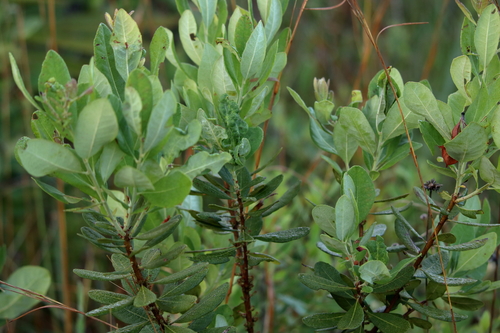
At a glance
- Leaves
- Evergreen
- Bloom
- April
- Fruiting season
- August to October
Not yet recorded · Spread · Life cycle
Recorded in 3 Arkansas counties.
Also found with this plant
Wildlife whose habitat models include habitats this plant grows in, in Arkansas. Shared habitat, not food. 71 animals.
- American Black DuckAnas rubripes
- American GoldfinchCarduelis tristis
- American KestrelFalco sparverius
- American RobinTurdus migratorius
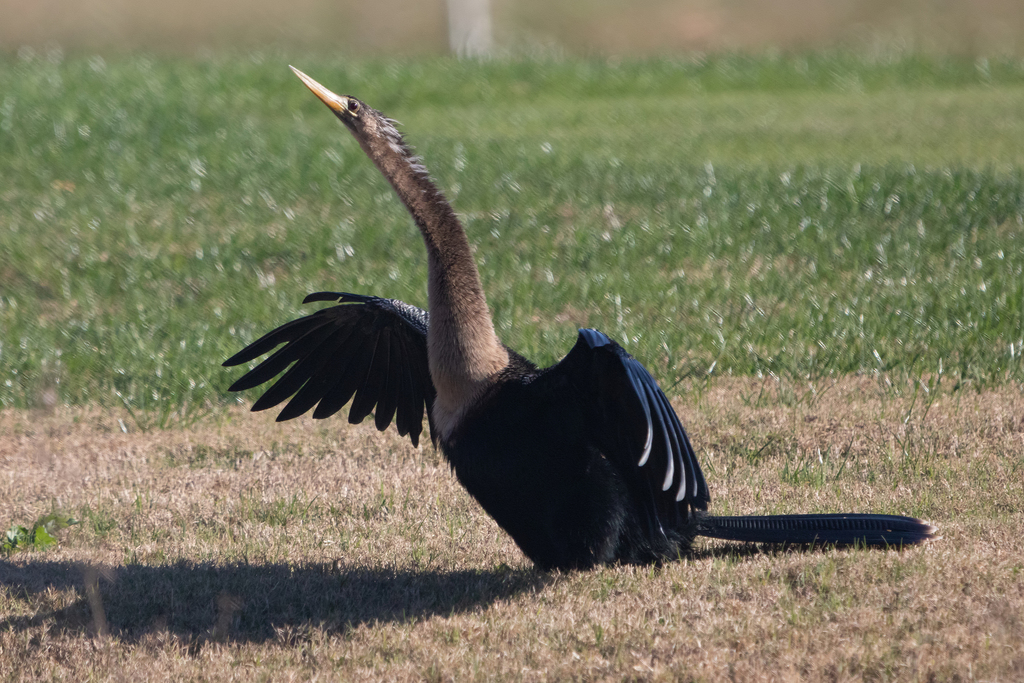
- AnhingaAnhinga anhinga
- Black-and-White WarblerMniotilta varia
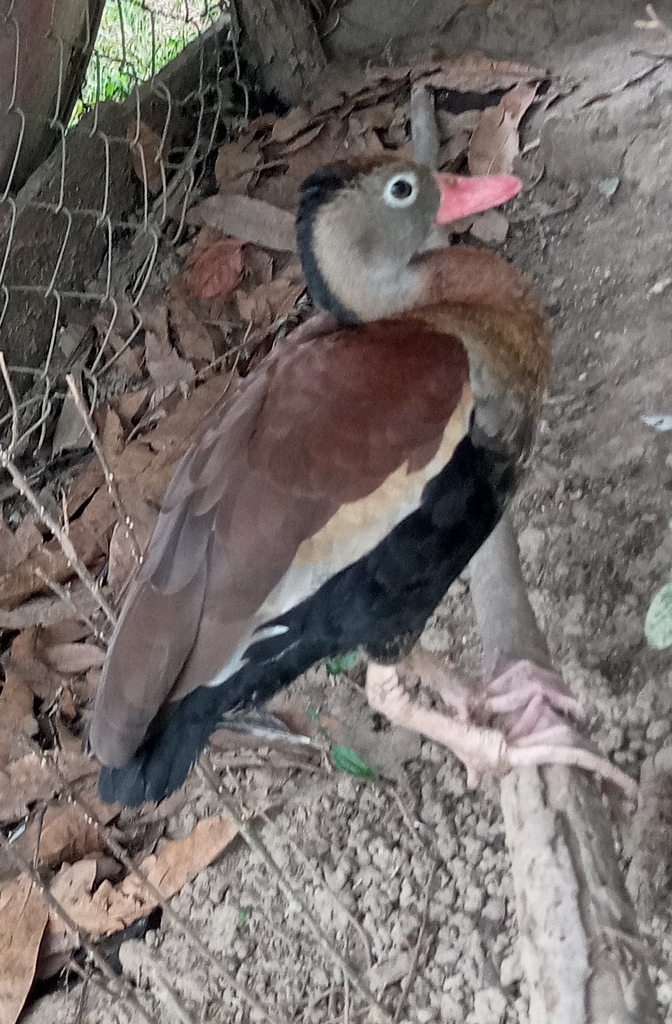
- Black-bellied Whistling-DuckDendrocygna autumnalis
- Black-crowned Night-heronNycticorax nycticorax
- Blue GrosbeakPasserina caerulea
- Blue JayCyanocitta cristata
- Blue-gray GnatcatcherPolioptila caerulea
- Brown CreeperCerthia americana
- Canada GooseBranta canadensis
- Cedar WaxwingBombycilla cedrorum
- Chimney SwiftChaetura pelagica
- Cliff SwallowPetrochelidon pyrrhonota
- Common NighthawkChordeiles minor
- Common YellowthroatGeothlypis trichas
- Cooper's HawkAccipiter cooperii
- Double-crested CormorantPhalacrocorax auritus
- Downy WoodpeckerPicoides pubescens
- Eastern KingbirdTyrannus tyrannus
- Eastern Wood-peweeContopus virens
- Eurasian Collared-doveStreptopelia decaocto






















Who uses this plant?
 56CaterpillarsGenus host records with ranges including AR
Genus host records with ranges including AR · Myrica
- Acharia stimuleaSaddleback Caterpillar Moth
- Acleris minutaLesser Apple Leaf Folder, Yellowheaded Fireworm
- Acronicta impressaImpressive Dagger, Printed Dagger
- Acronicta oblinitaSmeared Dagger
- Adoneta spinuloidesPurple-Crested Slug
- Archips argyrospilaFruit-Tree Leafroller Moth
- Argyrotaenia velutinanaRed-Banded Leafroller Moth, Jack Pine Tube Moth
- Biston betulariaSalt-and-Pepper Geometer, Cleft-Headed Looper
- Caloptilia stigmatellaPoplar Caloptilia
- Calycopis cecropsRed-Banded Hairstreak, Cecrops Hairstreak
Show all 56
- Catocala consorsThe Consort
- Catocala mulierculaThe Little Wife, Little Wife Underwing
- Cecrita biundataWavy-Lined Heterocampa
- Cenopis reticulatanaReticulated Fruitworm Moth
- Cleora projectaProjecta Gray
- Coelodasys apicalisPlain Schizura
- Crocigrapha normaniNorman's Quaker
- Cyclophora pendulinariaSweetfern Geometer
- Episimus tyriusMaple Tip Borer
- Eupithecia miserulataCommon Eupithacia, Common Pug
- Eutrapela clematariaCurved-Tooth Geometer, Purplish Brown Looper
- Hellinsia balanotesBaccharis Borer Plume Moth, Groundsel Plume Moth
- Iridopsis defectariaBrown-Shaded Gray, Willow Looper
- Kocakina fidelisIntractable Quaker, Green Fruitworm, Fourlined Green Fruitworm
- Leptostales rubromarginariaDark-Ribboned Wave
- Lycia ypsilonWoolly Gray
- Megalopyge crispataBlack-Waved Flannel Moth, Crinkled Flannel Moth
- Melanolophia canadariaCanadian Melanolphia, Variable Redmarked Looper
- Morrisonia confusaConfused Woodgrain
- Nematocampa resistariaFilament Bearer, Horned Spanworm Moth
- Nemoria bistriariaTwo-Striped Emerald, Red-Fringed Emerald
- Nemoria mimosariaWhite-Fringed Emerald
- Nemoria rubrifrontariaRed-Fronted Emerald
- Oedemasia concinnaRed-Humped Caterpillar, Red-Humped Appleworm
- Oiketicus abbotiiAbbot's Bagworm Moth
- Olethreutes permundanaRaspberry Leafroller
- Orgyia leucostigmaWhite-Marked Tussock Moth
- Palthis angulalisDark-Spotted Palthis
- Pandemis limitataThree-Lined Leafroller Moth
- Parasa chlorisSmaller Parasa, Green Slug Moth
- Parasa indeterminaStinging Rose Caterpillar Moth, Rose Slug Caterpillar
- Prochoerodes lineolaLarge Maple Spanworm Moth
- Prolimacodes badiaSkiff Moth, Skiff Caterpillar
- Protolampra brunneicollisBrown-Collared Dart
- Sphinx kalmiaeFawn Sphinx, Laurel Sphinx
- Spilosoma virginicaVirginian Tiger Moth, Yellow Woolybear Moth, Yellow Bear
- Strepsicrates smithianaBayberry Leaftier
- Tallula watsoniWatson's Tallula
- Tetracis cachexiataWhite Slant-Line
- Utetheisa ornatrixOrnate Moth, Pink Underwing, Rattlebox Moth, Bella Moth
- Xanthotype urticariaFalse Crocus Geometer
- Ancylis subaequana
- Aroga argutiola
- Cenopis karacana
- Olethreutes sericoranum
- Stigmella myricafoliella
 1BeesSoutheastern regional records
Southeastern regional records · Myrica
Individual names are not available yet.
Noori, Seltmann & Orr 2026, A curated and integrated dataset for exploring global bee-plant interactions (GloBI), Zenodo, CC BY 4.0 0Specialist beesPollen specialists
 18BirdsRecorded genus food-resource interactions; not a state feeding claim
Recorded genus food-resource interactions; not a state feeding claim · Morella
- Sialia sialisEastern Bluebird
- Aythya collarisRing-necked Duck
- Catharus guttatusHermit Thrush
- Catharus minimus/bicknelliGray-cheeked/Bicknell's Thrush
- Fulica americanaAmerican Coot
- Gallinula galeataCommon Gallinule
- Hylocichla mustelinaWood Thrush
- Plectrophenax nivalisSnow Bunting
- Quiscalus majorBoat-tailed Grackle
- Sphyrapicus ruberRed-breasted Sapsucker
Show all 18
- Tachycineta bicolorTree Swallow
- Turdus migratoriusAmerican Robin
- Tyrannus tyrannusEastern Kingbird
- Vireo gilvusWarbling Vireo
- Vireo griseusWhite-eyed Vireo
- Vireo olivaceusRed-eyed Vireo
- Vireo philadelphicusPhiladelphia Vireo
- Vireo solitariusBlue-headed Vireo
Direct food only: birds recorded eating this genus across North America. Caterpillars on host plants also feed nesting birds. NC Native Plant Society: butterfly gardening
No records yet · Ants · Beetles · Flies · Adult butterflies / moths · Other wasps · Other insects
Plant details
- Family
- Myricaceae
- Flower color
- Green
- Growth rate
- Moderate
- Growth habit
- Several stems
- Foliage color
- Dark green
- Fruit begins
- August
- Fruit ends
- October
Safety has not been reviewed for this plant; check toxicity and thorns before planting.
Growing sources and scope
- Bloom · “April” · Weakley, Flora of the Southeastern United States (2025), Carolinas & Georgia edition (ranked first; USDA PLANTS differs) · Carolinas and Georgia
- Flower color · “Green” · USDA PLANTS · Nationwide species characteristics; local growing conditions may vary
- Foliage color · “Dark green” · USDA PLANTS · Nationwide species characteristics; local growing conditions may vary
- Fruit begins · “August” · Weakley, Flora of the Southeastern United States (2025), Carolinas & Georgia edition (ranked first; USDA PLANTS differs) · Carolinas and Georgia
- Fruit ends · “October” · Weakley, Flora of the Southeastern United States (2025), Carolinas & Georgia edition (ranked first; USDA PLANTS differs) · Carolinas and Georgia
- Growth habit · “Several stems” · USDA PLANTS · Nationwide species characteristics; local growing conditions may vary
- Growth rate · “Moderate” · USDA PLANTS · Nationwide species characteristics; local growing conditions may vary
- Height · “About 7 feet” · USDA PLANTS · Nationwide species characteristics; local growing conditions may vary
- Leaf retention · “Evergreen” · USDA PLANTS · Nationwide species characteristics; local growing conditions may vary
- Light · “Shade (minimum requirement); Partial sun (minimum requirement)” · Virginia DCR Coastal Plain · Virginia regional planting chart; sunlight is a minimum requirement, moisture is low/moderate/high
- primary_flower_color · “green” · USDA PLANTS
- Soil · “Low; Moderate” · Virginia DCR Coastal Plain · Virginia regional planting chart; sunlight is a minimum requirement, moisture is low/moderate/high
Also known as
Myrica heterophylla; sweet gale; sweet-gale
Conservation status
| Arkansas rank | SNR |
|---|---|
| Global rank | G5 |
| AR status | Not verified |
| Federal status | Not verified |
Will it fit your yard?
Check this plant against your county, sun and soil moisture. Conditions are checked in your browser.
Sources
- Atlas of the Vascular Plants of Arkansas (2013)
- USDA PLANTS
- Vascular Plants of North Carolina (NC Natural Heritage Program)
- Weakley, Flora of the Southeastern United States (2025), Florida edition
- Arkansas occurrence source
- Shropshire & Tallamy 2025, Lepidoptera of North America north of Mexico, ZooKeys 1261 (ODbL)
- Noori, Seltmann & Orr 2026, A curated and integrated dataset for exploring global bee-plant interactions (GloBI), Zenodo, CC BY 4.0
- Smith, Bachelder, Russell, Morales, Mosher & Seltmann 2024, Bee-Specialization-Modeling v0.6.1 (specialist host table compiled from J. Fowler's pollen specialist bee lists), Zenodo, CC BY 4.0
- Hurlbert, Olsen, Sawyer & Winner 2021, Avian Diet Database, Scientific Data 8: 260 (CC0)
- Narango, Tallamy & Shropshire 2020, Few keystone plant genera support the majority of Lepidoptera species, Nature Communications