

Rice Cutgrass
Leersia oryzoides
In the Carolinas and Georgia, found in marshes, riverbanks, pond-shores, and a wide diversity of other wetlands. Weakley, Flora of the Southeastern United States (2025), Carolinas & Georgia edition What its natural habitat tells you
Native to Arkansas. How scores work Is it native here?
Profile 94%
- Height
- 5 feet
- Light
- Full to part sun
- Soil moisture
- Moist to wet
No photograph yet. Looking for an old drawing…
At a glance
- Bloom
- June to November
- Fruiting season
- Spring to fall
Not yet recorded · Spread · Life cycle · Leaves
Recorded in 43 Arkansas counties.
Natural habitats
Places it grows wild. Not a planting requirement. Each habitat page lists the plants and wildlife also found there.
Open, herb-covered wetlands with fresh, non-tidal water.
Streams, rivers and their banks
Flowing water and its banks, bars and rocky shoals.
Also found with this plant
Wildlife whose habitat models include habitats this plant grows in, in Arkansas. Shared habitat, not food. 143 animals.
- Red-winged BlackbirdAgelaius phoeniceus
- Ruby-crowned KingletRegulus calendula
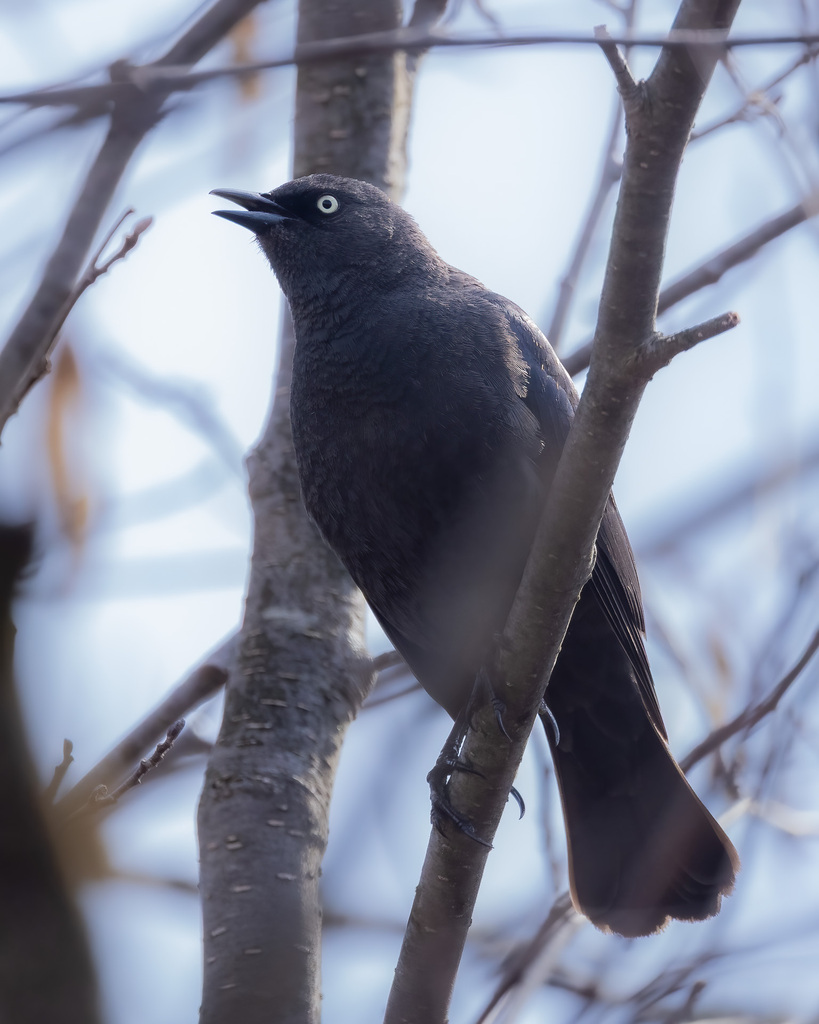
- Rusty BlackbirdEuphagus carolinus
- Sharp-shinned HawkAccipiter striatus
- Song SparrowMelospiza melodia
- Spotted SandpiperActitis macularius
- Tufted TitmouseBaeolophus bicolor
- Turkey VultureCathartes aura
- White-breasted NuthatchSitta carolinensis
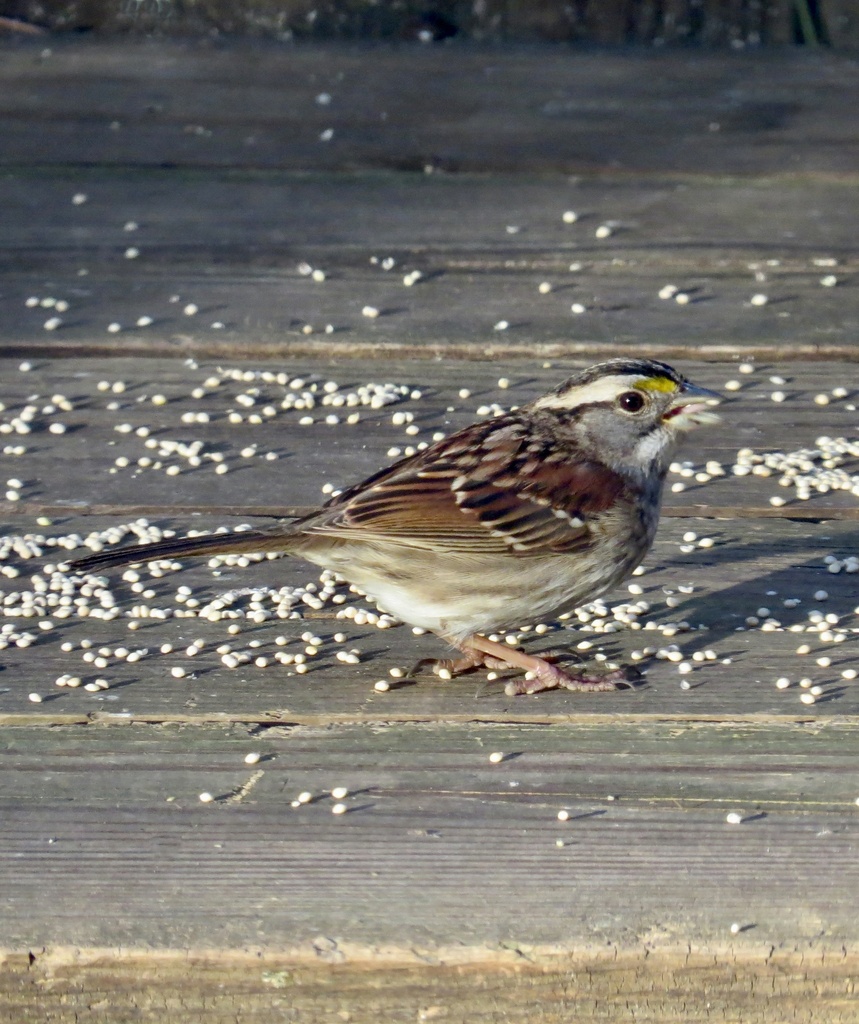
- White-throated SparrowZonotrichia albicollis
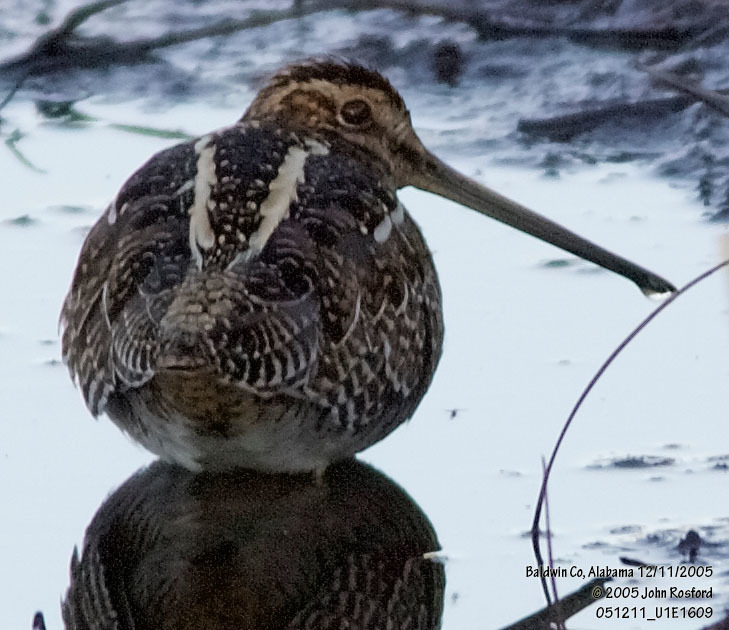
- Wilson's SnipeGallinago delicata
- Wood DuckAix sponsa
- Wood ThrushHylocichla mustelina
- Yellow-bellied SapsuckerSphyrapicus varius
- Yellow-billed CuckooCoccyzus americanus
- Yellow-breasted ChatIcteria virens
- Yellow-crowned Night-heronNyctanassa violacea
- Yellow-rumped WarblerDendroica coronata
- Alder FlycatcherEmpidonax alnorum
- Bald EagleHaliaeetus leucocephalus
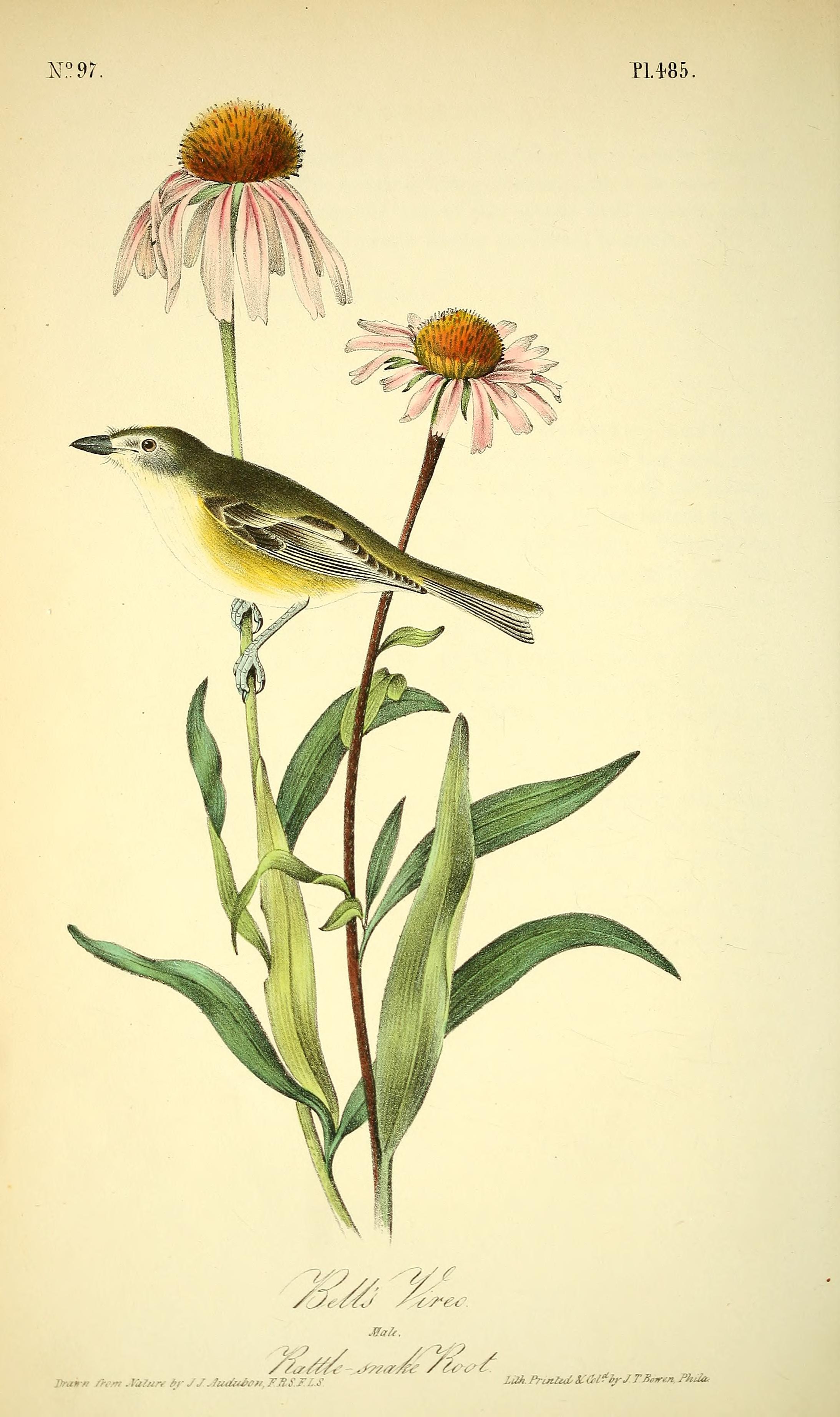
- Bell's VireoVireo bellii
- Broad-winged HawkButeo platypterus
- Brown ThrasherToxostoma rufum
- Carolina WrenThryothorus ludovicianus




















Who uses this plant?
 6CaterpillarsGenus host records with ranges including AR
Genus host records with ranges including AR · Leersia
- Ancyloxypha numitorLeast Skipper
- Crocidophora serratissimalisAngelic Crocidiphora
- Lethe anthedonNorthern Pearly Eye
- Lon hobomokHobomok Skipper
- Panoquina ocolaOcola Skipper, Long-Winged Skiiper
- Polites corasPeck's Skipper, Yellow-Patch Skipper
 0BeesSoutheastern regional records
 0Specialist beesPollen specialists
 6BirdsRecorded genus food-resource interactions; not a state feeding claim
Recorded genus food-resource interactions; not a state feeding claim · Leersia
- Aix sponsaWood Duck
- Anas rubripesAmerican Black Duck
- Aythya americanaRedhead
- Porzana carolinaSora
- Rallus elegansKing Rail
- Rallus limicolaVirginia Rail
Direct food only: birds recorded eating this genus across North America. Caterpillars on host plants also feed nesting birds. NC Native Plant Society: butterfly gardening
No records yet · Ants · Beetles · Flies · Adult butterflies / moths · Other wasps · Other insects
Plant details
- Family
- Poaceae
- Flower color
- Green
- Growth rate
- Moderate
- Growth habit
- Spreads by rhizomes
- Foliage color
- Dark green
- Fruit begins
- Spring
- Fruit ends
- Fall
Safety has not been reviewed for this plant; check toxicity and thorns before planting.
Growing sources and scope
- Bloom · “June to November” · Weakley, Flora of the Southeastern United States (2025), Carolinas & Georgia edition (ranked first; USDA PLANTS, Prairie Moon 2026 Cultural Guide differ) · Carolinas and Georgia
- Flower color · “Green” · USDA PLANTS · Nationwide species characteristics; local growing conditions may vary
- Foliage color · “Dark green” · USDA PLANTS · Nationwide species characteristics; local growing conditions may vary
- Fruit begins · “Spring” · USDA PLANTS · Nationwide species characteristics; local growing conditions may vary
- Fruit ends · “Fall” · USDA PLANTS · Nationwide species characteristics; local growing conditions may vary
- Growth habit · “Spreads by rhizomes” · USDA PLANTS · Nationwide species characteristics; local growing conditions may vary
- Growth rate · “Moderate” · USDA PLANTS · Nationwide species characteristics; local growing conditions may vary
- Height · “5 feet” · Tennessee Smart Yards (ranked first; USDA PLANTS, Prairie Moon 2026 Cultural Guide differ) · Published Tennessee growing guidance; exact cached scientific heading
- Light · “Full to part sun” · Tennessee Smart Yards (ranked first; Virginia DCR Piedmont, Virginia DCR Coastal Plain, Prairie Moon 2026 Cultural Guide differ) · Published Tennessee growing guidance; exact cached scientific heading
- Soil · “wet to moderately wet” · Tennessee Smart Yards (ranked first; Virginia DCR Piedmont, Virginia DCR Coastal Plain, Prairie Moon 2026 Cultural Guide differ) · Published Tennessee growing guidance; exact cached scientific heading
Also known as
Rice Cut Grass
Conservation status
| Arkansas rank | SNR |
|---|---|
| Global rank | G5 |
| AR status | Not verified |
| Federal status | Not verified |
Will it fit your yard?
Check this plant against your county, sun and soil moisture. Conditions are checked in your browser.
Growing cautions
- Spreads aggressively. Spreads aggressively by rhizomes and often produces dense colonies. Tennessee Smart Yards
For planning only; these do not change the score or Fit.
Sources
- Atlas of the Vascular Plants of Arkansas (2013)
- USDA PLANTS
- Vascular Plants of North Carolina (NC Natural Heritage Program)
- Weakley, Flora of the Southeastern United States (2025)
- Arkansas occurrence source
- Shropshire & Tallamy 2025, Lepidoptera of North America north of Mexico, ZooKeys 1261 (ODbL)
- Noori, Seltmann & Orr 2026, A curated and integrated dataset for exploring global bee-plant interactions (GloBI), Zenodo, CC BY 4.0
- Smith, Bachelder, Russell, Morales, Mosher & Seltmann 2024, Bee-Specialization-Modeling v0.6.1 (specialist host table compiled from J. Fowler's pollen specialist bee lists), Zenodo, CC BY 4.0
- Hurlbert, Olsen, Sawyer & Winner 2021, Avian Diet Database, Scientific Data 8: 260 (CC0)
- Narango, Tallamy & Shropshire 2020, Few keystone plant genera support the majority of Lepidoptera species, Nature Communications