

Narrowleaf Gumweed
Grindelia lanceolata
In the Carolinas and Georgia, found in limestone glades, limestone barrens, Black Belt chalk outcrops; also disturbed areas (roadsides, railroad beds, waste areas around wool-combing mills). Weakley, Flora of the Southeastern United States (2025), Carolinas & Georgia edition What its natural habitat tells you
Native to Arkansas. How scores work Is it native here?
Profile 94%
- Height
- Up to about 5 feet
- Spread
- 1.5–2 feet
- Light
- Full sun
- Soil moisture
- Dry to moist
Space about 2 ft apart from its recorded spread, about 25 per 100 sq ft. Enter your bed size for a count
Will it fit your yard?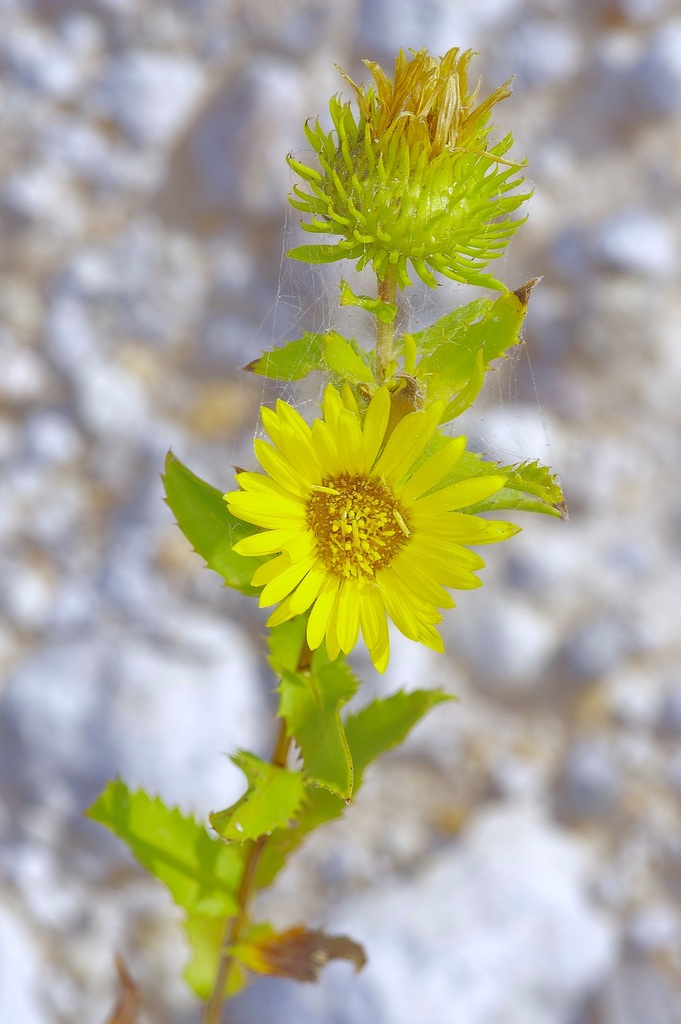
At a glance
- Life cycle
- Biennial or perennial
- Bloom
- June to September
Not yet recorded · Leaves
Recorded in 21 Arkansas counties.
Natural habitats
Places it grows wild. Not a planting requirement. Each habitat page lists the plants and wildlife also found there.
Glades, barrens and outcrops on limestone
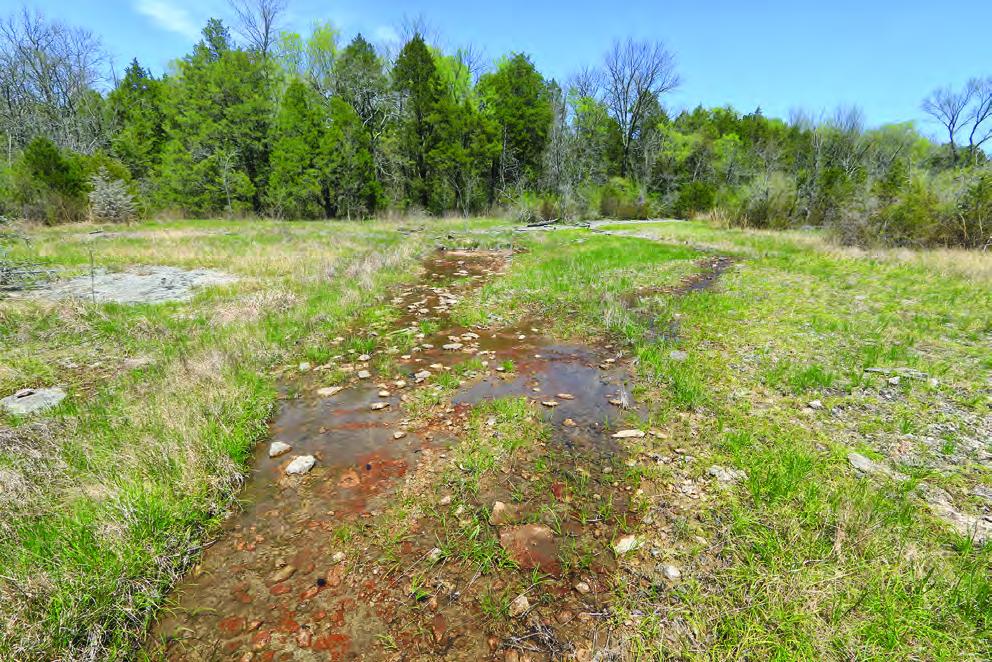
Cliffs, ledges and rocky summits
Cliffs, ledges, rock outcrops, talus and rocky summits where the source does not name the rock. A named rock files the place under its own glade or outcrop type instead.
Roadsides, fields and disturbed ground
Ground opened by people: roadsides, old fields, pastures, fencerows and lots.
Also found with this plant
Wildlife whose habitat models include habitats this plant grows in, in Arkansas. Shared habitat, not food. 63 animals.
- Red-winged BlackbirdAgelaius phoeniceus
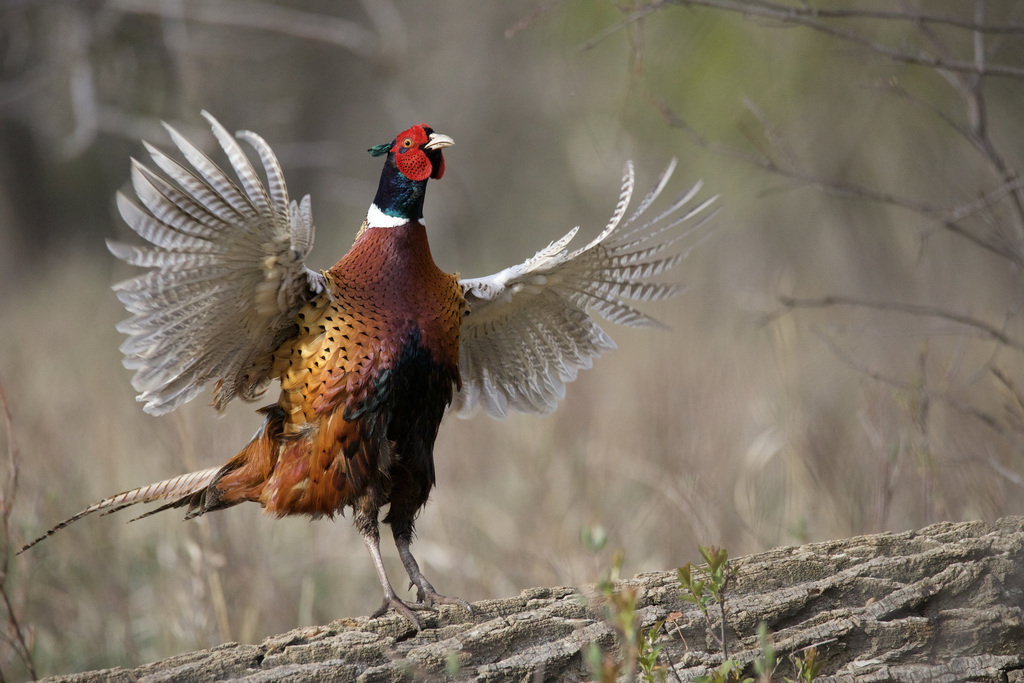
- Ring-necked PheasantPhasianus colchicus
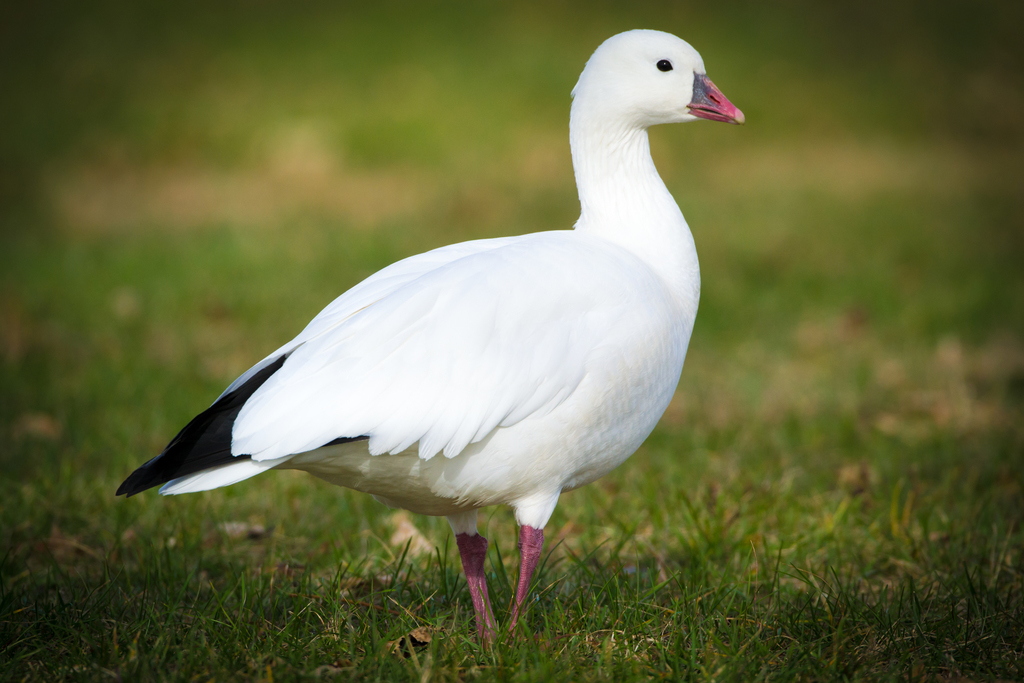
- Ross's GooseChen rossii
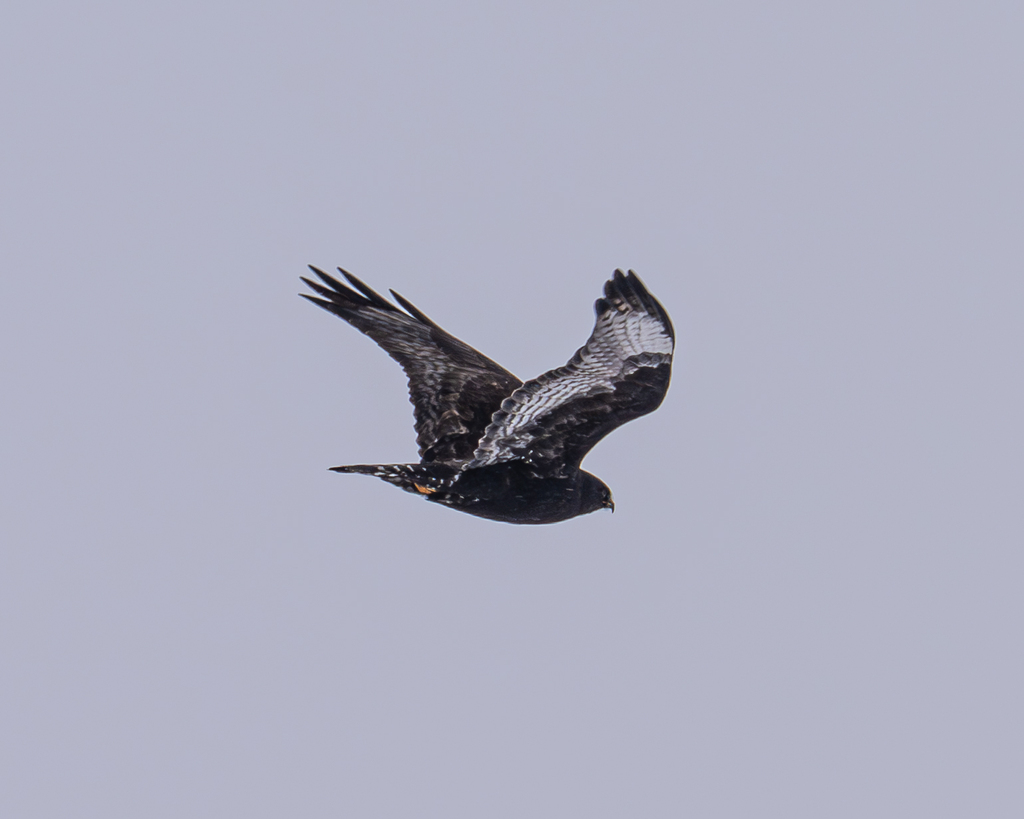
- Rough-legged HawkButeo lagopus
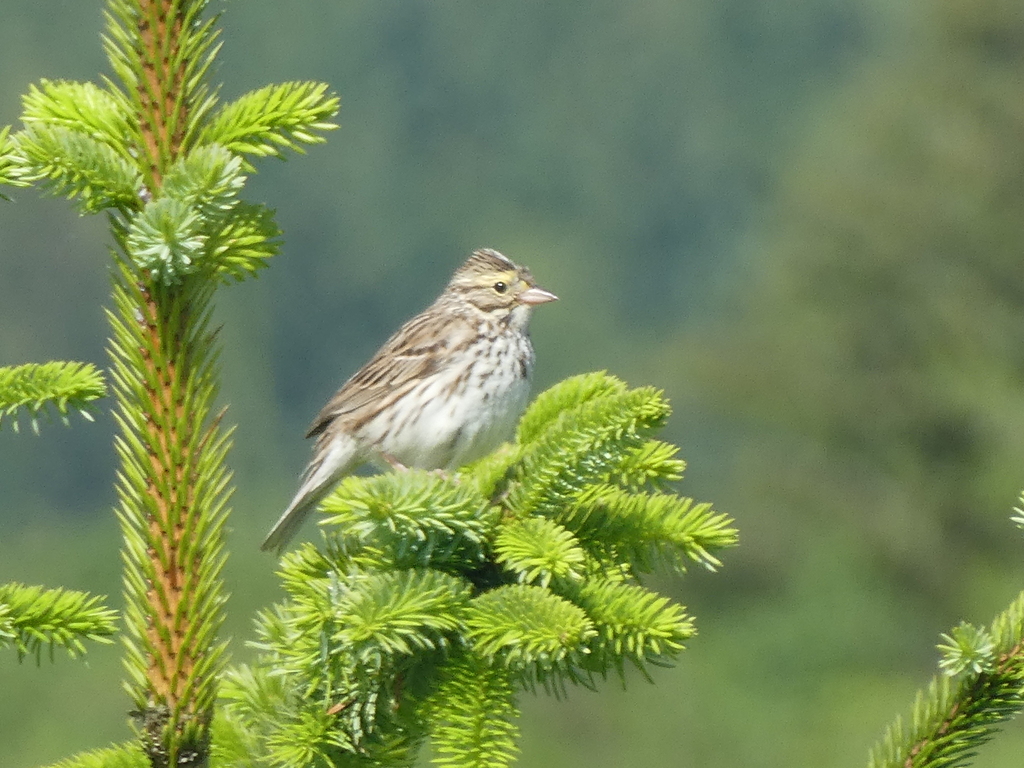
- Savannah SparrowPasserculus sandwichensis
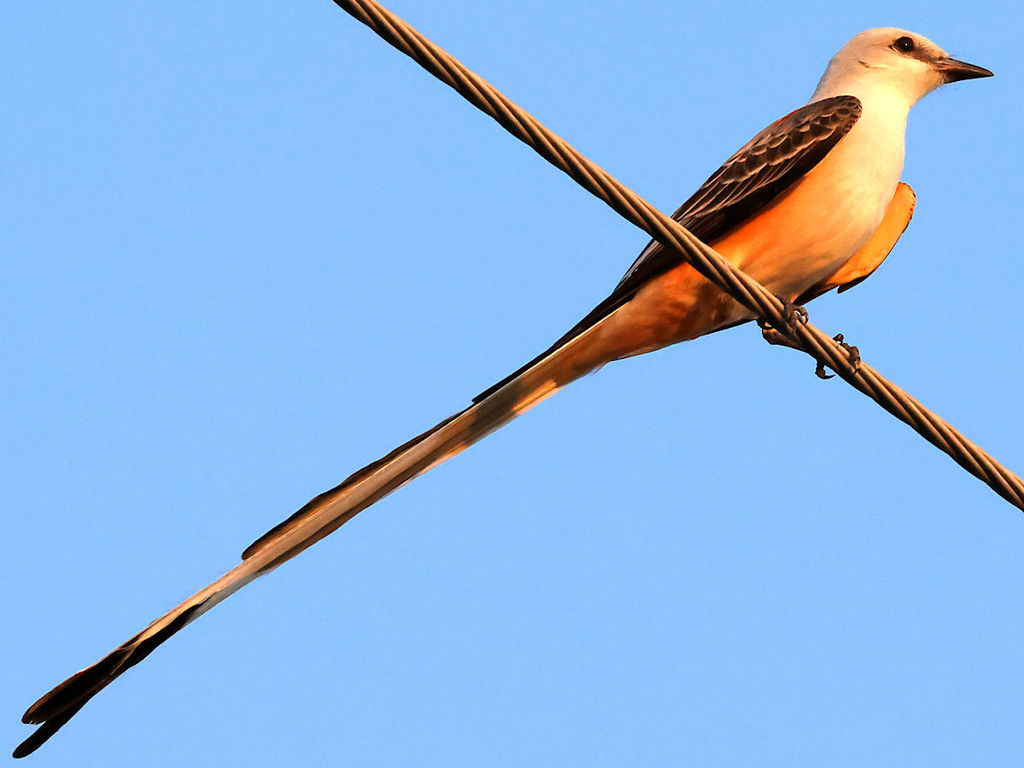
- Scissor-tailed FlycatcherTyrannus forficatus
- Sharp-shinned HawkAccipiter striatus
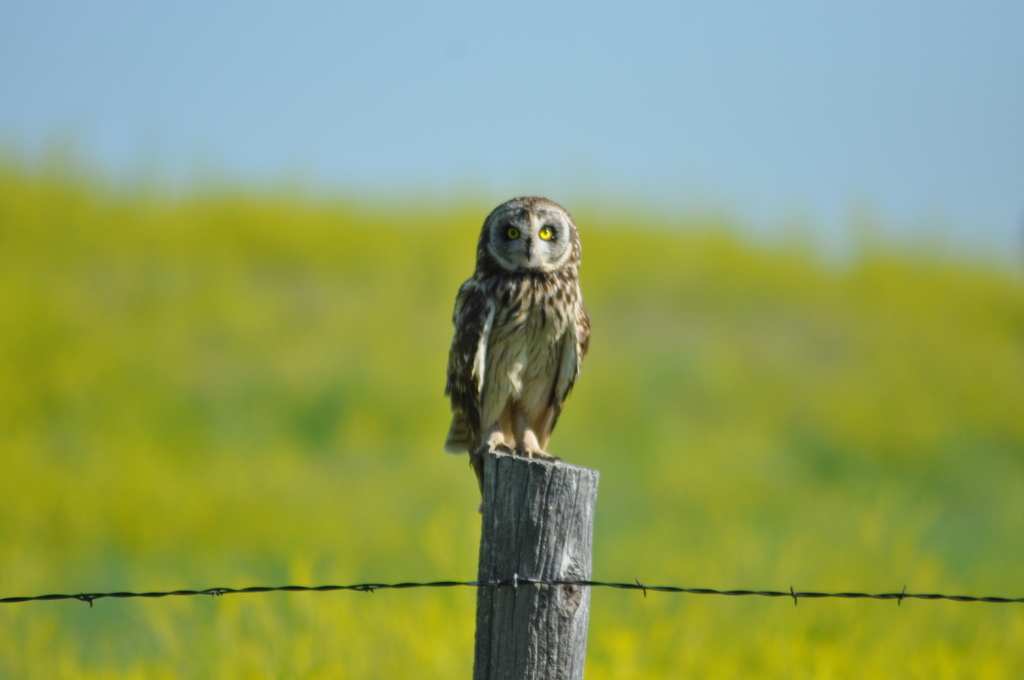
- Short-eared OwlAsio flammeus
- Spotted SandpiperActitis macularius
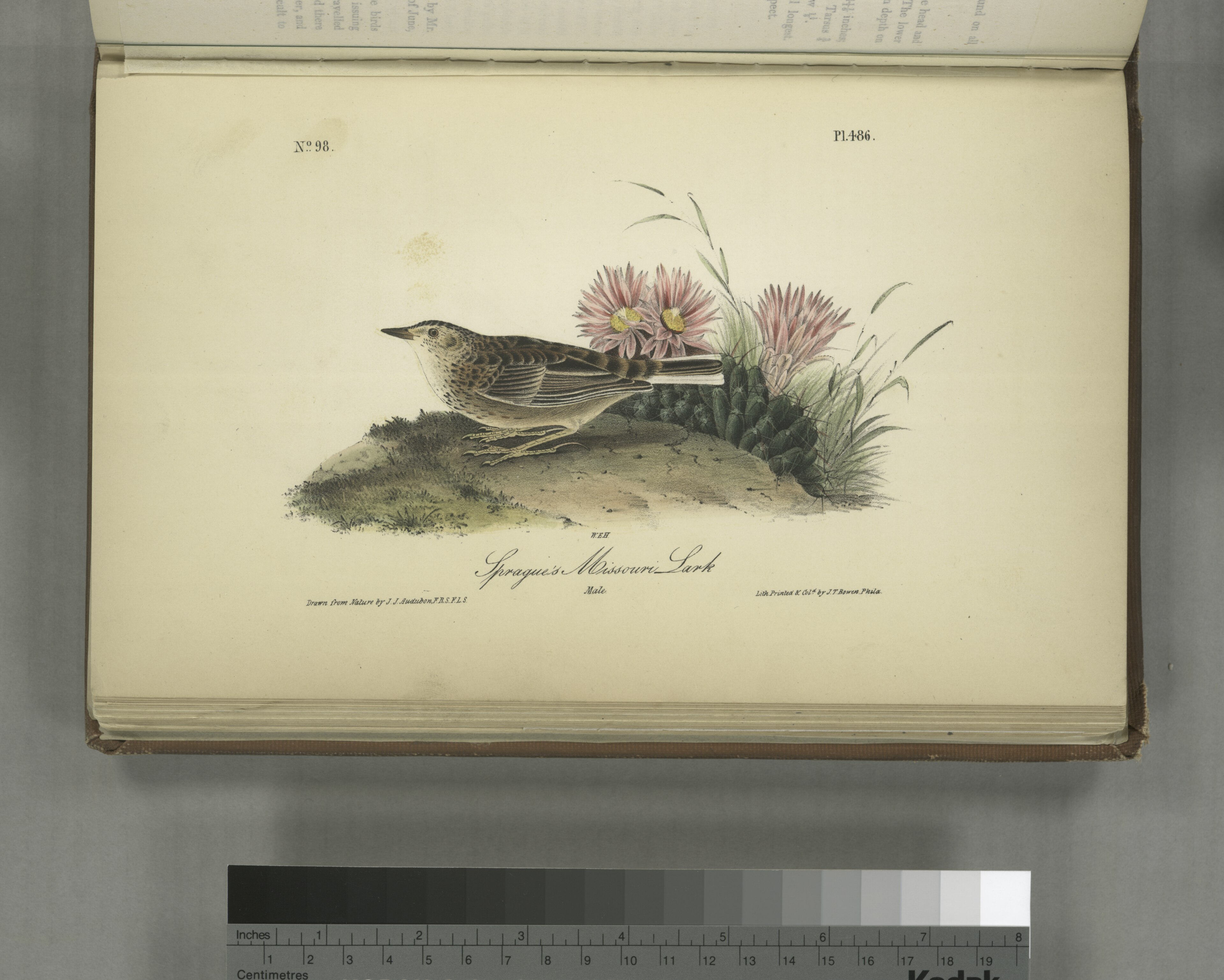
- Sprague's PipitAnthus spragueii
- Tree SwallowTachycineta bicolor
- Turkey VultureCathartes aura
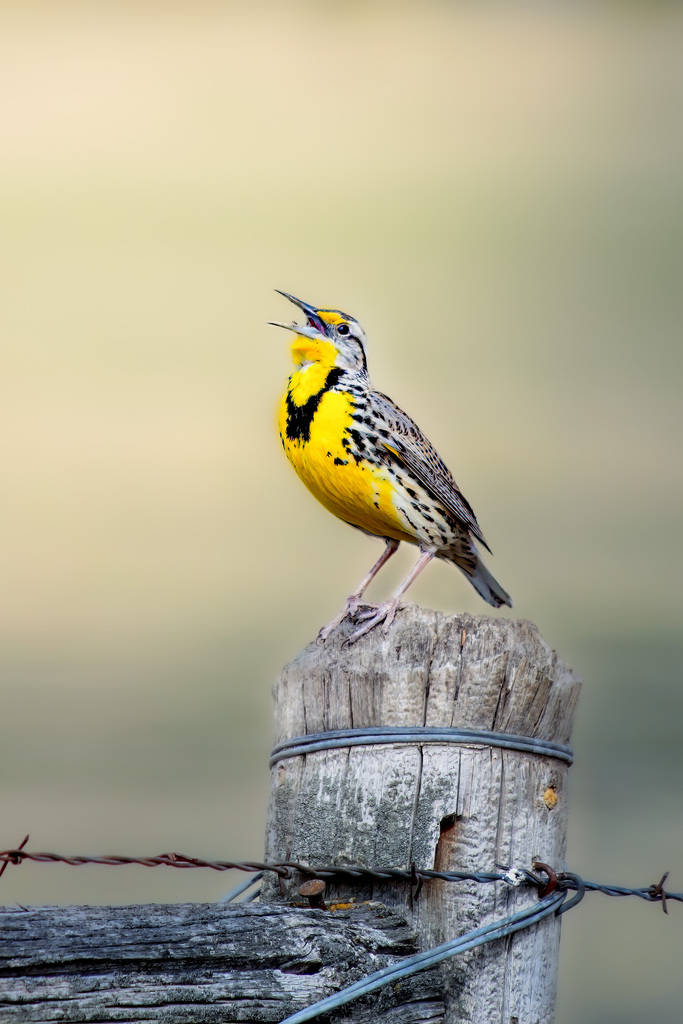
- Western MeadowlarkSturnella neglecta
- Wild TurkeyMeleagris gallopavo
- Yellow-breasted ChatIcteria virens







Who uses this plant?
 8CaterpillarsGenus host records with ranges including AR
Genus host records with ranges including AR · Grindelia
- Carmenta texanaTexana Clearwing Moth
- Feltia jaculiferaDingy Cutworm
- Heliothis phloxiphagaSpotted Straw Sun Moth, Darker Spotted Straw Moth
- Homoeosoma electellaSunflower Moth
- Pelochrista ridingsanaSnakeweed Borer
- Platynota stultanaOmnivorous Leafroller
- Schinia coercita
- Schinia mortua
 1BeesSoutheastern regional records
Southeastern regional records · Grindelia
Individual names are not available yet.
Noori, Seltmann & Orr 2026, A curated and integrated dataset for exploring global bee-plant interactions (GloBI), Zenodo, CC BY 4.0 29Specialist beesPollen specialists
Pollen specialists · Grindelia
- Andrena canadensis
- Andrena chromotricha
- Andrena hirticincta
- Andrena runcinatae
- Ashmeadiella bucconis
- Calliopsis coloradensis
- Colletes rufocinctus
- Dianthidium simile
- Dieunomia nevadensis
- Megachile parallela
Show all 29
- Melissodes confusus
- Melissodes coreopsis
- Melissodes druriellus
- Melissodes lutulentus
- Melissodes menuachus
- Melissodes pallidisignatus
- Melissodes subagilis
- Melissodes trinodis
- Melissodes wheeleri
- Perdita albipennis
- Perdita bruneri
- Perdita ignota
- Perdita perpulchra
- Perdita prionopsidis
- Perdita swenki
- Perdita xanthismae
- Protandrena aestivalis
- Protandrena piercei
- Protandrena simulans
 2BirdsRecorded genus food-resource interactions; not a state feeding claim
Recorded genus food-resource interactions; not a state feeding claim · Grindelia
- Callipepla californicaCalifornia Quail
- Centrocercus urophasianusGreater Sage-Grouse
Direct food only: birds recorded eating this genus across North America. Caterpillars on host plants also feed nesting birds. NC Native Plant Society: butterfly gardening
No records yet · Ants · Beetles · Flies · Adult butterflies / moths · Other wasps · Other insects
Plant details
- Family
- Asteraceae
- Hardiness
- Zones 4–8
- Flower color
- Yellow
Safety has not been reviewed for this plant; check toxicity and thorns before planting.
Growing sources and scope
- Bloom · “June to September” · Weakley, Flora of the Southeastern United States (2025), Carolinas & Georgia edition · Carolinas and Georgia
- Flower color · “Yellow” · Lady Bird Johnson Wildflower Center
- Hardiness · “Zones 4–8” · Missouri Botanical Garden Plant Finder
- Height · “Up to about 5 feet” · Lady Bird Johnson Wildflower Center (ranked first; Missouri Botanical Garden Plant Finder differs)
- Life cycle · “Biennial or perennial” · Lady Bird Johnson Wildflower Center
- Light · “Full sun (documented habitat)” · Weakley, Flora of the Southeastern United States (2025), Carolinas & Georgia edition · Carolinas and Georgia
- primary_flower_color · “yellow” · Lady Bird Johnson Wildflower Center
- Soil · “Dry; Moist (documented habitat)” · Weakley, Flora of the Southeastern United States (2025), Carolinas & Georgia edition · Carolinas and Georgia
- Spread · “1.5–2 feet” · Missouri Botanical Garden Plant Finder
Conservation status
| Arkansas rank | SNR |
|---|---|
| Global rank | G4 |
| AR status | Not verified |
| Federal status | Not verified |
Will it fit your yard?
Check this plant against your county, sun and soil moisture. Conditions are checked in your browser.
Sources
- Atlas of the Vascular Plants of Arkansas (2013)
- USDA PLANTS
- Weakley, Flora of the Southeastern United States (2025)
- Arkansas occurrence source
- Shropshire & Tallamy 2025, Lepidoptera of North America north of Mexico, ZooKeys 1261 (ODbL)
- Noori, Seltmann & Orr 2026, A curated and integrated dataset for exploring global bee-plant interactions (GloBI), Zenodo, CC BY 4.0
- Smith, Bachelder, Russell, Morales, Mosher & Seltmann 2024, Bee-Specialization-Modeling v0.6.1 (specialist host table compiled from J. Fowler's pollen specialist bee lists), Zenodo, CC BY 4.0
- Hurlbert, Olsen, Sawyer & Winner 2021, Avian Diet Database, Scientific Data 8: 260 (CC0)
- Narango, Tallamy & Shropshire 2020, Few keystone plant genera support the majority of Lepidoptera species, Nature Communications