

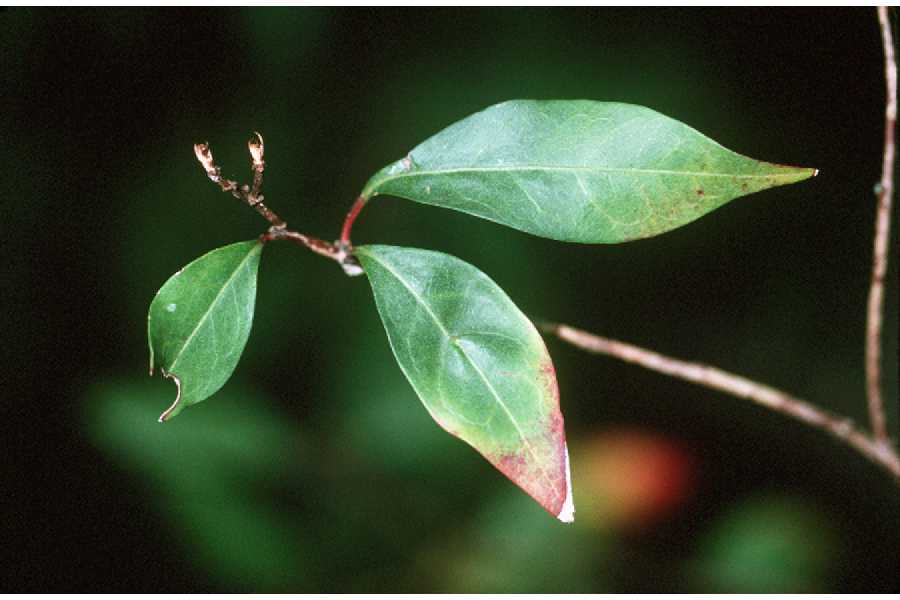
Gulf Sebastian-bush
Ditrysinia fruticosa
In the Carolinas and Georgia, found in blackwater natural levees and bottomland hardwood forests, other wet to moist, mostly shaded, habitats. Weakley, Flora of the Southeastern United States (2025), Carolinas & Georgia edition What its natural habitat tells you
Native to Arkansas. How scores work Is it native here?
Profile 100%
- Height
- About 12 feet
- Light
- Partial shade, Full shade
- Soil moisture
- Moist to wet
Rare or protected plant. Specialist conservation planting; excluded from routine garden suggestions. Plant caution source
Hidden from default planting suggestions. Wildlife value and native status remain unchanged.
At a glance
- Leaves
- Evergreen
- Bloom
- April to June
- Fruiting season
- July to October
Not yet recorded · Spread · Life cycle
Recorded in 1 Arkansas county.
Natural habitats
Places it grows wild. Not a planting requirement. Each habitat page lists the plants and wildlife also found there.
Floodplain and bottomland forests
Forests on low ground beside rivers and streams that flood from time to time.
Also found with this plant
Wildlife whose habitat models include habitats this plant grows in, in Arkansas. Shared habitat, not food. 108 animals.
- Eastern KingbirdTyrannus tyrannus
- European StarlingSturnus vulgaris
- Golden-crowned KingletRegulus satrapa
- Gray CatbirdDumetella carolinensis
- Great EgretArdea alba
- Great Horned OwlBubo virginianus
- Green HeronButorides virescens
- Hairy WoodpeckerPicoides villosus
- Hermit ThrushCatharus guttatus
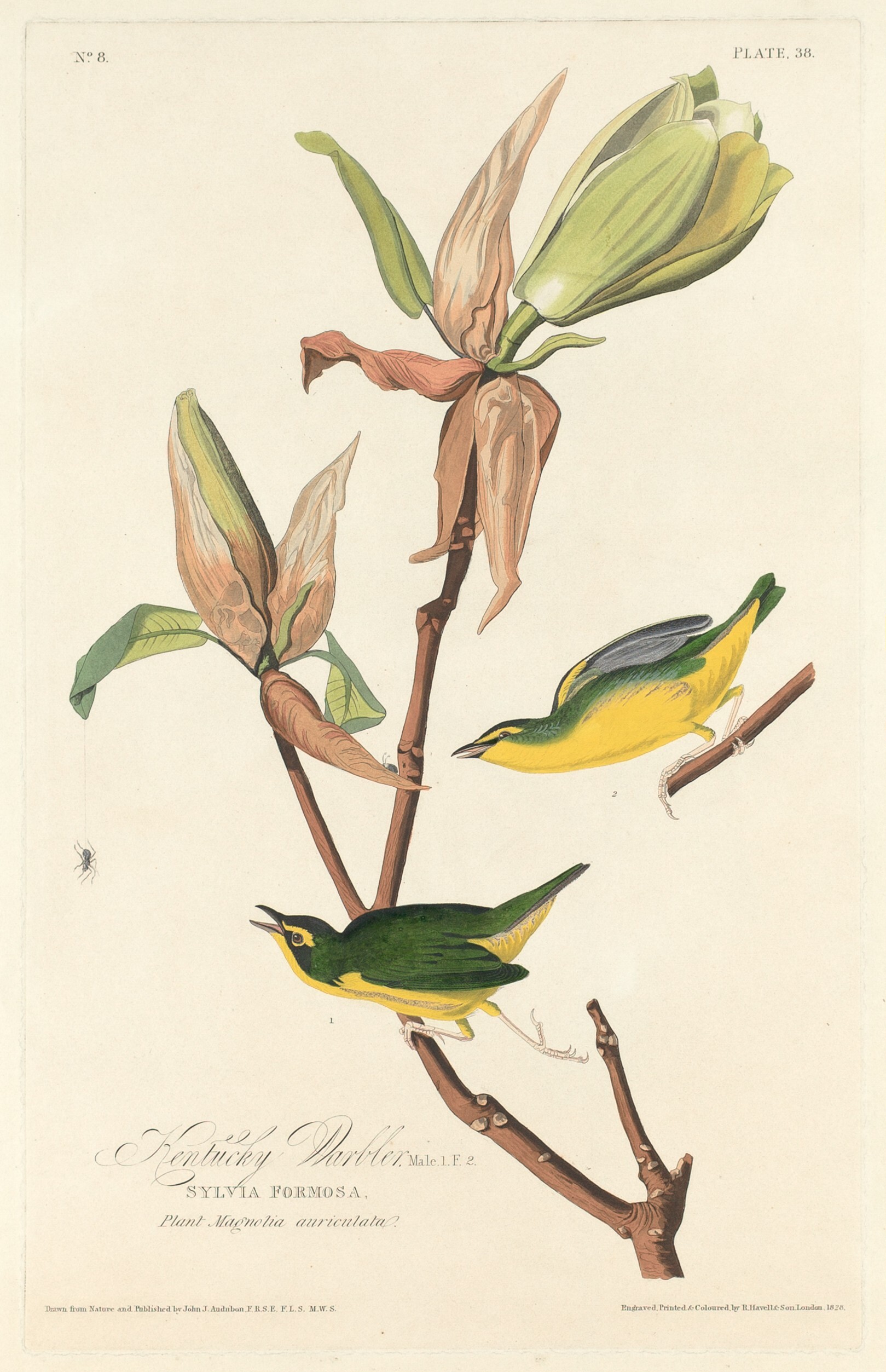
- Kentucky WarblerOporornis formosus
- Lincoln's SparrowMelospiza lincolnii
- Mourning DoveZenaida macroura
- Northern CardinalCardinalis cardinalis
- Northern FlickerColaptes auratus
- Northern MockingbirdMimus polyglottos
- OspreyPandion haliaetus
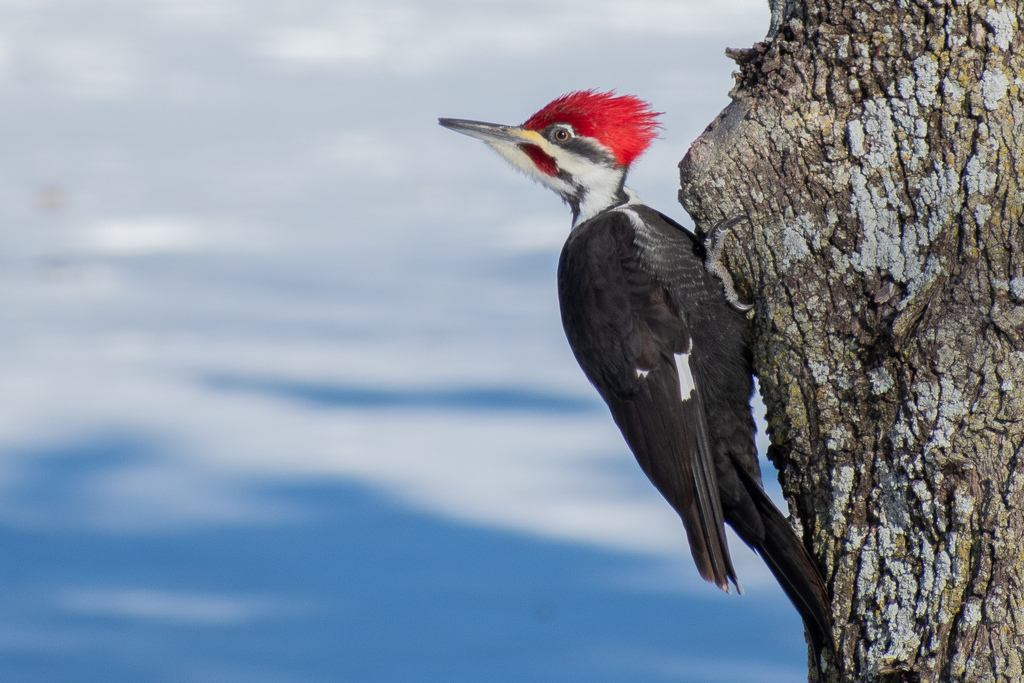
- Pileated WoodpeckerDryocopus pileatus
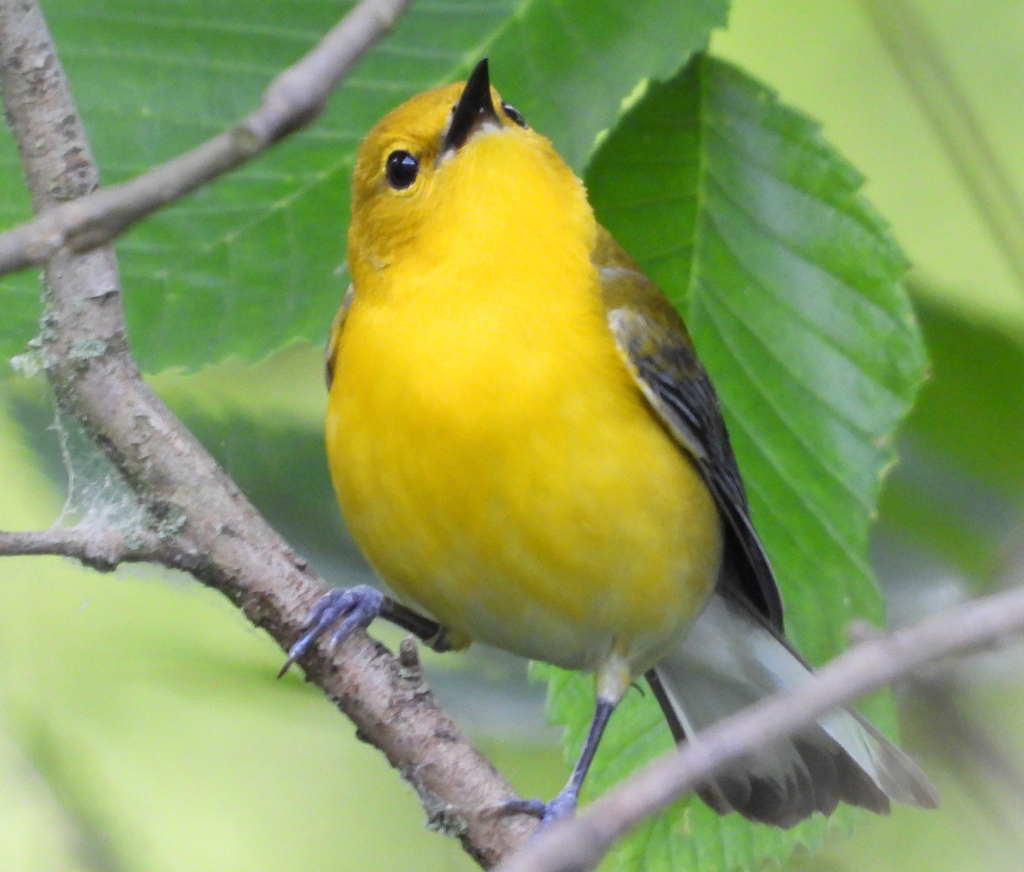
- Prothonotary WarblerProtonotaria citrea
- Purple FinchCarpodacus purpureus
- Red-headed WoodpeckerMelanerpes erythrocephalus
- Red-tailed HawkButeo jamaicensis
- Red-winged BlackbirdAgelaius phoeniceus
- Ring-necked DuckAythya collaris
- Ruby-crowned KingletRegulus calendula























Who uses this plant?
 1CaterpillarsGenus host records with ranges including AR
Genus host records with ranges including AR · Sebastiania
- Acharia stimuleaSaddleback Caterpillar Moth
 0BeesSoutheastern regional records
 0Specialist beesPollen specialists
 1BirdsRecorded genus food-resource interactions; not a state feeding claim
Recorded genus food-resource interactions; not a state feeding claim · Sebastiania
- Zenaida asiaticaWhite-winged Dove
Direct food only: birds recorded eating this genus across North America. Caterpillars on host plants also feed nesting birds. NC Native Plant Society: butterfly gardening
No records yet · Ants · Beetles · Flies · Adult butterflies / moths · Other wasps · Other insects
Plant details
- Family
- Euphorbiaceae
- Flower color
- Green
- Growth rate
- Moderate
- Growth habit
- Several stems
- Foliage color
- Green
- Fruit begins
- July
- Fruit ends
- October
Growing sources and scope
- Bloom · “April to June” · Weakley, Flora of the Southeastern United States (2025), Carolinas & Georgia edition (ranked first; USDA PLANTS differs) · Carolinas and Georgia
- Flower color · “Green” · USDA PLANTS · Nationwide species characteristics; local growing conditions may vary
- Foliage color · “Green” · USDA PLANTS · Nationwide species characteristics; local growing conditions may vary
- Fruit begins · “July” · Weakley, Flora of the Southeastern United States (2025), Carolinas & Georgia edition (ranked first; USDA PLANTS differs) · Carolinas and Georgia
- Fruit ends · “October” · Weakley, Flora of the Southeastern United States (2025), Carolinas & Georgia edition (ranked first; USDA PLANTS differs) · Carolinas and Georgia
- Growth habit · “Several stems” · USDA PLANTS · Nationwide species characteristics; local growing conditions may vary
- Growth rate · “Moderate” · USDA PLANTS · Nationwide species characteristics; local growing conditions may vary
- Height · “About 12 feet” · USDA PLANTS · Nationwide species characteristics; local growing conditions may vary
- Leaf retention · “Evergreen” · USDA PLANTS · Nationwide species characteristics; local growing conditions may vary
- Light · “Partial shade; Full shade (documented habitat)” · Weakley, Flora of the Southeastern United States (2025), Carolinas & Georgia edition · Carolinas and Georgia
- primary_flower_color · “green” · USDA PLANTS
- Soil · “Moist; Wet (documented habitat)” · Weakley, Flora of the Southeastern United States (2025), Carolinas & Georgia edition · Carolinas and Georgia
Also known as
Gulf Sebastian bush; Sebastiania ligustrina
Conservation status
| Arkansas rank | S1 |
|---|---|
| Global rank | G5 |
| AR status | Not verified |
| Federal status | Not verified |
Will it fit your yard?
Check this plant against your county, sun and soil moisture. Conditions are checked in your browser.
Sources
- Atlas of the Vascular Plants of Arkansas (2013)
- USDA PLANTS
- Vascular Plants of North Carolina (NC Natural Heritage Program)
- Weakley, Flora of the Southeastern United States (2025), Carolinas & Georgia edition
- NatureServe Explorer
- Arkansas occurrence source
- Shropshire & Tallamy 2025, Lepidoptera of North America north of Mexico, ZooKeys 1261 (ODbL)
- Noori, Seltmann & Orr 2026, A curated and integrated dataset for exploring global bee-plant interactions (GloBI), Zenodo, CC BY 4.0
- Smith, Bachelder, Russell, Morales, Mosher & Seltmann 2024, Bee-Specialization-Modeling v0.6.1 (specialist host table compiled from J. Fowler's pollen specialist bee lists), Zenodo, CC BY 4.0
- Hurlbert, Olsen, Sawyer & Winner 2021, Avian Diet Database, Scientific Data 8: 260 (CC0)
- Narango, Tallamy & Shropshire 2020, Few keystone plant genera support the majority of Lepidoptera species, Nature Communications