

Limestone Carolina Lark Spur
Delphinium carolinianum
Native status unresolved in Arkansas. How scores work Is it native here?
Profile 53%
- Height
- 1–3 feet
- Spread
- 8–18 inches
- Light
- Full sun, Partial shade
- Soil moisture
- Dry to average
Space about 1 ft apart from its recorded spread, about 100 per 100 sq ft. Enter your bed size for a count
Will it fit your yard?No photograph yet. Looking for an old drawing…
At a glance
- Life cycle
- Perennial
Not yet recorded · Leaves · Bloom
This plant is missing most of its facts, so Quercus is looking them up in old botany books.
Recorded in 41 Arkansas counties.
Also found with this plant
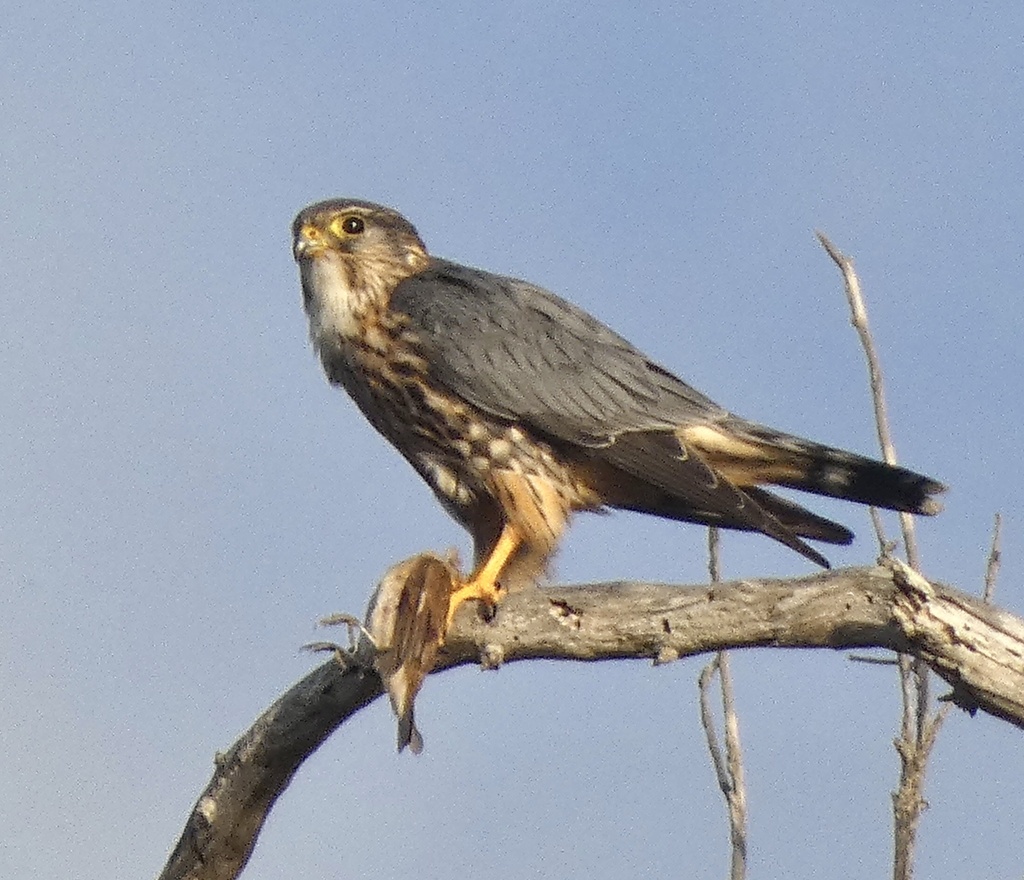
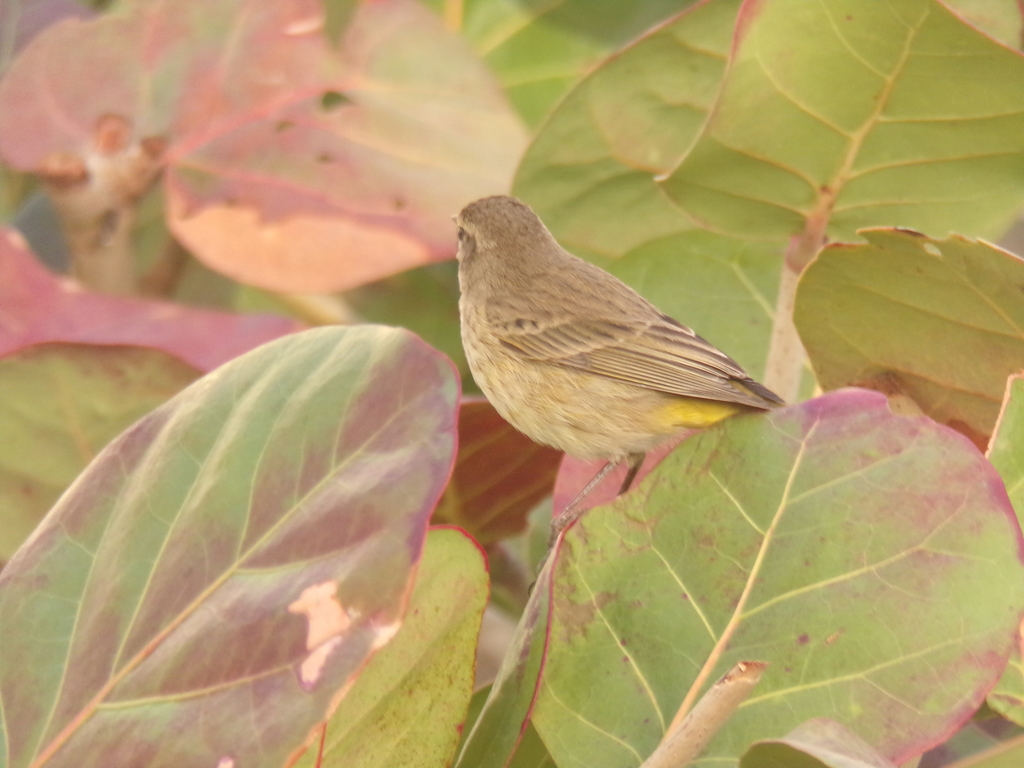
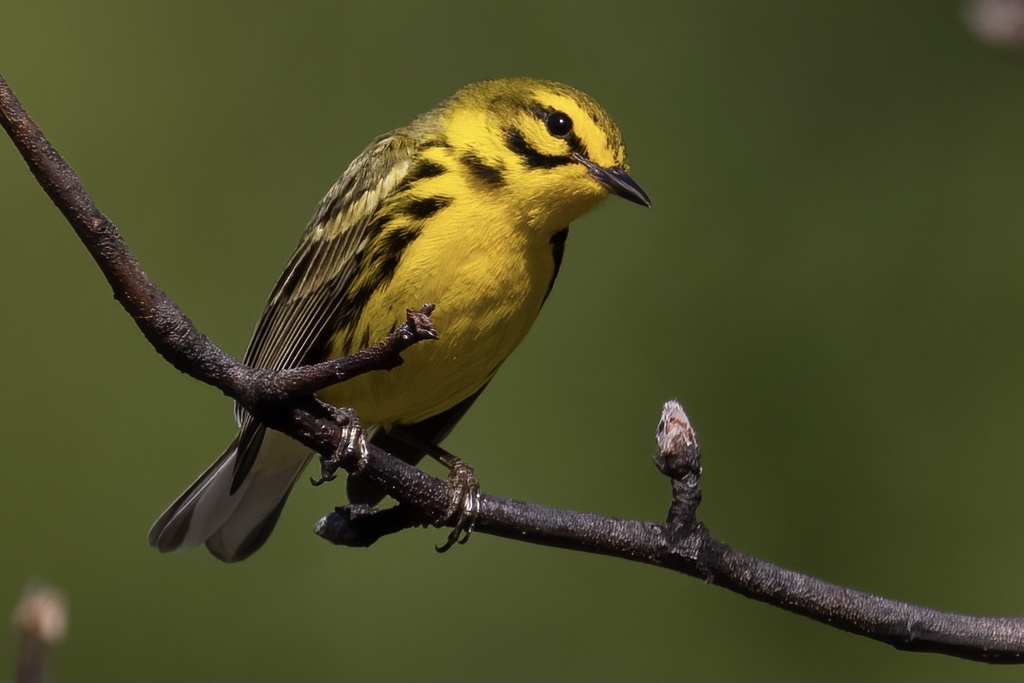
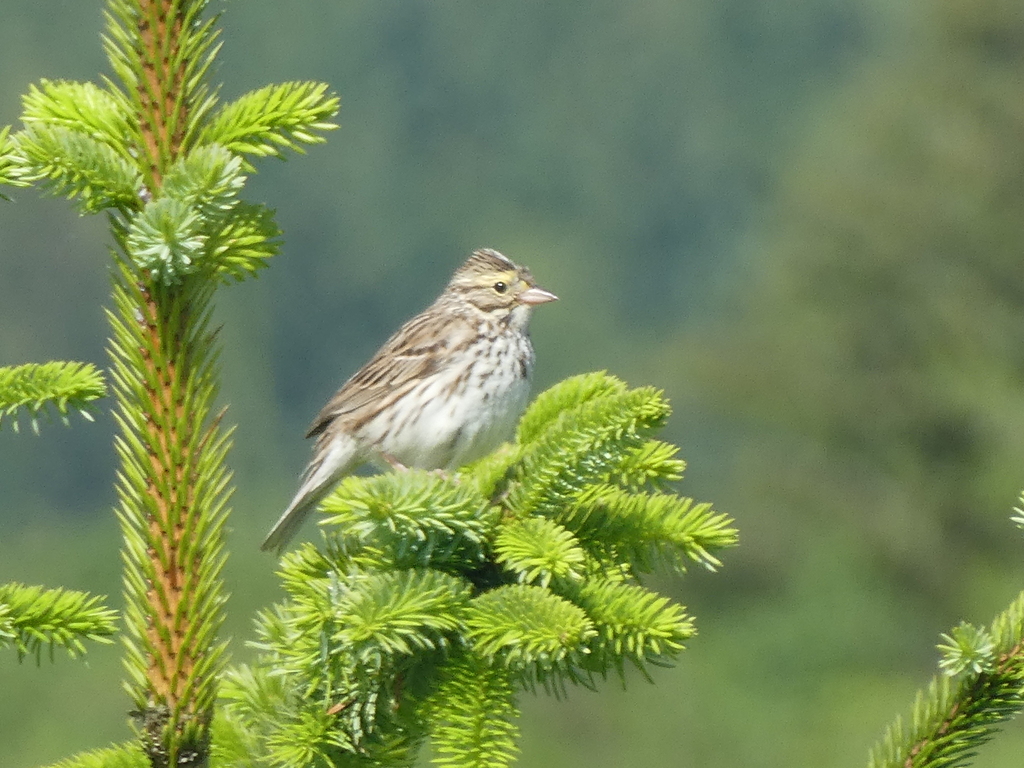
Wildlife whose habitat models include habitats this plant grows in, in Arkansas. Shared habitat, not food. 70 animals.
- MerlinFalco columbarius
- Mourning DoveZenaida macroura
- Northern FlickerColaptes auratus
- Northern MockingbirdMimus polyglottos
- Northern Rough-winged SwallowStelgidopteryx serripennis
- Palm WarblerDendroica palmarum
- Pine SiskinCarduelis pinus
- Prairie WarblerDendroica discolor
- Purple FinchCarpodacus purpureus
- Red-tailed HawkButeo jamaicensis
- Red-winged BlackbirdAgelaius phoeniceus
- Savannah SparrowPasserculus sandwichensis
- Scissor-tailed FlycatcherTyrannus forficatus
- Sharp-shinned HawkAccipiter striatus
- Short-eared OwlAsio flammeus
- Spotted SandpiperActitis macularius
- Tree SwallowTachycineta bicolor
- Turkey VultureCathartes aura
- Western MeadowlarkSturnella neglecta
- Wild TurkeyMeleagris gallopavo
- Yellow-breasted ChatIcteria virens
- American KestrelFalco sparverius
- American WoodcockScolopax minor
- Bank SwallowRiparia riparia








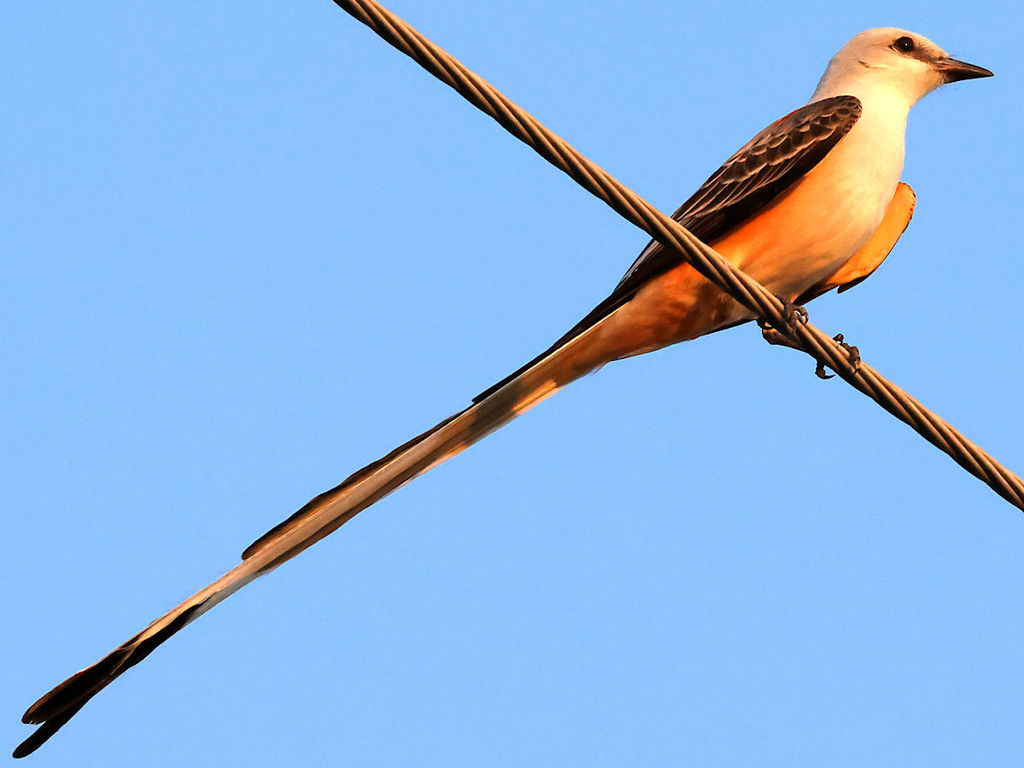

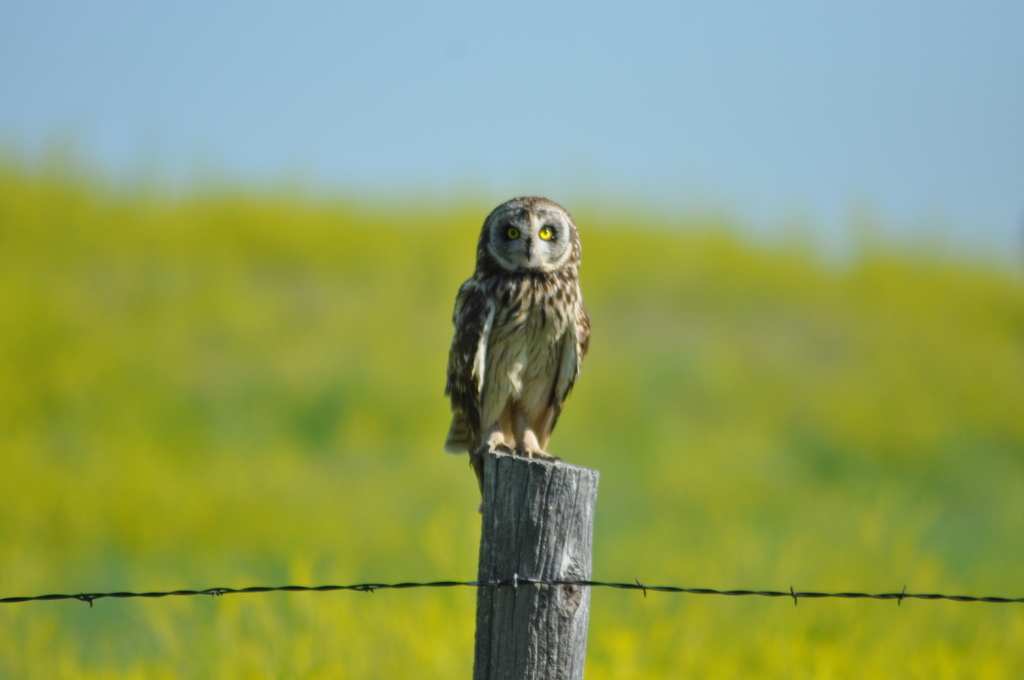



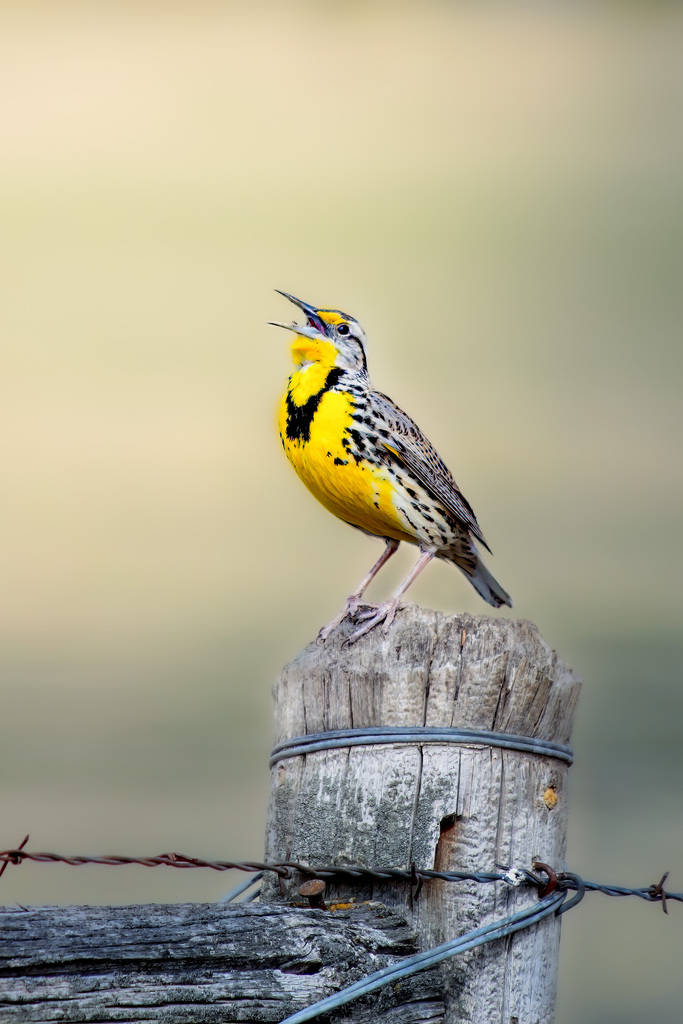





Who uses this plant?
 10CaterpillarsGenus host records with ranges including AR
Genus host records with ranges including AR · Delphinium
- Endothenia hebesanaVerbena Bud Moth
- Hedya separatanaPink-Washed Leafroller Moth
- Heliothis phloxiphagaSpotted Straw Sun Moth, Darker Spotted Straw Moth
- Megalographa bilobaBilobed Looper Moth
- Papaipema cataphractaBurdock Border, Potato-Stalk Borer
- Papaipema nebrisStalk Borer
- Pyrrhia ciliscaAmerican Bordered Sallow, Noble Sun Moth
- Pyrrhia exprimensPurple-Lined Sallow, Purple-Lined Sun Moth
- Udea rubigalisCelery Leaftier
- Polychrysia morigera
 —BeesSoutheastern regional records
 —Specialist beesPollen specialists
 1BirdsRecorded genus food-resource interactions; not a state feeding claim
Recorded genus food-resource interactions; not a state feeding claim · Delphinium
- Centrocercus urophasianusGreater Sage-Grouse
Direct food only: birds recorded eating this genus across North America. Caterpillars on host plants also feed nesting birds. NC Native Plant Society: butterfly gardening
Plant details
- Family
- Ranunculaceae
- Hardiness
- Zones 4a–7b
- Soil pH
- Neutral to alkaline
- Flower color
- Blue, purple or white
What its natural habitat tells you
Safety has not been reviewed for this plant; check toxicity and thorns before planting.
Growing sources and scope
- Flower color · “Blue, purple or white” · NC Extension Plant Toolbox (ranked first; Lady Bird Johnson Wildflower Center differs)
- Hardiness · “Zones 4a–7b” · NC Extension Plant Toolbox (ranked first; Missouri Botanical Garden Plant Finder differs)
- Height · “1–3 feet” · NC Extension Plant Toolbox (ranked first; Tennessee Smart Yards, Lady Bird Johnson Wildflower Center, Missouri Botanical Garden Plant Finder differ)
- Life cycle · “Perennial” · NC Extension Plant Toolbox
- Light · “Full sun (6 or more hours of direct sunlight a day); Partial shade (direct sunlight only part of the day, 2-6 hours)” · NC Extension Plant Toolbox (ranked first; Tennessee Smart Yards, Lady Bird Johnson Wildflower Center, Missouri Botanical Garden Plant Finder differ)
- Soil · “Occasionally dry” · NC Extension Plant Toolbox (ranked first; Tennessee Smart Yards, Lady Bird Johnson Wildflower Center, Missouri Botanical Garden Plant Finder differ)
- Soil pH · “Neutral to alkaline” · NC Extension Plant Toolbox
- Spread · “8–18 inches” · NC Extension Plant Toolbox (ranked first; Missouri Botanical Garden Plant Finder differs)
Conservation status
| Arkansas rank | SNR |
|---|---|
| Global rank | Not available |
| AR status | Not verified |
| Federal status | Not verified |
Will it fit your yard?
Check this plant against your county, sun and soil moisture. Conditions are checked in your browser.
Sources
- Arkansas occurrence source
- Shropshire & Tallamy 2025, Lepidoptera of North America north of Mexico, ZooKeys 1261 (ODbL)
- Noori, Seltmann & Orr 2026, A curated and integrated dataset for exploring global bee-plant interactions (GloBI), Zenodo, CC BY 4.0
- Smith, Bachelder, Russell, Morales, Mosher & Seltmann 2024, Bee-Specialization-Modeling v0.6.1 (specialist host table compiled from J. Fowler's pollen specialist bee lists), Zenodo, CC BY 4.0
- Hurlbert, Olsen, Sawyer & Winner 2021, Avian Diet Database, Scientific Data 8: 260 (CC0)
- Narango, Tallamy & Shropshire 2020, Few keystone plant genera support the majority of Lepidoptera species, Nature Communications