

Swamp Loosestrife
Decodon verticillatus
In the Carolinas and Georgia, found in natural lakes, limesink ponds, peatlands, peaty swamps. Weakley, Flora of the Southeastern United States (2025), Carolinas & Georgia edition What its natural habitat tells you
Native to Arkansas. How scores work Is it native here?
Profile 100%
- Height
- About 8 feet
- Spread
- 6–8 feet
- Light
- Partial shade, Full shade, Full sun
- Soil moisture
- Wet to standing water
Space about 7 ft apart from its recorded spread. Enter your bed size for a count
Will it fit your yard?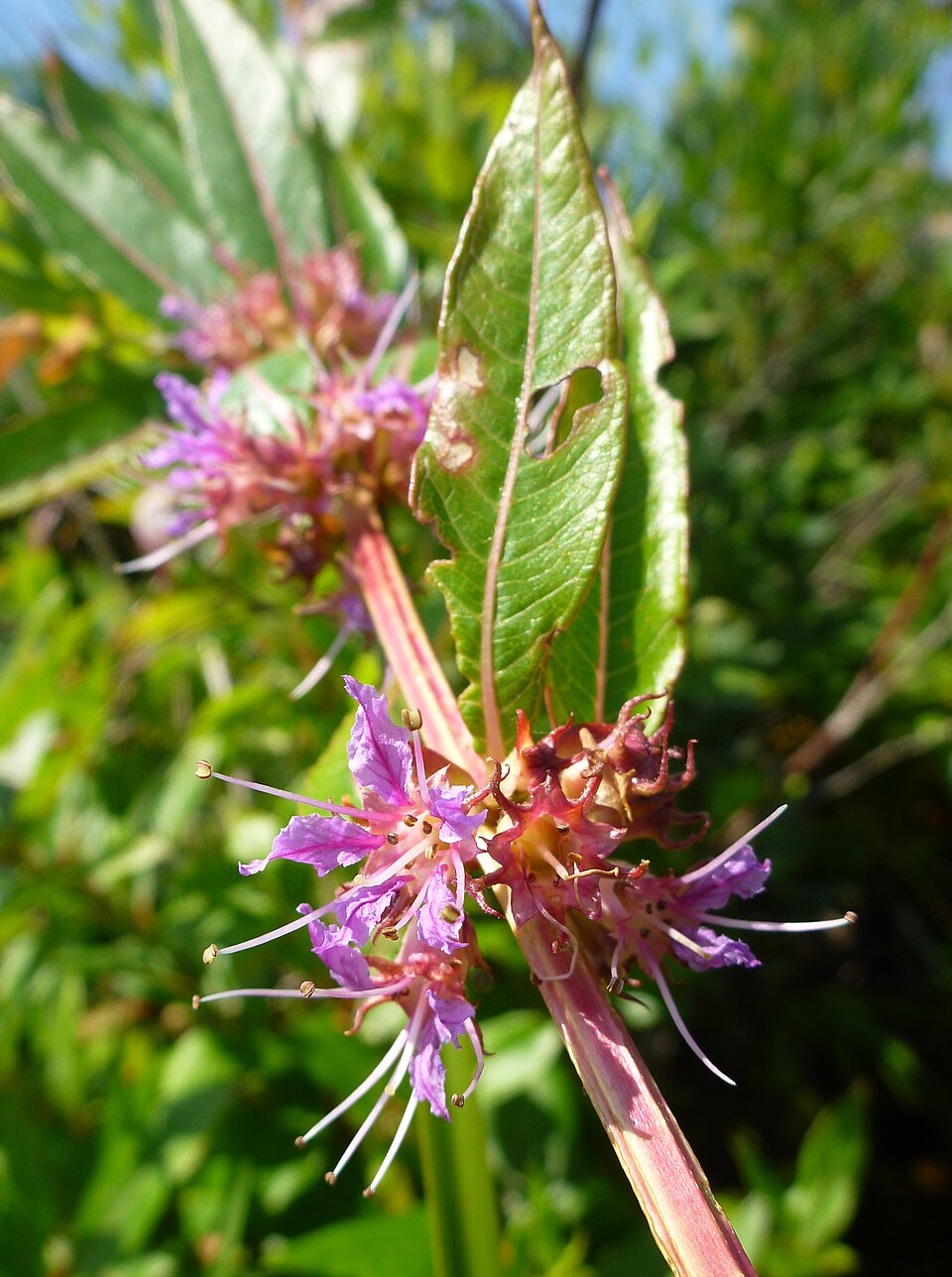
At a glance
- Life cycle
- Perennial
- Leaves
- Deciduous
- Bloom
- July to September
- Fruiting season
- Summer to fall
Recorded in 8 Arkansas counties.
Natural habitats
Places it grows wild. Not a planting requirement. Each habitat page lists the plants and wildlife also found there.
Forested wetlands with standing water much of the year, such as cypress and gum swamps.
Also found with this plant
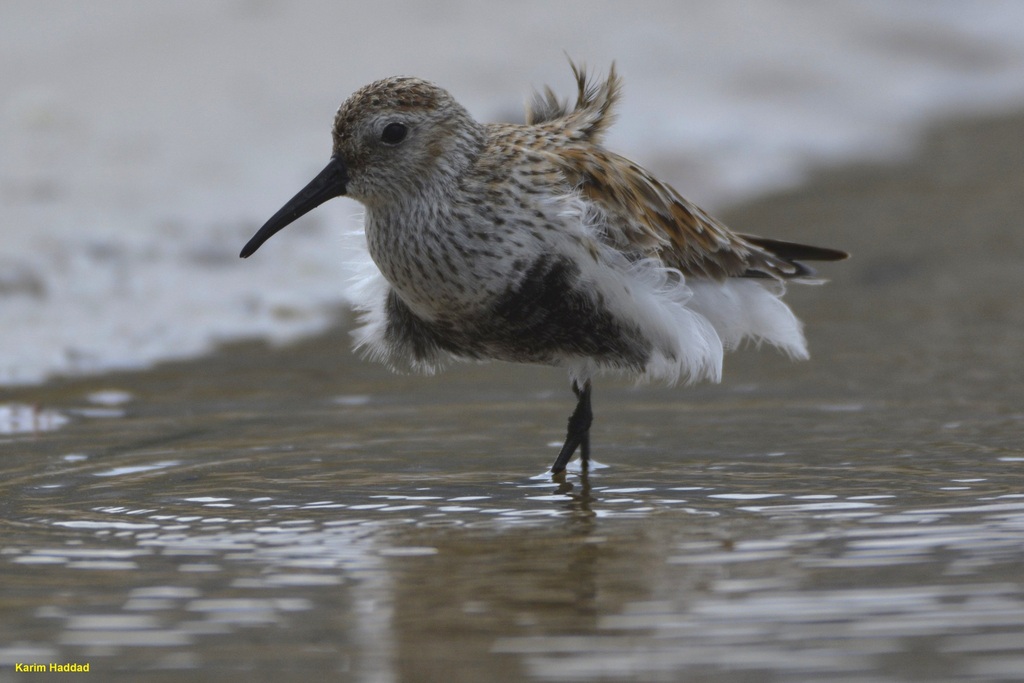
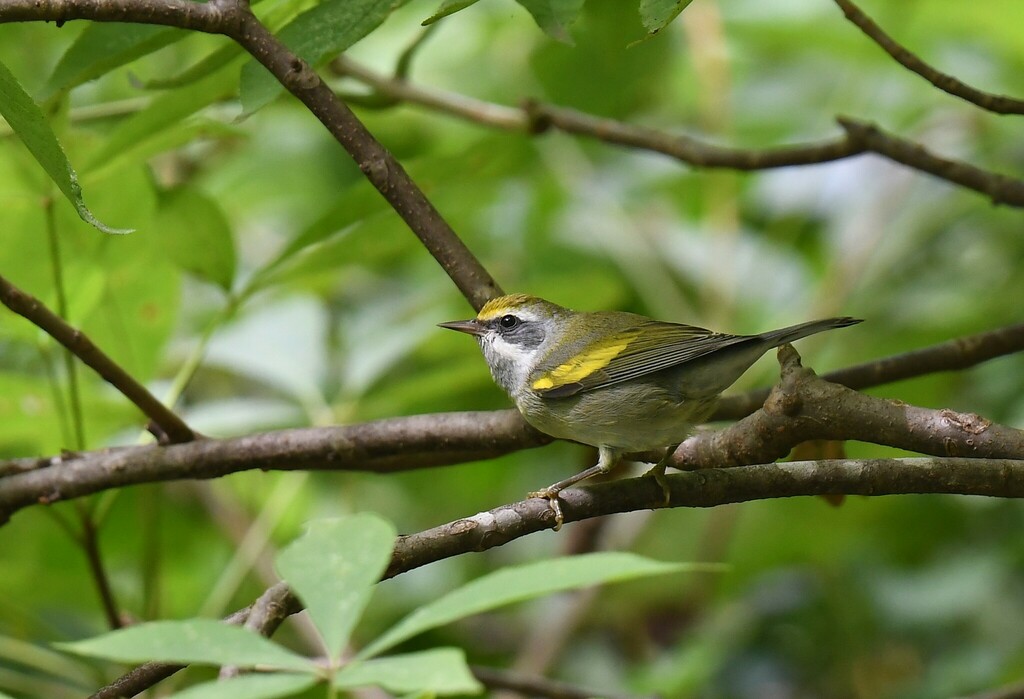
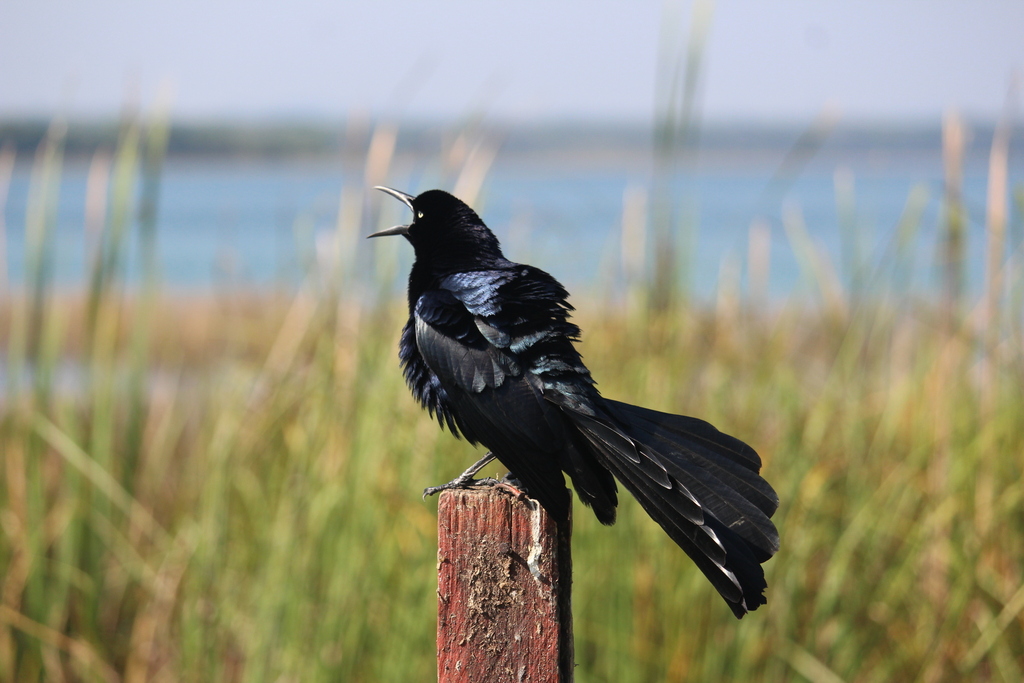
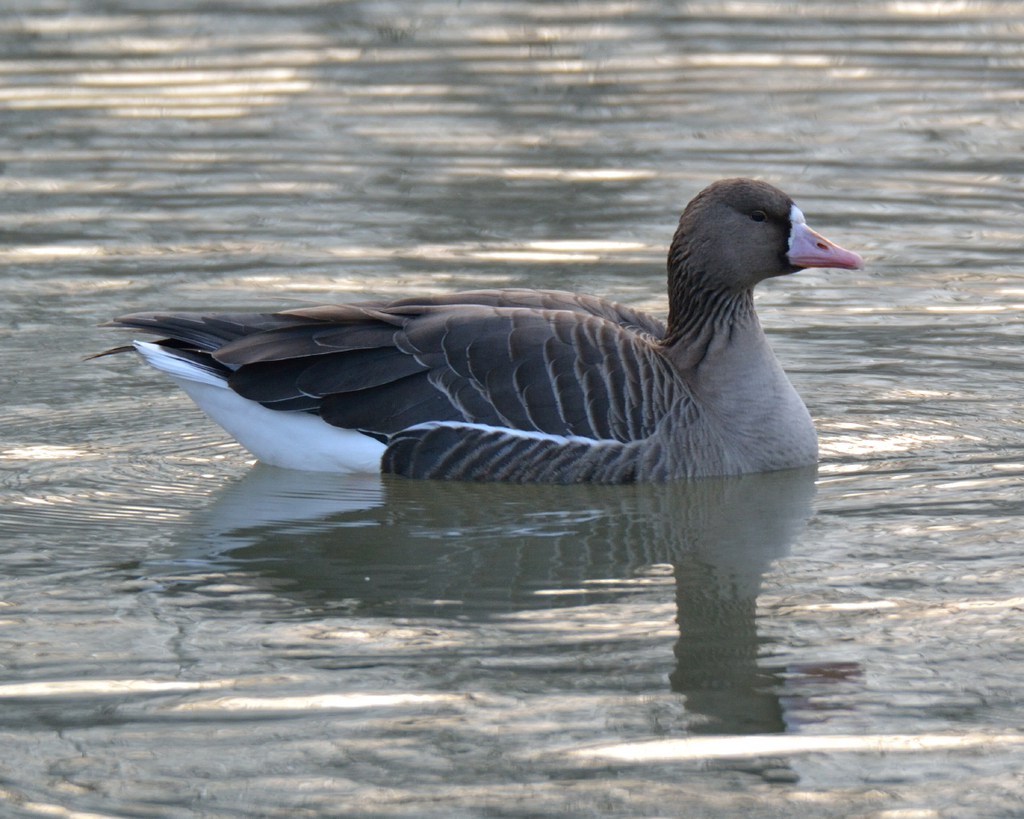
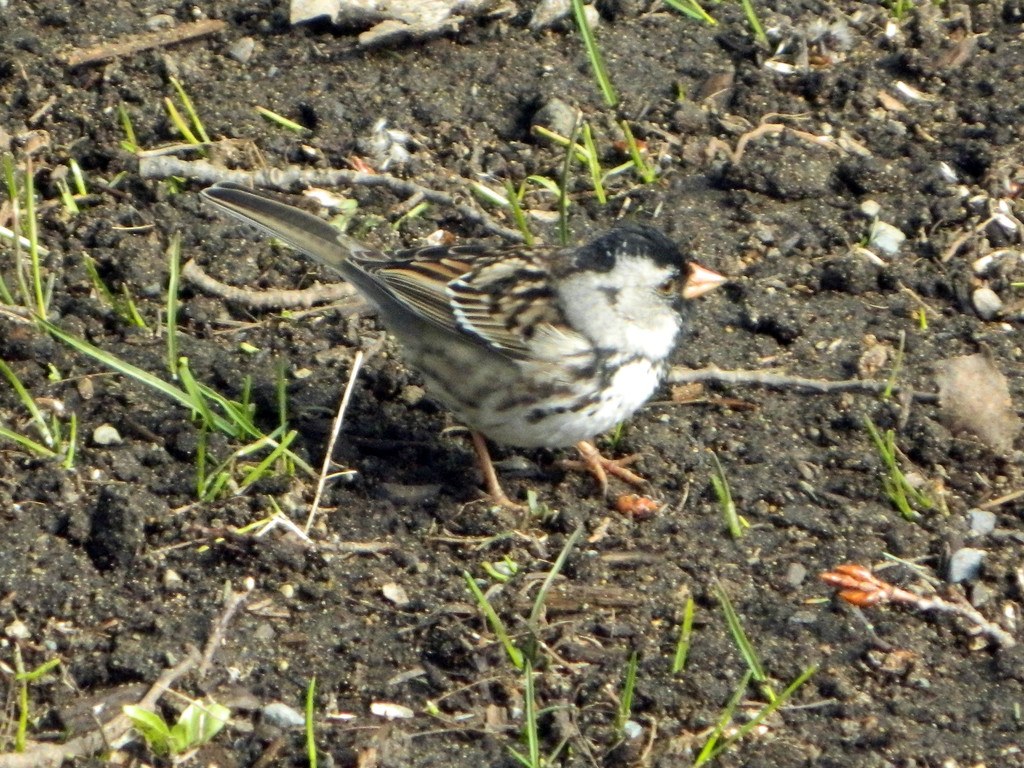
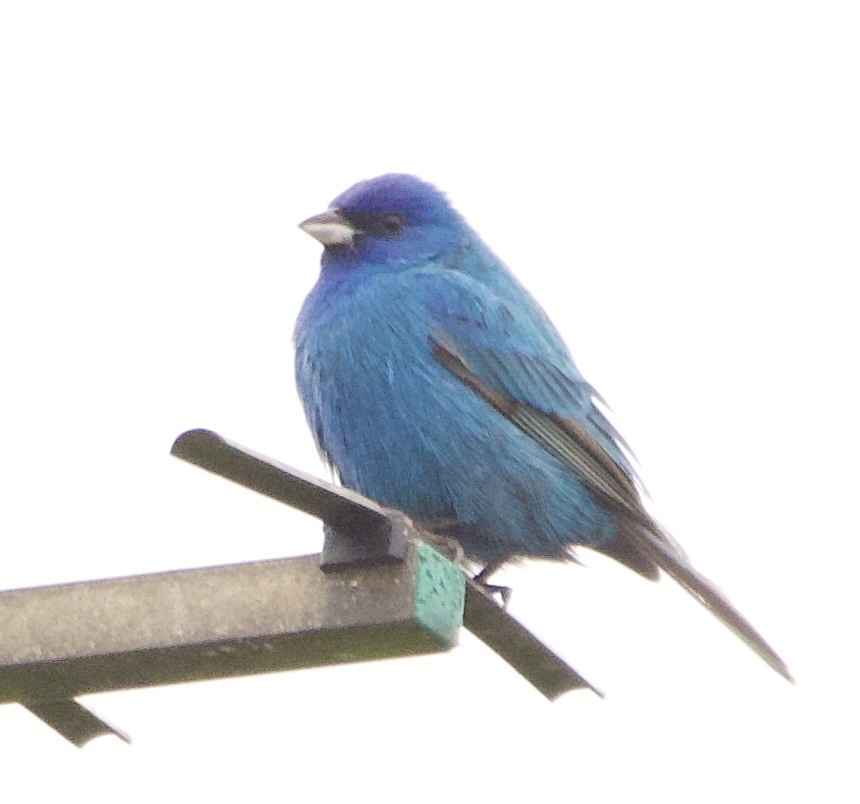
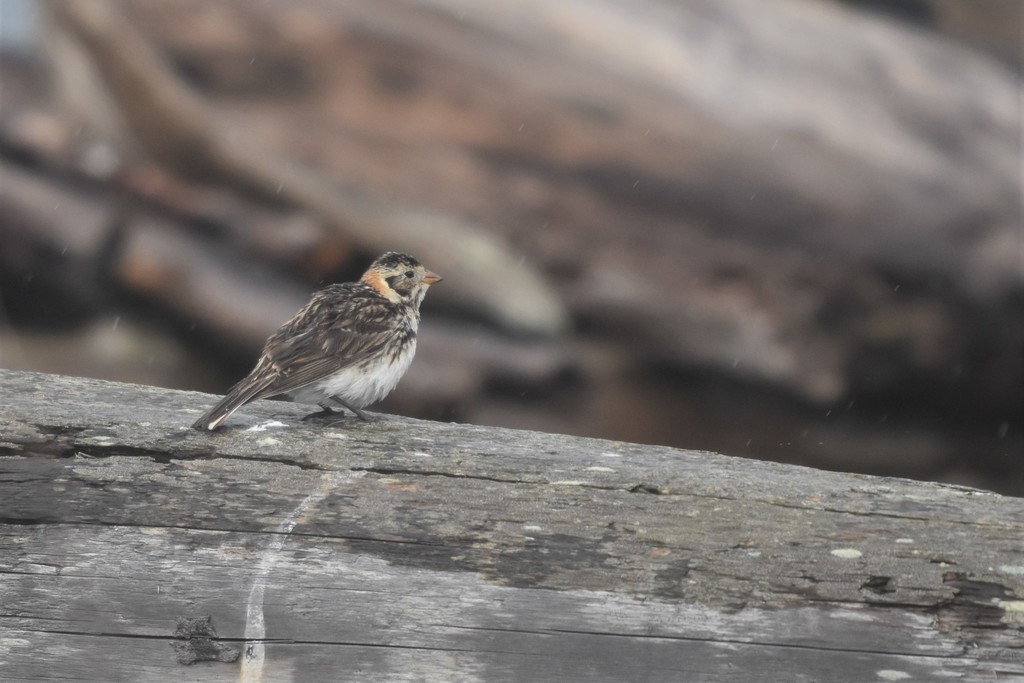
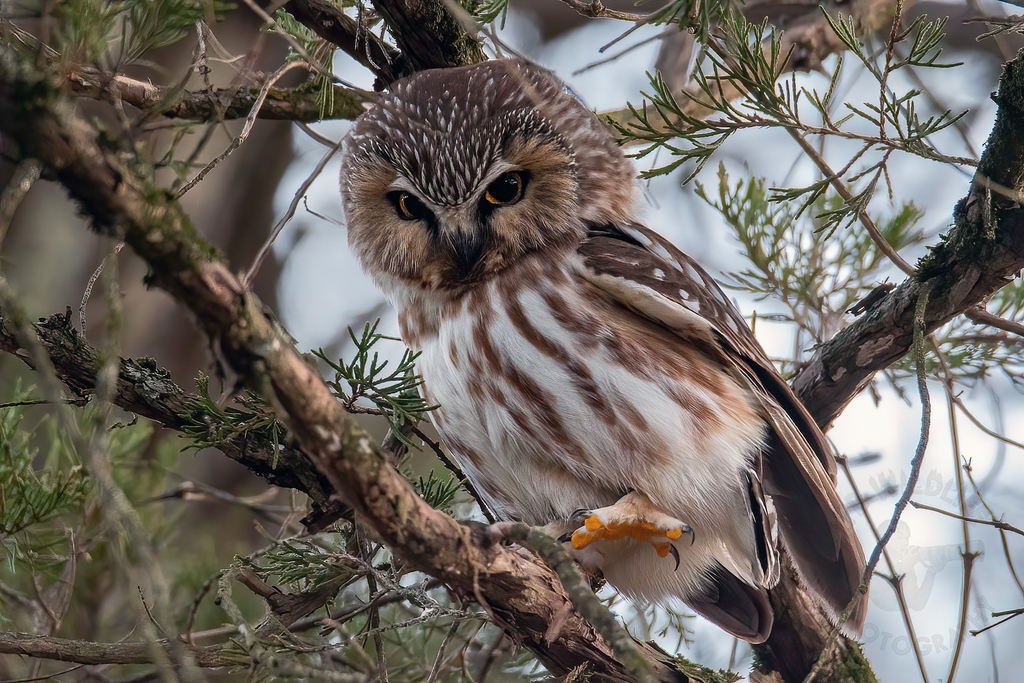
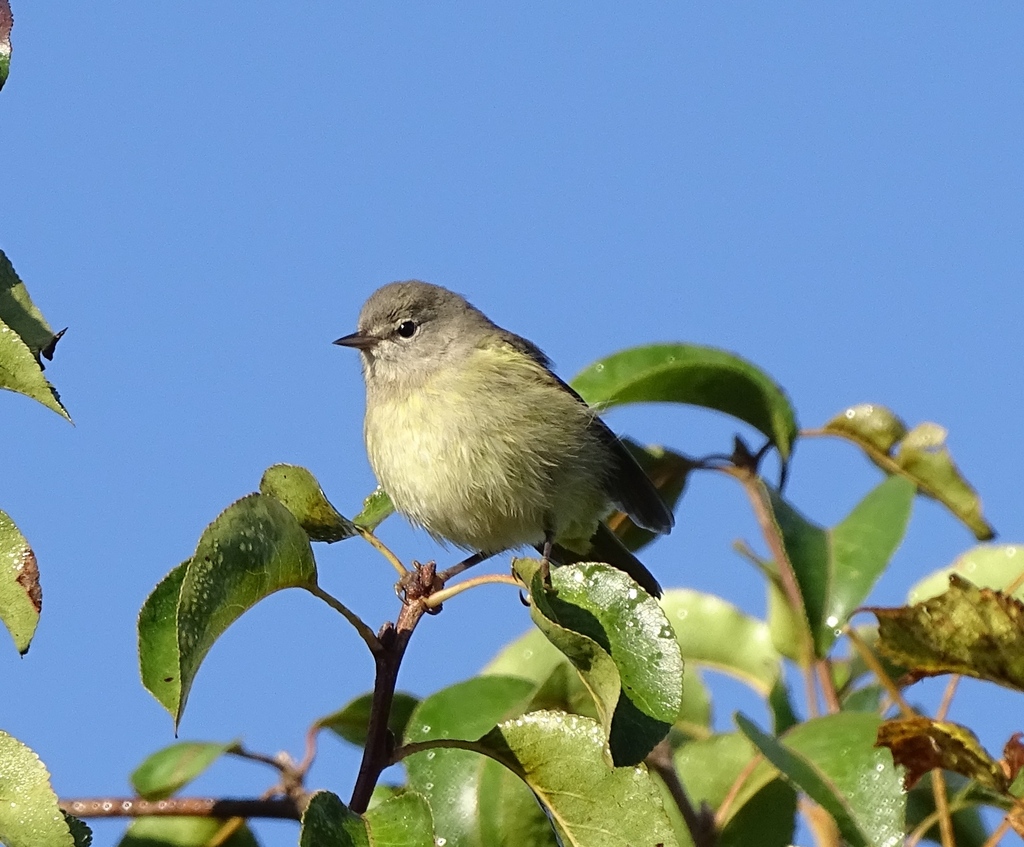
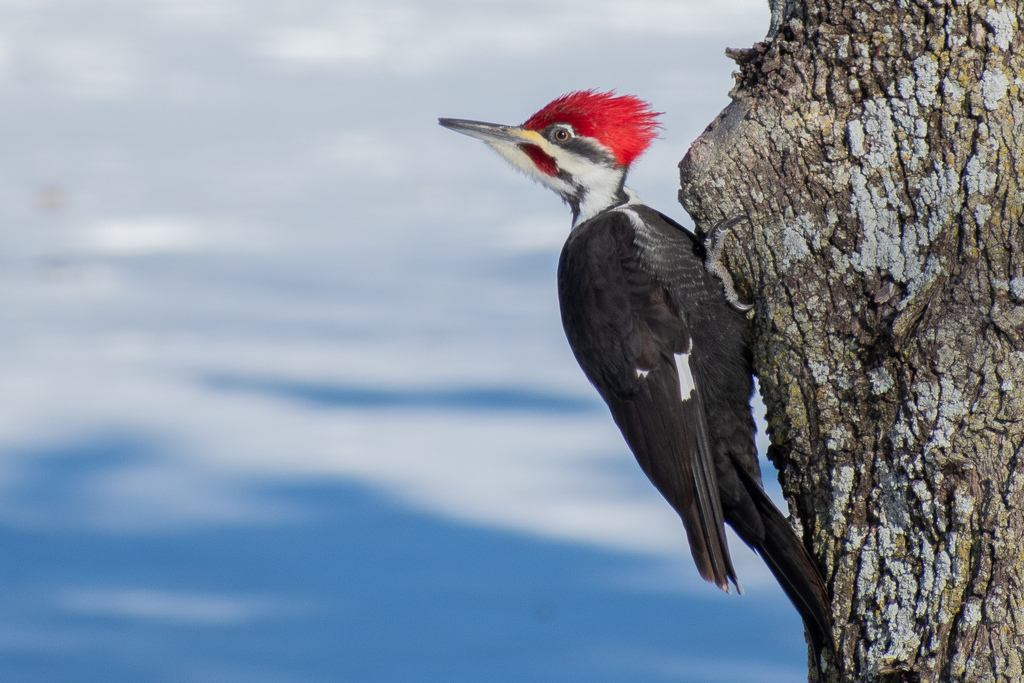
Wildlife whose habitat models include habitats this plant grows in, in Arkansas. Shared habitat, not food. 138 animals.
- Common GrackleQuiscalus quiscula
- Common YellowthroatGeothlypis trichas
- DunlinCalidris alpina
- Eastern PhoebeSayornis phoebe
- Eastern TowheePipilo erythrophthalmus
- Eastern Wood-peweeContopus virens
- Golden-winged WarblerVermivora chrysoptera
- Great Crested FlycatcherMyiarchus crinitus
- Great-tailed GrackleQuiscalus mexicanus
- Greater White-fronted GooseAnser albifrons
- Harris's SparrowZonotrichia querula
- Hooded WarblerWilsonia citrina
- Indigo BuntingPasserina cyanea
- Lapland LongspurCalcarius lapponicus
- Least FlycatcherEmpidonax minimus
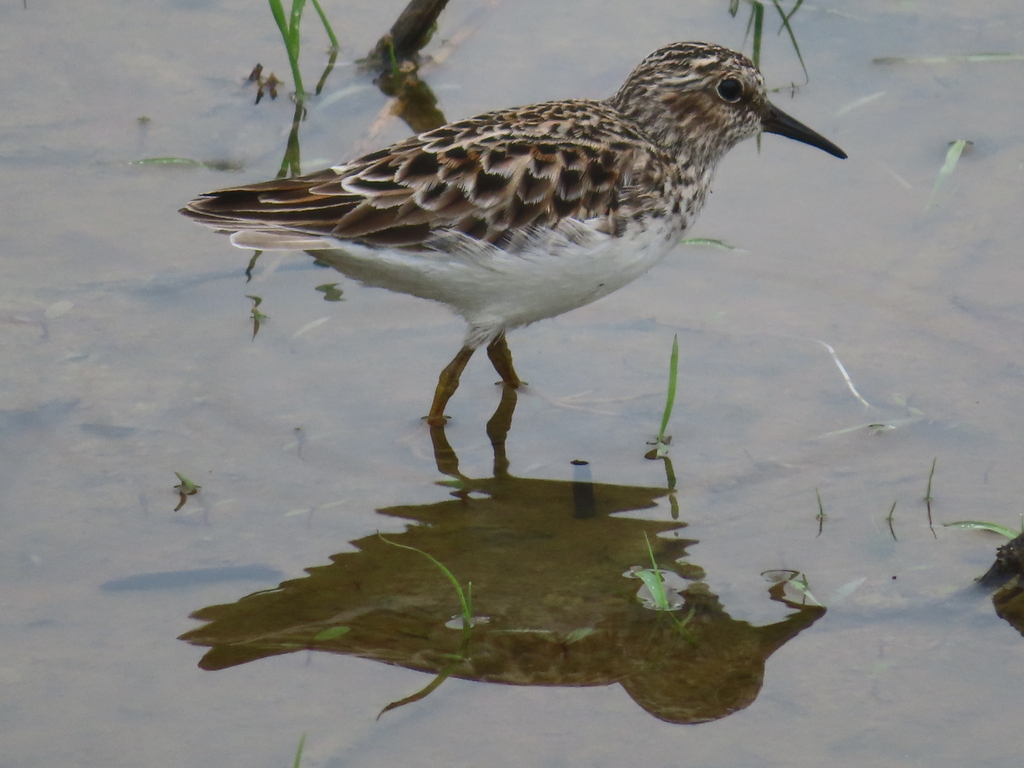
- Least SandpiperCalidris minutilla
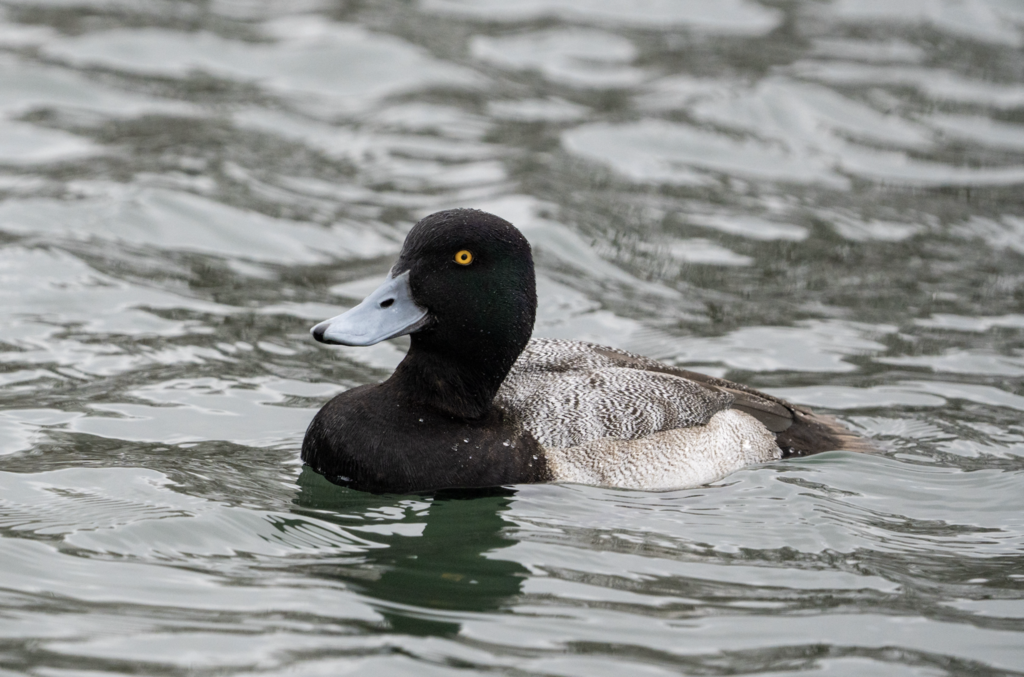
- Lesser ScaupAythya affinis
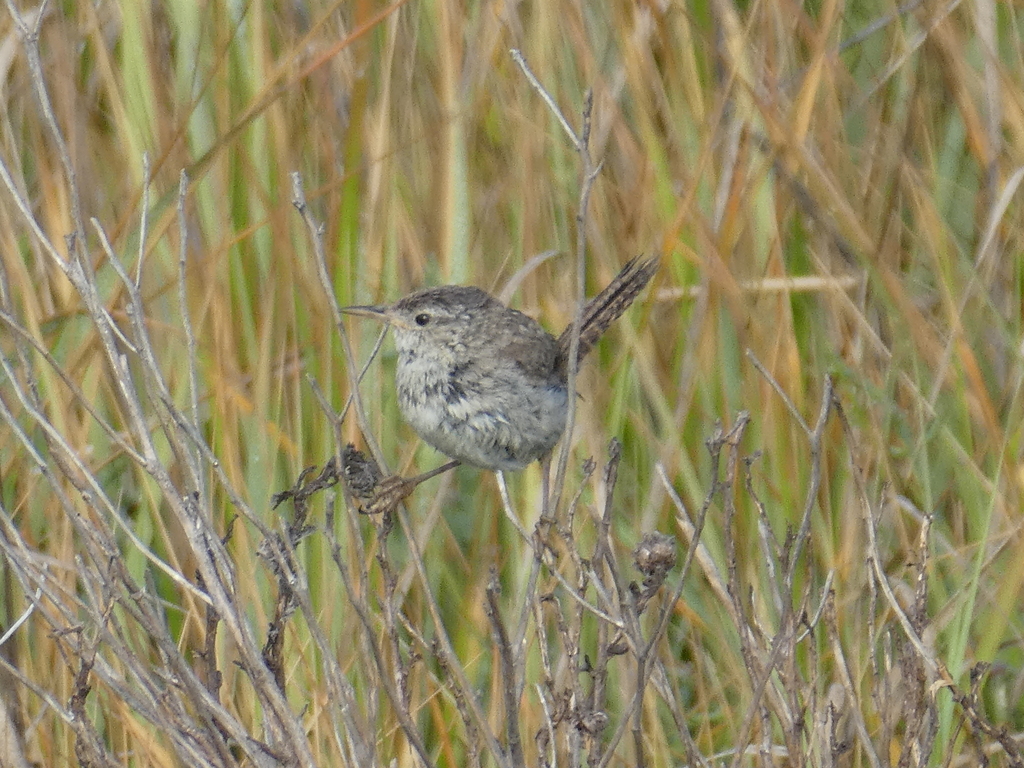
- Marsh WrenCistothorus palustris
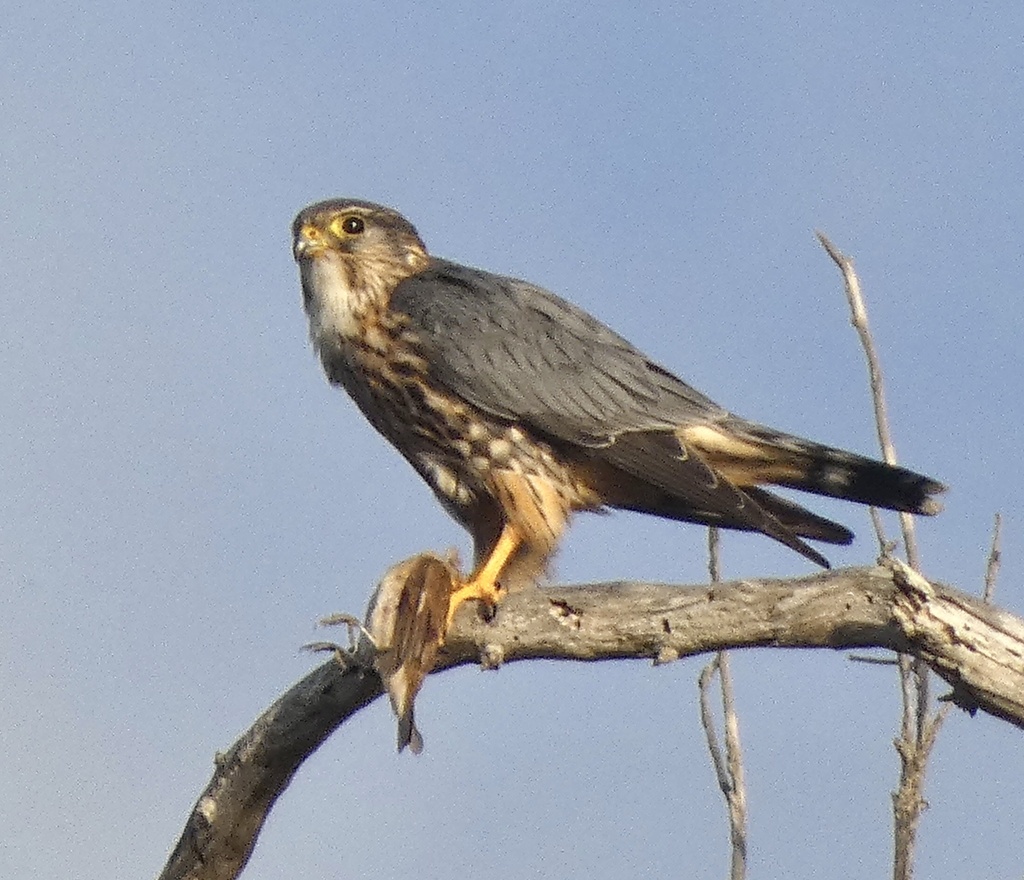
- MerlinFalco columbarius
- Northern Saw-whet OwlAegolius acadicus
- Orange-crowned WarblerVermivora celata
- Orchard OrioleIcterus spurius
- OvenbirdSeiurus aurocapilla
- Pileated WoodpeckerDryocopus pileatus











Who uses this plant?
 5CaterpillarsGenus host records with ranges including AR
Genus host records with ranges including AR · Decodon
- Acronicta oblinitaSmeared Dagger
- Darapsa versicolorHydrangea Sphinx
- Eudryas unioPearly Wood-Nymph
- Hyalophora cecropiaCecropia Silkmoth, Cecropia Moth
- Papaipema cataphractaBurdock Border, Potato-Stalk Borer
 6BeesSoutheastern regional records
Southeastern regional records · Decodon
Individual names are not available yet.
Noori, Seltmann & Orr 2026, A curated and integrated dataset for exploring global bee-plant interactions (GloBI), Zenodo, CC BY 4.0 0Specialist beesPollen specialists
 2BirdsRecorded genus food-resource interactions; not a state feeding claim
Recorded genus food-resource interactions; not a state feeding claim · Decodon
- Agelaius phoeniceusRed-winged Blackbird
- Gallinula galeataCommon Gallinule
Direct food only: birds recorded eating this genus across North America. Caterpillars on host plants also feed nesting birds. NC Native Plant Society: butterfly gardening
No records yet · Ants · Beetles · Flies · Adult butterflies / moths · Other wasps · Other insects
Plant details
- Family
- Lythraceae
- Hardiness
- Zones 3–9
- Flower color
- Red
- Growth rate
- Rapid
- Growth habit
- Spreads to form colonies
- Foliage color
- Green
- Fruit begins
- Summer
- Fruit ends
- Fall
Safety has not been reviewed for this plant; check toxicity and thorns before planting.
Growing sources and scope
- Bloom · “July to September” · Weakley, Flora of the Southeastern United States (2025), Carolinas & Georgia edition (ranked first; USDA PLANTS differs) · Carolinas and Georgia
- Flower color · “Red” · USDA PLANTS · Nationwide species characteristics; local growing conditions may vary
- Foliage color · “Green” · USDA PLANTS · Nationwide species characteristics; local growing conditions may vary
- Fruit begins · “Summer” · USDA PLANTS · Nationwide species characteristics; local growing conditions may vary
- Fruit ends · “Fall” · USDA PLANTS · Nationwide species characteristics; local growing conditions may vary
- Growth habit · “Spreads to form colonies” · USDA PLANTS · Nationwide species characteristics; local growing conditions may vary
- Growth rate · “Rapid” · USDA PLANTS · Nationwide species characteristics; local growing conditions may vary
- Hardiness · “Zones 3–9” · Missouri Botanical Garden Plant Finder
- Height · “About 8 feet” · USDA PLANTS (ranked first; Missouri Botanical Garden Plant Finder, Minnesota Wildflowers differ) · Nationwide species characteristics; local growing conditions may vary
- Leaf retention · “Deciduous” · USDA PLANTS · Nationwide species characteristics; local growing conditions may vary
- Life cycle · “Perennial” · Minnesota Wildflowers
- Light · “Partial shade; Full shade; Full sun (documented habitat)” · Weakley, Flora of the Southeastern United States (2025), Carolinas & Georgia edition · Carolinas and Georgia
- primary_flower_color · “red” · USDA PLANTS
- Soil · “Water; Wet (documented habitat)” · Weakley, Flora of the Southeastern United States (2025), Carolinas & Georgia edition · Carolinas and Georgia
- Spread · “6–8 feet” · Missouri Botanical Garden Plant Finder
Also known as
Water Oleander; Water Willow
Conservation status
| Arkansas rank | SNR |
|---|---|
| Global rank | G5 |
| AR status | Not verified |
| Federal status | Not verified |
Will it fit your yard?
Check this plant against your county, sun and soil moisture. Conditions are checked in your browser.
Growing cautions
- Forms colonies. USDA PLANTS lists its growth form as colonizing. USDA PLANTS
For planning only; these do not change the score or Fit.
Sources
- Atlas of the Vascular Plants of Arkansas (2013)
- USDA PLANTS
- Vascular Plants of North Carolina (NC Natural Heritage Program)
- Weakley, Flora of the Southeastern United States (2025)
- Arkansas occurrence source
- Shropshire & Tallamy 2025, Lepidoptera of North America north of Mexico, ZooKeys 1261 (ODbL)
- Noori, Seltmann & Orr 2026, A curated and integrated dataset for exploring global bee-plant interactions (GloBI), Zenodo, CC BY 4.0
- Smith, Bachelder, Russell, Morales, Mosher & Seltmann 2024, Bee-Specialization-Modeling v0.6.1 (specialist host table compiled from J. Fowler's pollen specialist bee lists), Zenodo, CC BY 4.0
- Hurlbert, Olsen, Sawyer & Winner 2021, Avian Diet Database, Scientific Data 8: 260 (CC0)
- Narango, Tallamy & Shropshire 2020, Few keystone plant genera support the majority of Lepidoptera species, Nature Communications