

Smooth Brome
Bromus inermis
In the Carolinas and Georgia, found in fields, roadsides, clearings, other disturbed areas. Weakley, Flora of the Southeastern United States (2025), Carolinas & Georgia edition What its natural habitat tells you
Not native to Arkansas. How scores work Is it native here?
Profile 76%
- Height
- About 2.5 feet
- Light
- Partial shade, Full sun
- Soil moisture
- Dry to moist
No photograph yet. Looking for an old drawing…
Do not plant. Listed invasive in Arkansas.
Plant this instead
Choose your county to list local plants first.
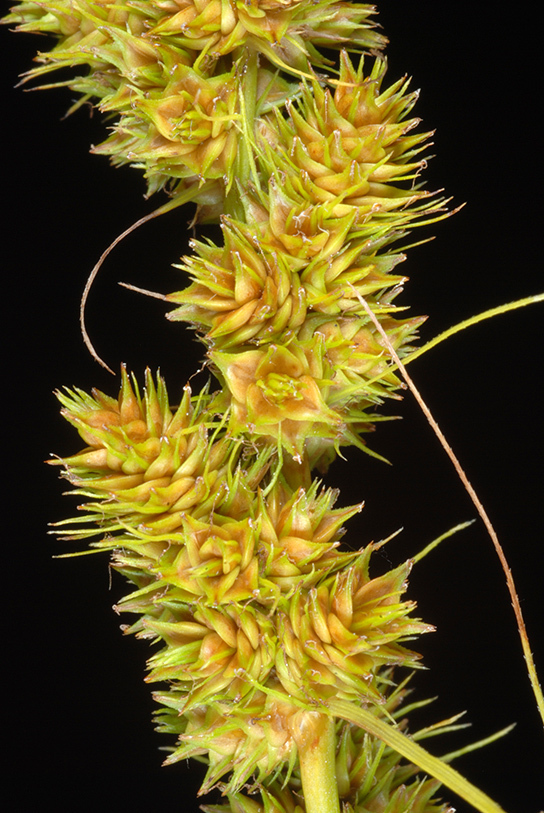
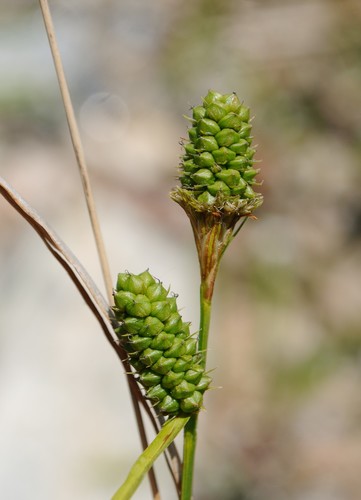
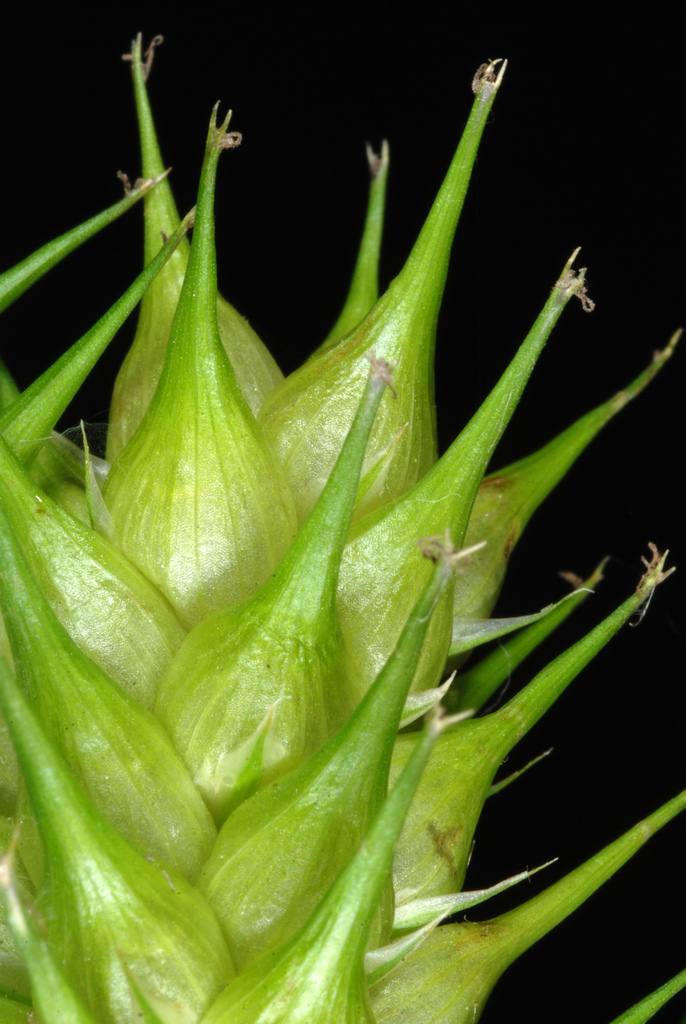
No recorded swaps for this county. Try the garden finder.
At a glance
- Bloom
- June to July
- Fruiting season
- Summer
Not yet recorded · Spread · Life cycle · Leaves
Recorded in 3 Arkansas counties.
Natural habitats
Places it grows wild. Not a planting requirement. Each habitat page lists the plants and wildlife also found there.
Roadsides, fields and disturbed ground
Ground opened by people: roadsides, old fields, pastures, fencerows and lots.
Borders of forests, clearings and shrubby thickets.
Also found with this plant
Wildlife whose habitat models include habitats this plant grows in, in Arkansas. Shared habitat, not food. 23 animals.
Widespread birds also seen here (30)
Found in many habitats here, so not listed above.
- American Goldfinch
- American Robin
- Bank Swallow
- Blue Grosbeak
- Brown Thrasher
- Canada Goose
- Chimney Swift
- Cliff Swallow
- Common Nighthawk
- Common Yellowthroat
- Cooper's Hawk
- Eastern Kingbird
- Eastern Screech-owl
- Eurasian Collared-dove
- Great Horned Owl
- Harris's Sparrow
- Northern Flicker
- Northern Mockingbird
- Orchard Oriole
- Pine Siskin
- Prairie Warbler
- Purple Finch
- Red-tailed Hawk
- Red-winged Blackbird
- Sharp-shinned Hawk
- Song Sparrow
- Spotted Sandpiper
- Turkey Vulture
- Wild Turkey
- Yellow-breasted Chat
Who uses this plant?
 15CaterpillarsGenus host records with ranges including AR
Genus host records with ranges including AR · Bromus
- Amblyscirtes vialisCommon Roadside-Skipper, Black Little Skipper
- Anatrytone loganDelaware Skipper, Logan Skipper, Black-Vein Skipper
- Ancyloxypha numitorLeast Skipper
- Apamea sordensBordered Apamea, Rustic Shoulder-Knot
- Cercyonis pegalaCommon Wood Nymph
- Cisseps fulvicollisYellow-Collared Scape Moth
- Dargida diffusaWheat Head Armywotm Moth
- Hesperia leonardusLeonard's Skipper, Blazing Star Skipper, Pawnee Prairie Skipper, Pawnee Montane Skipper
- Leucania multilineaMany-Lined Wainscot
- Leucania phragmitidicolaNeedle Wainscot, Phragmites Wainscot
Show all 15
- Papaipema nebrisStalk Borer
- Polites corasPeck's Skipper, Yellow-Patch Skipper
- Spodoptera frugiperdaFall Armyworm Moth
- Elachista illectella
- Gonioterma mistrella
 —BeesSoutheastern regional records
 —Specialist beesPollen specialists
 5BirdsRecorded eating Bromus in Arkansas
Diet records by plant genus, from studies across North America. Not a record from this state. Birds whose range includes Arkansas, most records first.
- Wild Turkey10 diet records
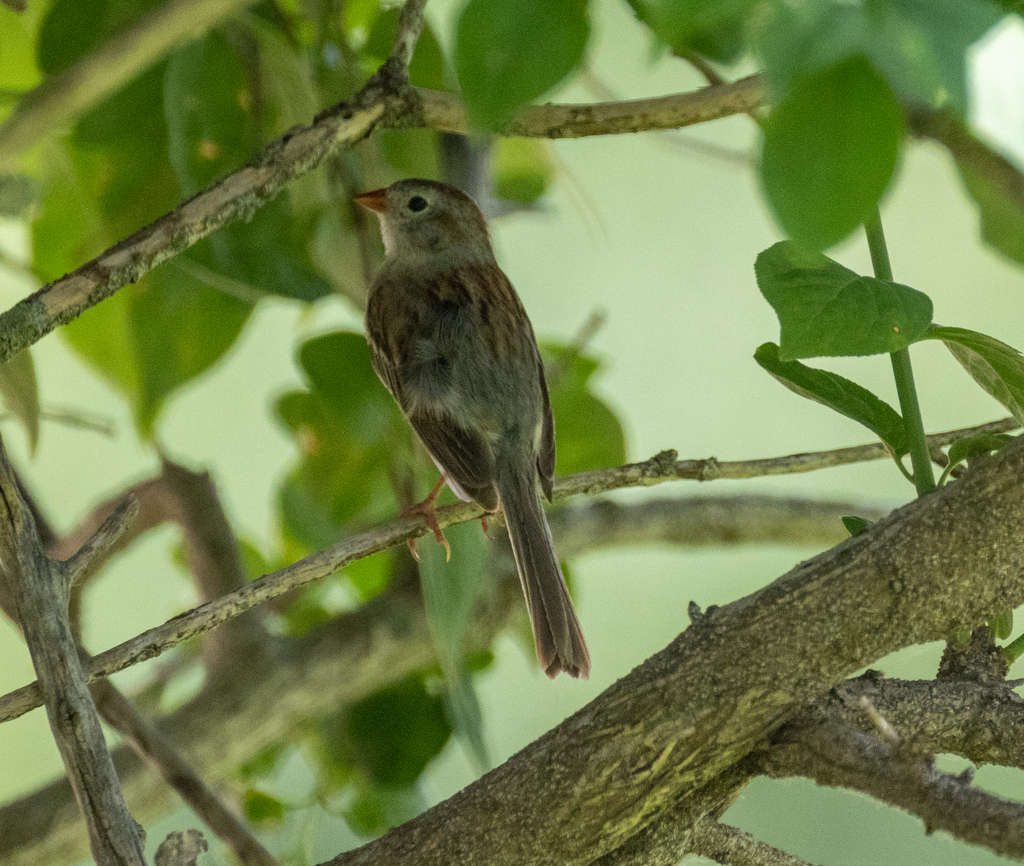
- Field SparrowSeeds. 2 diet records
- American Crow1 diet record
- European Starling1 diet record
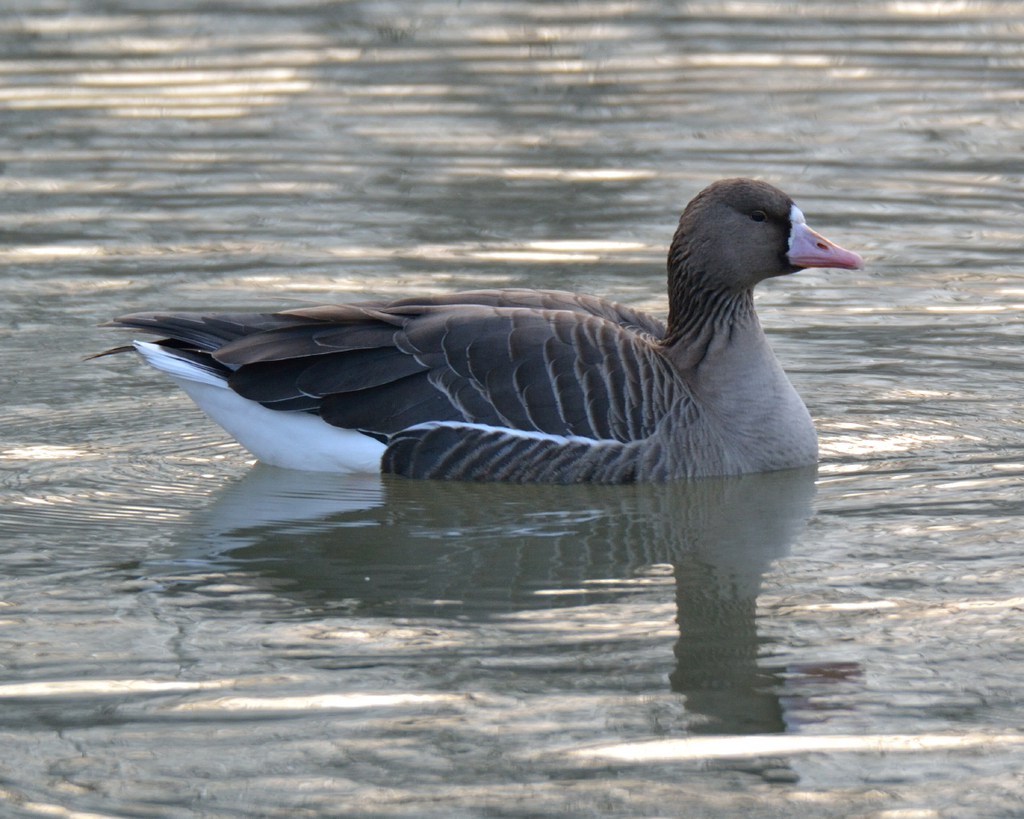
- Greater White-fronted GooseLeaves. 1 diet record
Direct food only. Caterpillars on host plants also feed nesting birds. NC Native Plant Society: butterfly gardening
Birds that eat Bromus 5
Diet records by plant genus, from studies across North America. Not a record from this state. Avian Diet Database (Hurlbert Lab), CC0 1.0.
- Wild TurkeyMeleagris gallopavo
- Field SparrowSpizella pusilla
- American CrowCorvus brachyrhynchos
- European StarlingSturnus vulgaris
- Greater White-fronted GooseAnser albifrons



Plant details
- Family
- Poaceae
- Flower color
- Yellow
- Growth rate
- Moderate
- Growth habit
- Spreads by rhizomes
- Foliage color
- Green
- Fruit begins
- Summer
- Fruit ends
- Summer
Safety has not been reviewed for this plant; check toxicity and thorns before planting.
Growing sources and scope
- Bloom · “June to July” · Weakley, Flora of the Southeastern United States (2025), Carolinas & Georgia edition (ranked first; USDA PLANTS differs) · Carolinas and Georgia
- Flower color · “Yellow” · USDA PLANTS · Nationwide species characteristics; local growing conditions may vary
- Foliage color · “Green” · USDA PLANTS · Nationwide species characteristics; local growing conditions may vary
- Fruit begins · “Summer” · USDA PLANTS · Nationwide species characteristics; local growing conditions may vary
- Fruit ends · “Summer” · USDA PLANTS · Nationwide species characteristics; local growing conditions may vary
- Growth habit · “Spreads by rhizomes” · USDA PLANTS · Nationwide species characteristics; local growing conditions may vary
- Growth rate · “Moderate” · USDA PLANTS · Nationwide species characteristics; local growing conditions may vary
- Height · “About 2.5 feet” · USDA PLANTS · Nationwide species characteristics; local growing conditions may vary
- Light · “Partial shade; Full sun (documented habitat)” · Weakley, Flora of the Southeastern United States (2025), Carolinas & Georgia edition · Carolinas and Georgia
- Soil · “Dry; Moist (documented habitat)” · Weakley, Flora of the Southeastern United States (2025), Carolinas & Georgia edition · Carolinas and Georgia
Also known as
Awnless Brome
Conservation status
| Arkansas rank | SNA |
|---|---|
| Global rank | G5 |
| AR status | Not verified |
| Federal status | Not verified |
Sources
- Atlas of the Vascular Plants of Arkansas (2013)
- USDA PLANTS
- Weakley, Flora of the Southeastern United States (2025), Carolinas & Georgia edition
- NatureServe Explorer
- Arkansas occurrence source
- Shropshire & Tallamy 2025, Lepidoptera of North America north of Mexico, ZooKeys 1261 (ODbL)
- Noori, Seltmann & Orr 2026, A curated and integrated dataset for exploring global bee-plant interactions (GloBI), Zenodo, CC BY 4.0
- Smith, Bachelder, Russell, Morales, Mosher & Seltmann 2024, Bee-Specialization-Modeling v0.6.1 (specialist host table compiled from J. Fowler's pollen specialist bee lists), Zenodo, CC BY 4.0
- Hurlbert, Olsen, Sawyer & Winner 2021, Avian Diet Database, Scientific Data 8: 260 (CC0)
- Narango, Tallamy & Shropshire 2020, Few keystone plant genera support the majority of Lepidoptera species, Nature Communications