

Northern Toothache Tree
Zanthoxylum americanum
Found in woodlands, forests, and glade margins over calcareous or mafic rocks, often forming extensive colonies near outcrops. Sometimes planted. Weakley, Flora of the Southeastern United States (2025), South Central edition What its natural habitat tells you
Native to Alabama. How scores work Is it native here?
Profile 94%
- Height
- 15–20 feet
- Spread
- 10–15 feet
- Light
- Partial shade, Full sun
- Soil moisture
- Dry to moist
Space about 12.5 ft apart from its recorded spread. Enter your bed size for a count
Will it fit your yard?No photograph yet. Looking for an old drawing…
Rare or protected plant. Specialist conservation planting; excluded from routine garden suggestions. Plant caution source
Hidden from default planting suggestions. Wildlife value and native status remain unchanged.
At a glance
- Life cycle
- Woody perennial
- Leaves
- Deciduous
- Bloom
- March to May
- Fruiting season
- July to August
Recorded in 7 Alabama counties.
Natural habitats
Places it grows wild. Not a planting requirement. Each habitat page lists the plants and wildlife also found there.

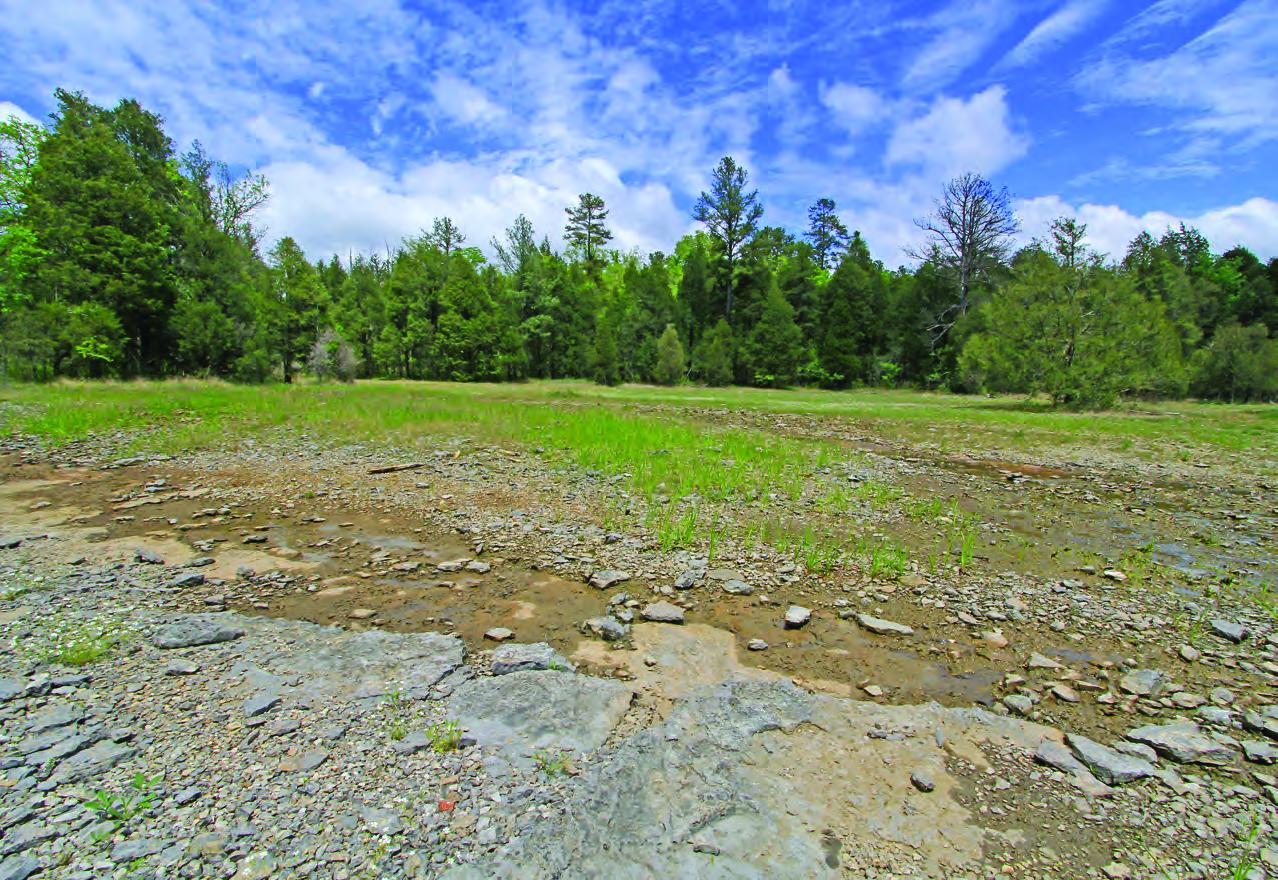
Glades, barrens and outcrops on limestone
Cliffs, ledges and rocky summits
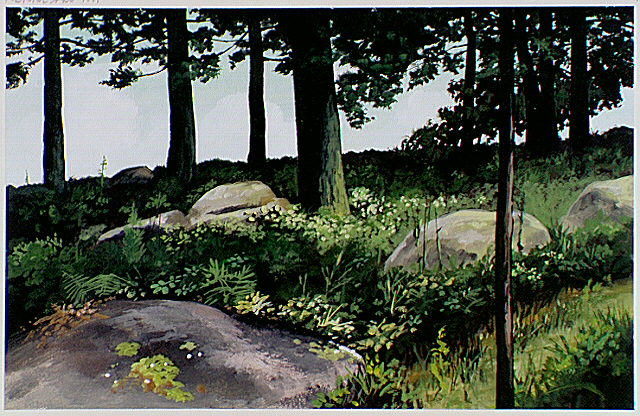
Glades, barrens and outcrops on mafic or serpentine rock
Open, thin-soil openings, outcrops and cliffs on dark, magnesium- or iron-rich rock such as serpentine, diabase or gabbro.
Also found with this plant
Wildlife whose habitat models include habitats this plant grows in, in Alabama. Shared habitat, not food. 114 animals.
- Gray CatbirdDumetella carolinensis
- Great Horned OwlBubo virginianus
- Hairy WoodpeckerPicoides villosus
- Hooded MerganserLophodytes cucullatus
- Lincoln's SparrowMelospiza lincolnii
- Mourning DoveZenaida macroura
- Northern CardinalCardinalis cardinalis
- Northern FlickerColaptes auratus
- Northern MockingbirdMimus polyglottos
- OspreyPandion haliaetus
- Pine SiskinCarduelis pinus
- Purple FinchCarpodacus purpureus
- Red-headed WoodpeckerMelanerpes erythrocephalus
- Red-tailed HawkButeo jamaicensis
- Red-winged BlackbirdAgelaius phoeniceus
- Ruby-crowned KingletRegulus calendula
- Sharp-shinned HawkAccipiter striatus
- Tufted TitmouseBaeolophus bicolor
- Turkey VultureCathartes aura
- White-breasted NuthatchSitta carolinensis
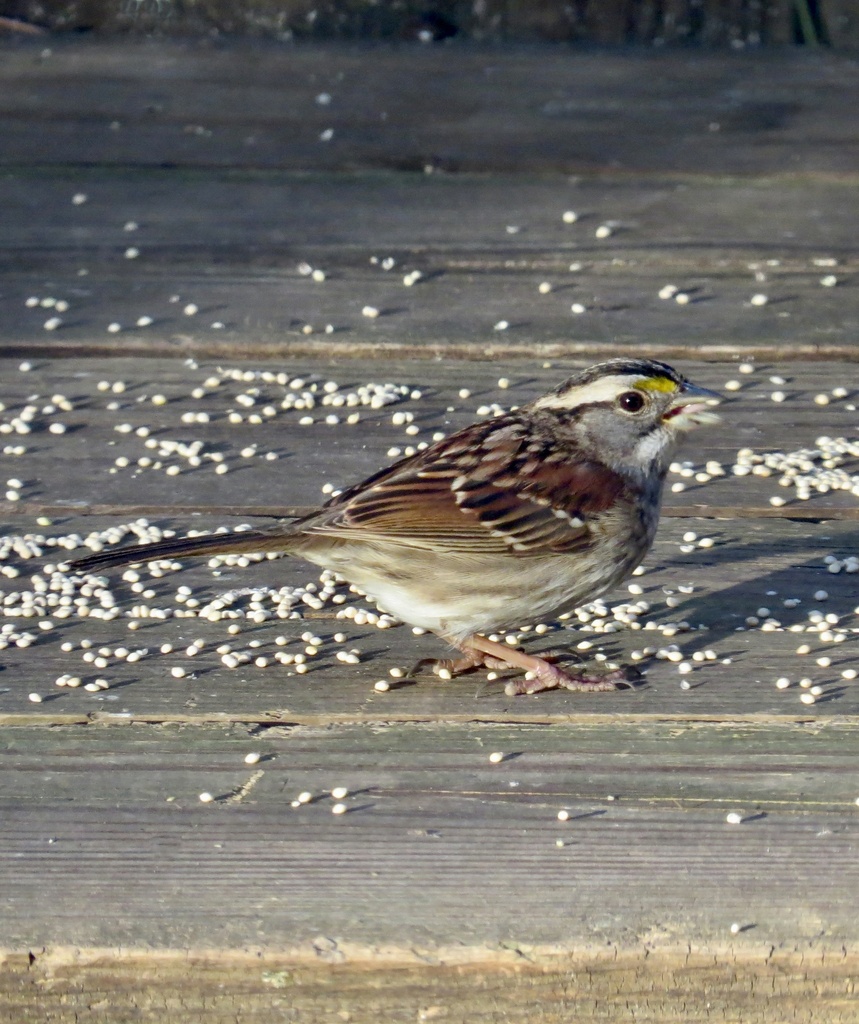
- White-throated SparrowZonotrichia albicollis
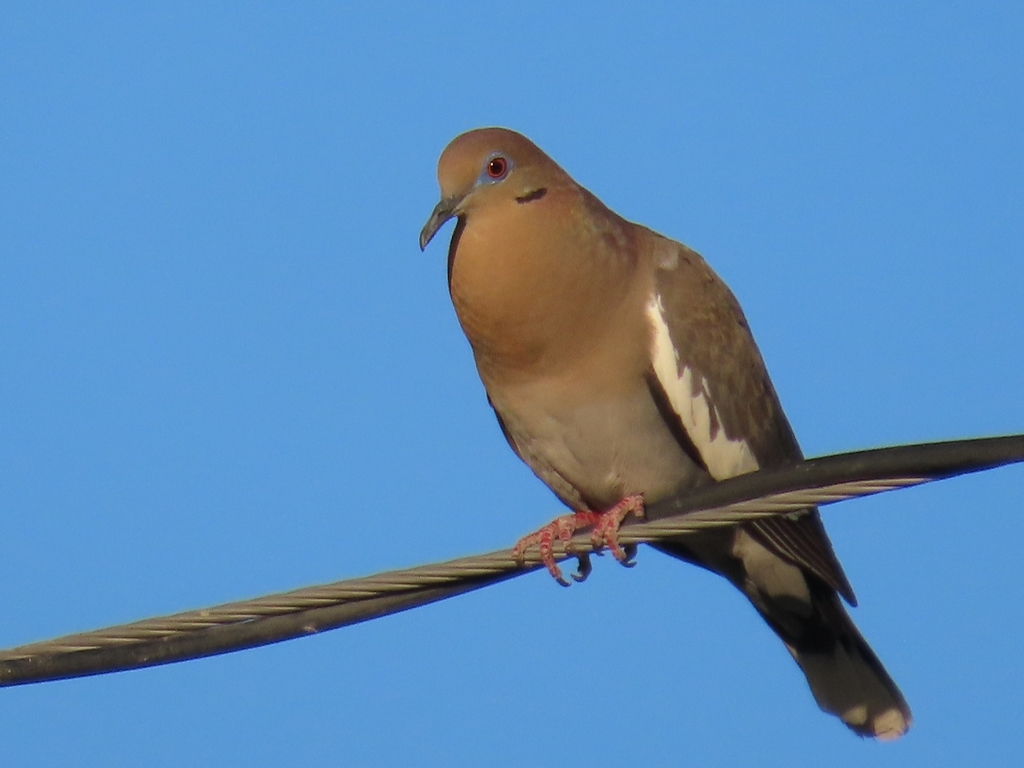
- White-winged DoveZenaida asiatica
- Wood ThrushHylocichla mustelina
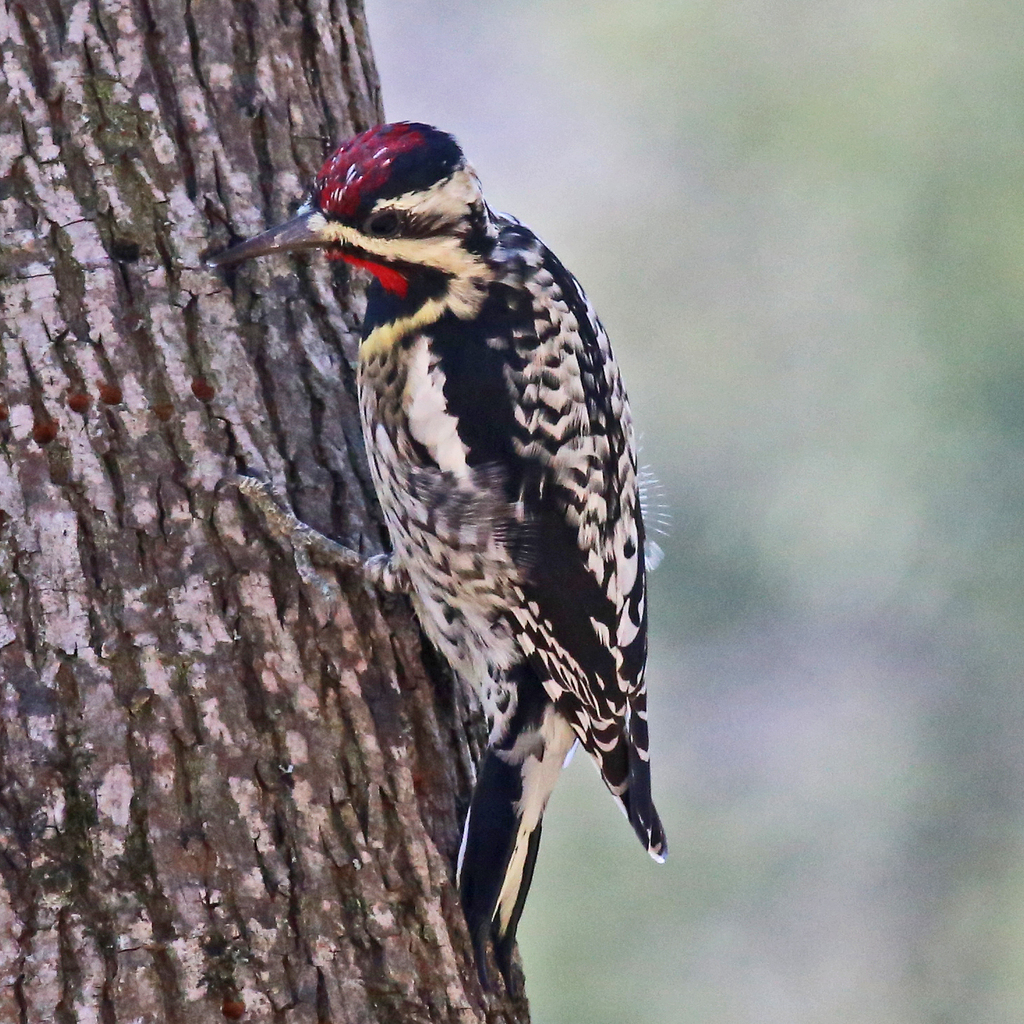
- Yellow-bellied SapsuckerSphyrapicus varius





















Who uses this plant?
 7CaterpillarsGenus host records with ranges including AL
Genus host records with ranges including AL · Zanthoxylum
- Cryptothelea gloveriiOrange Bagworm
- Dichomeris citrifoliellaOrange Webworm Moth
- Hyphantria cuneaFall Webworm
- Orgyia leucostigmaWhite-Marked Tussock Moth
- Papilio cresphontesEastern Giant Swallowtail
- Papilio glaucusEastern Tiger Swallowtail
- Papilio troilusSpicebush Swallowtail
 5BeesSoutheastern regional records
Southeastern regional records · Zanthoxylum
Individual names are not available yet.
Noori, Seltmann & Orr 2026, A curated and integrated dataset for exploring global bee-plant interactions (GloBI), Zenodo, CC BY 4.0 0Specialist beesPollen specialists
 6BirdsRecorded genus food-resource interactions; not a state feeding claim
Recorded genus food-resource interactions; not a state feeding claim · Zanthoxylum
- Anthus rubescensAmerican Pipit
- Colinus virginianusNorthern Bobwhite
- Columbina passerinaCommon Ground Dove
- Leptotila verreauxiWhite-tipped Dove
- Vireo olivaceusRed-eyed Vireo
- Zenaida asiaticaWhite-winged Dove
Direct food only: birds recorded eating this genus across North America. Caterpillars on host plants also feed nesting birds. NC Native Plant Society: butterfly gardening
No records yet · Ants · Beetles · Flies · Adult butterflies / moths · Other wasps · Other insects
Plant details
- Family
- Rutaceae
- Hardiness
- Zones 3–7
- Soil pH
- Neutral
- Flower color
- White or green
- Fruit begins
- July
- Fruit ends
- August
Growing sources and scope
- Bloom · “March to May” · Weakley, Flora of the Southeastern United States (2025), Carolinas & Georgia edition · Carolinas and Georgia
- Flower color · “White or green” · Lady Bird Johnson Wildflower Center
- Fruit begins · “July” · Weakley, Flora of the Southeastern United States (2025), Carolinas & Georgia edition · Carolinas and Georgia
- Fruit ends · “August” · Weakley, Flora of the Southeastern United States (2025), Carolinas & Georgia edition · Carolinas and Georgia
- Hardiness · “Zones 3–7” · Missouri Botanical Garden Plant Finder
- Height · “15–20 feet” · Minnesota Wildflowers
- Leaves · “Deciduous” · Lady Bird Johnson Wildflower Center
- Life cycle · “Woody perennial” · Minnesota Wildflowers
- Light · “Partial shade; Full sun (documented habitat)” · Weakley, Flora of the Southeastern United States (2025), Carolinas & Georgia edition · Carolinas and Georgia
- Soil · “Dry; Moist (documented habitat)” · Weakley, Flora of the Southeastern United States (2025), Carolinas & Georgia edition · Carolinas and Georgia
- Soil pH · “Neutral” · Lady Bird Johnson Wildflower Center
- Spread · “10–15 feet” · Missouri Botanical Garden Plant Finder
Also known as
Northern Prickly Ash
Conservation status
| Alabama rank | S1 |
|---|---|
| Global rank | G5 |
| AL status | Not verified |
| Federal status | Not verified |
Will it fit your yard?
Check this plant against your county, sun and soil moisture. Conditions are checked in your browser.
Sources
- Alabama Plant Atlas
- USDA PLANTS
- Weakley, Flora of the Southeastern United States (2025), Carolinas & Georgia edition
- NatureServe Explorer
- Shropshire & Tallamy 2025, Lepidoptera of North America north of Mexico, ZooKeys 1261 (ODbL)
- Noori, Seltmann & Orr 2026, A curated and integrated dataset for exploring global bee-plant interactions (GloBI), Zenodo, CC BY 4.0
- Smith, Bachelder, Russell, Morales, Mosher & Seltmann 2024, Bee-Specialization-Modeling v0.6.1 (specialist host table compiled from J. Fowler's pollen specialist bee lists), Zenodo, CC BY 4.0
- Hurlbert, Olsen, Sawyer & Winner 2021, Avian Diet Database, Scientific Data 8: 260 (CC0)
- Narango, Tallamy & Shropshire 2020, Few keystone plant genera support the majority of Lepidoptera species, Nature Communications