

Bird
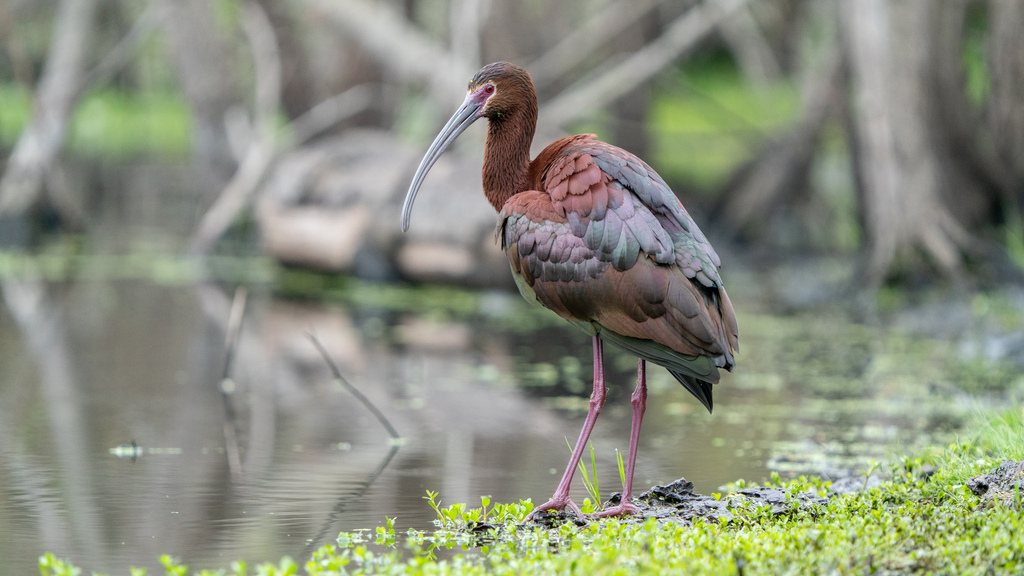
White-faced Ibis
Plegadis chihi
Lives in Alabama all year and nests here. Found in 8 of 67 counties, across 7 habitats.
- Here
- All year
- Nesting
- Nests here
- Range
- 8 of 67 counties
- Habitats
- 7
At a glance
- Group
- Birds
- Here
- All year
- Nesting
- Nests here
- Range
- 8 of 67 counties
- Habitats
- 7
- Habitat models
- Summer, Winter
Where it lives
The places its habitat model includes. It is not found everywhere a habitat occurs.
Habitats in Alabama 7
Each habitat page lists the plants and wildlife also found there.

Open sand of beaches, dunes and the hollows between them.
Coastal tidal marshes (salinity not stated)
Tidal marshes of the Atlantic and Gulf coasts where the source does not say whether the water is fresh, brackish or salt. A stated salinity files the marsh under freshwater tidal marshes or salt and brackish marshes instead.
Disturbed and introduced wetlands
Wet ground taken over by weedy or introduced plants after disturbance, such as common reed, Chinese tallow or tamarisk stands; the upland counterpart is roadsides, fields and disturbed ground.
Coastal marshes flooded by salty or brackish tides.
Salt and brackish open water of sounds, bays and estuaries, with the mud and sand flats and seagrass beds that tides cover and uncover; the vegetated marsh is salt and brackish marshes.
Roadsides, fields and disturbed ground
Ground opened by people: roadsides, old fields, pastures, fencerows and lots.
Other habitats in its models (40)
Land cover, or classes with no habitat page in Alabama.
- Developed, Low Intensity Summer and winter, only within 4,000 m of water.
- Open Water (Aquaculture) Summer and winter.
- Unconsolidated Shore (Lake/River/Pond) Summer and winter.
- Unconsolidated Shore Summer and winter.
- Inter-Mountain Basins Playa Summer.
- Colorado Plateau Mixed Low Sagebrush Shrubland Summer, only within 4,000 m of water.
- Rocky Mountain Subalpine-Montane Mesic Meadow Summer, only within 4,000 m of water.
- Temperate Pacific Freshwater Aquatic Bed Summer and winter, only within 4,000 m of water.
- North American Arid West Emergent Marsh Summer and winter.
- Temperate Pacific Freshwater Emergent Marsh Summer and winter.
- Inter-Mountain Basins Interdunal Swale Wetland Summer.
- North Pacific Bog and Fen Summer.
- Mediterranean California Subalpine-Montane Fen Summer and winter.
- Mediterranean California Serpentine Fen Summer and winter.
- Eastern Great Plains Wet Meadow, Prairie, and Marsh Summer and winter.
- Rocky Mountain Alpine-Montane Wet Meadow Summer.
- Temperate Pacific Montane Wet Meadow Summer and winter.
- Columbia Plateau Silver Sagebrush Seasonally Flooded Shrub-Steppe Summer, only within 4,000 m of water.
- Northern Rocky Mountain Wooded Vernal Pool Summer.
- Great Plains Prairie Pothole Summer.
- Western Great Plains Depressional Wetland Systems Summer.
- Western Great Plains Open Freshwater Depression Wetland Summer.
- Columbia Plateau Vernal Pool Summer.
- Northern California Claypan Vernal Pool Summer and winter.
- Western Great Plains Closed Depression Wetland Summer.
- Western Great Plains Saline Depression Wetland Summer.
- Inter-Mountain Basins Alkaline Closed Depression Summer.
- California Central Valley Riparian Woodland and Shrubland Summer and winter.
- Inter-Mountain Basins Greasewood Flat Summer, only within 4,000 m of water.
- Western Great Plains Floodplain Summer.
- Northern Rocky Mountain Lower Montane Riparian Woodland and Shrubland Summer.
- Rocky Mountain Lower Montane Riparian Woodland and Shrubland Summer.
- Northwestern Great Plains Floodplain Summer.
- Great Basin Foothill and Lower Montane Riparian Woodland and Shrubland Summer.
- North American Warm Desert Lower Montane Riparian Woodland and Shrubland Summer and winter.
- North American Warm Desert Riparian Mesquite Bosque Summer and winter.
- North American Warm Desert Riparian Woodland and Shrubland Summer and winter.
- Rocky Mountain Subalpine-Montane Riparian Shrubland Summer.
- Northwestern Great Plains Riparian Summer.
- Western Great Plains Riparian Woodland and Shrubland Summer.
Seasons in Alabama
- Year-round: nests here, in 8 of 67 counties.
Also found in this habitat
Plants 50
Plants named in NatureServe descriptions of these habitats that grow in Alabama. Shared habitat, not food.
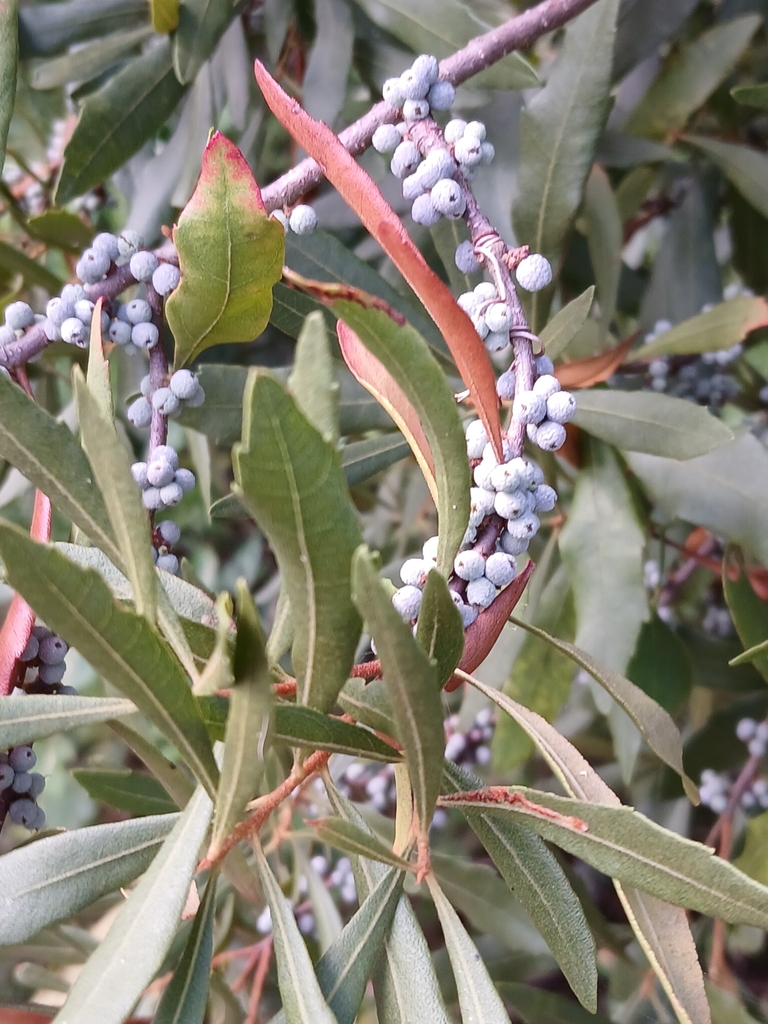
- Common WaxmyrtleMorella cerifera
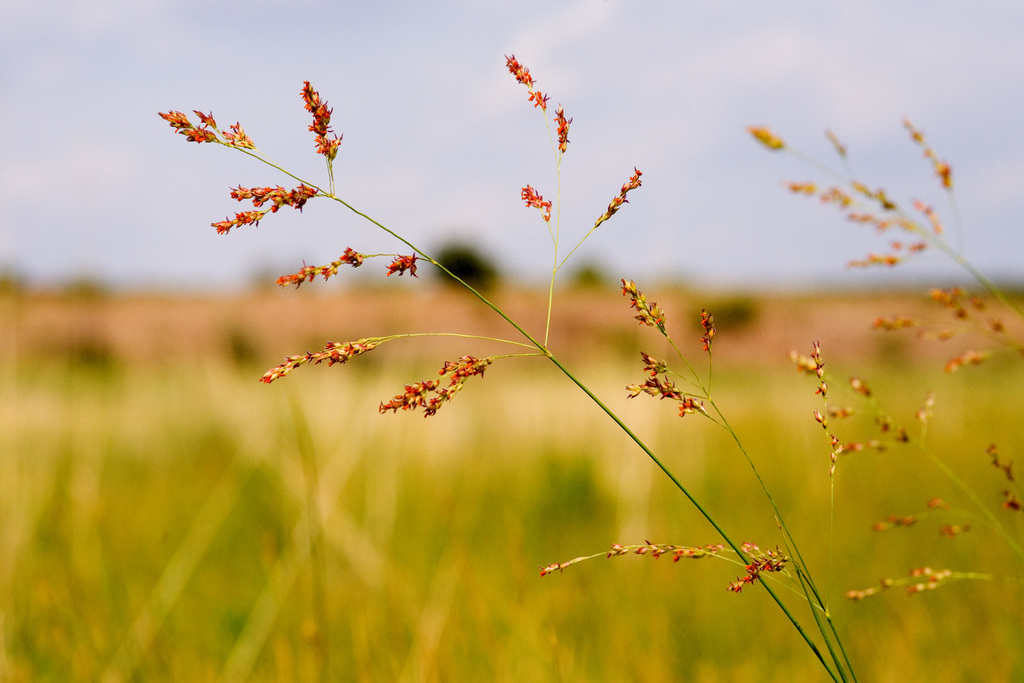
- SwitchgrassPanicum virgatum
- Common Three Square BulrushSchoenoplectus pungens
- Saltmeadow CordgrassSporobolus pumilus
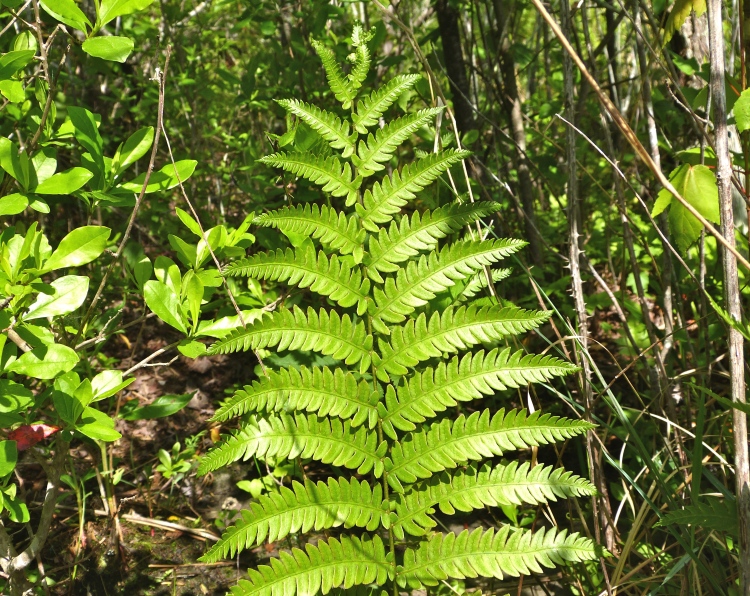
- Virginia Chain-fernAnchistea virginica
- Bushy BluestemAndropogon glomeratus
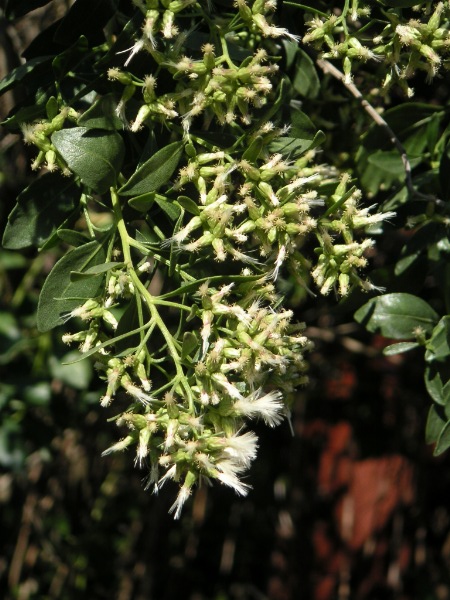
- Groundsel-treeBaccharis halimifolia
- American BlueheartsBuchnera americana
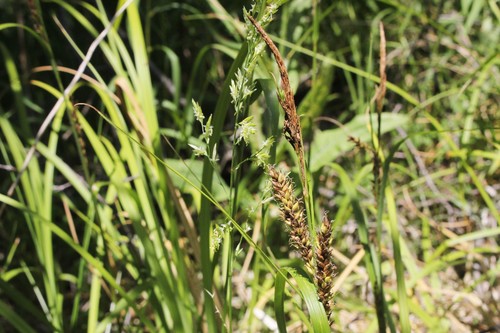
- Shoreline SedgeCarex hyalinolepis
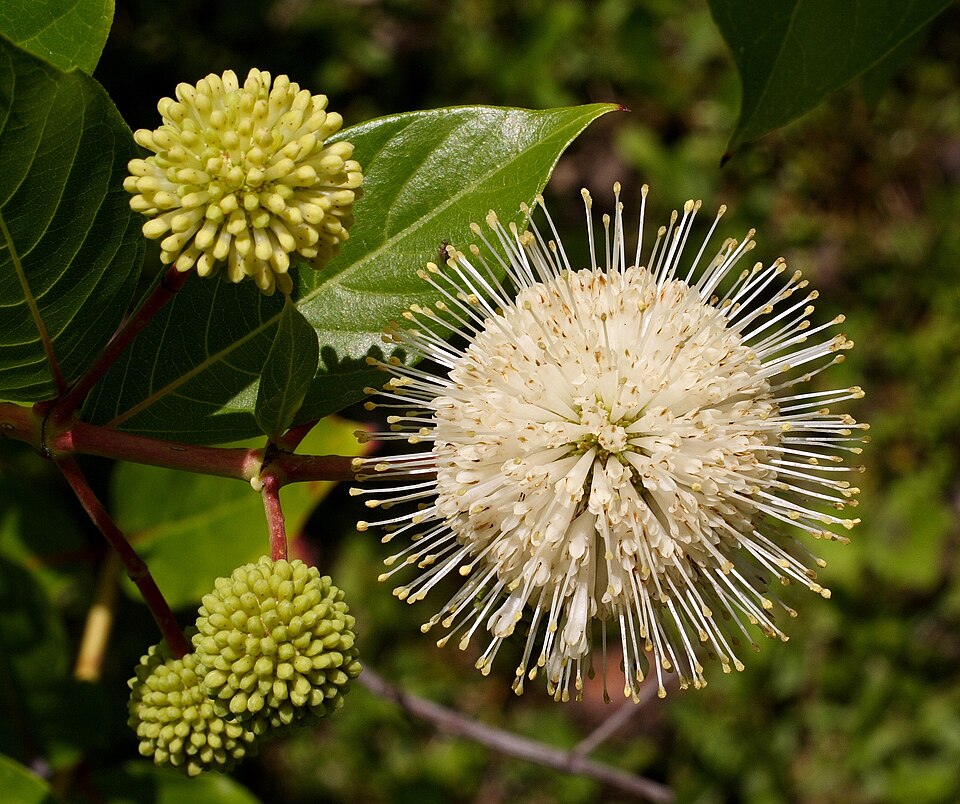
- ButtonbushCephalanthus occidentalis
- Erectleaf WitchgrassDichanthelium erectifolium
- Seashore SaltgrassDistichlis spicata
- Slim SpikerushEleocharis elongata
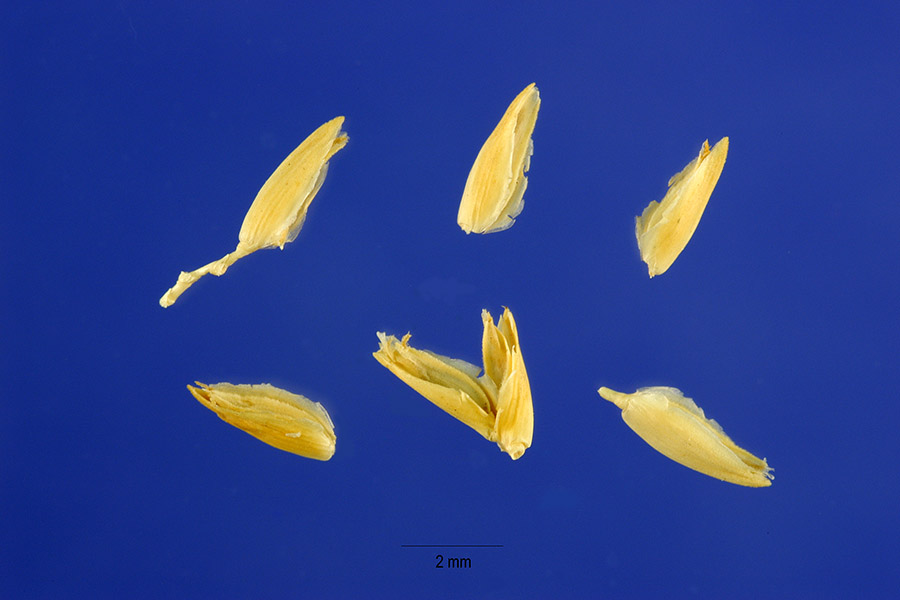
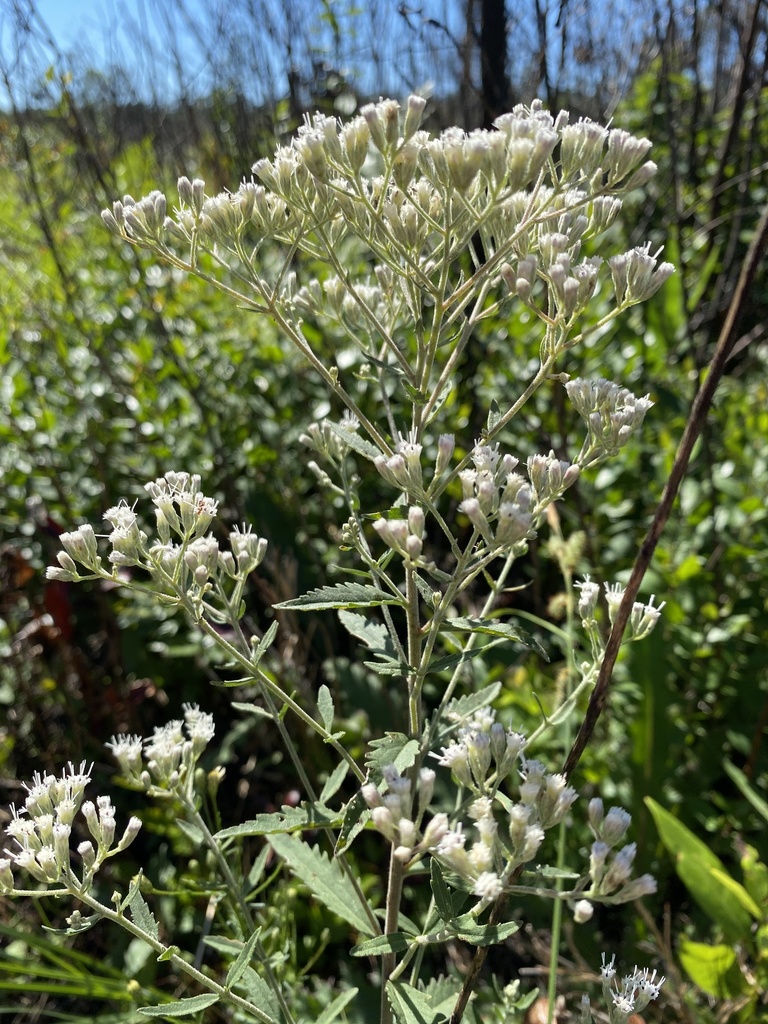
- Florida ThoroughwortEupatorium anomalum
- Fimbristylis carolinianaFimbristylis caroliniana
- Fimbristylis castaneaFimbristylis castanea
- Fuirena longaFuirena longa
- Fuirena scirpoideaFuirena scirpoidea
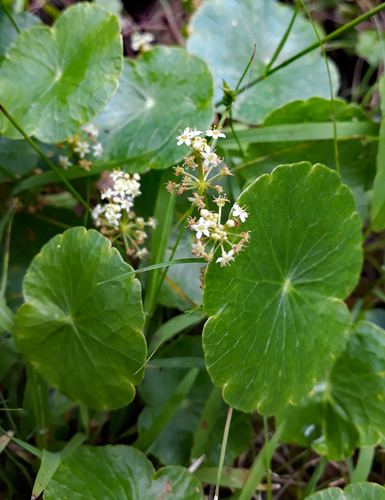
- Largeleaf PennywortHydrocotyle bonariensis
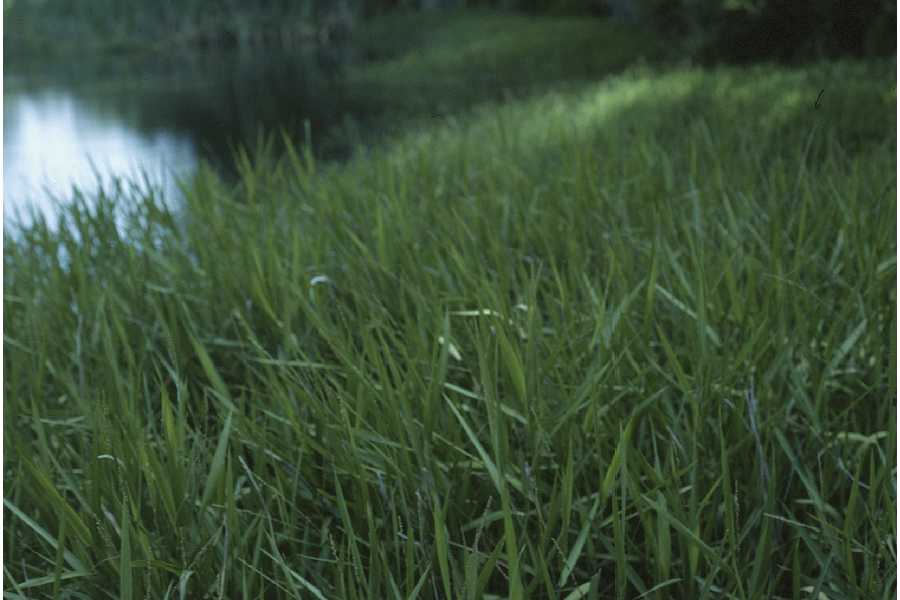
- MaidencaneHymenachne hemitomon
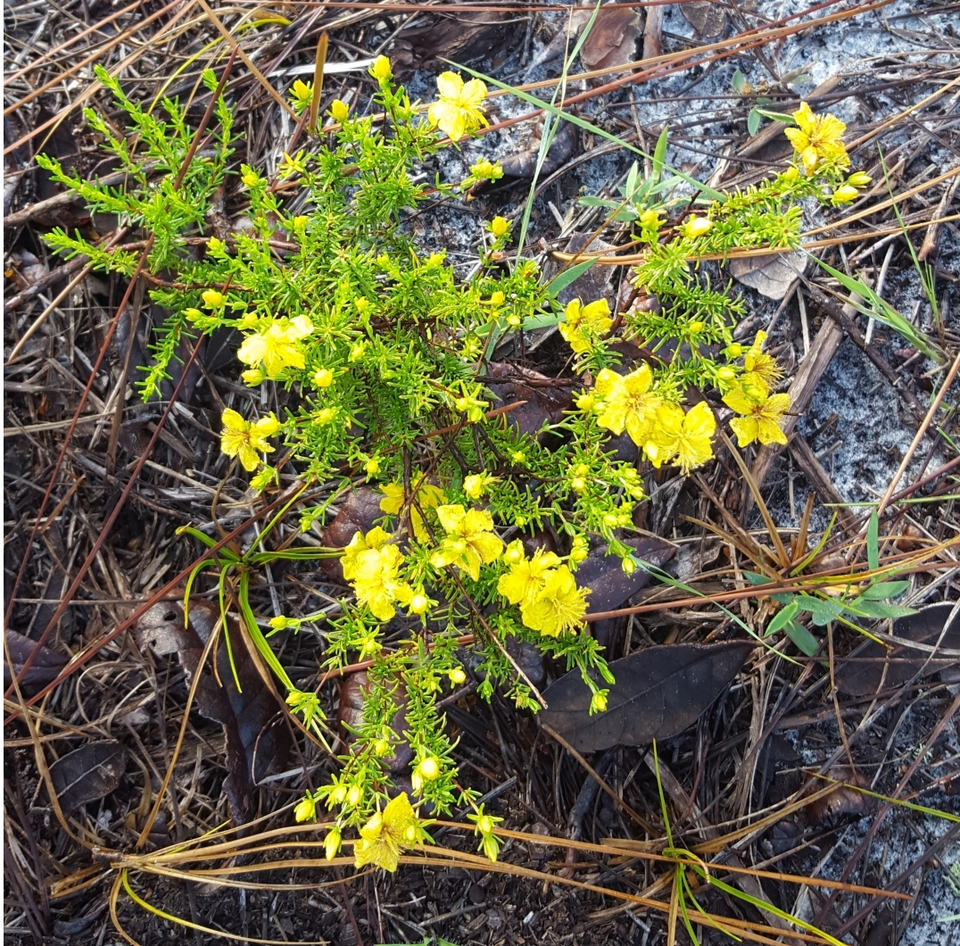
- Atlantic St. John's-wortHypericum tenuifolium
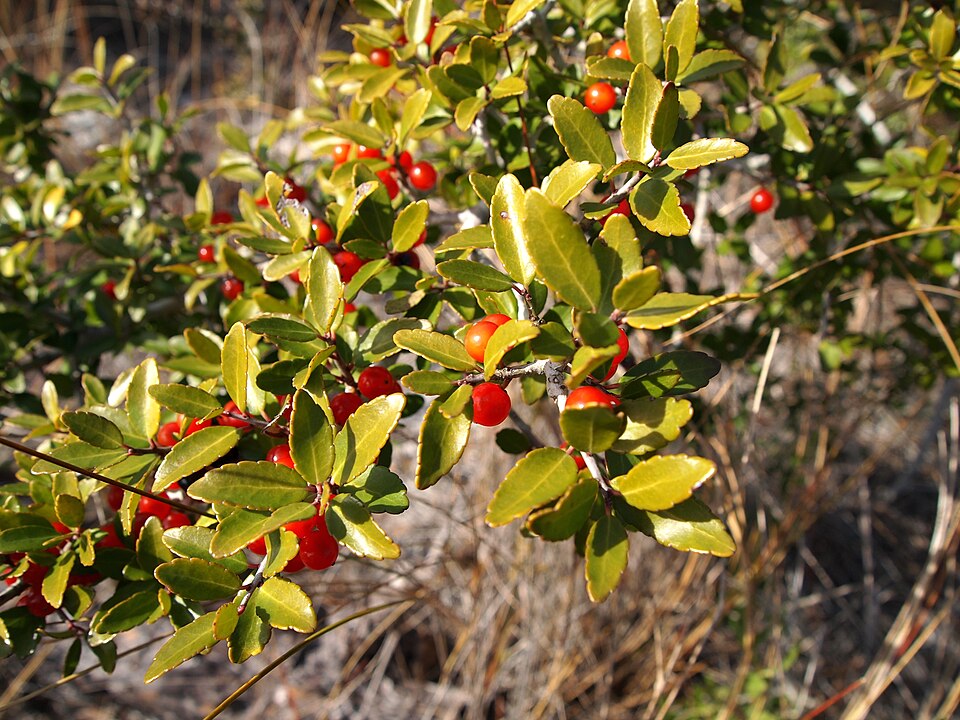
- Yaupon HollyIlex vomitoria
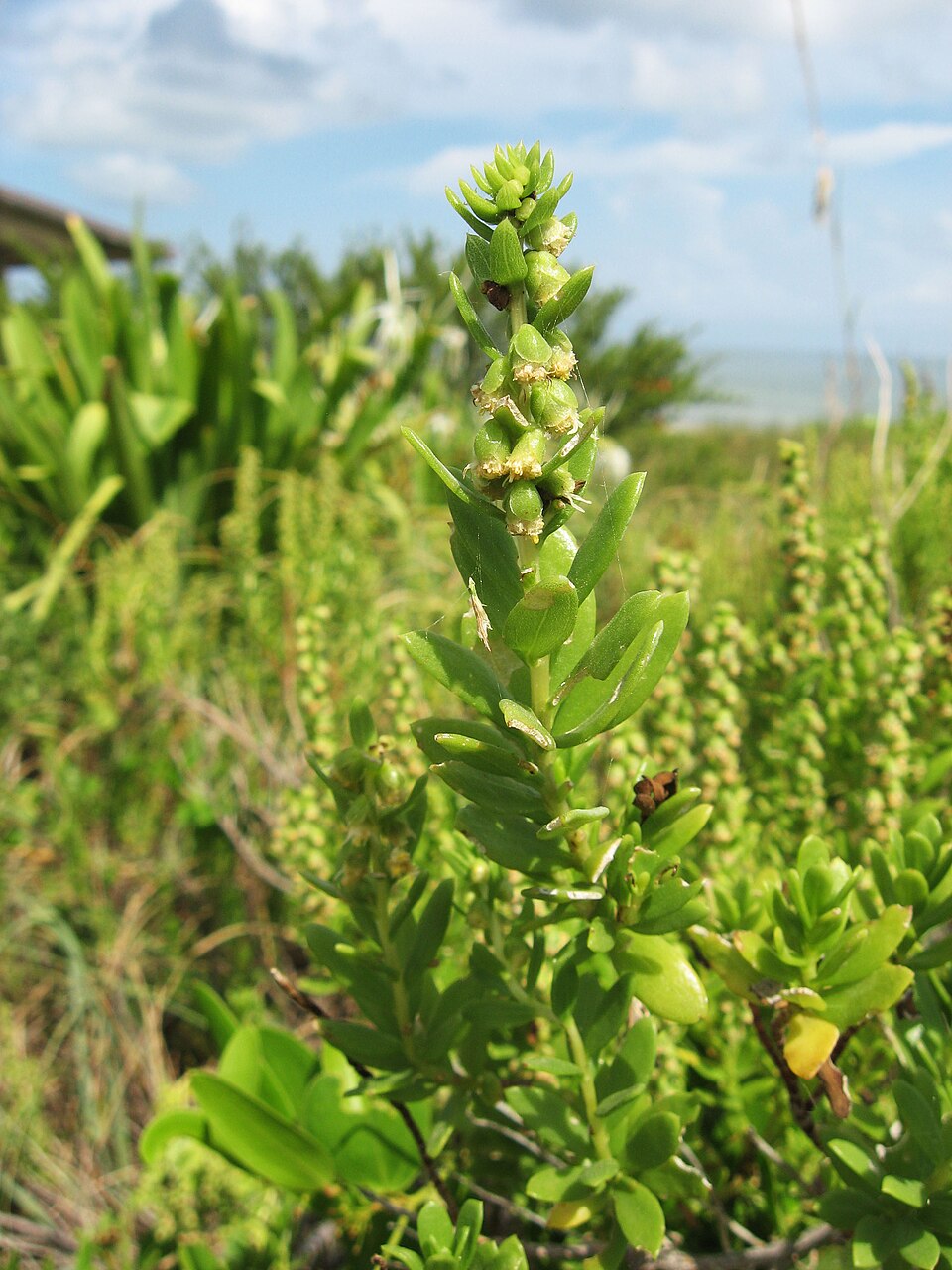
- Dune Marsh-elderIva imbricata
- Black NeedlerushJuncus roemerianus
Wildlife 242
Other animals whose habitat models include the same habitats in Alabama. Not sighting records.
- MallardAnas platyrhynchos
- Northern CardinalCardinalis cardinalis
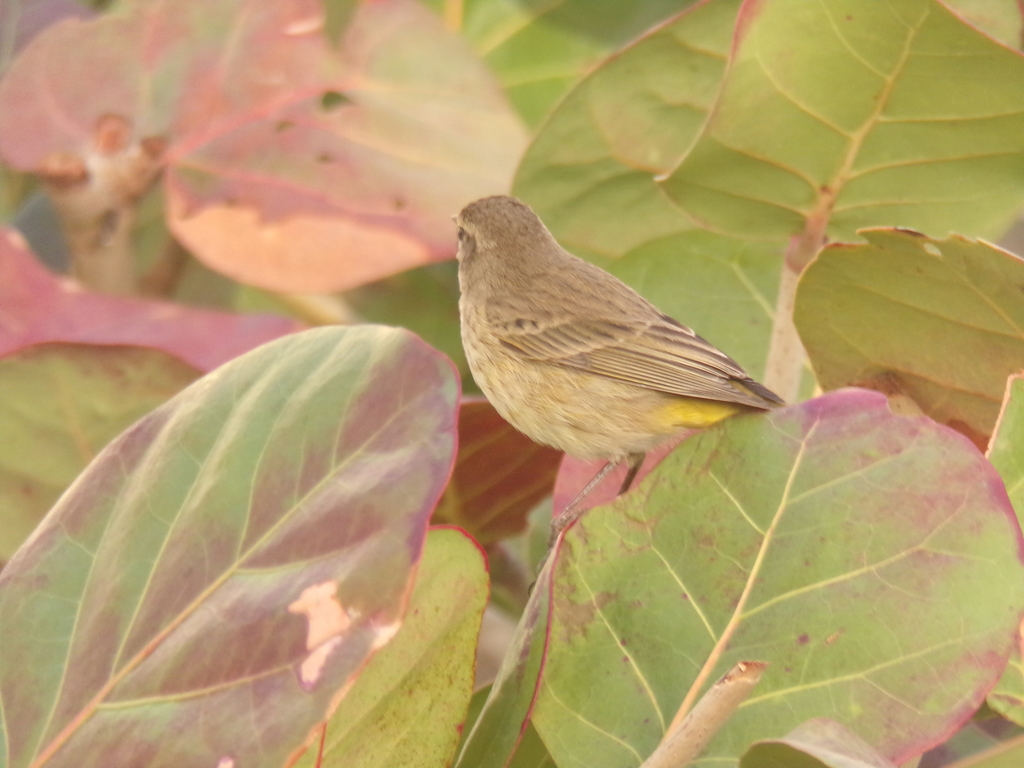
- Palm WarblerDendroica palmarum
- Peregrine FalconFalco peregrinus
- Purple GallinulePorphyrio martinica
- Red-tailed HawkButeo jamaicensis
- Red-winged BlackbirdAgelaius phoeniceus
- Reddish EgretEgretta rufescens
- RedheadAythya americana
- Ring-necked DuckAythya collaris
- Royal TernThalasseus maximus
- SanderlingCalidris alba
- Savannah SparrowPasserculus sandwichensis
- Sharp-shinned HawkAccipiter striatus
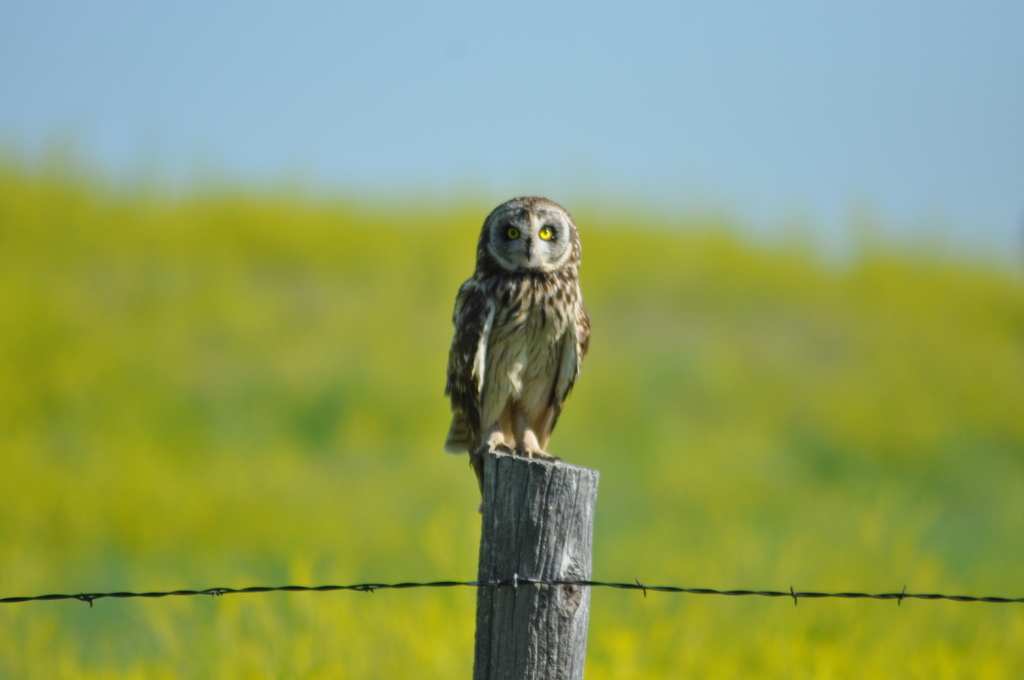
- Short-eared OwlAsio flammeus
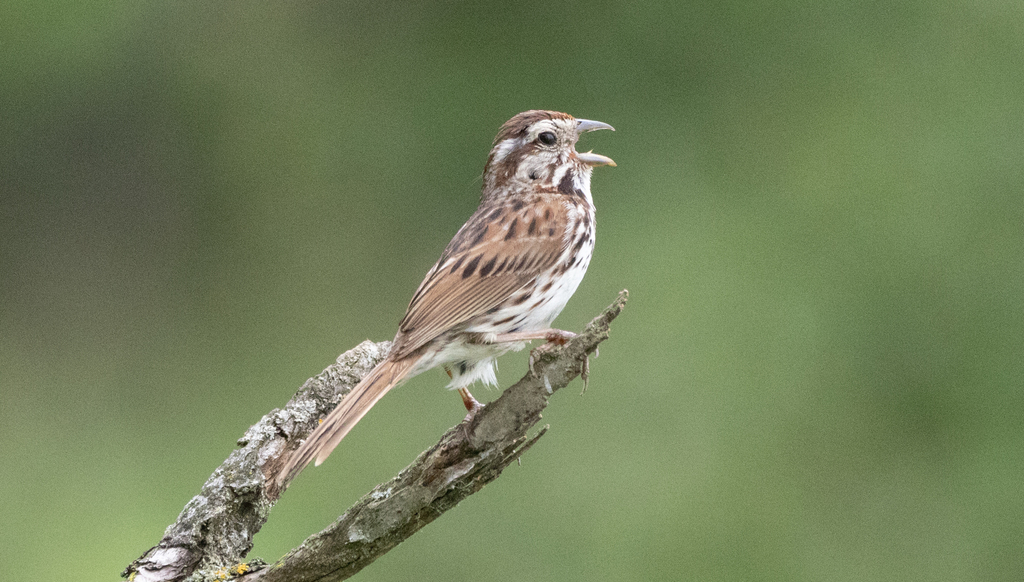
- Song SparrowMelospiza melodia
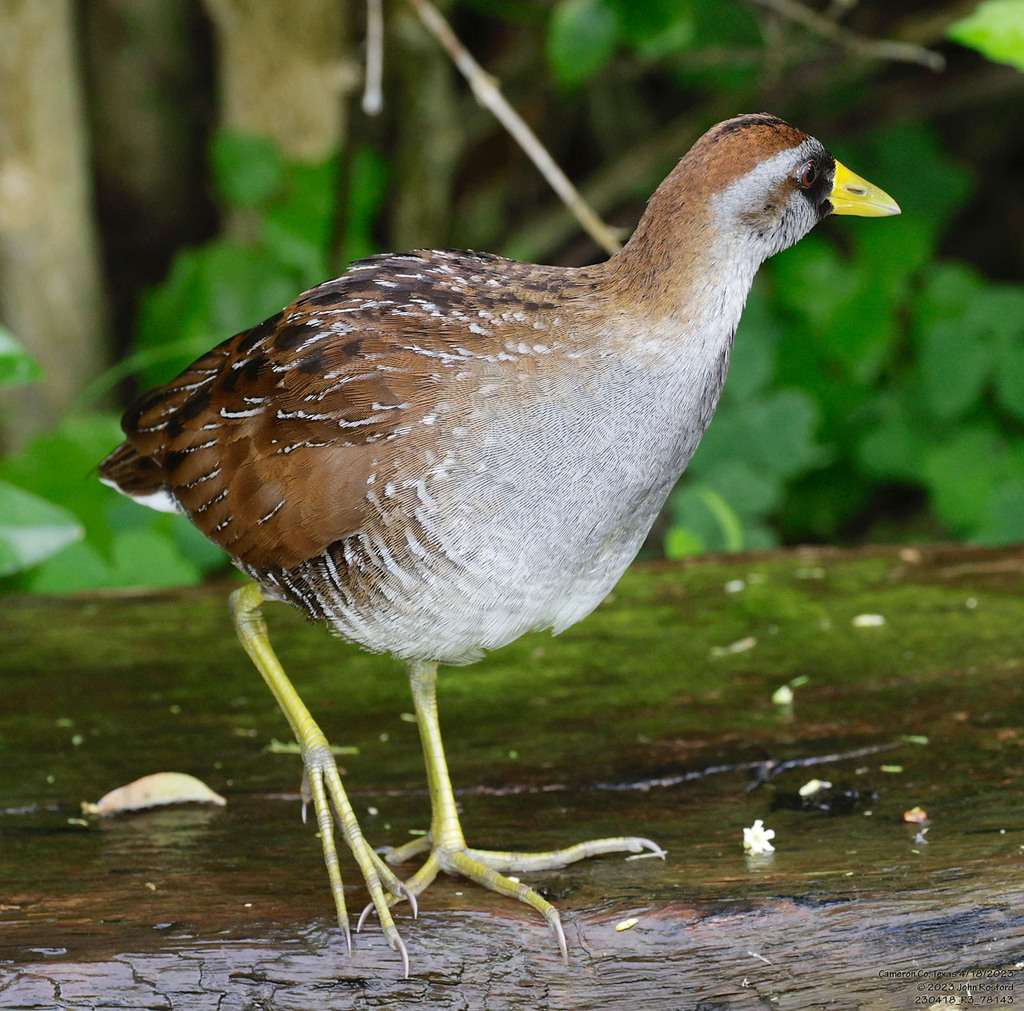
- SoraPorzana carolina
- Spotted SandpiperActitis macularius
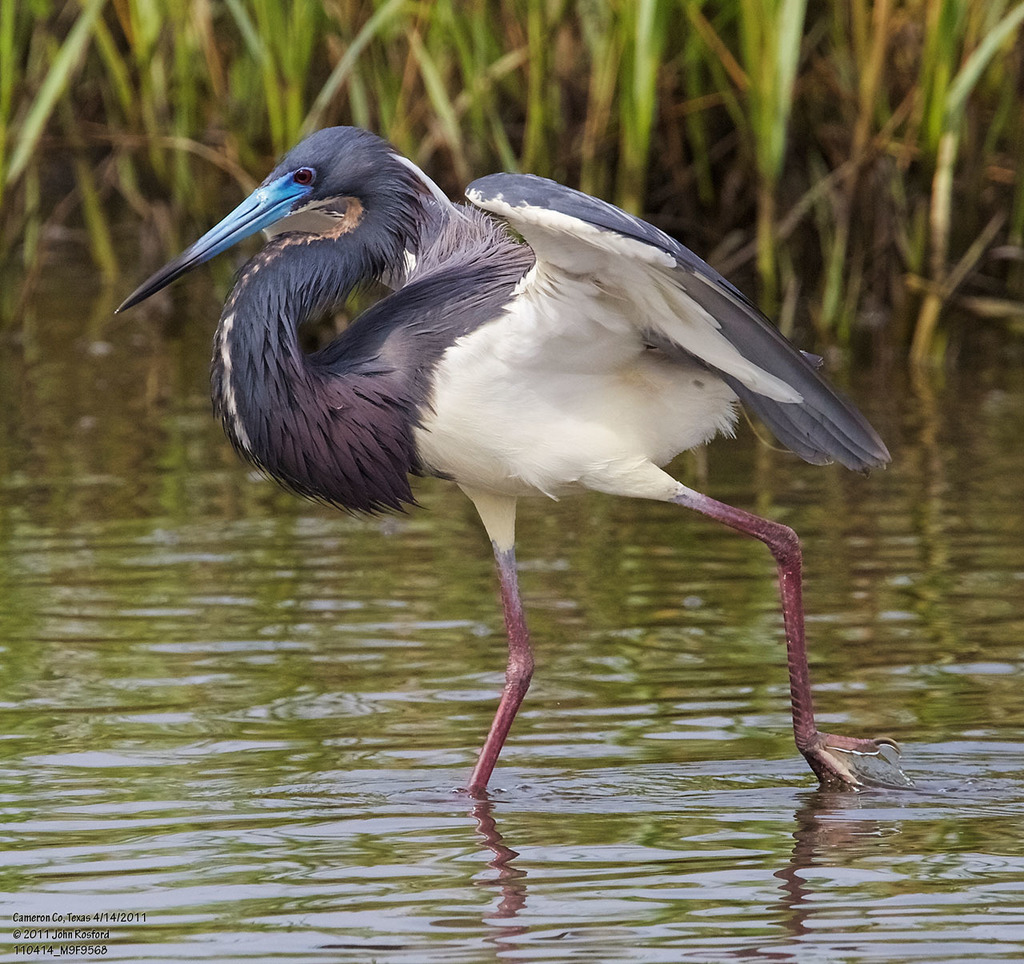
- Tricolored HeronEgretta tricolor
- Turkey VultureCathartes aura
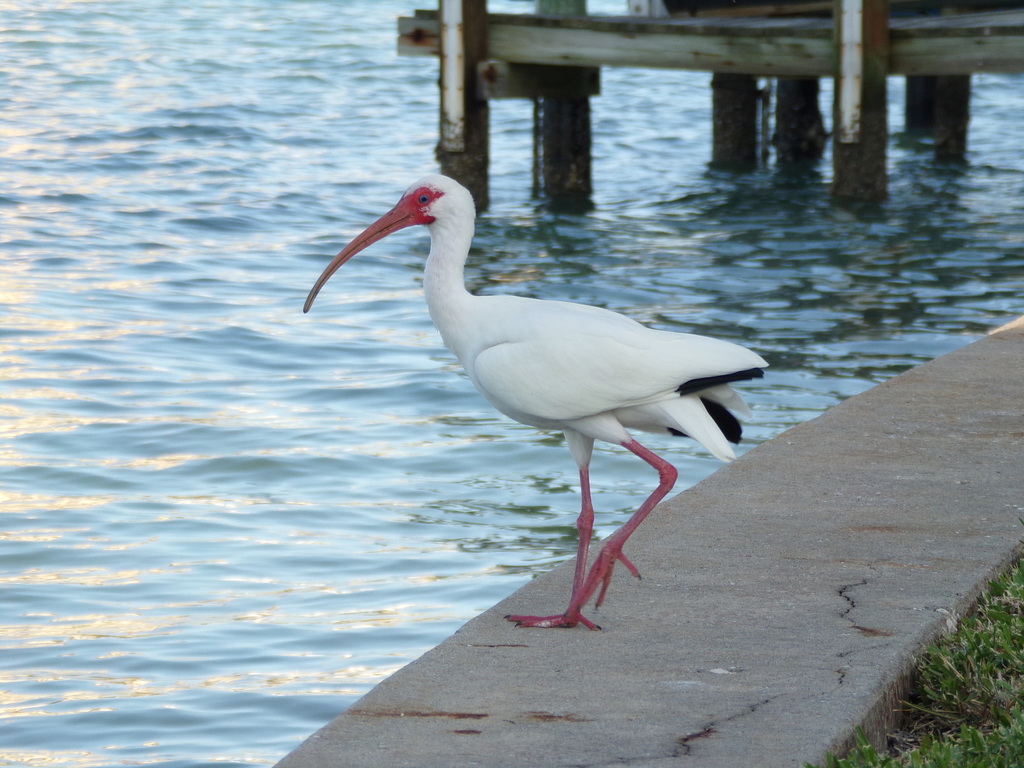
- White IbisEudocimus albus
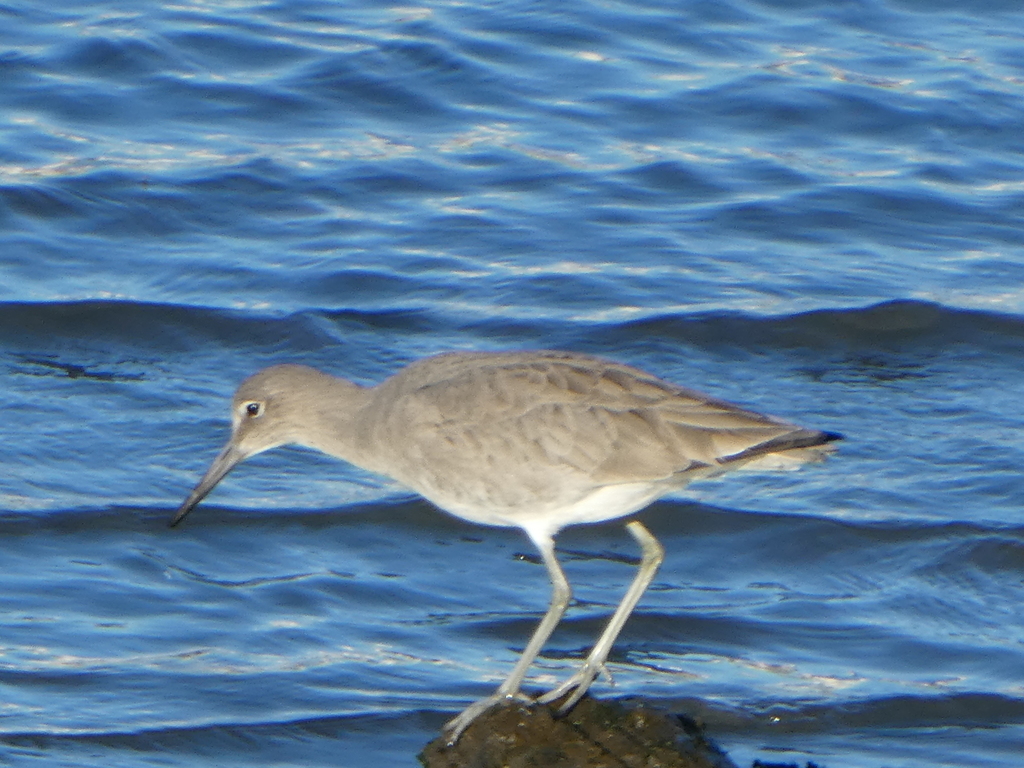
- WilletTringa semipalmata
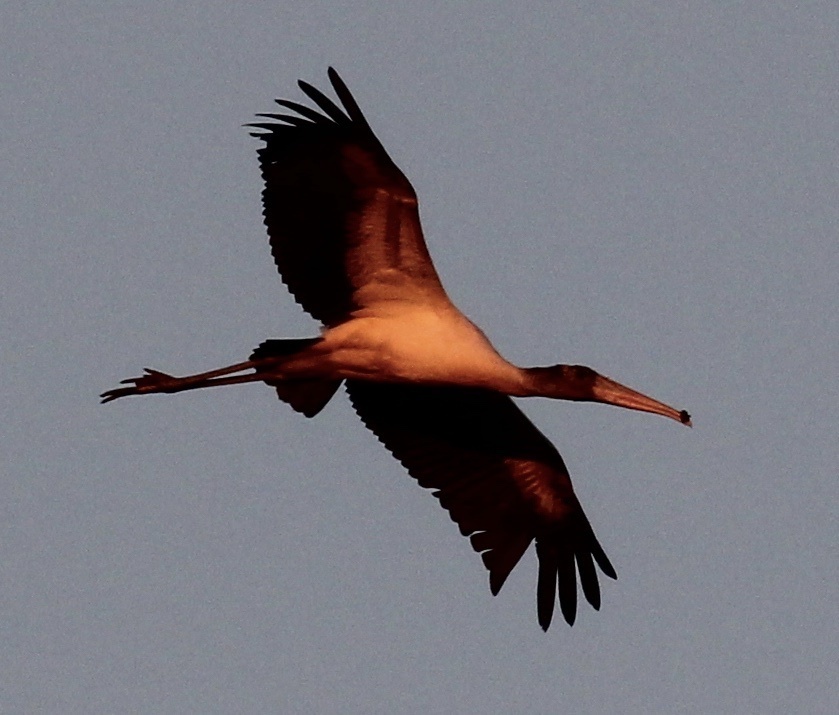
- Wood StorkMycteria americana
- Yellow-breasted ChatIcteria virens


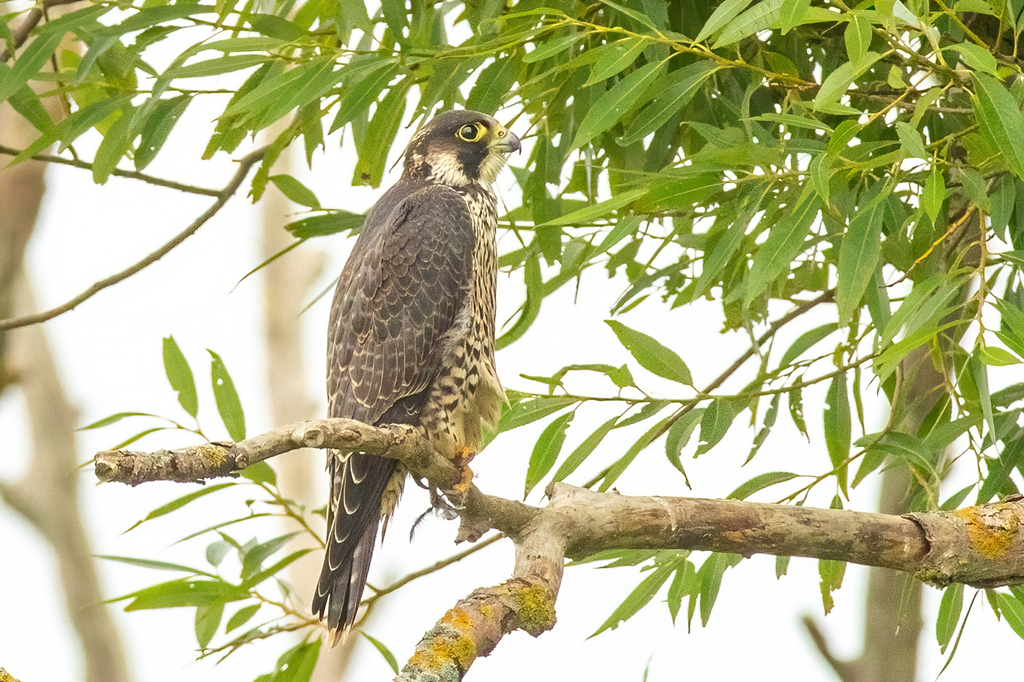
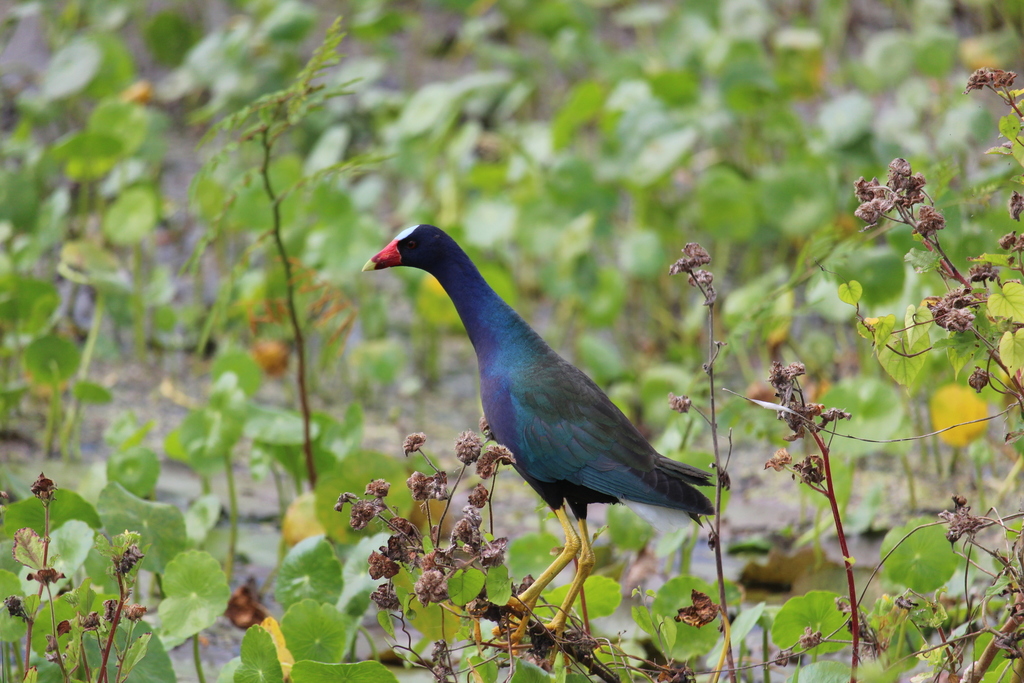


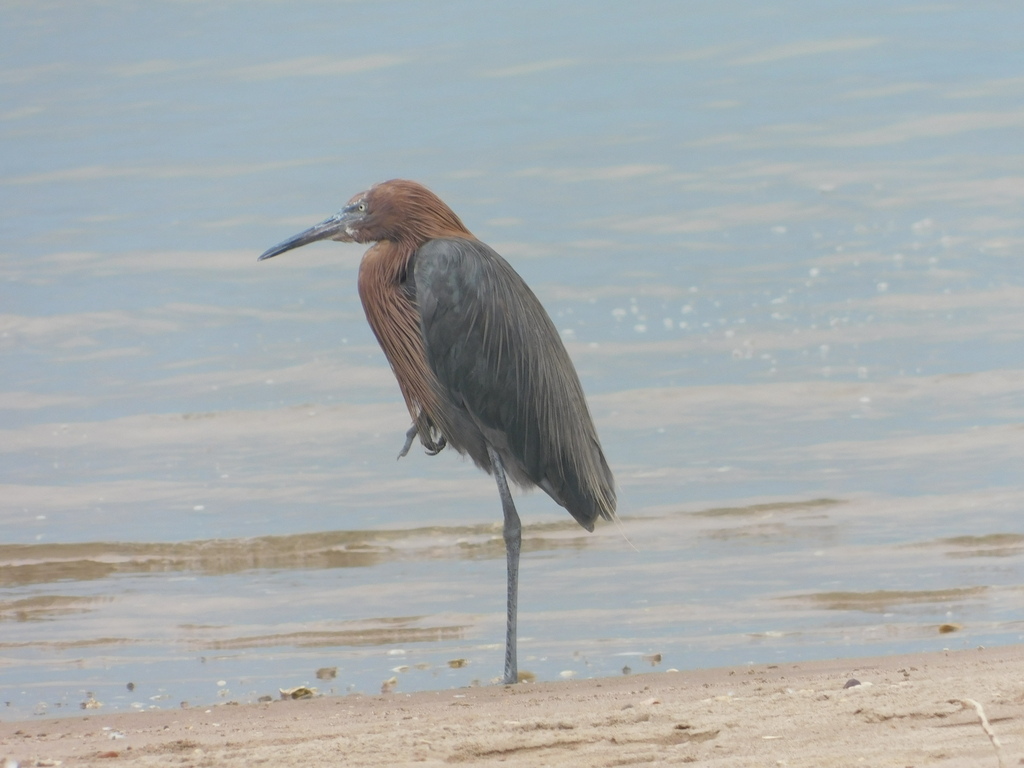
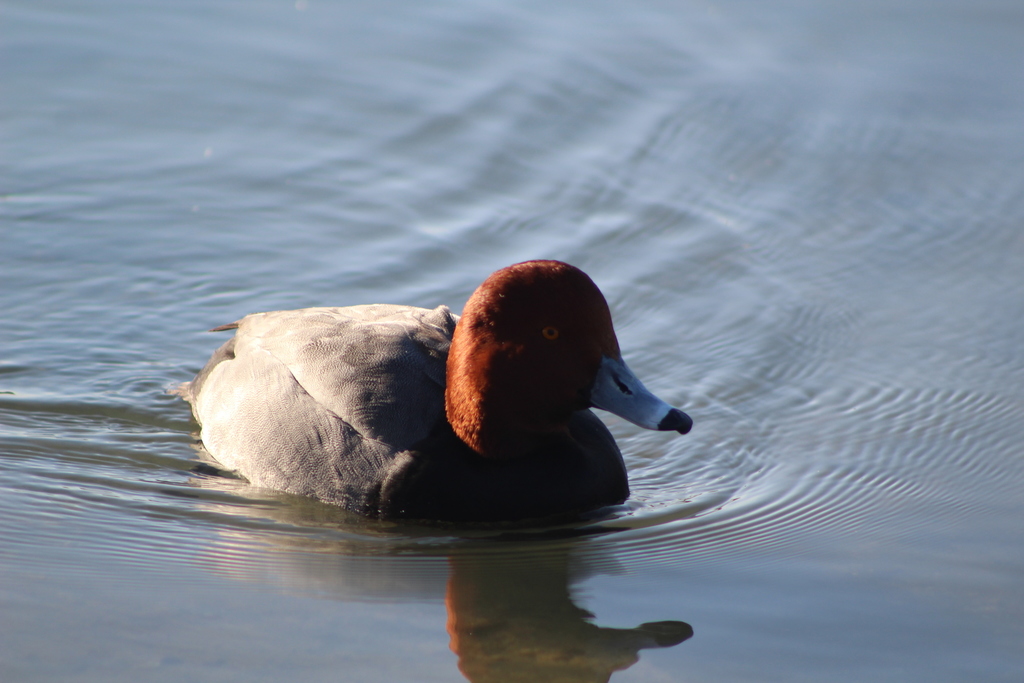
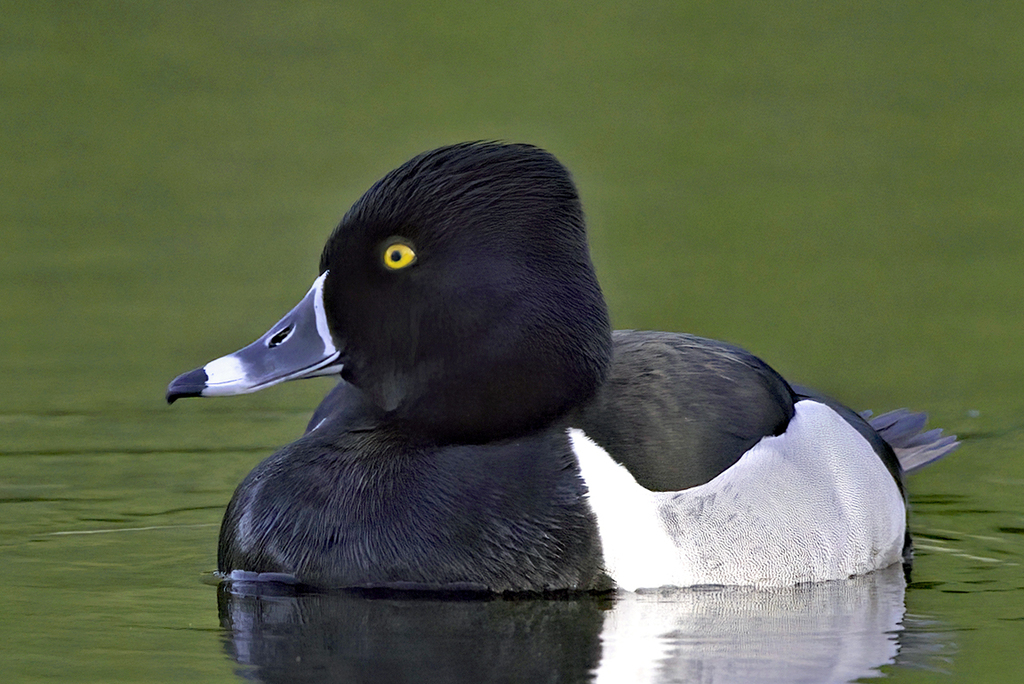
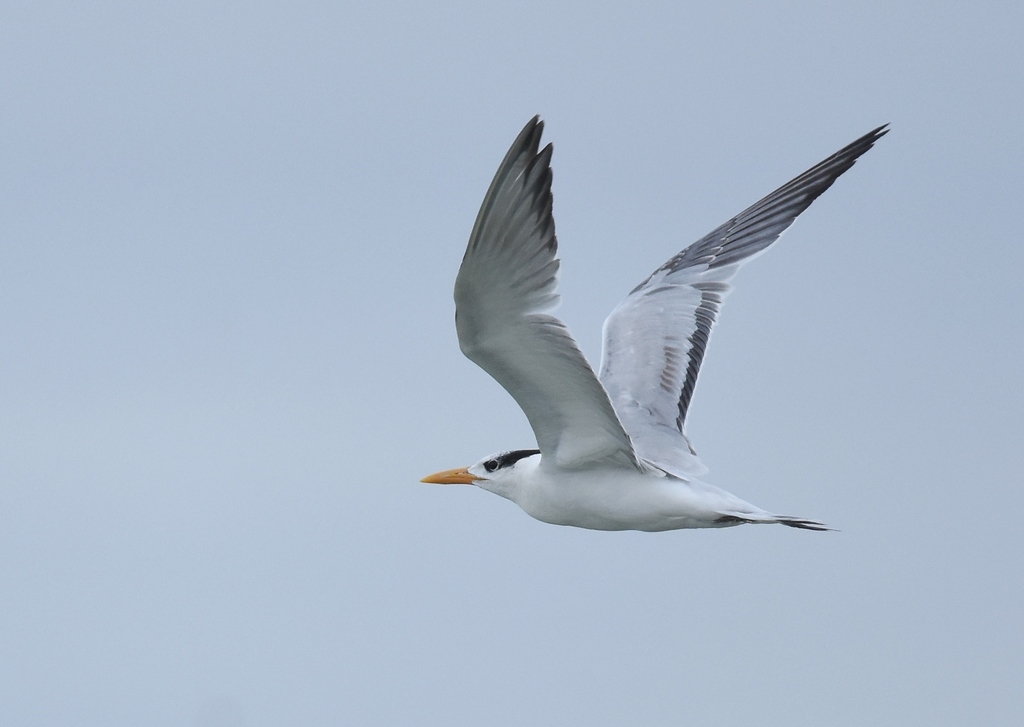
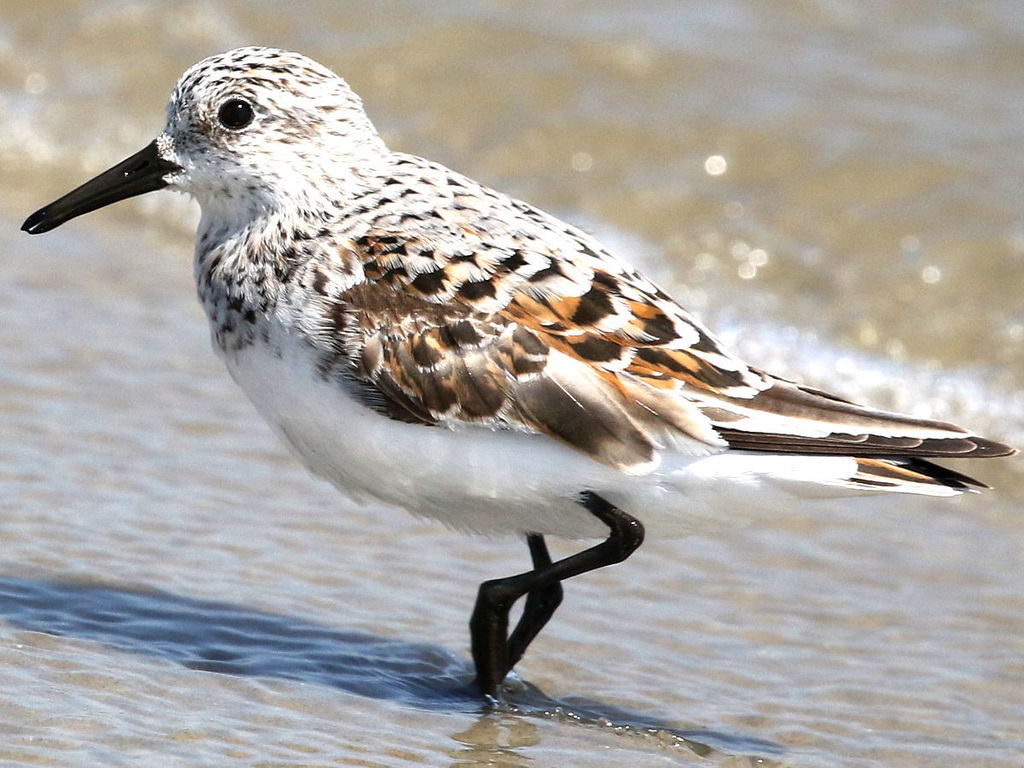
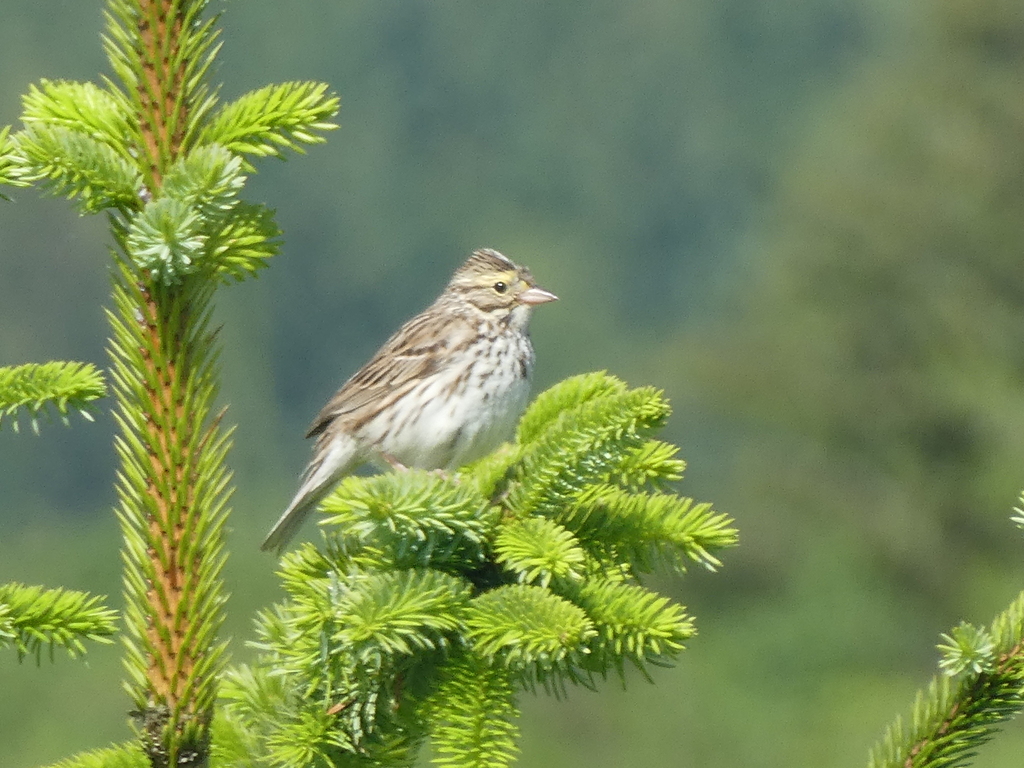




NatureServe Explorer, CC BY 4.0. USGS Gap Analysis Project habitat models.
Sources
- USGS Gap Analysis Project habitat models (2001)
- USGS GAP winter habitat model for White-faced Ibis Elevation 0 to 1,680 m
- USGS Gap Analysis Project range maps (2001), modeled by watershed; migratory gives no dates
- NatureServe Explorer (CC BY 4.0), habitat names
- US Census TIGER/Line counties
- Names follow the USGS Gap Analysis Project (2001)