

Bird
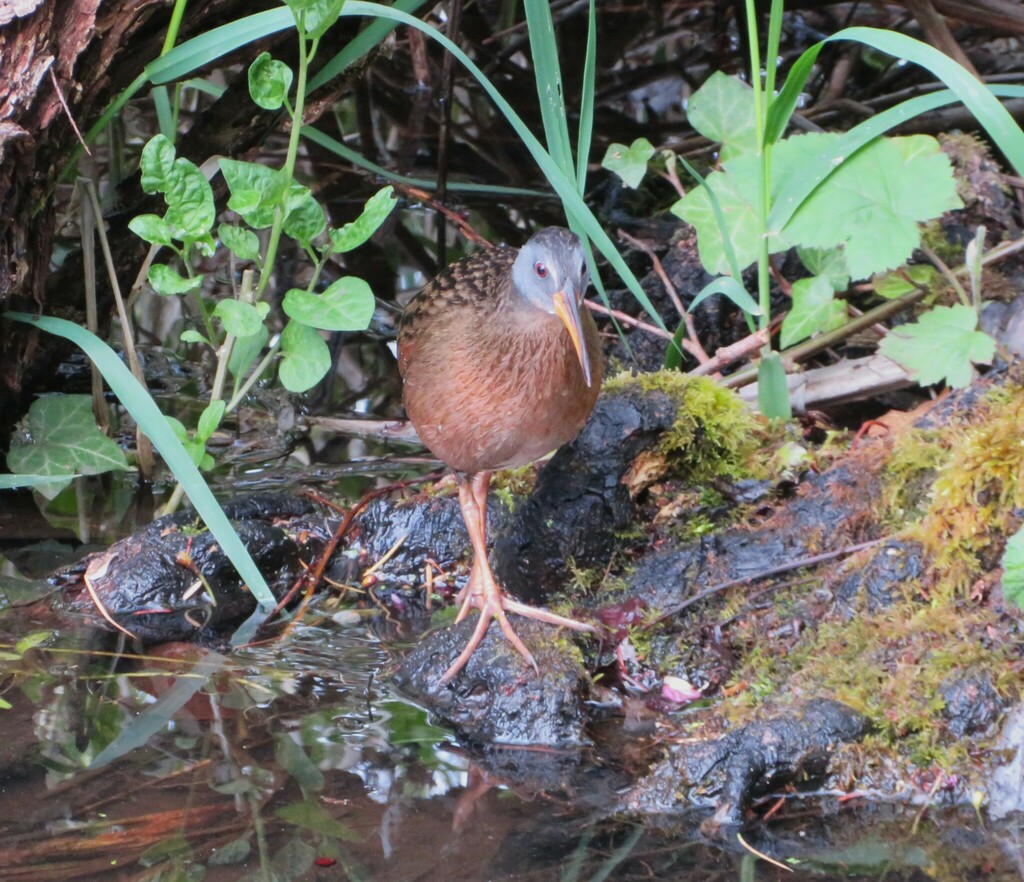
Virginia Rail
Rallus limicola
A winter visitor to Alabama, found in 6 of 67 counties and 9 habitats.
- Here
- Winter
- Nesting
- Not known to nest here
- Range
- 6 of 67 counties
- Habitats
- 9
At a glance
- Group
- Birds
- Here
- Winter
- Nesting
- Not known to nest here
- Range
- 6 of 67 counties
- Habitats
- 9
- Habitat models
- Summer, Winter
Where it lives
The places its habitat model includes. It is not found everywhere a habitat occurs.
Habitats in Alabama 9
Each habitat page lists the plants and wildlife also found there.
Open sand of beaches, dunes and the hollows between them.
Open, wet, seepage-fed bogs of the Coastal Plain and Sandhills, often with pitcher plants.
Coastal tidal marshes (salinity not stated)
Tidal marshes of the Atlantic and Gulf coasts where the source does not say whether the water is fresh, brackish or salt. A stated salinity files the marsh under freshwater tidal marshes or salt and brackish marshes instead.
Disturbed and introduced wetlands
Wet ground taken over by weedy or introduced plants after disturbance, such as common reed, Chinese tallow or tamarisk stands; the upland counterpart is roadsides, fields and disturbed ground.
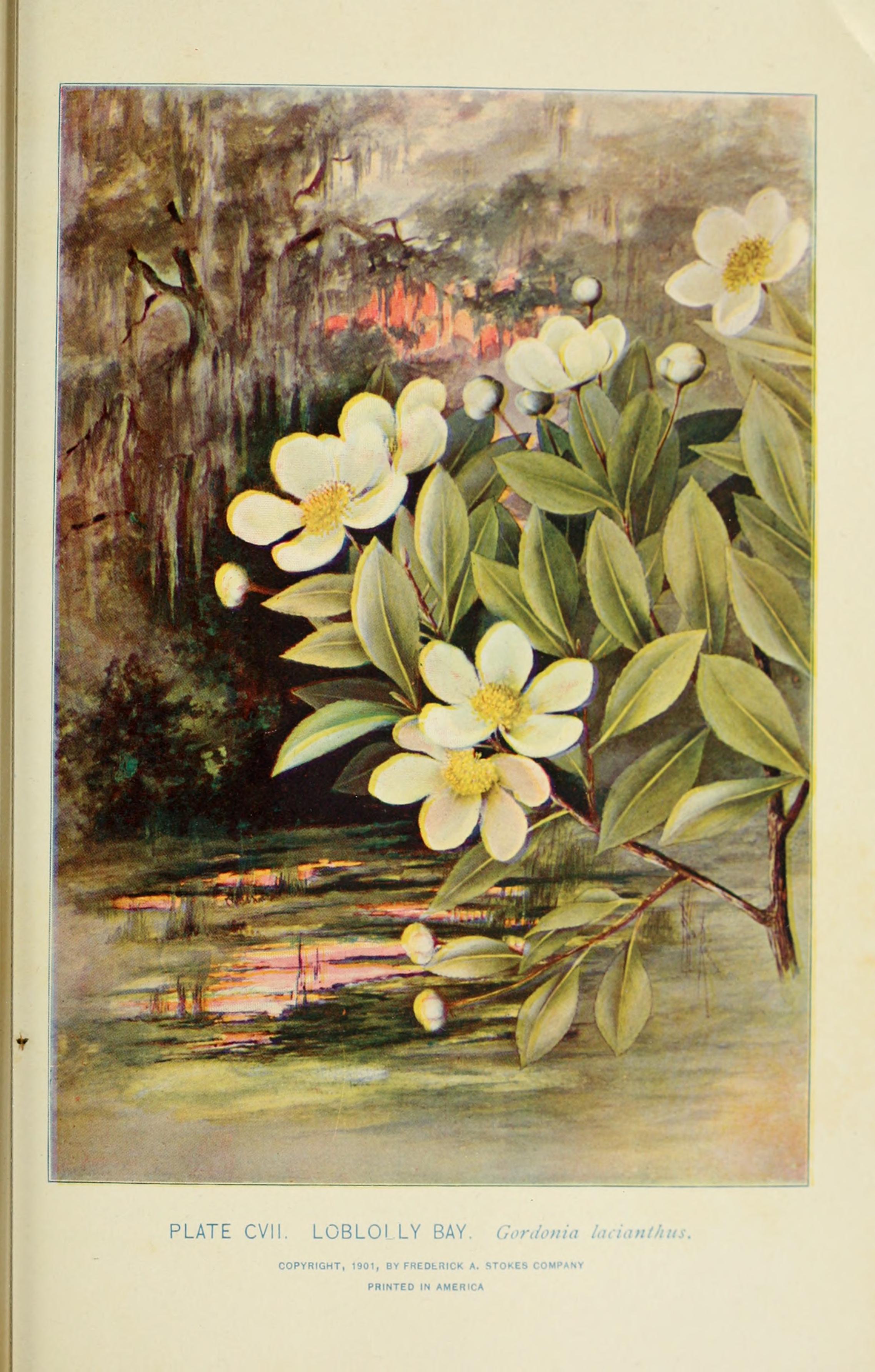
Floodplain and bottomland forests
Forests on low ground beside rivers and streams that flood from time to time.
Open, fire-kept longleaf pine stands over grasses and wildflowers on wet to moist sandy soil.
Coastal marshes flooded by salty or brackish tides.
Streams, rivers and their banks
Flowing water and its banks, bars and rocky shoals.
Other habitats in its models (32)
Land cover, or classes with no habitat page in Alabama.
- Western Great Plains Wooded Draw and Ravine Winter, only within 250 m of water.
- Atlantic Coastal Plain Central Salt and Brackish Tidal Marsh Summer and winter.
- Atlantic Coastal Plain Indian River Lagoon Tidal Marsh Summer and winter.
- Atlantic Coastal Plain Embayed Region Tidal Salt and Brackish Marsh Summer and winter.
- Atlantic Coastal Plain Northern Tidal Salt Marsh Summer and winter.
- Florida Big Bend Salt-Brackish Tidal Marsh Summer and winter.
- Atlantic Coastal Plain Clay-Based Carolina Bay Herbaceous Wetland Summer and winter.
- Atlantic Coastal Plain Streamhead Seepage Swamp - Pocosin - and Baygall Summer and winter.
- Atlantic Coastal Plain Large Natural Lakeshore Summer and winter.
- Atlantic Coastal Plain Southern Tidal Wooded Swamp Summer and winter.
- South Florida Everglades Sawgrass Marsh Summer and winter.
- Floridian Highlands Freshwater Marsh Summer and winter.
- Atlantic Coastal Plain Embayed Region Tidal Freshwater Marsh Summer and winter.
- Central Florida Herbaceous Seep Summer and winter.
- Florida Big Bend Fresh-Oligohaline Tidal Marsh Summer and winter.
- Atlantic Coastal Plain Northern Fresh and Oligohaline Tidal Marsh Summer and winter.
- Atlantic Coastal Plain Northern Tidal Wooded Swamp Summer and winter.
- Northern Atlantic Coastal Plain Basin Swamp and Wet Hardwood Forest Summer and winter.
- Atlantic Coastal Plain Central Fresh-Oligohaline Tidal Marsh Summer and winter.
- Atlantic Coastal Plain Nonriverine Swamp and Wet Hardwood Forest - Taxodium/Nyssa Modifier Summer and winter.
- Atlantic Coastal Plain Clay-Based Carolina Bay Forested Wetland Summer and winter.
- South Florida Dwarf Cypress Savanna Summer and winter.
- South Florida Wet Marl Prairie Summer and winter.
- Eastern Great Plains Wet Meadow, Prairie, and Marsh Summer and winter.
- South Florida Cypress Dome Summer and winter.
- Western Great Plains Depressional Wetland Systems Summer and winter.
- Central Florida Herbaceous Pondshore Summer and winter.
- East Gulf Coastal Plain Southern Depression Pondshore Summer and winter.
- Atlantic Coastal Plain Depression Pondshore Summer and winter.
- South Florida Freshwater Slough and Gator Hole Summer and winter.
- East Gulf Coastal Plain Large River Floodplain Forest - Herbaceous Modifier Summer and winter.
- South-Central Interior Large Floodplain - Herbaceous Modifier Summer and winter.
Seasons in Alabama
- Winter: does not nest here, in 6 of 67 counties.
Also found in this habitat
Plants 160
Plants named in NatureServe descriptions of these habitats that grow in Alabama. Shared habitat, not food.
- Starrush Whitetop SedgeRhynchospora colorata
- Short-bristle Horned BeaksedgeRhynchospora corniculata
- Spreading BeaksedgeRhynchospora divergens
- Harper's BeaksedgeRhynchospora harperi
- Southern BeaksedgeRhynchospora microcarpa
- Shortbeak BeaksedgeRhynchospora nitens
- Small's BeaksedgeRhynchospora pinetorum
- Coastal Plain BeaksedgeRhynchospora stenophylla
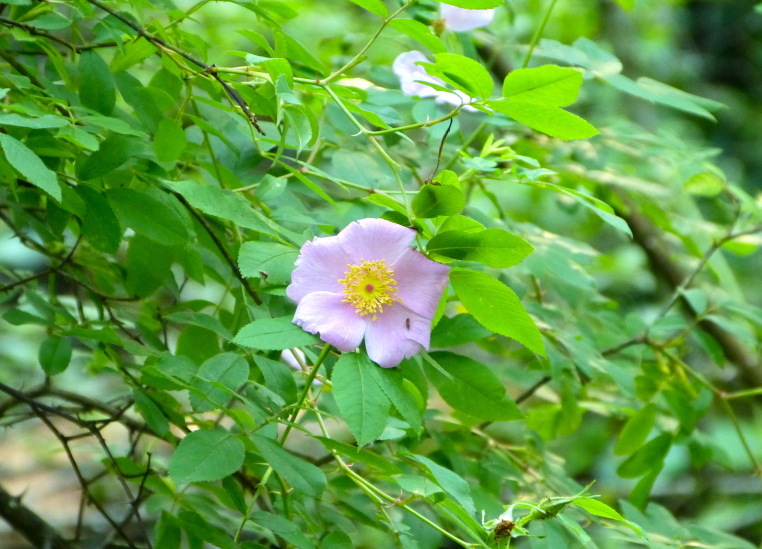
- Swamp RoseRosa palustris
- Rudbeckia auriculataRudbeckia auriculata
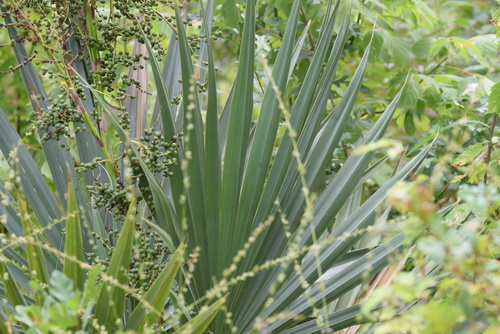
- Dwarf PalmettoSabal minor
- Cabbage PalmettoSabal palmetto
- Sabatia brevifoliaSabatia brevifolia
- Salix floridanaSalix floridana
- Pale Pitcher PlantSarracenia alata
- Rose Pitcherplant; Rose Pitcher PlantSarracenia rosea
- Olney's ThreesquareSchoenoplectus americanus
- Baldwin's NutrushScleria baldwinii
- Serenoa repensSerenoa repens
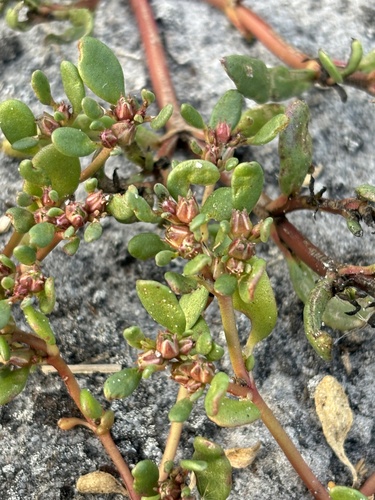
- Slender Sea-purslaneSesuvium maritimum
- Giant BristlegrassSetaria magna
- Simpson's RosinweedSilphium simpsonii
- Florida Ladies'-tressesSpiranthes floridana
- Saltmarsh CordgrassSporobolus alterniflorus
Wildlife 244
Other animals whose habitat models include the same habitats in Alabama. Not sighting records.
- American Black DuckAnas rubripes
- Black-crowned Night-heronNycticorax nycticorax
- Canada GooseBranta canadensis
- Chimney SwiftChaetura pelagica
- Common NighthawkChordeiles minor
- Common YellowthroatGeothlypis trichas
- Cooper's HawkAccipiter cooperii
- European StarlingSturnus vulgaris
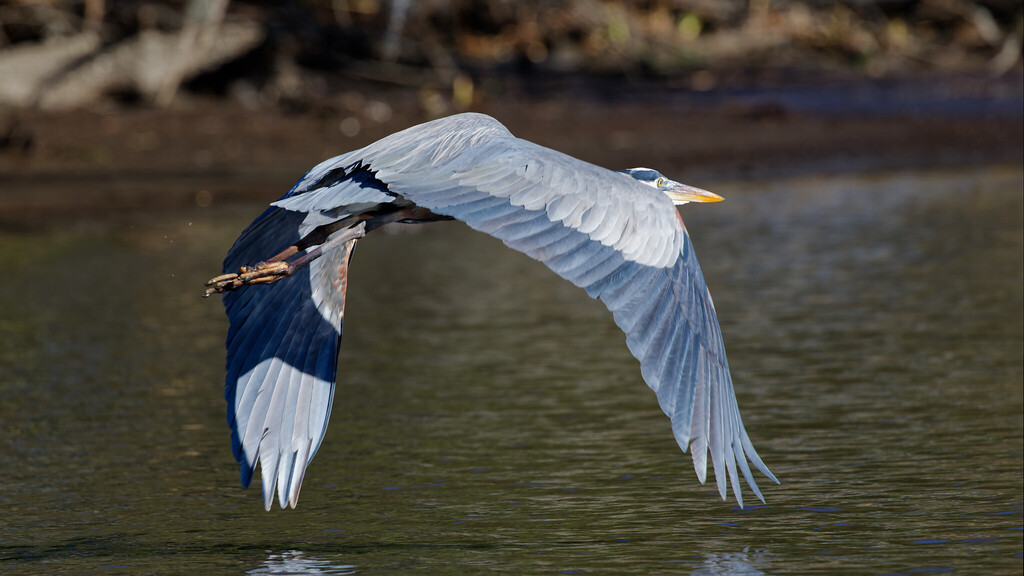
- Great Blue HeronArdea herodias
- Great EgretArdea alba
- Great Horned OwlBubo virginianus
- Northern CardinalCardinalis cardinalis
- Red-tailed HawkButeo jamaicensis
- Red-winged BlackbirdAgelaius phoeniceus
- Sharp-shinned HawkAccipiter striatus
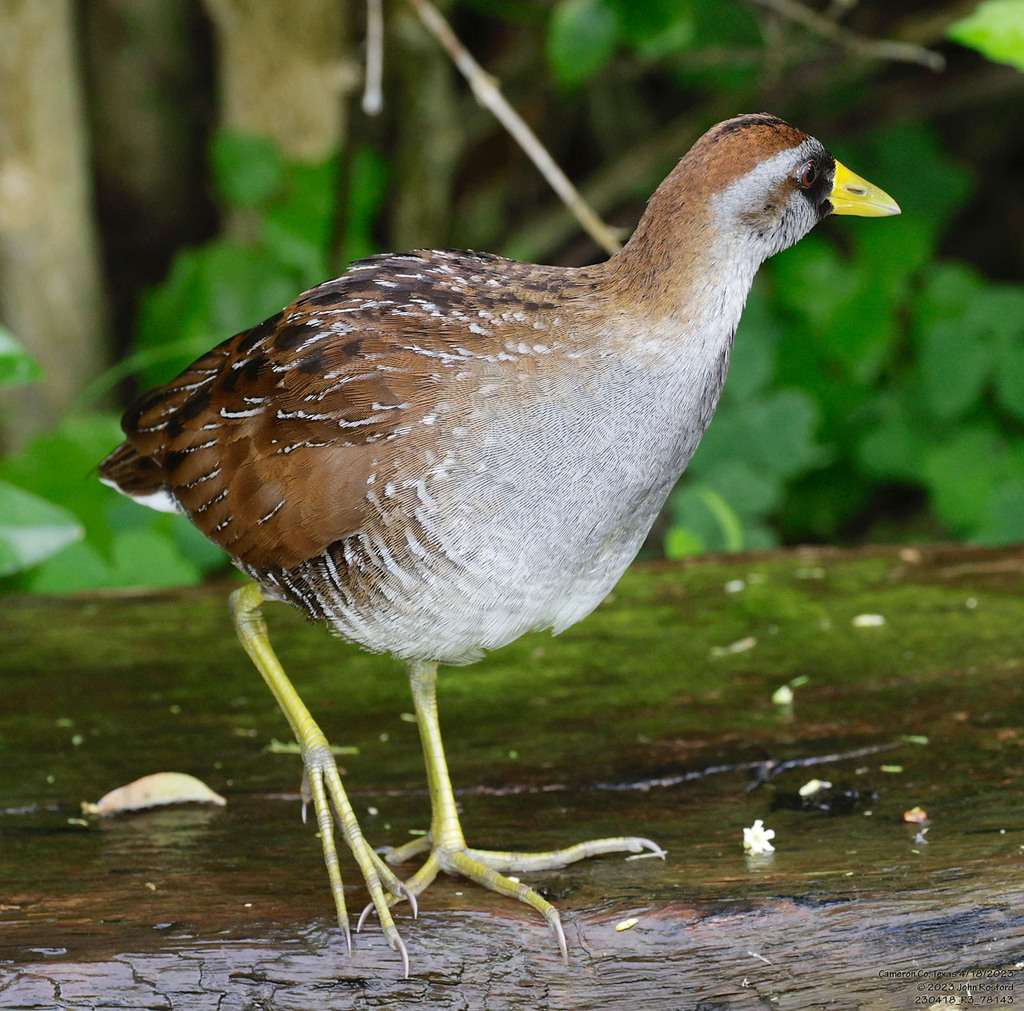
- SoraPorzana carolina
- Spotted SandpiperActitis macularius
- Tree SwallowTachycineta bicolor
- Turkey VultureCathartes aura
- Yellow-breasted ChatIcteria virens
- Yellow-crowned Night-heronNyctanassa violacea
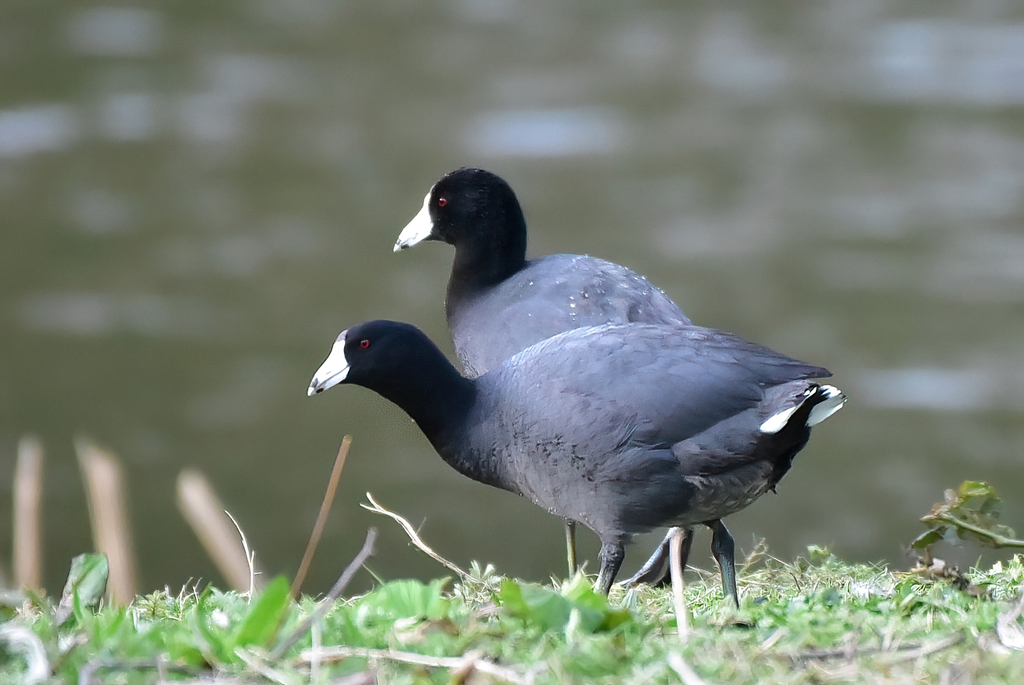
- American CootFulica americana
- American CrowCorvus brachyrhynchos
- Bank SwallowRiparia riparia





















NatureServe Explorer, CC BY 4.0. USGS Gap Analysis Project habitat models.
Sources
- USGS Gap Analysis Project habitat models (2001)
- USGS GAP winter habitat model for Virginia Rail
- USGS Gap Analysis Project range maps (2001), modeled by watershed; migratory gives no dates
- NatureServe Explorer (CC BY 4.0), habitat names
- US Census TIGER/Line counties
- Names follow the USGS Gap Analysis Project (2001)