

Bird
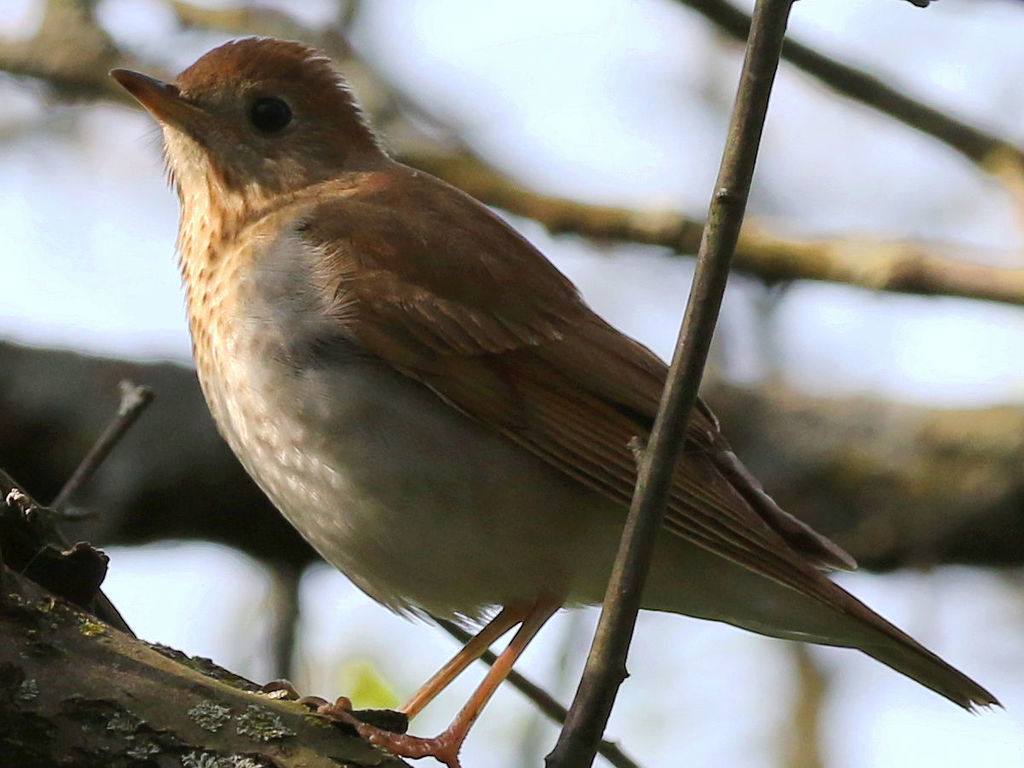
Veery
Catharus fuscescens
Passes through Alabama on migration. Found in all 67 counties, across 7 habitats.
- Here
- On migration
- Nesting
- Not known to nest here
- Range
- All 67 counties
- Habitats
- 7
At a glance
- Group
- Birds
- Here
- On migration
- Nesting
- Not known to nest here
- Range
- All 67 counties
- Habitats
- 7
- Habitat models
- Summer
Where it lives
The places its habitat model includes. It is not found everywhere a habitat occurs.
Habitats in Alabama 7
Each habitat page lists the plants and wildlife also found there.
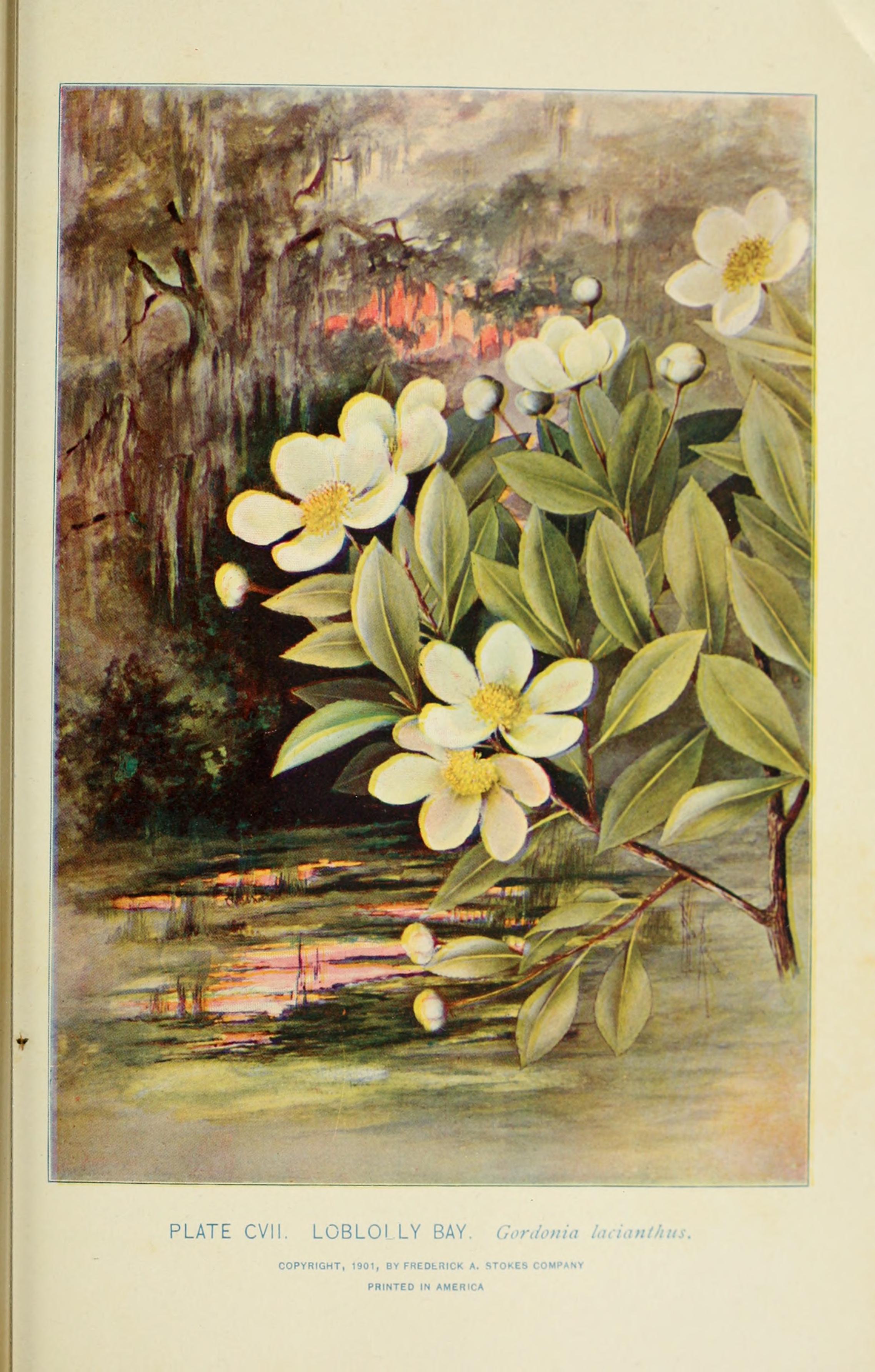
Floodplain and bottomland forests
Forests on low ground beside rivers and streams that flood from time to time.
Streams, rivers and their banks
Flowing water and its banks, bars and rocky shoals.
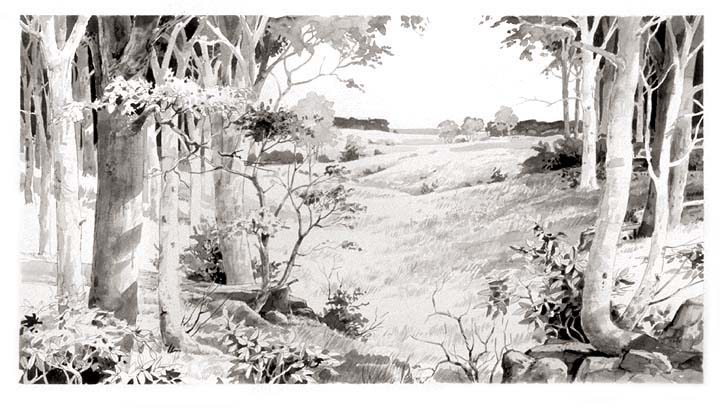
Forests and open woodlands on dry ridges and slopes, often oak or pine.
Forests between dry and moist, often oak-hickory on slopes.
Forests on moist but not wet ground, such as rich slopes and ravines.
Other habitats in its models (30)
Land cover, or classes with no habitat page in Alabama.
- Central and Southern Appalachian Northern Hardwood Forest Summer, only within 250 m of water.
- Northeastern Interior Dry Oak Forest-Hardwood Modifier Summer, only within 250 m of water.
- Northeastern Interior Dry Oak Forest - Mixed Modifier Summer, only within 250 m of water.
- Northeastern Interior Dry-Mesic Oak Forest Summer, only within 250 m of water.
- North-Central Interior Dry-Mesic Oak Forest and Woodland Summer, only within 250 m of water.
- North-Central Interior Beech-Maple Forest Summer, only within 250 m of water.
- North-Central Interior Maple-Basswood Forest Summer, only within 250 m of water.
- Southern and Central Appalachian Oak Forest Summer, only within 250 m of water.
- Central and Southern Appalachian Montane Oak Forest Summer, only within 250 m of water.
- Northeastern Interior Dry Oak Forest - Virginia/Pitch Pine Modifier Summer, only within 250 m of water.
- Allegheny-Cumberland Dry Oak Forest and Woodland - Pine Modifier Summer, only within 250 m of water.
- Southern Ridge and Valley Dry Calcareous Forest - Pine modifier Summer, only within 250 m of water.
- Northern Atlantic Coastal Plain Dry Hardwood Forest Summer, only within 250 m of water.
- Central Appalachian Oak and Pine Forest Summer, only within 250 m of water.
- Appalachian Hemlock-Hardwood Forest Summer, only within 250 m of water.
- Acadian Low-Elevation Spruce-Fir-Hardwood Forest Summer, only within 250 m of water.
- Southern and Central Appalachian Cove Forest Summer, only within 250 m of water.
- Southern Appalachian Montane Pine Forest and Woodland Summer, only within 250 m of water.
- Central and Southern Appalachian Spruce-Fir Forest Summer, only within 250 m of water.
- Southern Appalachian Grass and Shrub Bald - Shrub Modifier Summer, only within 250 m of water.
- Central Interior and Appalachian Shrub-Herbaceous Wetland Systems Summer.
- Northern Atlantic Coastal Plain Basin Swamp and Wet Hardwood Forest Summer.
- Southern and Central Appalachian Bog and Fen Summer.
- Western Great Plains Depressional Wetland Systems Summer.
- Central Appalachian Floodplain - Forest Modifier Summer.
- Central Appalachian Riparian - Forest Modifier Summer.
- South-Central Interior Large Floodplain - Herbaceous Modifier Summer.
- Mississippi River Riparian Forest Summer.
- Mississippi River Low Floodplain (Bottomland) Forest Summer.
- North-Central Interior Wet Flatwoods Summer.
Seasons in Alabama
- Migratory: does not nest here, in all 67 counties.
Also found in this habitat
Plants 544
Plants named in NatureServe descriptions of these habitats that grow in Alabama. Shared habitat, not food.
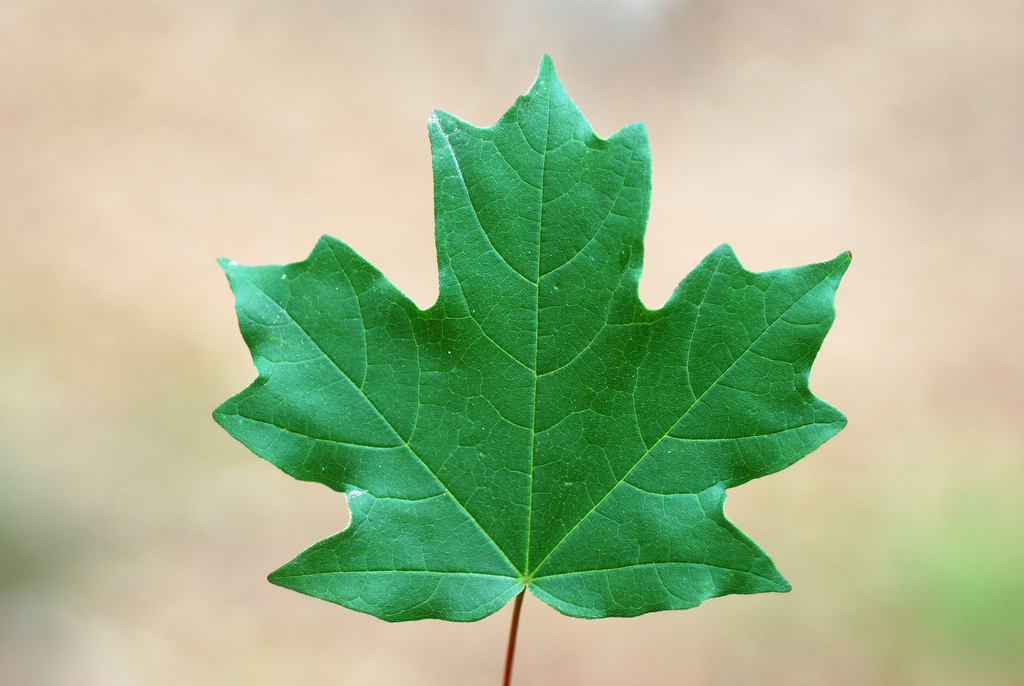
- Red MapleAcer rubrum
- Hairy Bush HoneysuckleDiervilla rivularis
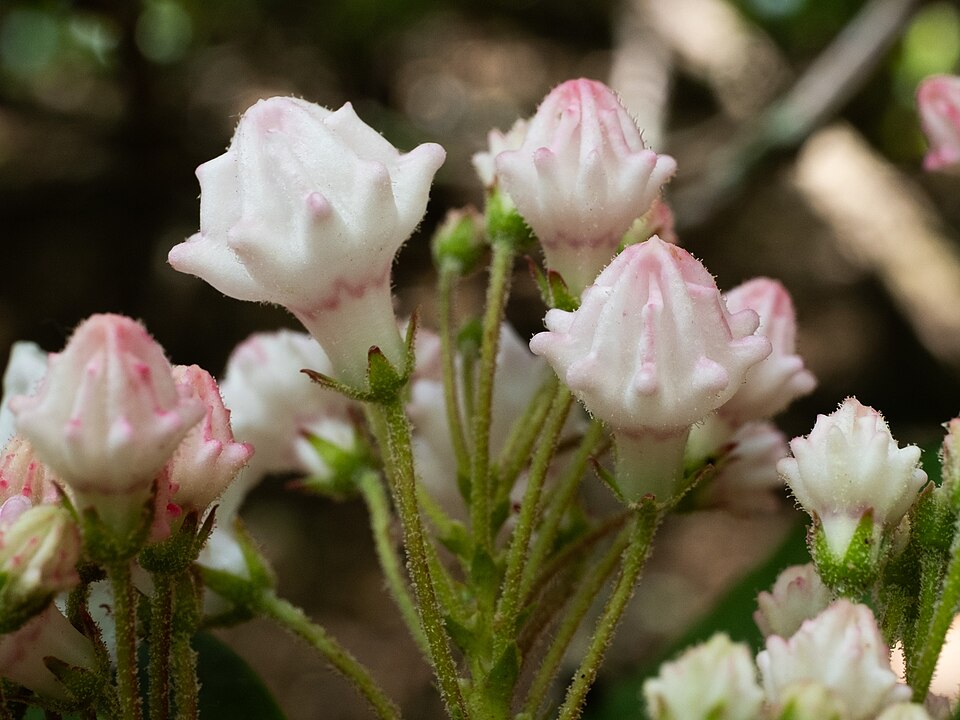
- Mountain LaurelKalmia latifolia
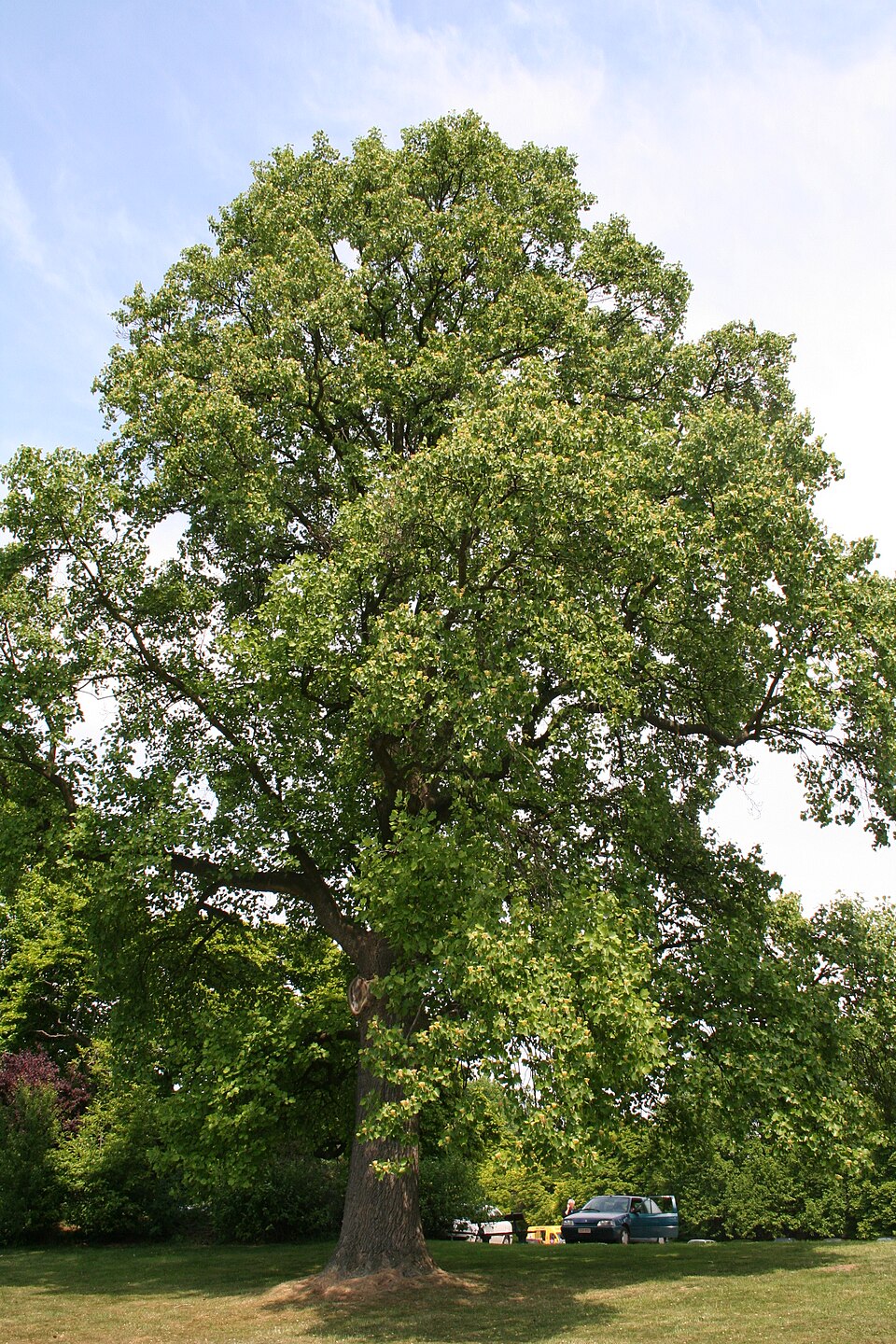
- TuliptreeLiriodendron tulipifera
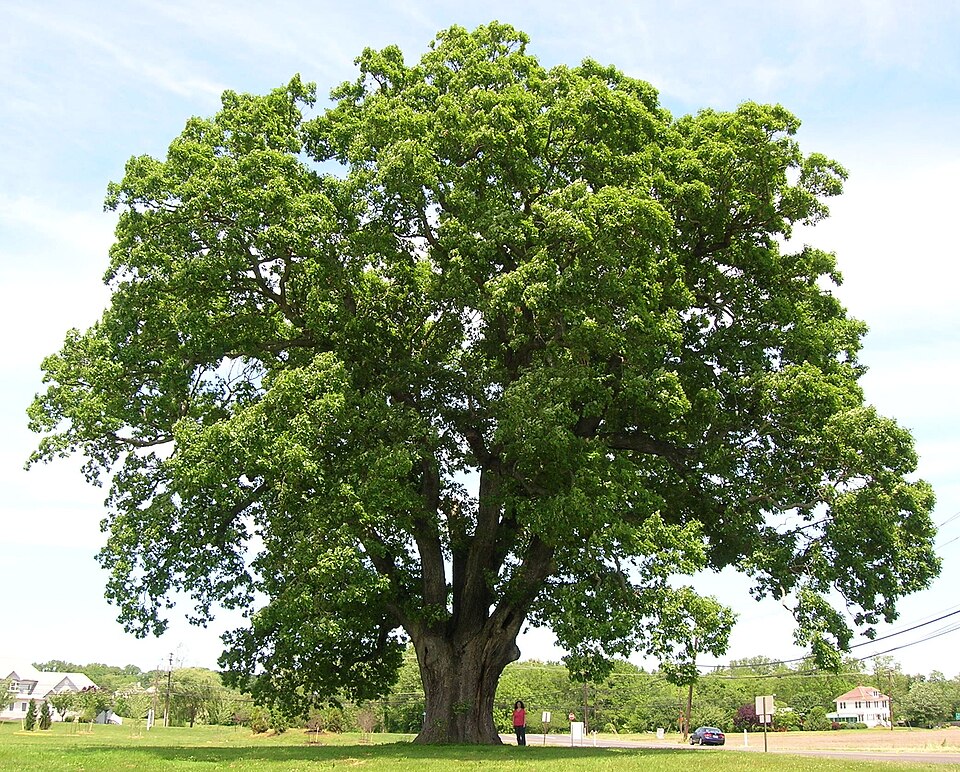
- White OakQuercus alba
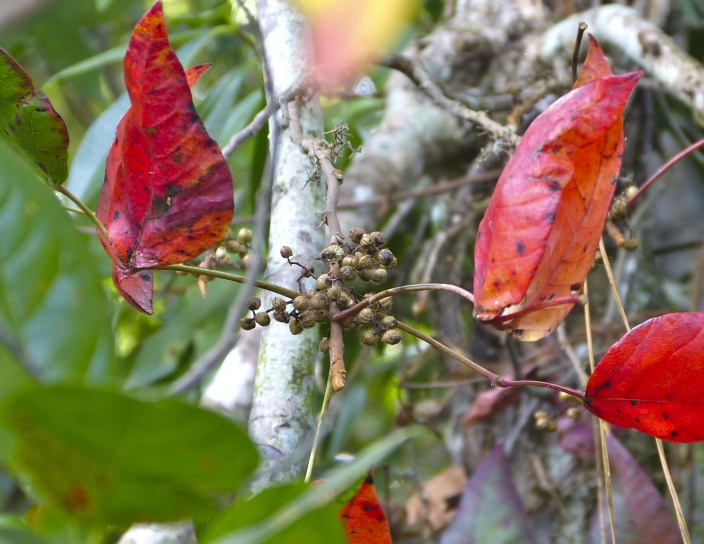
- Poison-ivyToxicodendron radicans
- Florida MapleAcer floridanum
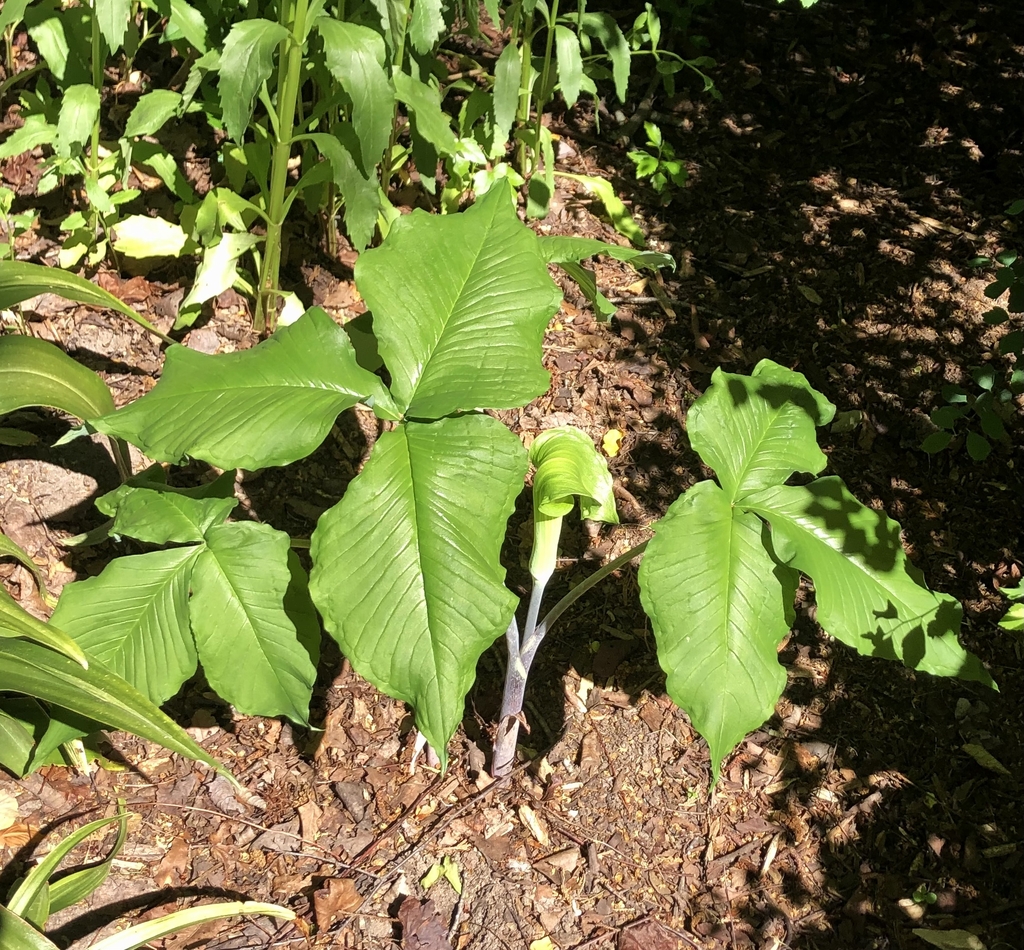
- Common Jack-in-the-pulpitArisaema triphyllum
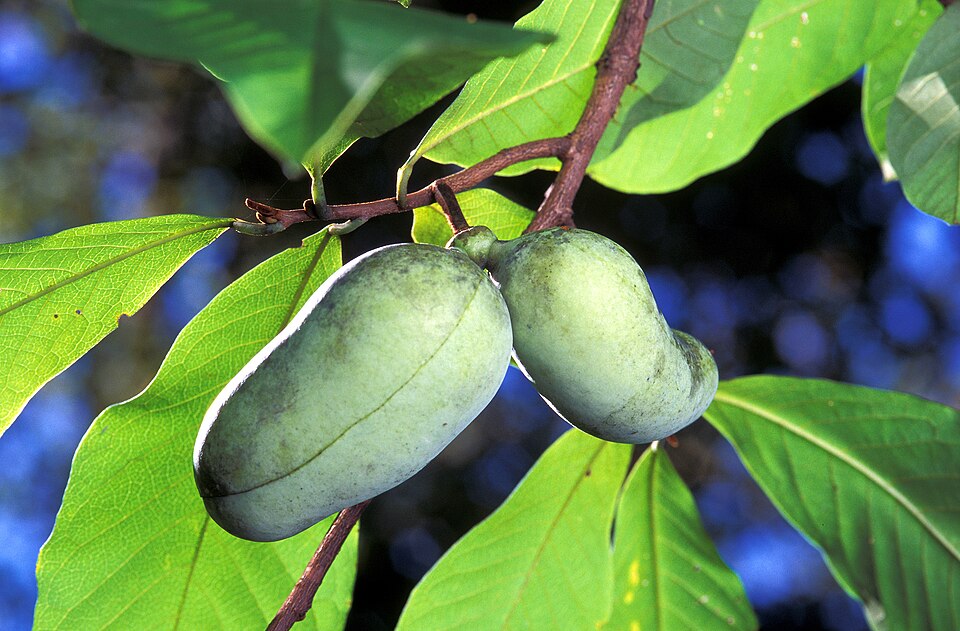
- Common PawpawAsimina triloba
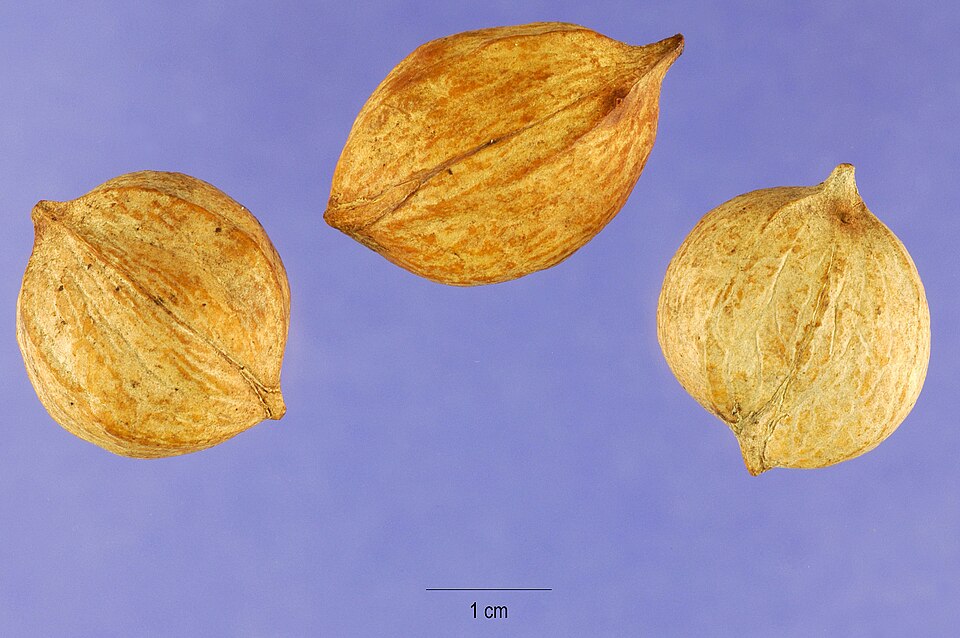
- Mockernut HickoryCarya tomentosa
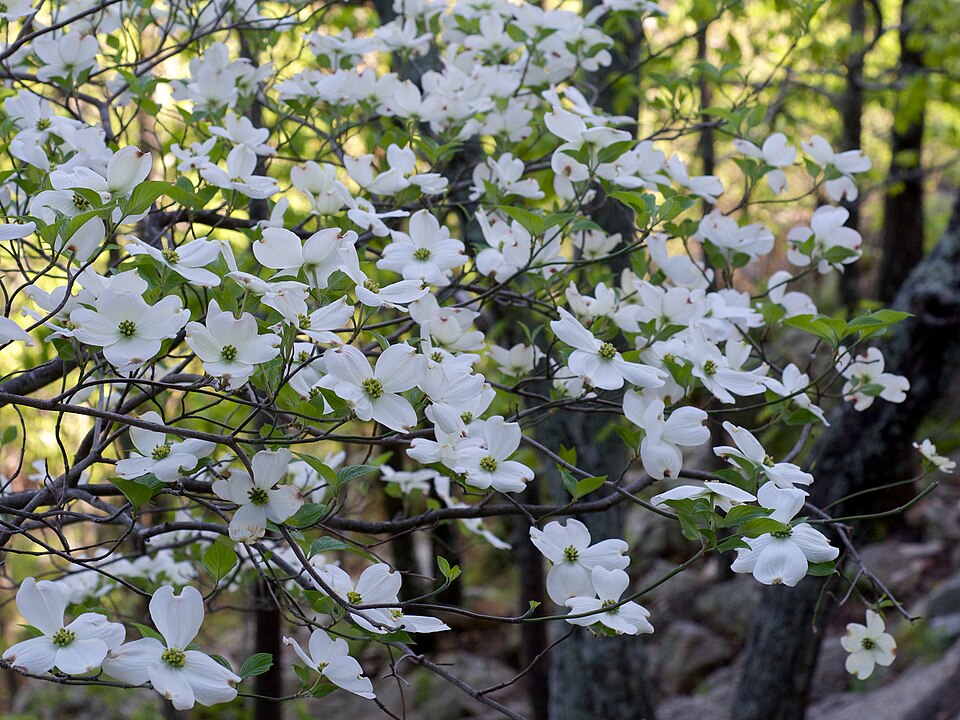
- Flowering DogwoodCornus florida
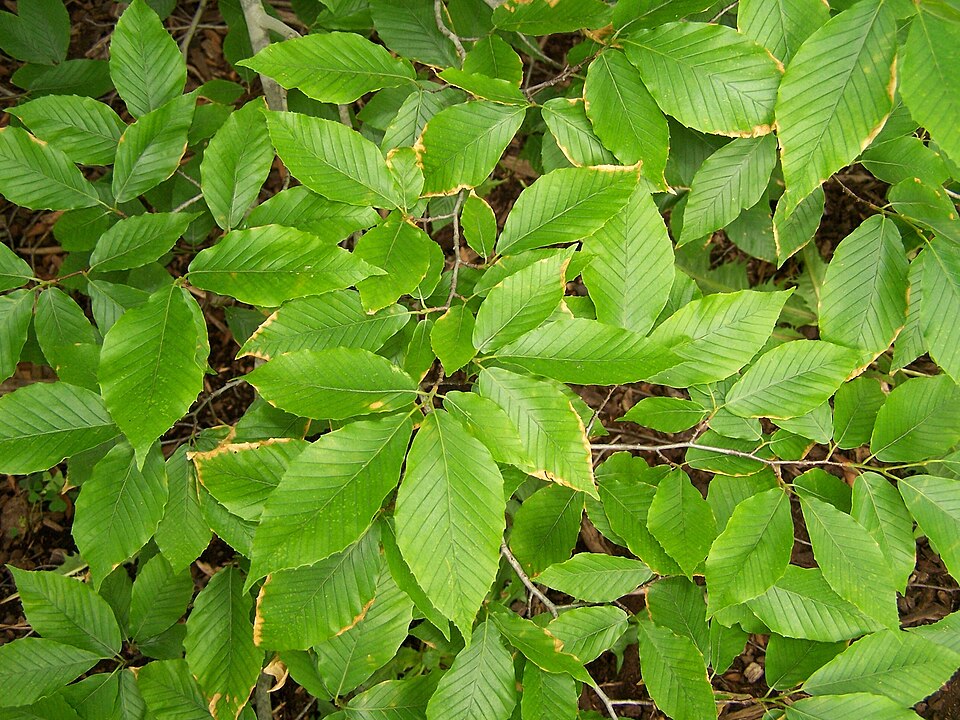
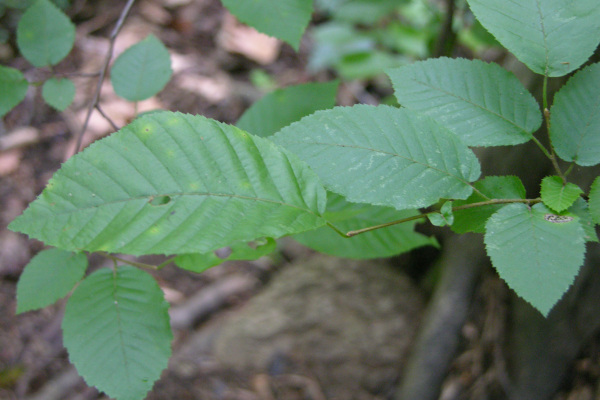
- American BeechFagus grandifolia
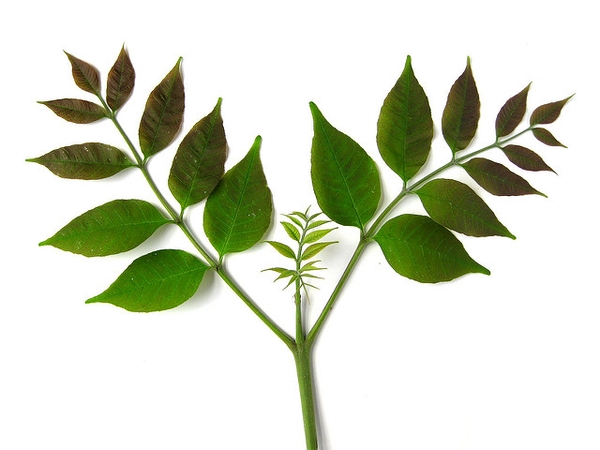
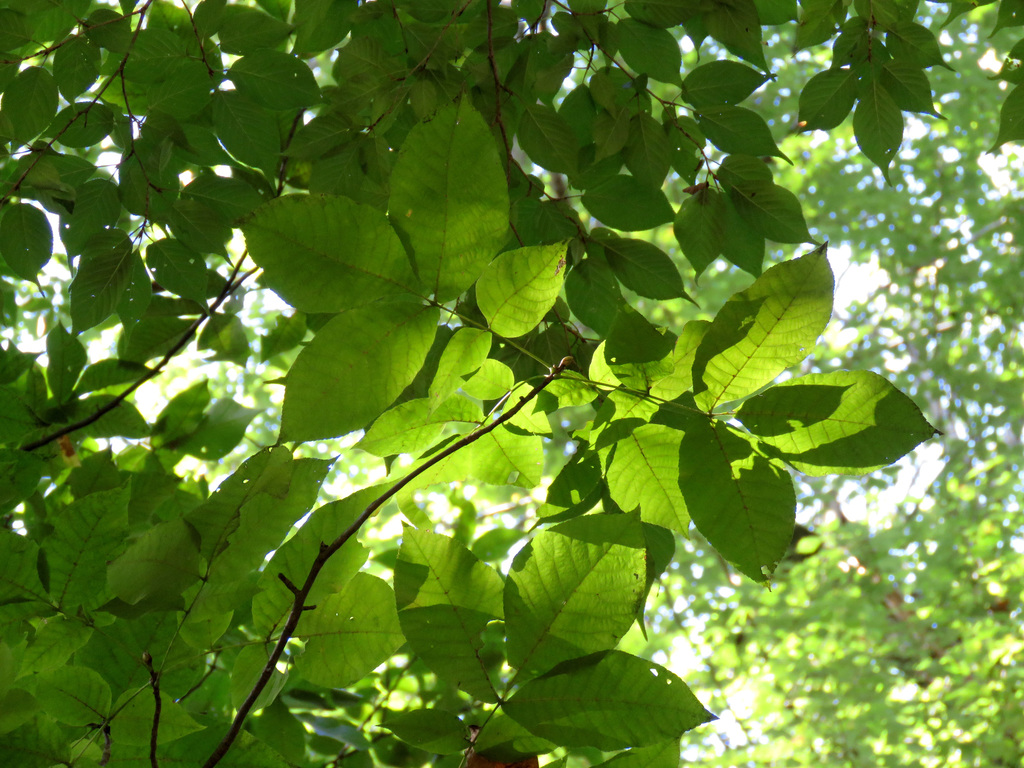
- White AshFraxinus americana
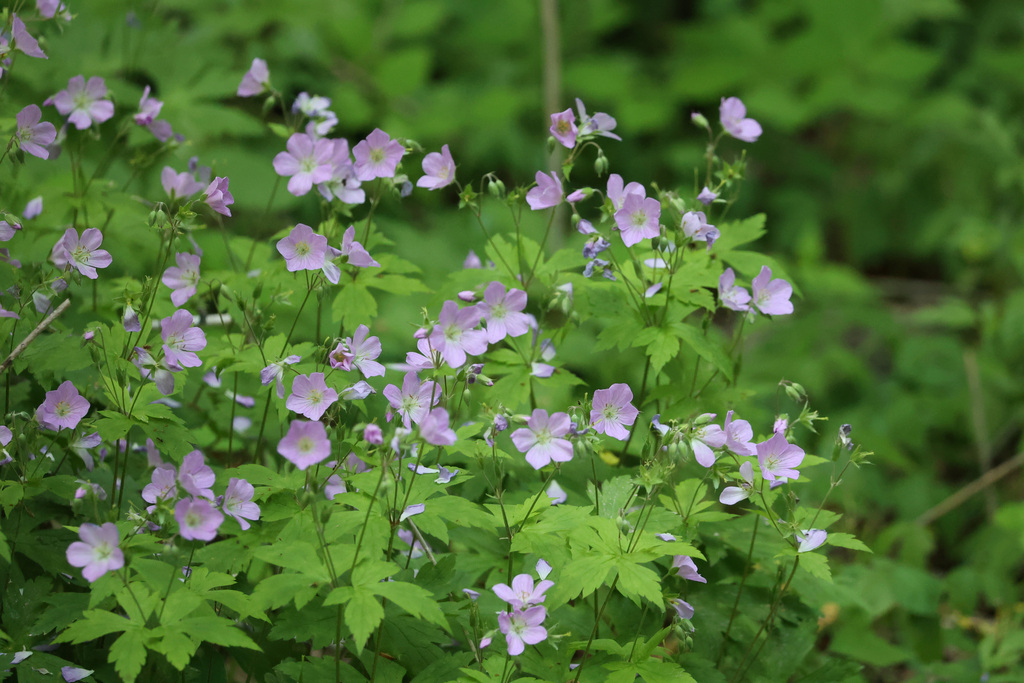
- Wild GeraniumGeranium maculatum
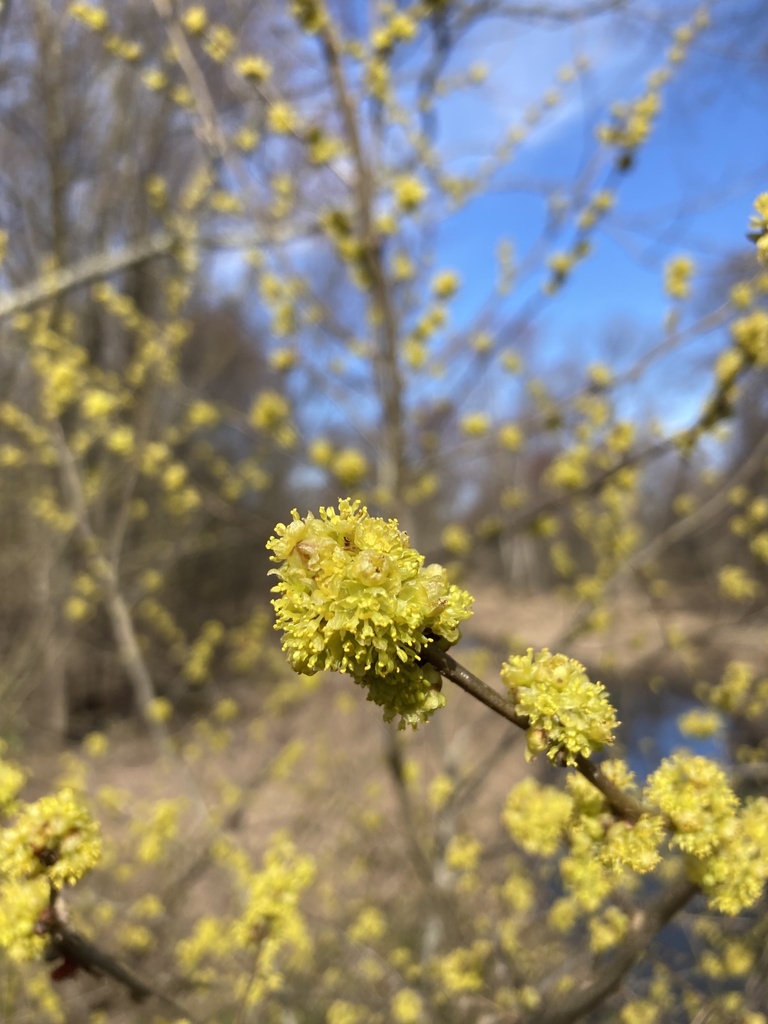
- Northern SpicebushLindera benzoin
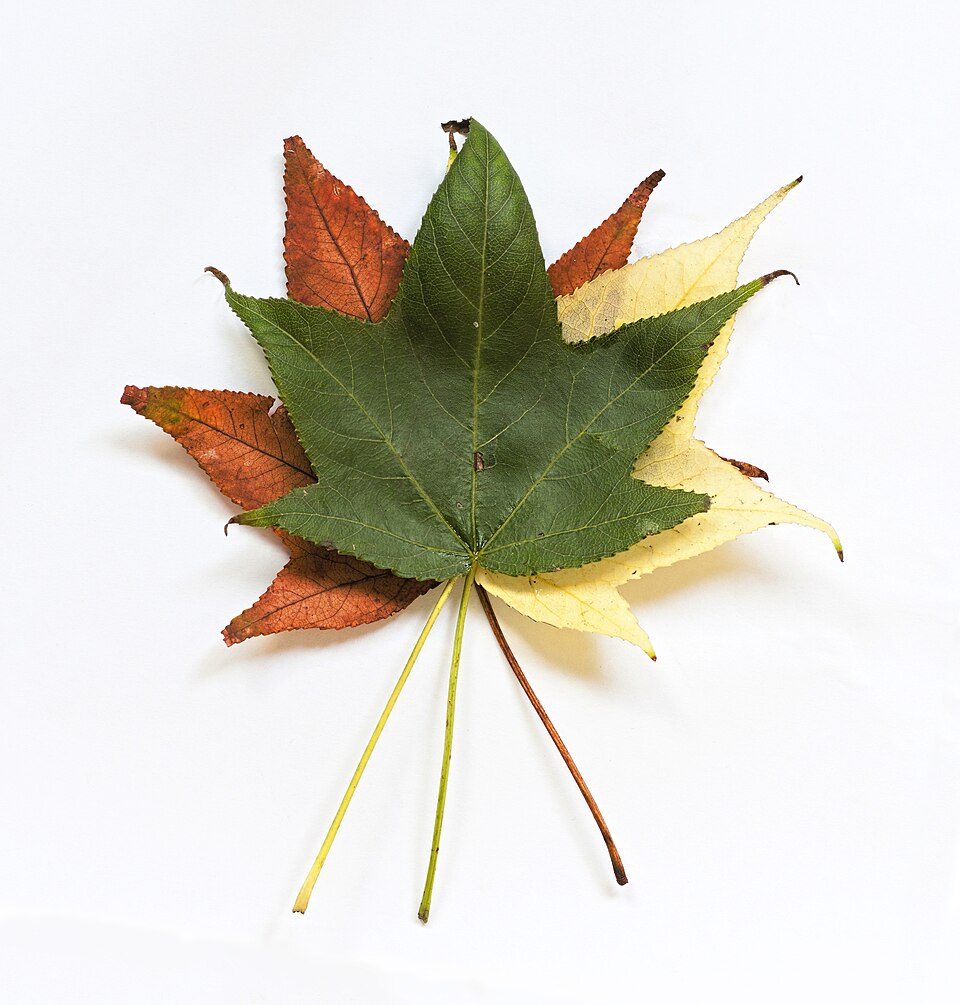
- SweetgumLiquidambar styraciflua
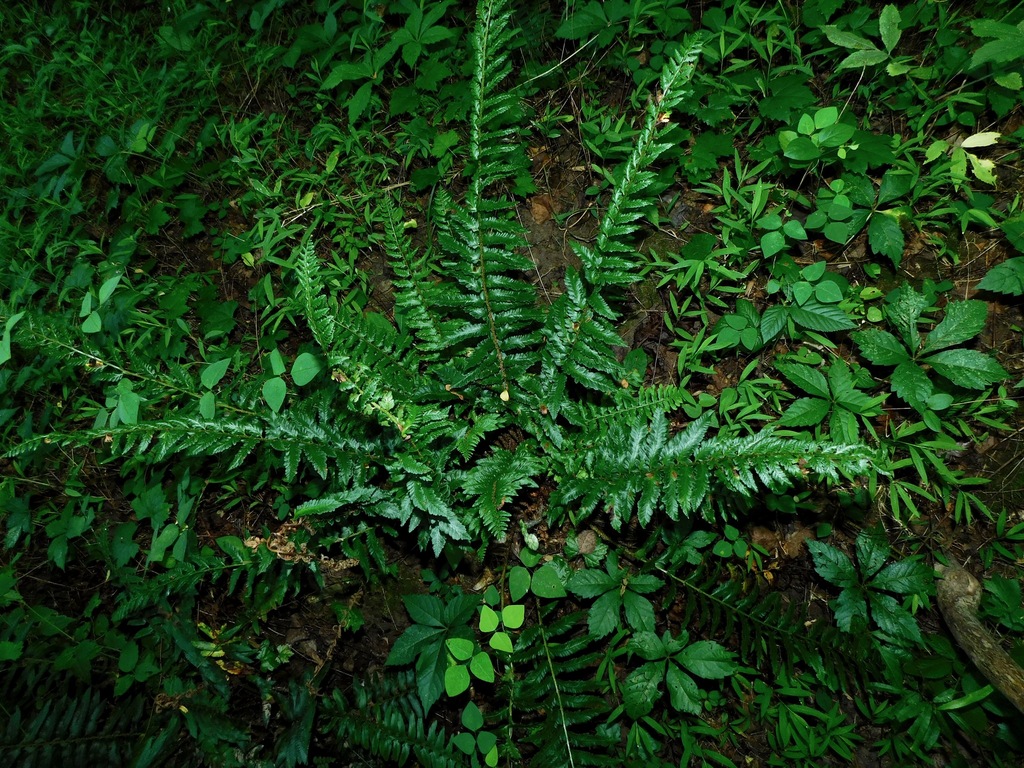
- Christmas FernPolystichum acrostichoides
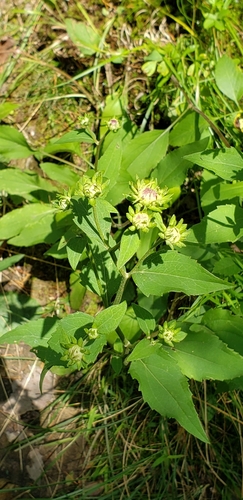
- Sun-facing ConeflowerRudbeckia heliopsidis
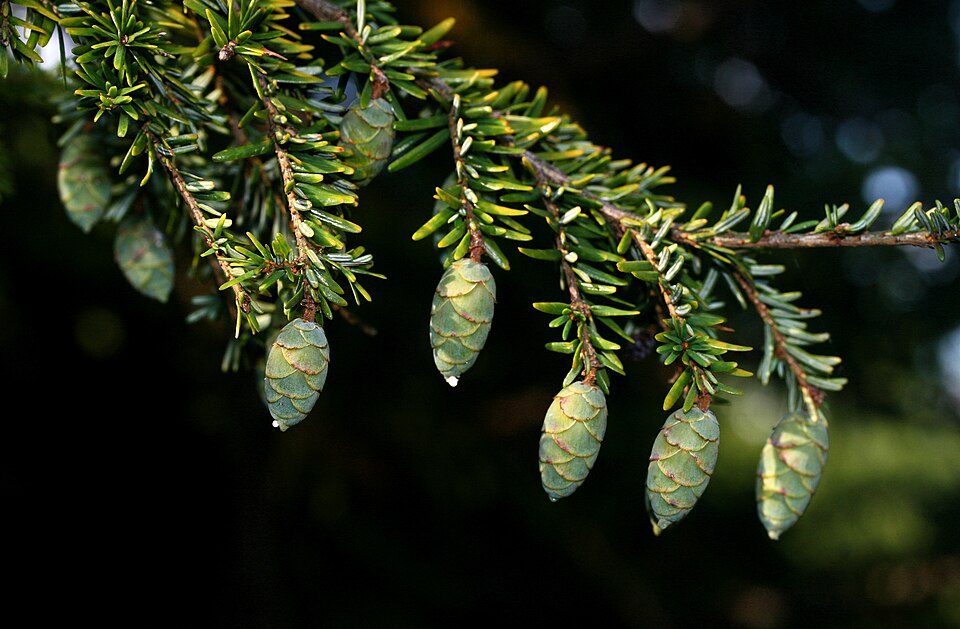
- Eastern HemlockTsuga canadensis
- American HornbeamCarpinus caroliniana
- Pignut HickoryCarya glabra
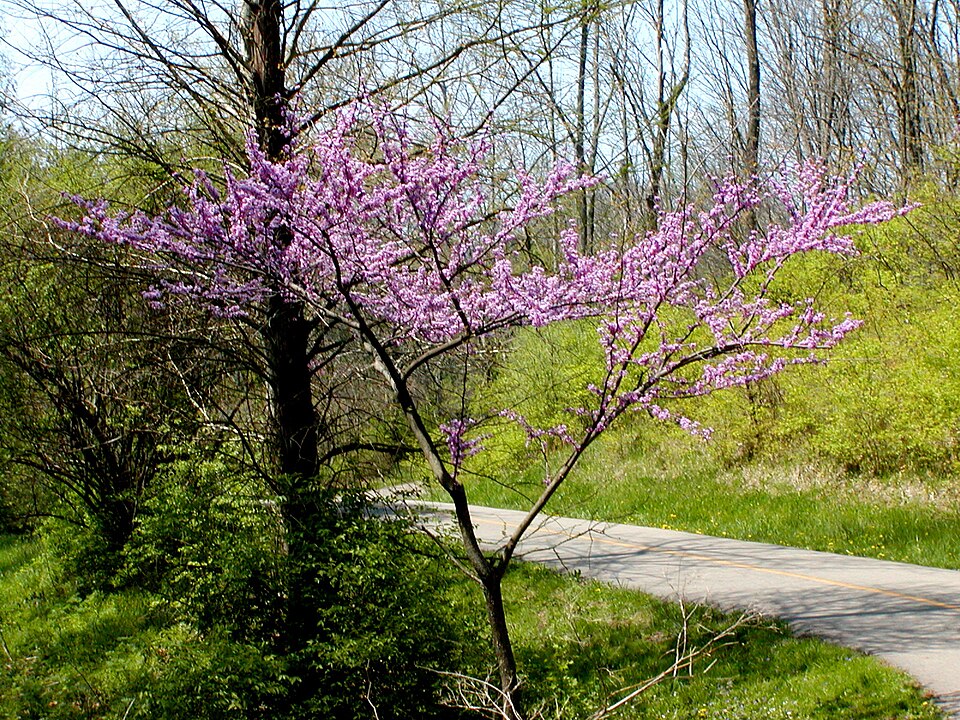
- Eastern RedbudCercis canadensis
- Deer-tongue WitchgrassDichanthelium clandestinum
- American PersimmonDiospyros virginiana
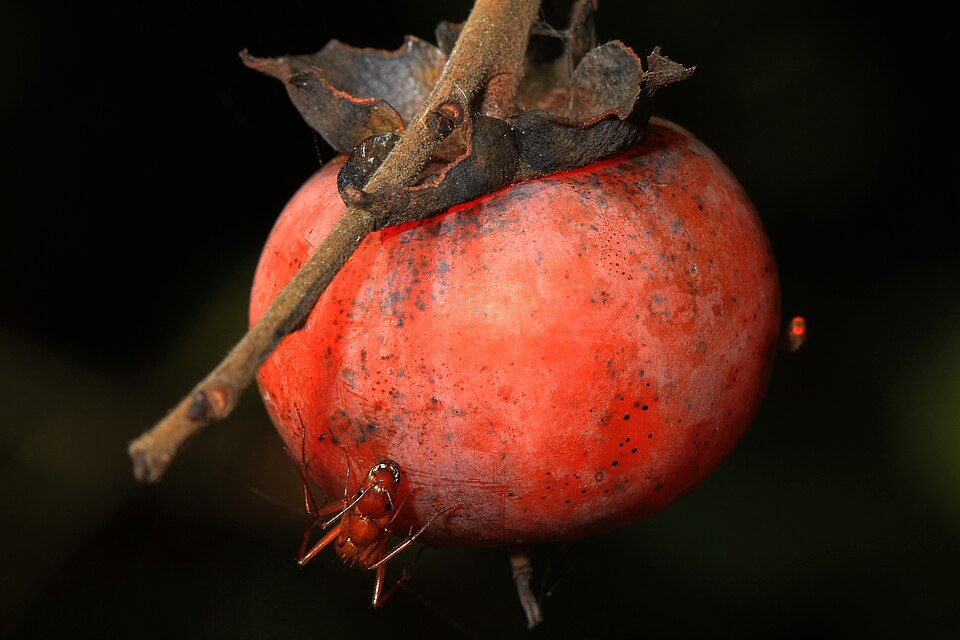
Wildlife 196
Other animals whose habitat models include the same habitats in Alabama. Not sighting records.
- Brewer's BlackbirdEuphagus cyanocephalus
- Canada GooseBranta canadensis
- Great Blue HeronArdea herodias
- Great EgretArdea alba
- Green HeronButorides virescens
- MallardAnas platyrhynchos
- Marsh WrenCistothorus palustris
- Prairie WarblerDendroica discolor
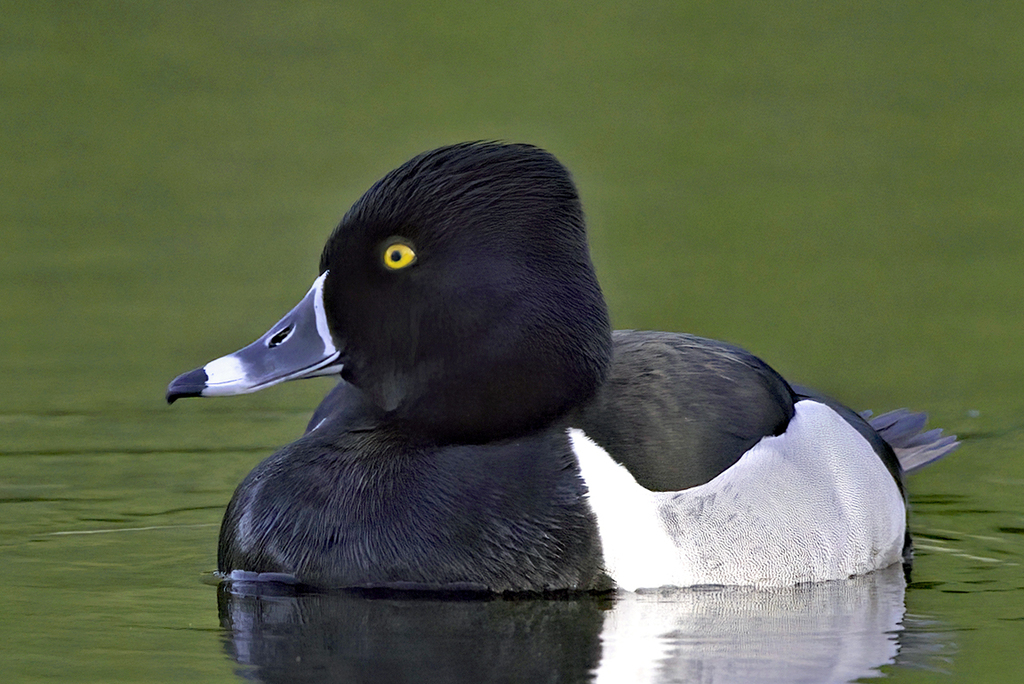
- Ring-necked DuckAythya collaris
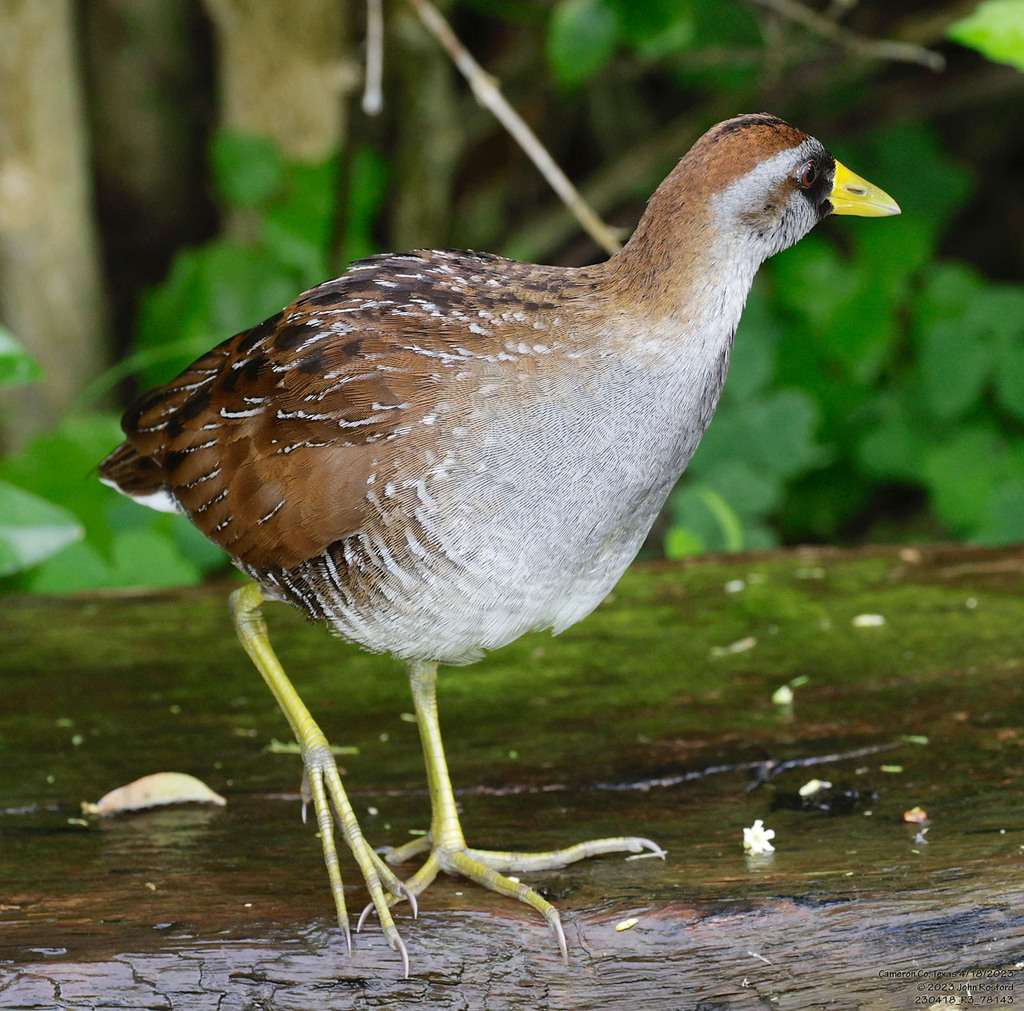
- SoraPorzana carolina
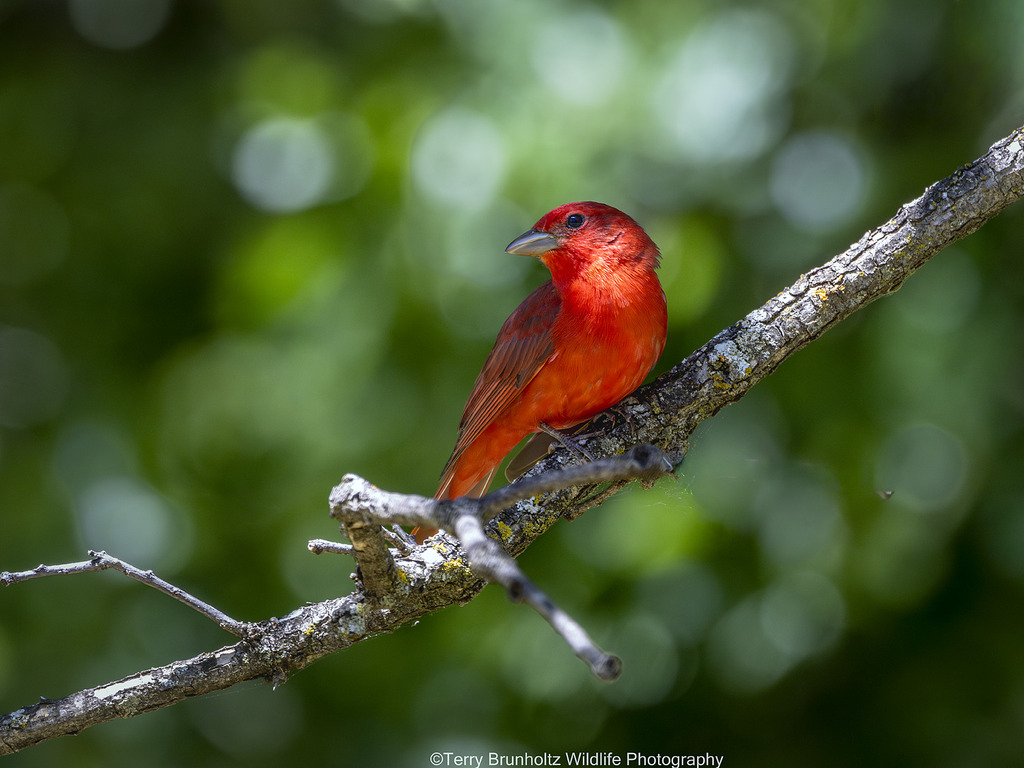
- Summer TanagerPiranga rubra
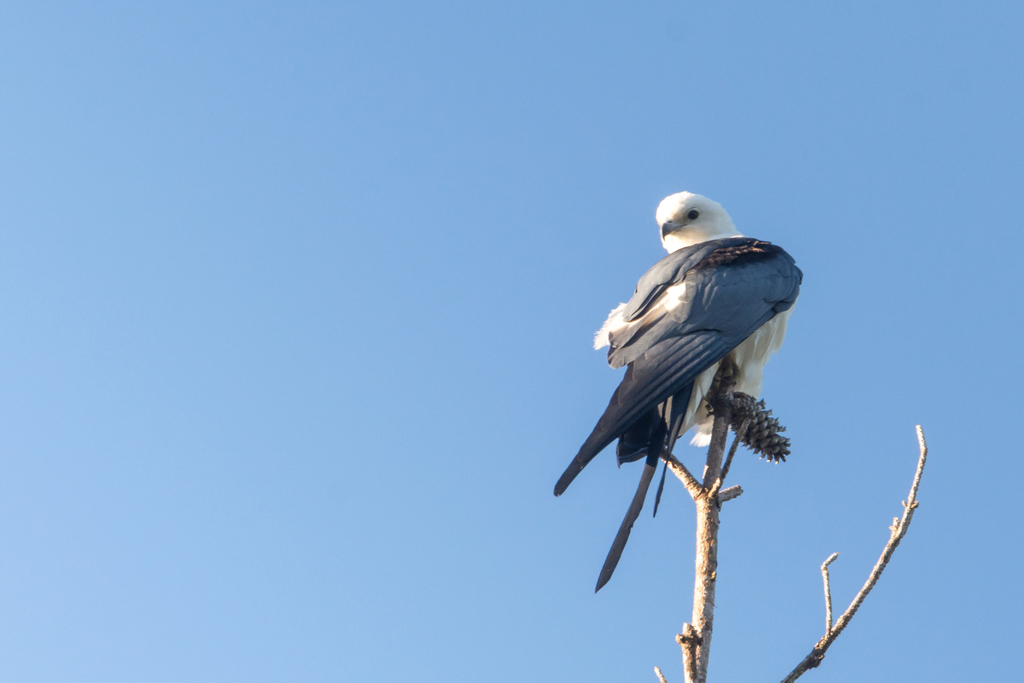
- Swallow-tailed KiteElanoides forficatus
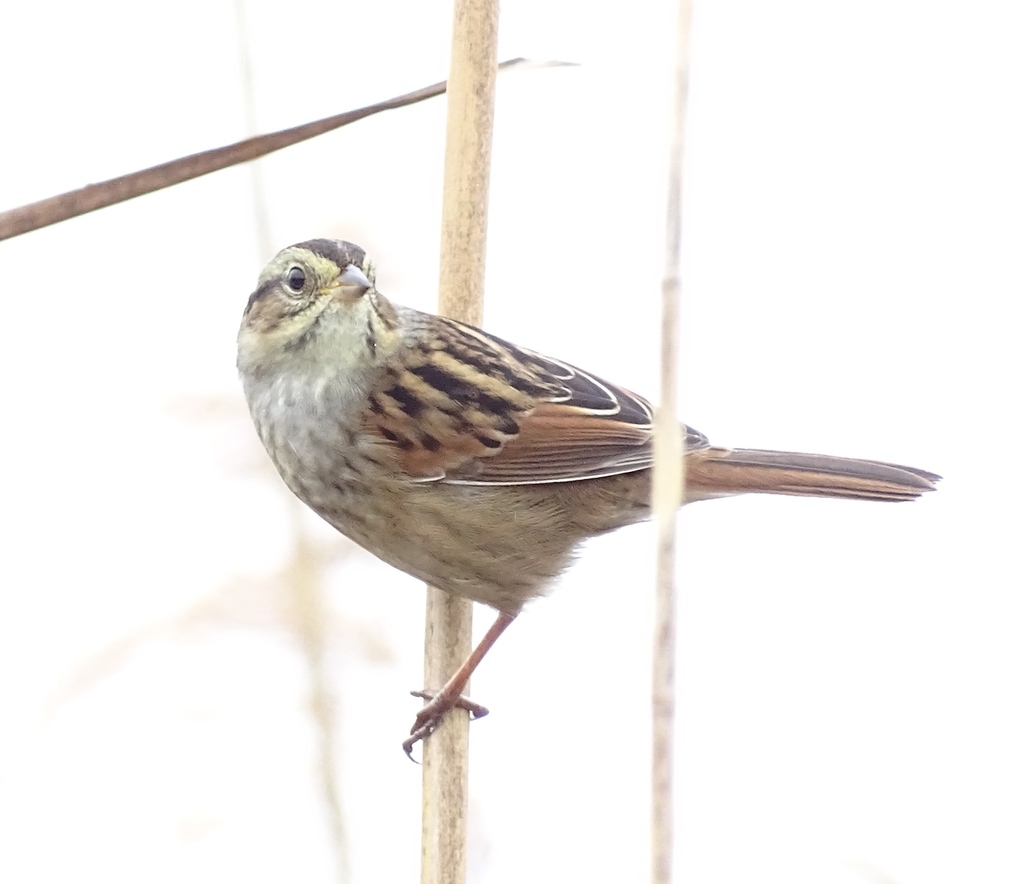
- Swamp SparrowMelospiza georgiana
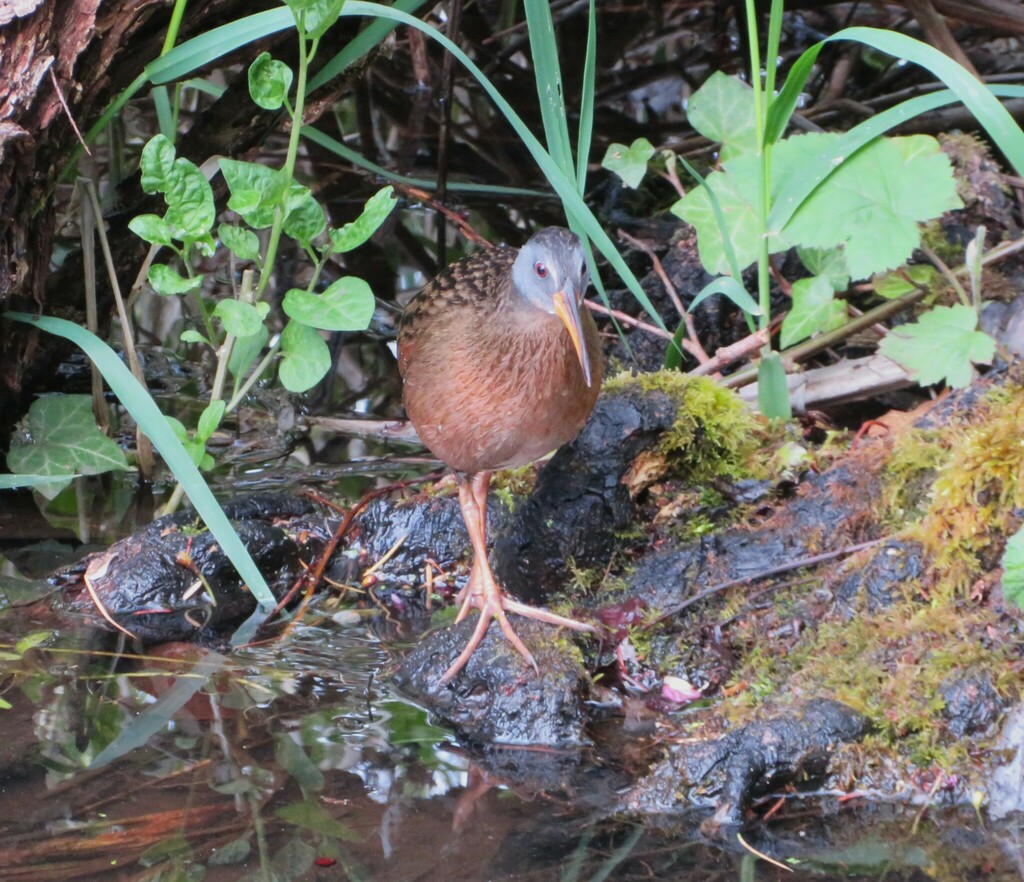
- Virginia RailRallus limicola
- Willow FlycatcherEmpidonax traillii
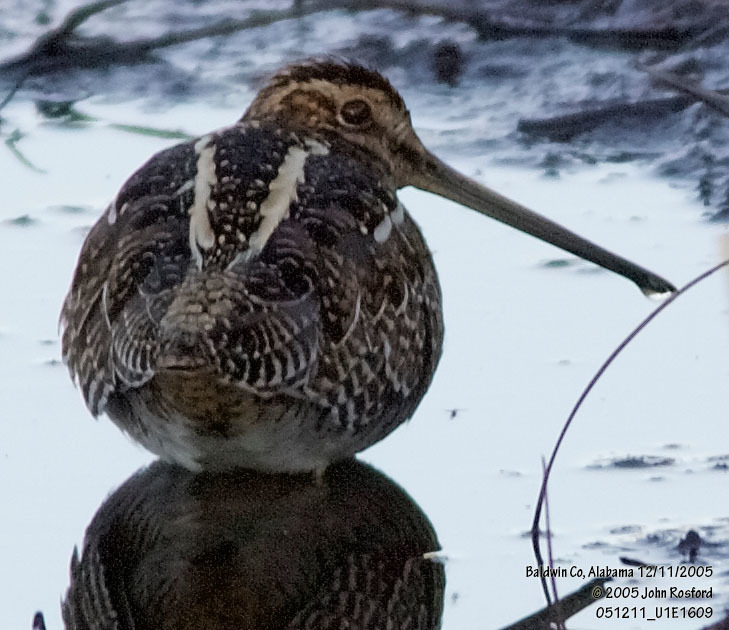
- Wilson's SnipeGallinago delicata
- Wood DuckAix sponsa
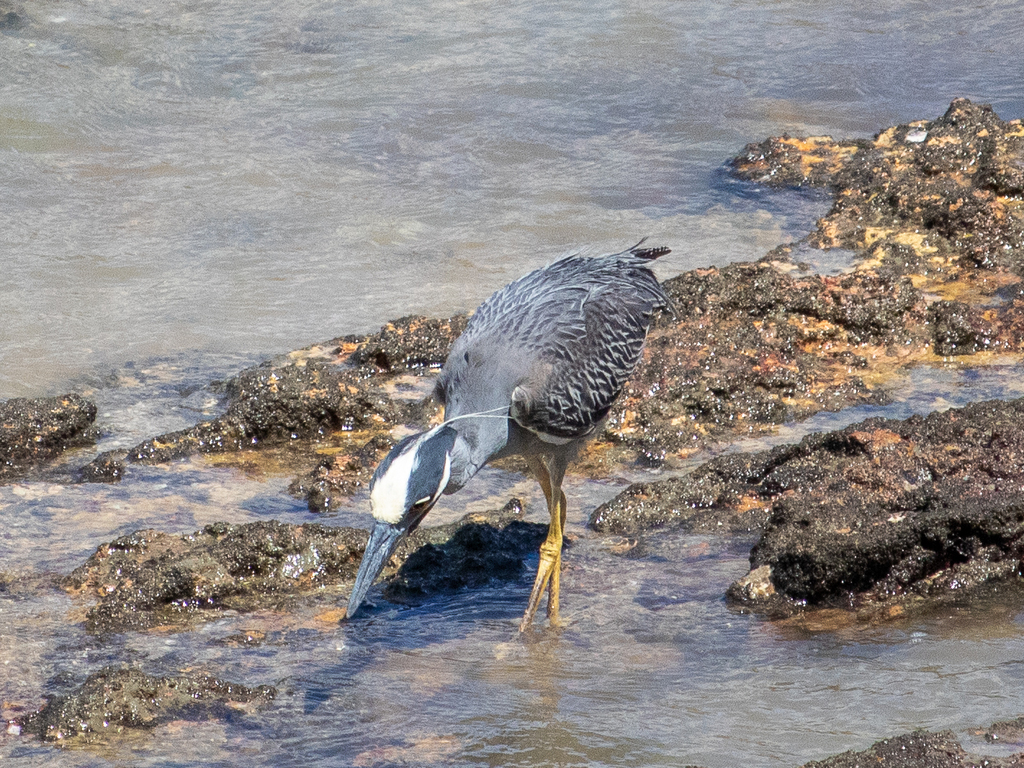
- Yellow-crowned Night-heronNyctanassa violacea
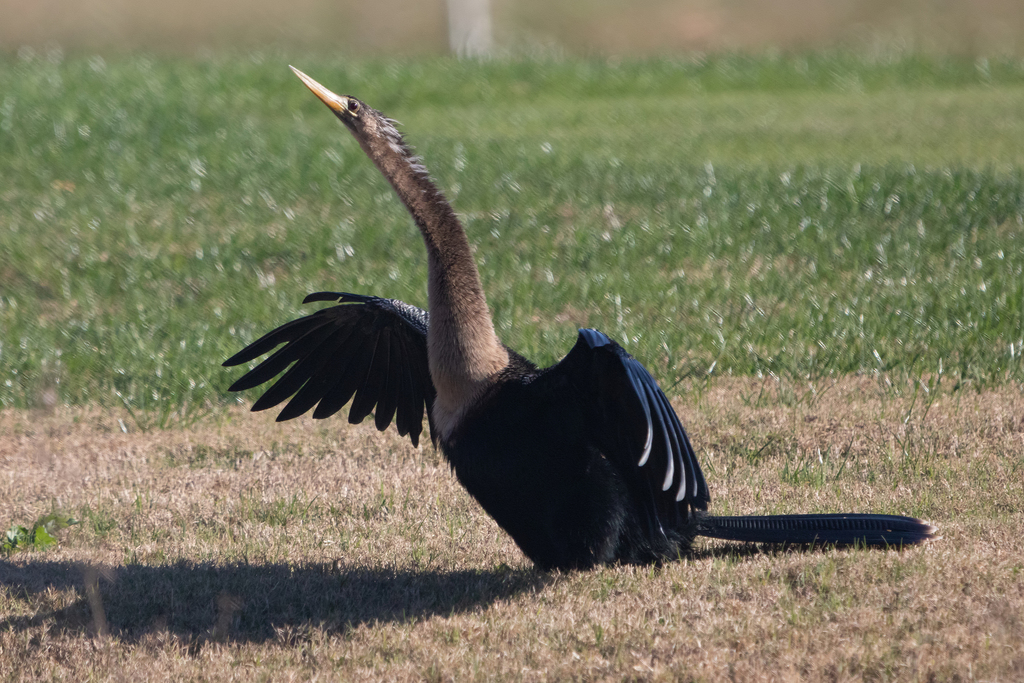
- AnhingaAnhinga anhinga
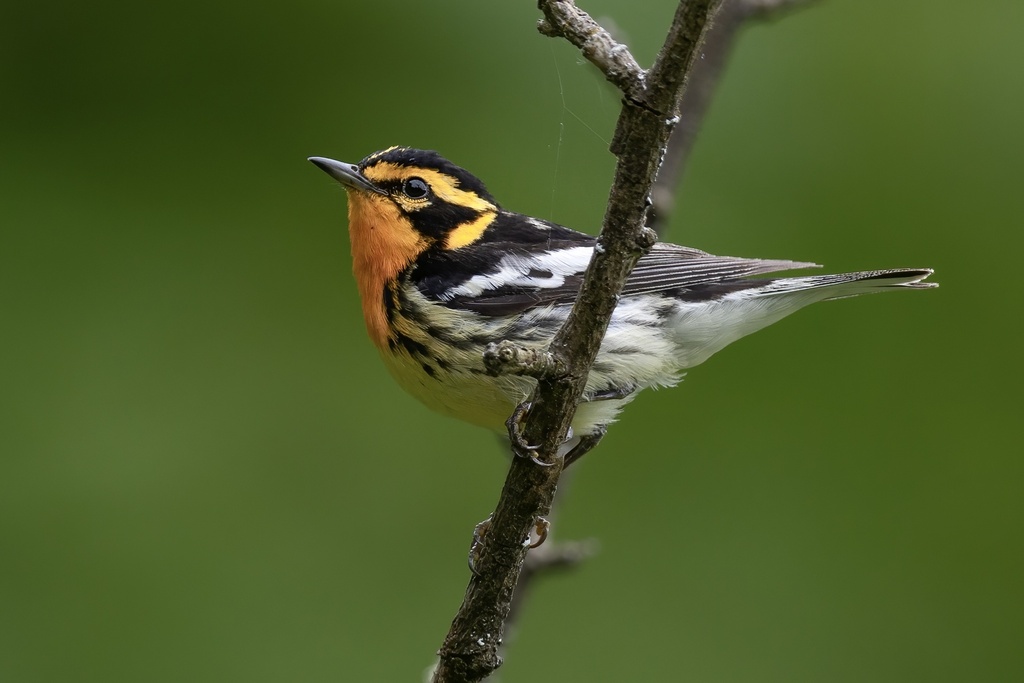
- Blackburnian WarblerDendroica fusca
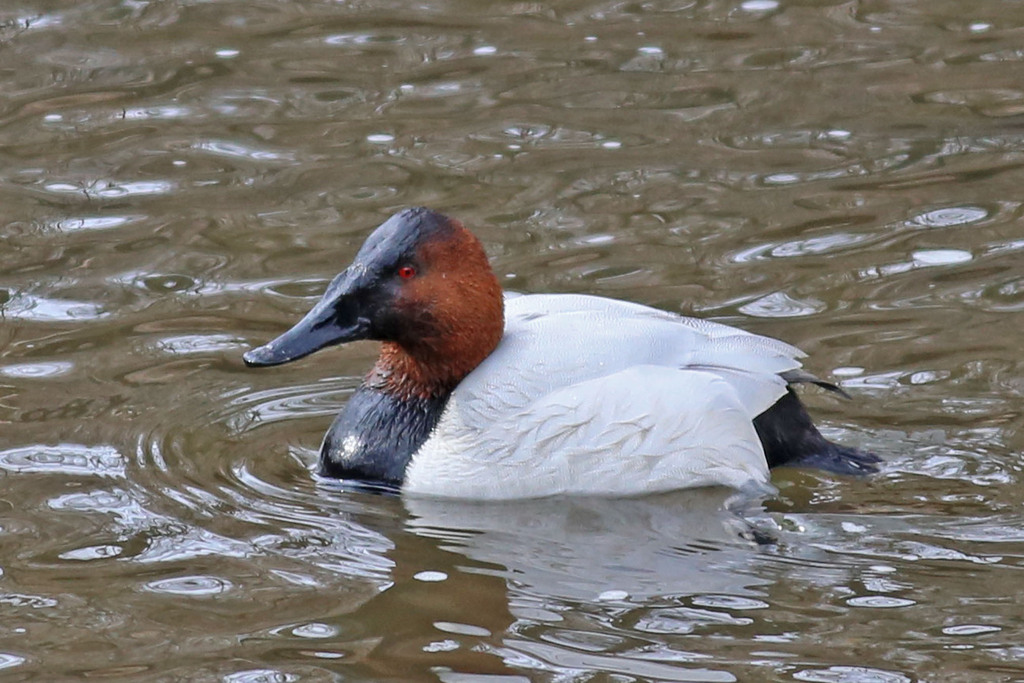
- CanvasbackAythya valisineria
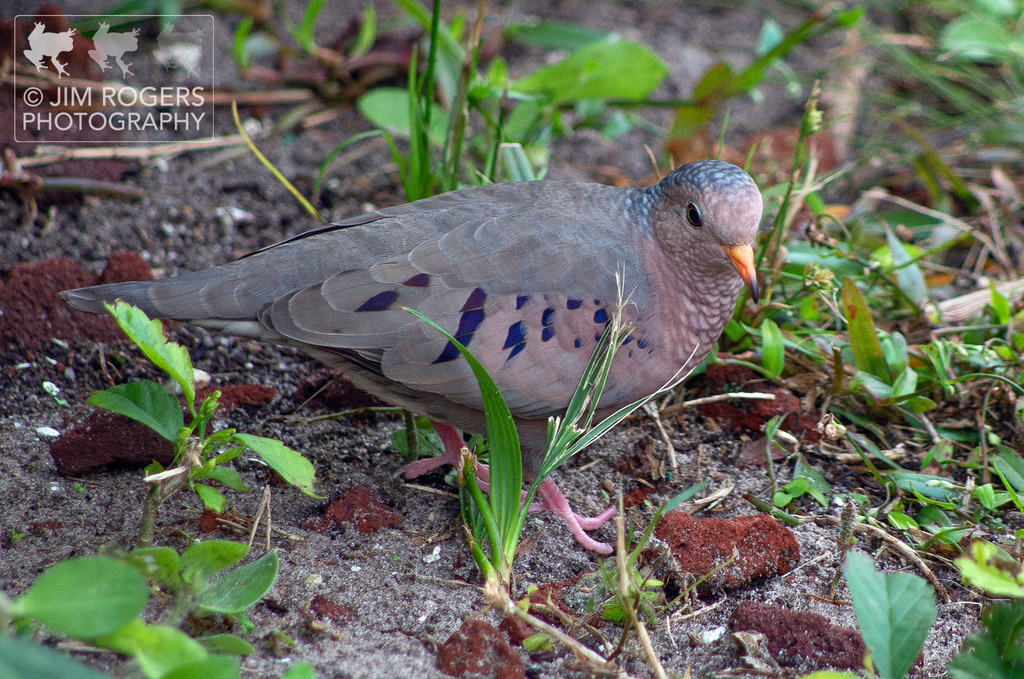
- Common Ground-doveColumbina passerina
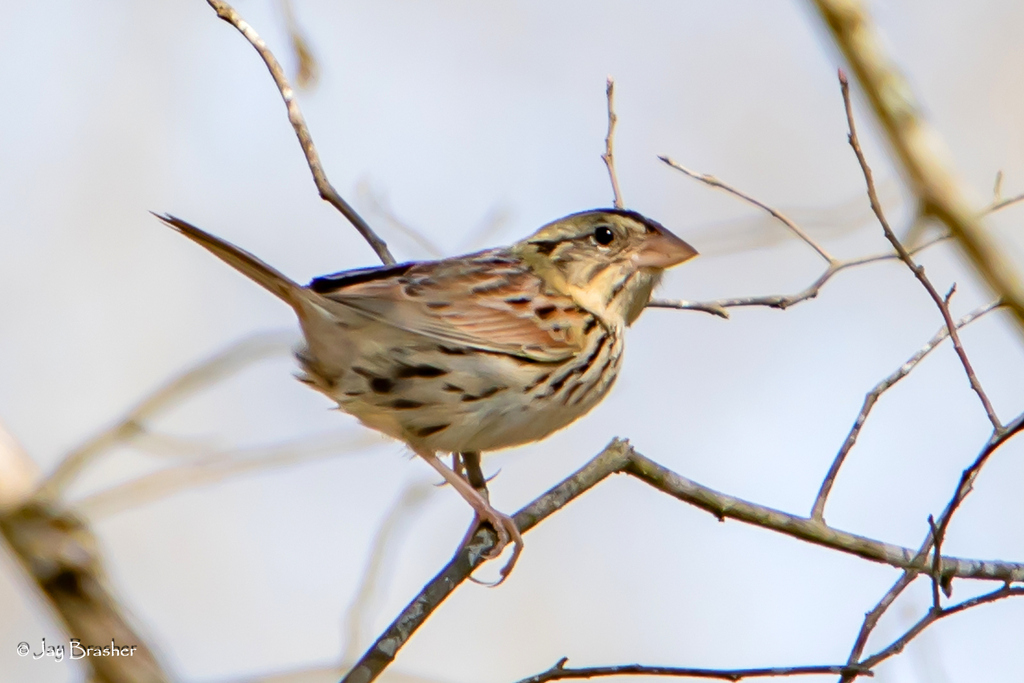
- Henslow's SparrowAmmodramus henslowii
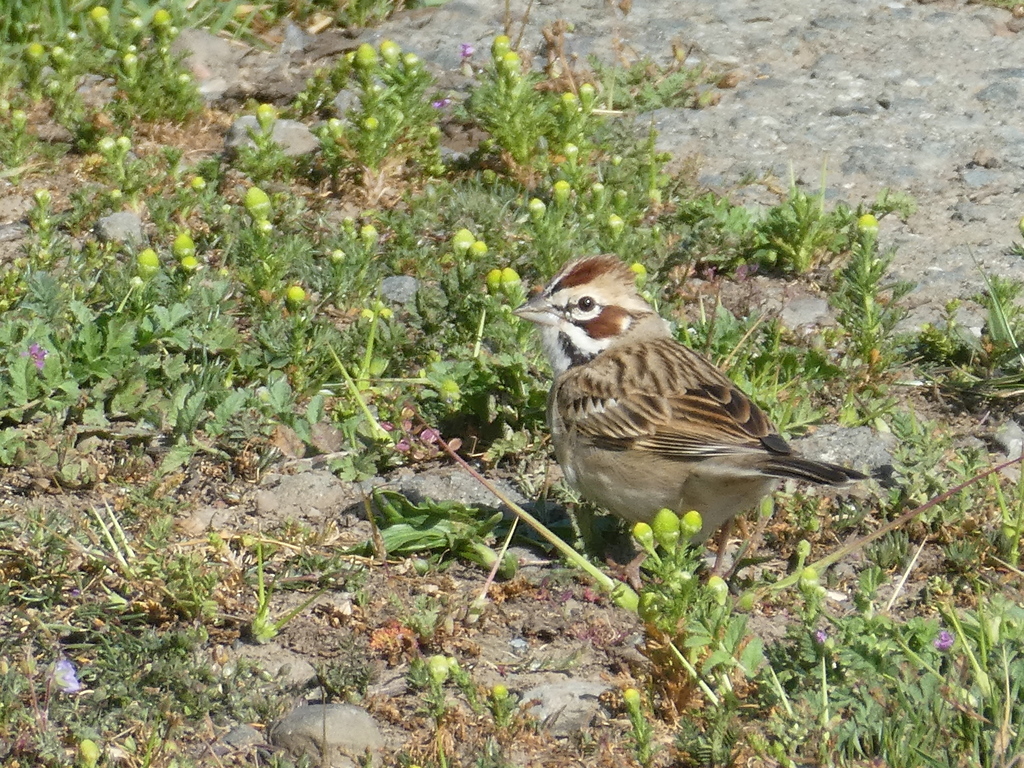
- Lark SparrowChondestes grammacus
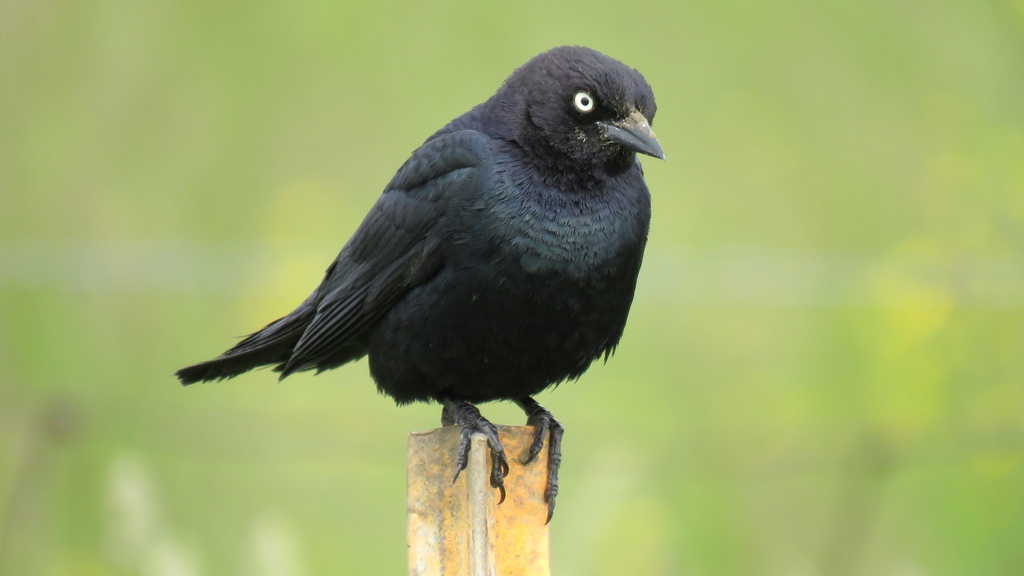





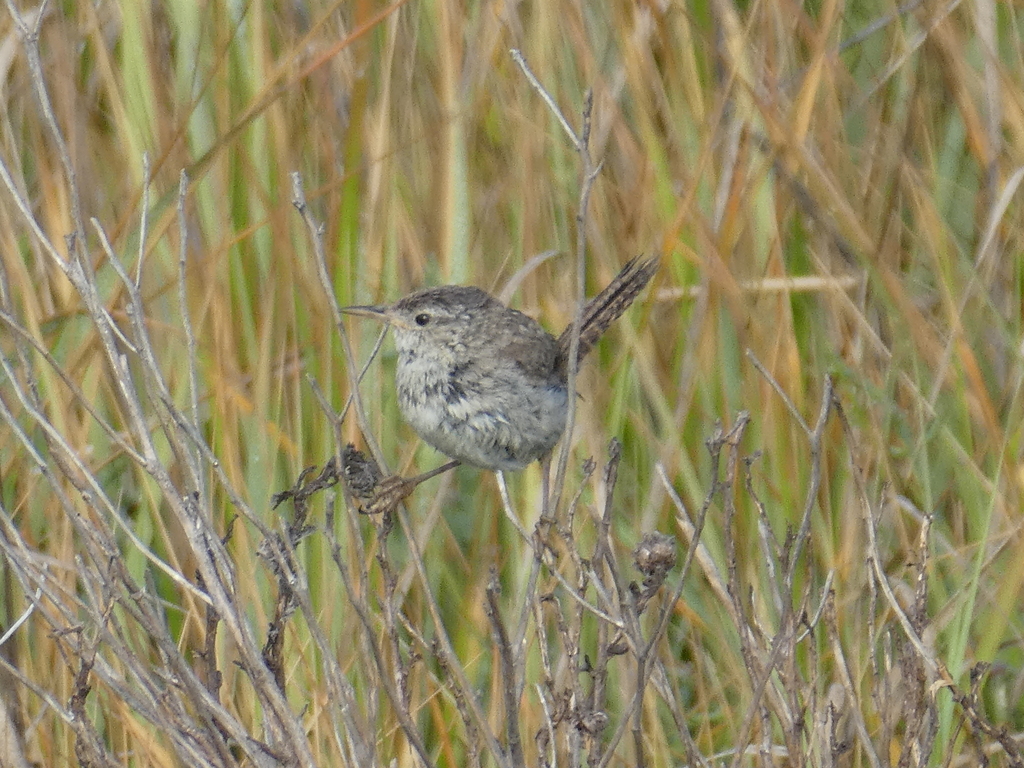
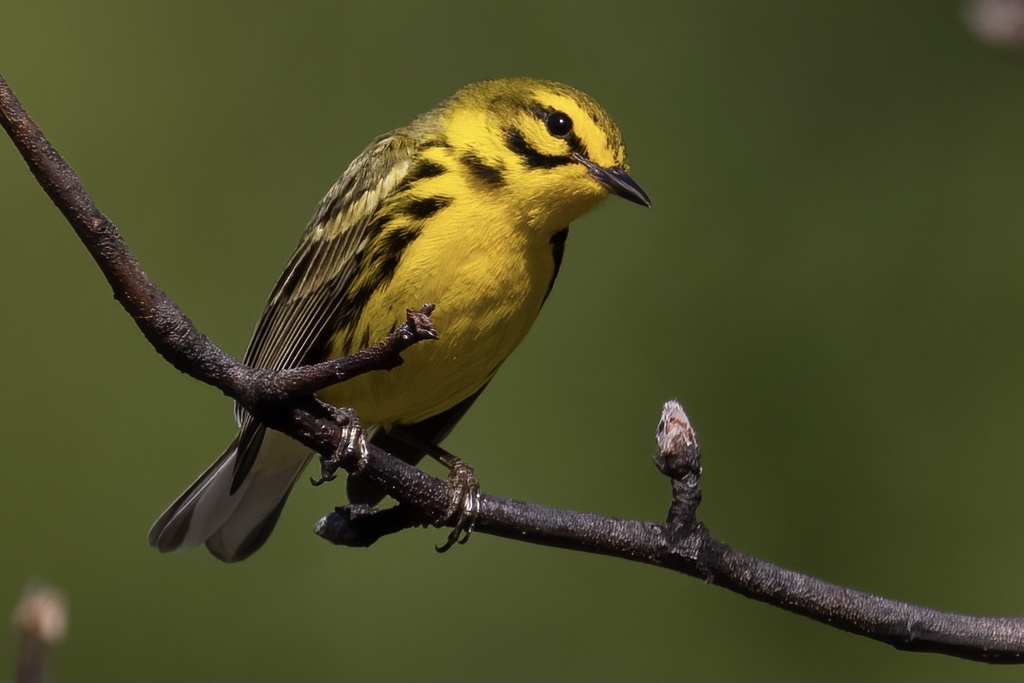

NatureServe Explorer, CC BY 4.0. USGS Gap Analysis Project habitat models.
Sources
- USGS Gap Analysis Project habitat models (2001)
- USGS GAP summer habitat model for Veery Elevation 1,066 to 2,500 m
- USGS Gap Analysis Project range maps (2001), modeled by watershed; migratory gives no dates
- NatureServe Explorer (CC BY 4.0), habitat names
- US Census TIGER/Line counties
- Names follow the USGS Gap Analysis Project (2001)