

Bird
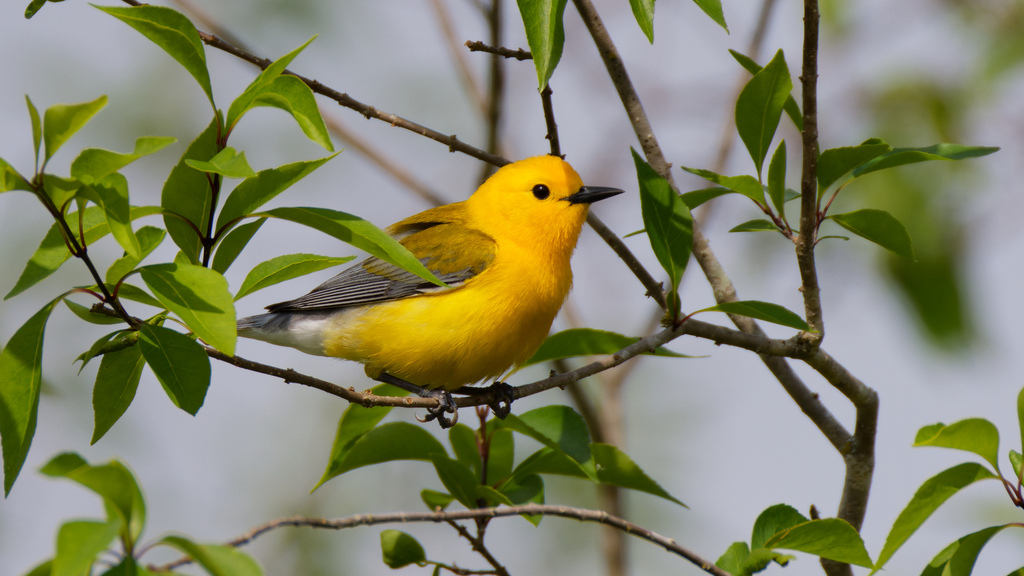
Prothonotary Warbler
Protonotaria citrea
A summer resident that nests in Alabama. Found in all 67 counties, across 8 habitats.
- Here
- Summer
- Nesting
- Nests here
- Range
- All 67 counties
- Habitats
- 8
At a glance
- Group
- Birds
- Here
- Summer
- Nesting
- Nests here
- Range
- All 67 counties
- Habitats
- 8
- Habitat models
- Summer, Winter
Where it lives
The places its habitat model includes. It is not found everywhere a habitat occurs.
Habitats in Alabama 8
Each habitat page lists the plants and wildlife also found there.

Dense, evergreen groves of live oak, magnolia and other hardwoods in the southern Coastal Plain, from dry oak domes to wet hydric hammocks and south Florida's tropical hammocks; salt-shaped maritime hammocks are maritime forests.
Disturbed and introduced wetlands
Wet ground taken over by weedy or introduced plants after disturbance, such as common reed, Chinese tallow or tamarisk stands; the upland counterpart is roadsides, fields and disturbed ground.
Floodplain and bottomland forests
Forests on low ground beside rivers and streams that flood from time to time.
Flat, poorly drained uplands and terraces with oaks, sweetgum and sometimes loblolly pine, wet in winter and dry in summer, but neither a floodplain nor a swamp.
Streams, rivers and their banks
Flowing water and its banks, bars and rocky shoals.
Forests and open woodlands on dry ridges and slopes, often oak or pine.
Forests on moist but not wet ground, such as rich slopes and ravines.
Other habitats in its models (41)
Land cover, or classes with no habitat page in Alabama.
- North-Central Interior Beech-Maple Forest Summer, only within 120 m of water, for banks and other nest sites.
- East-Central Texas Plains Riparian Forest Winter.
- East-Central Texas Plains Floodplain Forest Winter.
- South-Central Interior / Upper Coastal Plain Flatwoods Summer, only within 120 m of water, for banks and other nest sites.
- West Gulf Coastal Plain Seepage Swamp and Baygall Summer and winter.
- Atlantic Coastal Plain Streamhead Seepage Swamp - Pocosin - and Baygall Summer.
- Atlantic Coastal Plain Large Natural Lakeshore Summer.
- Atlantic Coastal Plain Southern Tidal Wooded Swamp Summer.
- West Gulf Coastal Plain Near-Coast Large River Swamp Summer and winter.
- Northern Atlantic Coastal Plain Basin Swamp and Wet Hardwood Forest Summer.
- Atlantic Coastal Plain Nonriverine Swamp and Wet Hardwood Forest - Taxodium/Nyssa Modifier Summer.
- Atlantic Coastal Plain Nonriverine Swamp and Wet Hardwood Forest - Oak Dominated Modifier Summer.
- Atlantic Coastal Plain Clay-Based Carolina Bay Forested Wetland Summer.
- Lower Mississippi River Bottomland Depressions - Forest Modifier Summer and winter.
- Central Florida Herbaceous Pondshore Summer.
- East Gulf Coastal Plain Southern Depression Pondshore Summer and winter.
- Atlantic Coastal Plain Depression Pondshore Summer.
- Mississippi River Bottomland Depression Summer and winter.
- Atlantic Coastal Plain Blackwater Stream Floodplain Forest - Forest Modifier Summer.
- Central Appalachian Floodplain - Forest Modifier Summer.
- Central Appalachian Riparian - Forest Modifier Summer.
- East Gulf Coastal Plain Large River Floodplain Forest - Herbaceous Modifier Summer and winter.
- South-Central Interior Large Floodplain - Herbaceous Modifier Summer.
- Western Great Plains Floodplain Systems Summer.
- Eastern Great Plains Floodplain Systems Summer and winter.
- Tamaulipan Riparian Systems Winter.
- Western Great Plains Floodplain Summer.
- Mississippi River Riparian Forest Summer and winter.
- Mississippi River Low Floodplain (Bottomland) Forest Summer and winter.
- West Gulf Coastal Plain Small Stream and River Forest Summer and winter.
- West Gulf Coastal Plain Large River Floodplain Forest Summer and winter.
- Atlantic Coastal Plain Small Brownwater River Floodplain Forest Summer.
- Atlantic Coastal Plain Small Blackwater River Floodplain Forest Summer.
- Atlantic Coastal Plain Brownwater Stream Floodplain Forest Summer.
- Western Great Plains Riparian Woodland and Shrubland Summer.
- Mississippi River Floodplain and Riparian Forest Summer and winter.
- Ozark-Ouachita Riparian Summer.
- East Gulf Coastal Plain Near-Coast Pine Flatwoods - Offsite Hardwood Modifier Summer and winter, only within 120 m of water, for banks and other nest sites.
- North-Central Interior Wet Flatwoods Summer.
- Lower Mississippi River Flatwoods Summer, only within 120 m of water, for banks and other nest sites.
- West Gulf Coastal Plain Nonriverine Wet Hardwood Flatwoods Summer.
Seasons in Alabama
- Summer: nests here, in all 67 counties.
Also found in this habitat
Plants 783
Plants named in NatureServe descriptions of these habitats that grow in Alabama. Shared habitat, not food.
- Whitetop PitcherplantSarracenia leucophylla
- Common Three Square BulrushSchoenoplectus pungens
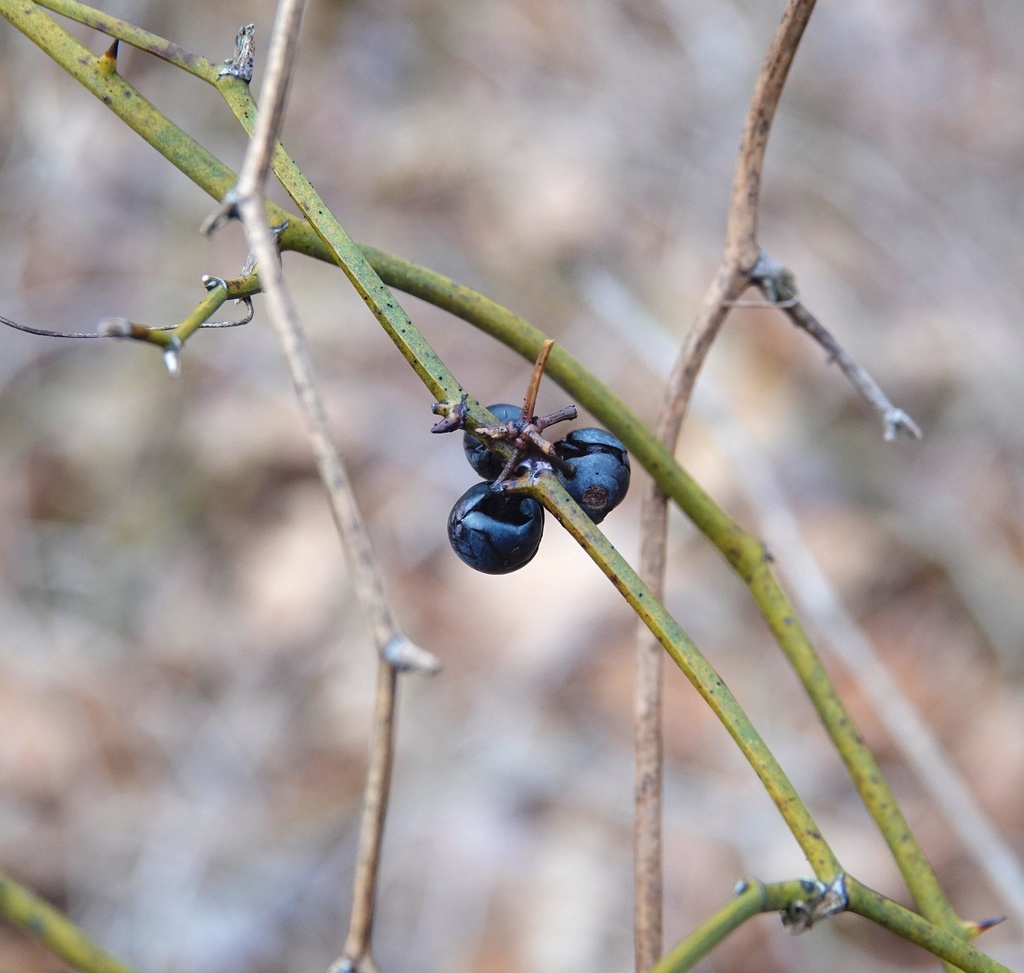
- Common GreenbrierSmilax rotundifolia
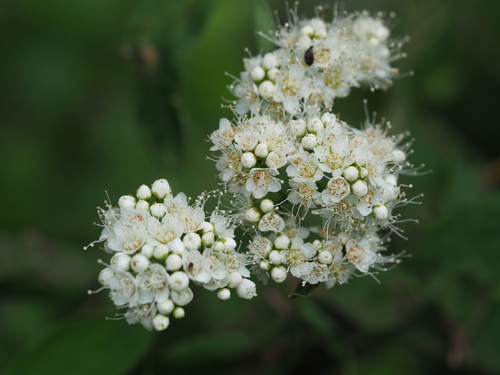
- Virginia SpiraeaSpiraea virginiana
- Wireleaf DropseedSporobolus teretifolius
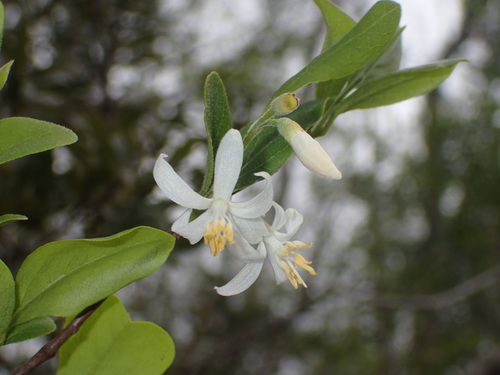
- American SnowbellStyrax americanus
- Lance Leaf TrilliumTrillium lancifolium
- Least TrilliumTrillium pusillum
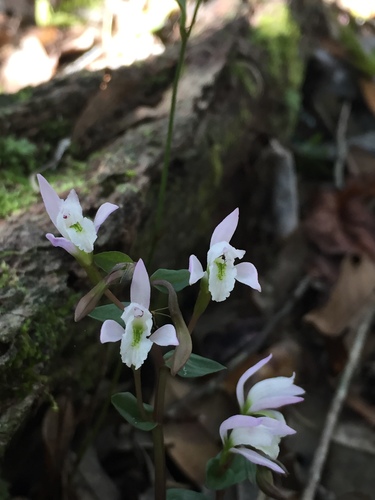
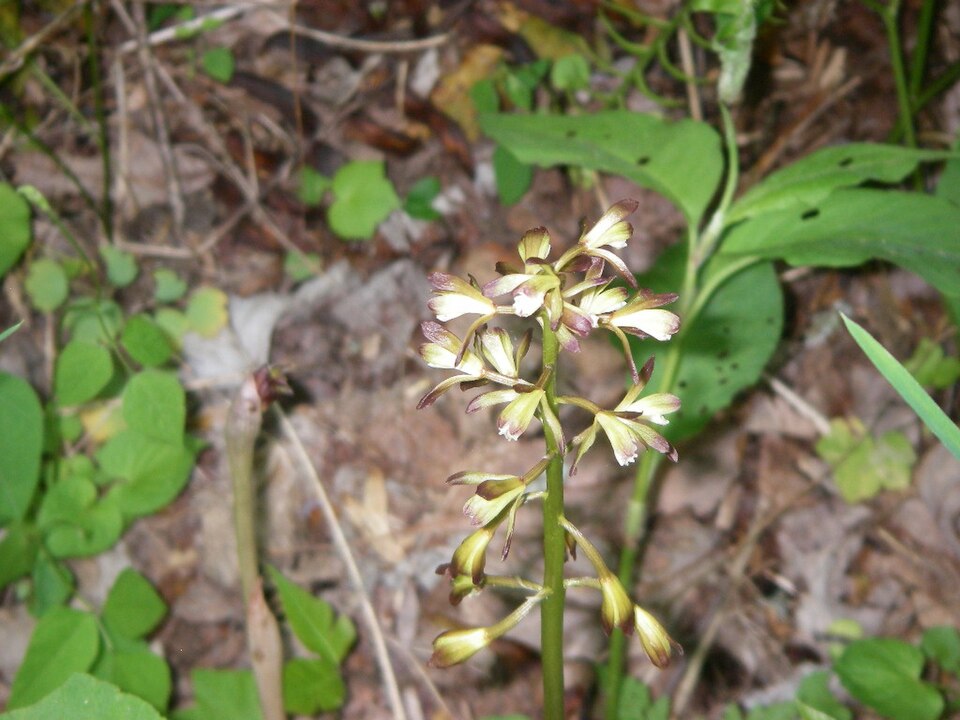
- Three Birds OrchidTriphora trianthophoros
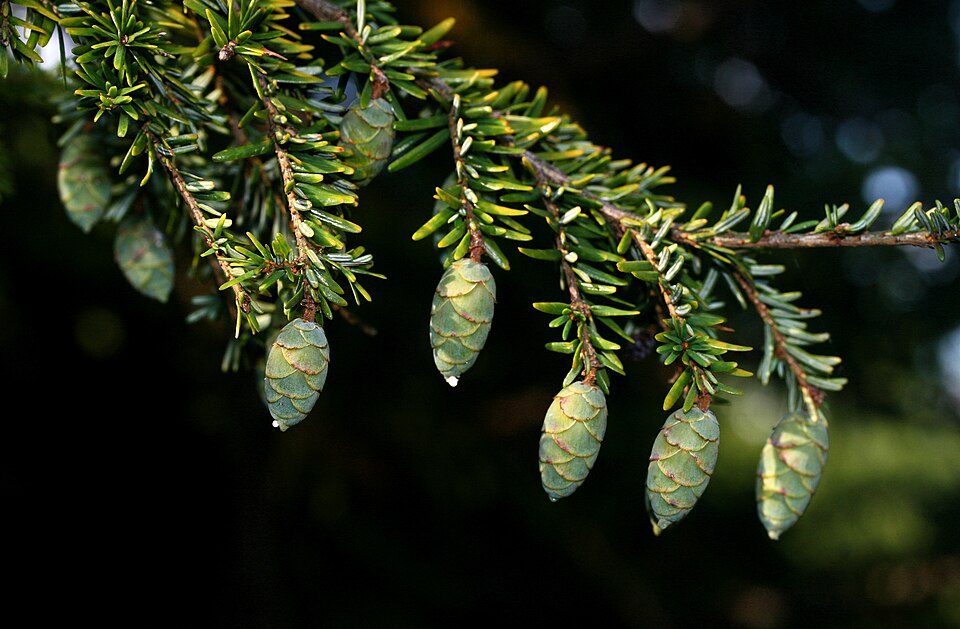
- Eastern HemlockTsuga canadensis
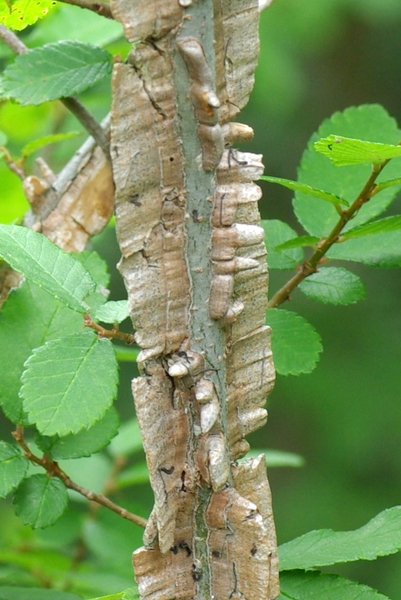
- Winged ElmUlmus alata
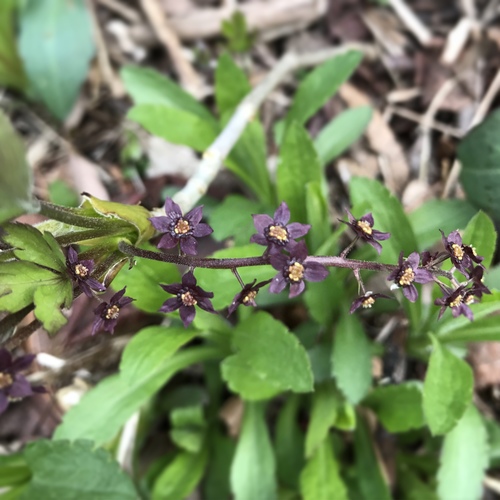
- YellowrootXanthorhiza simplicissima
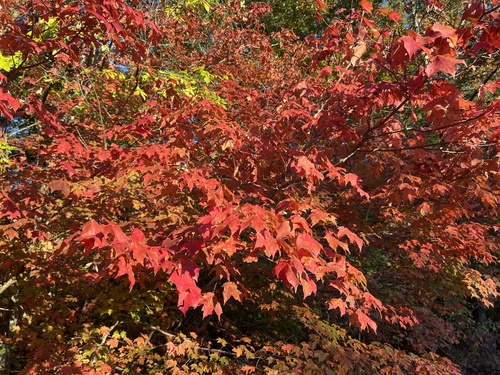
- Chalk MapleAcer leucoderme
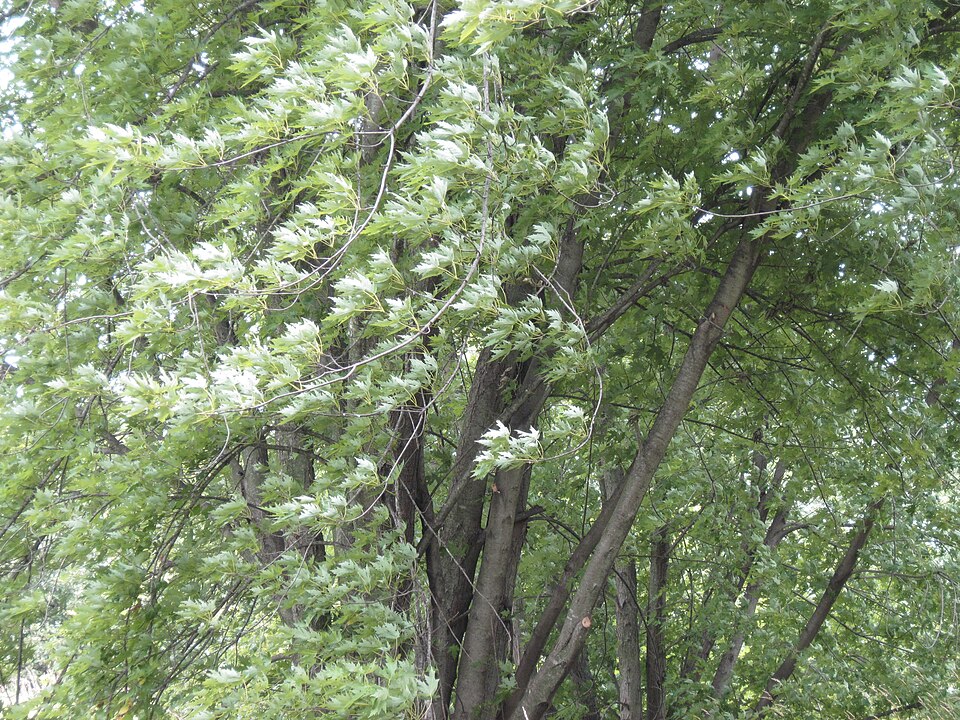
- Silver MapleAcer saccharinum
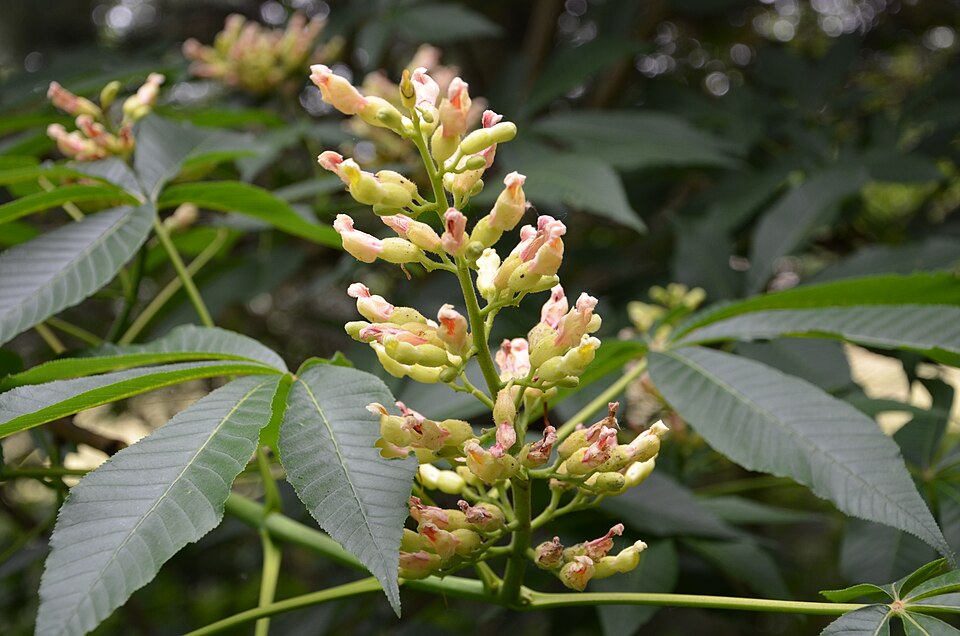
- Yellow BuckeyeAesculus flava
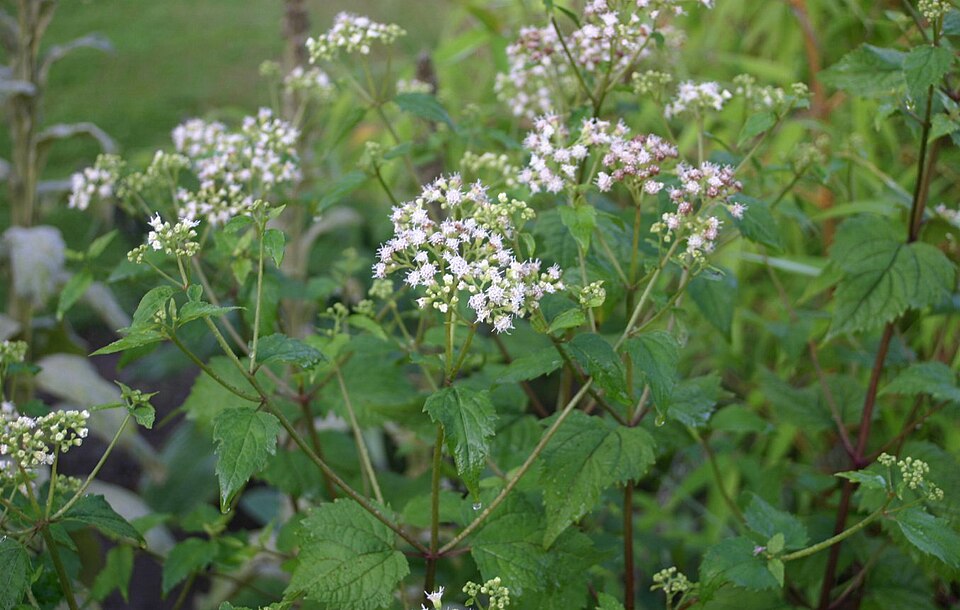
- White SnakerootAgeratina altissima
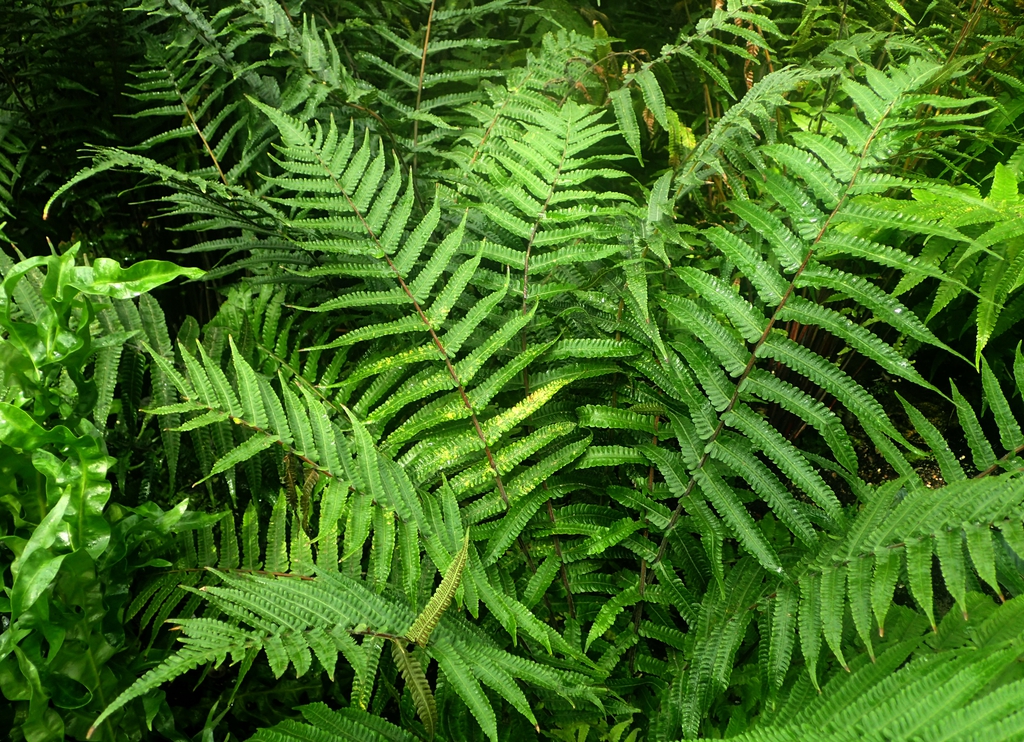
- New York FernAmauropelta noveboracensis
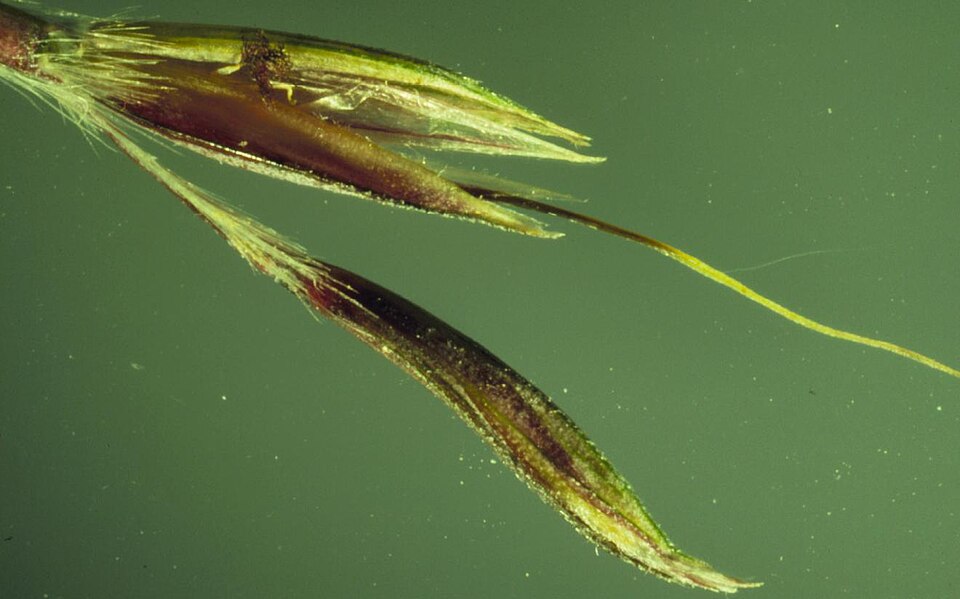
- Big BluestemAndropogon gerardi
- PuttyrootAplectrum hyemale
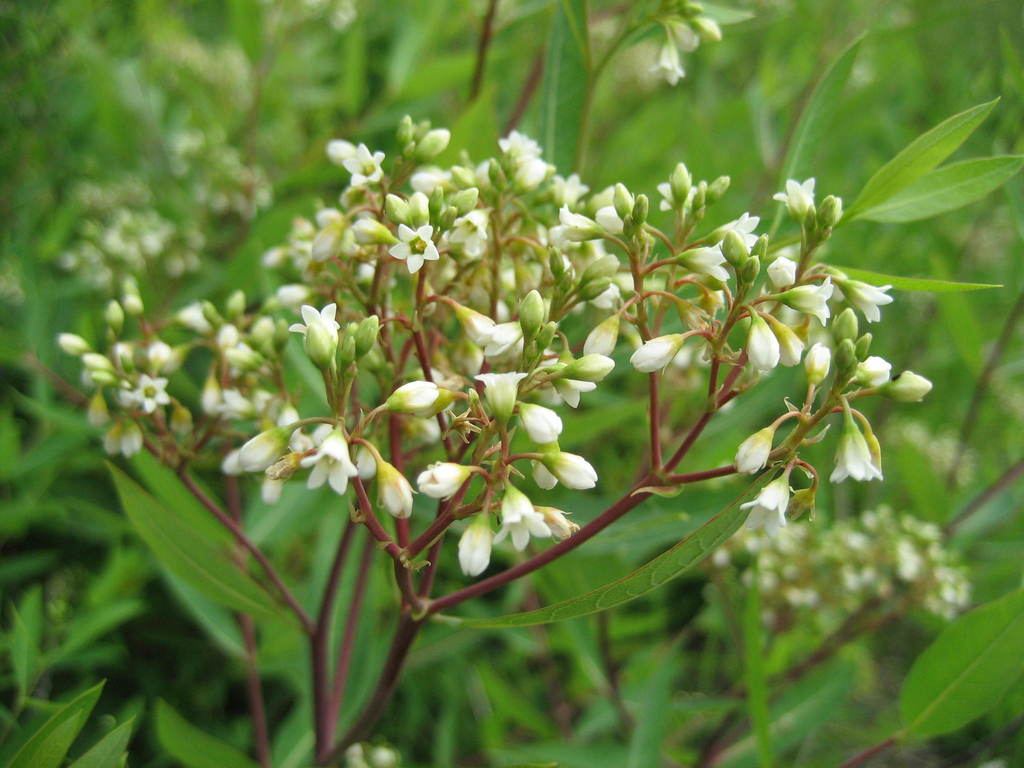
- Indian-hempApocynum cannabinum
- Apteria aphyllaApteria aphylla
- Spreading RockcressArabis patens
- Great Indian-plantainArnoglossum reniforme
- Canada Wild-gingerAsarum canadense
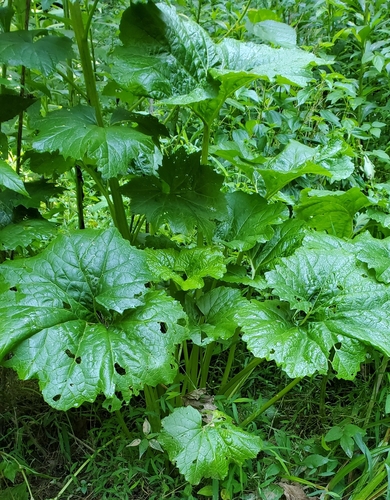
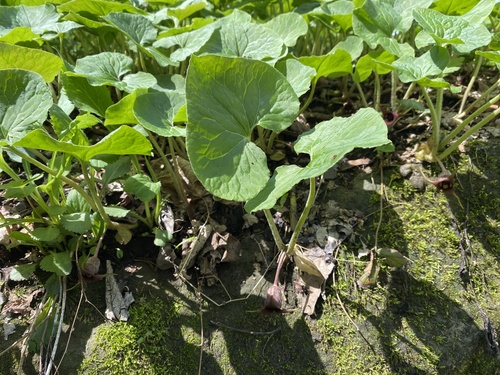
Wildlife 233
Other animals whose habitat models include the same habitats in Alabama. Not sighting records.
- Acadian FlycatcherEmpidonax virescens
- American CrowCorvus brachyrhynchos
- American GoldfinchCarduelis tristis
- American KestrelFalco sparverius
- American RobinTurdus migratorius
- Bald EagleHaliaeetus leucocephalus
- Belted KingfisherMegaceryle alcyon
- Black-and-White WarblerMniotilta varia
- Blue-gray GnatcatcherPolioptila caerulea
- Carolina ChickadeePoecile carolinensis
- Carolina WrenThryothorus ludovicianus
- Cedar WaxwingBombycilla cedrorum
- Chimney SwiftChaetura pelagica
- Common GrackleQuiscalus quiscula
- Common NighthawkChordeiles minor
- Cooper's HawkAccipiter cooperii
- Double-crested CormorantPhalacrocorax auritus
- Eastern KingbirdTyrannus tyrannus
- Eastern Screech-owlMegascops asio
- Eastern TowheePipilo erythrophthalmus
- Eastern Wood-peweeContopus virens
- European StarlingSturnus vulgaris
- Great Crested FlycatcherMyiarchus crinitus
- Great Horned OwlBubo virginianus
























NatureServe Explorer, CC BY 4.0. USGS Gap Analysis Project habitat models.
Sources
- USGS Gap Analysis Project habitat models (2001)
- USGS GAP winter habitat model for Prothonotary Warbler Slow streams only
- USGS Gap Analysis Project range maps (2001), modeled by watershed; migratory gives no dates
- NatureServe Explorer (CC BY 4.0), habitat names
- US Census TIGER/Line counties
- Names follow the USGS Gap Analysis Project (2001)