

Bird
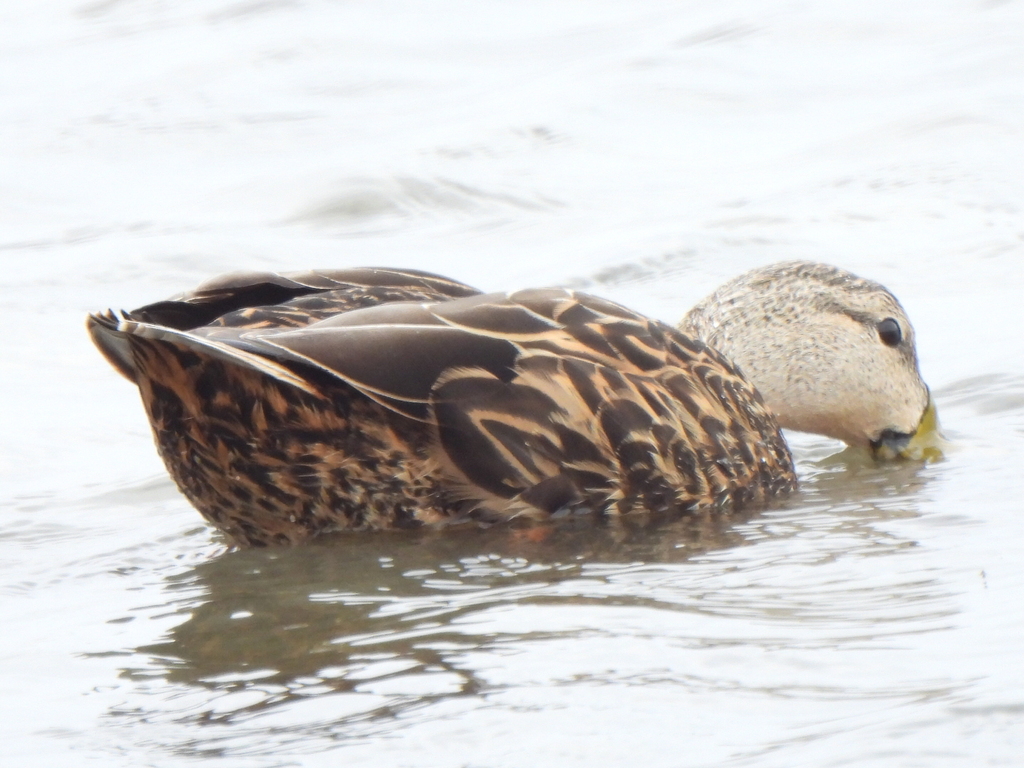
Mottled Duck
Anas fulvigula
Lives in Alabama all year and nests here. Found in 2 of 67 counties, across 10 habitats.
- Here
- All year
- Nesting
- Nests here
- Range
- 2 of 67 counties
- Habitats
- 10
At a glance
- Group
- Birds
- Here
- All year
- Nesting
- Nests here
- Range
- 2 of 67 counties
- Habitats
- 10
- Habitat models
- Year-round
Where it lives
The places its habitat model includes. It is not found everywhere a habitat occurs.
Habitats in Alabama 10
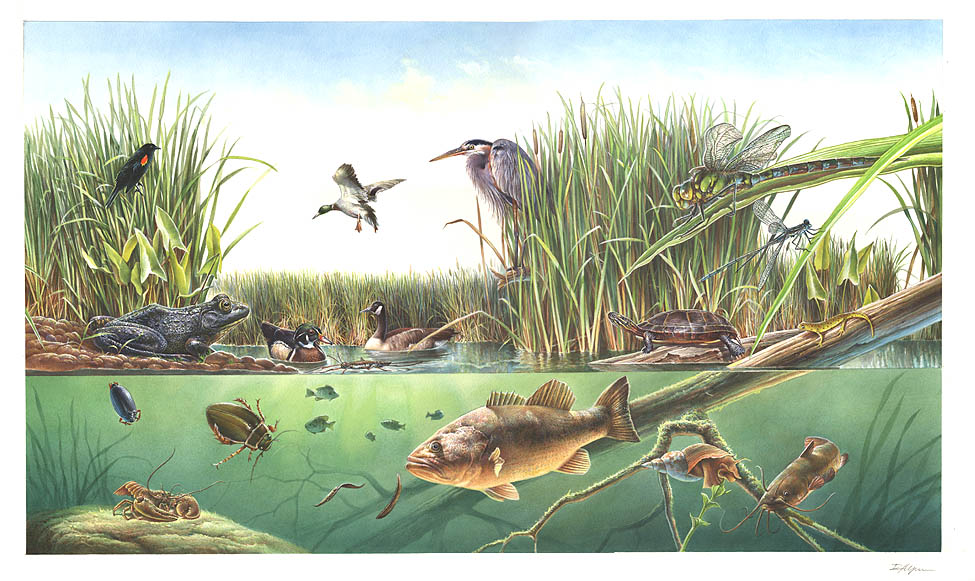
Each habitat page lists the plants and wildlife also found there.
Open sand of beaches, dunes and the hollows between them.
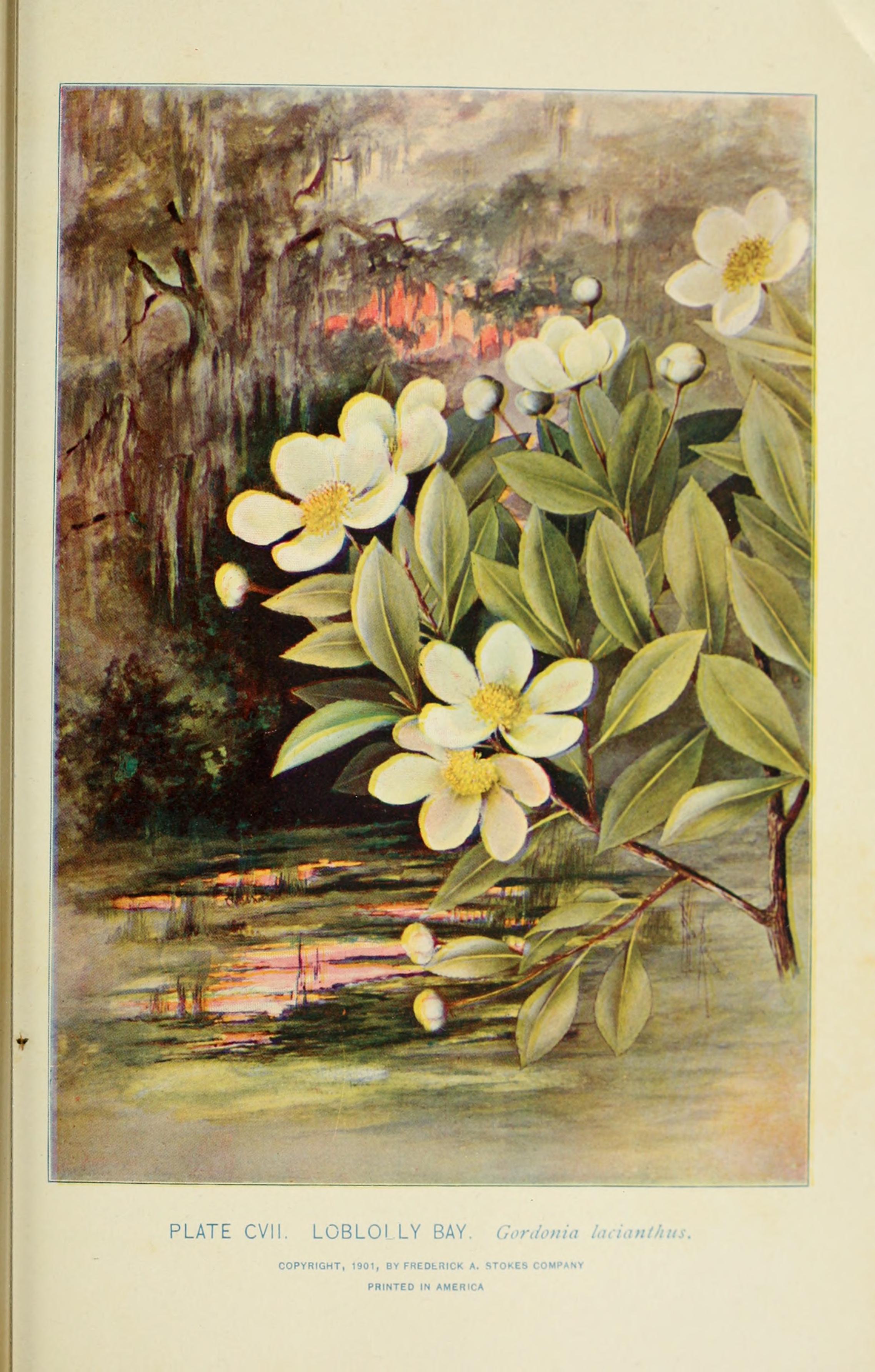
Open, wet, seepage-fed bogs of the Coastal Plain and Sandhills, often with pitcher plants.
Coastal tidal marshes (salinity not stated)
Tidal marshes of the Atlantic and Gulf coasts where the source does not say whether the water is fresh, brackish or salt. A stated salinity files the marsh under freshwater tidal marshes or salt and brackish marshes instead.
Disturbed and introduced wetlands
Wet ground taken over by weedy or introduced plants after disturbance, such as common reed, Chinese tallow or tamarisk stands; the upland counterpart is roadsides, fields and disturbed ground.
Open, fire-kept longleaf pine stands over grasses and wildflowers on wet to moist sandy soil.
Coastal marshes flooded by salty or brackish tides.
Salt and brackish open water of sounds, bays and estuaries, with the mud and sand flats and seagrass beds that tides cover and uncover; the vegetated marsh is salt and brackish marshes.
Roadsides, fields and disturbed ground
Ground opened by people: roadsides, old fields, pastures, fencerows and lots.
Other habitats in its models (25)
Land cover, or classes with no habitat page in Alabama.
- Unconsolidated Shore (Lake/River/Pond) Year-round.
- Unconsolidated Shore Year-round.
- Texas-Louisiana Coastal Prairie Year-round, only within 120 m of water, for banks and other nest sites.
- Introduced Upland Vegetation - Perennial Grassland and Forbland Year-round, beside its main habitat.
- Atlantic Coastal Plain Central Salt and Brackish Tidal Marsh Year-round.
- Atlantic Coastal Plain Embayed Region Tidal Salt and Brackish Marsh Year-round.
- Florida Big Bend Salt-Brackish Tidal Marsh Year-round.
- Atlantic Coastal Plain Clay-Based Carolina Bay Herbaceous Wetland Year-round.
- Atlantic Coastal Plain Southern Tidal Wooded Swamp Year-round.
- South Florida Everglades Sawgrass Marsh Year-round.
- Floridian Highlands Freshwater Marsh Year-round.
- Atlantic Coastal Plain Embayed Region Tidal Freshwater Marsh Year-round.
- Central Florida Herbaceous Seep Year-round.
- Florida Big Bend Fresh-Oligohaline Tidal Marsh Year-round.
- South Florida Mangrove Swamp Year-round.
- Atlantic Coastal Plain Central Fresh-Oligohaline Tidal Marsh Year-round.
- South Florida Wet Marl Prairie Year-round.
- Central Florida Herbaceous Pondshore Year-round.
- East Gulf Coastal Plain Southern Depression Pondshore Year-round.
- Atlantic Coastal Plain Depression Pondshore Year-round.
- Mississippi River Bottomland Depression Year-round.
- South Florida Freshwater Slough and Gator Hole Year-round.
- East Gulf Coastal Plain Large River Floodplain Forest - Herbaceous Modifier Year-round.
- Texas-Louisiana Coastal Prairie Slough Year-round.
- Mississippi River Floodplain and Riparian Forest Year-round.
Seasons in Alabama
- Year-round: nests here, in 2 of 67 counties.
Also found in this habitat
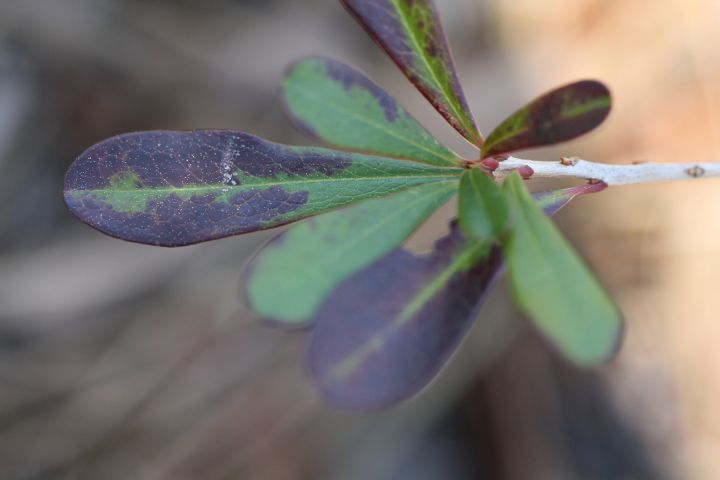
Plants 189
Plants named in NatureServe descriptions of these habitats that grow in Alabama. Shared habitat, not food.
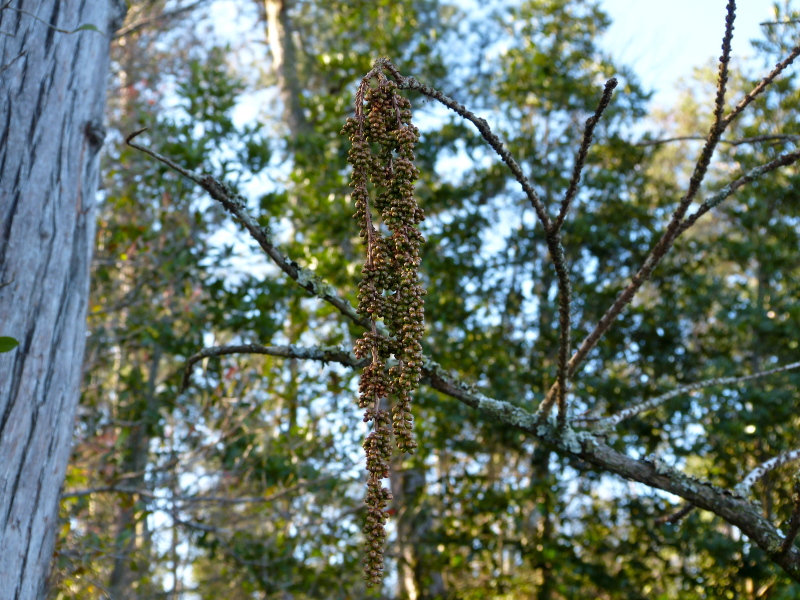
- TitiCyrilla racemiflora
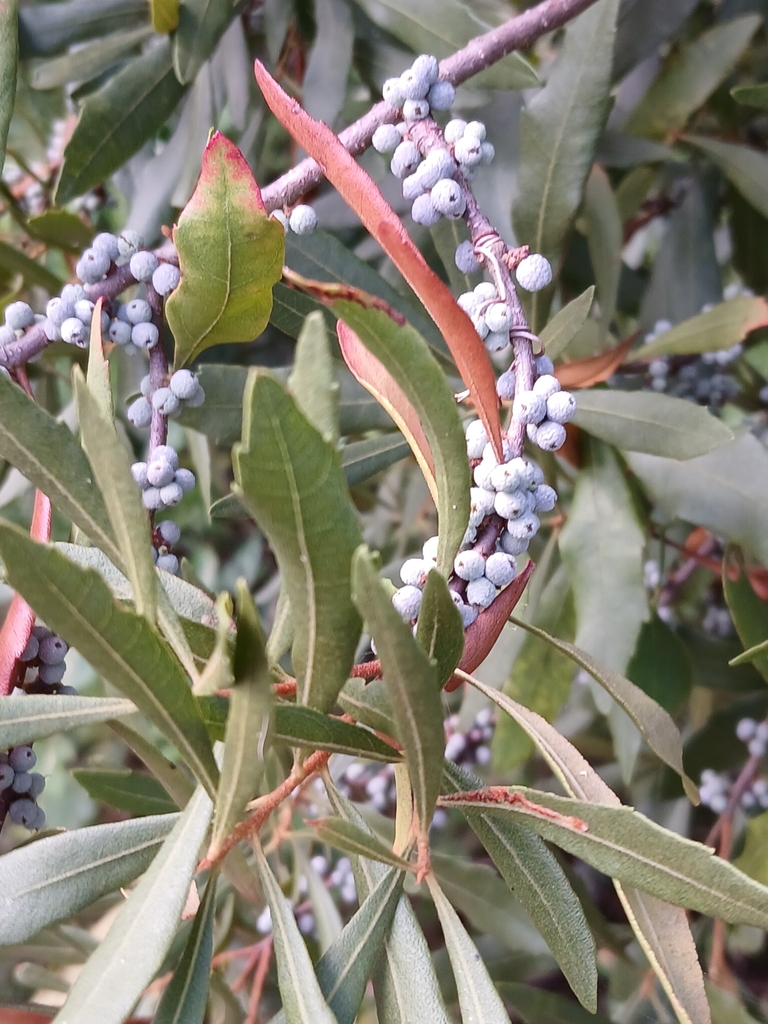
- Common WaxmyrtleMorella cerifera
- Panhandle LilyLilium iridollae
- Macranthera flammeaMacranthera flammea
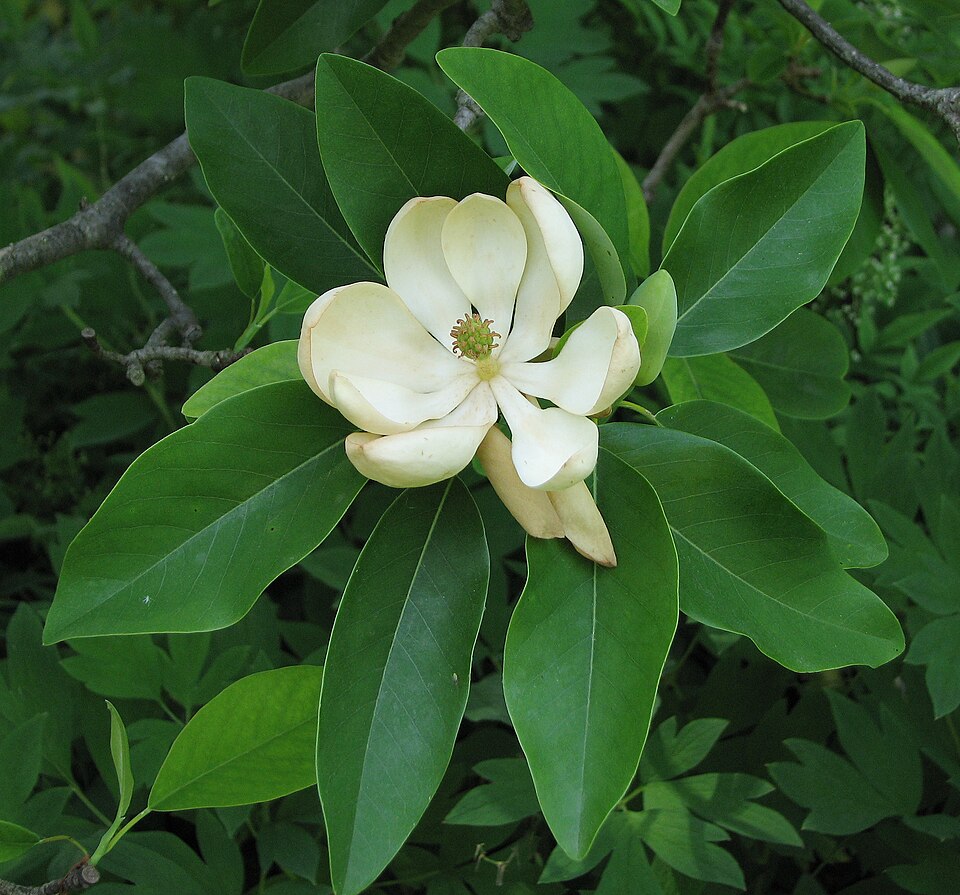
- Sweetbay MagnoliaMagnolia virginiana
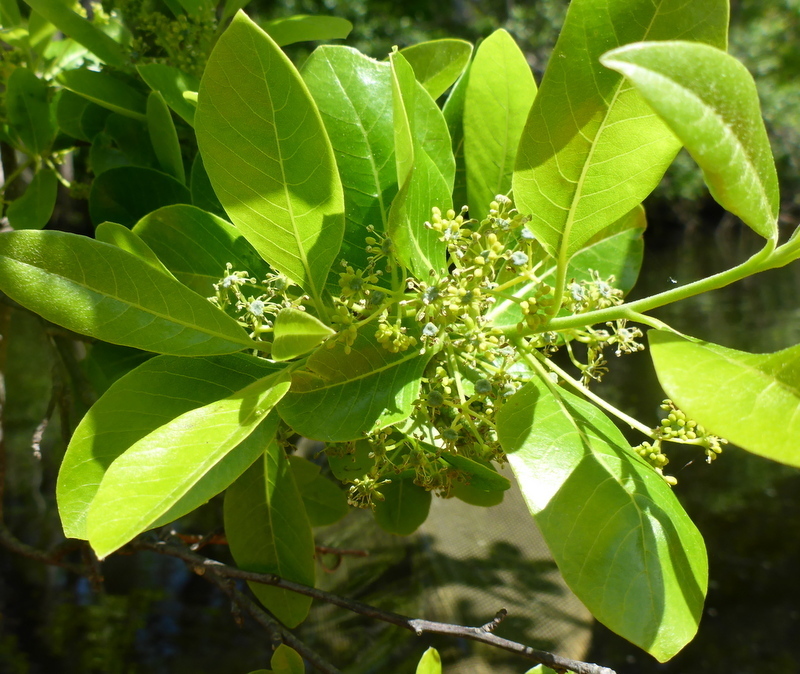
- Swamp TupeloNyssa biflora
- Whitetop PitcherplantSarracenia leucophylla
- Pond CypressTaxodium ascendens
- Harper's Yellow-eyed-grassXyris scabrifolia
- Red MapleAcer rubrum
- Scaleleaf False FoxgloveAgalinis aphylla
- Agalinis filicaulisAgalinis filicaulis
- Virginia Chain-fernAnchistea virginica
- Pinewoods BluestemAndropogon arctatus
- Aristida beyrichianaAristida beyrichiana
- Arnoglossum sulcatumArnoglossum sulcatum
- Asclepias viridulaAsclepias viridula
- Carphephorus pseudoliatrisCarphephorus pseudoliatris
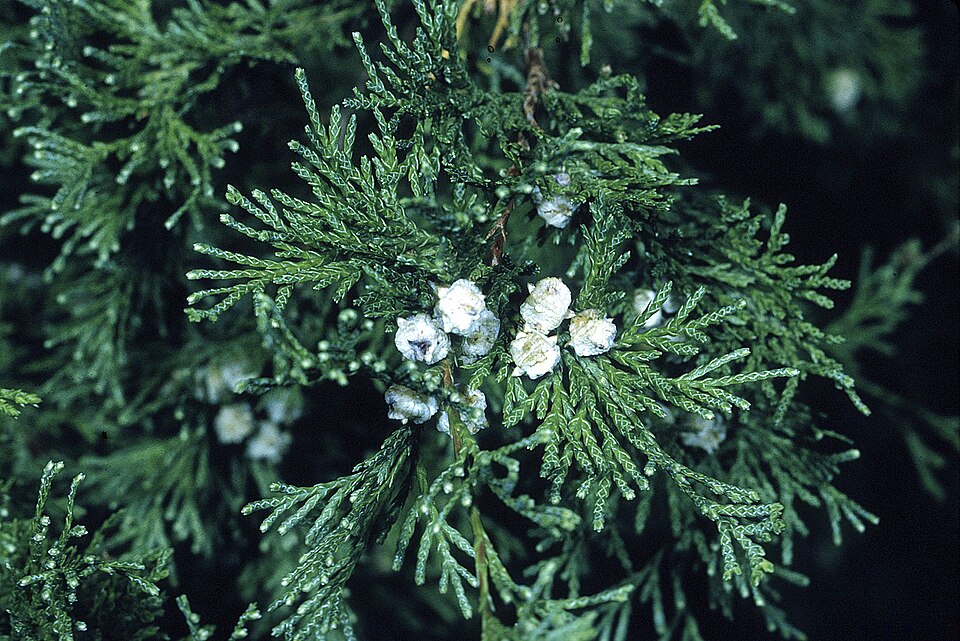
- Atlantic White CedarChamaecyparis thyoides
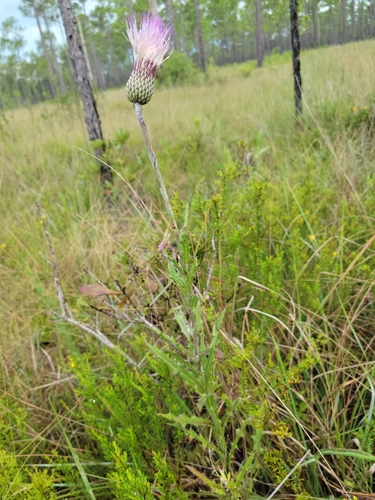
- LeConte's ThistleCirsium lecontei
- Cliftonia monophyllaCliftonia monophylla
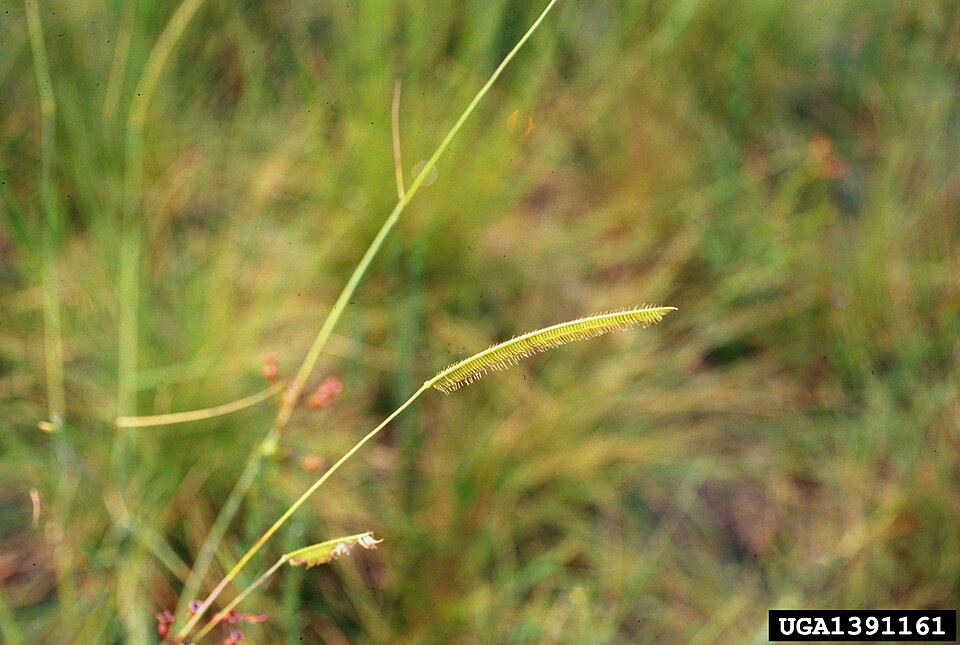
- Toothache GrassCtenium aromaticum
- Naked Stem Witch GrassDichanthelium nudicaule
- Drosera tracyiDrosera tracyi
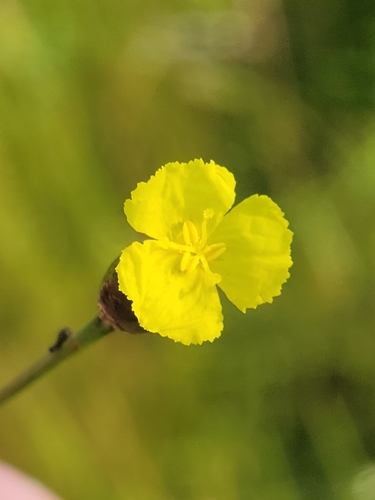
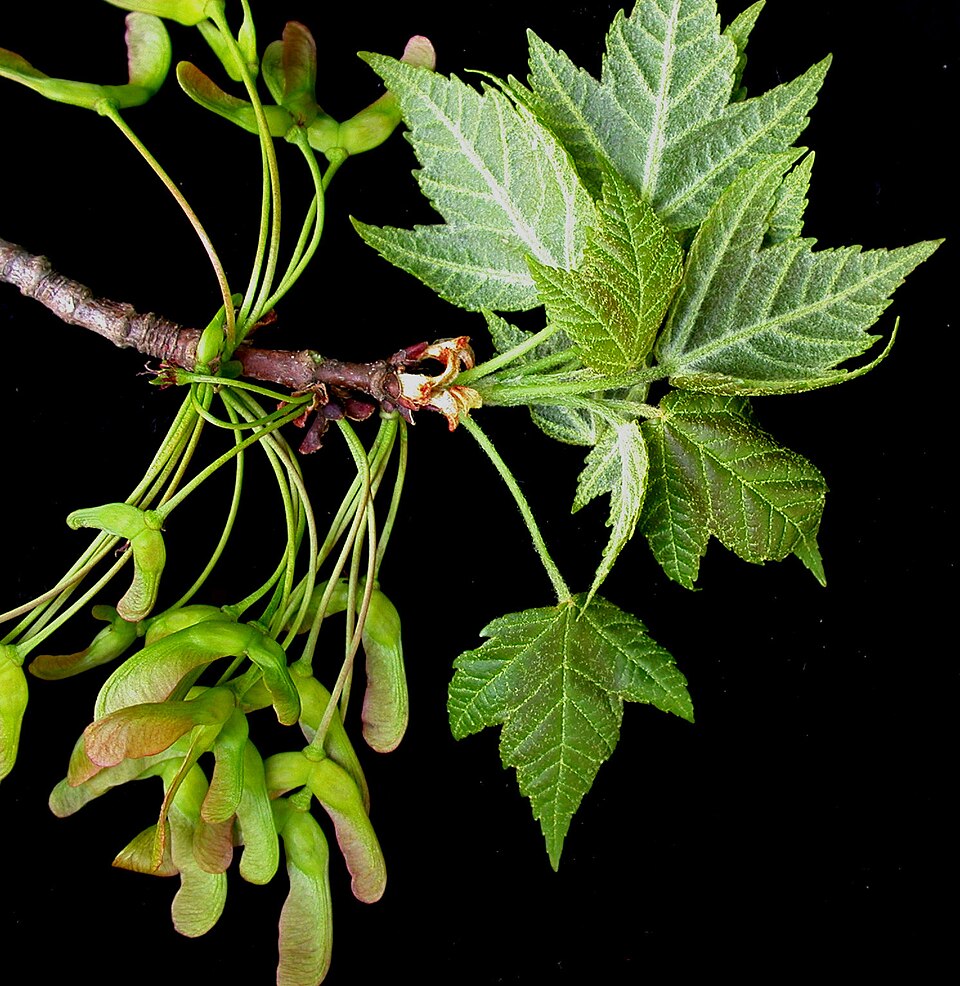
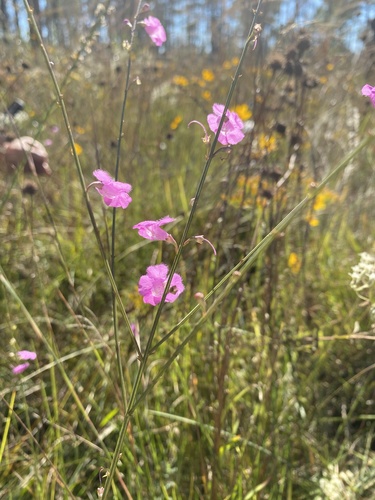
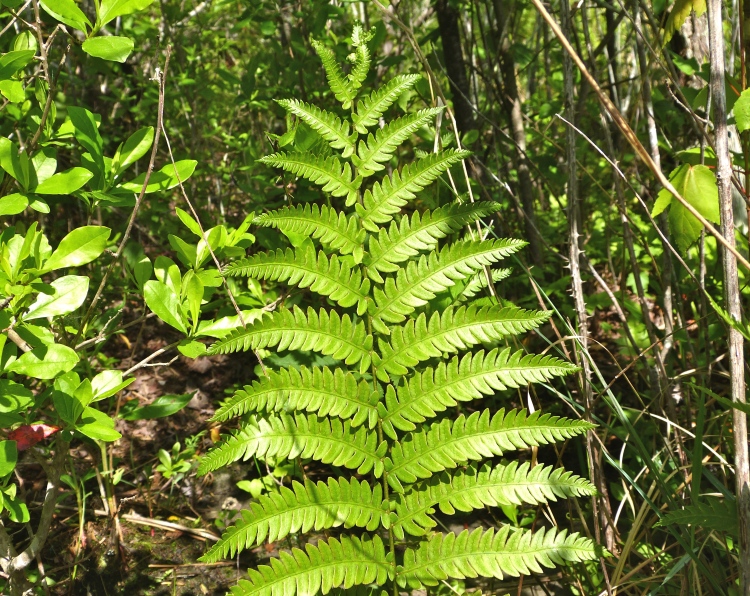
Wildlife 253
Other animals whose habitat models include the same habitats in Alabama. Not sighting records.
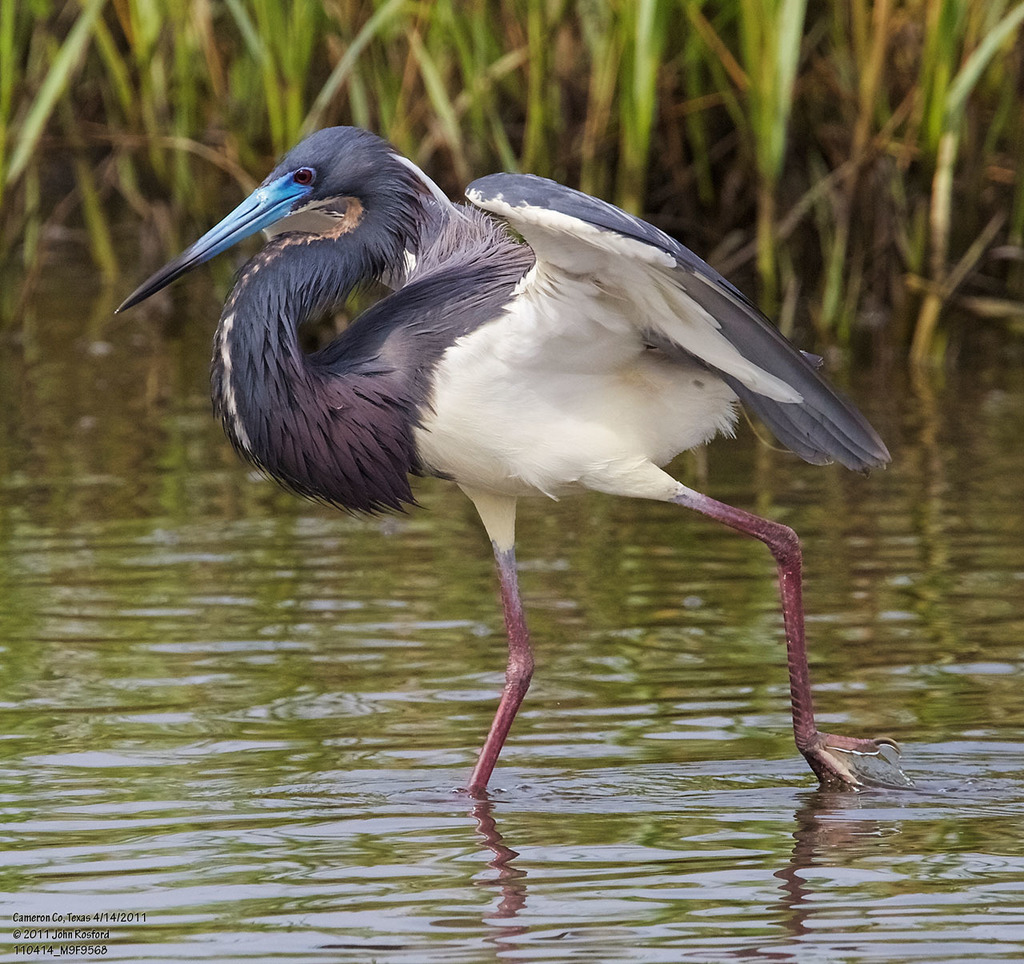
- Tricolored HeronEgretta tricolor
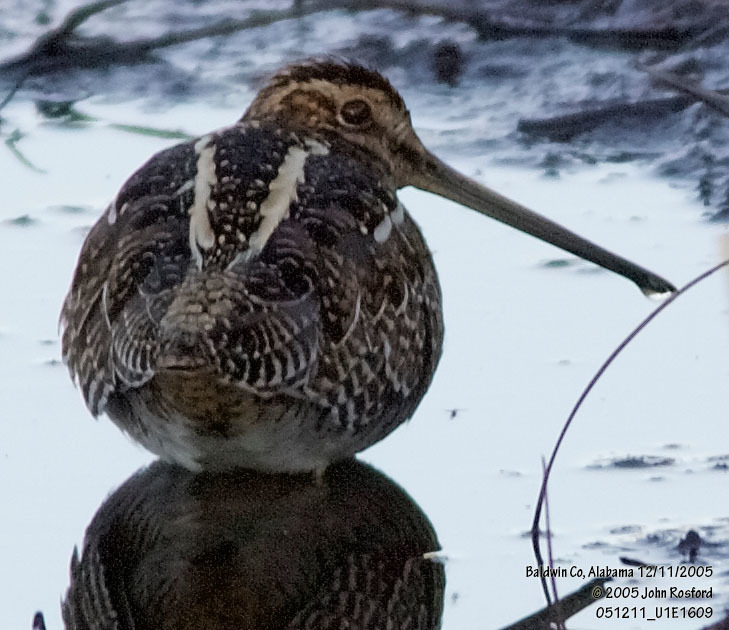
- Wilson's SnipeGallinago delicata
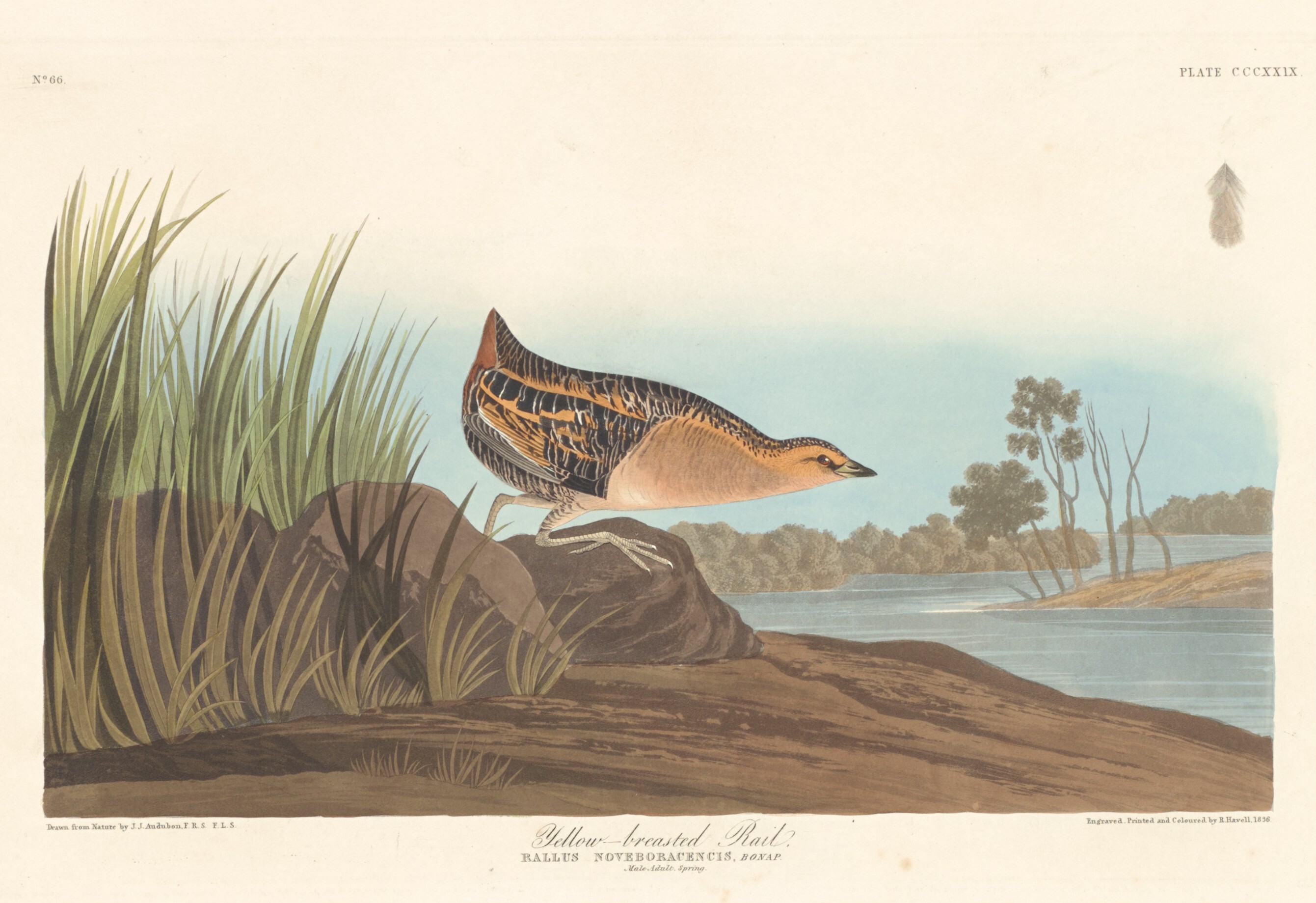
- Yellow RailCoturnicops noveboracensis
- American GoldfinchCarduelis tristis
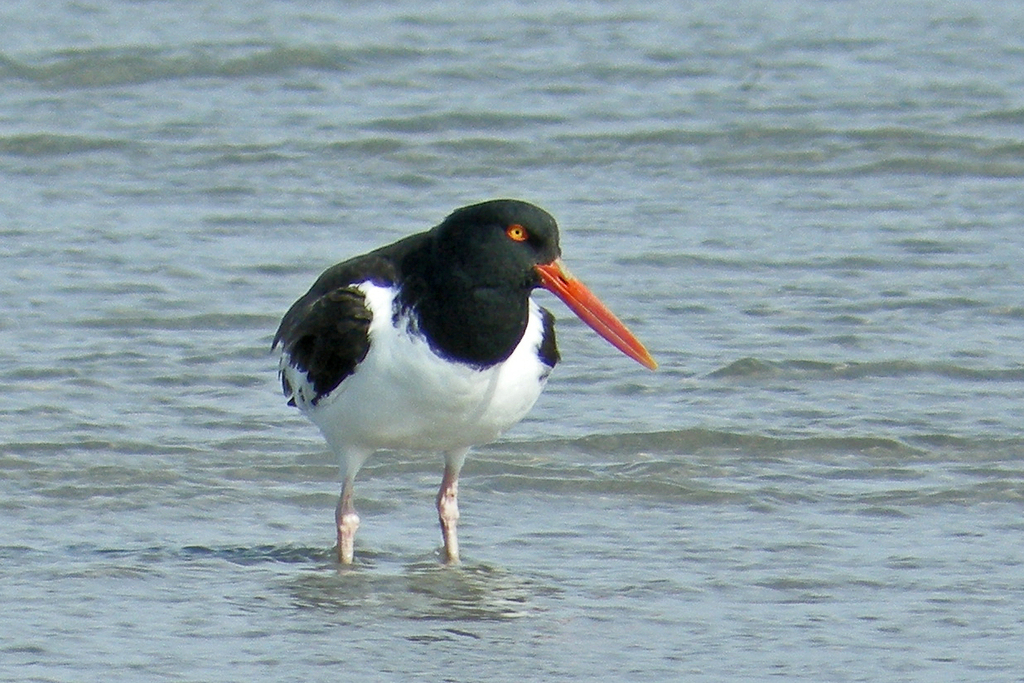
- American OystercatcherHaematopus palliatus
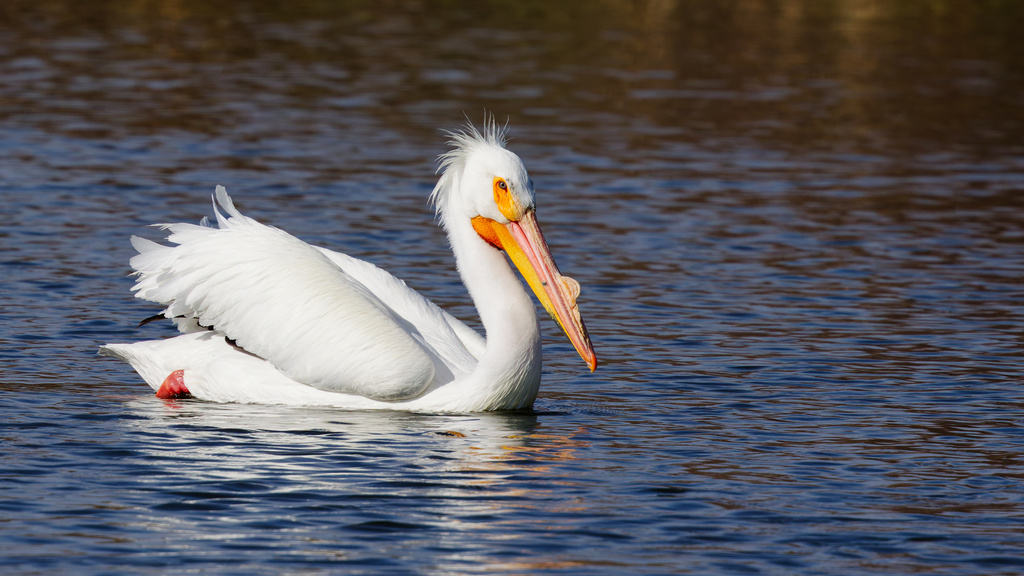
- American White PelicanPelecanus erythrorhynchos
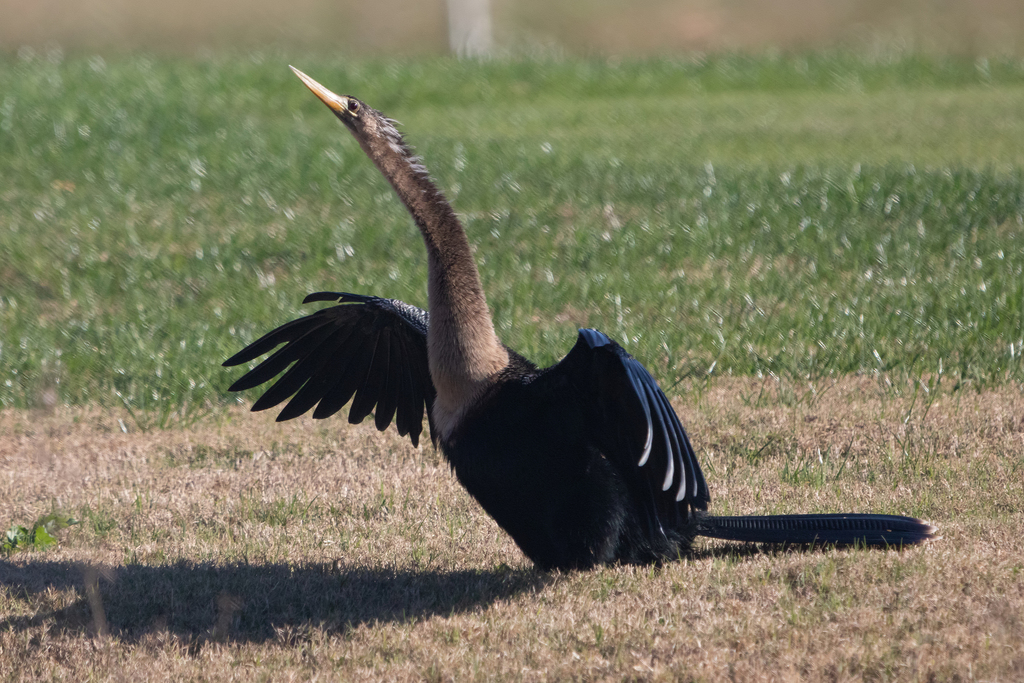
- AnhingaAnhinga anhinga
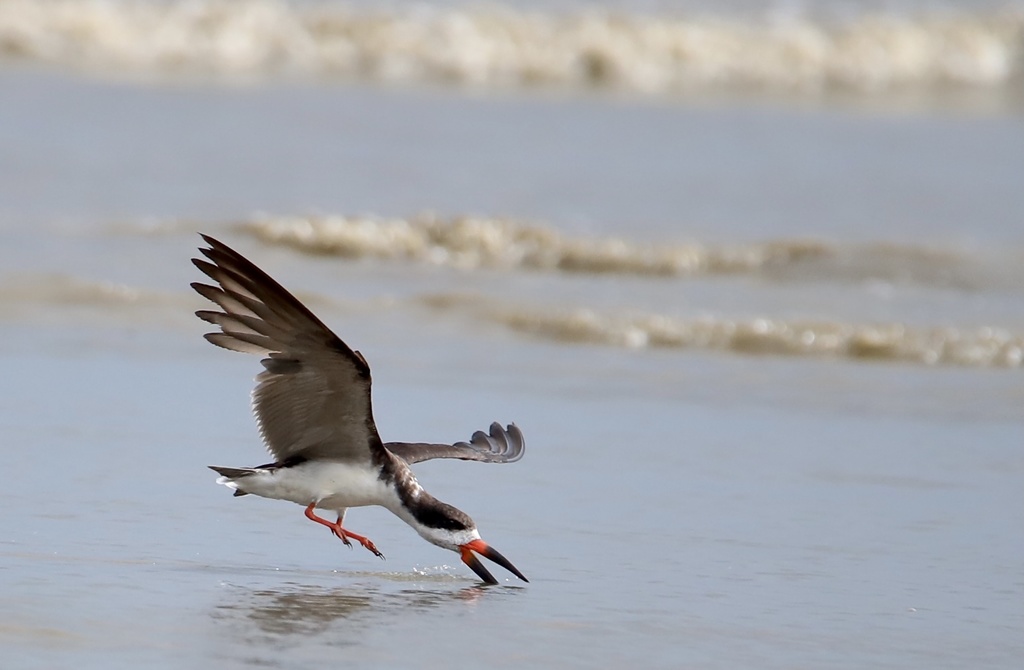
- Black SkimmerRynchops niger
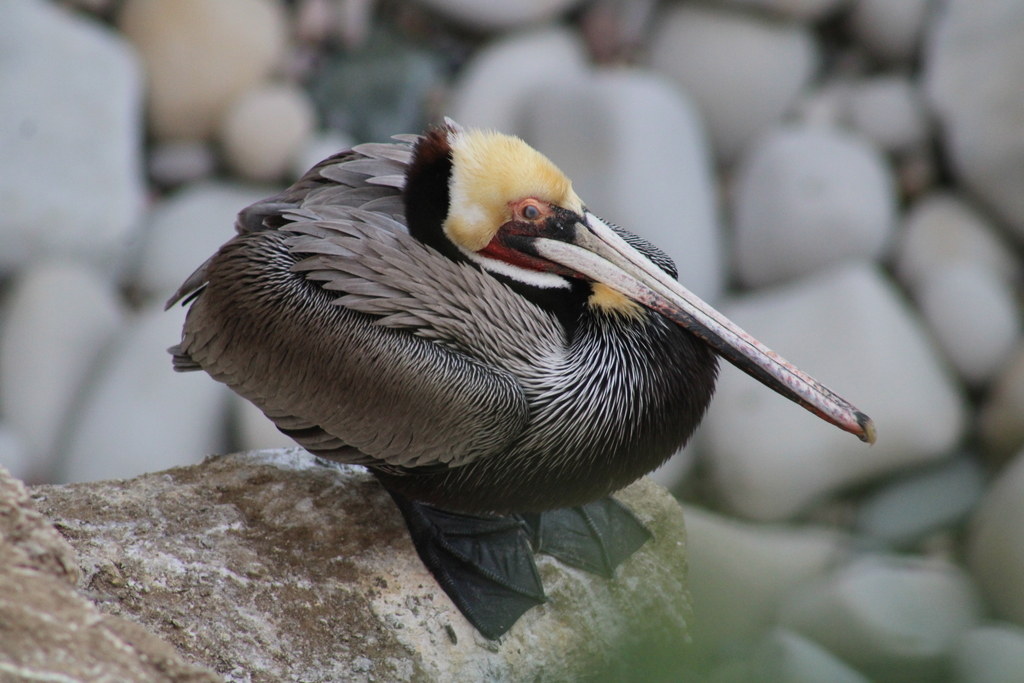
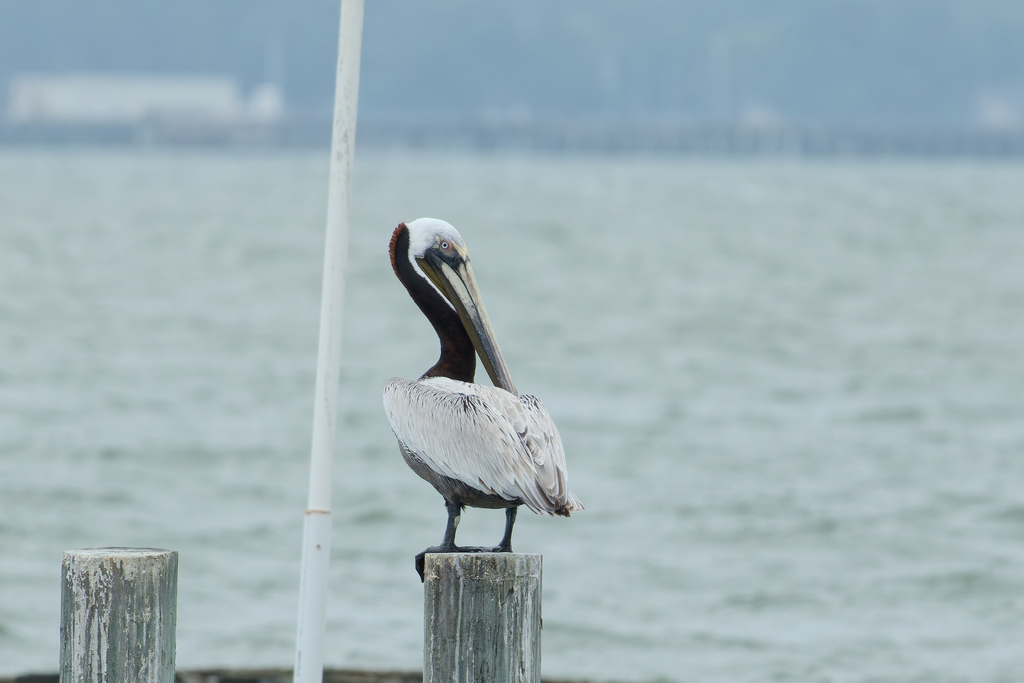
- Brown PelicanPelecanus occidentalis
- Cliff SwallowPetrochelidon pyrrhonota
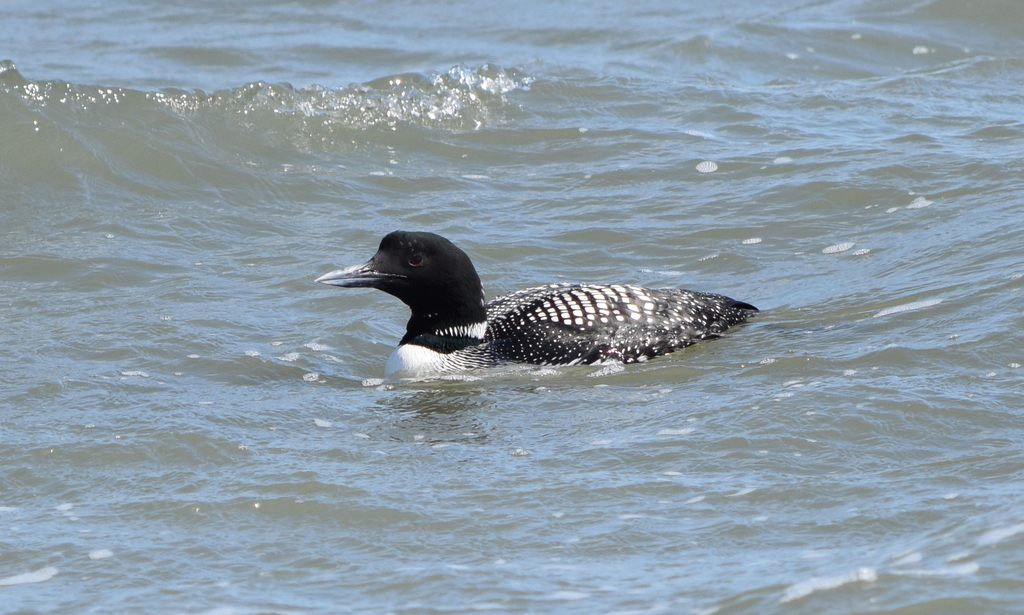
- Common LoonGavia immer
- Double-crested CormorantPhalacrocorax auritus
- Eastern Brown PelicanPelecanus occidentalis carolinensis
- Eastern TowheePipilo erythrophthalmus
- Eurasian Collared-doveStreptopelia decaocto
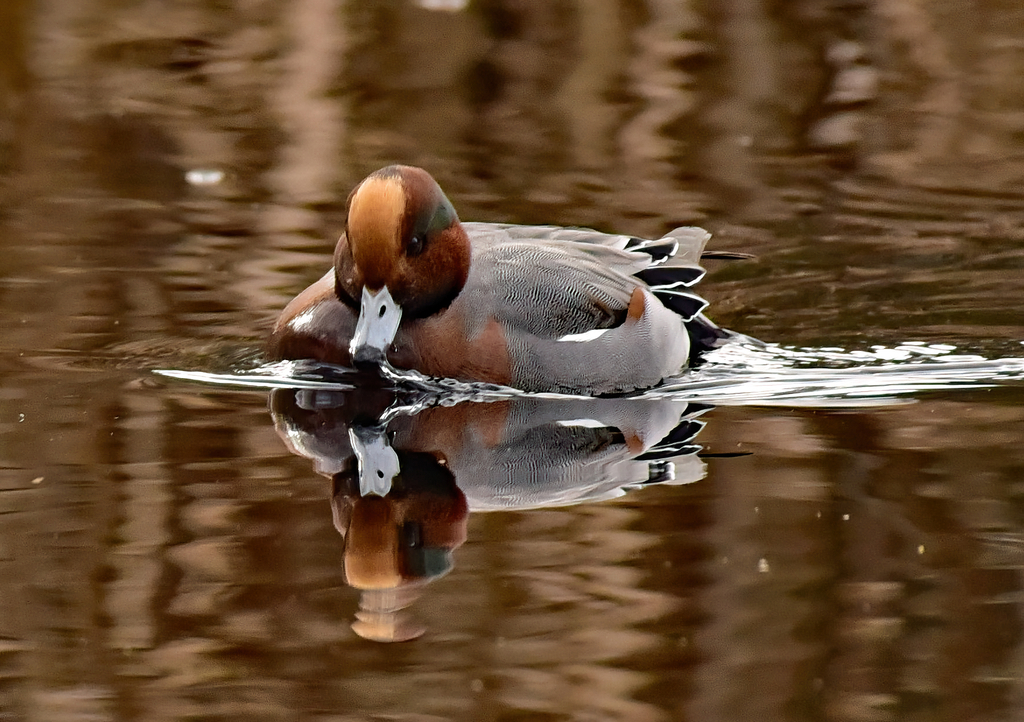
- Eurasian WigeonAnas penelope
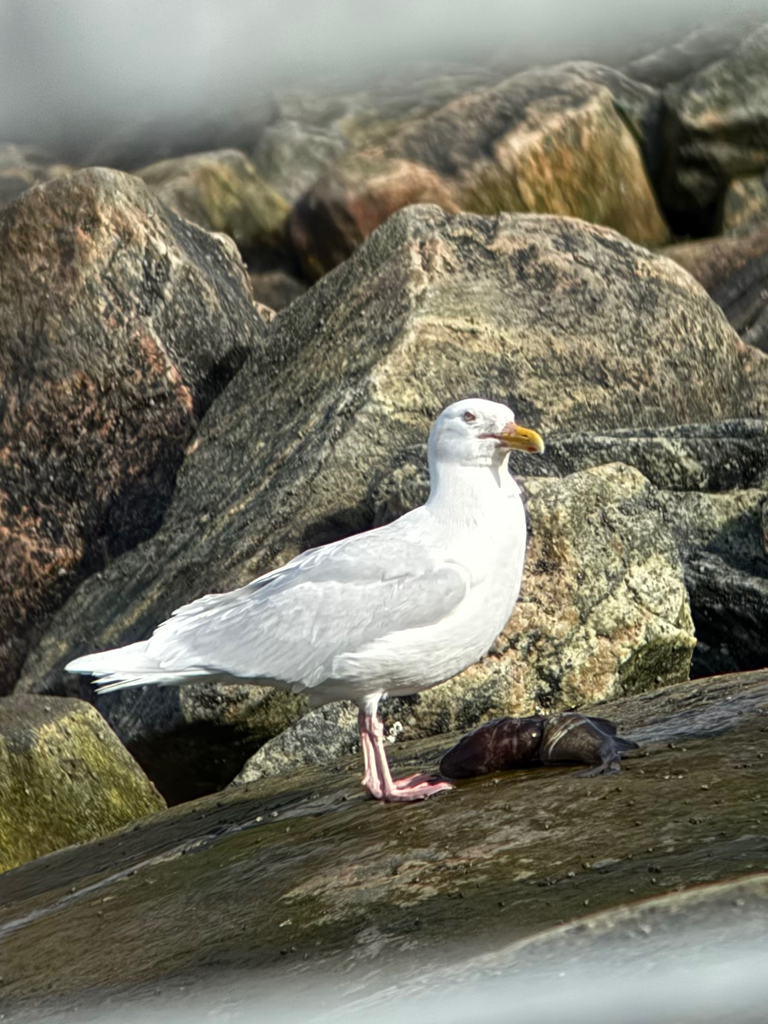
- Glaucous GullLarus hyperboreus
- Great Crested FlycatcherMyiarchus crinitus
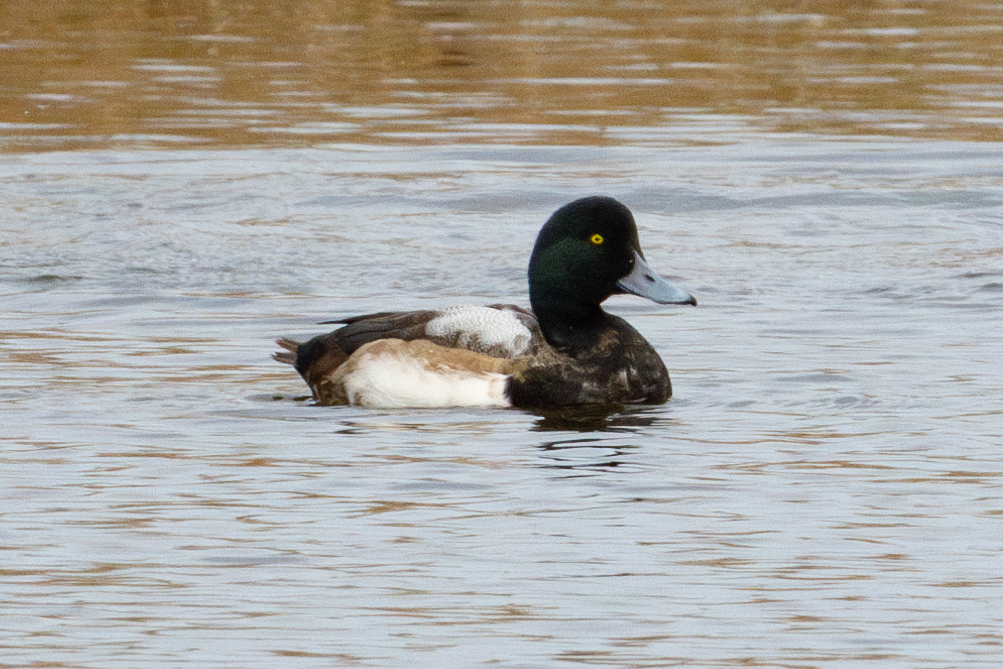
- Greater ScaupAythya marila
- Gull-billed TernGelochelidon nilotica
- Le Conte's SparrowAmmodramus leconteii
- Northern MockingbirdMimus polyglottos
- Royal TernThalasseus maximus
- Ruddy TurnstoneArenaria interpres






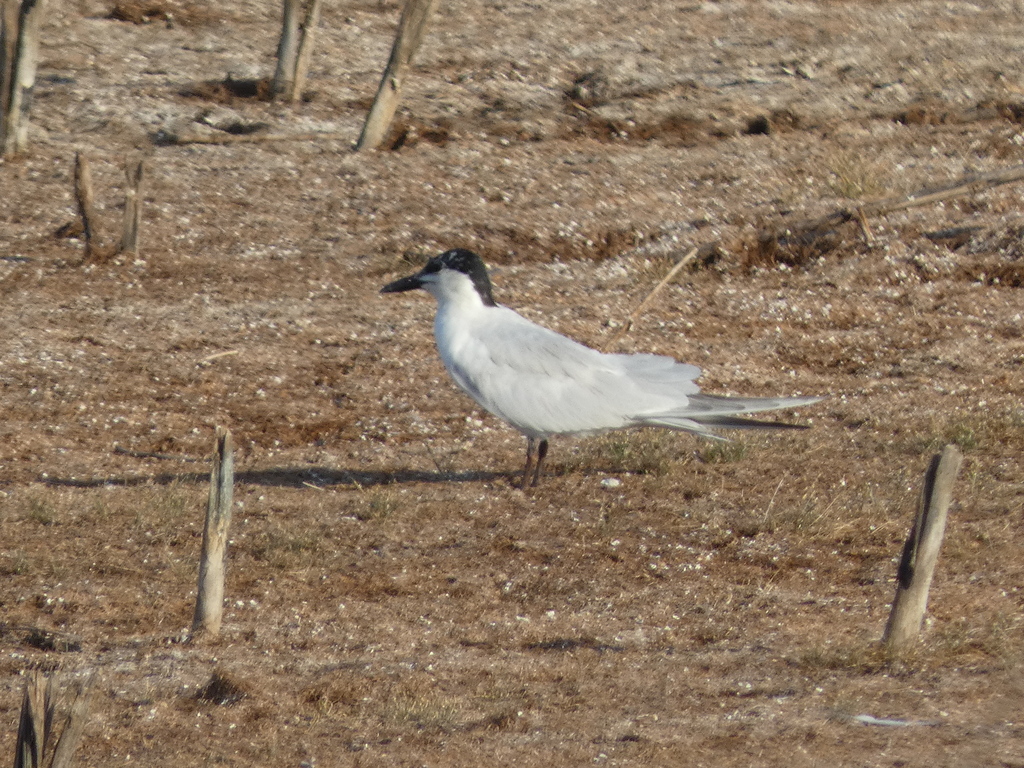
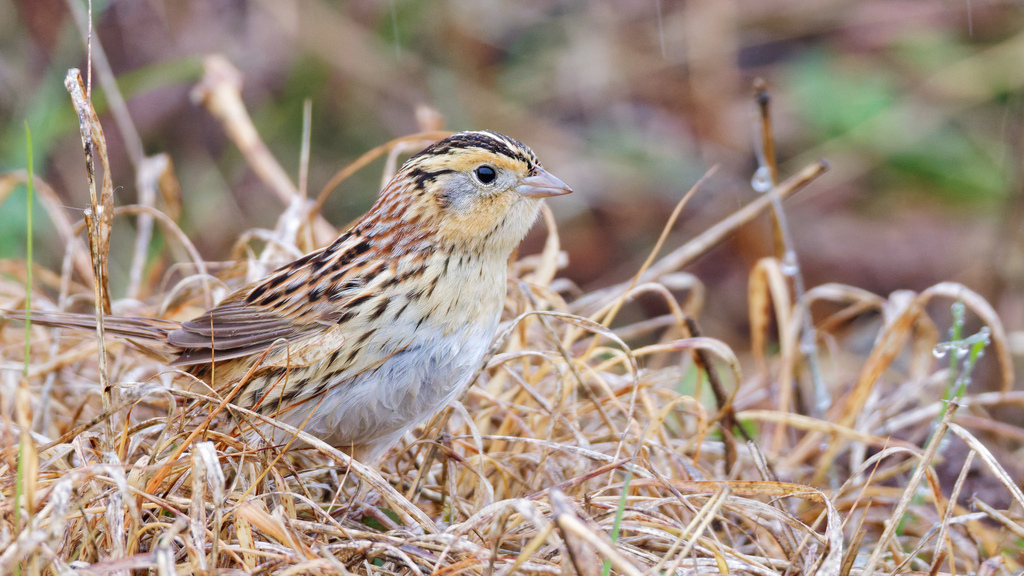

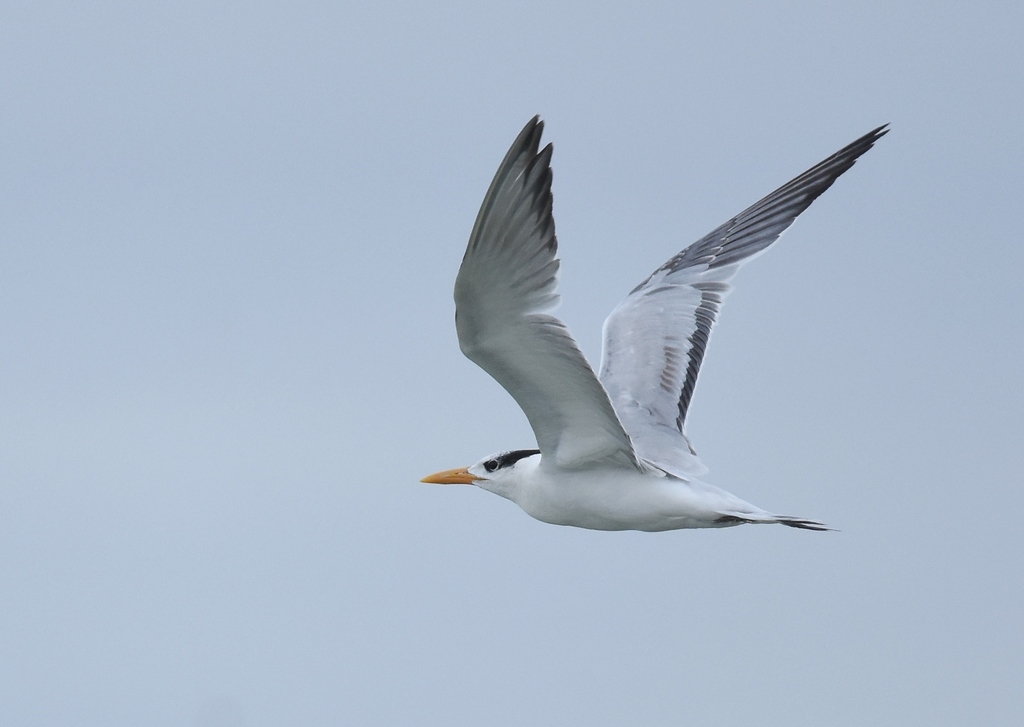
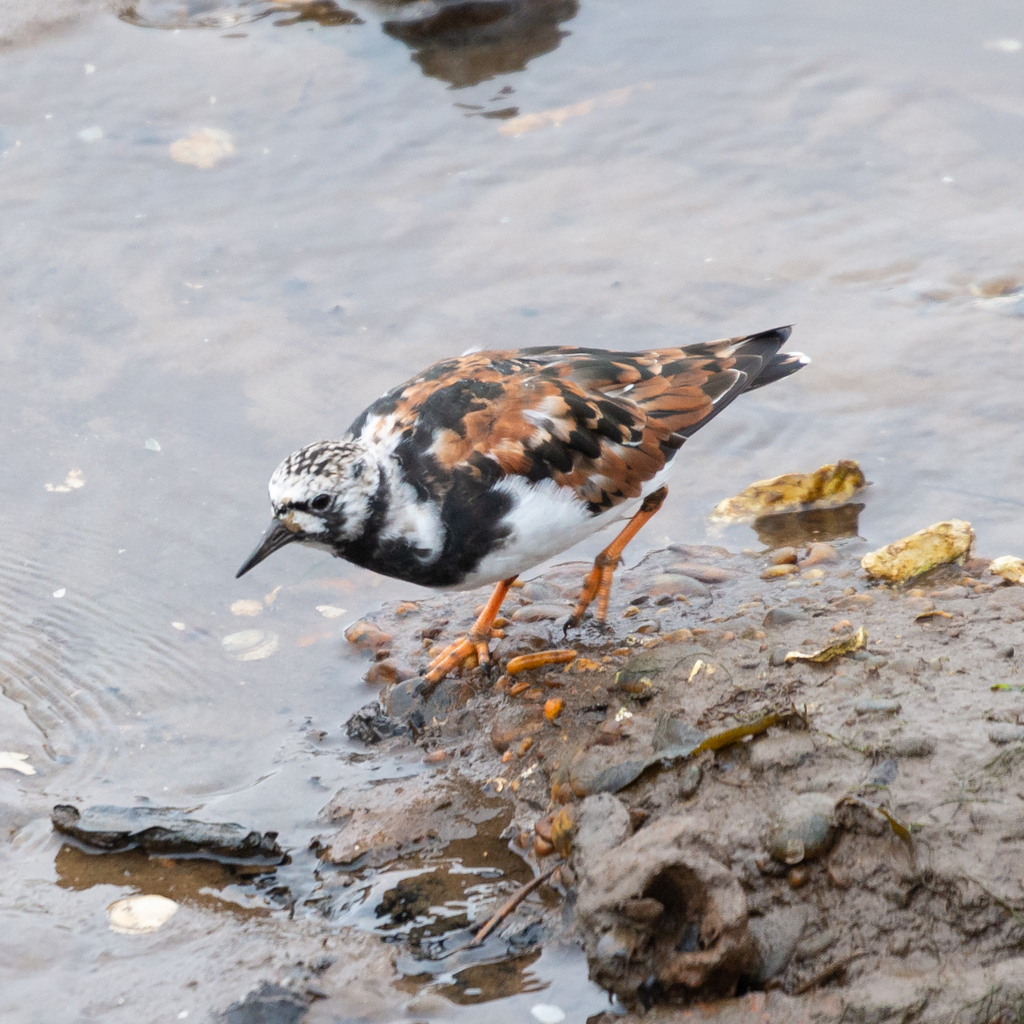
NatureServe Explorer, CC BY 4.0. USGS Gap Analysis Project habitat models.
Sources
- USGS Gap Analysis Project habitat models (2001)
- USGS GAP year-round habitat model for Mottled Duck
- USGS Gap Analysis Project range maps (2001), modeled by watershed; migratory gives no dates
- NatureServe Explorer (CC BY 4.0), habitat names
- US Census TIGER/Line counties
- Names follow the USGS Gap Analysis Project (2001)