

Bird
Louisiana Waterthrush
Seiurus motacilla
A summer resident that nests in Alabama. Found in all 67 counties, across 5 habitats.
- Here
- Summer
- Nesting
- Nests here
- Range
- All 67 counties
- Habitats
- 5

At a glance
- Group
- Birds
- Here
- Summer
- Nesting
- Nests here
- Range
- All 67 counties
- Habitats
- 5
- Habitat models
- Summer
Where it lives
The places its habitat model includes. It is not found everywhere a habitat occurs.
Habitats in Alabama 5
Each habitat page lists the plants and wildlife also found there.
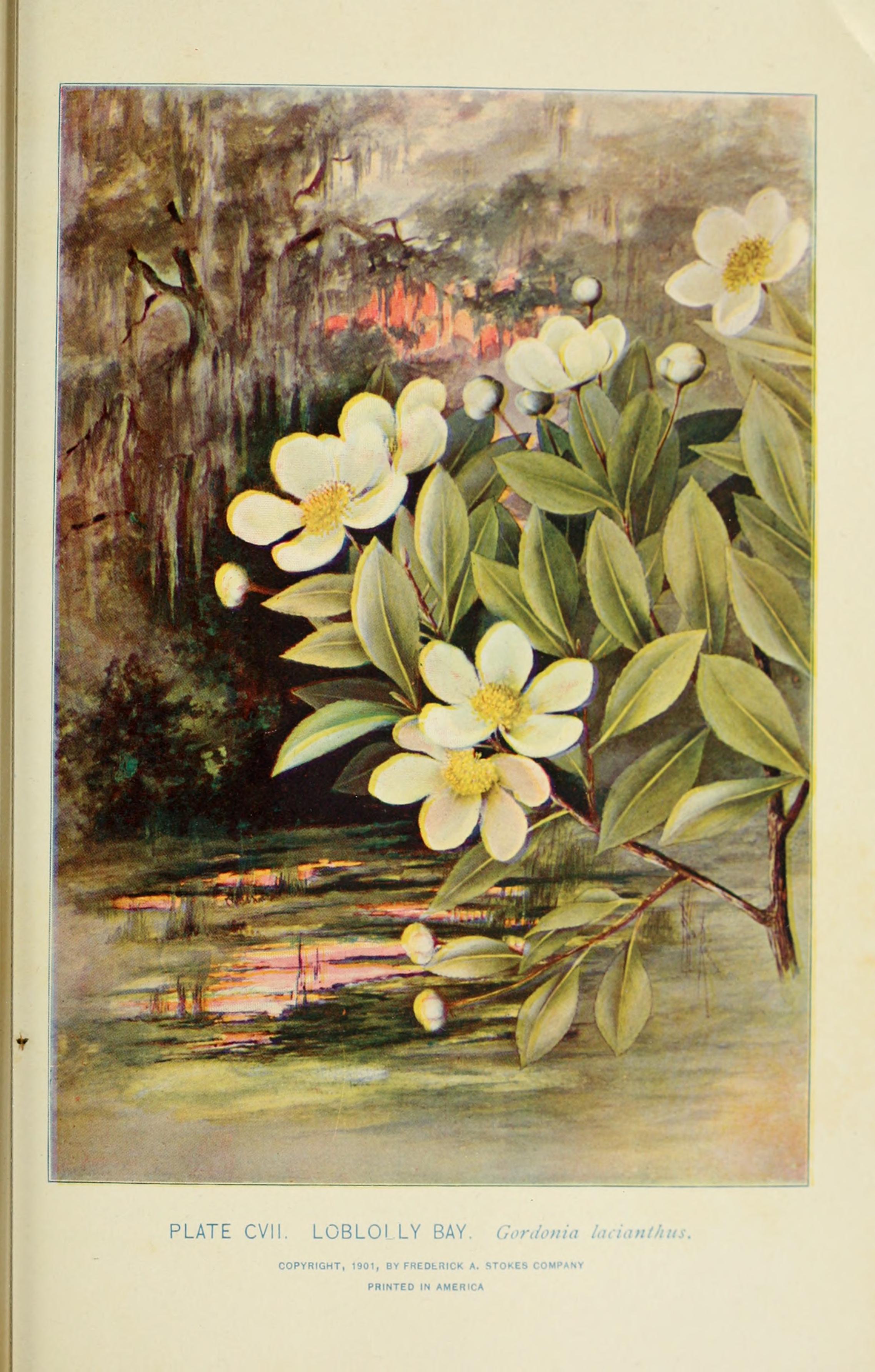
Dense, evergreen groves of live oak, magnolia and other hardwoods in the southern Coastal Plain, from dry oak domes to wet hydric hammocks and south Florida's tropical hammocks; salt-shaped maritime hammocks are maritime forests.
Floodplain and bottomland forests
Forests on low ground beside rivers and streams that flood from time to time.
Streams, rivers and their banks
Flowing water and its banks, bars and rocky shoals.
Forests on moist but not wet ground, such as rich slopes and ravines.
Other habitats in its models (36)
Land cover, or classes with no habitat page in Alabama.
- Central and Southern Appalachian Northern Hardwood Forest Summer, only within 60 m of water.
- Ozark-Ouachita Dry-Mesic Oak Forest Summer, only within 60 m of water.
- Ouachita Montane Oak Forest Summer, only within 60 m of water.
- North-Central Interior Maple-Basswood Forest Summer, only within 60 m of water.
- Central and Southern Appalachian Montane Oak Forest Summer, only within 60 m of water.
- East Gulf Coastal Plain Northern Loess Bluff Forest Summer, only within 60 m of water.
- East Gulf Coastal Plain Southern Loess Bluff Forest Summer, only within 60 m of water.
- East-Central Texas Plains Riparian Forest Summer.
- East-Central Texas Plains Floodplain Forest Summer.
- West Gulf Coastal Plain Mesic Hardwood Forest Summer, only within 60 m of water.
- Ozark-Ouachita Mesic Hardwood Forest Summer, only within 60 m of water.
- Appalachian Hemlock-Hardwood Forest Summer, only within 60 m of water.
- Southern and Central Appalachian Cove Forest Summer, only within 60 m of water.
- Atlantic Coastal Plain Mesic Hardwood and Mixed Forest Summer, only within 60 m of water.
- West Gulf Coastal Plain Seepage Swamp and Baygall Summer.
- Northern Atlantic Coastal Plain Basin Swamp and Wet Hardwood Forest Summer.
- Atlantic Coastal Plain Nonriverine Swamp and Wet Hardwood Forest - Taxodium/Nyssa Modifier Summer.
- Atlantic Coastal Plain Nonriverine Swamp and Wet Hardwood Forest - Oak Dominated Modifier Summer.
- Lower Mississippi River Bottomland Depressions - Forest Modifier Summer.
- South Florida Cypress Dome Summer.
- Mississippi River Bottomland Depression Summer.
- Atlantic Coastal Plain Blackwater Stream Floodplain Forest - Forest Modifier Summer.
- Central Appalachian Floodplain - Forest Modifier Summer.
- Central Appalachian Riparian - Forest Modifier Summer.
- Mississippi River Riparian Forest Summer.
- Mississippi River Low Floodplain (Bottomland) Forest Summer.
- West Gulf Coastal Plain Small Stream and River Forest Summer.
- West Gulf Coastal Plain Large River Floodplain Forest Summer.
- Atlantic Coastal Plain Small Brownwater River Floodplain Forest Summer.
- Atlantic Coastal Plain Small Blackwater River Floodplain Forest Summer.
- Red River Large Floodplain Forest Summer.
- Atlantic Coastal Plain Brownwater Stream Floodplain Forest Summer.
- Mississippi River Floodplain and Riparian Forest Summer.
- Ozark-Ouachita Riparian Summer.
- North-Central Interior Wet Flatwoods Summer.
- Lower Mississippi River Flatwoods Summer, only within 60 m of water.
Seasons in Alabama
- Summer: nests here, in all 67 counties.
Also found in this habitat
Plants 722
Plants named in NatureServe descriptions of these habitats that grow in Alabama. Shared habitat, not food.
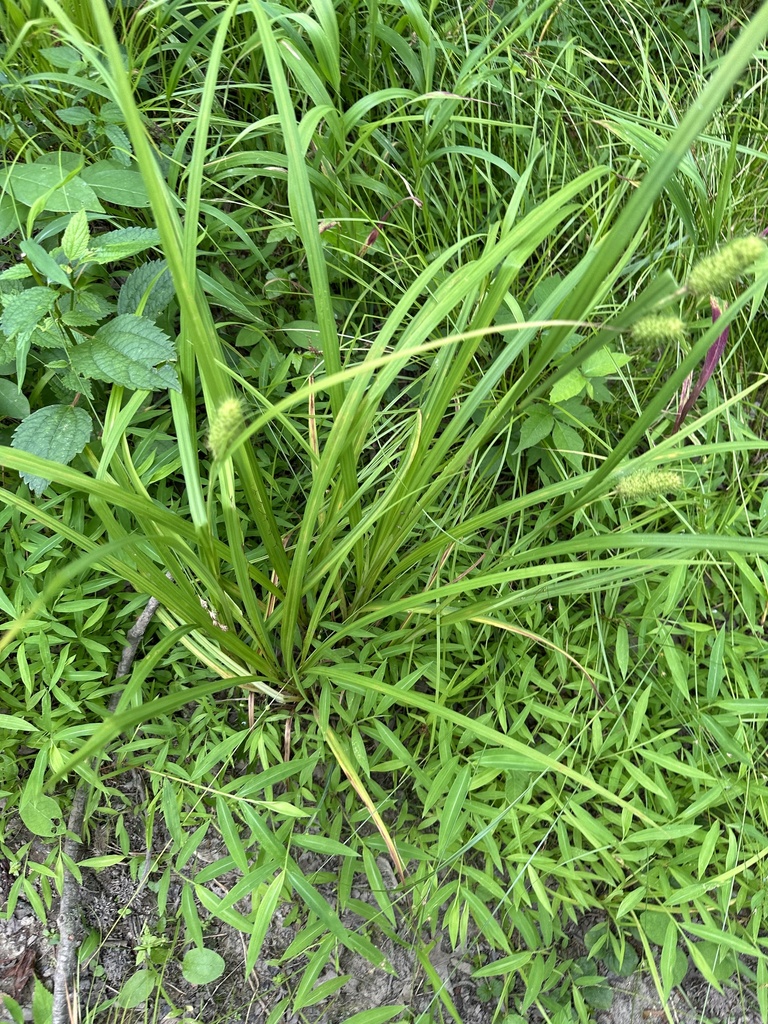
- Sallow SedgeCarex lurida
- Sharp-scale SedgeCarex oxylepis
- Plantainleaf SedgeCarex plantaginea
- Lined SedgeCarex striatula
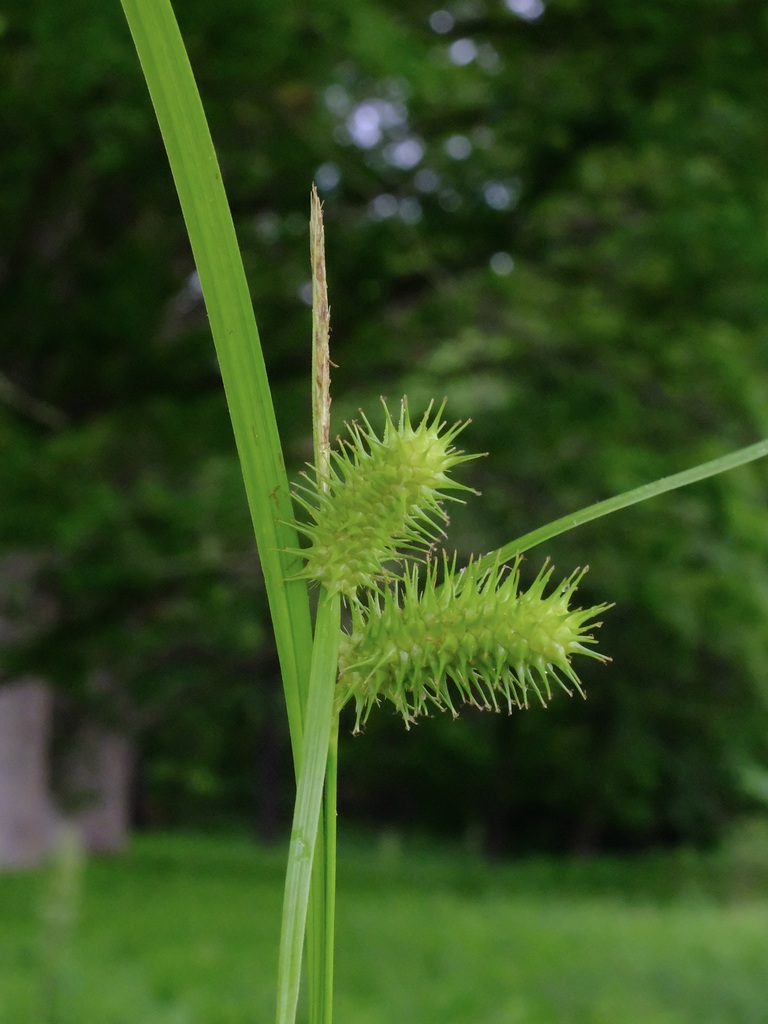
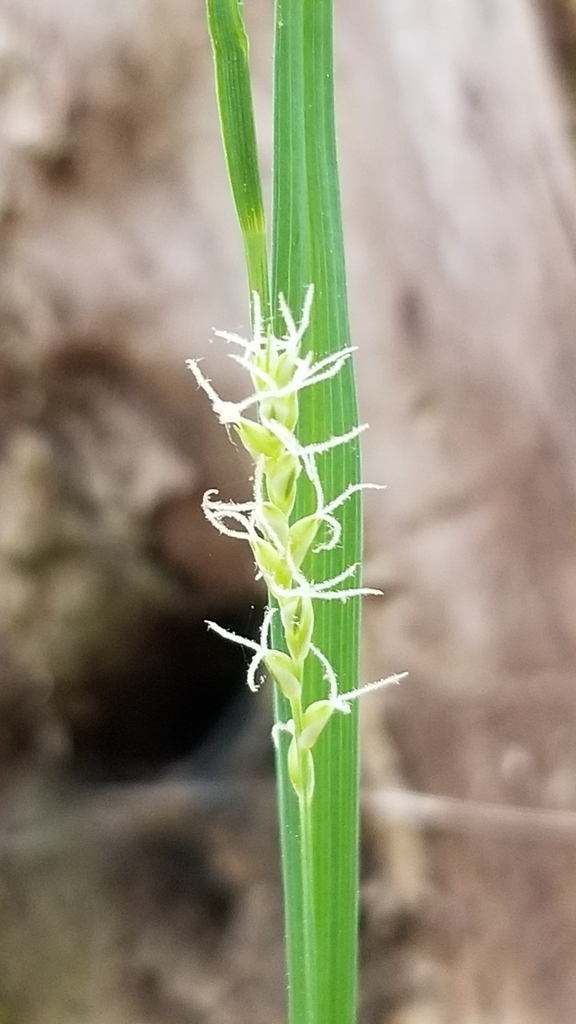
- Cattail SedgeCarex typhina
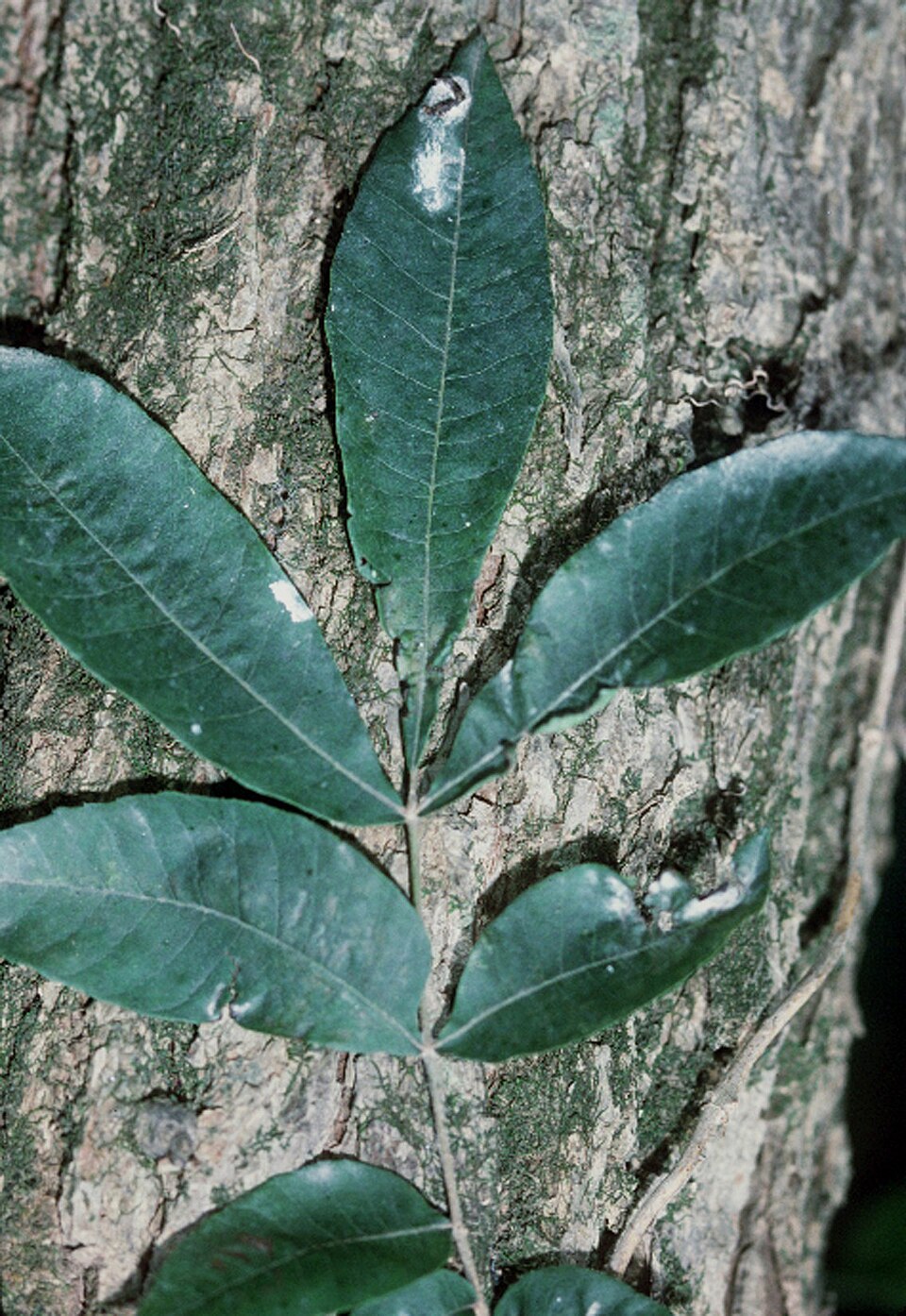
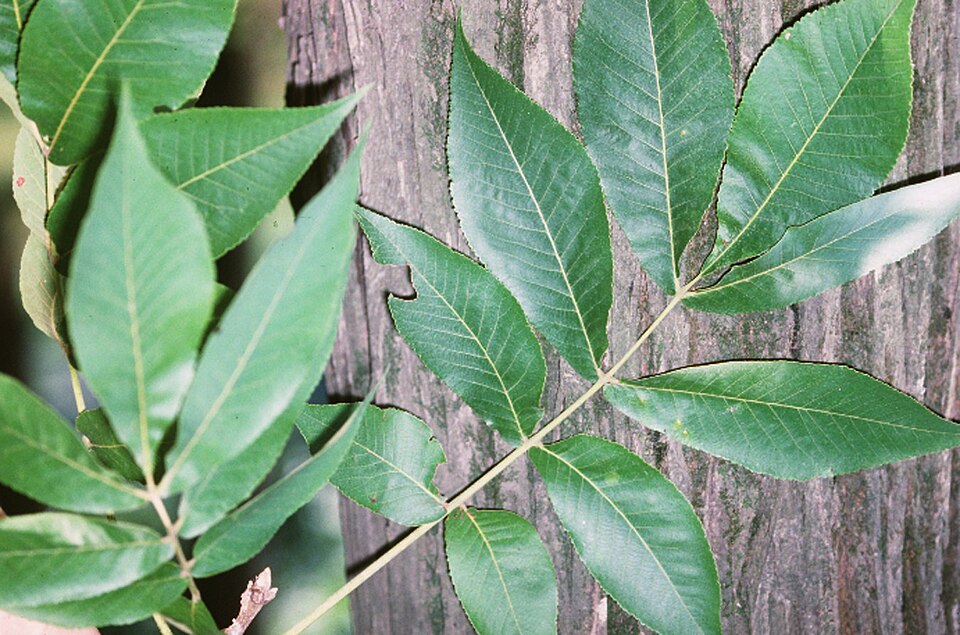
- Water HickoryCarya aquatica
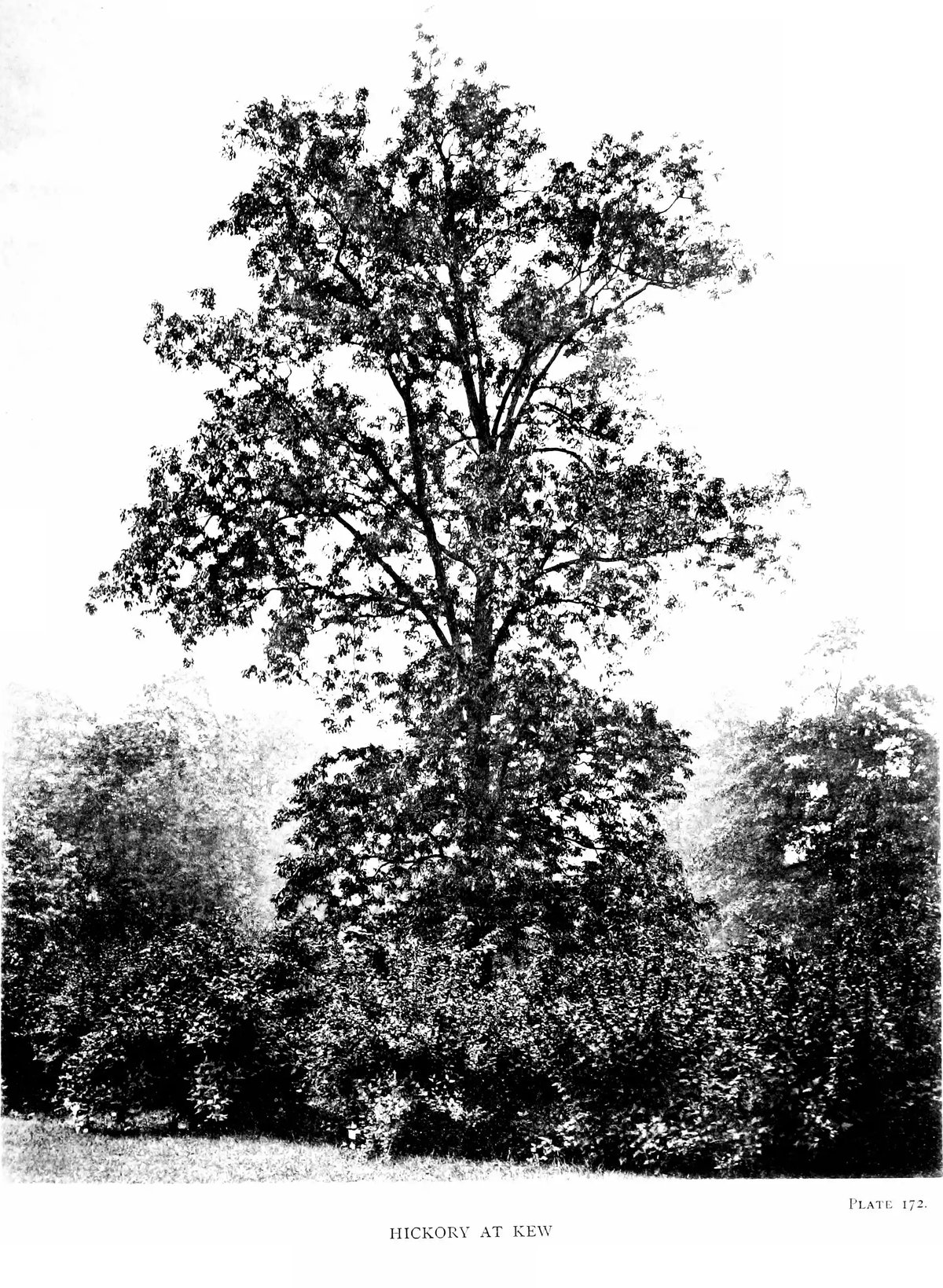
- Southern Shagbark HickoryCarya carolinae-septentrionalis
- Shellbark HickoryCarya laciniosa
- Red HickoryCarya ovalis
- Southern CatalpaCatalpa bignonioides
- Common Blue CohoshCaulophyllum thalictroides
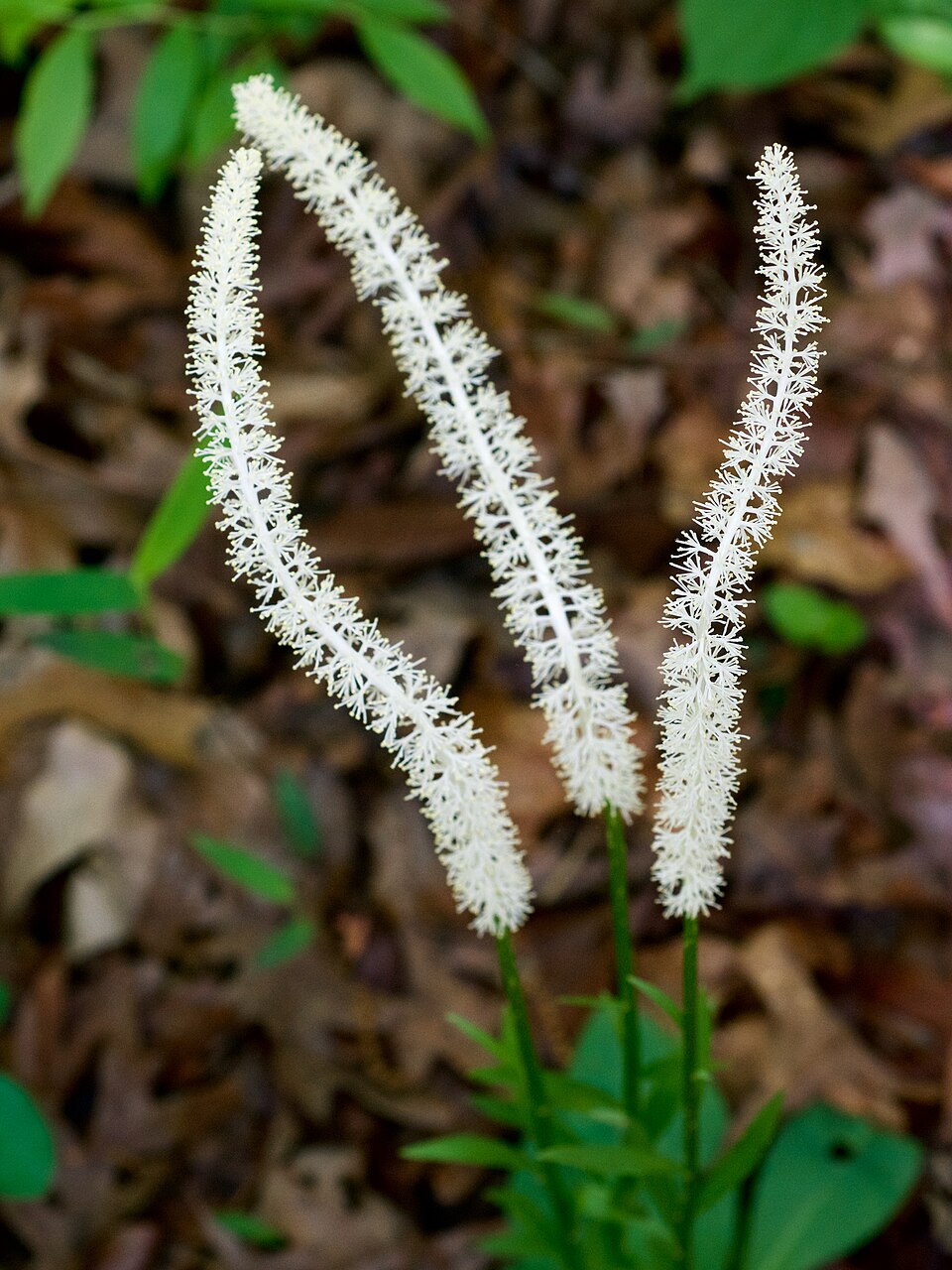
- Devil's-bitChamaelirium luteum
- Slender SpikegrassChasmanthium laxum
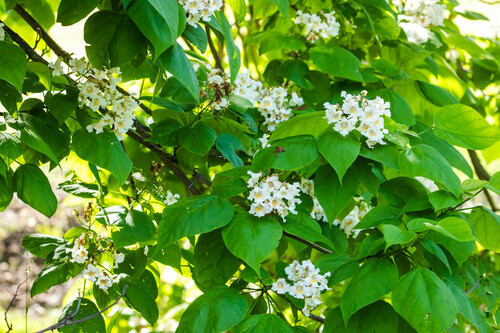
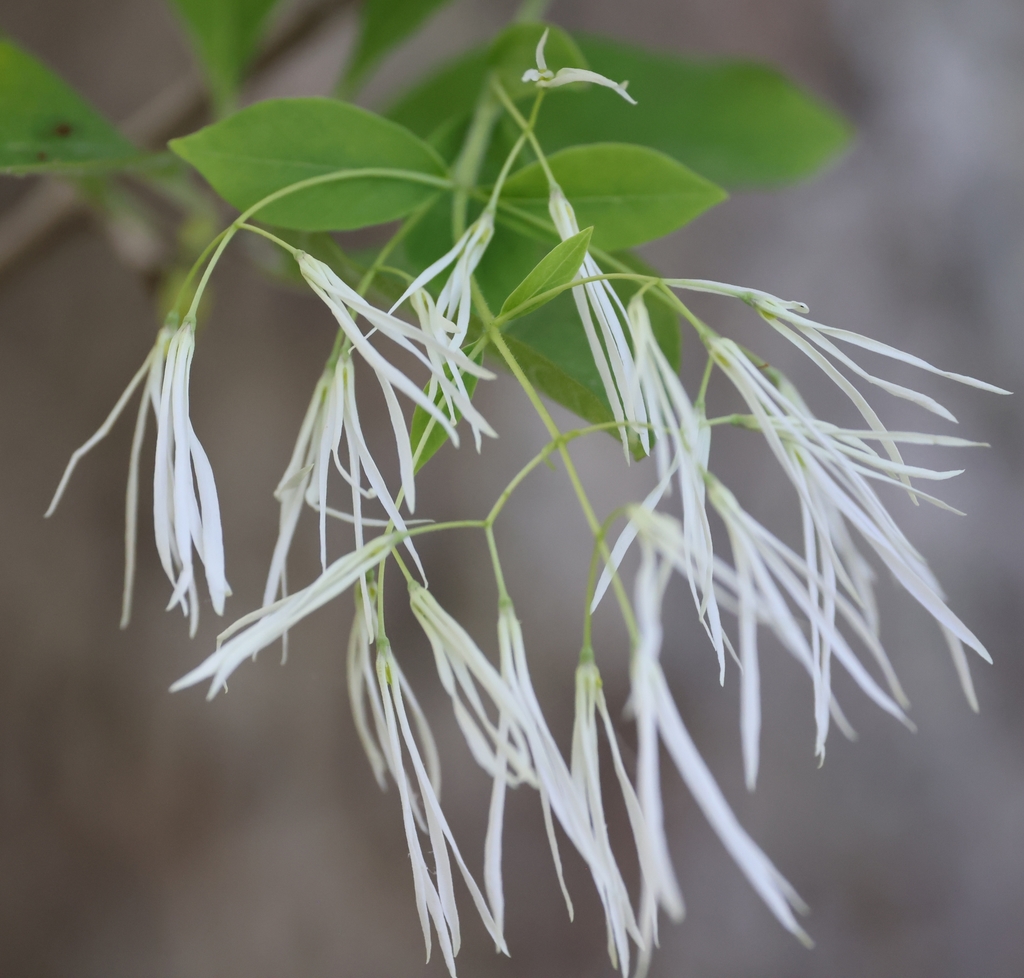
- FringetreeChionanthus virginicus
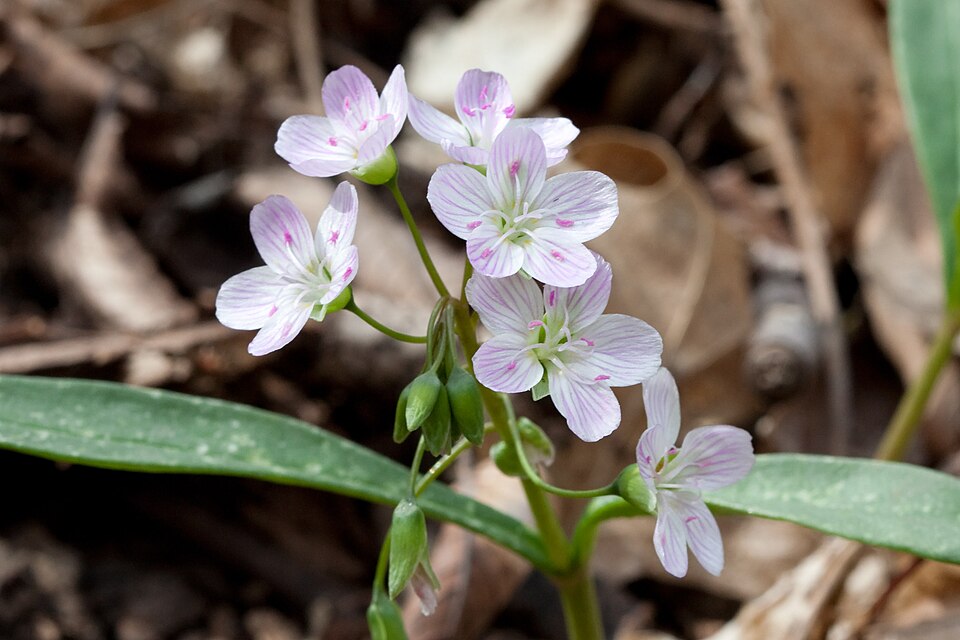
- Virginia Spring-beautyClaytonia virginica
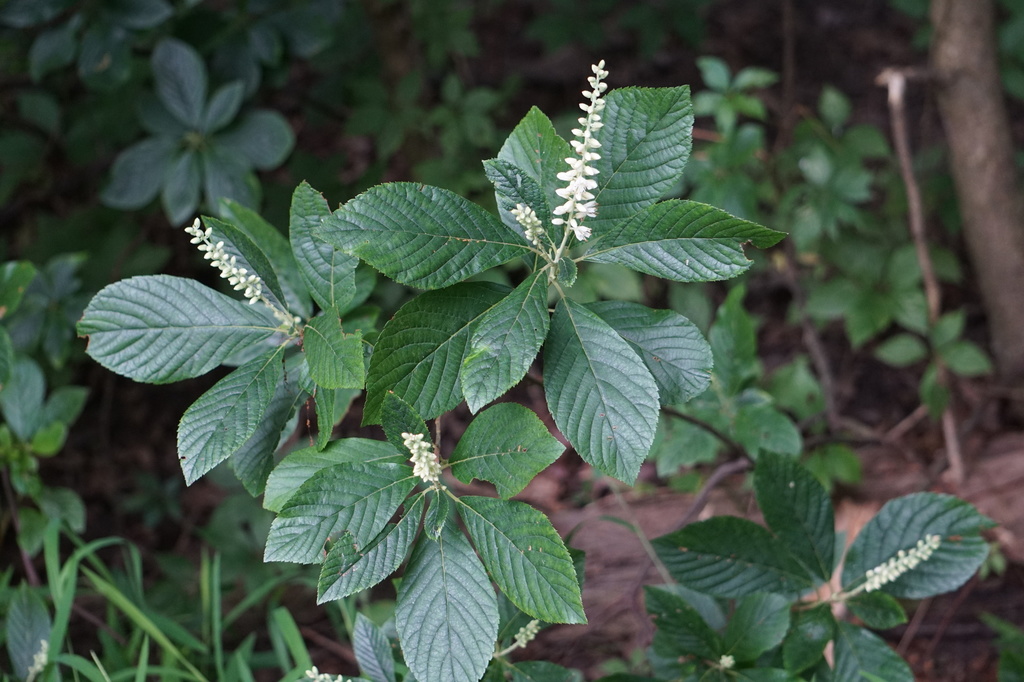
- Coastal Sweet-pepperbushClethra alnifolia
- Cliftonia monophyllaCliftonia monophylla
- Stalked PanicgrassColeataenia stipitata
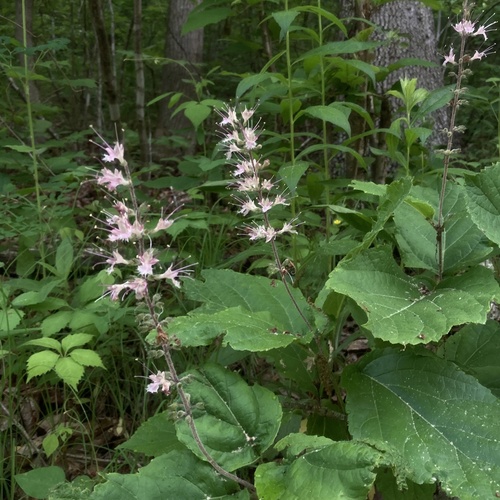
- Whorled HorsebalmCollinsonia verticillata
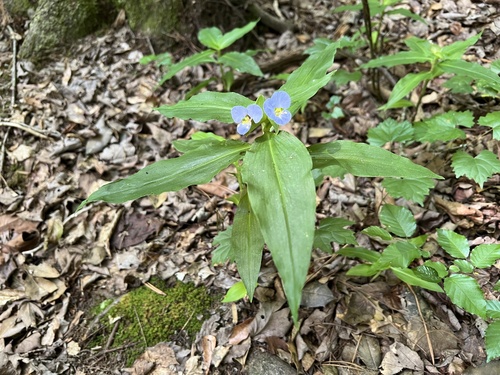
- Virginia DayflowerCommelina virginica
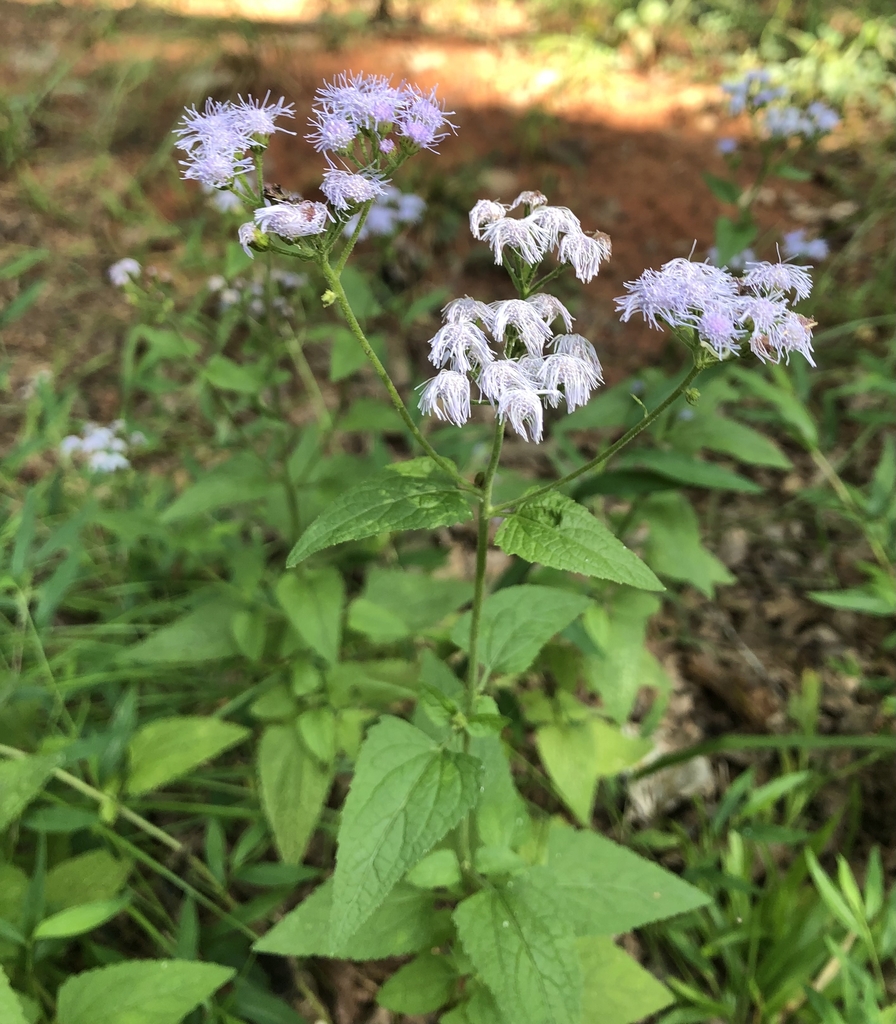
- Blue MistflowerConoclinium coelestinum
- Catesby's BindweedConvolvulus catesbyanus
- Lookout Mountain CoreopsisCoreopsis pulchra
- Rough Leaf DogwoodCornus drummondii
Wildlife 180
Other animals whose habitat models include the same habitats in Alabama. Not sighting records.
- Acadian FlycatcherEmpidonax virescens
- American CrowCorvus brachyrhynchos
- American GoldfinchCarduelis tristis
- American KestrelFalco sparverius
- American RedstartSetophaga ruticilla
- American RobinTurdus migratorius
- Bald EagleHaliaeetus leucocephalus
- Barred OwlStrix varia
- Belted KingfisherMegaceryle alcyon
- Black VultureCoragyps atratus
- Black-and-White WarblerMniotilta varia
- Black-crowned Night-heronNycticorax nycticorax
- Blue GrosbeakPasserina caerulea
- Blue JayCyanocitta cristata
- Blue-gray GnatcatcherPolioptila caerulea
- Broad-winged HawkButeo platypterus
- Brown CreeperCerthia americana
- Carolina ChickadeePoecile carolinensis
- Carolina WrenThryothorus ludovicianus
- Cedar WaxwingBombycilla cedrorum
- Chimney SwiftChaetura pelagica
- Common GrackleQuiscalus quiscula
- Common NighthawkChordeiles minor
- Cooper's HawkAccipiter cooperii
























NatureServe Explorer, CC BY 4.0. USGS Gap Analysis Project habitat models.
Sources
- USGS Gap Analysis Project habitat models (2001)
- USGS GAP summer habitat model for Louisiana Waterthrush Fresh water only
- USGS Gap Analysis Project range maps (2001), modeled by watershed; migratory gives no dates
- NatureServe Explorer (CC BY 4.0), habitat names
- US Census TIGER/Line counties
- Names follow the USGS Gap Analysis Project (2001)