

Bird
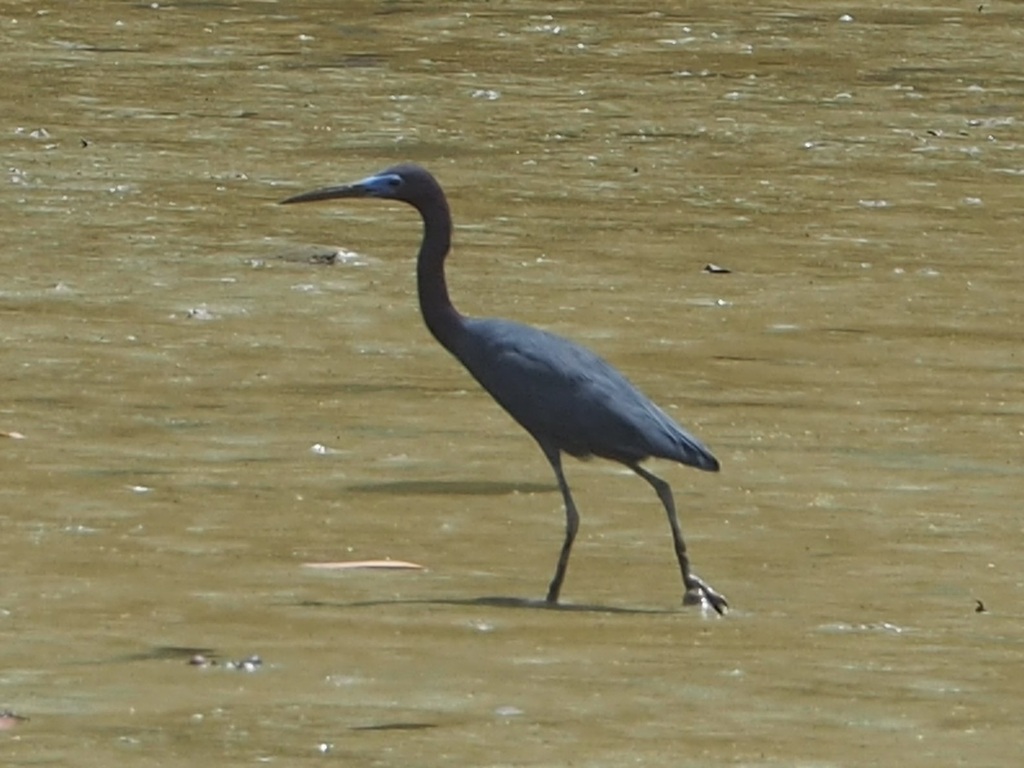
Little Blue Heron
Egretta caerulea
Lives in Alabama all year and nests here. Found in all 67 counties, across 14 habitats.
- Here
- All year
- Nesting
- Nests here
- Range
- All 67 counties
- Habitats
- 14
At a glance
- Group
- Birds
- Here
- All year
- Nesting
- Nests here
- Range
- All 67 counties
- Habitats
- 14
- Habitat models
- Summer, Winter
Where it lives
The places its habitat model includes. It is not found everywhere a habitat occurs.
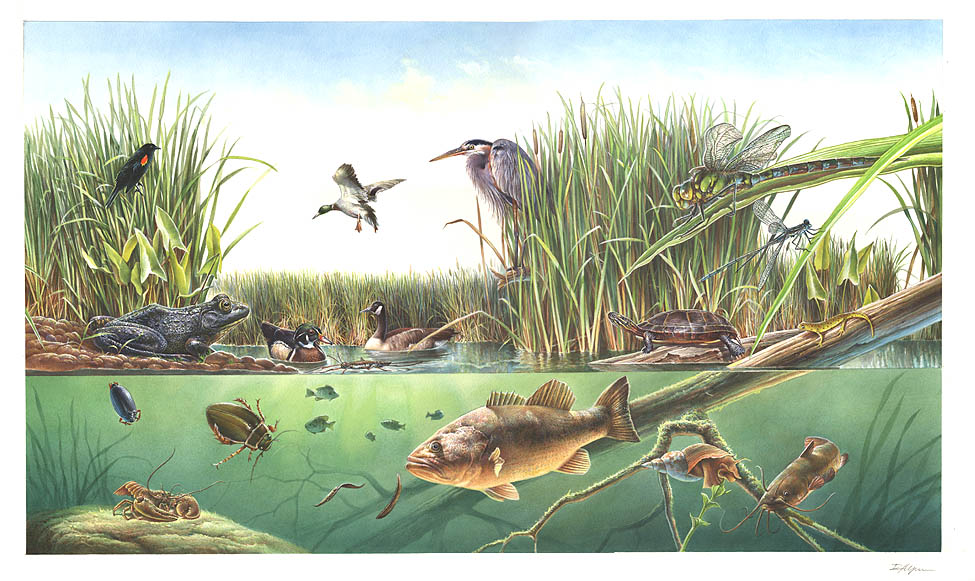
Habitats in Alabama 14
Each habitat page lists the plants and wildlife also found there.
Open sand of beaches, dunes and the hollows between them.
Dense, evergreen groves of live oak, magnolia and other hardwoods in the southern Coastal Plain, from dry oak domes to wet hydric hammocks and south Florida's tropical hammocks; salt-shaped maritime hammocks are maritime forests.
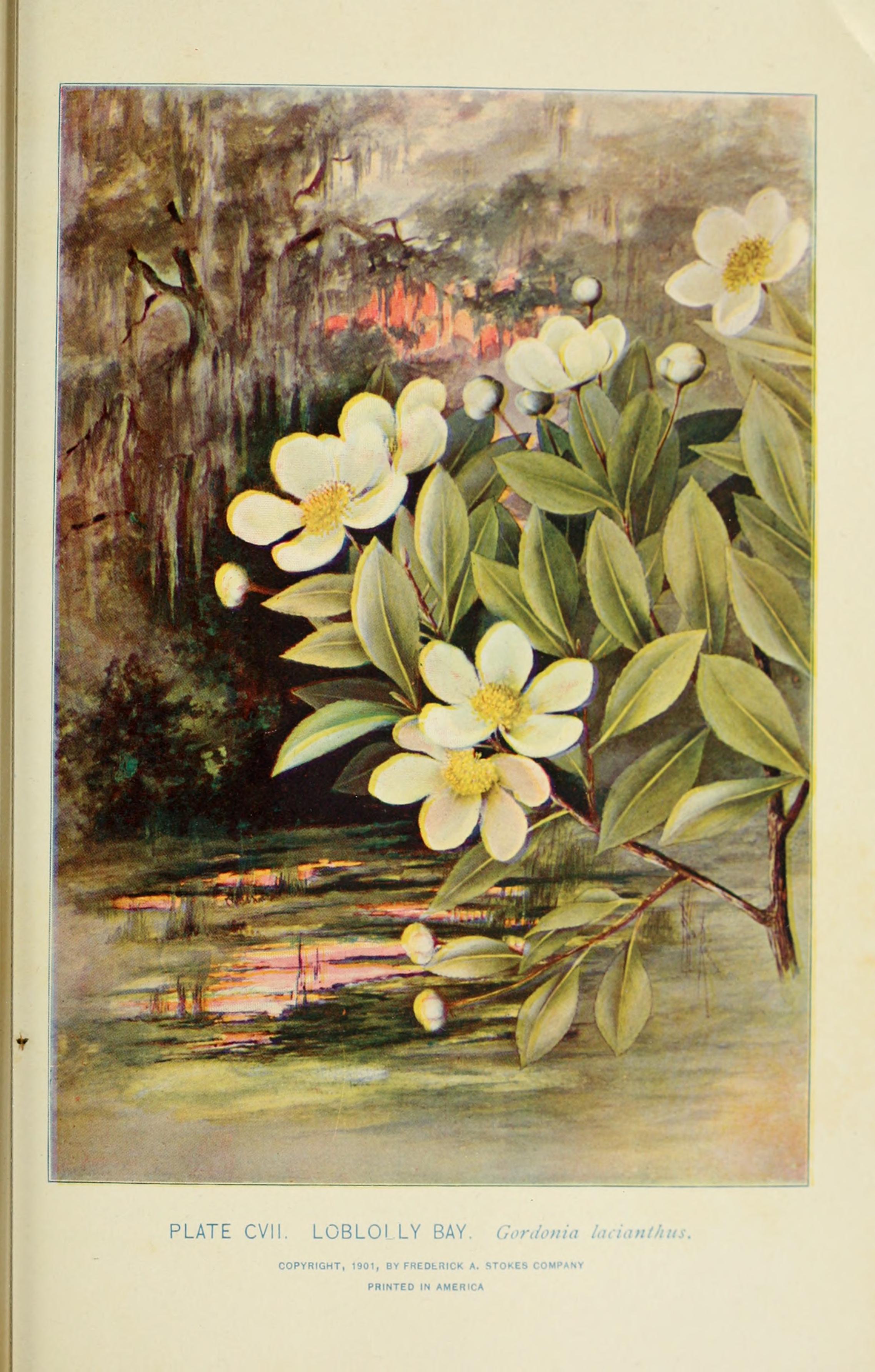
Open, wet, seepage-fed bogs of the Coastal Plain and Sandhills, often with pitcher plants.
Disturbed and introduced wetlands
Wet ground taken over by weedy or introduced plants after disturbance, such as common reed, Chinese tallow or tamarisk stands; the upland counterpart is roadsides, fields and disturbed ground.
Open, fire-kept longleaf pine stands over grasses and wildflowers on wet to moist sandy soil.
Coastal marshes flooded by salty or brackish tides.
Salt and brackish open water of sounds, bays and estuaries, with the mud and sand flats and seagrass beds that tides cover and uncover; the vegetated marsh is salt and brackish marshes.
Streams, rivers and their banks
Flowing water and its banks, bars and rocky shoals.
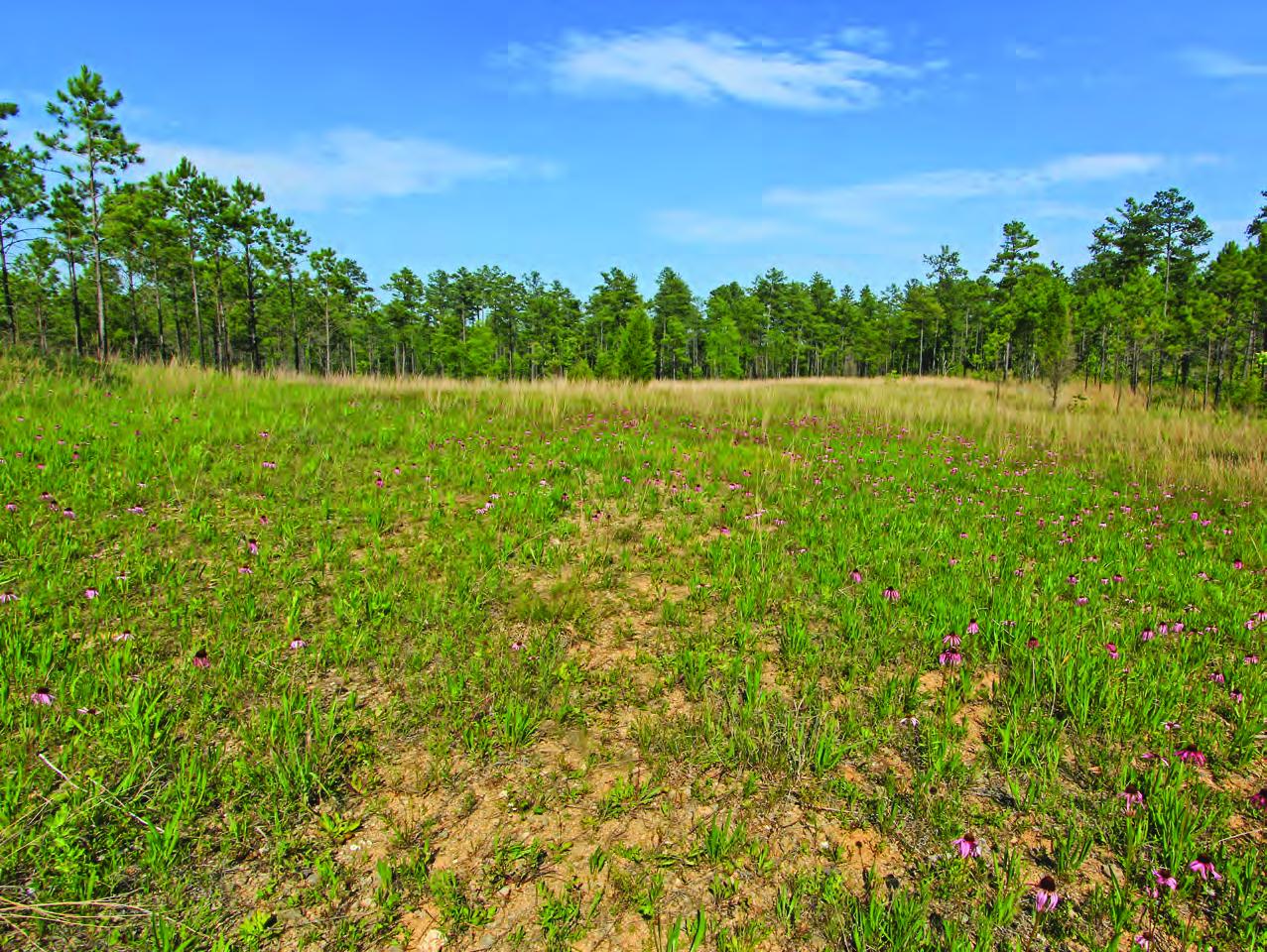
Flat, poorly drained uplands and terraces with oaks, sweetgum and sometimes loblolly pine, wet in winter and dry in summer, but neither a floodplain nor a swamp.
Flat, sandy Coastal Plain pine woodlands, wetter than sandhills and denser than savannas.
Other habitats in its models (44)
Land cover, or classes with no habitat page in Alabama.
- Open Water (Aquaculture) Summer and winter.
- Unconsolidated Shore (Lake/River/Pond) Summer and winter.
- Unconsolidated Shore Summer and winter.
- Southeast Florida Beach Winter.
- South Florida Shell Hash Beach Winter.
- Southwest Florida Beach Winter.
- Atlantic Coastal Plain Xeric River Dune Summer and winter.
- Florida Dry Prairie Winter, only within 250 m of water.
- Southwest Florida Dune and Coastal Grassland Winter.
- Atlantic Coastal Plain Central Salt and Brackish Tidal Marsh Summer and winter.
- Atlantic Coastal Plain Indian River Lagoon Tidal Marsh Summer and winter.
- Atlantic Coastal Plain Embayed Region Tidal Salt and Brackish Marsh Summer and winter.
- Atlantic Coastal Plain Northern Tidal Salt Marsh Summer and winter.
- Florida Big Bend Salt-Brackish Tidal Marsh Summer and winter.
- Southern Coastal Plain Nonriverine Basin Swamp - Okefenokee Pine Modifier Summer and winter.
- Atlantic Coastal Plain Clay-Based Carolina Bay Herbaceous Wetland Summer and winter.
- Atlantic Coastal Plain Peatland Pocosin Summer and winter.
- Atlantic Coastal Plain Streamhead Seepage Swamp - Pocosin - and Baygall Summer and winter.
- Atlantic Coastal Plain Large Natural Lakeshore Summer and winter.
- Atlantic Coastal Plain Southern Tidal Wooded Swamp Summer and winter.
- South Florida Everglades Sawgrass Marsh Summer and winter.
- Floridian Highlands Freshwater Marsh Summer and winter.
- Atlantic Coastal Plain Embayed Region Tidal Freshwater Marsh Summer and winter.
- Central Florida Herbaceous Seep Summer and winter.
- Florida Big Bend Fresh-Oligohaline Tidal Marsh Summer and winter.
- Atlantic Coastal Plain Northern Fresh and Oligohaline Tidal Marsh Summer and winter.
- Atlantic Coastal Plain Northern Tidal Wooded Swamp Summer and winter.
- South Florida Mangrove Swamp Summer and winter.
- South Florida Bayhead Swamp Summer and winter.
- Northern Atlantic Coastal Plain Basin Swamp and Wet Hardwood Forest Summer and winter.
- Atlantic Coastal Plain Central Fresh-Oligohaline Tidal Marsh Summer and winter.
- Atlantic Coastal Plain Nonriverine Swamp and Wet Hardwood Forest - Taxodium/Nyssa Modifier Summer and winter.
- Atlantic Coastal Plain Clay-Based Carolina Bay Forested Wetland Summer and winter.
- South Florida Dwarf Cypress Savanna Summer and winter.
- South Florida Wet Marl Prairie Winter.
- Lower Mississippi River Bottomland Depressions - Forest Modifier Summer and winter.
- South Florida Cypress Dome Summer and winter.
- Central Florida Herbaceous Pondshore Summer and winter.
- East Gulf Coastal Plain Southern Depression Pondshore Summer and winter.
- Atlantic Coastal Plain Depression Pondshore Summer and winter.
- South Florida Freshwater Slough and Gator Hole Summer and winter.
- East Gulf Coastal Plain Large River Floodplain Forest - Herbaceous Modifier Summer and winter.
- Mississippi River Low Floodplain (Bottomland) Forest Winter.
- Mississippi River Floodplain and Riparian Forest Winter.
Seasons in Alabama
- Year-round: nests here, in 5 of 67 counties.
- Migratory: does not nest here, in 37 of 67 counties.
- Summer: nests here, in 46 of 67 counties.
Also found in this habitat
Plants 352
Plants named in NatureServe descriptions of these habitats that grow in Alabama. Shared habitat, not food.
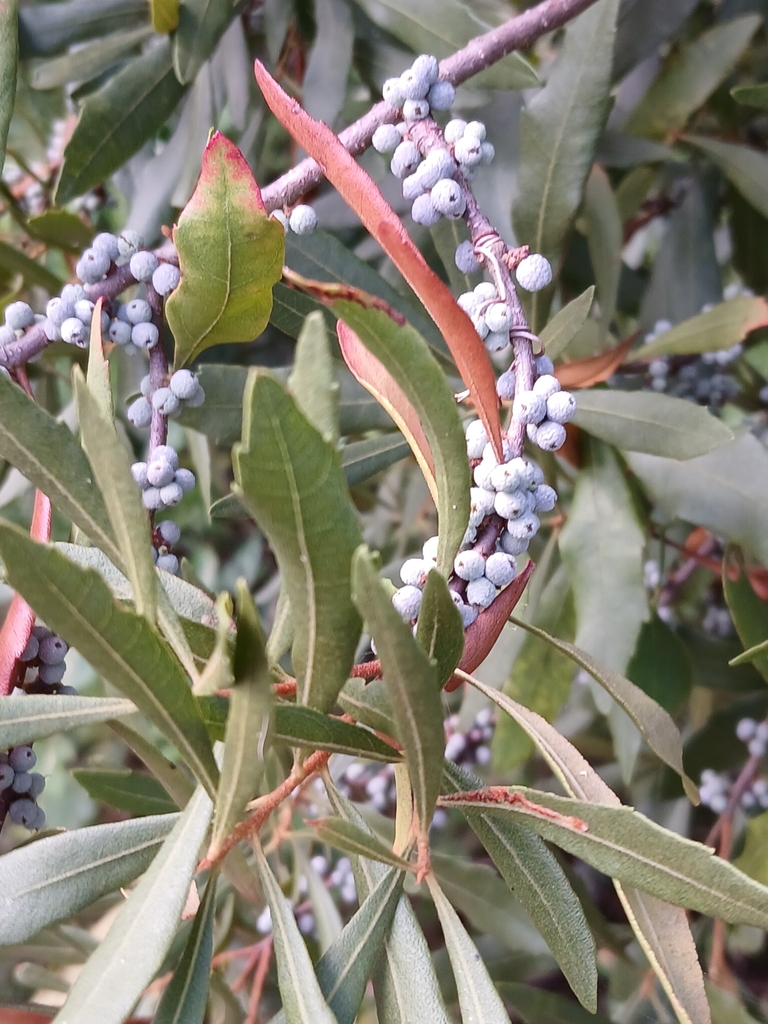
- Common WaxmyrtleMorella cerifera
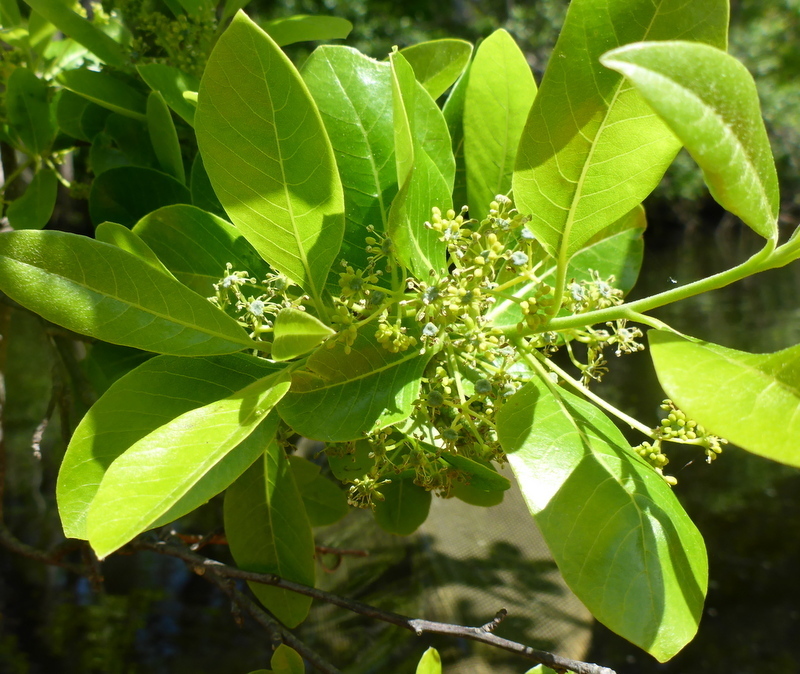
- TitiCyrilla racemiflora
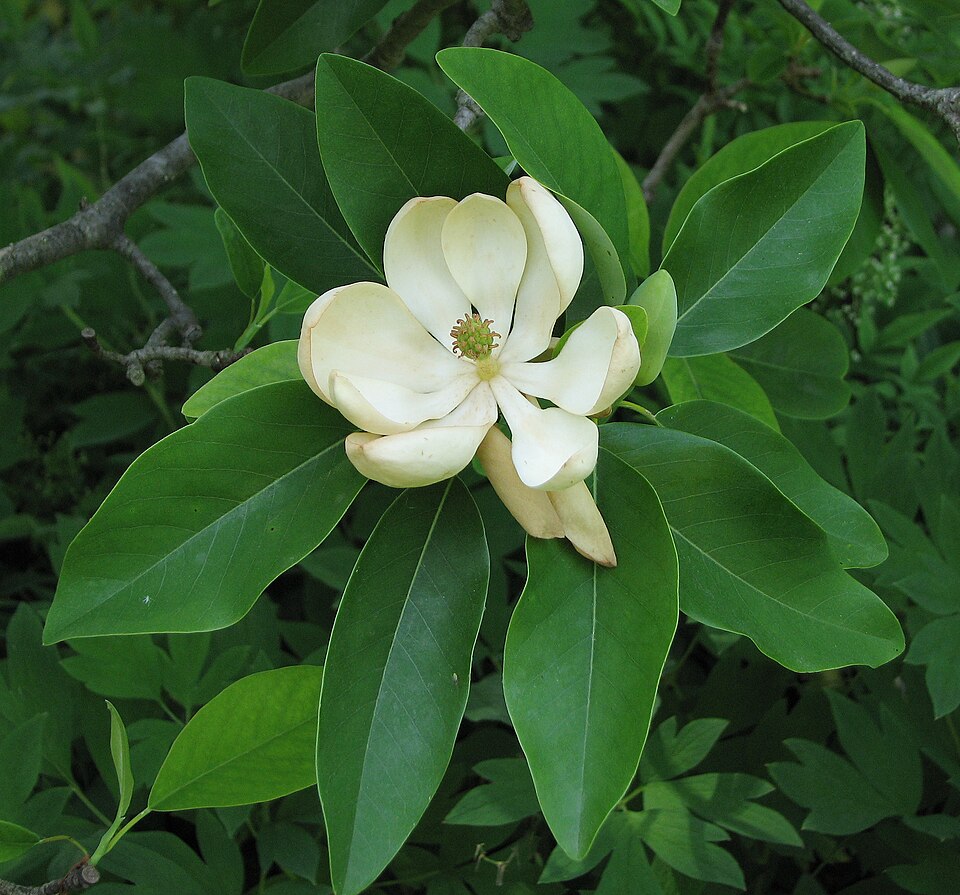
- Sweetbay MagnoliaMagnolia virginiana
- Asclepias viridulaAsclepias viridula
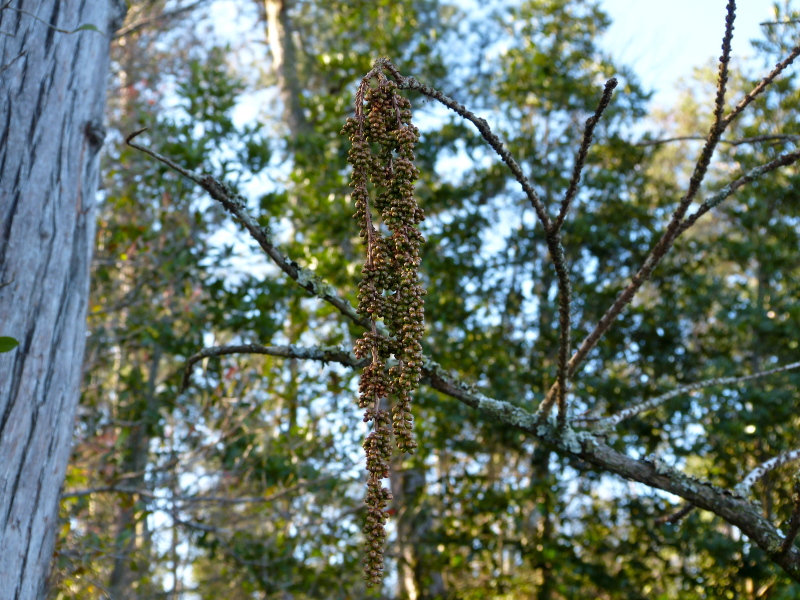
- Swamp TupeloNyssa biflora
- Serenoa repensSerenoa repens
- Sideroxylon thorneiSideroxylon thornei
- Pond CypressTaxodium ascendens
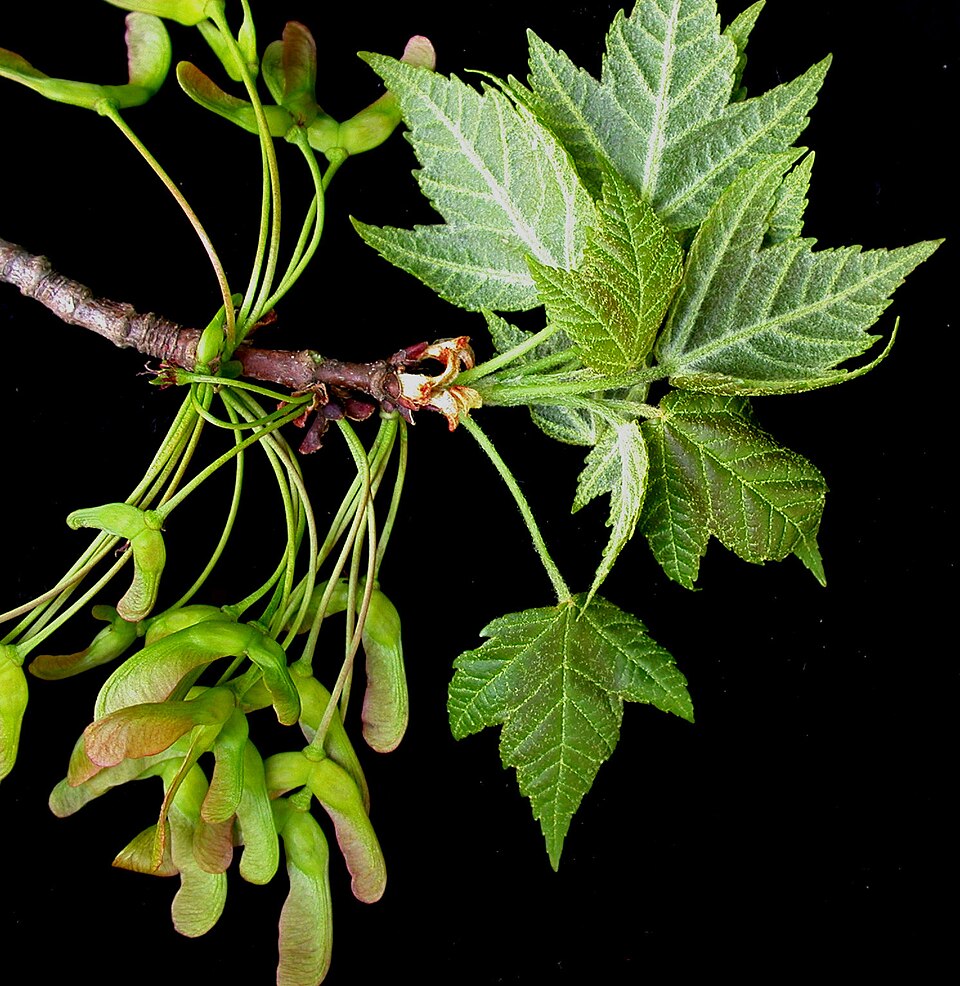
- Red MapleAcer rubrum
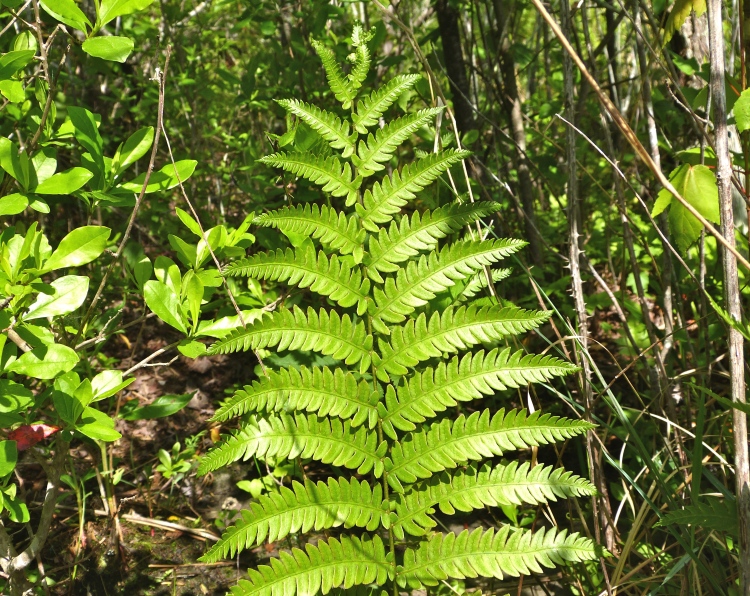
- Virginia Chain-fernAnchistea virginica
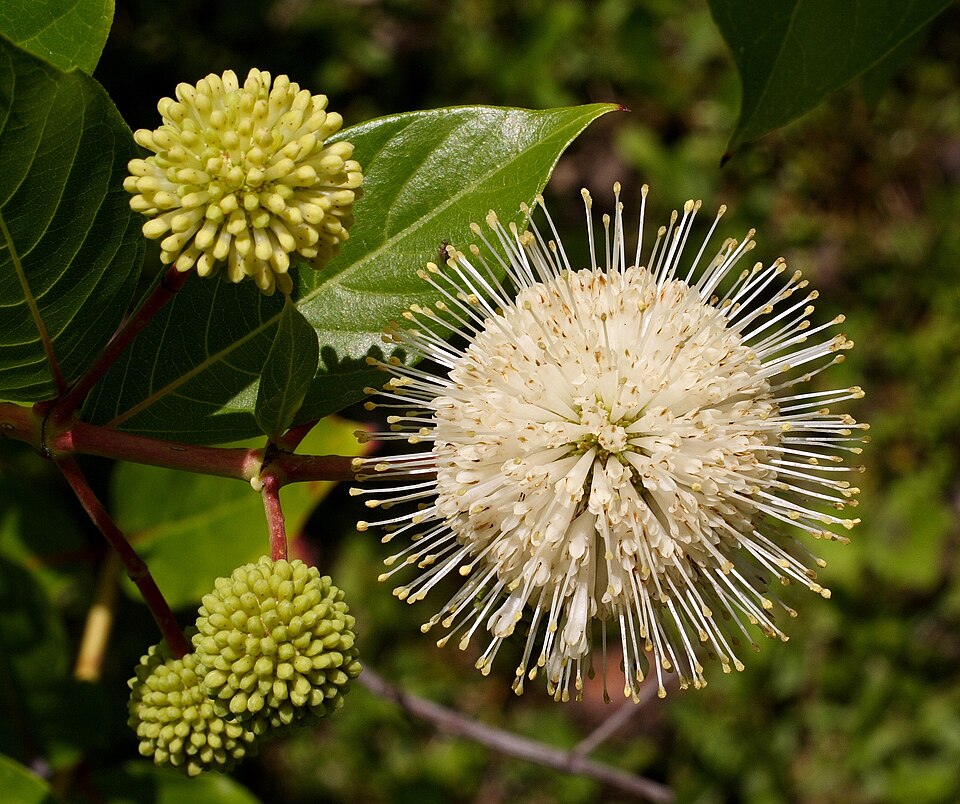
- ButtonbushCephalanthus occidentalis
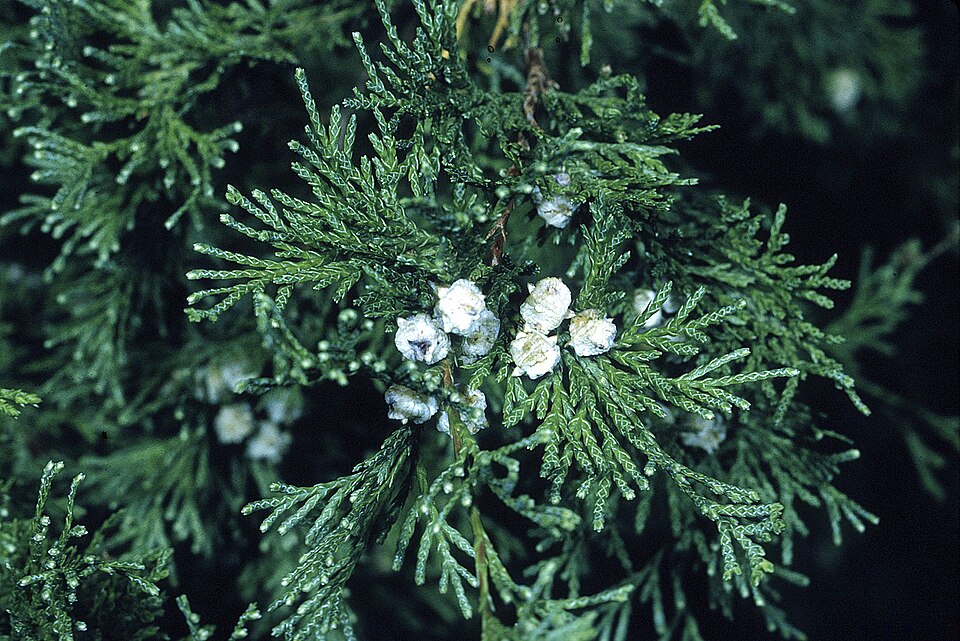
- Atlantic White CedarChamaecyparis thyoides
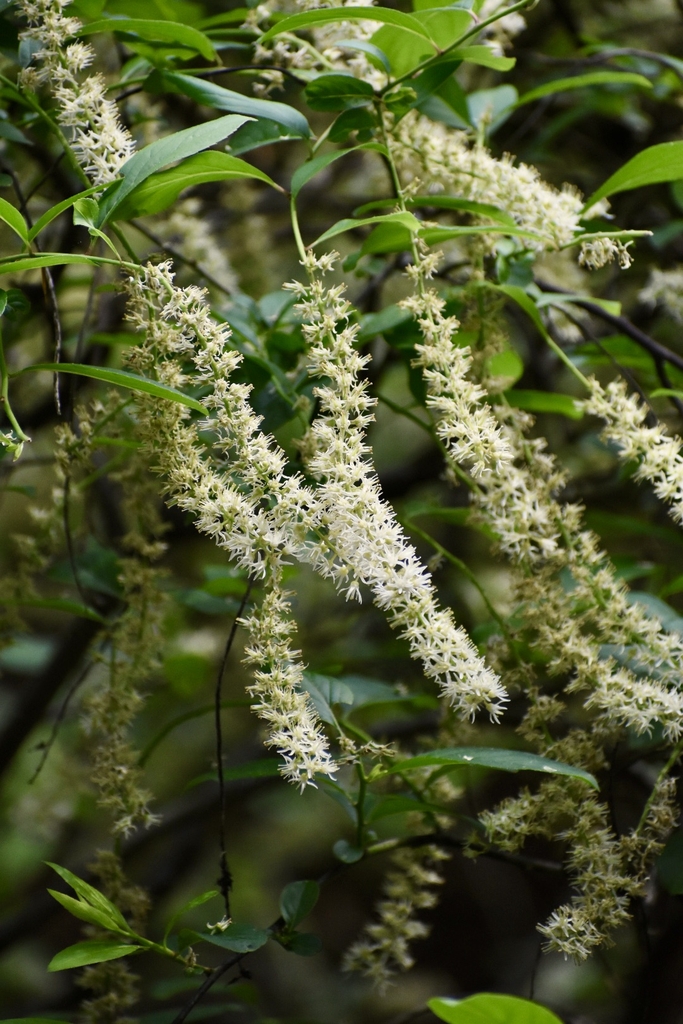
- Virginia SweetspireItea virginica
- PondberryLindera melissifolia
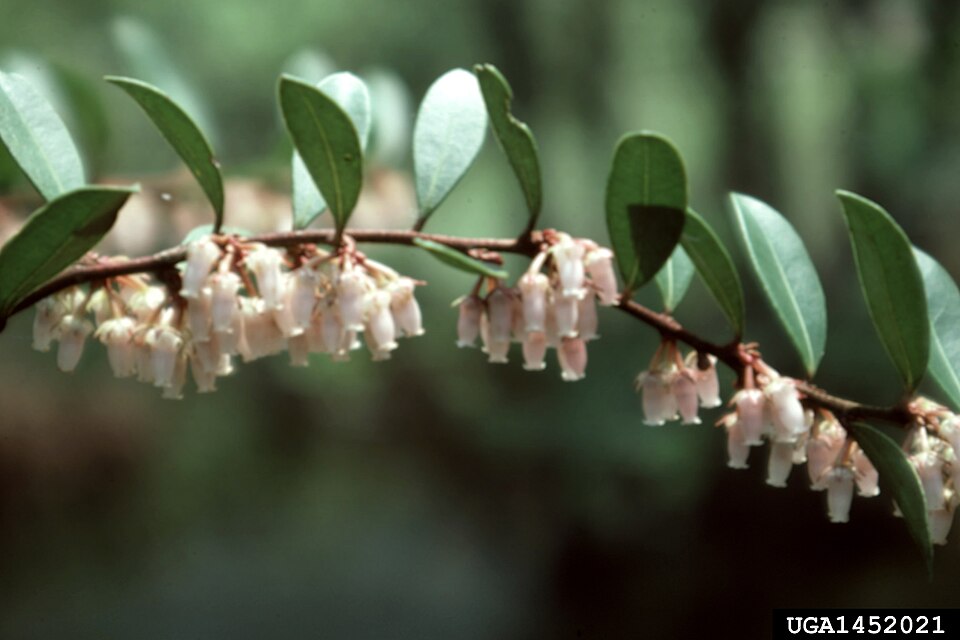
- Shining FetterbushLyonia lucida
- Macranthera flammeaMacranthera flammea
- Pieris phillyreifoliaPieris phillyreifolia
- Pinguicula planifoliaPinguicula planifolia
- Slash PinePinus elliottii
- Rhexia parvifloraRhexia parviflora
- Ruellia noctifloraRuellia noctiflora
- Cabbage PalmettoSabal palmetto
- Southern Waxy SedgeCarex glaucescens
- Cliftonia monophyllaCliftonia monophylla
Wildlife 251
Other animals whose habitat models include the same habitats in Alabama. Not sighting records.
- Blue GrosbeakPasserina caerulea
- Carolina ChickadeePoecile carolinensis
- Chipping SparrowSpizella passerina
- Dark-eyed JuncoJunco hyemalis
- Eastern Wood-peweeContopus virens
- Hairy WoodpeckerPicoides villosus
- Least BitternIxobrychus exilis
- Least FlycatcherEmpidonax minimus
- Lesser YellowlegsTringa flavipes
- Lincoln's SparrowMelospiza lincolnii
- MerlinFalco columbarius
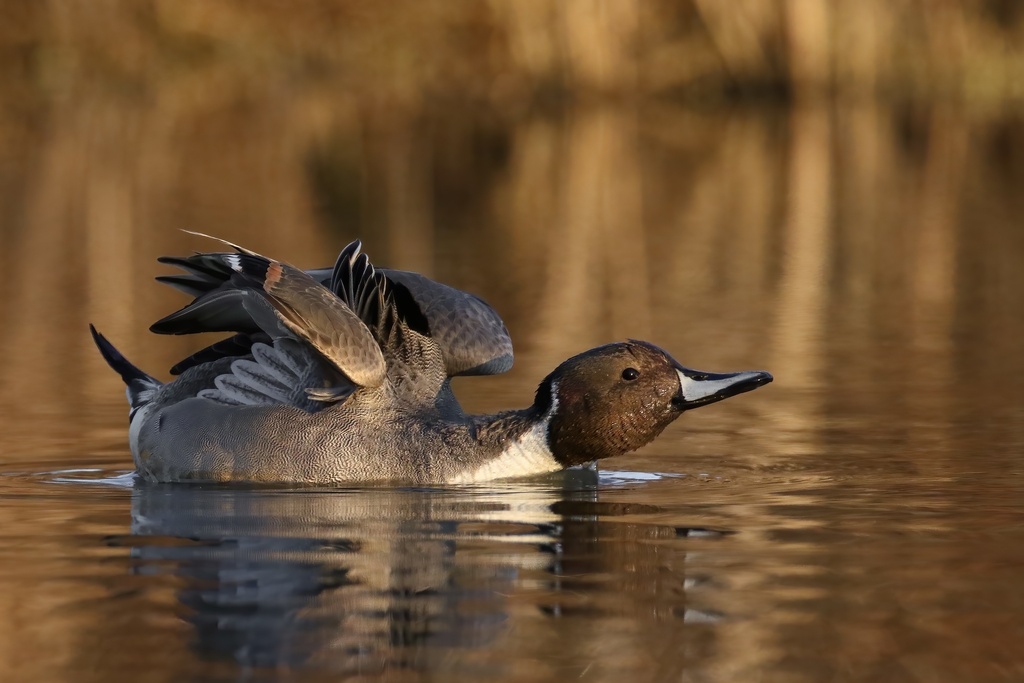
- Northern PintailAnas acuta
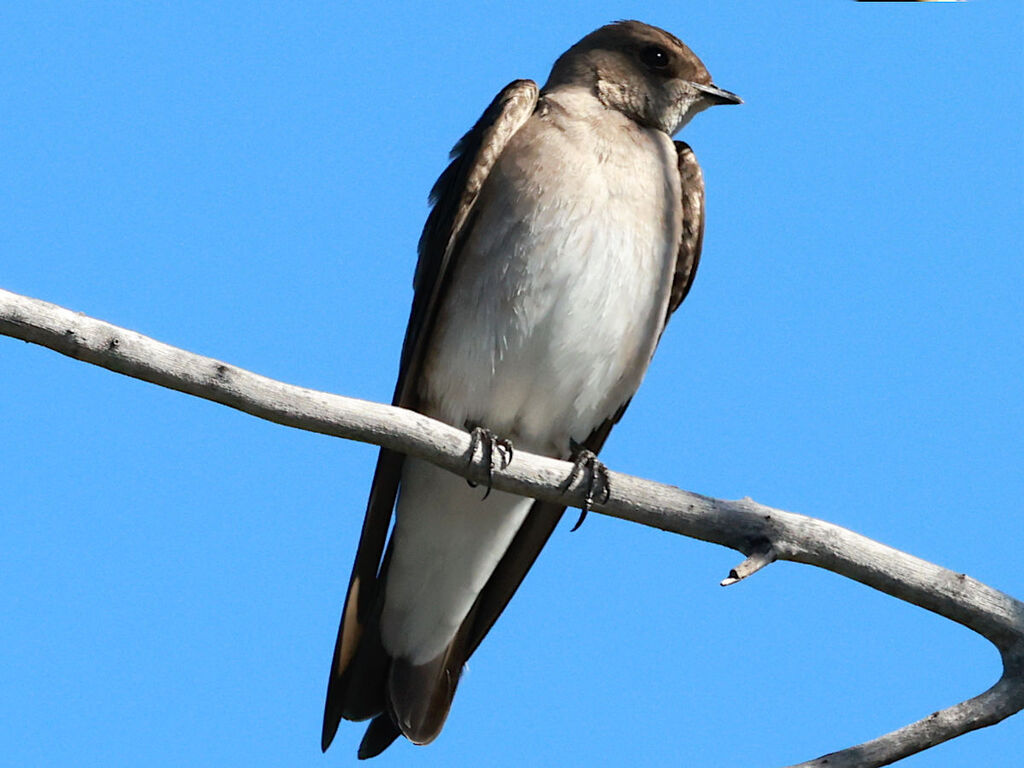
- Northern Rough-winged SwallowStelgidopteryx serripennis
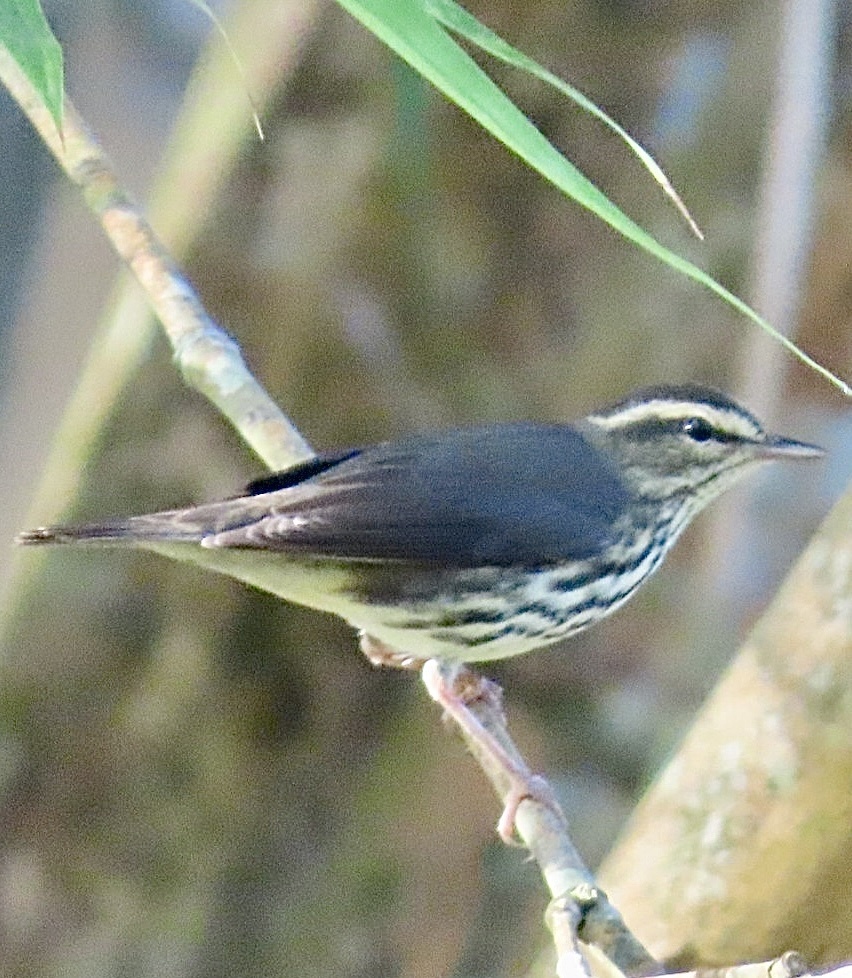
- Northern WaterthrushSeiurus noveboracensis
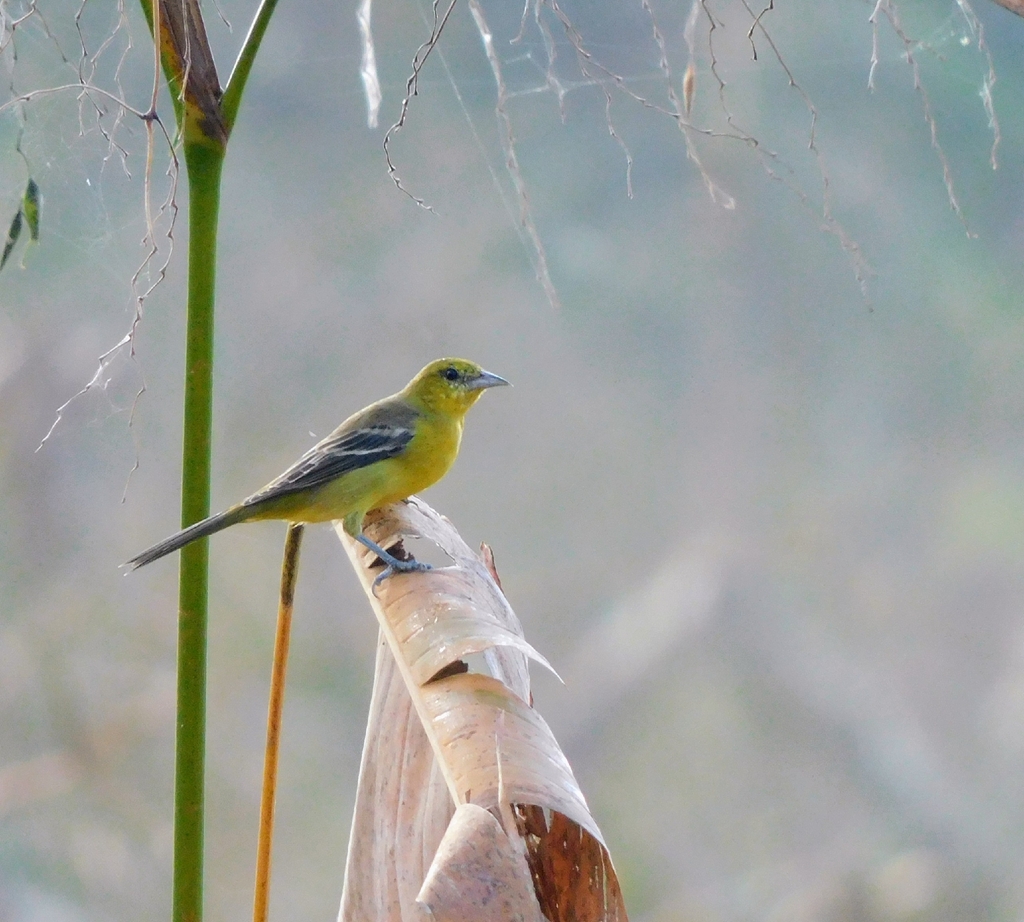
- Orchard OrioleIcterus spurius
- Palm WarblerDendroica palmarum
- Purple FinchCarpodacus purpureus
- Ring-billed GullLarus delawarensis
- Rusty BlackbirdEuphagus carolinus
- Savannah SparrowPasserculus sandwichensis
- Semipalmated PloverCharadrius semipalmatus
- Song SparrowMelospiza melodia
- Stilt SandpiperCalidris himantopus
- Tufted TitmouseBaeolophus bicolor

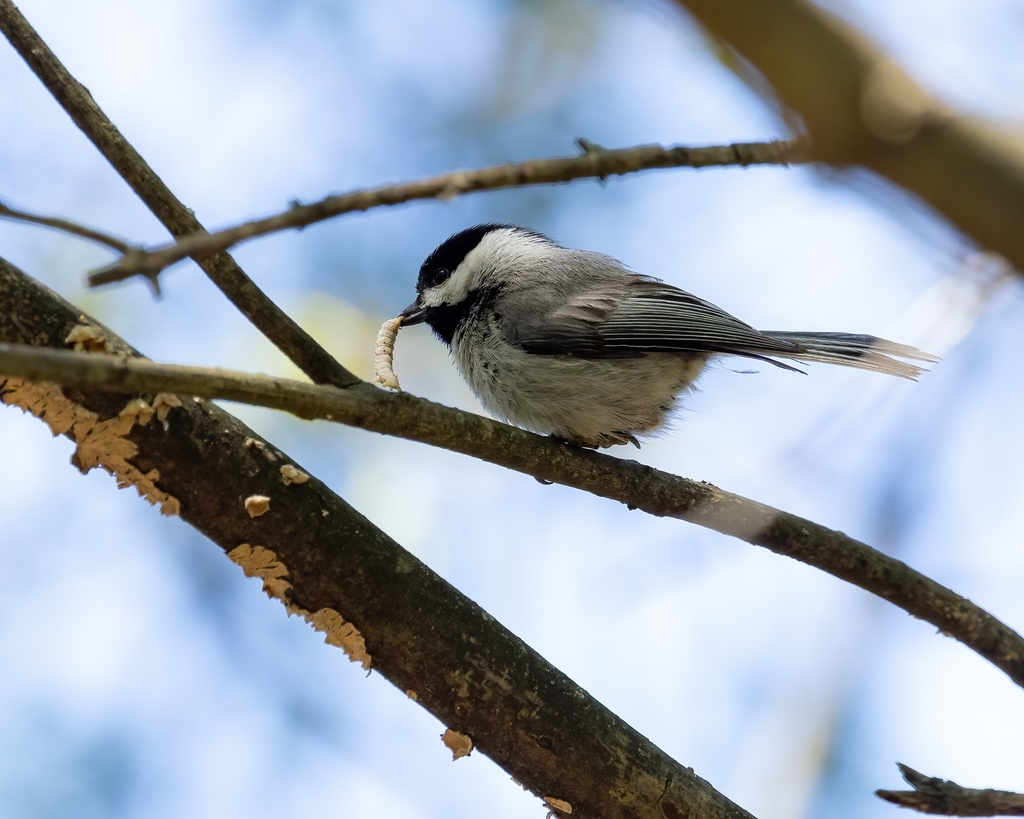


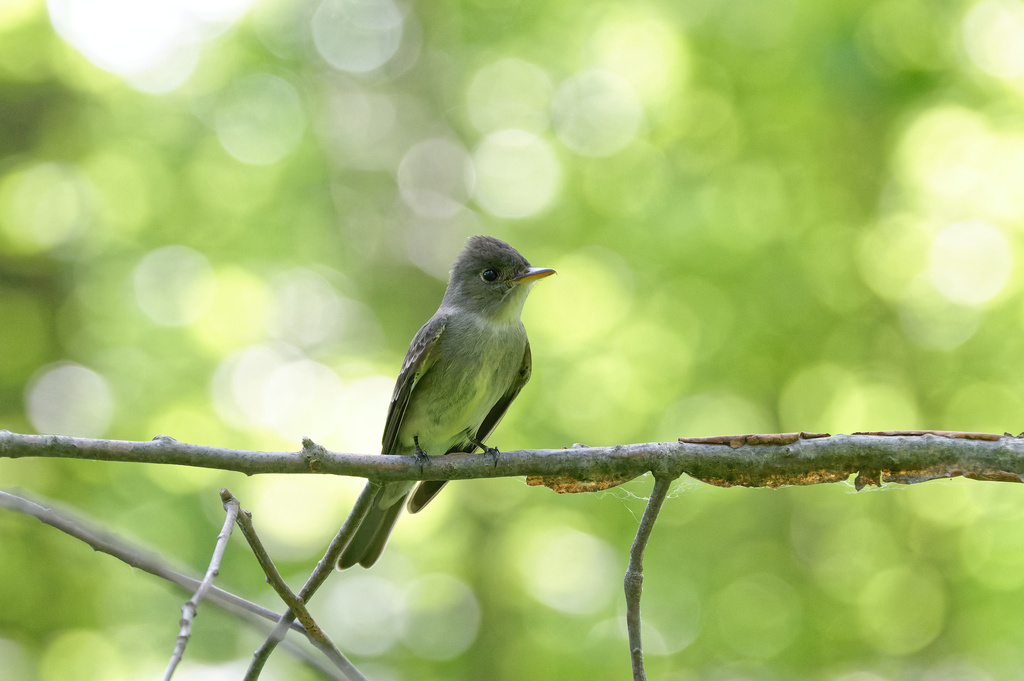
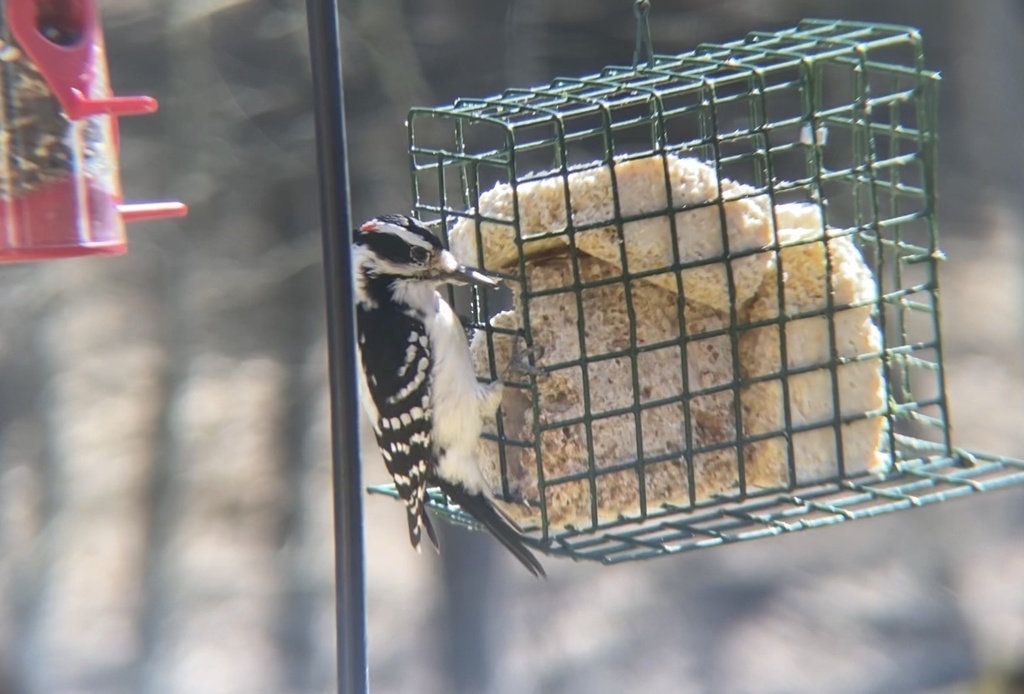
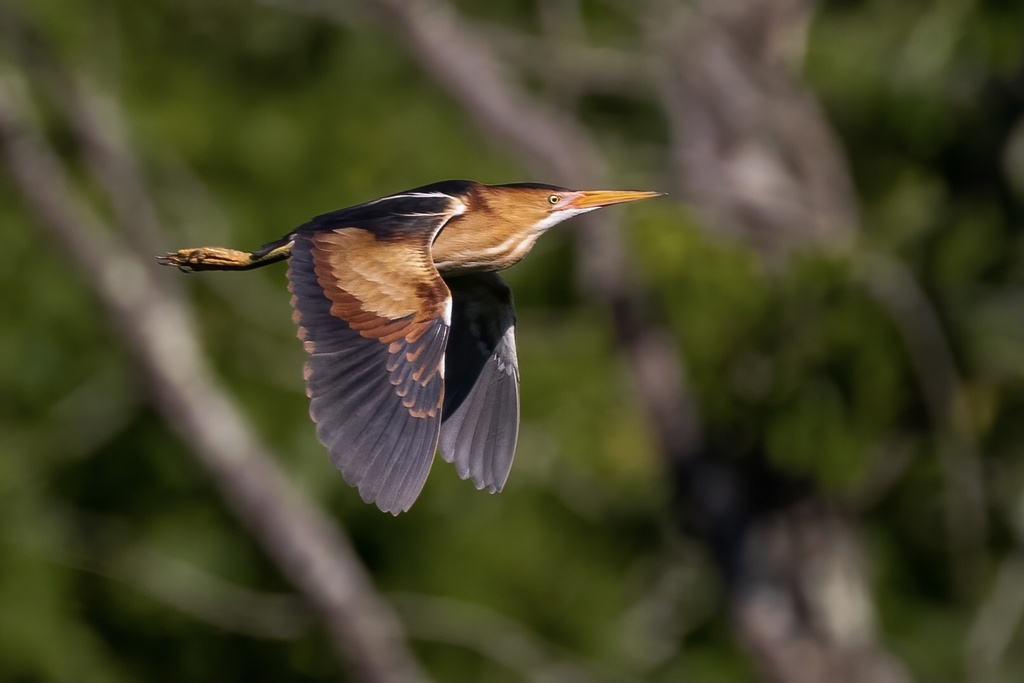
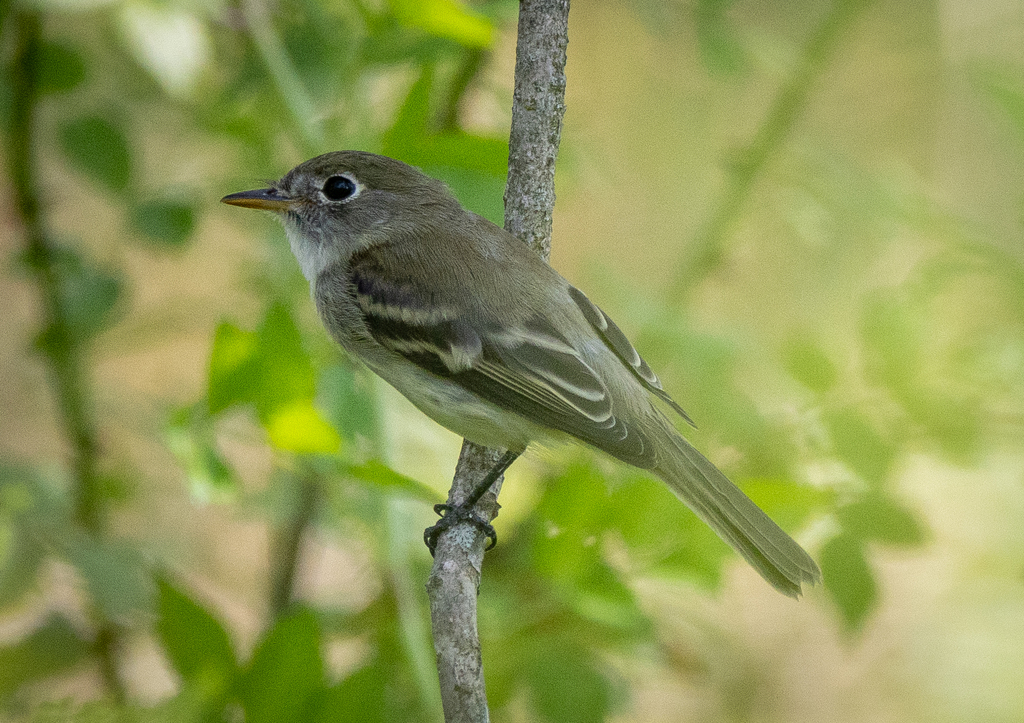
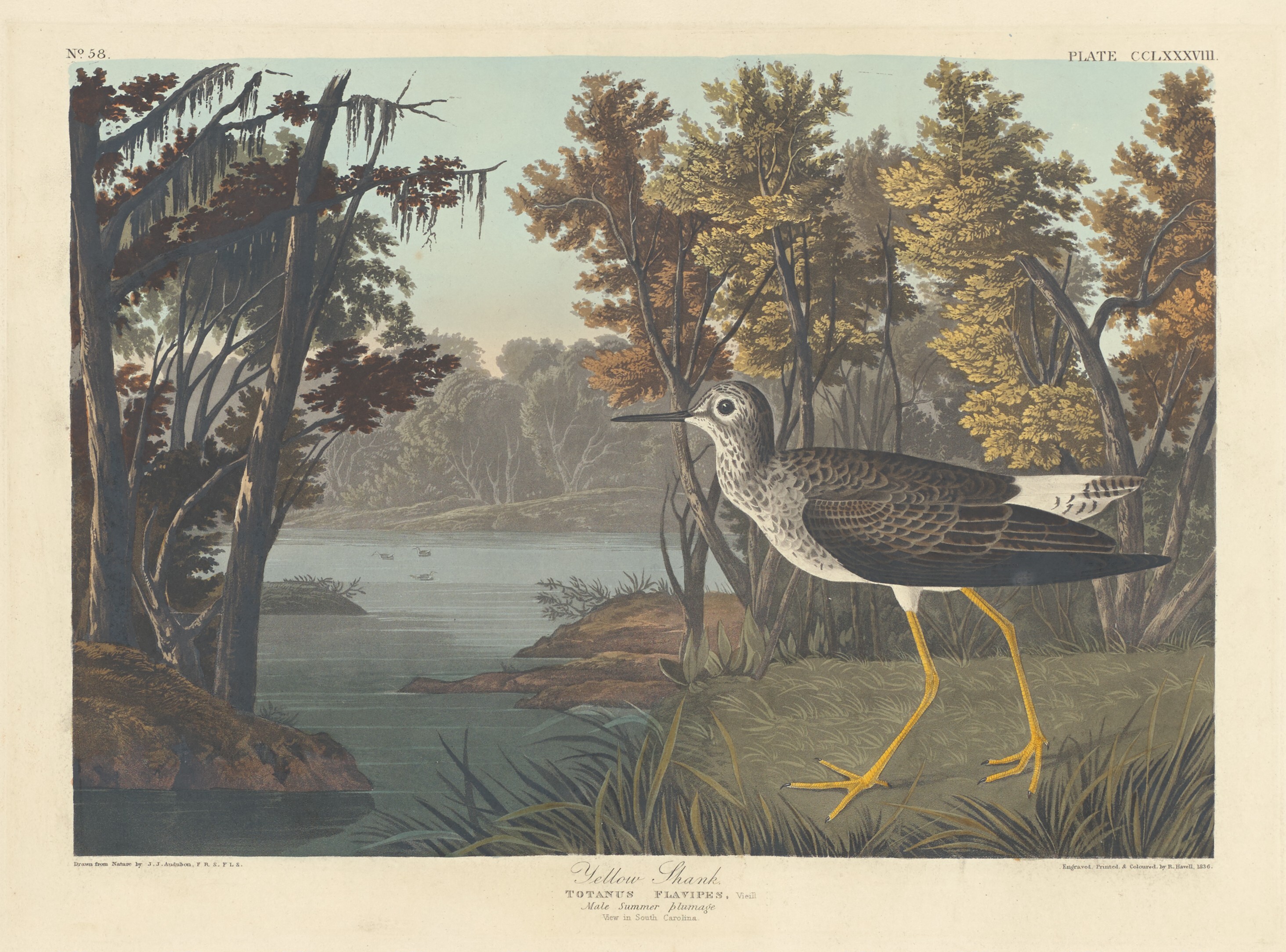
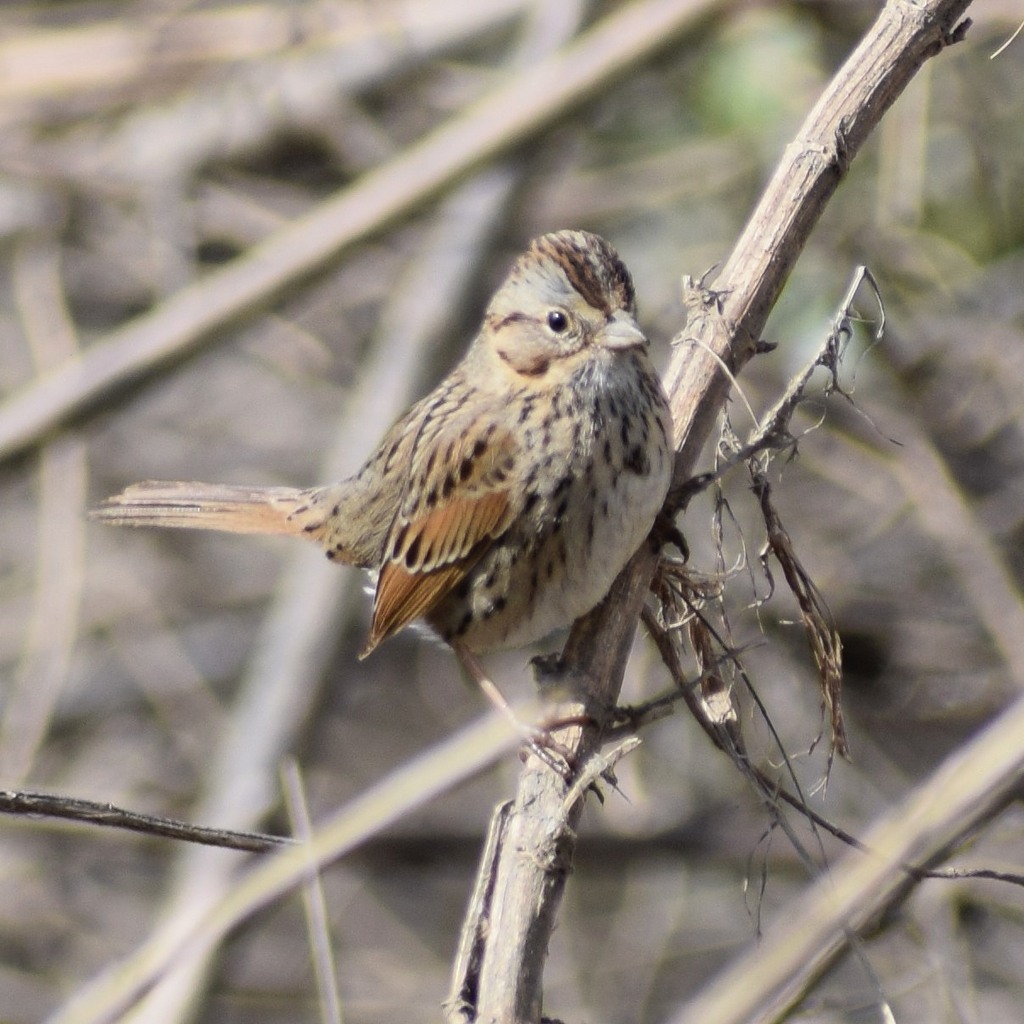
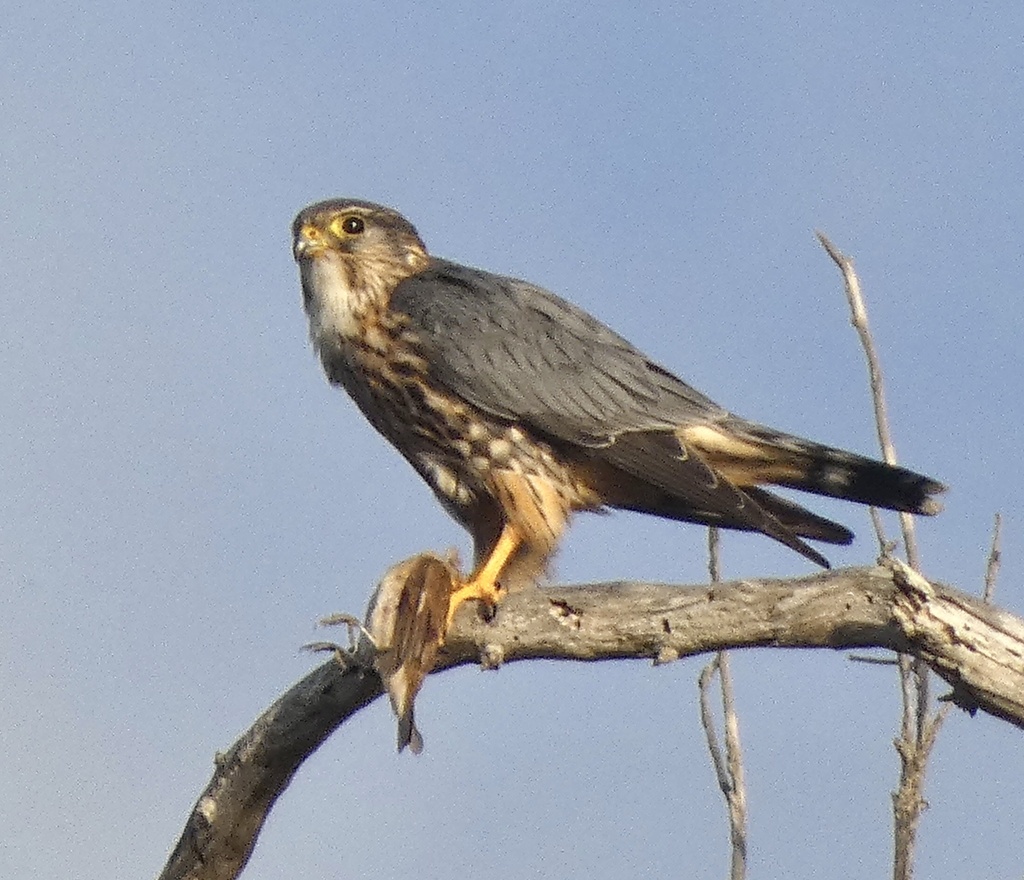
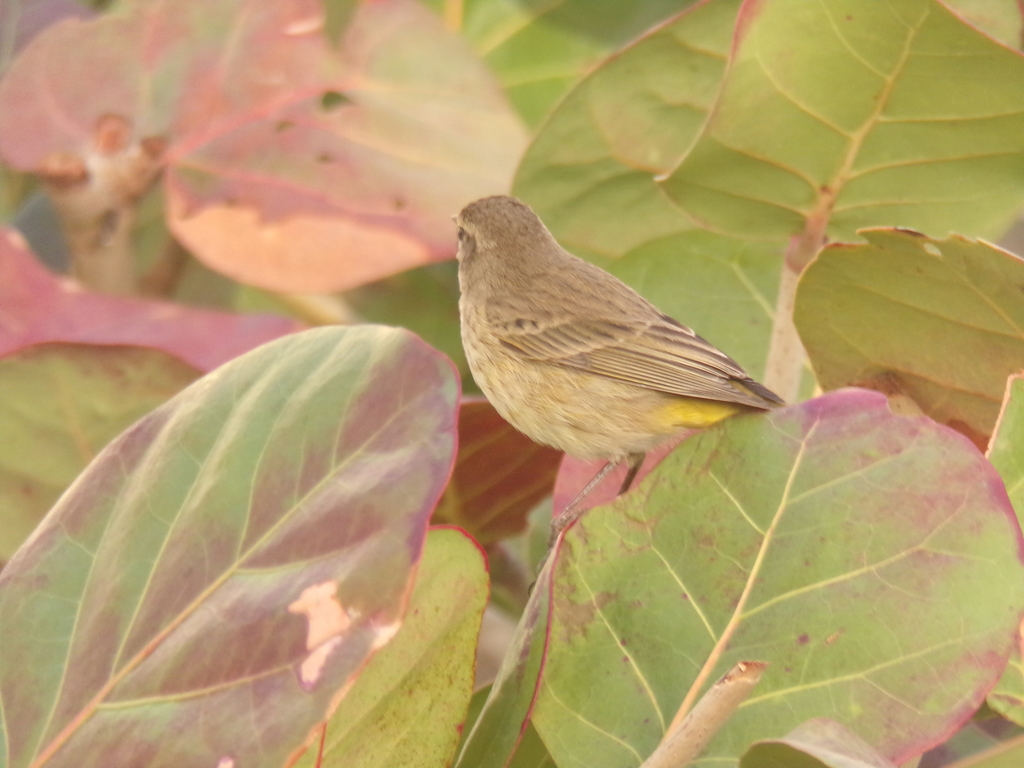

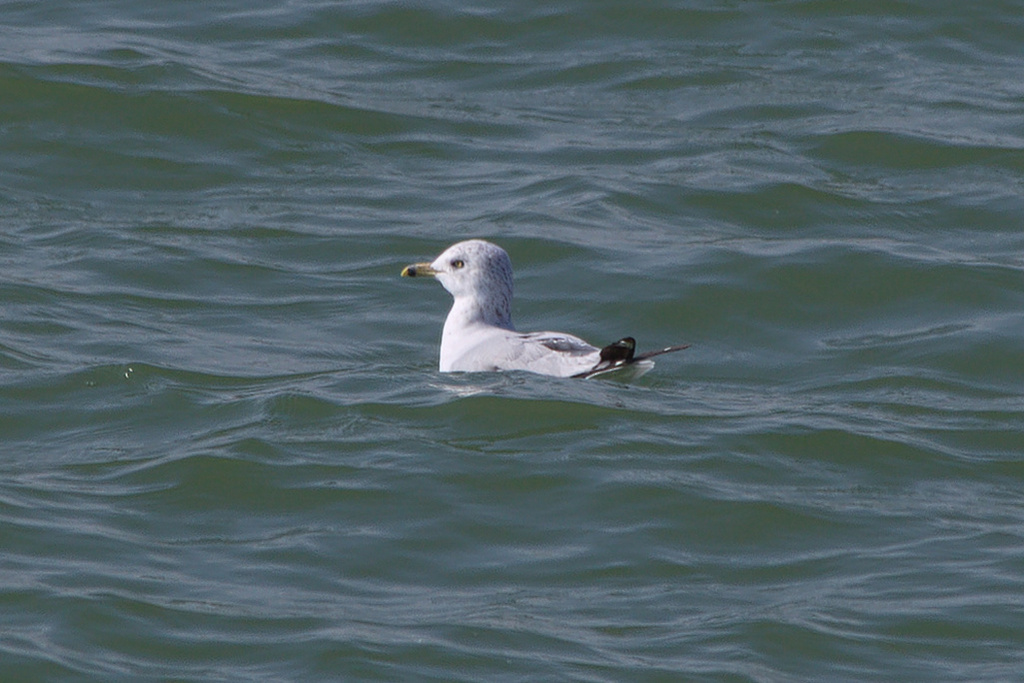
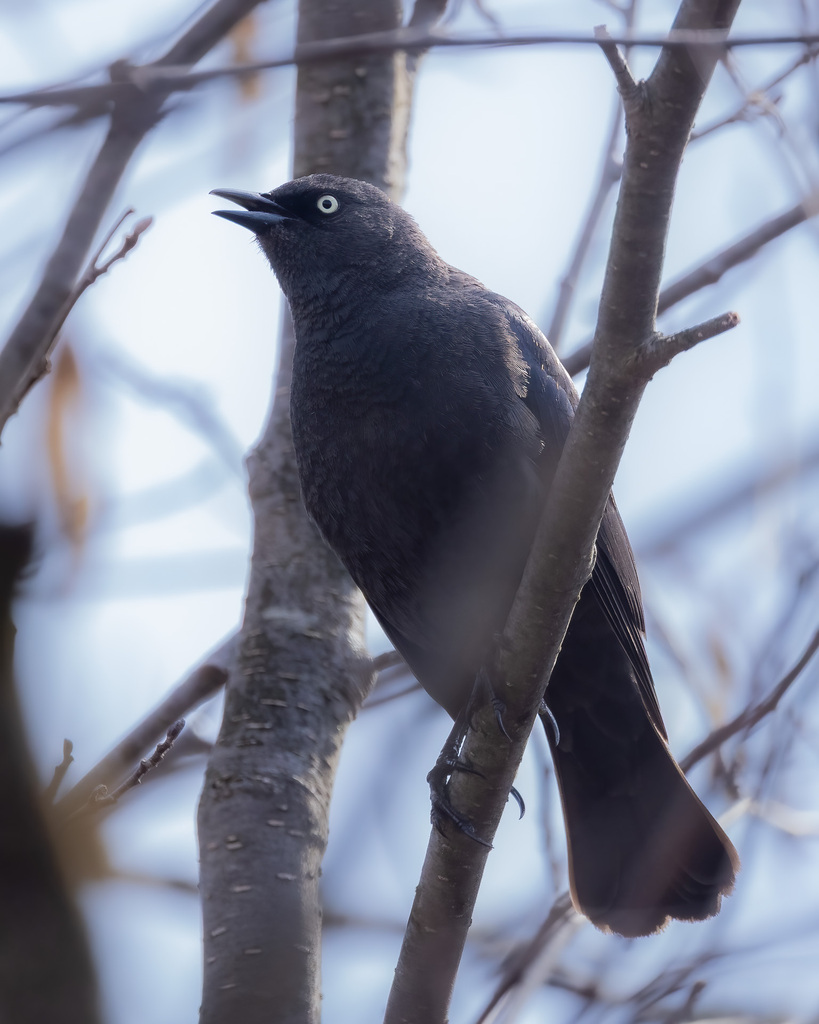
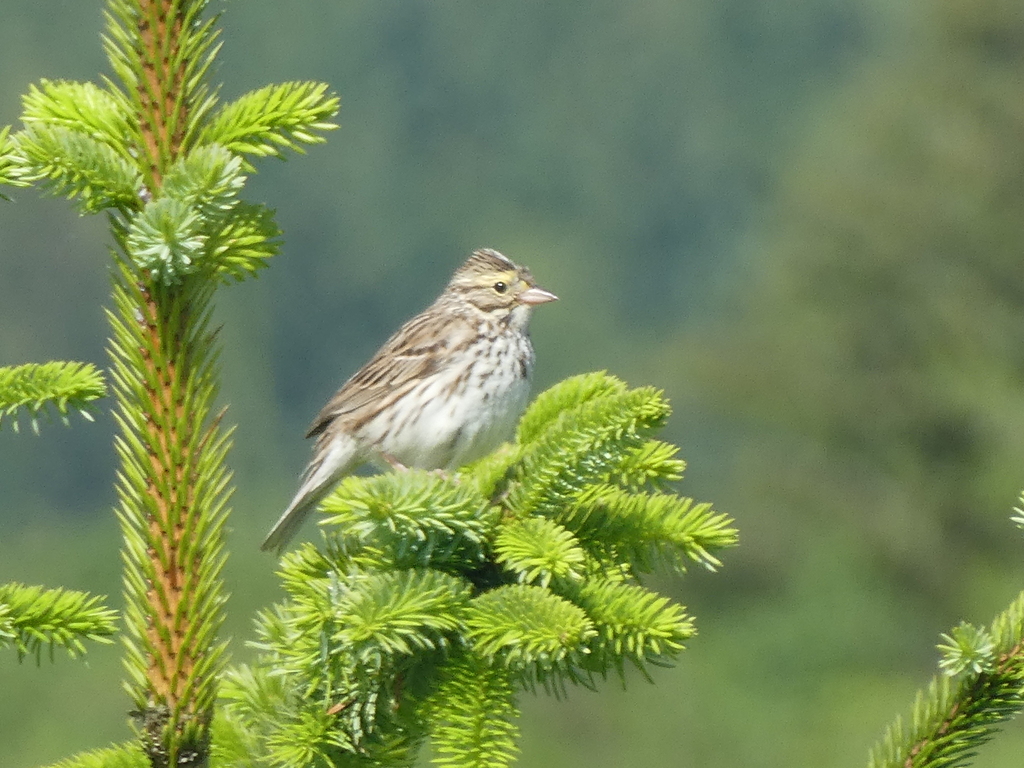
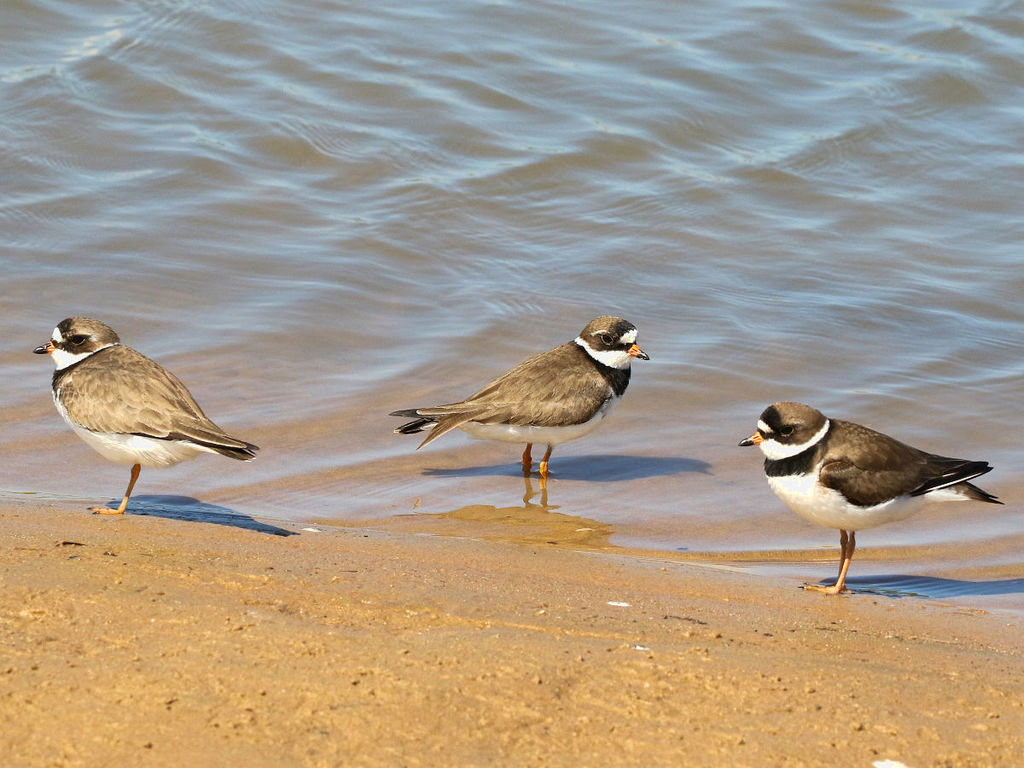

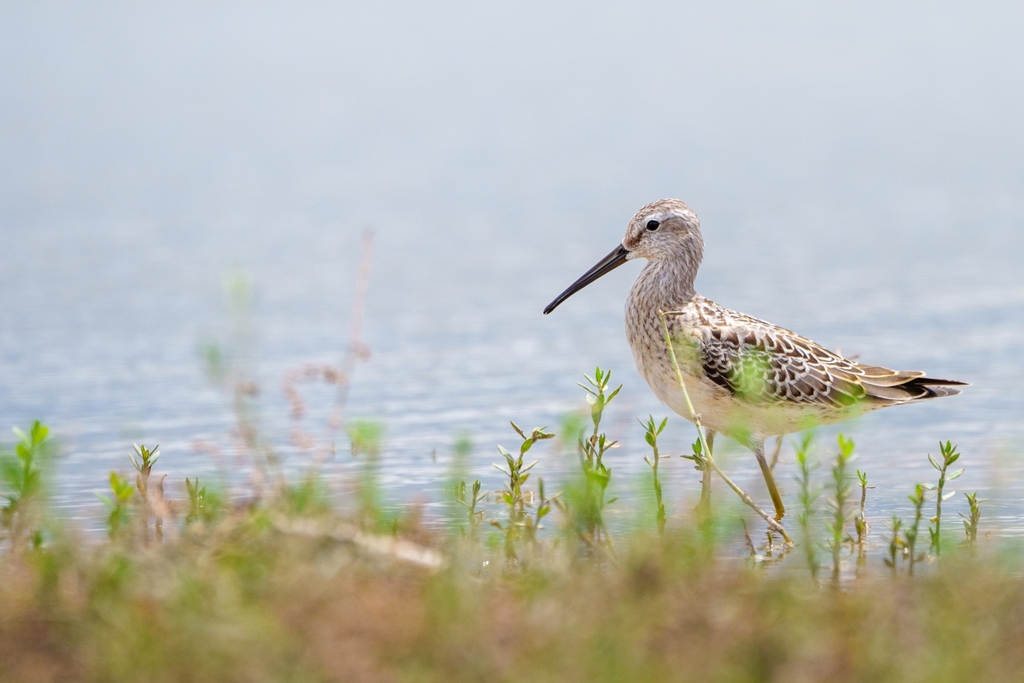

NatureServe Explorer, CC BY 4.0. USGS Gap Analysis Project habitat models.
Sources
- USGS Gap Analysis Project habitat models (2001)
- USGS GAP winter habitat model for Little Blue Heron
- USGS Gap Analysis Project range maps (2001), modeled by watershed; migratory gives no dates
- NatureServe Explorer (CC BY 4.0), habitat names
- US Census TIGER/Line counties
- Names follow the USGS Gap Analysis Project (2001)