

Bird
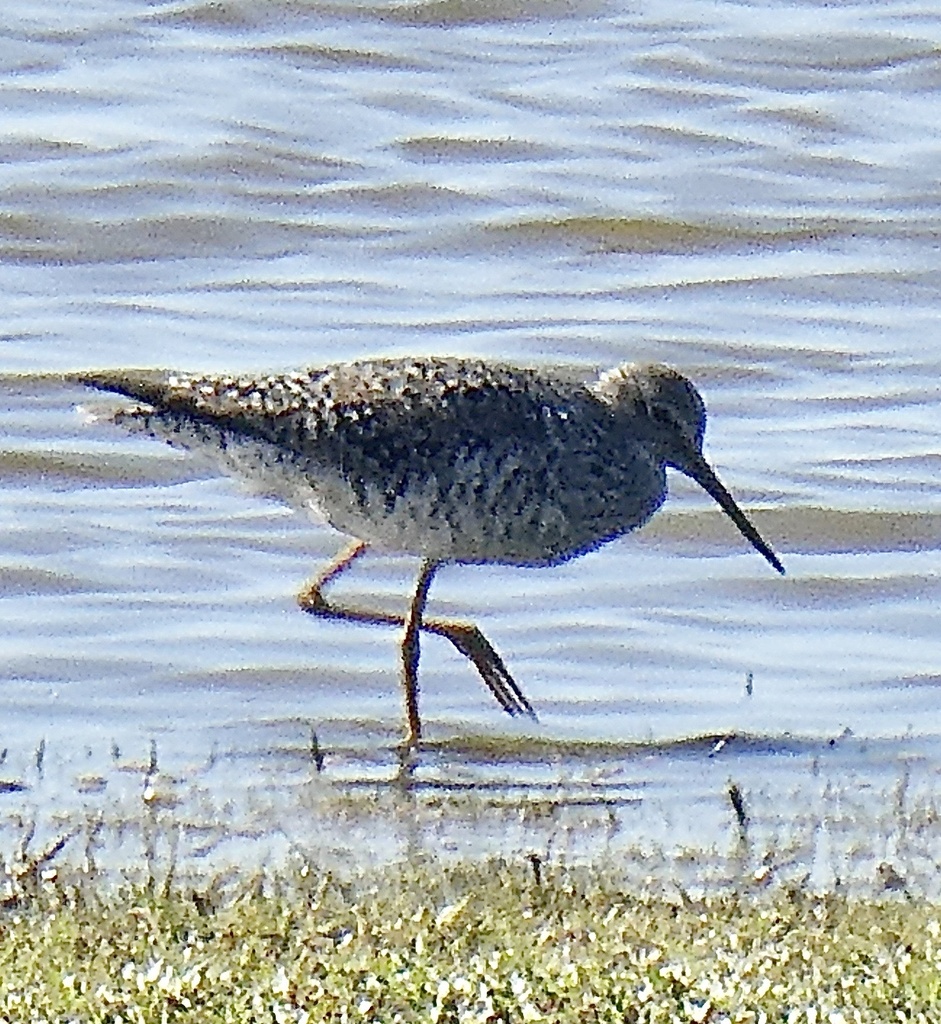
Lesser Yellowlegs
Tringa flavipes
A winter visitor to Alabama, found in all 67 counties and 8 habitats.
- Here
- Winter and on migration
- Nesting
- Not known to nest here
- Range
- All 67 counties
- Habitats
- 8
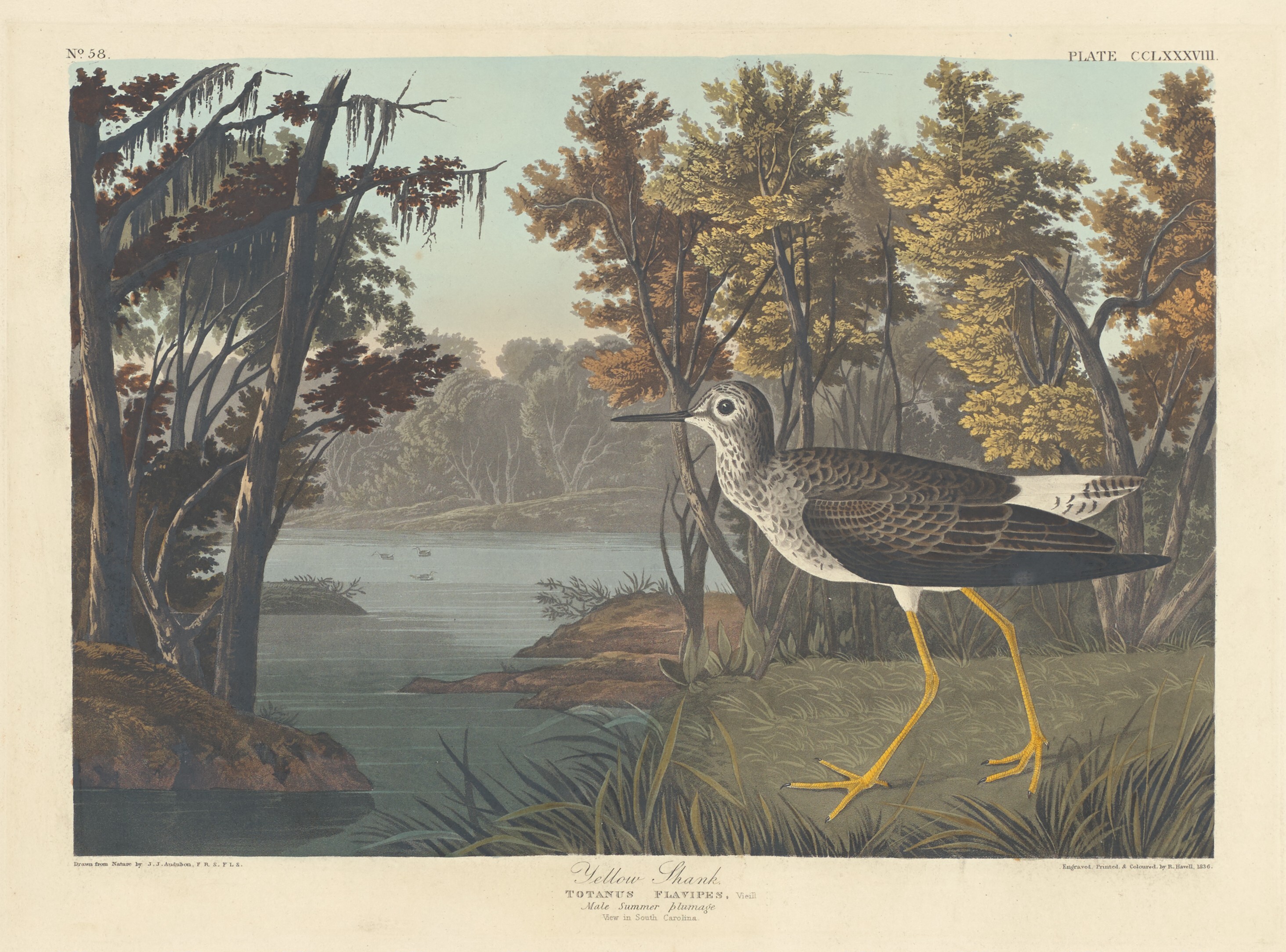
At a glance
- Group
- Birds
- Here
- Winter and on migration
- Nesting
- Not known to nest here
- Range
- All 67 counties
- Habitats
- 8
- Habitat models
- Winter
Where it lives
The places its habitat model includes. It is not found everywhere a habitat occurs.
Habitats in Alabama 8
Each habitat page lists the plants and wildlife also found there.

Open sand of beaches, dunes and the hollows between them.
Open, wet, seepage-fed bogs of the Coastal Plain and Sandhills, often with pitcher plants.
Coastal tidal marshes (salinity not stated)
Tidal marshes of the Atlantic and Gulf coasts where the source does not say whether the water is fresh, brackish or salt. A stated salinity files the marsh under freshwater tidal marshes or salt and brackish marshes instead.
Disturbed and introduced wetlands
Wet ground taken over by weedy or introduced plants after disturbance, such as common reed, Chinese tallow or tamarisk stands; the upland counterpart is roadsides, fields and disturbed ground.
Open, fire-kept longleaf pine stands over grasses and wildflowers on wet to moist sandy soil.
Coastal marshes flooded by salty or brackish tides.
Salt and brackish open water of sounds, bays and estuaries, with the mud and sand flats and seagrass beds that tides cover and uncover; the vegetated marsh is salt and brackish marshes.
Other habitats in its models (29)
Land cover, or classes with no habitat page in Alabama.
- Open Water (Aquaculture) Winter.
- Unconsolidated Shore (Lake/River/Pond) Winter.
- Unconsolidated Shore Winter.
- Upper Texas Coast Beach Winter.
- Texas Coastal Bend Beach Winter.
- East-Central Texas Plains Riparian Forest Winter.
- East-Central Texas Plains Floodplain Forest Winter.
- Atlantic Coastal Plain Xeric River Dune Winter.
- Atlantic Coastal Plain Central Salt and Brackish Tidal Marsh Winter.
- Atlantic Coastal Plain Indian River Lagoon Tidal Marsh Winter.
- Atlantic Coastal Plain Northern Tidal Salt Marsh Winter.
- Florida Big Bend Salt-Brackish Tidal Marsh Winter.
- Atlantic Coastal Plain Clay-Based Carolina Bay Herbaceous Wetland Winter.
- Atlantic Coastal Plain Large Natural Lakeshore Winter.
- South Florida Everglades Sawgrass Marsh Winter.
- Floridian Highlands Freshwater Marsh Winter.
- Central Florida Herbaceous Seep Winter.
- Florida Big Bend Fresh-Oligohaline Tidal Marsh Winter.
- Atlantic Coastal Plain Central Fresh-Oligohaline Tidal Marsh Winter.
- South Florida Wet Marl Prairie Winter.
- Central Florida Herbaceous Pondshore Winter.
- East Gulf Coastal Plain Southern Depression Pondshore Winter.
- Atlantic Coastal Plain Depression Pondshore Winter.
- South Florida Freshwater Slough and Gator Hole Winter.
- East Gulf Coastal Plain Large River Floodplain Forest - Herbaceous Modifier Winter.
- South-Central Interior Large Floodplain - Herbaceous Modifier Winter.
- West Gulf Coastal Plain Small Stream and River Forest Winter.
- West Gulf Coastal Plain Large River Floodplain Forest Winter.
- Texas-Louisiana Coastal Prairie Slough Winter.
Seasons in Alabama
- Migratory: does not nest here, in 65 of 67 counties.
- Winter: does not nest here, in 9 of 67 counties.
Also found in this habitat
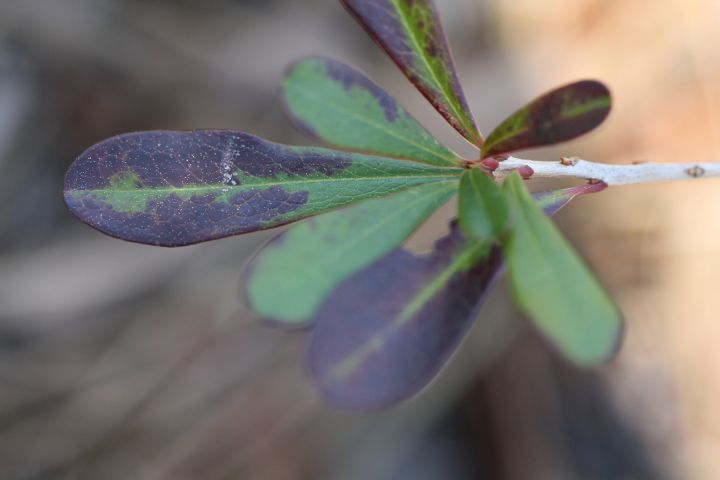
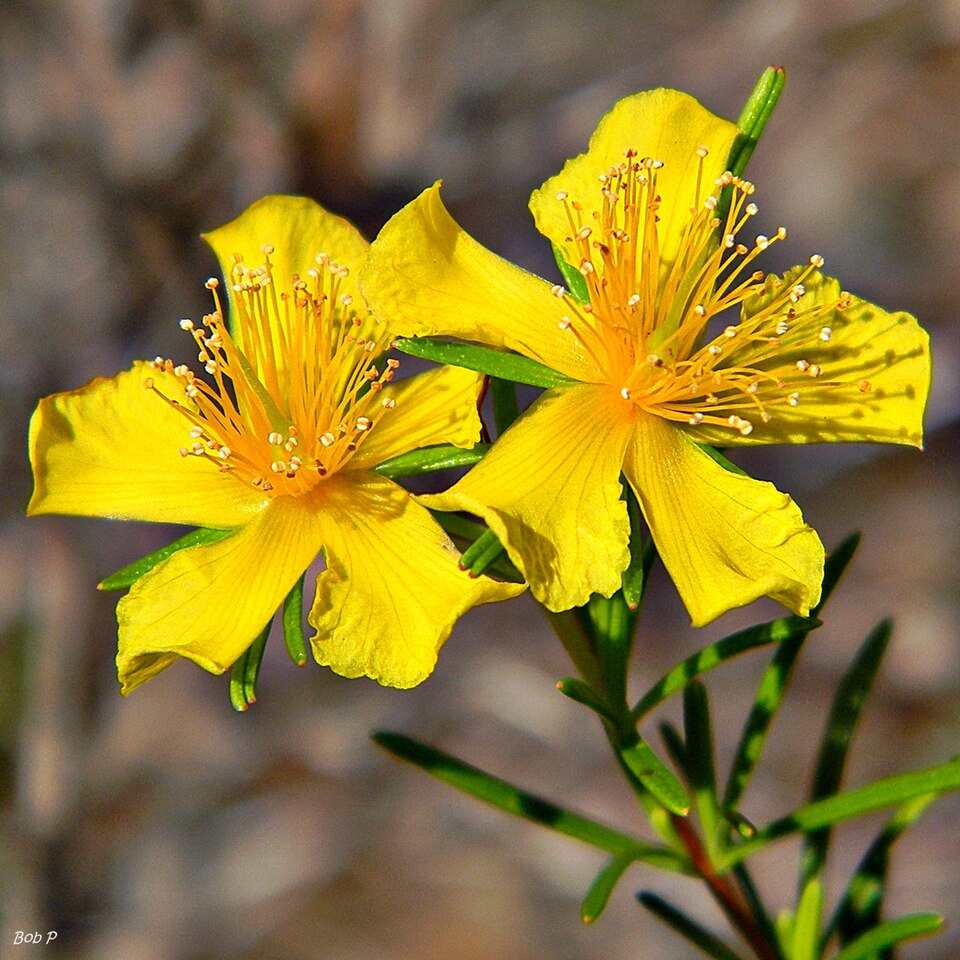
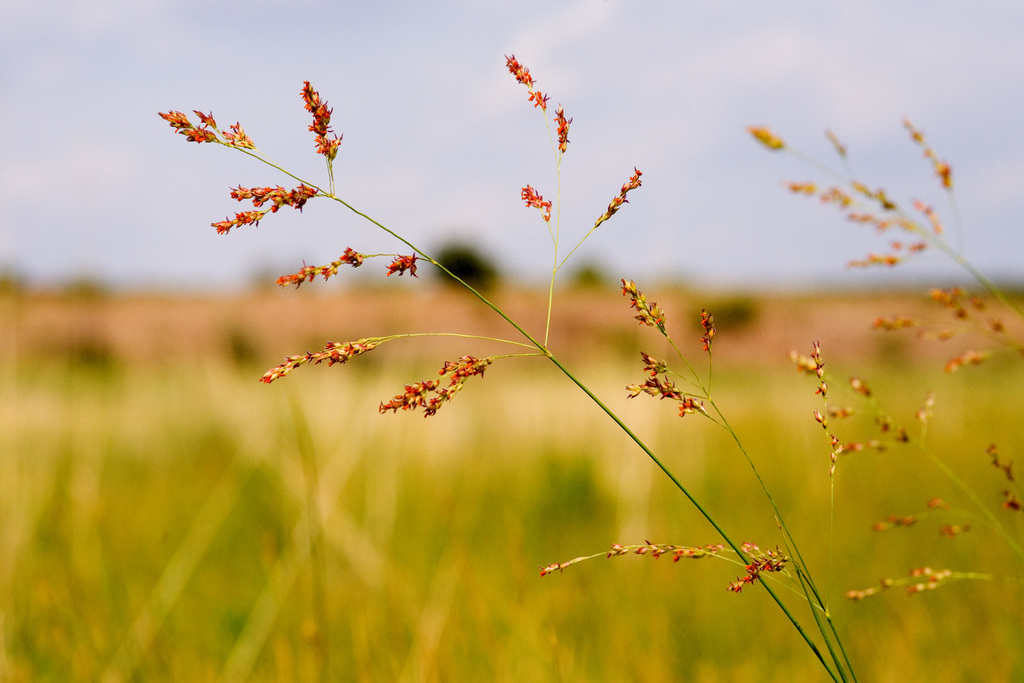
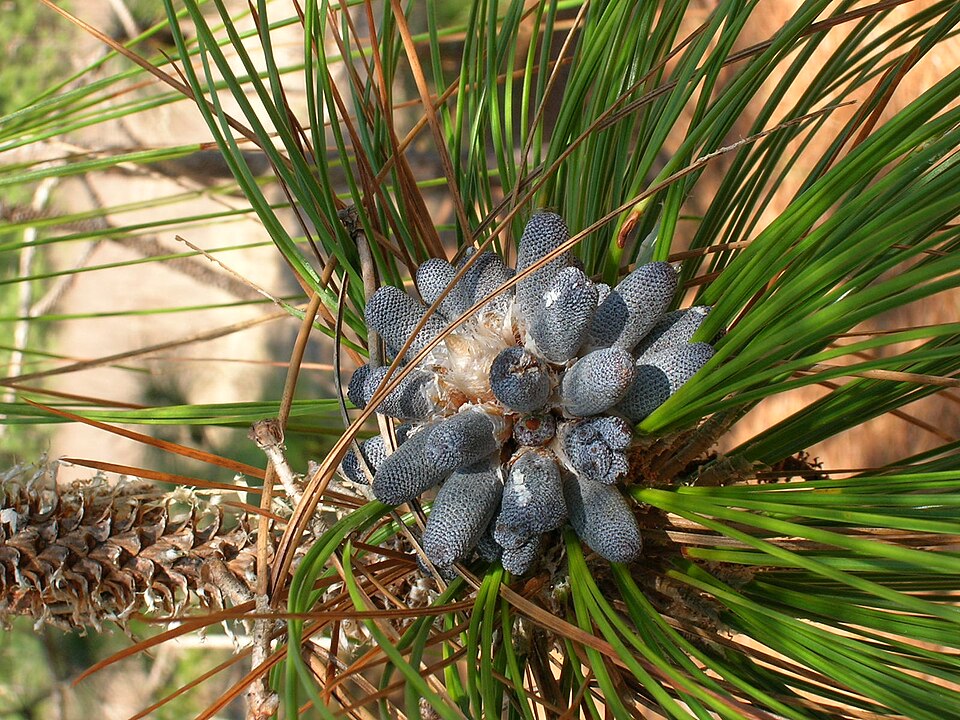
Plants 141
Plants named in NatureServe descriptions of these habitats that grow in Alabama. Shared habitat, not food.
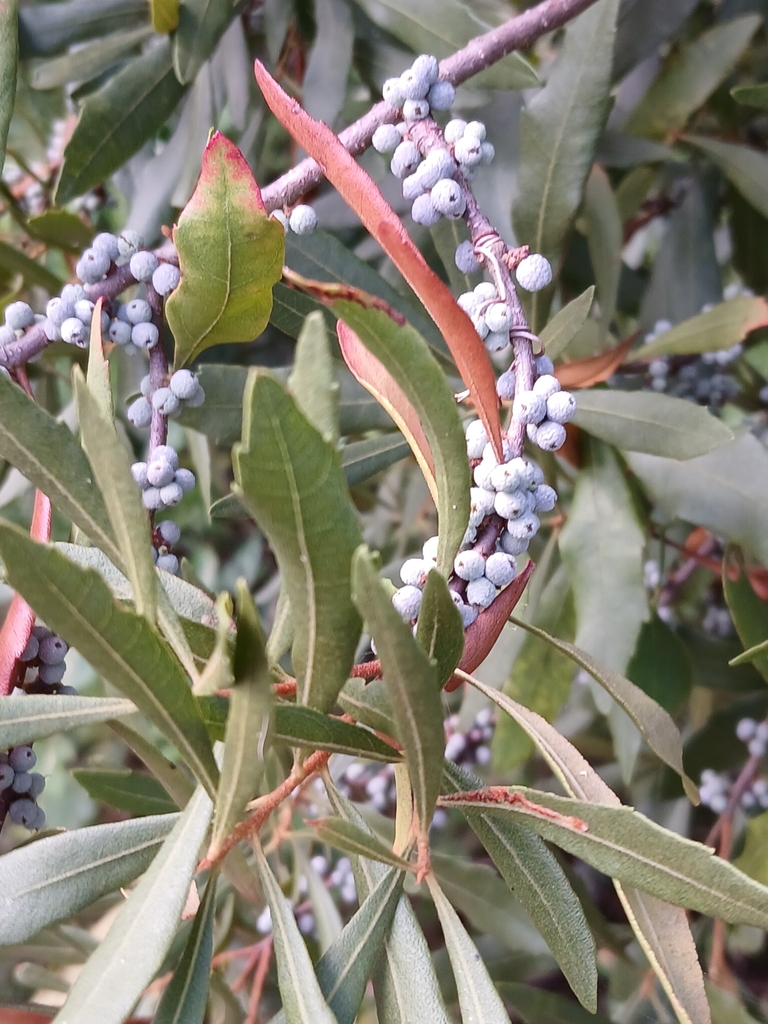
- Common WaxmyrtleMorella cerifera
- Agalinis filicaulisAgalinis filicaulis
- Pinewoods BluestemAndropogon arctatus
- Aristida beyrichianaAristida beyrichiana
- Asclepias viridulaAsclepias viridula
- Carphephorus pseudoliatrisCarphephorus pseudoliatris
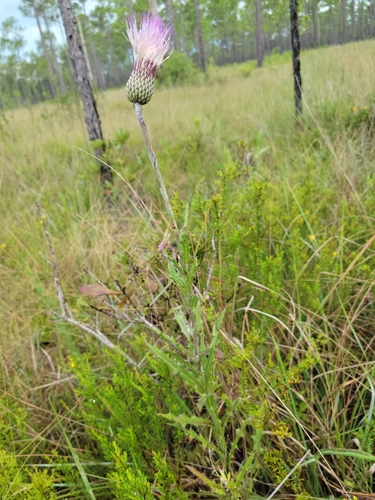
- LeConte's ThistleCirsium lecontei
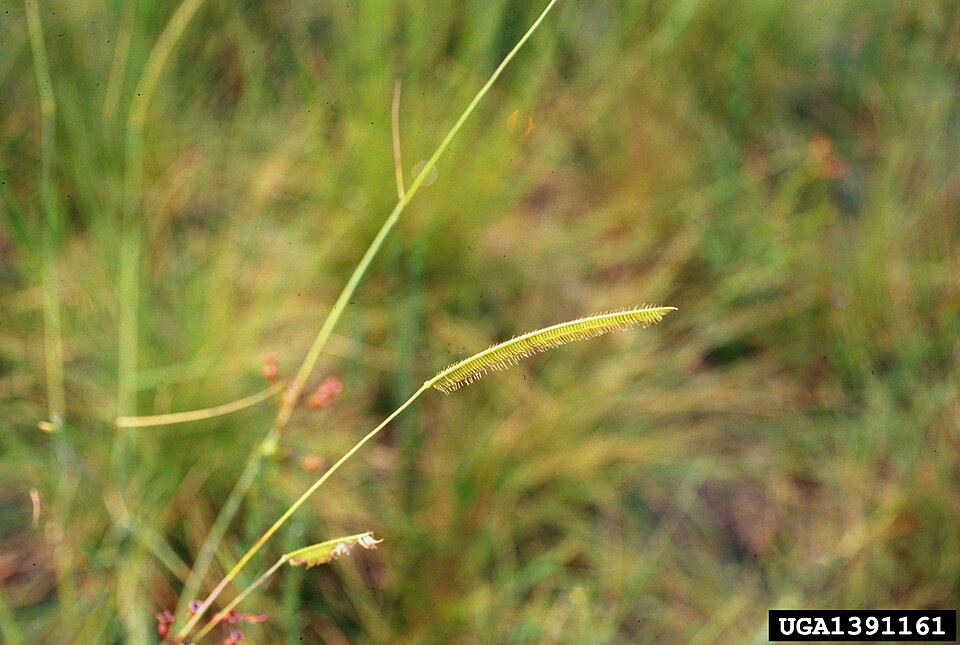
- Toothache GrassCtenium aromaticum
- TitiCyrilla racemiflora
- Naked Stem Witch GrassDichanthelium nudicaule
- Drosera tracyiDrosera tracyi
- Eurybia eryngiifoliaEurybia eryngiifolia
- Fuirena scirpoideaFuirena scirpoidea
- Peelbark St. John's-wortHypericum fasciculatum
- Pineland BogbuttonsLachnocaulon digynum
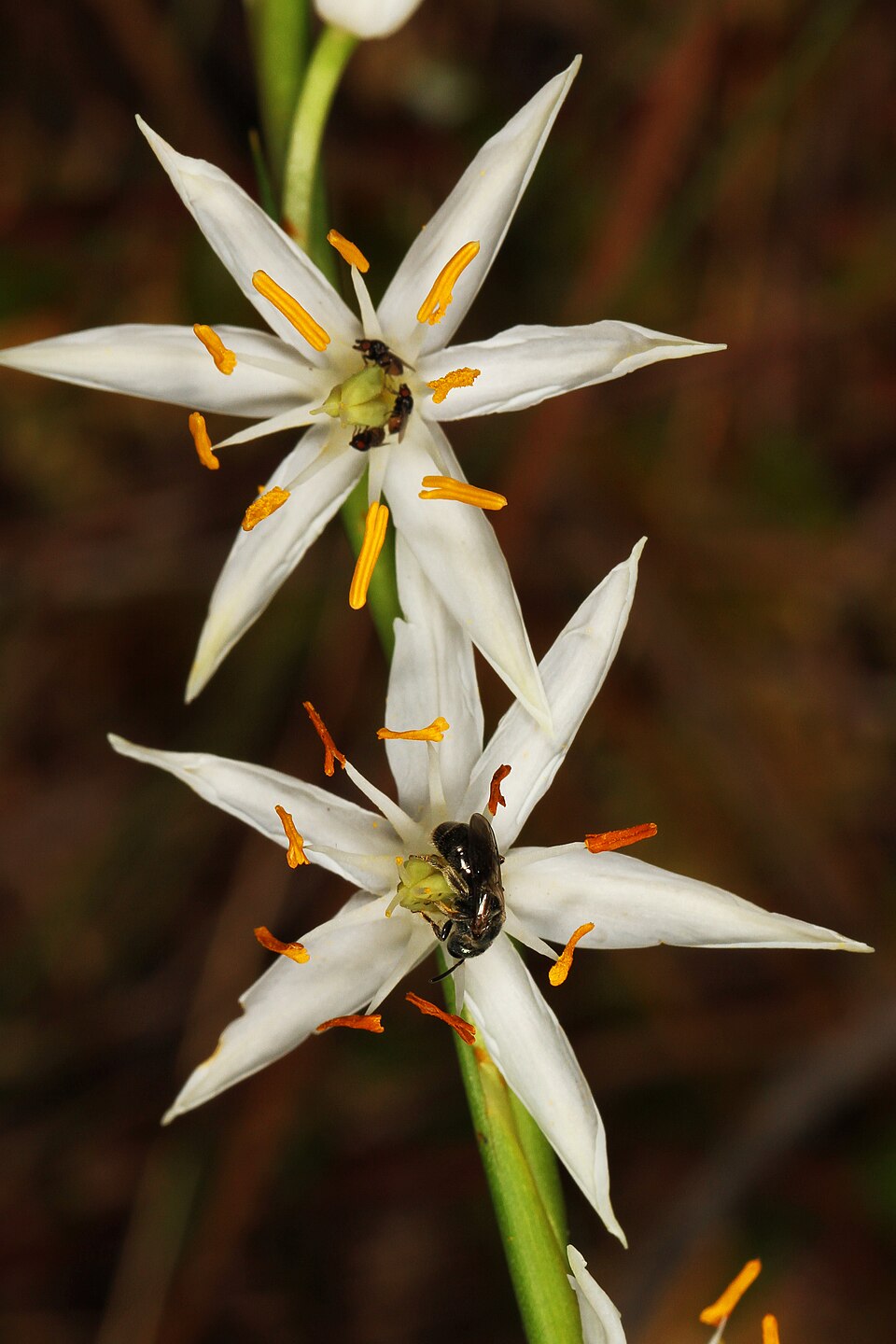
- Panhandle LilyLilium iridollae
- PondberryLindera melissifolia
- SwitchgrassPanicum virgatum
- Largeleaf Grass-of-ParnassusParnassia grandifolia
- Pinguicula planifoliaPinguicula planifolia
- Longleaf PinePinus palustris
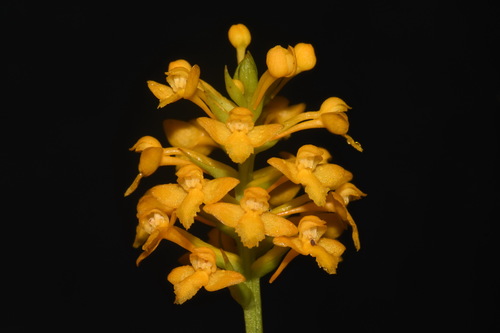
- Yellow Fringeless OrchidPlatanthera integra
- Rush-featherlingPleea tenuifolia
- Rhexia parvifloraRhexia parviflora
Wildlife 222
Other animals whose habitat models include the same habitats in Alabama. Not sighting records.
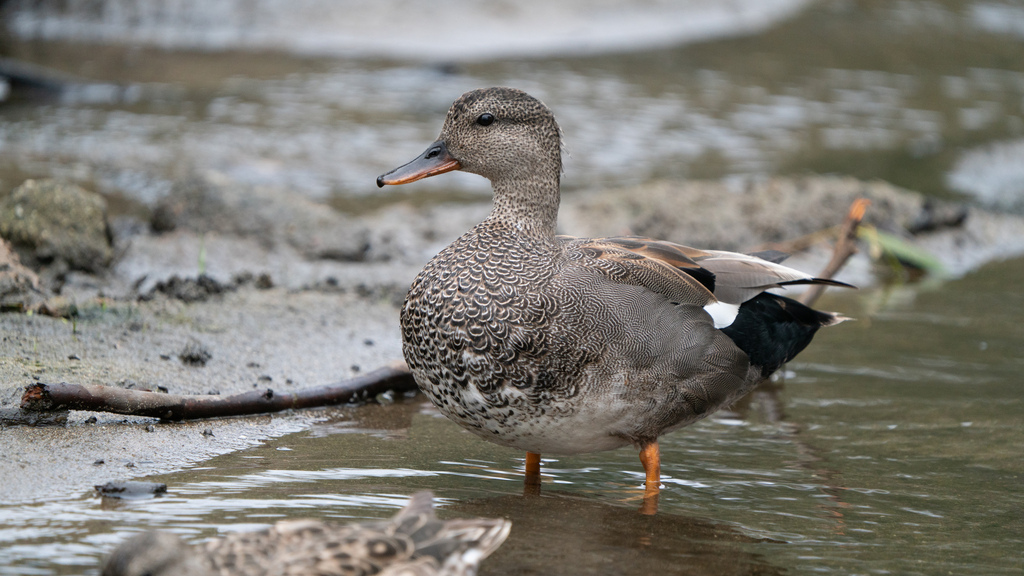
- GadwallAnas strepera
- Greater YellowlegsTringa melanoleuca
- King RailRallus elegans
- Lesser ScaupAythya affinis
- MallardAnas platyrhynchos
- Northern CardinalCardinalis cardinalis
- Northern Rough-winged SwallowStelgidopteryx serripennis
- Palm WarblerDendroica palmarum
- Pied-billed GrebePodilymbus podiceps
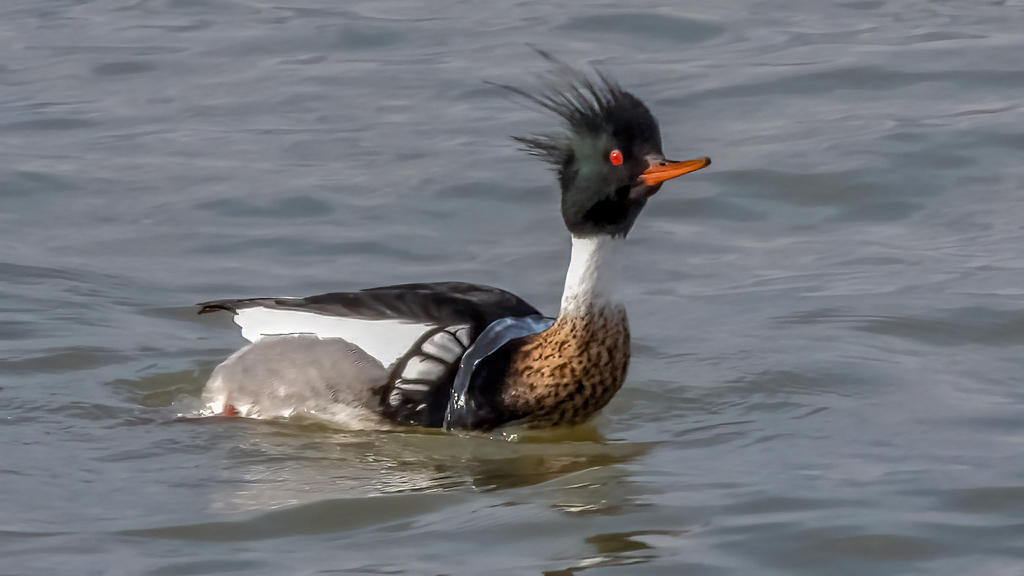
- Red-breasted MerganserMergus serrator
- Red-tailed HawkButeo jamaicensis
- Red-winged BlackbirdAgelaius phoeniceus
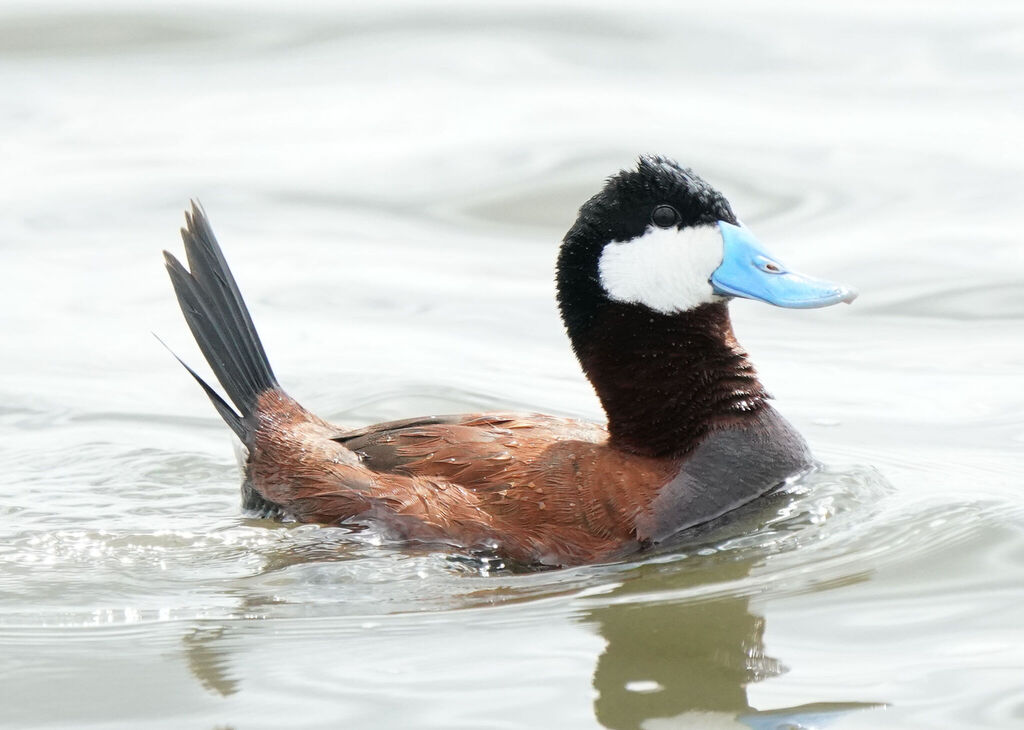
- Ruddy DuckOxyura jamaicensis
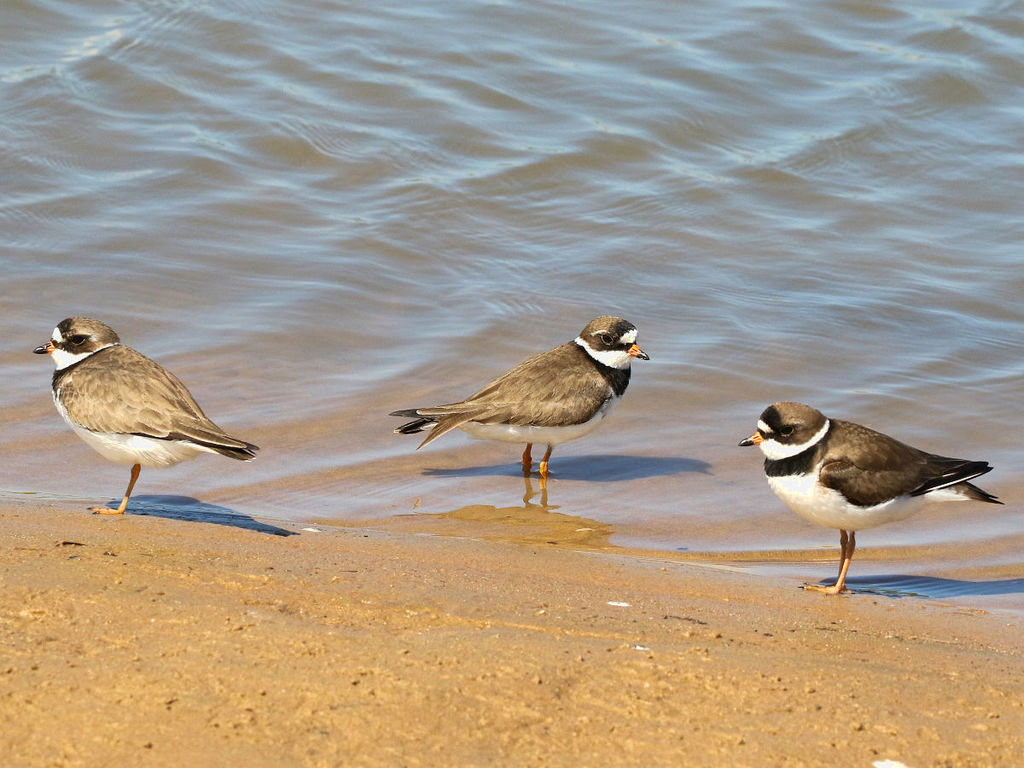
- Semipalmated PloverCharadrius semipalmatus
- Sharp-shinned HawkAccipiter striatus
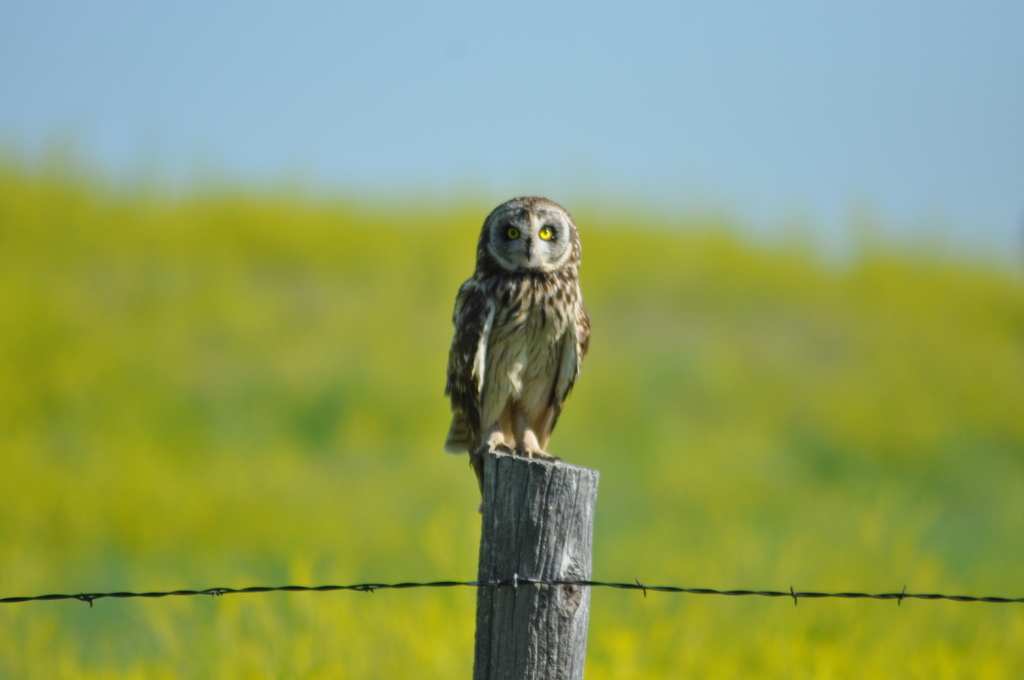
- Short-eared OwlAsio flammeus
- SoraPorzana carolina
- Spotted SandpiperActitis macularius
- Surf ScoterMelanitta perspicillata
- Turkey VultureCathartes aura
- Virginia RailRallus limicola
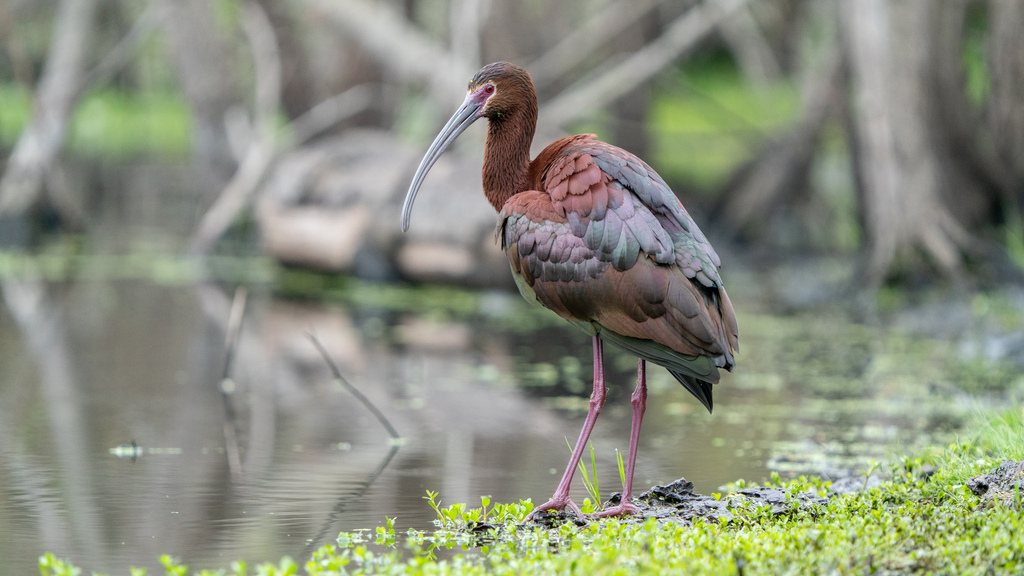
- White IbisEudocimus albus
- White-faced IbisPlegadis chihi
- Yellow-breasted ChatIcteria virens
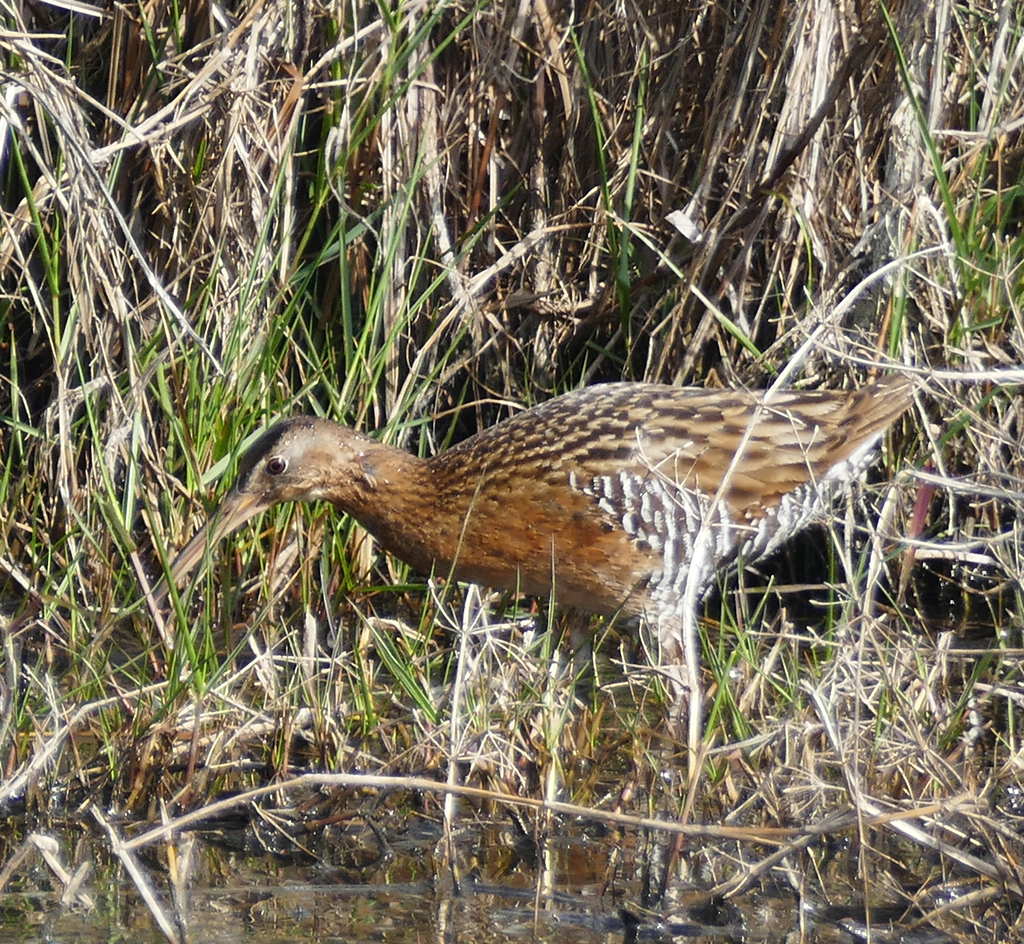
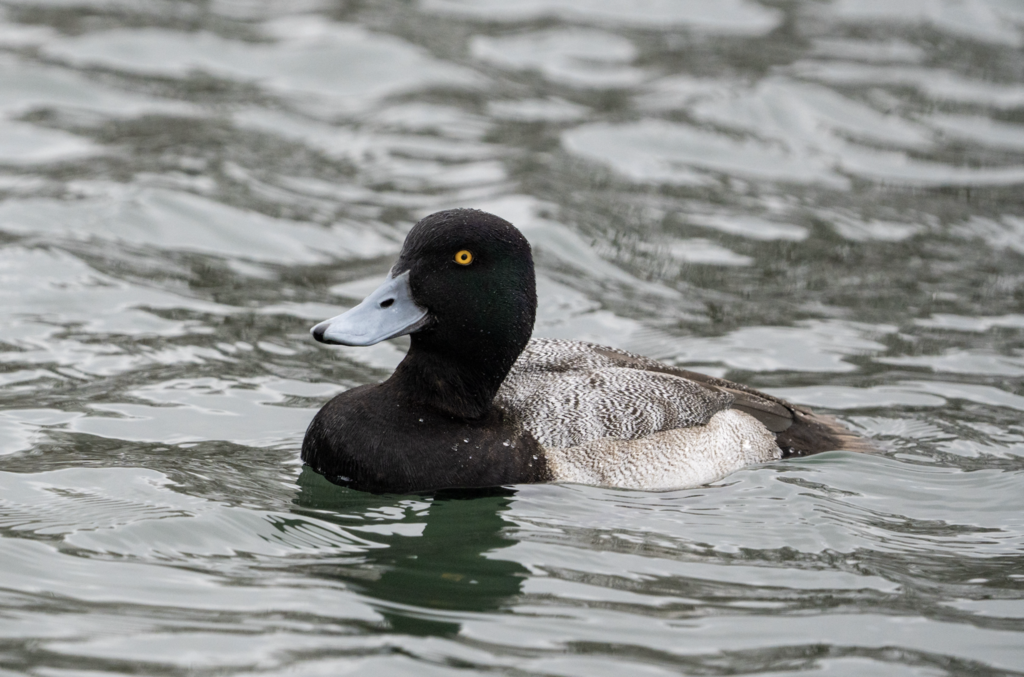



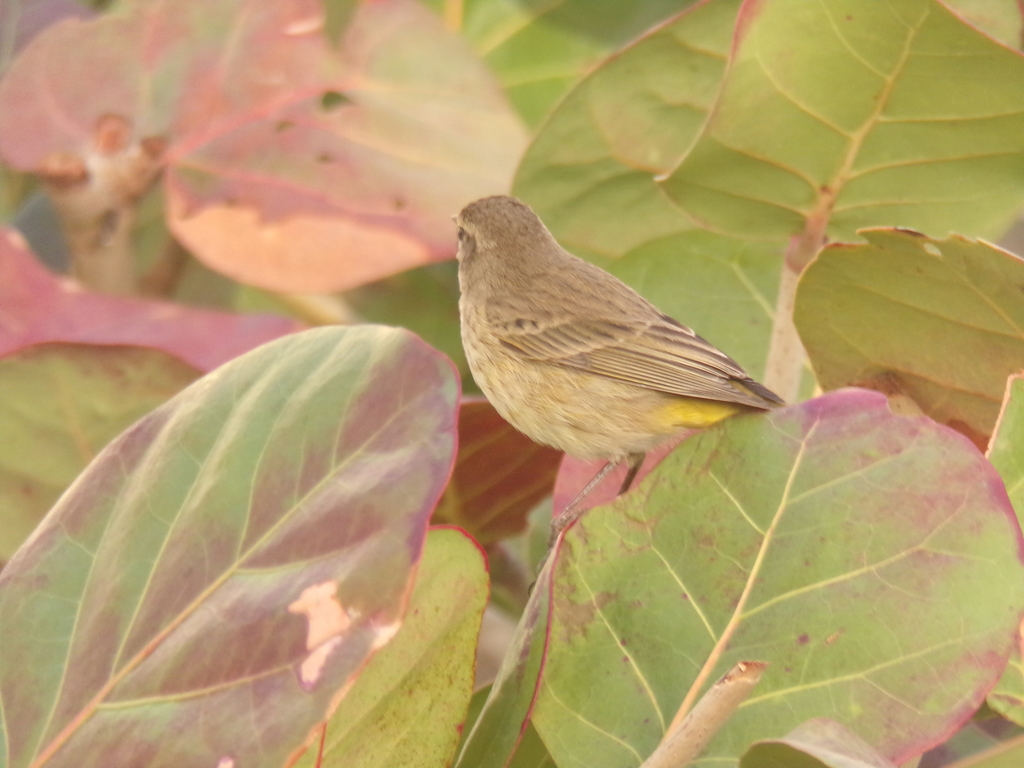
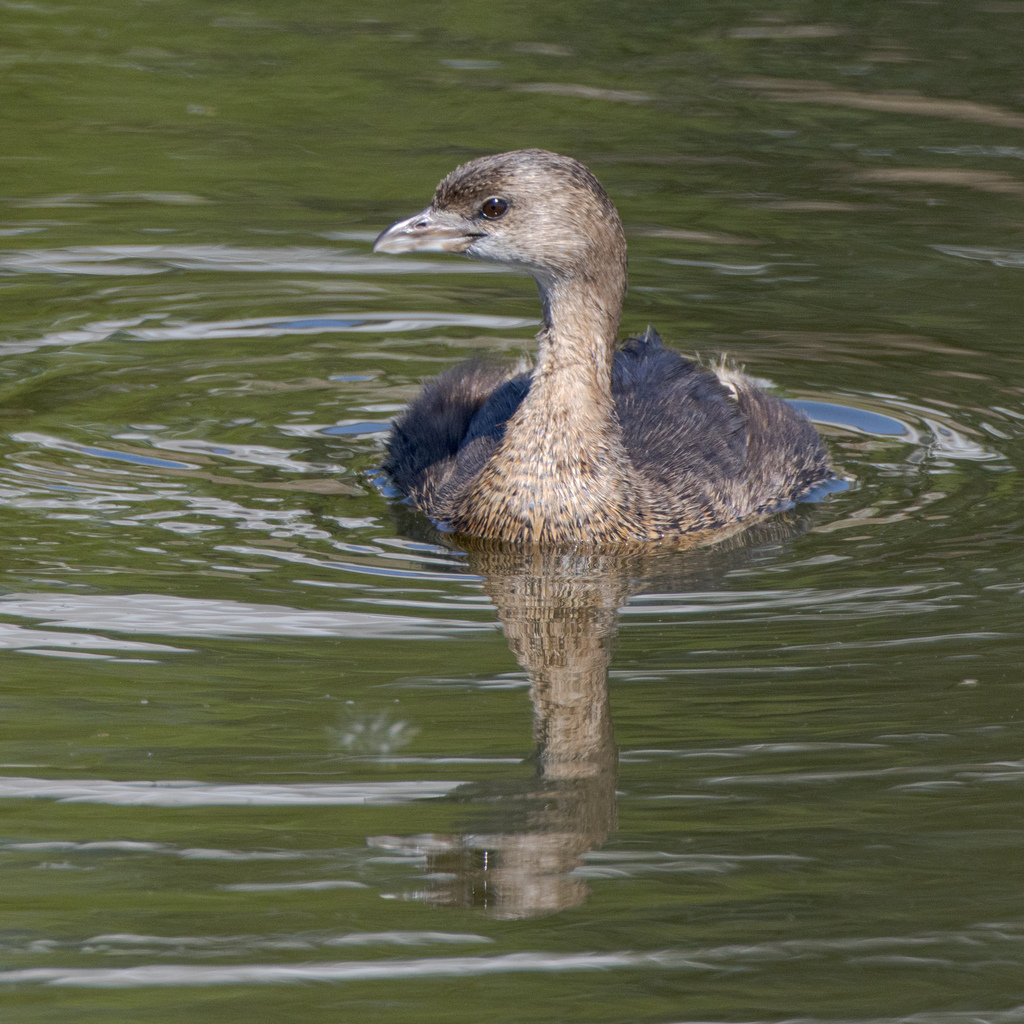



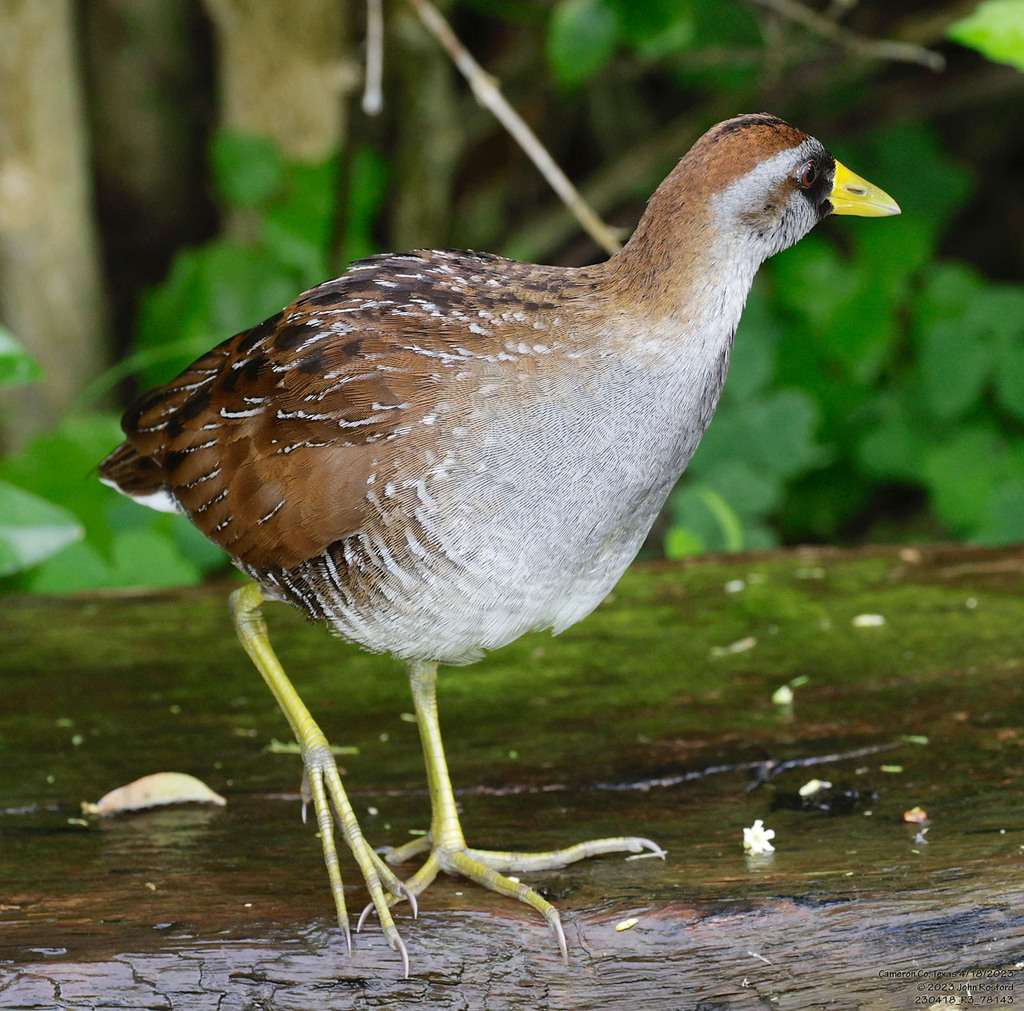

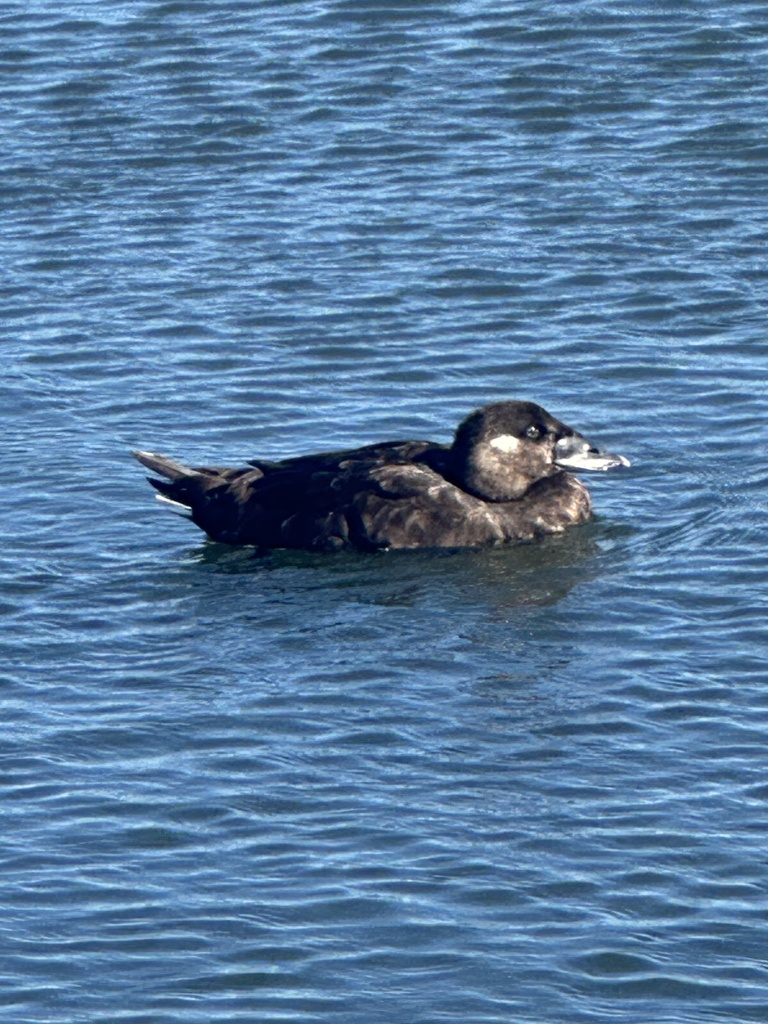

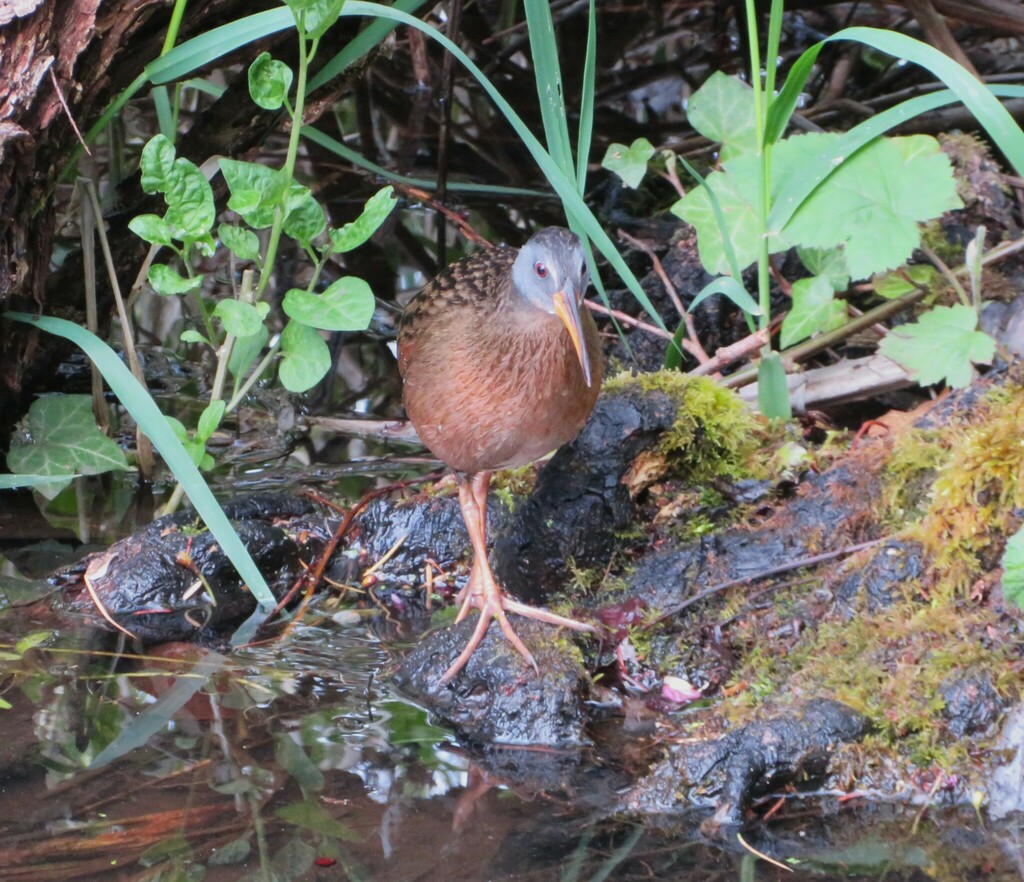
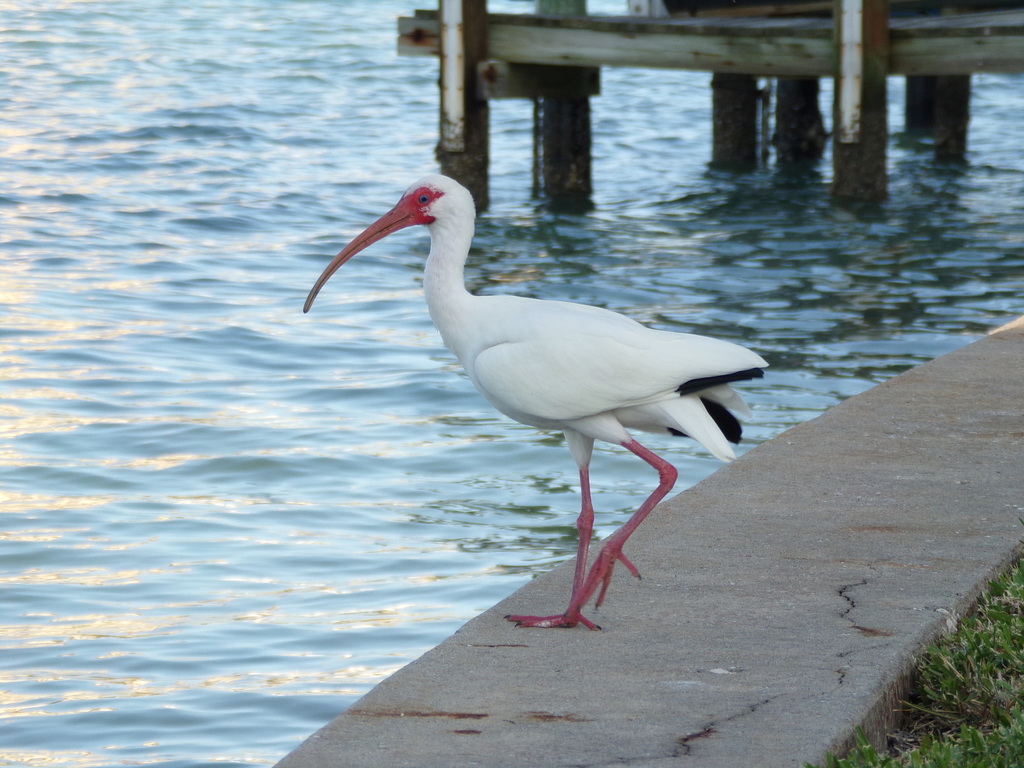

NatureServe Explorer, CC BY 4.0. USGS Gap Analysis Project habitat models.
Sources
- USGS Gap Analysis Project habitat models (2001)
- USGS GAP winter habitat model for Lesser Yellowlegs Elevation 0 to 3,800 m
- USGS Gap Analysis Project range maps (2001), modeled by watershed; migratory gives no dates
- NatureServe Explorer (CC BY 4.0), habitat names
- US Census TIGER/Line counties
- Names follow the USGS Gap Analysis Project (2001)