

Bird
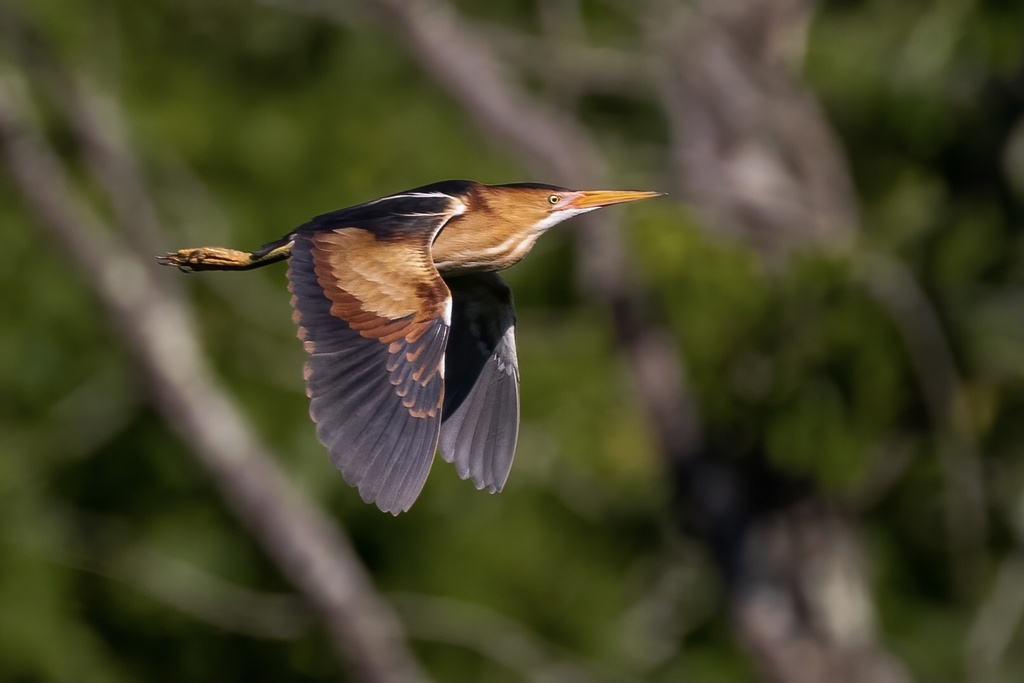
Least Bittern
Ixobrychus exilis
A summer resident that nests in Alabama. Found in all 67 counties, across 9 habitats.
- Here
- Summer
- Nesting
- Nests here
- Range
- All 67 counties
- Habitats
- 9
At a glance
- Group
- Birds
- Here
- Summer
- Nesting
- Nests here
- Range
- All 67 counties
- Habitats
- 9
- Habitat models
- Summer, Winter
Where it lives
The places its habitat model includes. It is not found everywhere a habitat occurs.
Habitats in Alabama 9
Each habitat page lists the plants and wildlife also found there.

Open sand of beaches, dunes and the hollows between them.
Open, wet, seepage-fed bogs of the Coastal Plain and Sandhills, often with pitcher plants.
Coastal tidal marshes (salinity not stated)
Tidal marshes of the Atlantic and Gulf coasts where the source does not say whether the water is fresh, brackish or salt. A stated salinity files the marsh under freshwater tidal marshes or salt and brackish marshes instead.
Disturbed and introduced wetlands
Wet ground taken over by weedy or introduced plants after disturbance, such as common reed, Chinese tallow or tamarisk stands; the upland counterpart is roadsides, fields and disturbed ground.
Floodplain and bottomland forests
Forests on low ground beside rivers and streams that flood from time to time.
Coastal marshes flooded by salty or brackish tides.
Salt and brackish open water of sounds, bays and estuaries, with the mud and sand flats and seagrass beds that tides cover and uncover; the vegetated marsh is salt and brackish marshes.
Other habitats in its models (42)
Land cover, or classes with no habitat page in Alabama.
- Open Water (Aquaculture) Summer and winter.
- North Pacific Hypermaritime Shrub and Herbaceous Headland Summer and winter, only within 500 m of water.
- Acadian Salt Marsh and Estuary Systems Summer and winter.
- Atlantic Coastal Plain Central Salt and Brackish Tidal Marsh Summer and winter.
- Atlantic Coastal Plain Indian River Lagoon Tidal Marsh Summer and winter.
- Atlantic Coastal Plain Embayed Region Tidal Salt and Brackish Marsh Summer and winter.
- Temperate Pacific Tidal Salt and Brackish Marsh Summer and winter.
- Atlantic Coastal Plain Northern Tidal Salt Marsh Summer and winter.
- Florida Big Bend Salt-Brackish Tidal Marsh Summer and winter.
- Atlantic Coastal Plain Clay-Based Carolina Bay Herbaceous Wetland Summer and winter.
- Laurentian-Acadian Swamp Systems Summer and winter.
- Atlantic Coastal Plain Large Natural Lakeshore Summer and winter.
- North Pacific Shrub Swamp Summer and winter.
- South Florida Everglades Sawgrass Marsh Summer and winter.
- Great Lakes Coastal Marsh Systems Summer and winter.
- Central Interior and Appalachian Shrub-Herbaceous Wetland Systems Summer and winter.
- Floridian Highlands Freshwater Marsh Summer and winter.
- Laurentian-Acadian Shrub-Herbaceous Wetland Systems Summer and winter.
- North Pacific Intertidal Freshwater Wetland Summer and winter.
- North American Arid West Emergent Marsh Summer and winter.
- Temperate Pacific Freshwater Emergent Marsh Summer and winter.
- Great Lakes Freshwater Estuary and Delta Summer and winter.
- Atlantic Coastal Plain Embayed Region Tidal Freshwater Marsh Summer and winter.
- Central Florida Herbaceous Seep Summer and winter.
- Florida Big Bend Fresh-Oligohaline Tidal Marsh Summer and winter.
- Atlantic Coastal Plain Northern Fresh and Oligohaline Tidal Marsh Summer and winter.
- Northern Great Lakes Coastal Marsh Summer and winter.
- South Florida Mangrove Swamp Summer and winter.
- Laurentian-Acadian Freshwater Marsh Summer and winter.
- Atlantic Coastal Plain Central Fresh-Oligohaline Tidal Marsh Summer and winter.
- Rocky Mountain Subalpine-Montane Fen Summer and winter.
- Mediterranean California Subalpine-Montane Fen Summer and winter.
- Mediterranean California Serpentine Fen Summer and winter.
- Western Great Plains Depressional Wetland Systems Summer and winter.
- Western Great Plains Open Freshwater Depression Wetland Summer and winter.
- Central Florida Herbaceous Pondshore Summer and winter.
- East Gulf Coastal Plain Southern Depression Pondshore Summer and winter.
- Atlantic Coastal Plain Depression Pondshore Summer and winter.
- South Florida Freshwater Slough and Gator Hole Summer and winter.
- East Gulf Coastal Plain Large River Floodplain Forest - Herbaceous Modifier Summer and winter.
- South-Central Interior Large Floodplain - Herbaceous Modifier Summer and winter.
- North American Warm Desert Lower Montane Riparian Woodland and Shrubland Summer and winter.
Seasons in Alabama
- Summer: nests here, in all 67 counties.
Also found in this habitat
Plants 400
Plants named in NatureServe descriptions of these habitats that grow in Alabama. Shared habitat, not food.
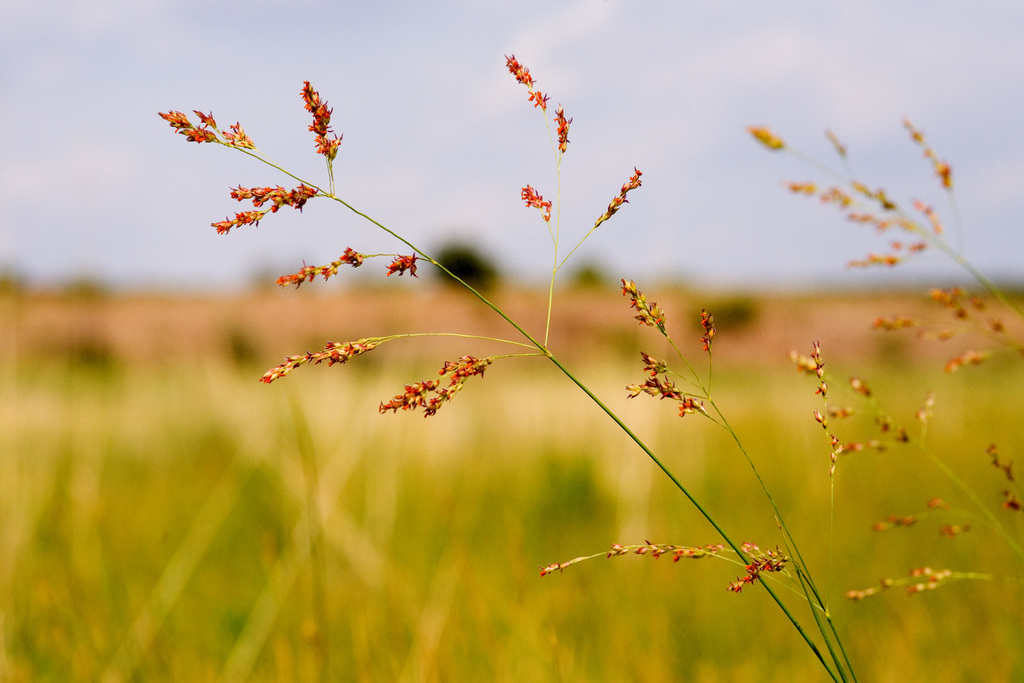
- SwitchgrassPanicum virgatum
- Common Three Square BulrushSchoenoplectus pungens
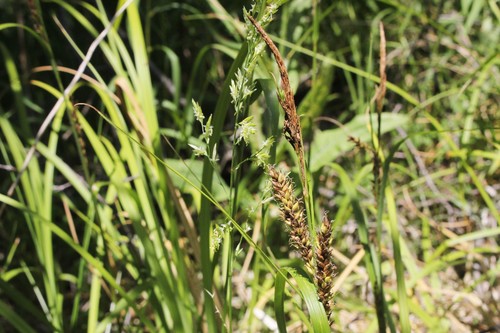
- Shoreline SedgeCarex hyalinolepis
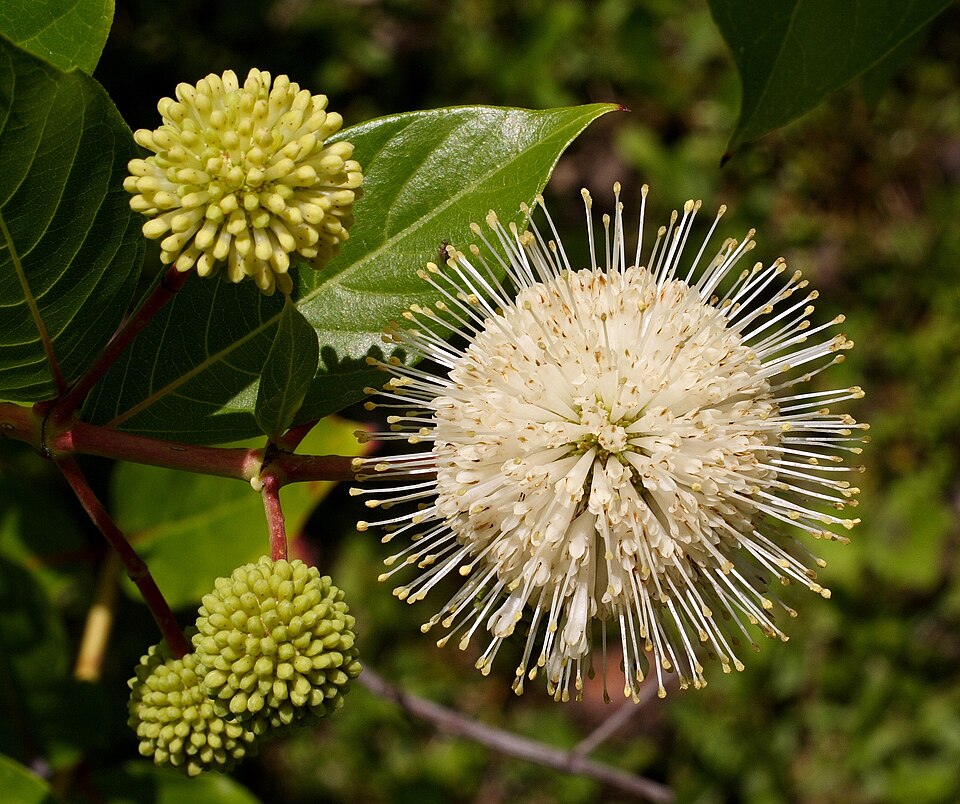
- ButtonbushCephalanthus occidentalis
- PondberryLindera melissifolia
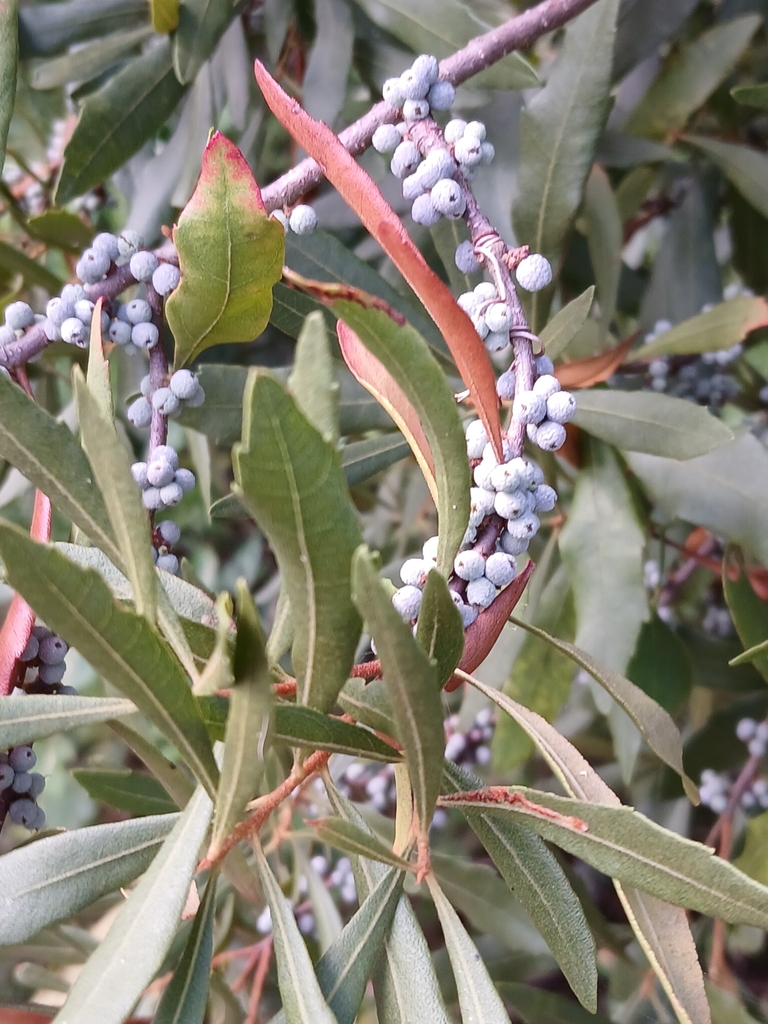
- Common WaxmyrtleMorella cerifera
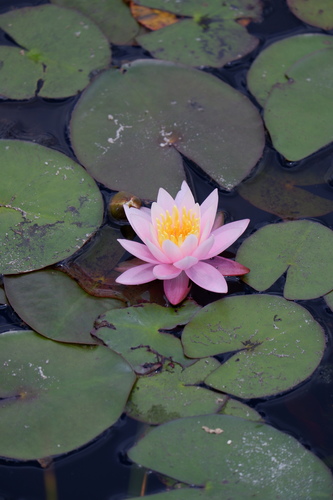
- Fragrant Water-lilyNymphaea odorata
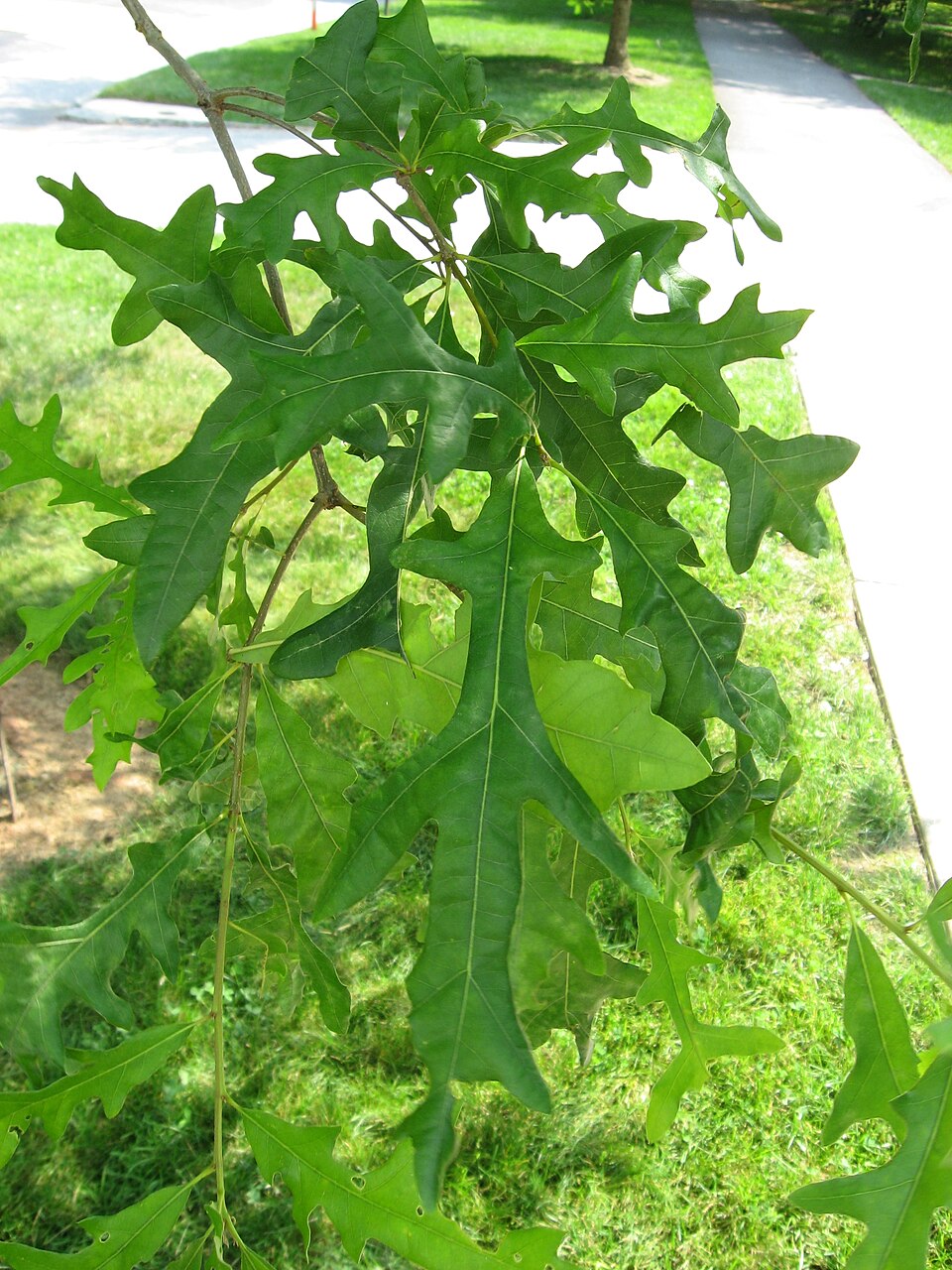
- Overcup OakQuercus lyrata
- Saltmeadow CordgrassSporobolus pumilus
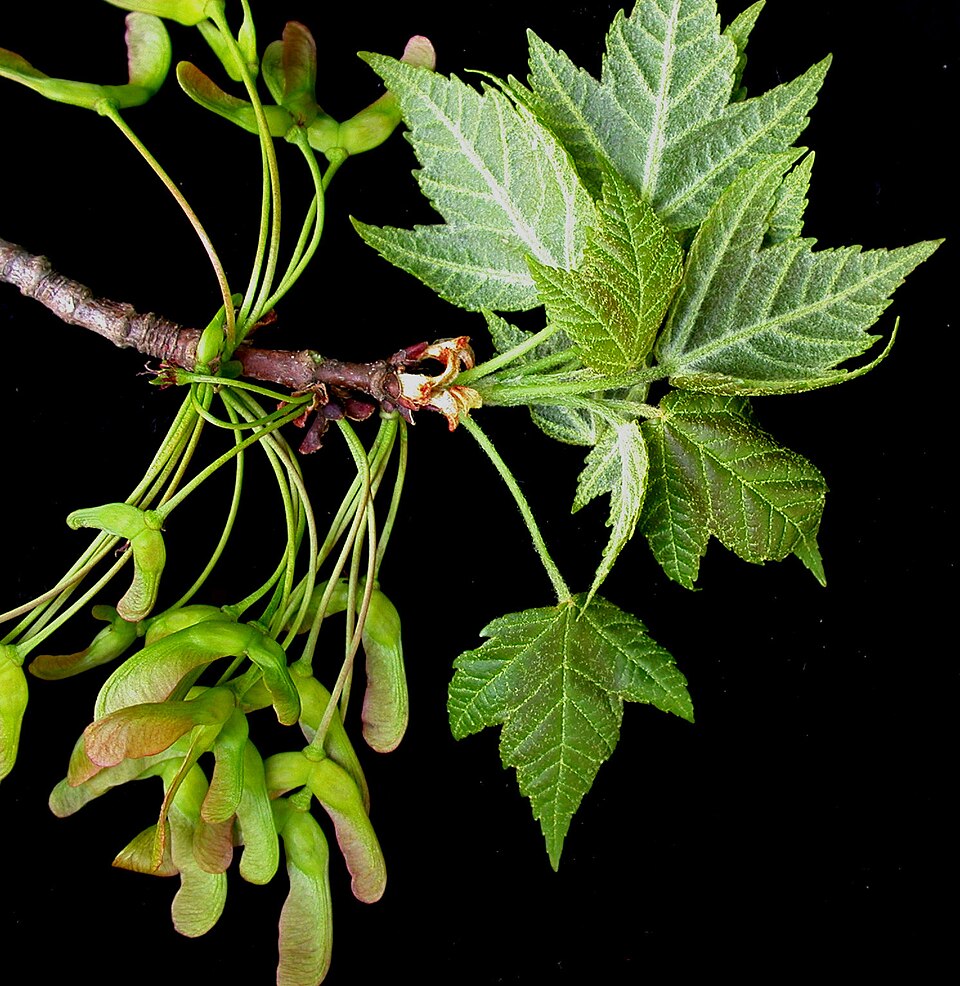
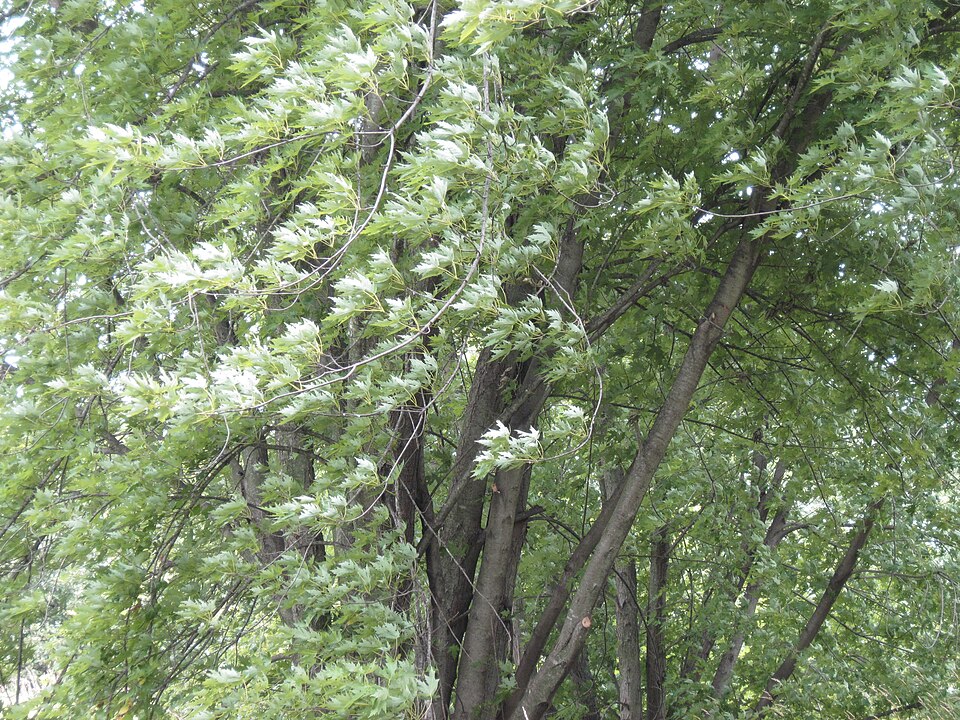
- Drummonds Red MapleAcer drummondii
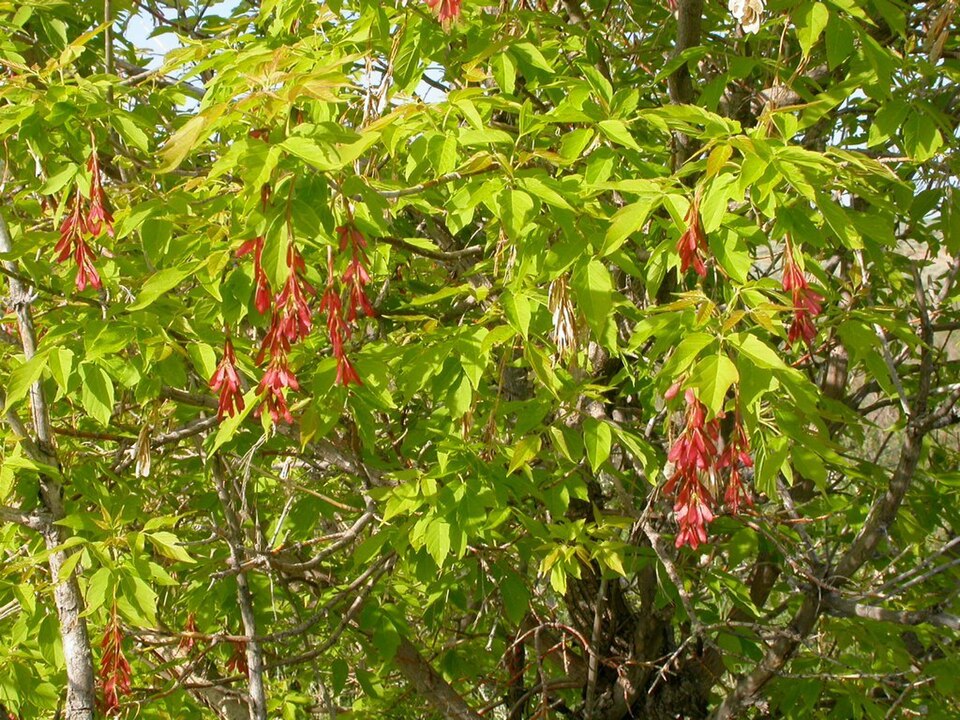
- Box-elderAcer negundo
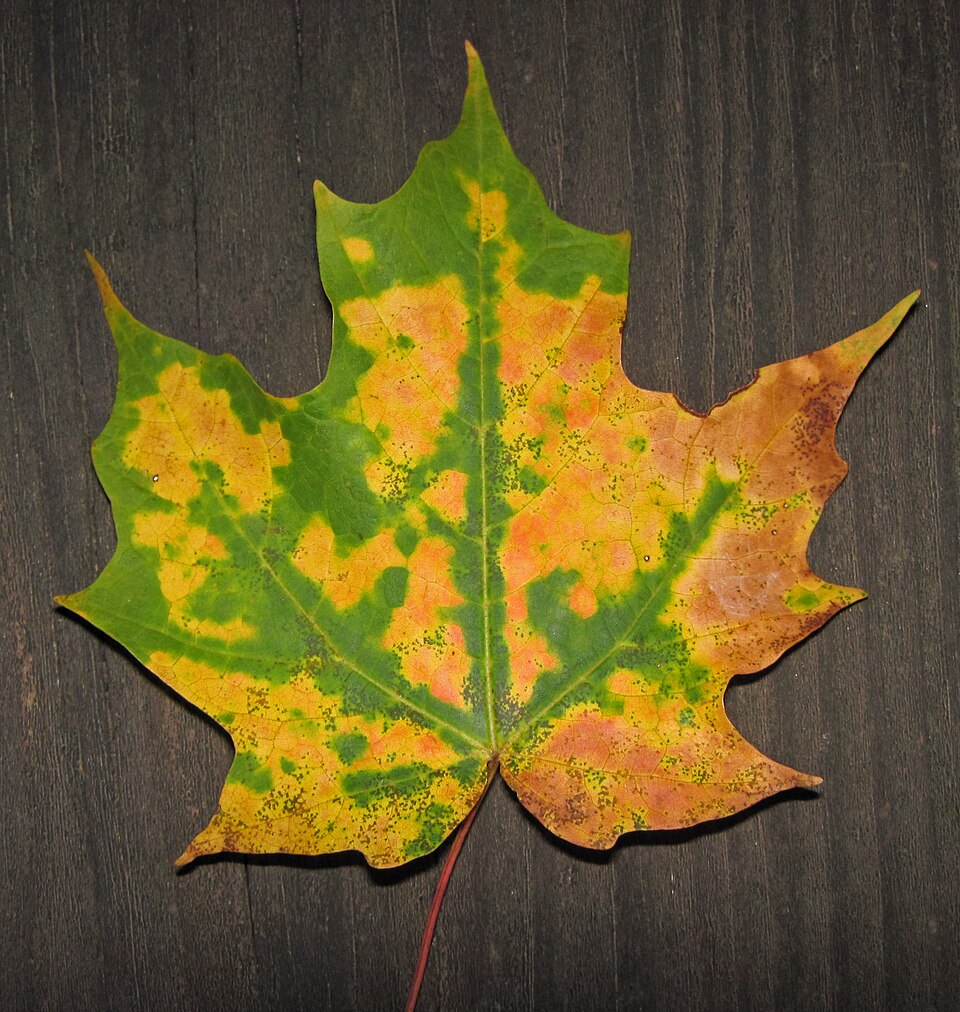
- Red MapleAcer rubrum
- Silver MapleAcer saccharinum
- Sugar MapleAcer saccharum
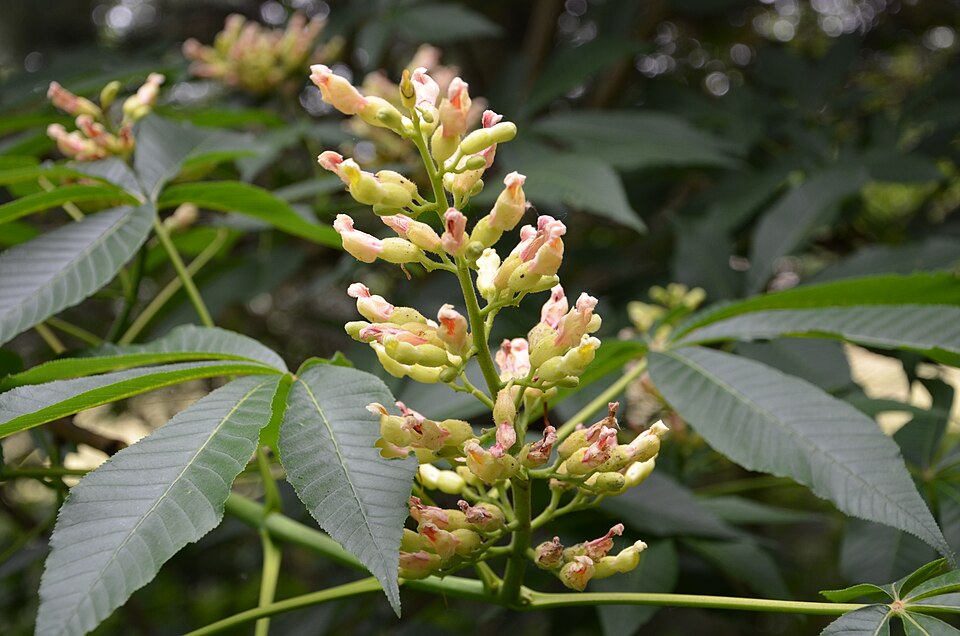
- Yellow BuckeyeAesculus flava
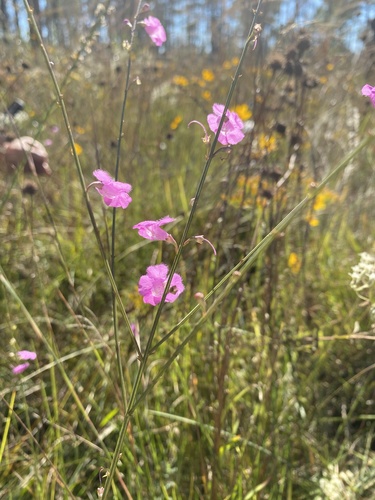
- Scaleleaf False FoxgloveAgalinis aphylla
- Agalinis filicaulisAgalinis filicaulis
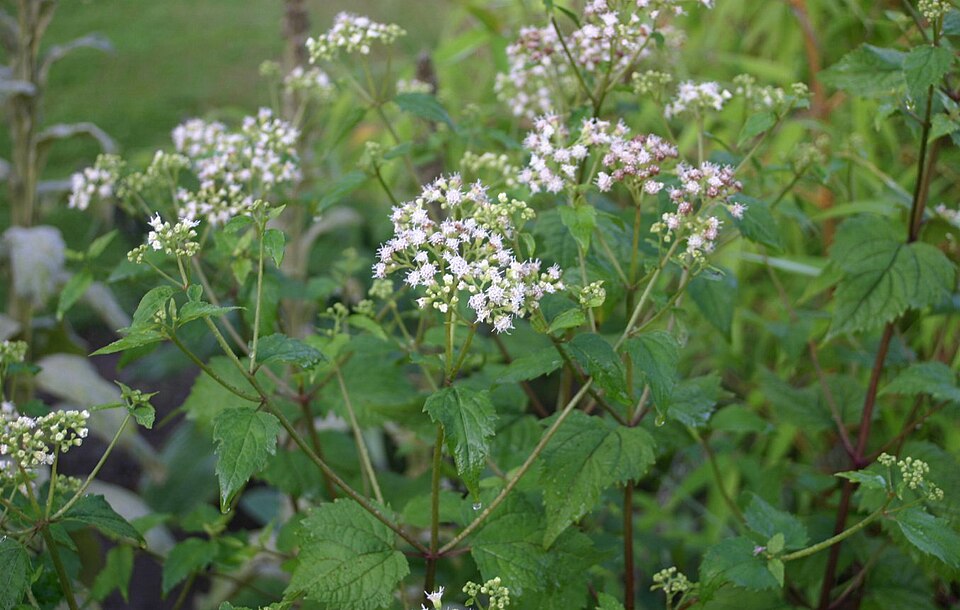
- White SnakerootAgeratina altissima
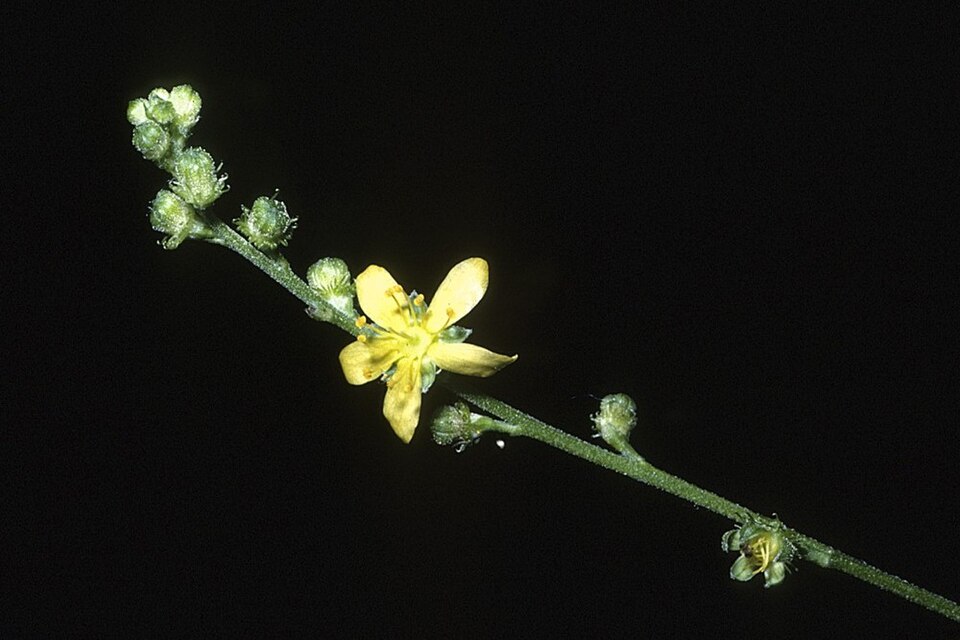
- Woodland AgrimonyAgrimonia rostellata
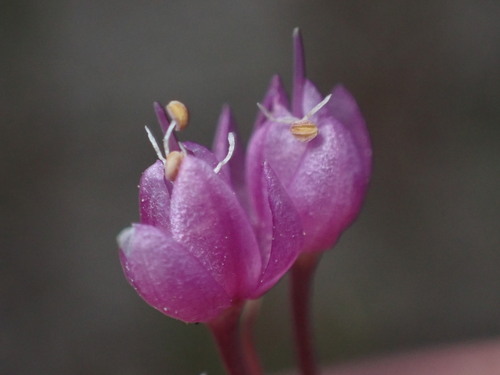
- Nodding OnionAllium cernuum
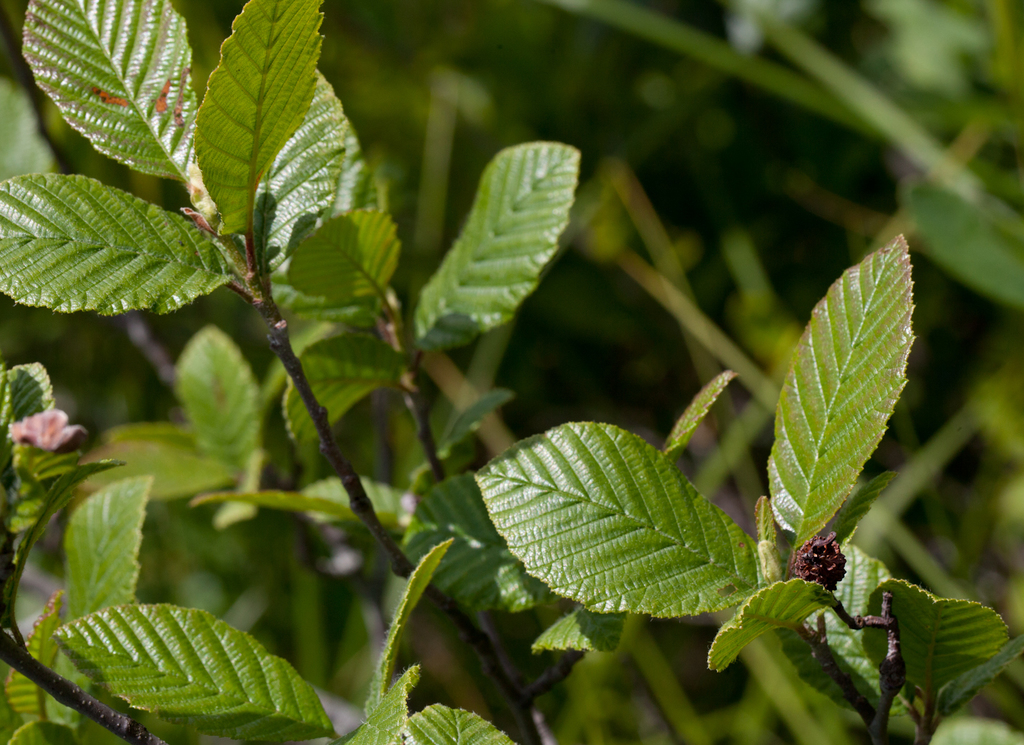
- Hazel AlderAlnus serrulata
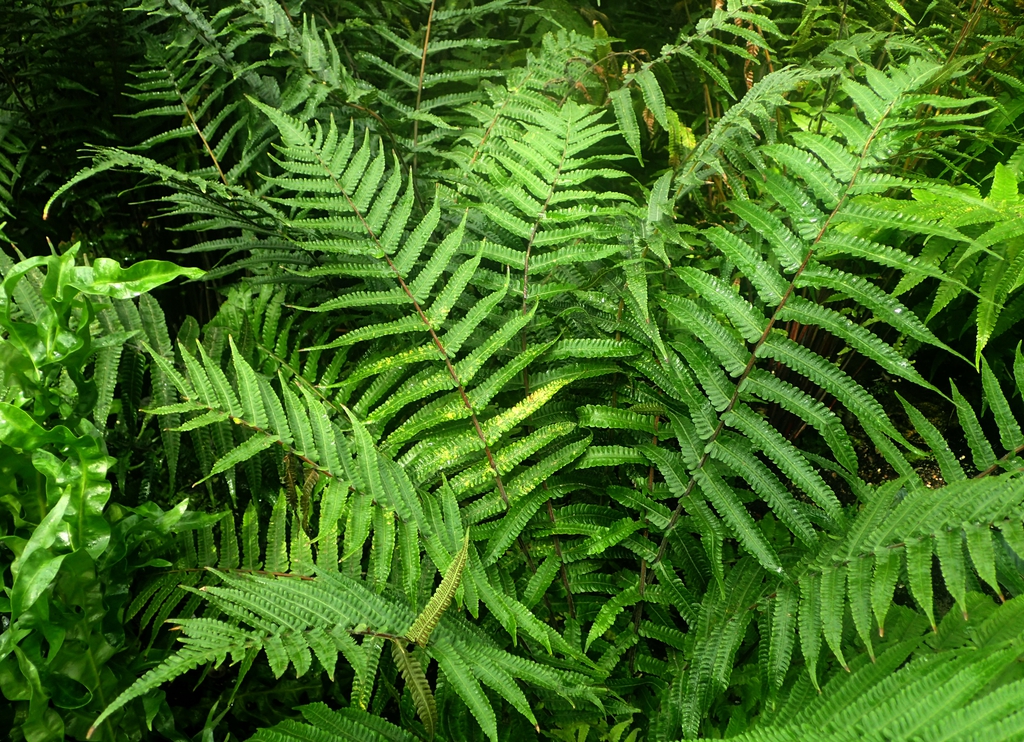
- New York FernAmauropelta noveboracensis
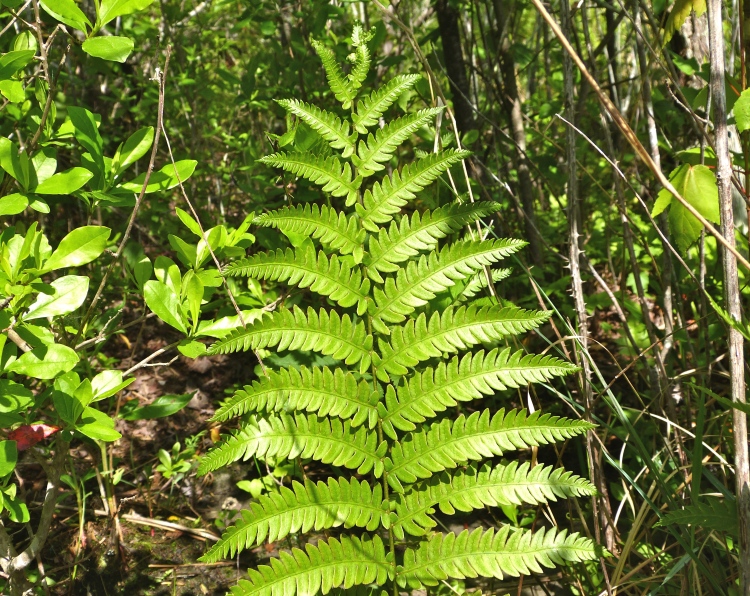
- Virginia Chain-fernAnchistea virginica
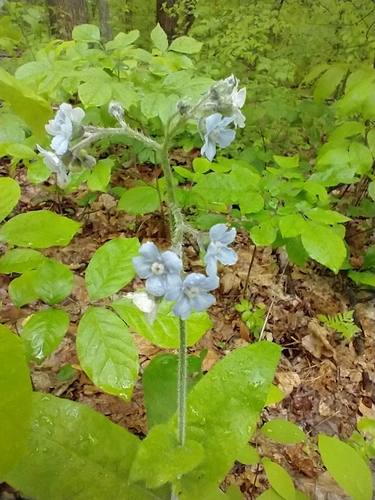
- Wild ComfreyAndersonglossum virginianum
Wildlife 246
Other animals whose habitat models include the same habitats in Alabama. Not sighting records.
- Western MeadowlarkSturnella neglecta
- White-crowned SparrowZonotrichia leucophrys
- White-winged DoveZenaida asiatica
- Wild TurkeyMeleagris gallopavo
- Yellow-throated VireoVireo flavifrons
- Yellow-throated WarblerDendroica dominica
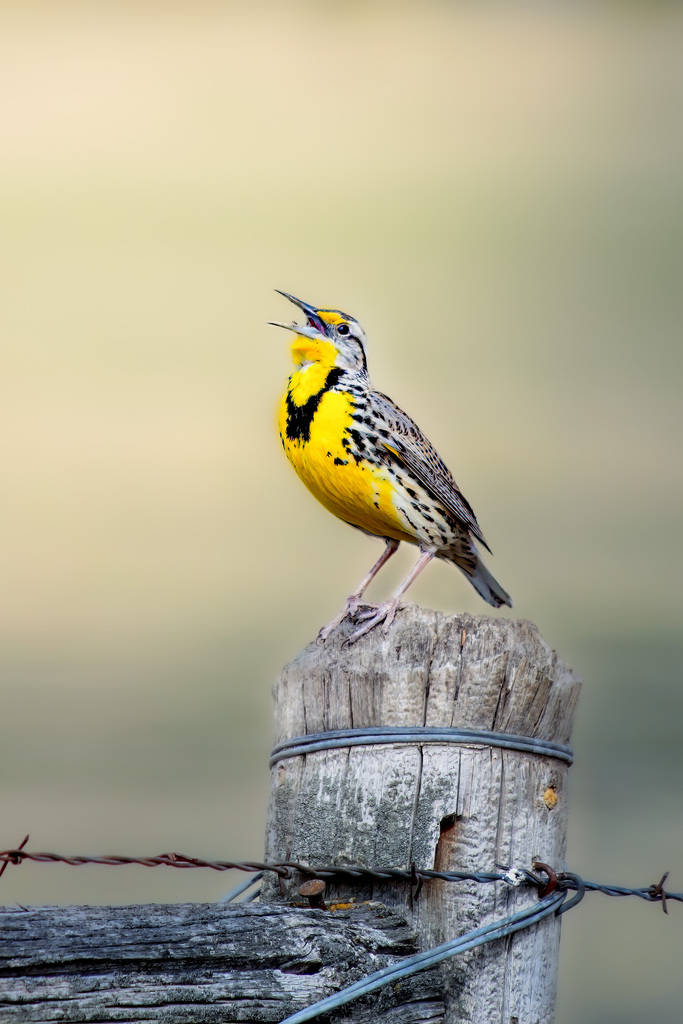
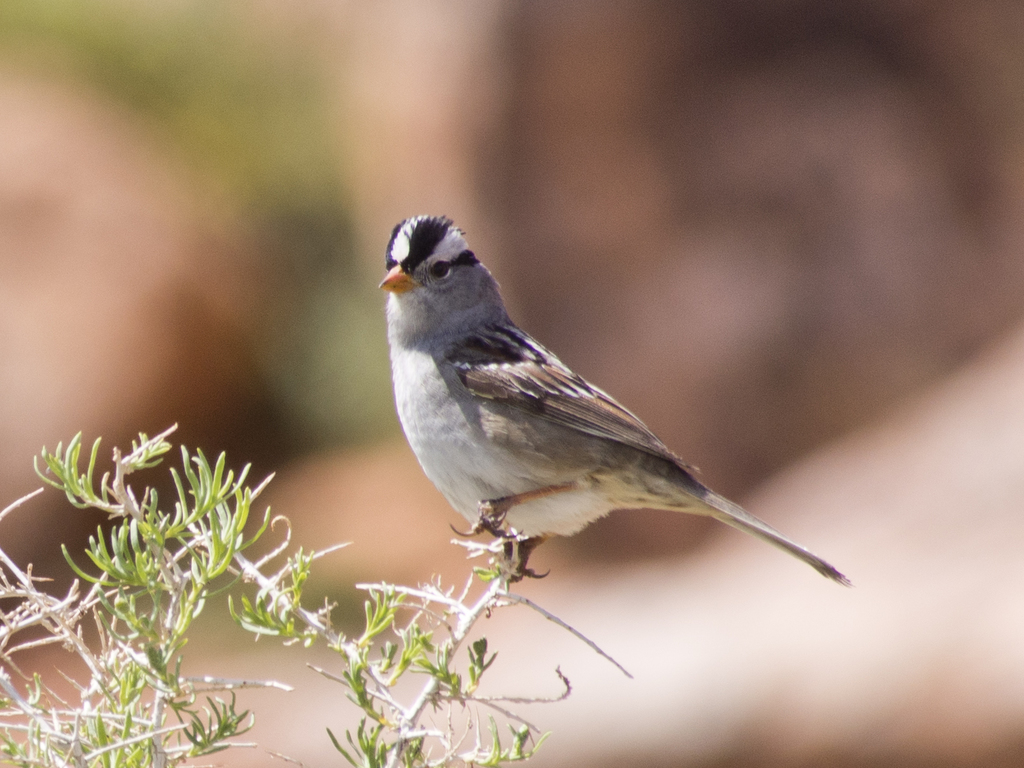
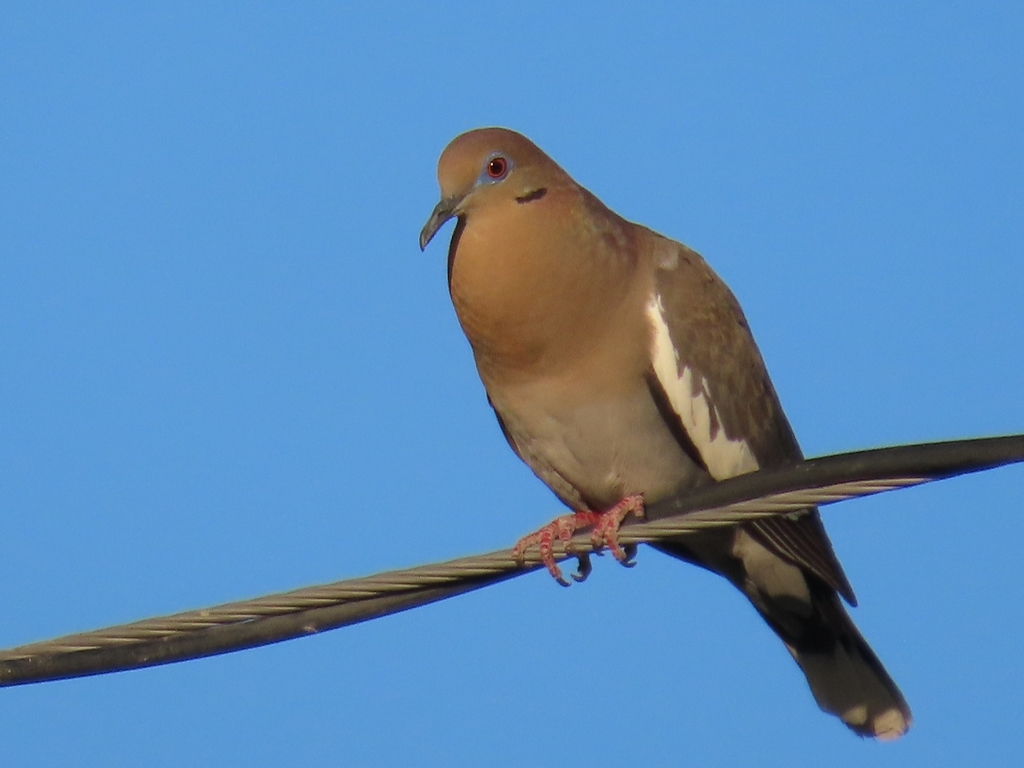

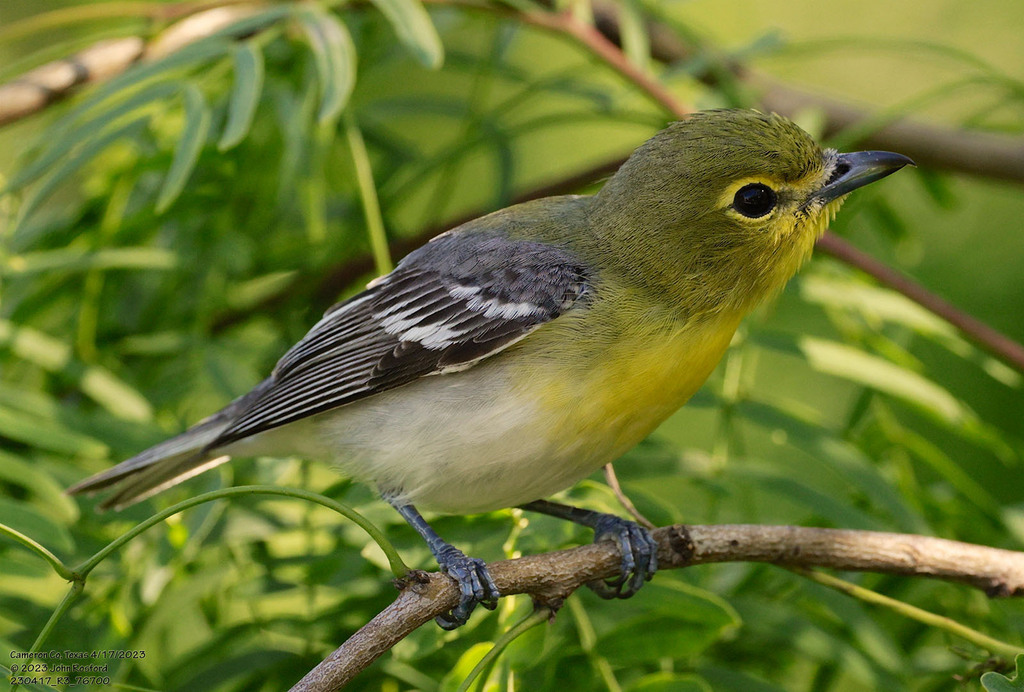
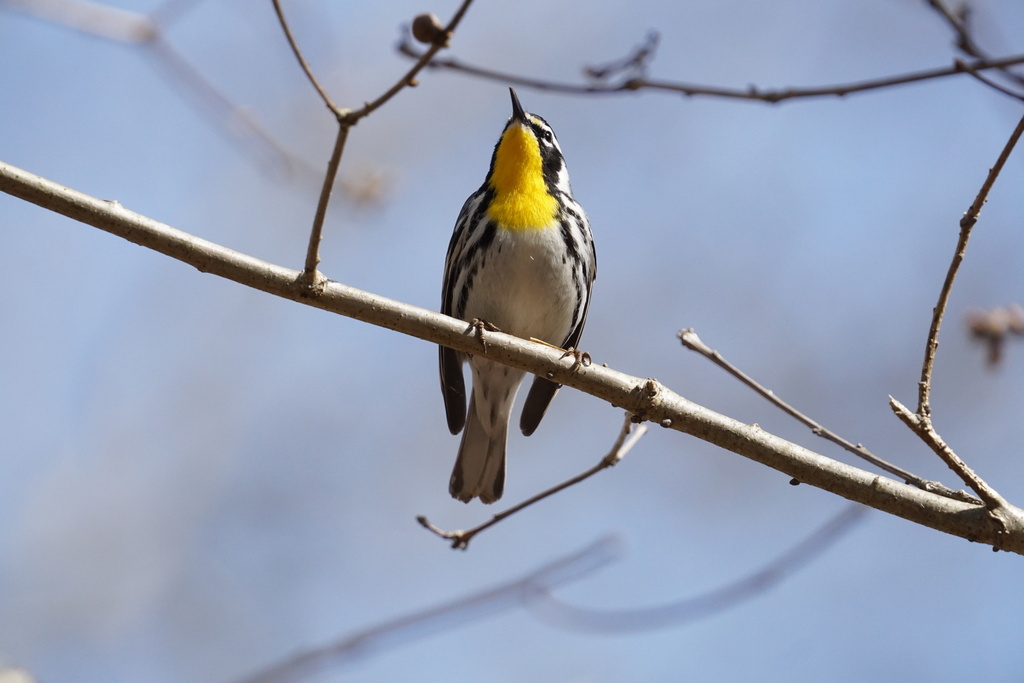
NatureServe Explorer, CC BY 4.0. USGS Gap Analysis Project habitat models.
Sources
- USGS Gap Analysis Project habitat models (2001)
- USGS GAP winter habitat model for Least Bittern
- USGS Gap Analysis Project range maps (2001), modeled by watershed; migratory gives no dates
- NatureServe Explorer (CC BY 4.0), habitat names
- US Census TIGER/Line counties
- Names follow the USGS Gap Analysis Project (2001)