

Bird
Green Heron
Butorides virescens
Lives in Alabama all year and nests here. Found in all 67 counties, across 13 habitats.
- Here
- All year
- Nesting
- Nests here
- Range
- All 67 counties
- Habitats
- 13

At a glance
- Group
- Birds
- Here
- All year
- Nesting
- Nests here
- Range
- All 67 counties
- Habitats
- 13
- Habitat models
- Summer, Winter
Where it lives
The places its habitat model includes. It is not found everywhere a habitat occurs.
Habitats in Alabama 13
Each habitat page lists the plants and wildlife also found there.

Open sand of beaches, dunes and the hollows between them.
Dense, evergreen groves of live oak, magnolia and other hardwoods in the southern Coastal Plain, from dry oak domes to wet hydric hammocks and south Florida's tropical hammocks; salt-shaped maritime hammocks are maritime forests.
Open, wet, seepage-fed bogs of the Coastal Plain and Sandhills, often with pitcher plants.
Coastal tidal marshes (salinity not stated)
Tidal marshes of the Atlantic and Gulf coasts where the source does not say whether the water is fresh, brackish or salt. A stated salinity files the marsh under freshwater tidal marshes or salt and brackish marshes instead.
Disturbed and introduced wetlands
Wet ground taken over by weedy or introduced plants after disturbance, such as common reed, Chinese tallow or tamarisk stands; the upland counterpart is roadsides, fields and disturbed ground.
Floodplain and bottomland forests
Forests on low ground beside rivers and streams that flood from time to time.
Flat, poorly drained uplands and terraces with oaks, sweetgum and sometimes loblolly pine, wet in winter and dry in summer, but neither a floodplain nor a swamp.
Coastal marshes flooded by salty or brackish tides.
Salt and brackish open water of sounds, bays and estuaries, with the mud and sand flats and seagrass beds that tides cover and uncover; the vegetated marsh is salt and brackish marshes.
Streams, rivers and their banks
Flowing water and its banks, bars and rocky shoals.
Other habitats in its models (69)
Land cover, or classes with no habitat page in Alabama.
- Developed, Low Intensity Summer, only within 1,000 m of water.
- Developed, Medium Intensity Summer, only within 1,000 m of water.
- Open Water (Aquaculture) Summer and winter.
- Unconsolidated Shore (Lake/River/Pond) Summer and winter.
- Unconsolidated Shore Summer and winter.
- East-Central Texas Plains Riparian Forest Summer.
- Atlantic Coastal Plain Xeric River Dune Summer and winter.
- Atlantic Coastal Plain Central Salt and Brackish Tidal Marsh Summer and winter.
- Atlantic Coastal Plain Indian River Lagoon Tidal Marsh Summer and winter.
- Atlantic Coastal Plain Embayed Region Tidal Salt and Brackish Marsh Summer and winter.
- Atlantic Coastal Plain Northern Tidal Salt Marsh Summer and winter.
- Florida Big Bend Salt-Brackish Tidal Marsh Summer and winter.
- Southern Coastal Plain Nonriverine Basin Swamp - Okefenokee Pine Modifier Summer and winter.
- Atlantic Coastal Plain Clay-Based Carolina Bay Herbaceous Wetland Summer and winter.
- Atlantic Coastal Plain Peatland Pocosin Summer and winter.
- West Gulf Coastal Plain Seepage Swamp and Baygall Summer and winter.
- Atlantic Coastal Plain Streamhead Seepage Swamp - Pocosin - and Baygall Summer and winter.
- Atlantic Coastal Plain Large Natural Lakeshore Summer and winter.
- Atlantic Coastal Plain Southern Tidal Wooded Swamp Summer and winter.
- South Florida Everglades Sawgrass Marsh Summer and winter.
- Floridian Highlands Freshwater Marsh Summer and winter.
- Atlantic Coastal Plain Embayed Region Tidal Freshwater Marsh Summer and winter.
- Central Florida Herbaceous Seep Summer and winter.
- Florida Big Bend Fresh-Oligohaline Tidal Marsh Summer and winter.
- Atlantic Coastal Plain Northern Fresh and Oligohaline Tidal Marsh Summer and winter.
- Atlantic Coastal Plain Northern Tidal Wooded Swamp Summer and winter.
- South Florida Mangrove Swamp Summer and winter.
- West Gulf Coastal Plain Near-Coast Large River Swamp Summer and winter.
- South Florida Bayhead Swamp Summer and winter.
- Northern Atlantic Coastal Plain Basin Swamp and Wet Hardwood Forest Summer and winter.
- Atlantic Coastal Plain Central Fresh-Oligohaline Tidal Marsh Summer and winter.
- Atlantic Coastal Plain Nonriverine Swamp and Wet Hardwood Forest - Taxodium/Nyssa Modifier Summer and winter.
- Atlantic Coastal Plain Nonriverine Swamp and Wet Hardwood Forest - Oak Dominated Modifier Summer and winter.
- Atlantic Coastal Plain Clay-Based Carolina Bay Forested Wetland Summer and winter.
- South Florida Dwarf Cypress Savanna Summer and winter.
- Southern and Central Appalachian Bog and Fen Summer and winter.
- South Florida Wet Marl Prairie Summer and winter.
- Eastern Great Plains Wet Meadow, Prairie, and Marsh Summer.
- Lower Mississippi River Bottomland Depressions - Forest Modifier Summer and winter.
- South Florida Cypress Dome Summer and winter.
- Western Great Plains Depressional Wetland Systems Summer and winter.
- Central Florida Herbaceous Pondshore Summer and winter.
- East Gulf Coastal Plain Southern Depression Pondshore Summer and winter.
- Atlantic Coastal Plain Depression Pondshore Summer and winter.
- Mississippi River Bottomland Depression Summer and winter.
- South Florida Freshwater Slough and Gator Hole Summer and winter.
- Atlantic Coastal Plain Blackwater Stream Floodplain Forest - Forest Modifier Summer and winter.
- Central Appalachian Floodplain - Forest Modifier Summer and winter.
- Central Appalachian Riparian - Forest Modifier Summer and winter.
- East Gulf Coastal Plain Large River Floodplain Forest - Herbaceous Modifier Summer and winter.
- South-Central Interior Large Floodplain - Herbaceous Modifier Summer and winter.
- Western Great Plains Floodplain Systems Summer and winter.
- Eastern Great Plains Floodplain Systems Summer.
- Tamaulipan Riparian Systems Summer.
- Mississippi River Riparian Forest Summer and winter.
- Mississippi River Low Floodplain (Bottomland) Forest Summer and winter.
- West Gulf Coastal Plain Large River Floodplain Forest Summer.
- Atlantic Coastal Plain Small Brownwater River Floodplain Forest Summer and winter.
- Atlantic Coastal Plain Small Blackwater River Floodplain Forest Summer and winter.
- Red River Large Floodplain Forest Summer and winter.
- Atlantic Coastal Plain Brownwater Stream Floodplain Forest Summer and winter.
- Mississippi River Floodplain and Riparian Forest Summer and winter.
- Ozark-Ouachita Riparian Summer and winter.
- Central Atlantic Coastal Plain Wet Longleaf Pine Savanna and Flatwoods Summer and winter.
- Atlantic Coastal Plain Southern Wet Pine Savanna and Flatwoods Summer and winter.
- West Gulf Coastal Plain Wet Longleaf Pine Savanna and Flatwoods Summer and winter.
- Central Florida Pine Flatwoods Summer and winter, only within 1,000 m of water.
- North-Central Interior Wet Flatwoods Summer and winter.
- West Gulf Coastal Plain Nonriverine Wet Hardwood Flatwoods Summer.
Seasons in Alabama
- Year-round: nests here, in 2 of 67 counties.
- Summer: nests here, in all 67 counties.
Also found in this habitat
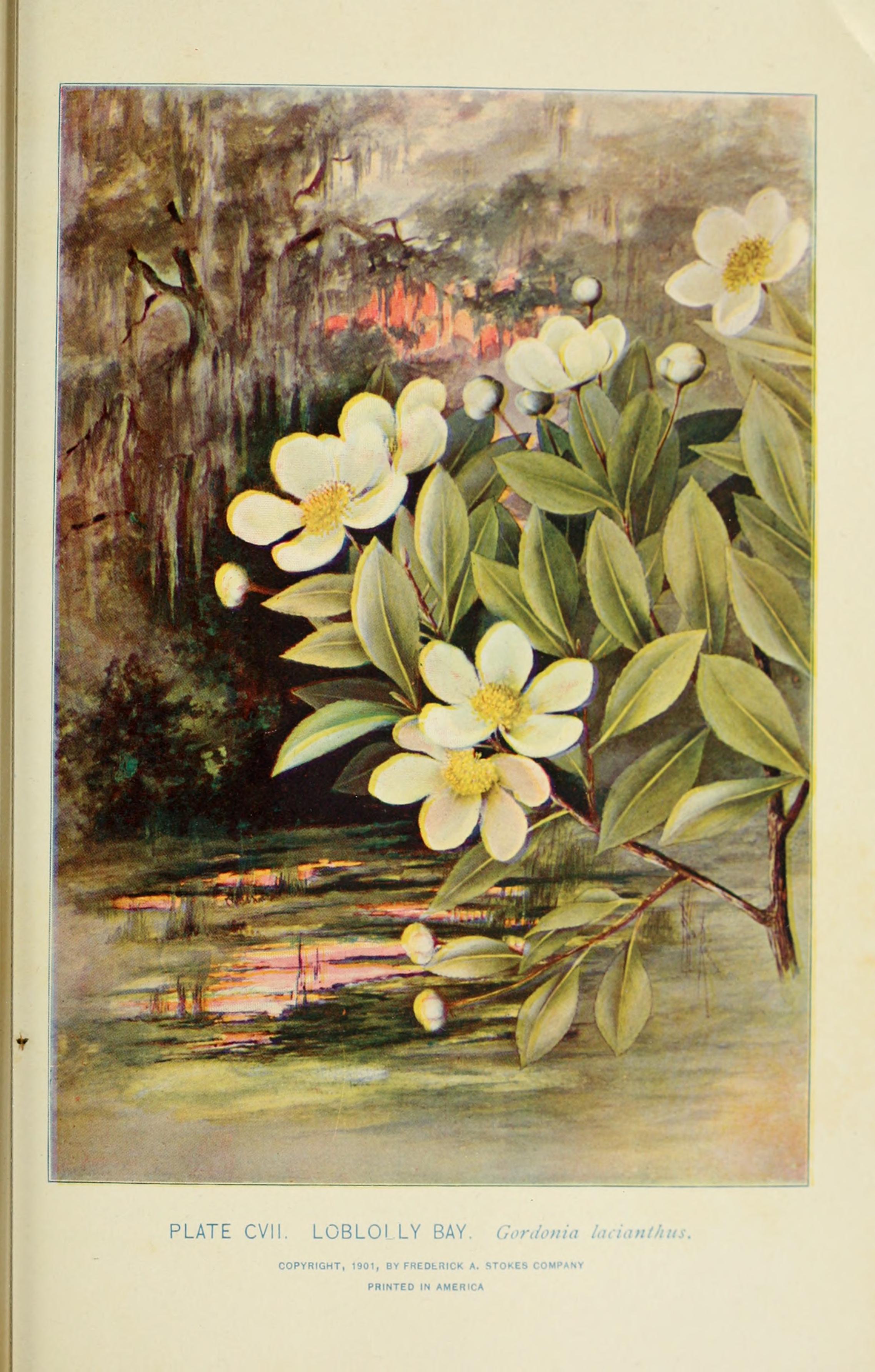
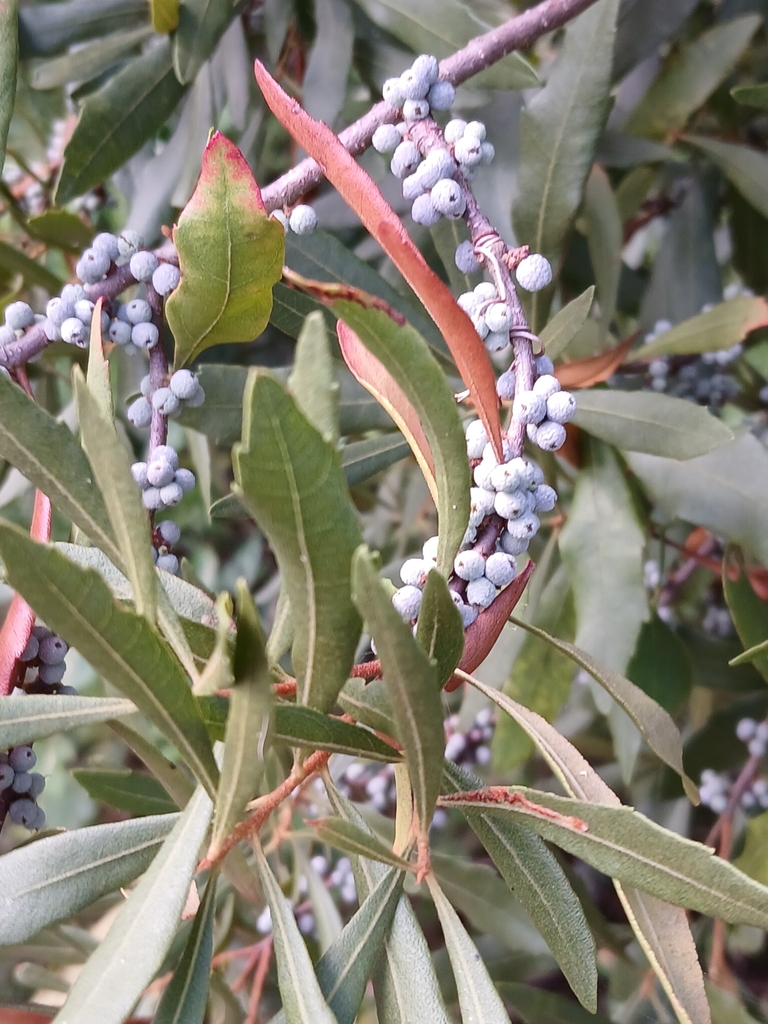
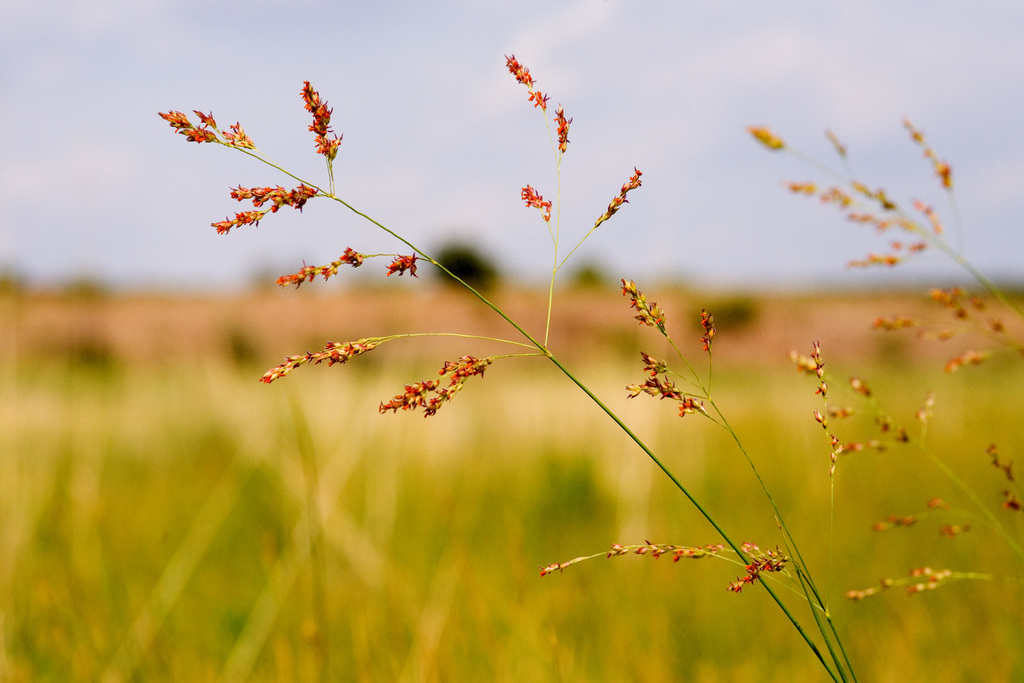
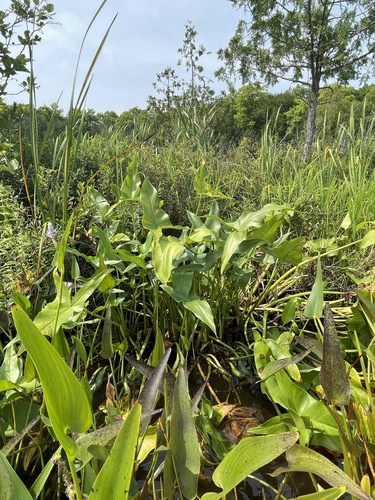
Plants 748
Plants named in NatureServe descriptions of these habitats that grow in Alabama. Shared habitat, not food.
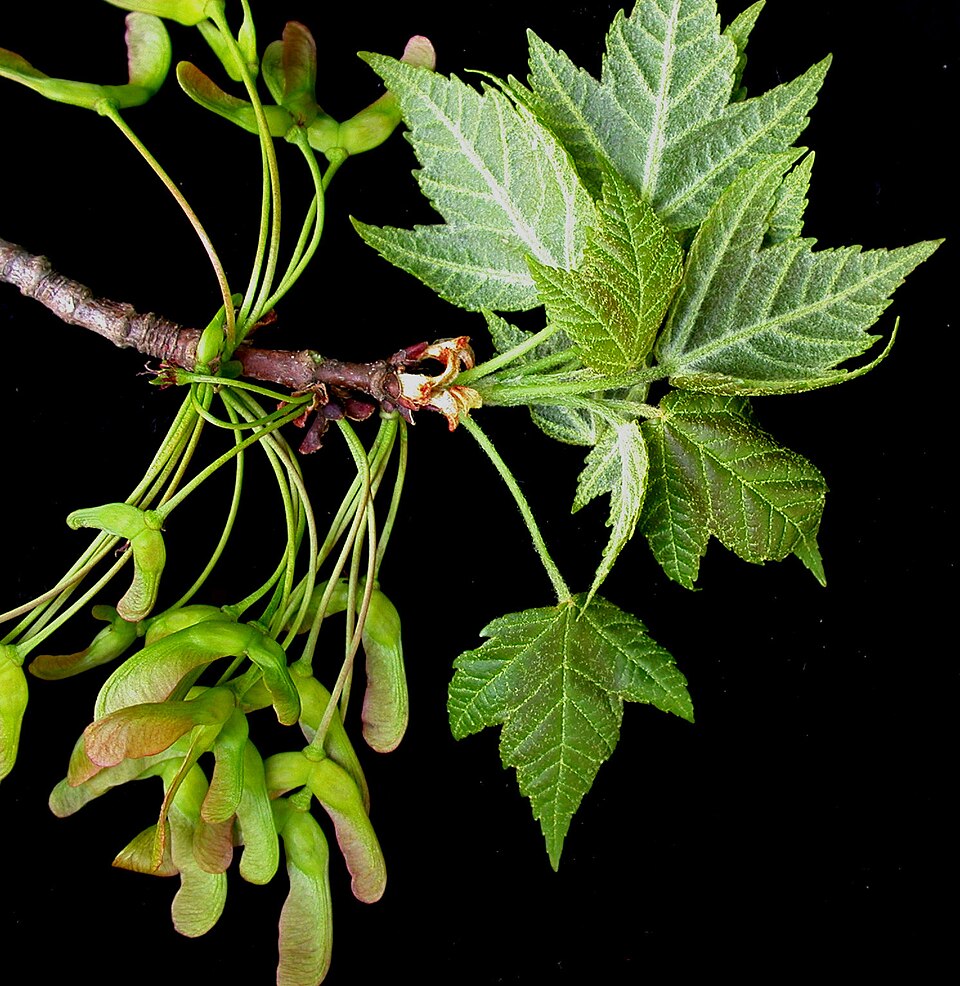
- Red MapleAcer rubrum
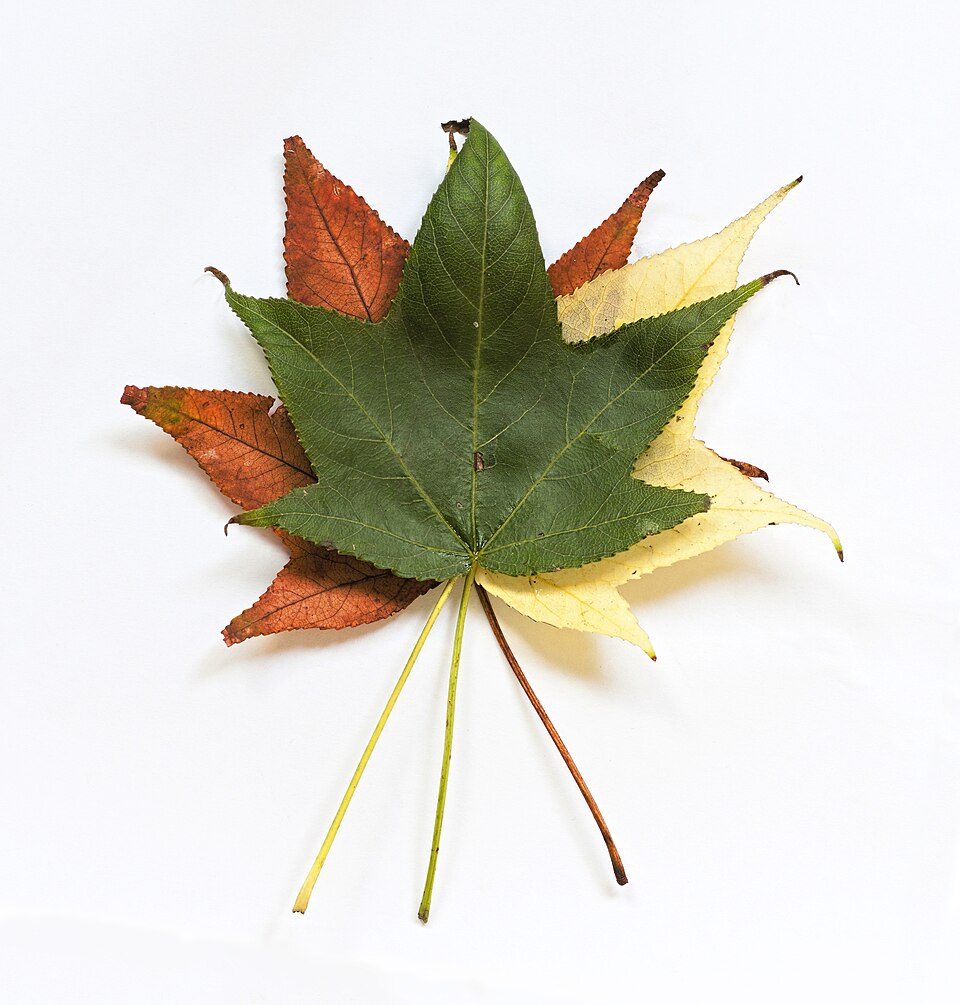
- SweetgumLiquidambar styraciflua
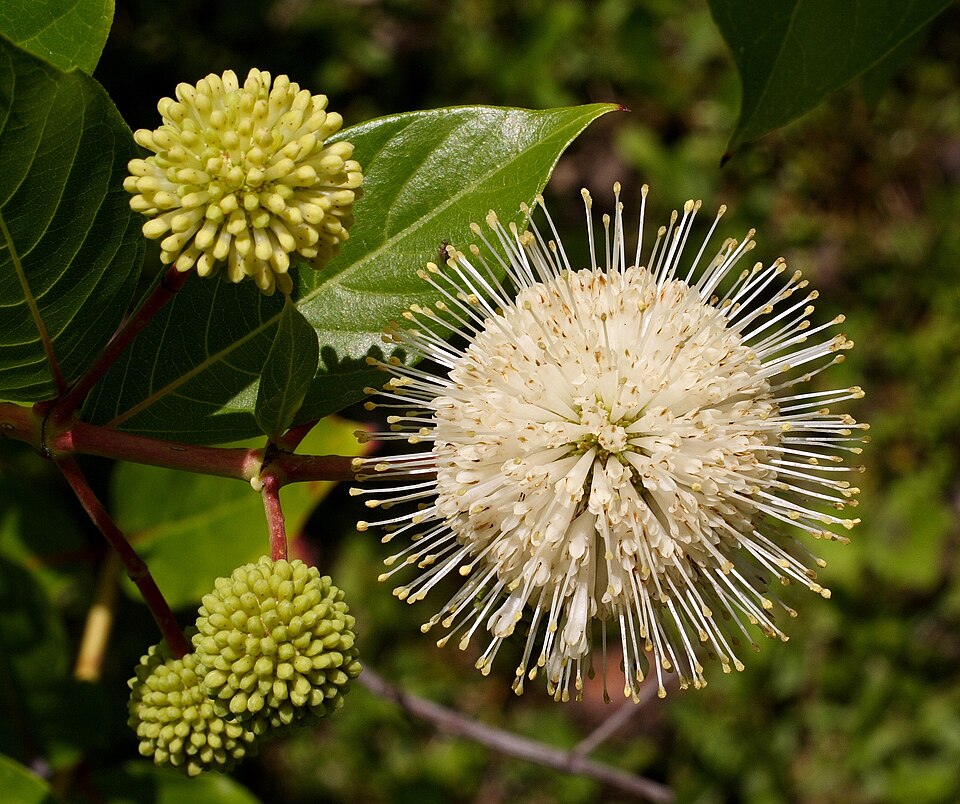
- ButtonbushCephalanthus occidentalis
- Swamp TupeloNyssa biflora
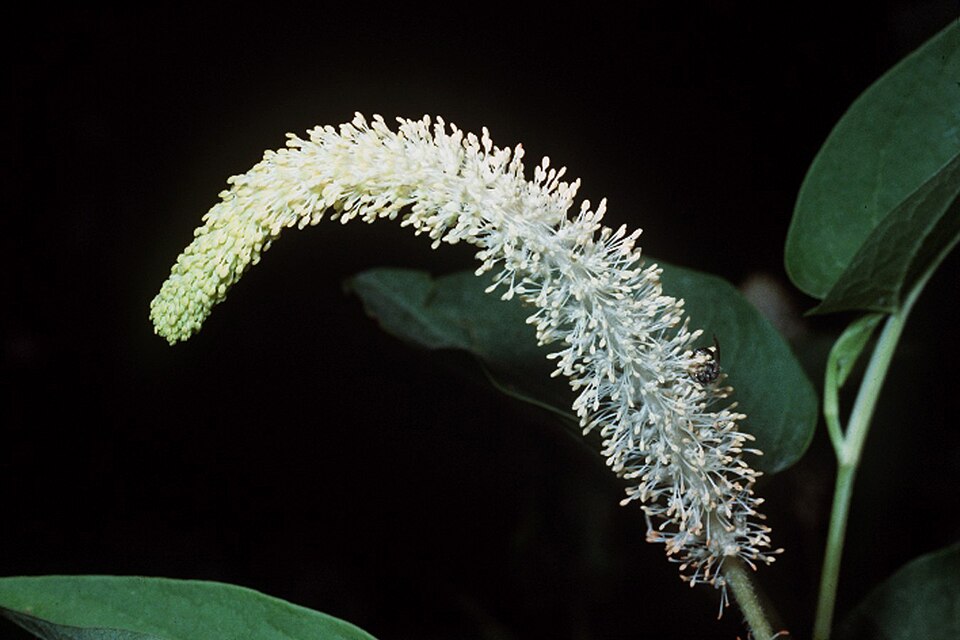
- Lizard's-tailSaururus cernuus
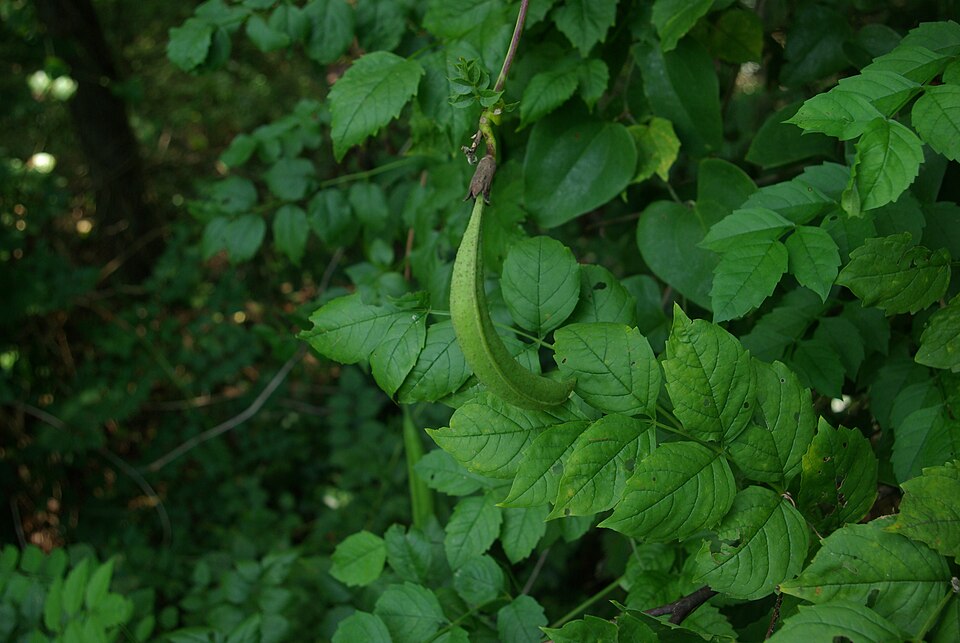
- Trumpet-creeperCampsis radicans
- TitiCyrilla racemiflora
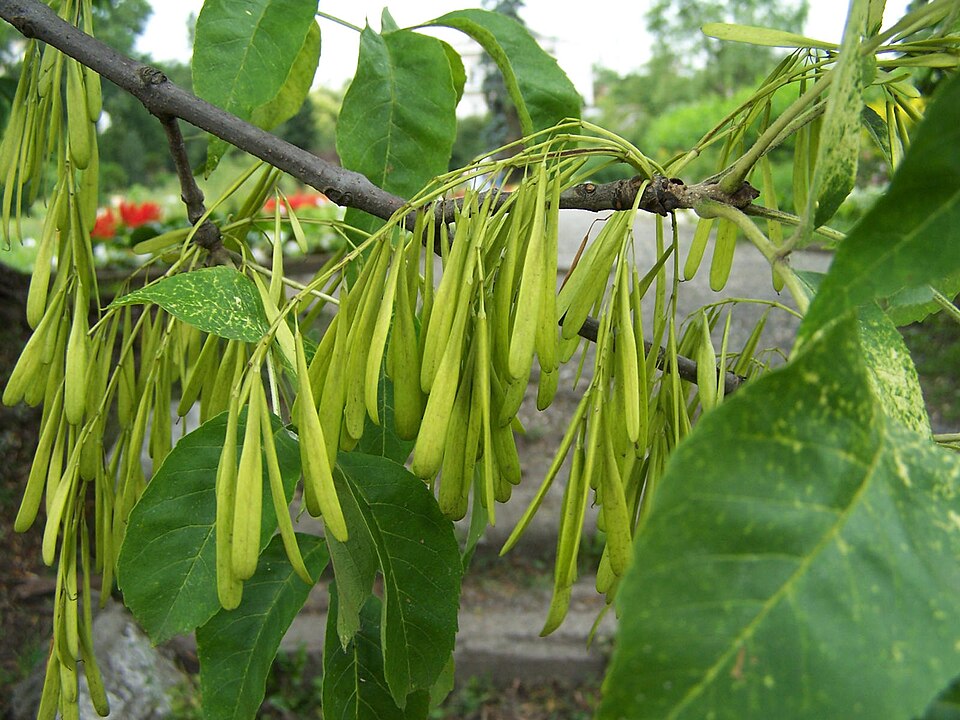
- Green AshFraxinus pennsylvanica
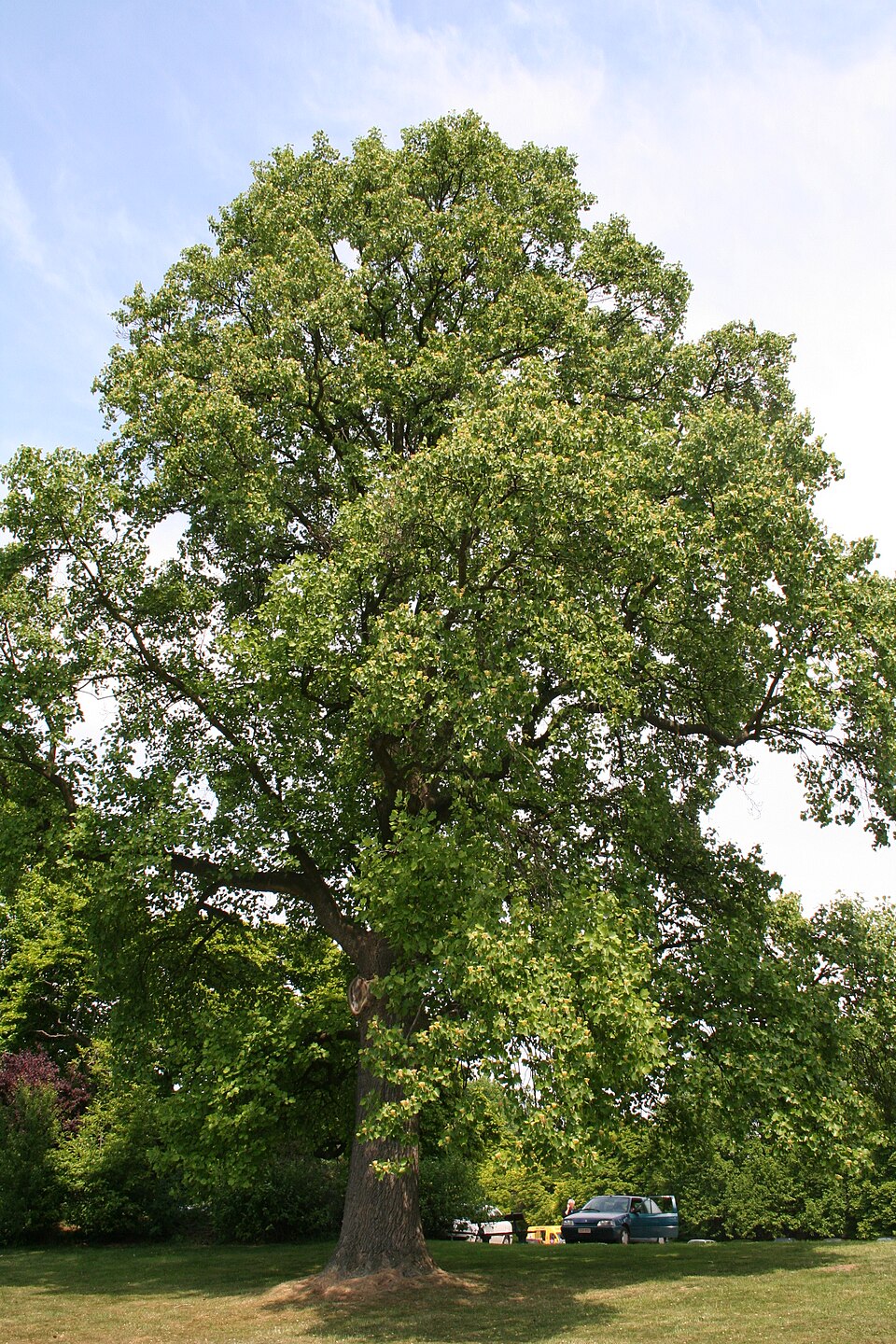
- TuliptreeLiriodendron tulipifera
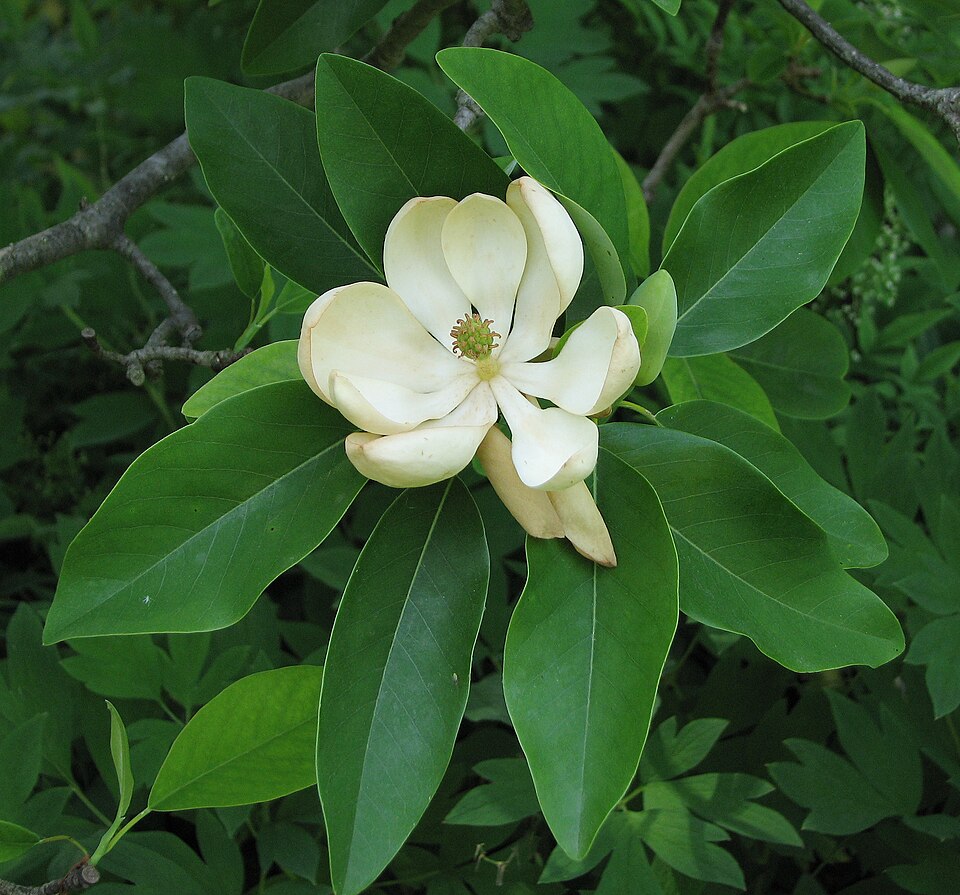
- Sweetbay MagnoliaMagnolia virginiana
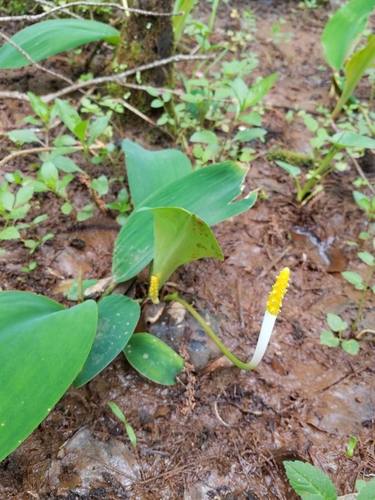
- Golden-clubOrontium aquaticum
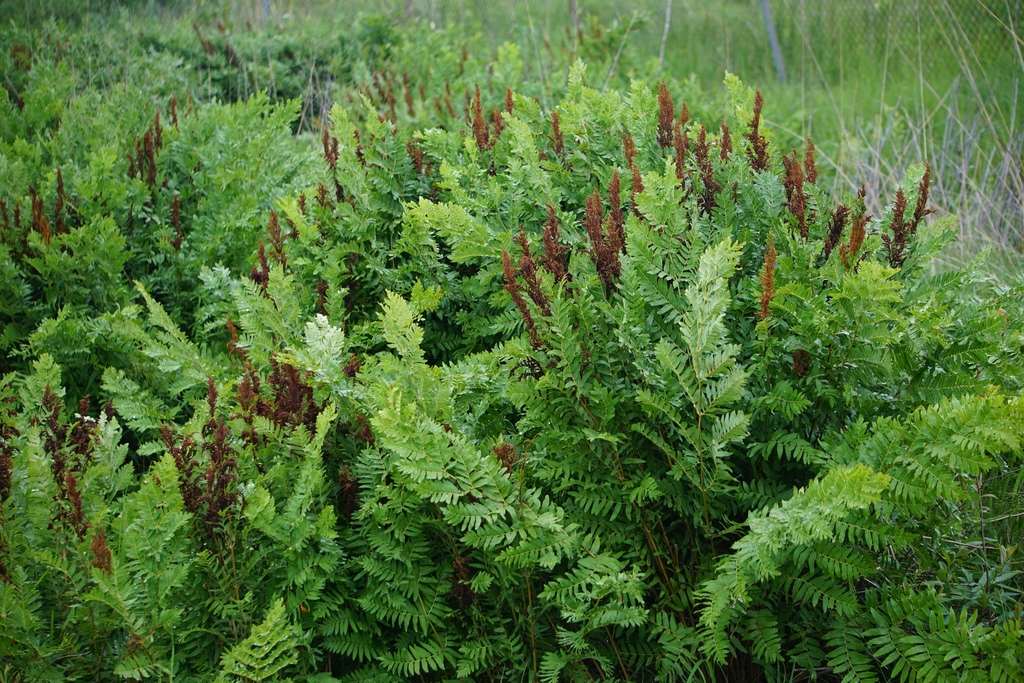
- Royal FernOsmunda spectabilis
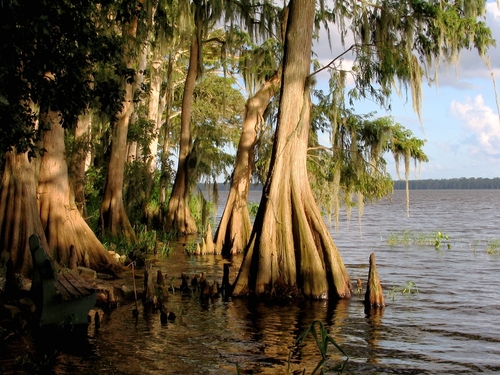
- Bald CypressTaxodium distichum
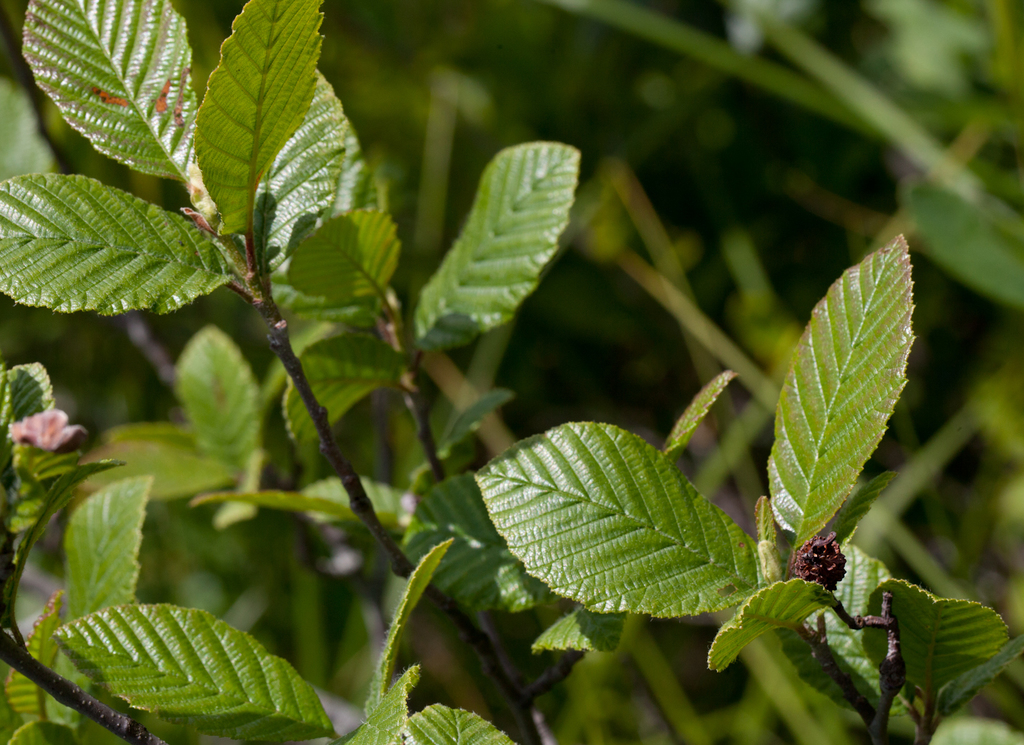
- Hazel AlderAlnus serrulata
- False NettleBoehmeria cylindrica
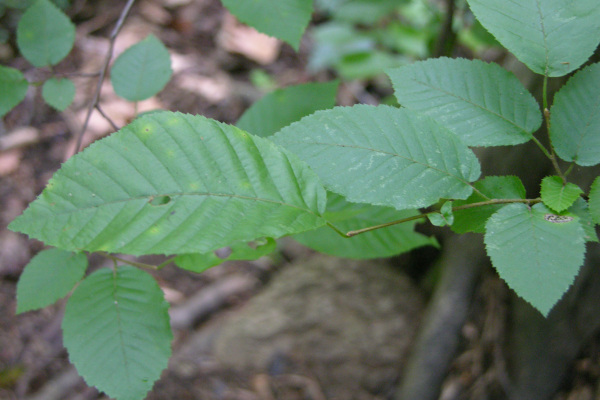
- American HornbeamCarpinus caroliniana
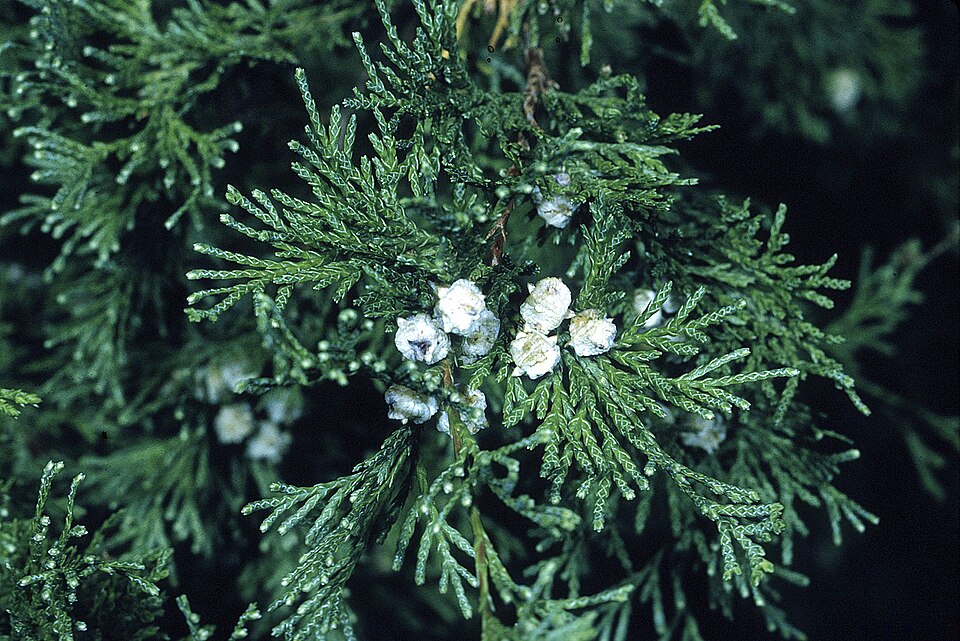
- Atlantic White CedarChamaecyparis thyoides
- Virginia SweetspireItea virginica
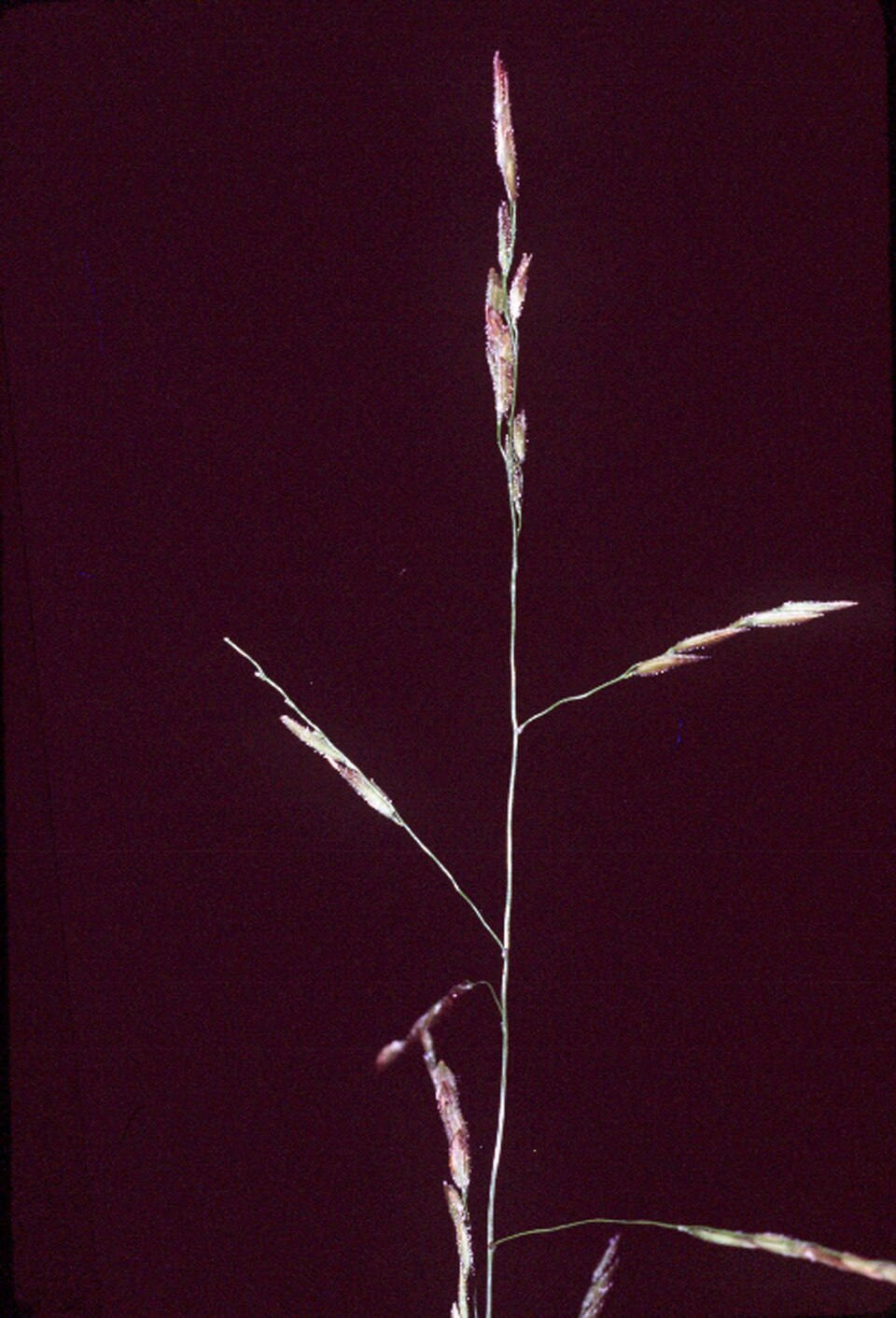
- White CutgrassLeersia virginica
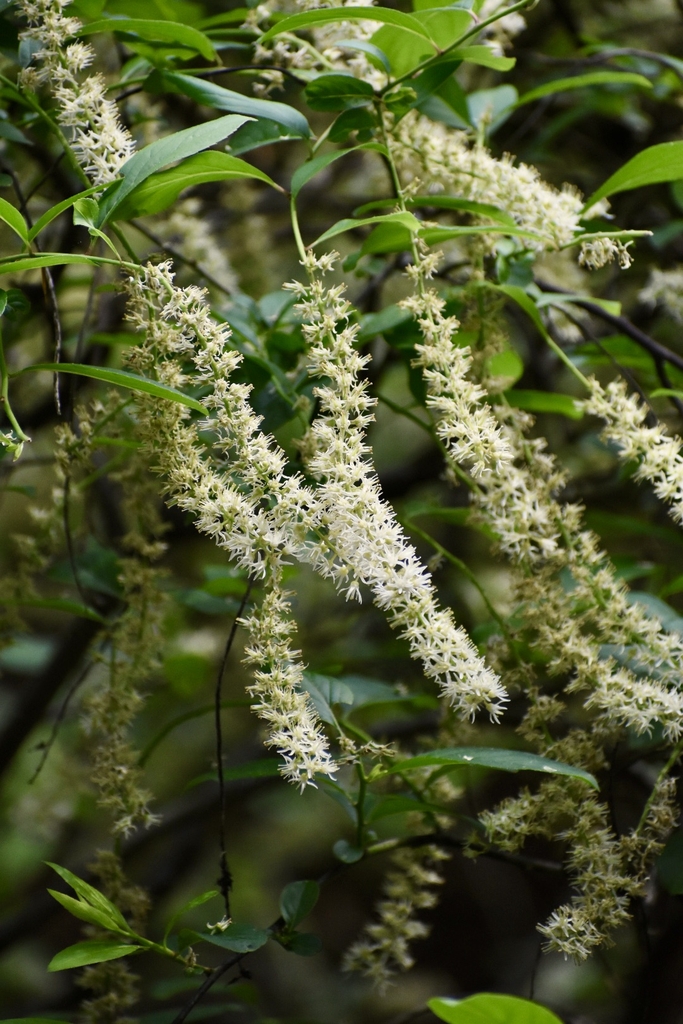
- Shining FetterbushLyonia lucida
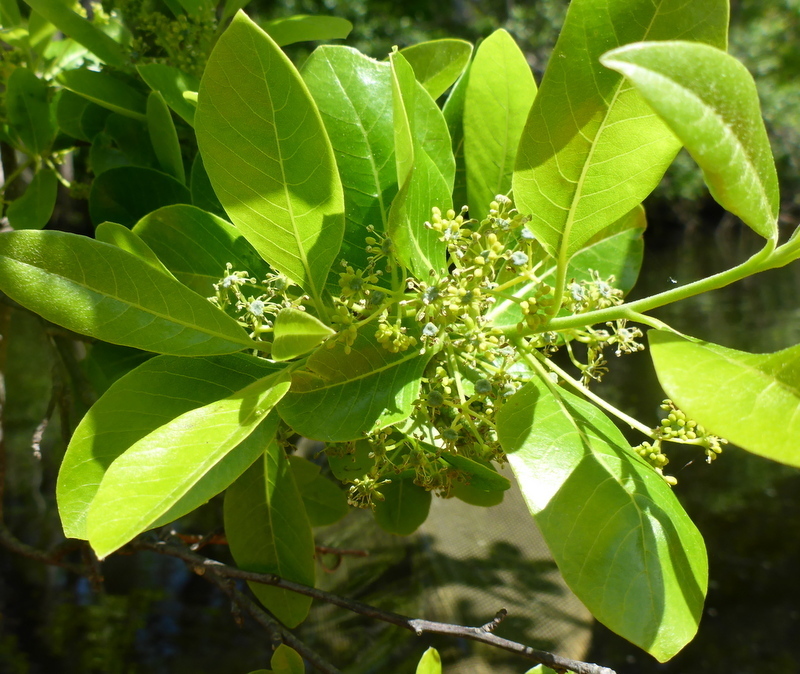
- Common WaxmyrtleMorella cerifera
- SwitchgrassPanicum virgatum
- Green Arrow-arumPeltandra virginica
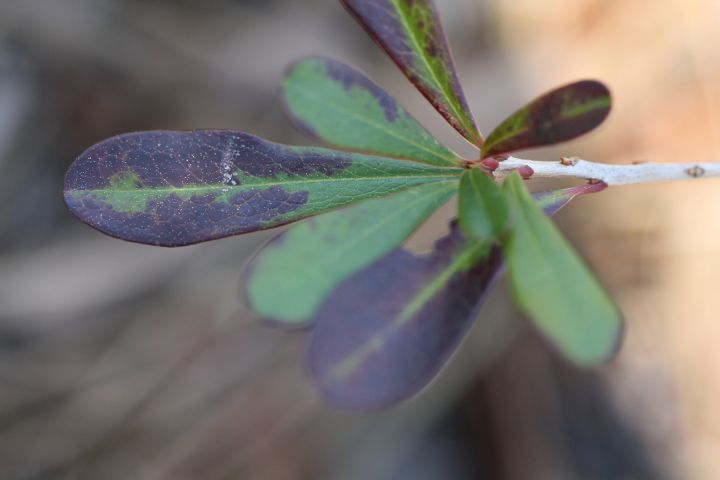
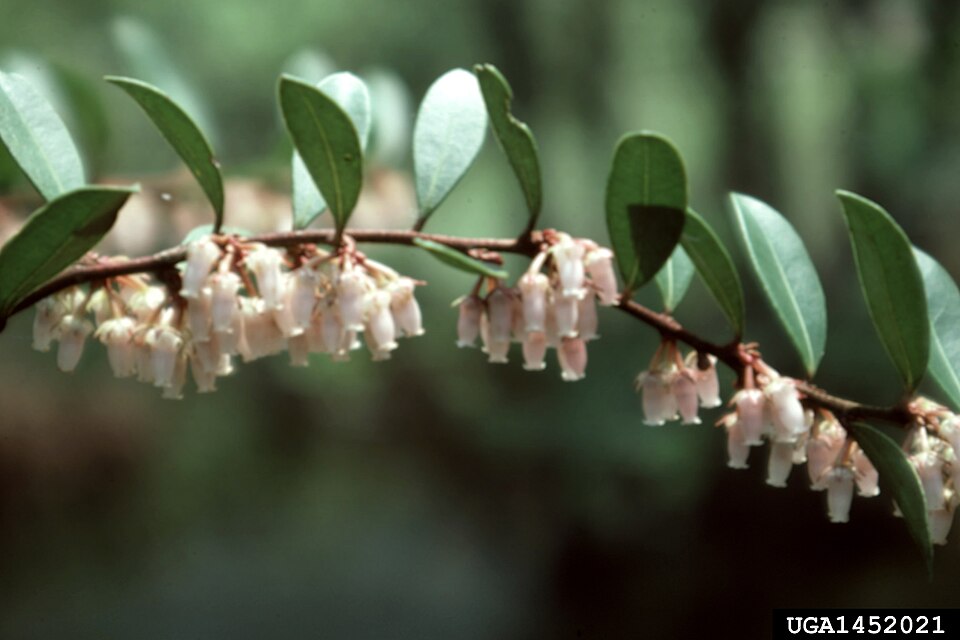
- Pieris phillyreifoliaPieris phillyreifolia
Wildlife 249
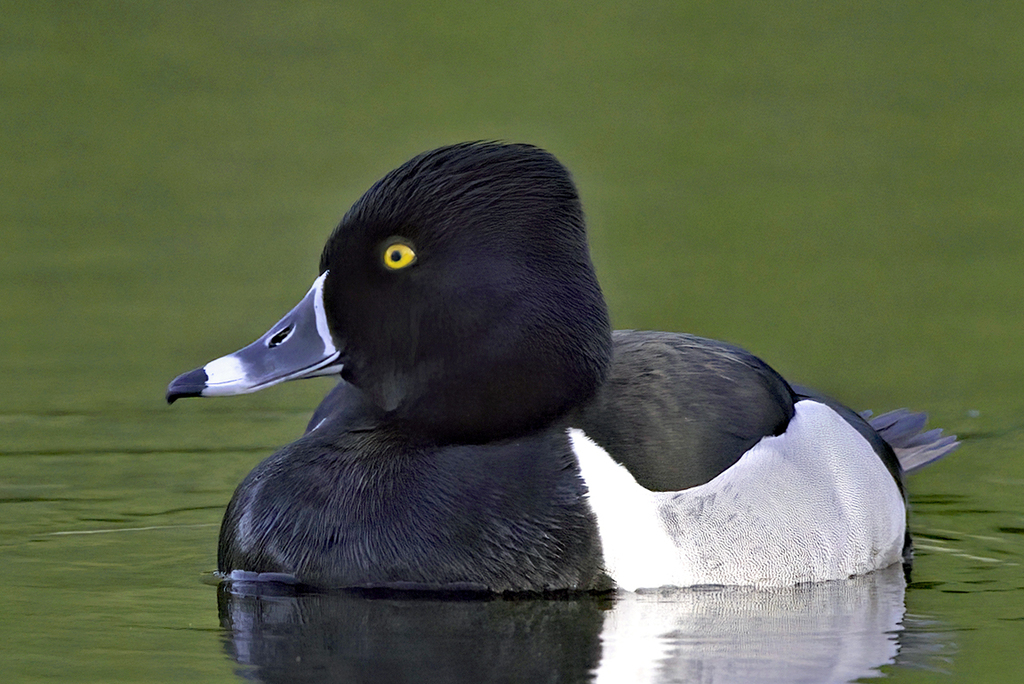
Other animals whose habitat models include the same habitats in Alabama. Not sighting records.
- Ring-necked DuckAythya collaris
- Sharp-shinned HawkAccipiter striatus
- Swamp SparrowMelospiza georgiana
- Turkey VultureCathartes aura
- American CrowCorvus brachyrhynchos
- Boat-tailed GrackleQuiscalus major
- CanvasbackAythya valisineria
- Common GrackleQuiscalus quiscula
- Common YellowthroatGeothlypis trichas
- Lesser ScaupAythya affinis
- Northern ShovelerAnas clypeata
- Red-tailed HawkButeo jamaicensis
- Spotted SandpiperActitis macularius
- Wood DuckAix sponsa
- Wood StorkMycteria americana
- Yellow-breasted ChatIcteria virens
- American KestrelFalco sparverius
- Bank SwallowRiparia riparia
- Double-crested CormorantPhalacrocorax auritus
- Fish CrowCorvus ossifragus
- Horned GrebePodiceps auritus
- Least BitternIxobrychus exilis
- Least SandpiperCalidris minutilla
- Marsh WrenCistothorus palustris

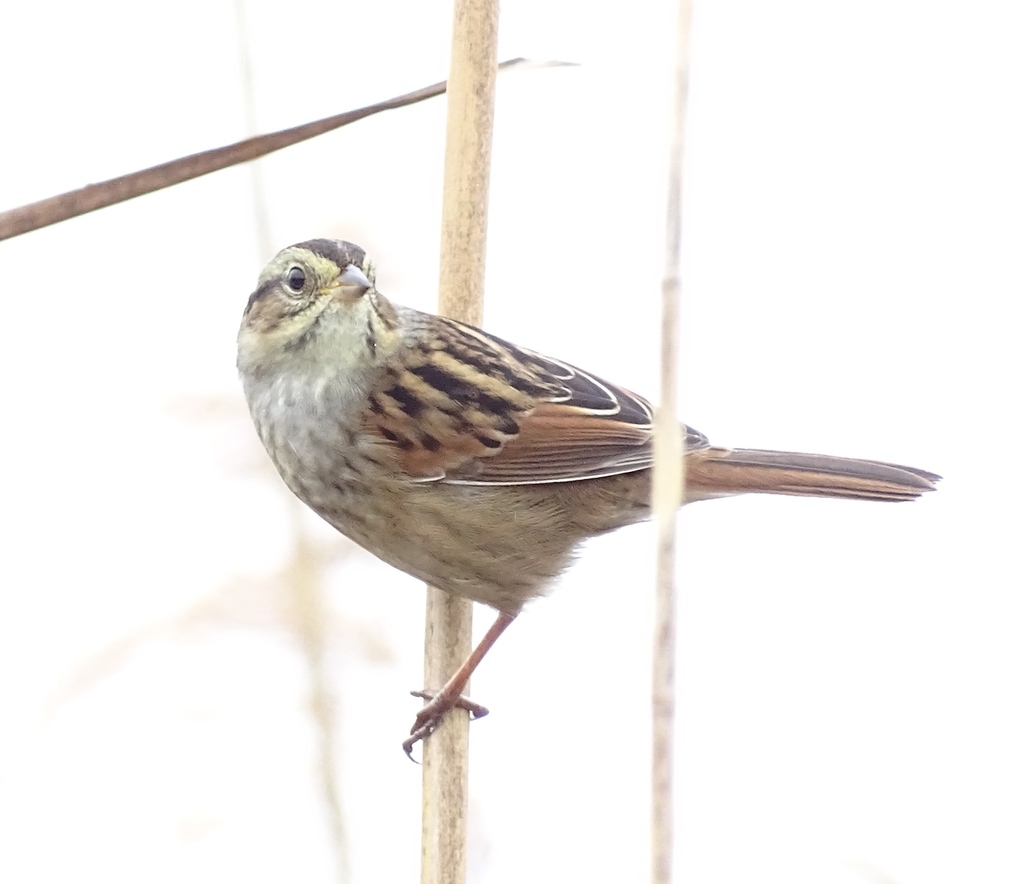


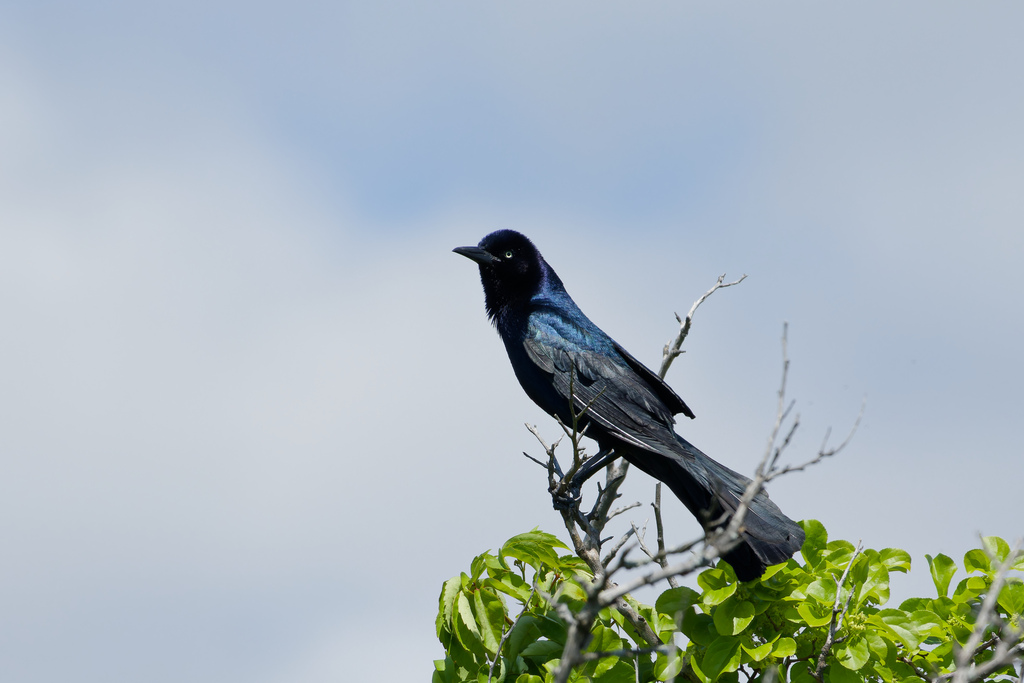
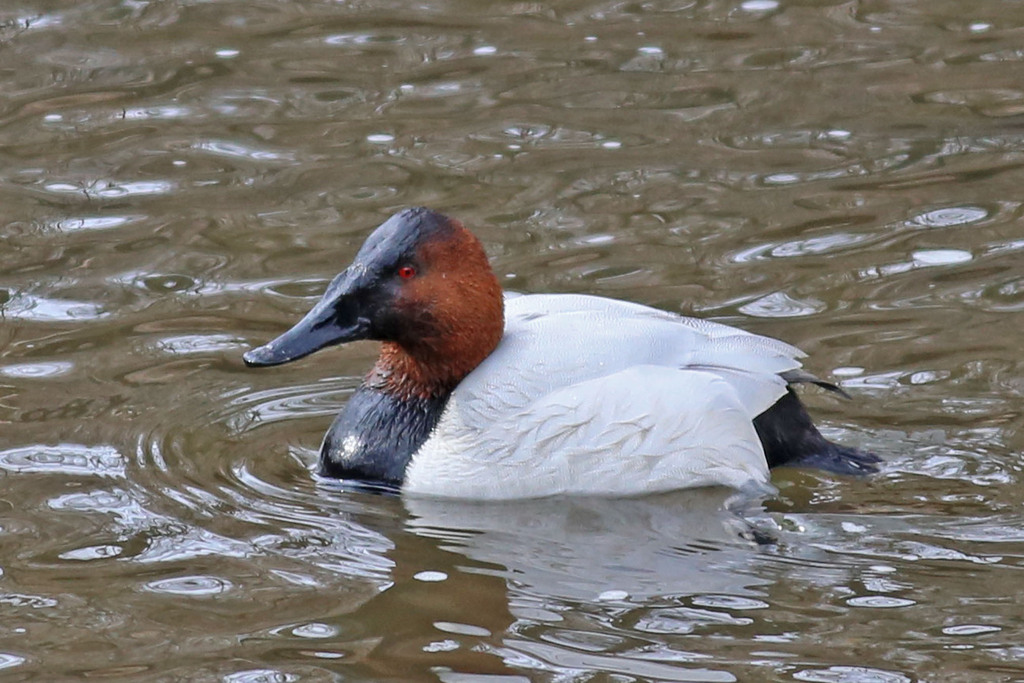


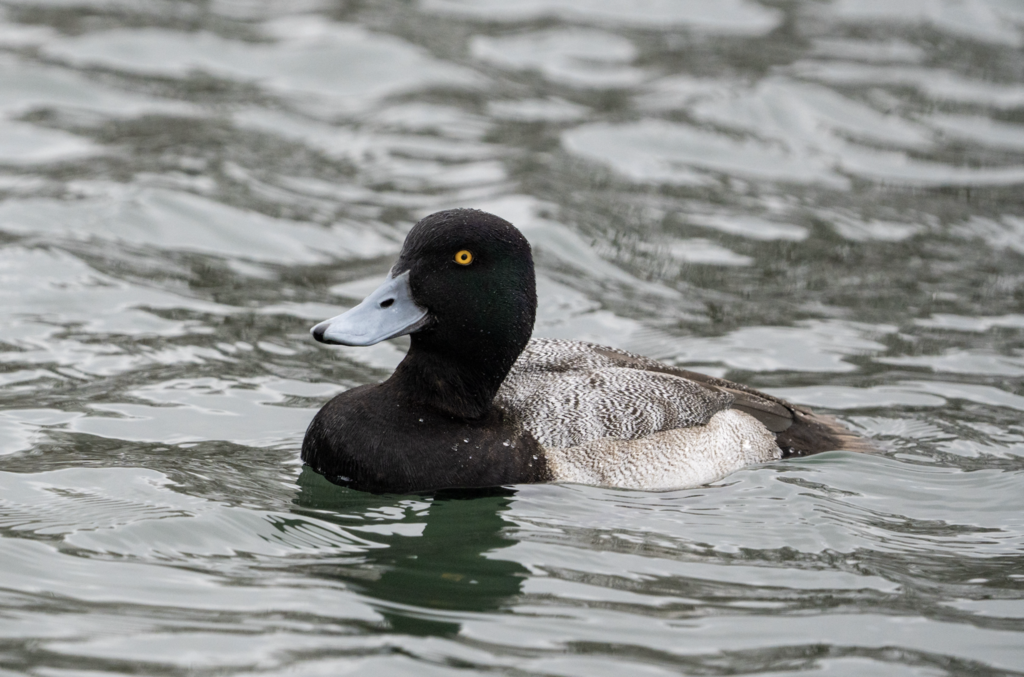
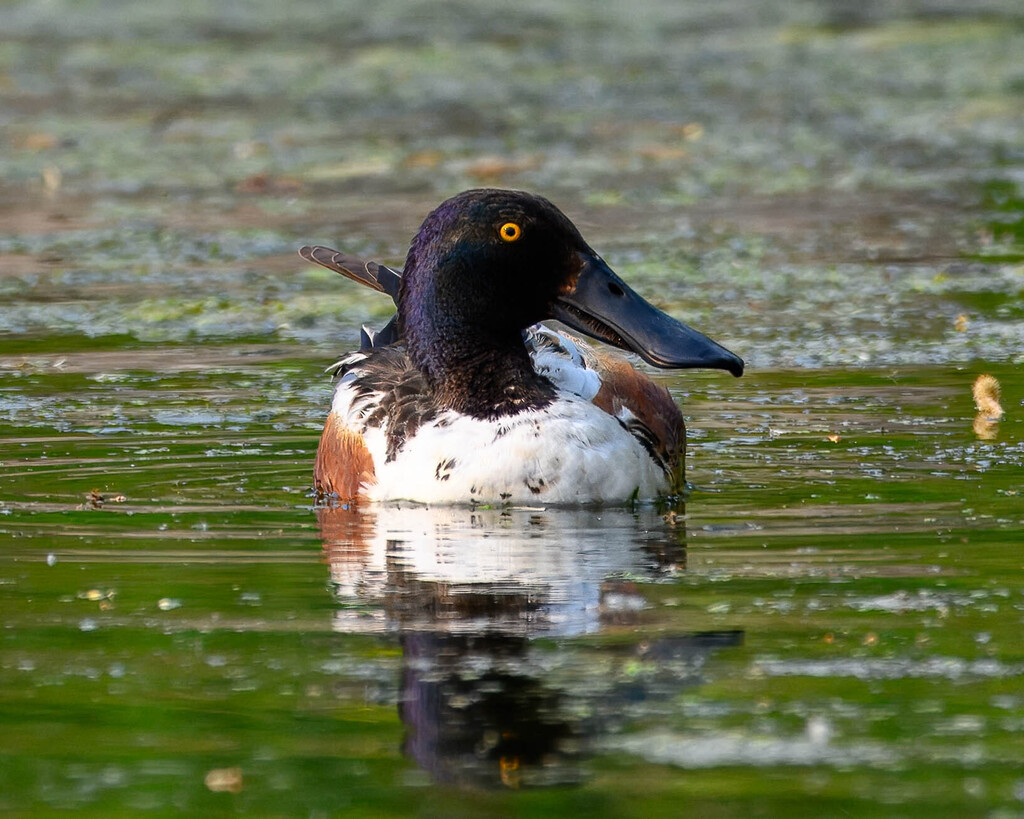



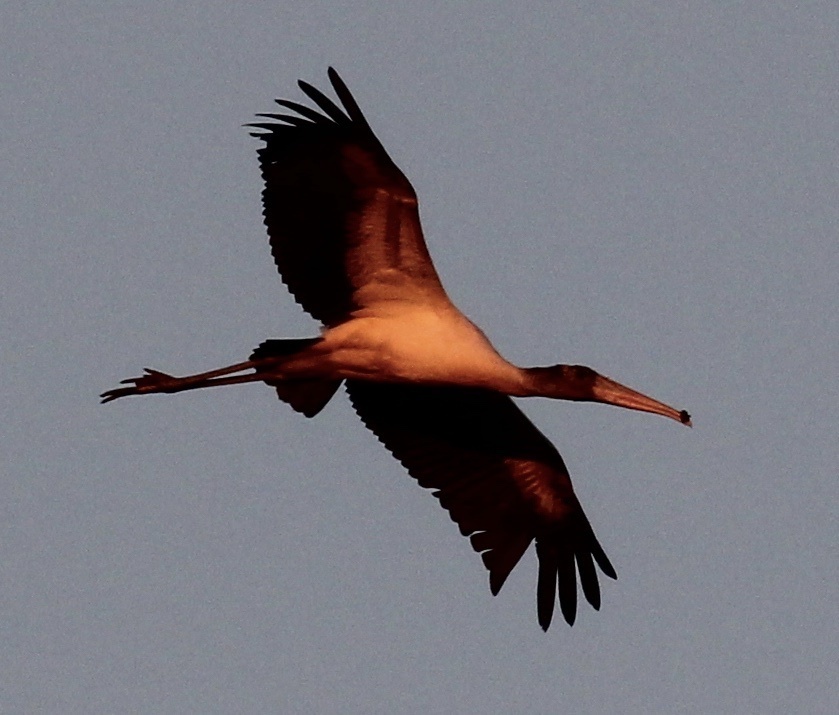





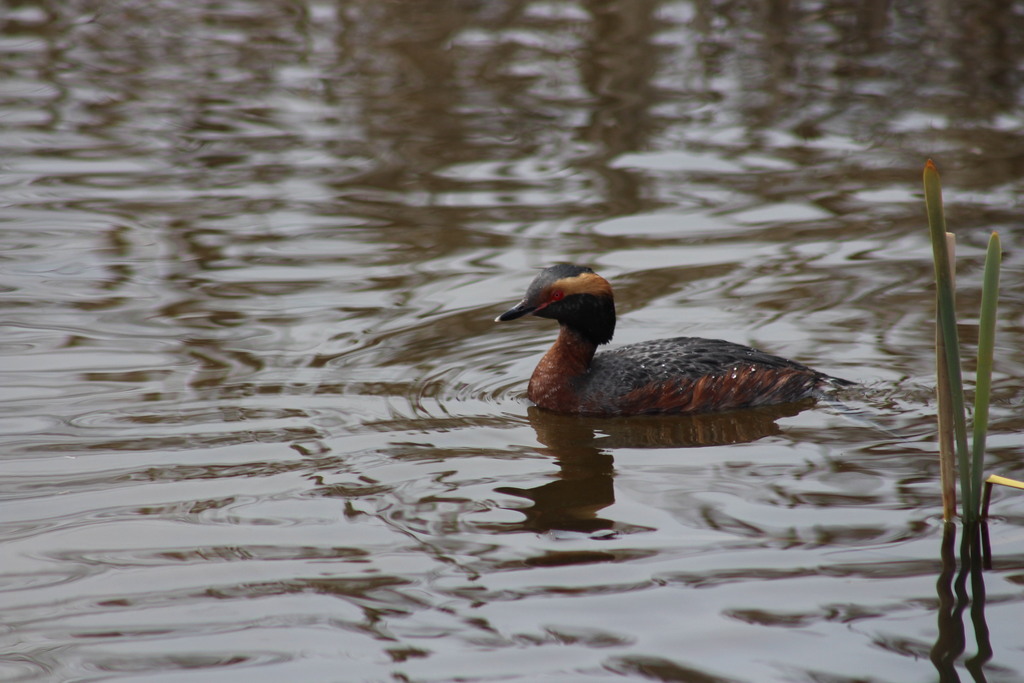

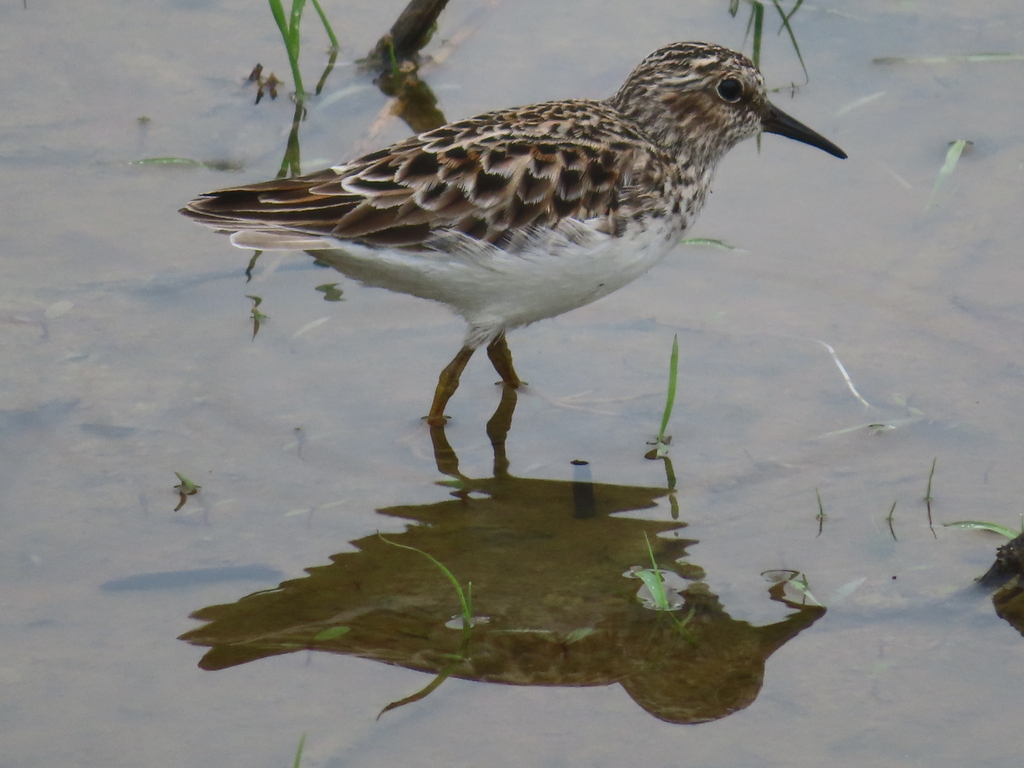
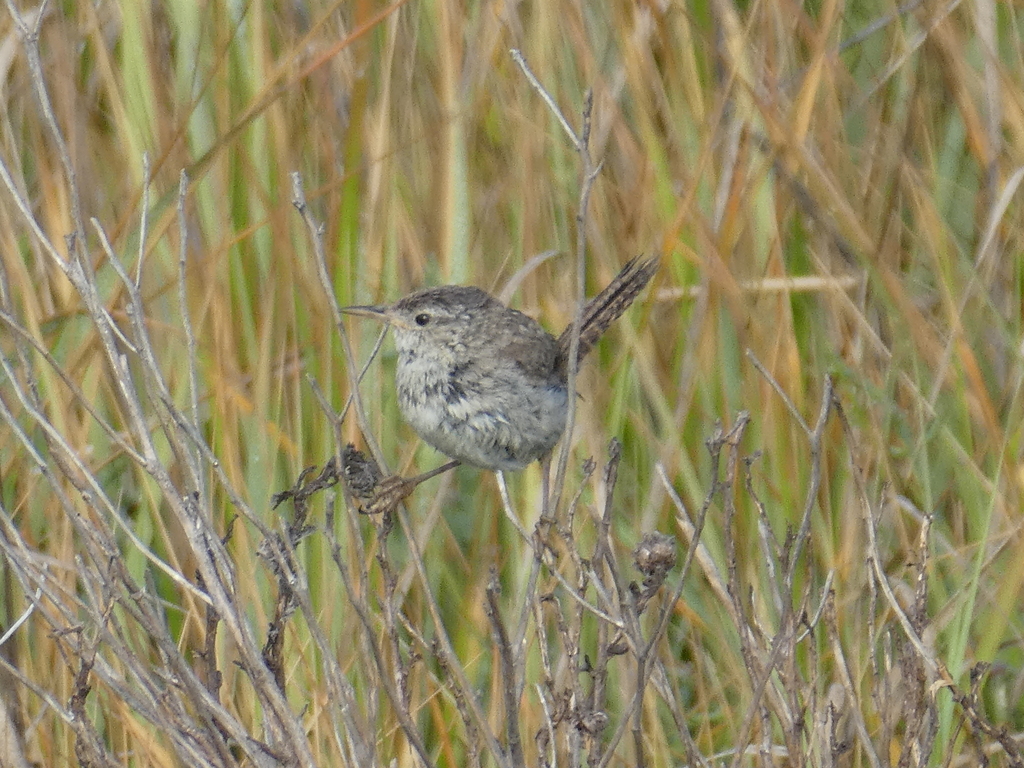
NatureServe Explorer, CC BY 4.0. USGS Gap Analysis Project habitat models.
Sources
- USGS Gap Analysis Project habitat models (2001)
- USGS GAP winter habitat model for Green Heron Elevation up to 750 m
- USGS Gap Analysis Project range maps (2001), modeled by watershed; migratory gives no dates
- NatureServe Explorer (CC BY 4.0), habitat names
- US Census TIGER/Line counties
- Names follow the USGS Gap Analysis Project (2001)