

Bird
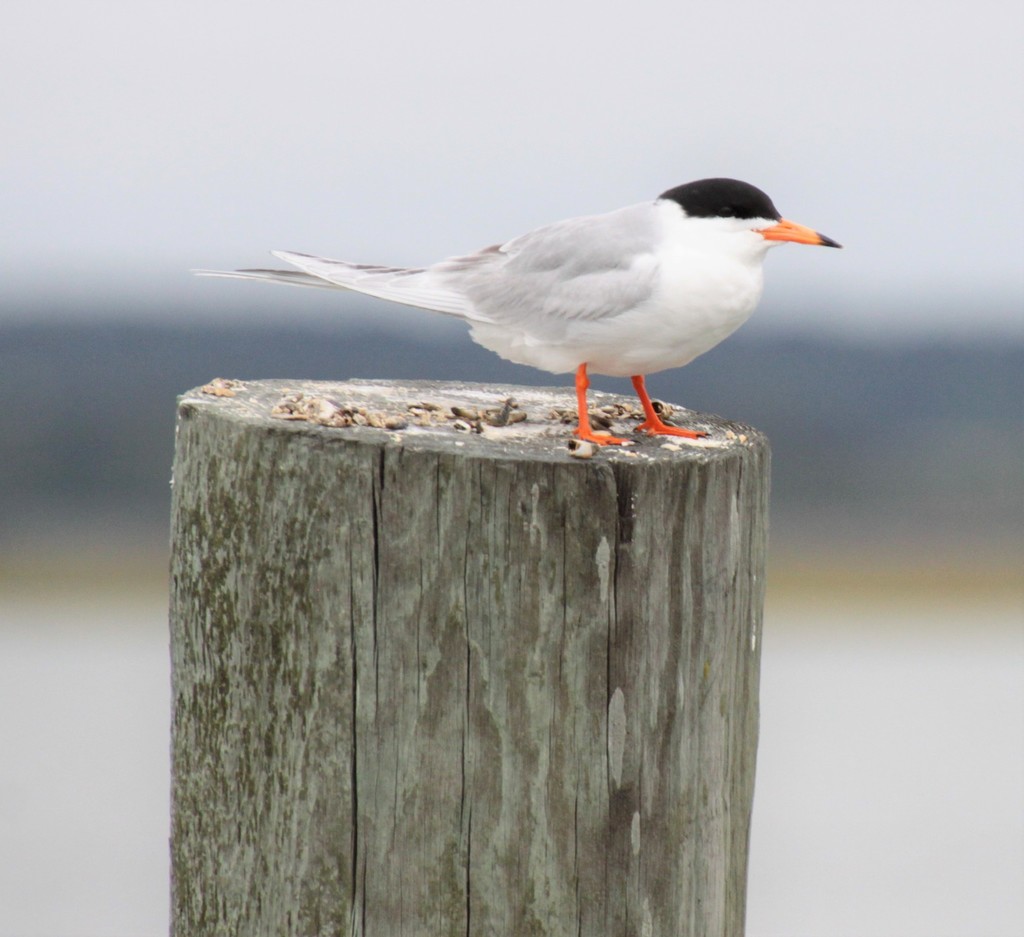
Forster's Tern
Sterna forsteri
Lives in Alabama all year and nests here. Found in all 67 counties, across 8 habitats.
- Here
- All year
- Nesting
- Nests here
- Range
- All 67 counties
- Habitats
- 8
At a glance
- Group
- Birds
- Here
- All year
- Nesting
- Nests here
- Range
- All 67 counties
- Habitats
- 8
- Habitat models
- Summer, Winter
Where it lives
The places its habitat model includes. It is not found everywhere a habitat occurs.
Habitats in Alabama 8
Each habitat page lists the plants and wildlife also found there.
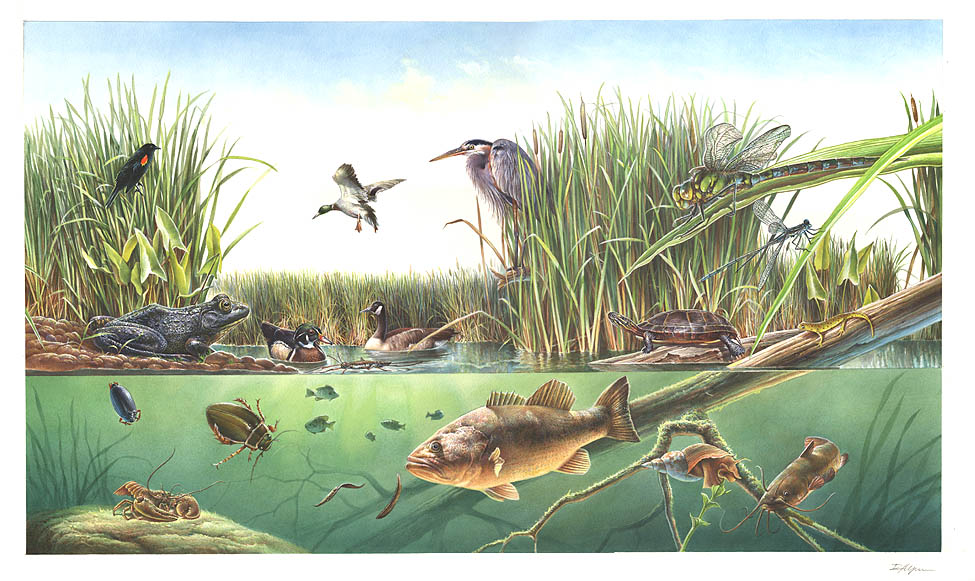
Open sand of beaches, dunes and the hollows between them.
Coastal tidal marshes (salinity not stated)
Tidal marshes of the Atlantic and Gulf coasts where the source does not say whether the water is fresh, brackish or salt. A stated salinity files the marsh under freshwater tidal marshes or salt and brackish marshes instead.
Disturbed and introduced wetlands
Wet ground taken over by weedy or introduced plants after disturbance, such as common reed, Chinese tallow or tamarisk stands; the upland counterpart is roadsides, fields and disturbed ground.
Coastal marshes flooded by salty or brackish tides.
Salt and brackish open water of sounds, bays and estuaries, with the mud and sand flats and seagrass beds that tides cover and uncover; the vegetated marsh is salt and brackish marshes.
Open, wet, seepage-fed bogs of the Coastal Plain and Sandhills, often with pitcher plants.
Floodplain and bottomland forests
Forests on low ground beside rivers and streams that flood from time to time.
Other habitats in its models (39)
Land cover, or classes with no habitat page in Alabama.
- Open Water (Aquaculture) Summer and winter.
- Barren Land Summer and winter, beside its main habitat.
- Atlantic Coastal Plain Southern Beach Summer and winter, beside its main habitat.
- Unconsolidated Shore (Lake/River/Pond) Summer and winter.
- Unconsolidated Shore Summer and winter.
- Upper Texas Coast Beach Summer and winter, beside its main habitat.
- Louisiana Beach Summer and winter, beside its main habitat.
- Southeast Florida Beach Summer and winter, beside its main habitat.
- South Florida Shell Hash Beach Summer and winter, beside its main habitat.
- Atlantic Coastal Plain Sea Island Beach Summer and winter, beside its main habitat.
- Southwest Florida Beach Summer and winter, beside its main habitat.
- Texas Coastal Bend Beach Summer and winter, beside its main habitat.
- Atlantic Coastal Plain Xeric River Dune Summer and winter, beside its main habitat.
- Atlantic Coastal Plain Southern Dune and Maritime Grassland Summer.
- Atlantic Coastal Plain Central Salt and Brackish Tidal Marsh Summer and winter.
- Atlantic Coastal Plain Indian River Lagoon Tidal Marsh Summer and winter.
- Atlantic Coastal Plain Embayed Region Tidal Salt and Brackish Marsh Summer and winter.
- Atlantic Coastal Plain Northern Tidal Salt Marsh Summer and winter.
- Florida Big Bend Salt-Brackish Tidal Marsh Summer and winter.
- Atlantic Coastal Plain Clay-Based Carolina Bay Herbaceous Wetland Summer, beside its main habitat.
- Atlantic Coastal Plain Large Natural Lakeshore Summer and winter, beside its main habitat.
- South Florida Everglades Sawgrass Marsh Summer.
- Floridian Highlands Freshwater Marsh Summer and winter.
- Atlantic Coastal Plain Embayed Region Tidal Freshwater Marsh Summer and winter.
- Central Florida Herbaceous Seep Summer and winter, beside its main habitat.
- Florida Big Bend Fresh-Oligohaline Tidal Marsh Summer and winter.
- Atlantic Coastal Plain Northern Fresh and Oligohaline Tidal Marsh Summer and winter.
- Atlantic Coastal Plain Central Fresh-Oligohaline Tidal Marsh Summer and winter.
- South Florida Wet Marl Prairie Summer, beside its main habitat.
- Eastern Great Plains Wet Meadow, Prairie, and Marsh Summer, beside its main habitat.
- Western Great Plains Depressional Wetland Systems Summer and winter.
- Central Florida Herbaceous Pondshore Summer and winter, beside its main habitat.
- East Gulf Coastal Plain Southern Depression Pondshore Summer, beside its main habitat.
- Atlantic Coastal Plain Depression Pondshore Summer and winter, beside its main habitat.
- South Florida Freshwater Slough and Gator Hole Summer, beside its main habitat.
- East Gulf Coastal Plain Large River Floodplain Forest - Herbaceous Modifier Summer, beside its main habitat.
- South-Central Interior Large Floodplain - Herbaceous Modifier Summer, beside its main habitat.
- Western Great Plains Floodplain Systems Summer, beside its main habitat.
- Ozark-Ouachita Riparian Summer, beside its main habitat.
Seasons in Alabama
- Year-round: nests here, in 2 of 67 counties.
- Migratory: does not nest here, in 5 of 67 counties.
- Winter: does not nest here, in all 67 counties.
Also found in this habitat
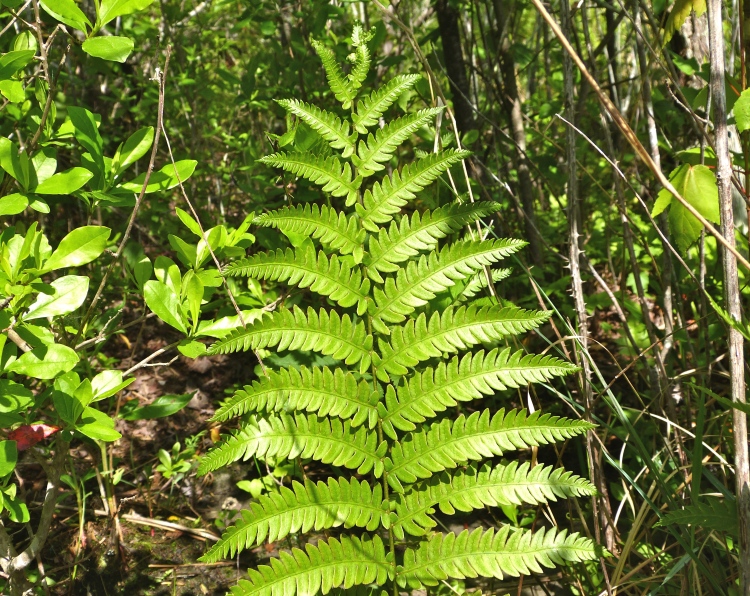
Plants 141
Plants named in NatureServe descriptions of these habitats that grow in Alabama. Shared habitat, not food.
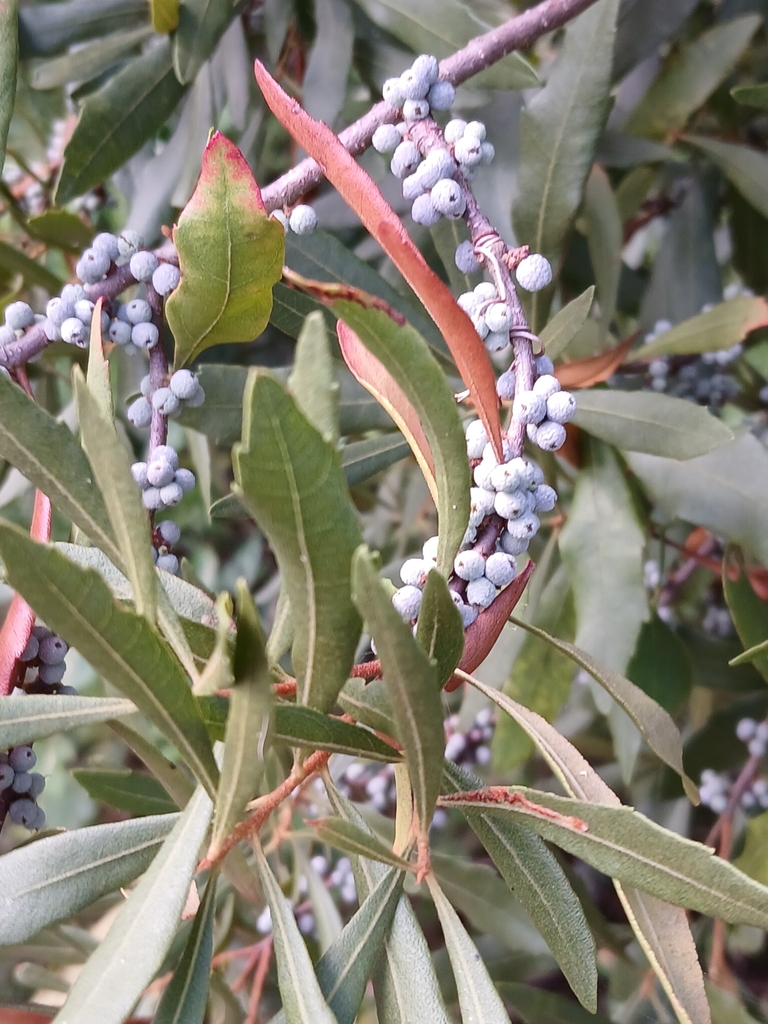
- Common WaxmyrtleMorella cerifera
- Saltmeadow CordgrassSporobolus pumilus
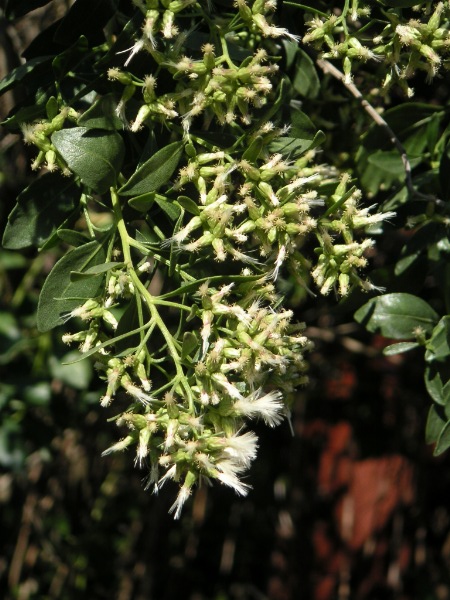
- Groundsel-treeBaccharis halimifolia
- Fuirena scirpoideaFuirena scirpoidea
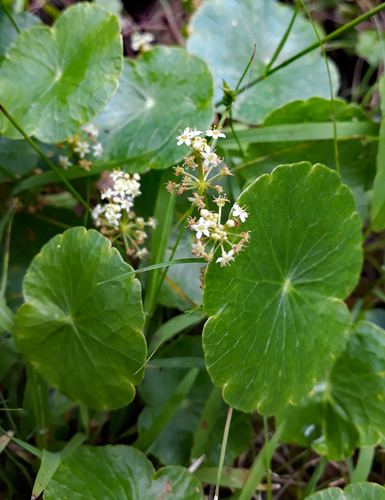
- Largeleaf PennywortHydrocotyle bonariensis
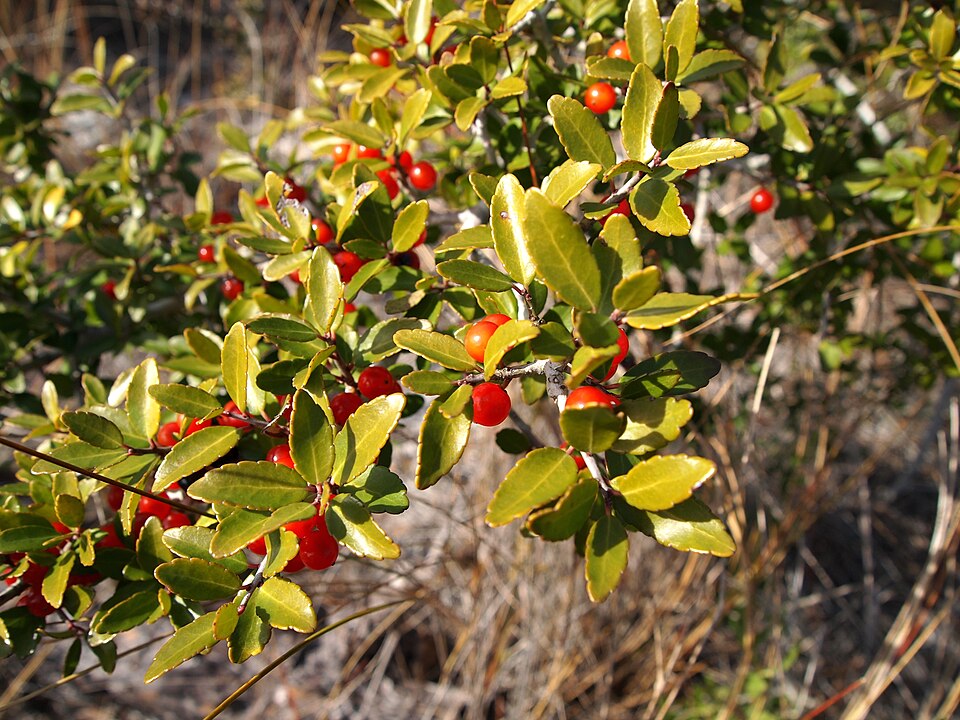
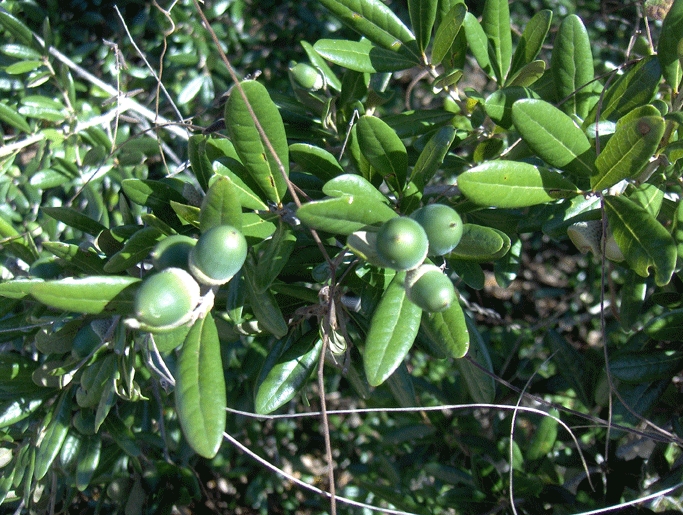
- Yaupon HollyIlex vomitoria
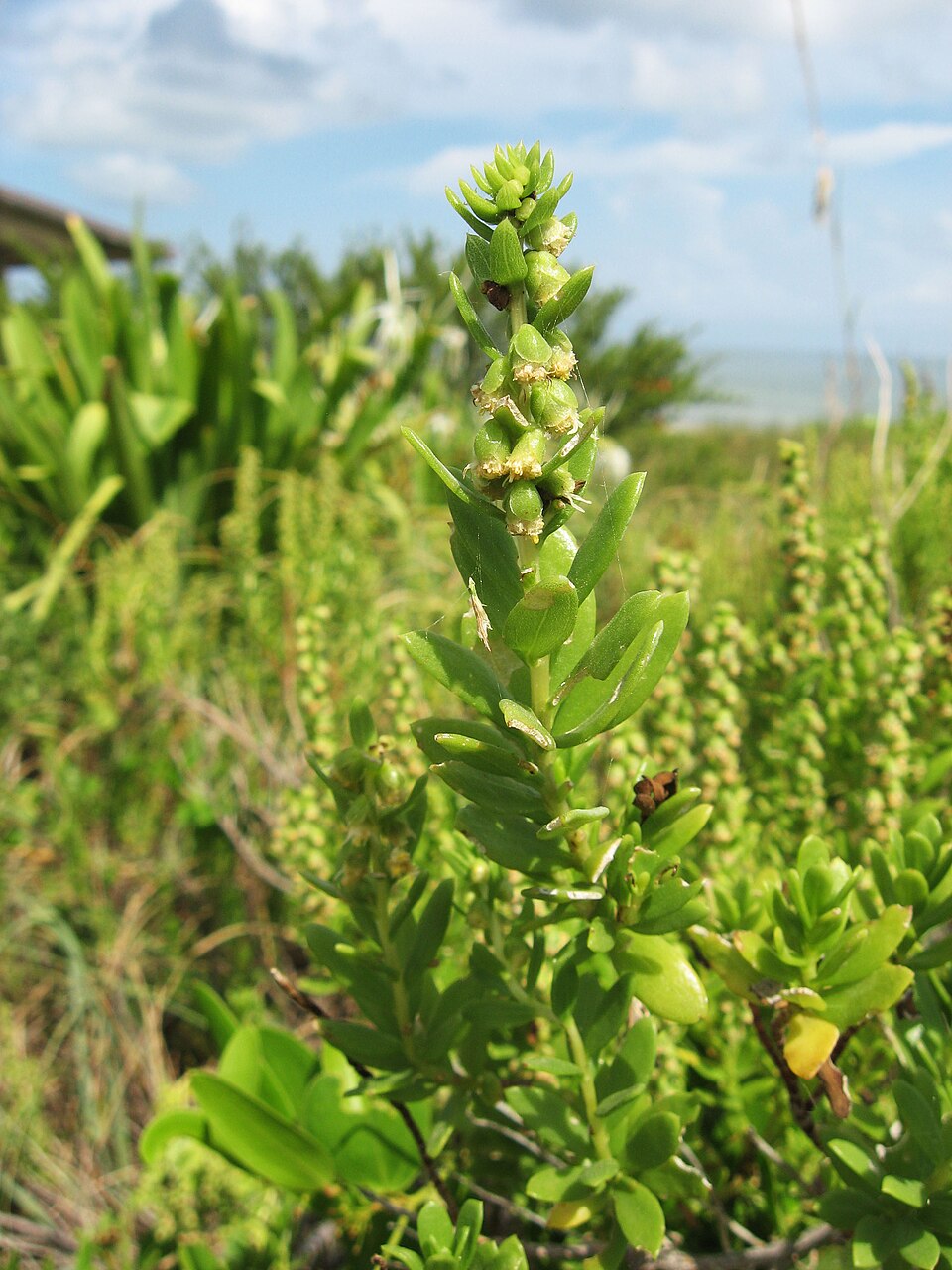
- Dune Marsh-elderIva imbricata
- PondberryLindera melissifolia
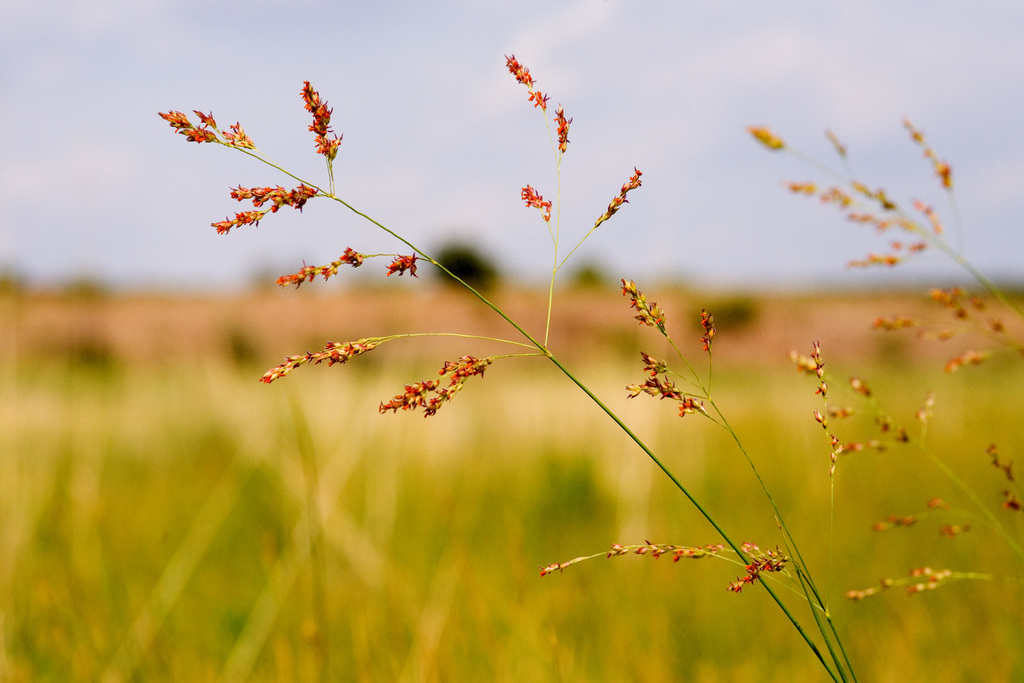
- Panicum amarum var. amarulumPanicum amarum var. amarulum
- SwitchgrassPanicum virgatum
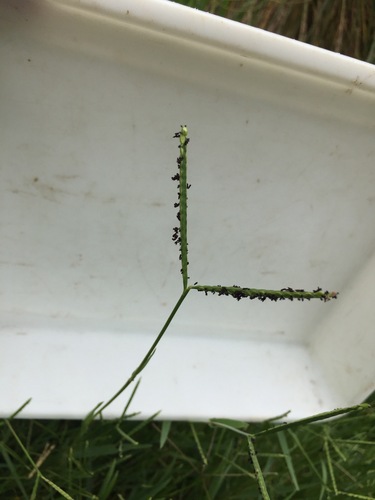
- KnotgrassPaspalum distichum
- Tall JointweedPolygonella gracilis
- Sand Live OakQuercus geminata
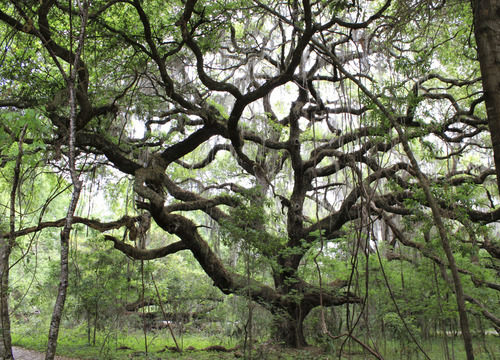
- Live OakQuercus virginiana
- Common Three Square BulrushSchoenoplectus pungens
- Serenoa repensSerenoa repens
- Seashore DropseedSporobolus virginicus
- Drummonds Red MapleAcer drummondii
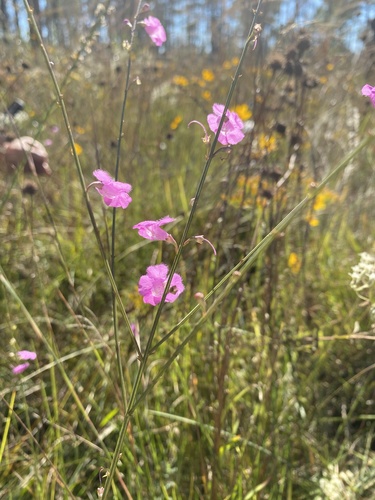
- Scaleleaf False FoxgloveAgalinis aphylla
- Agalinis filicaulisAgalinis filicaulis
- Virginia Chain-fernAnchistea virginica
- Pinewoods BluestemAndropogon arctatus
- Bushy BluestemAndropogon glomeratus
- Narrowleaf BluestemAndropogon perangustatus
Wildlife 246
Other animals whose habitat models include the same habitats in Alabama. Not sighting records.
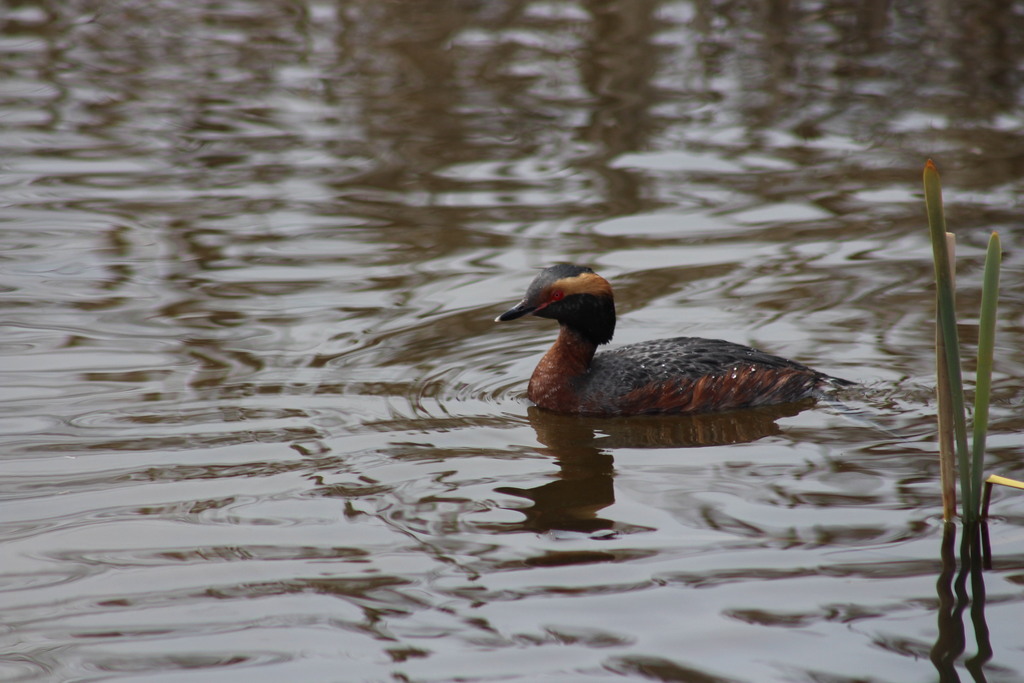
- Horned GrebePodiceps auritus
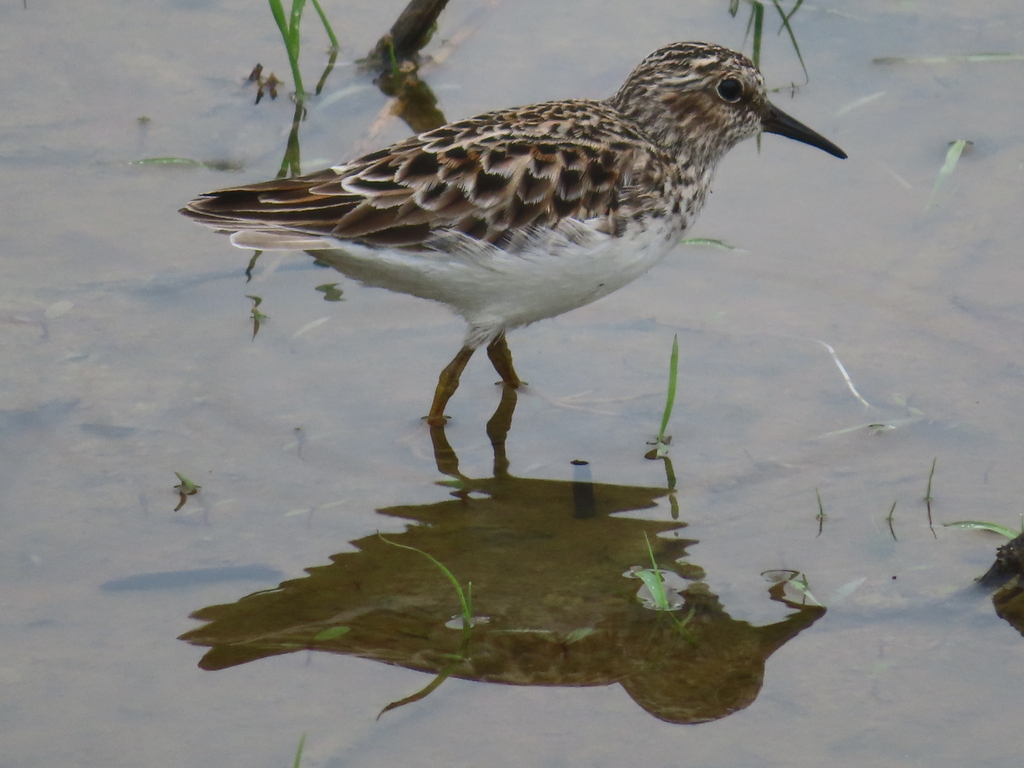
- Least SandpiperCalidris minutilla
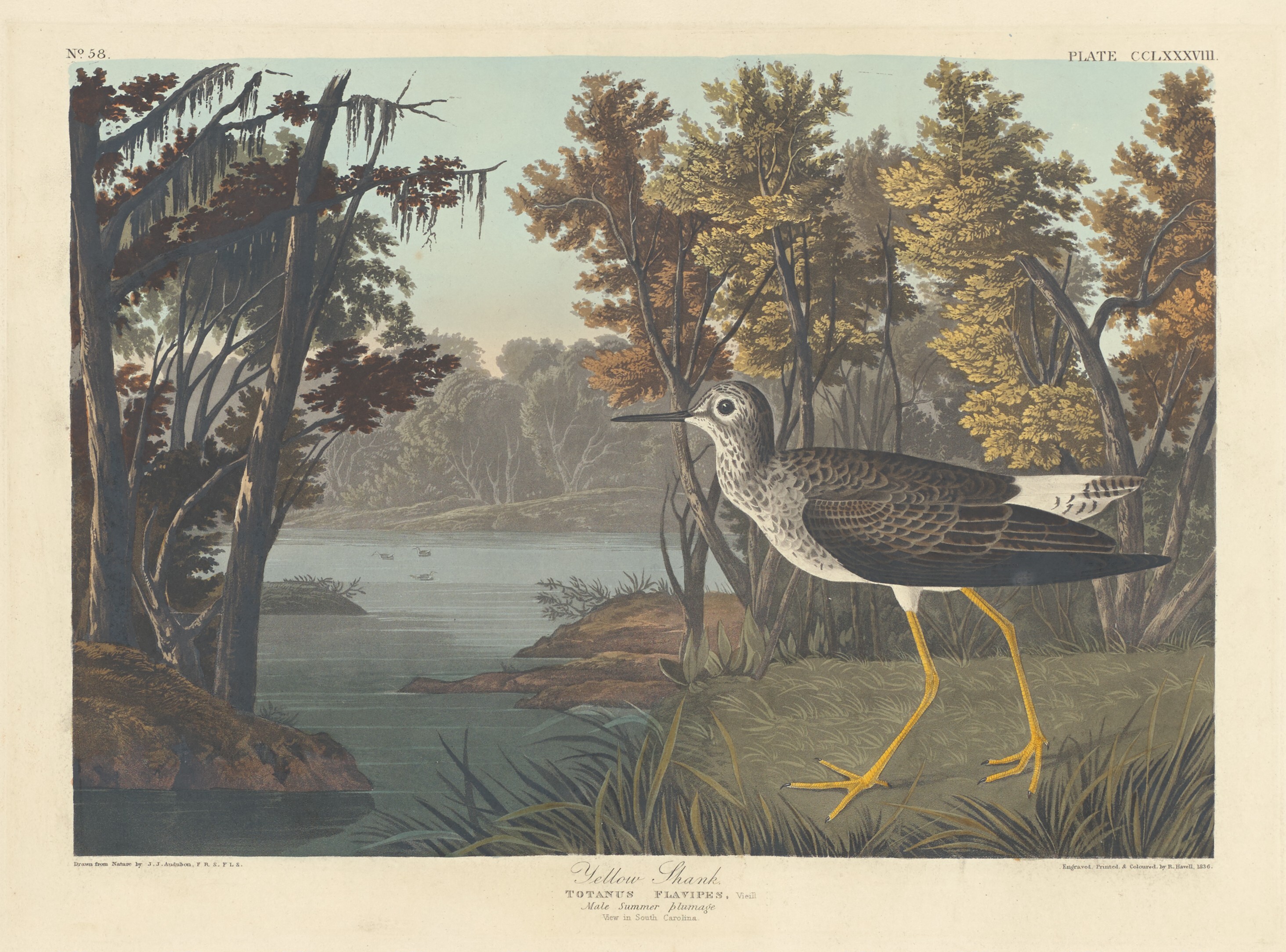
- Lesser YellowlegsTringa flavipes
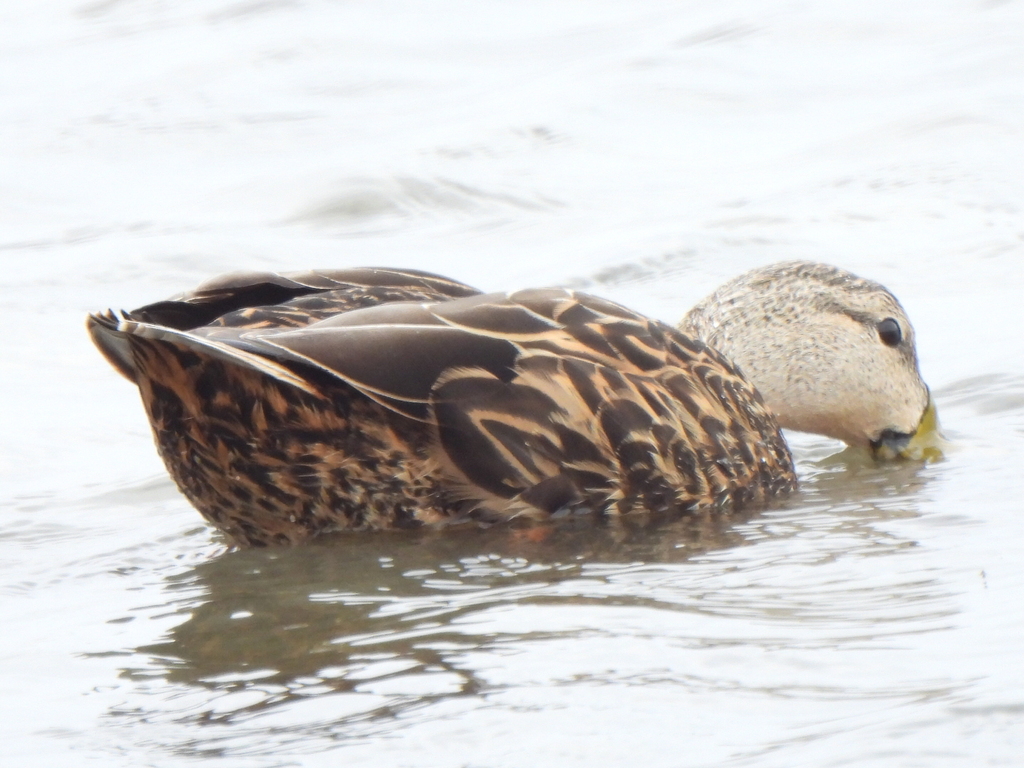
- Mottled DuckAnas fulvigula
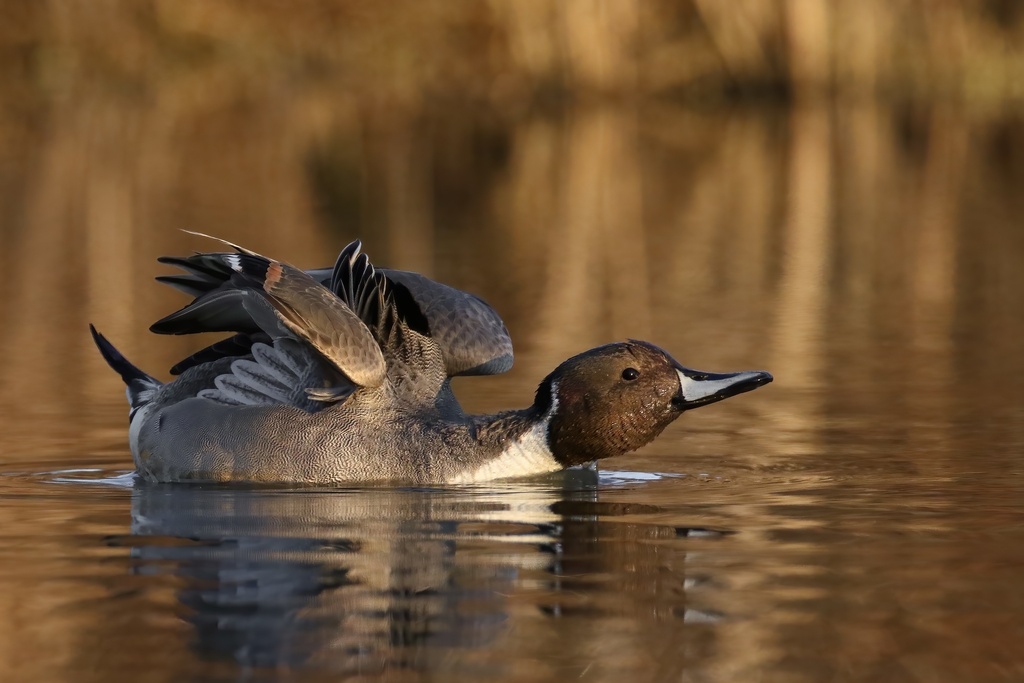
- Northern PintailAnas acuta
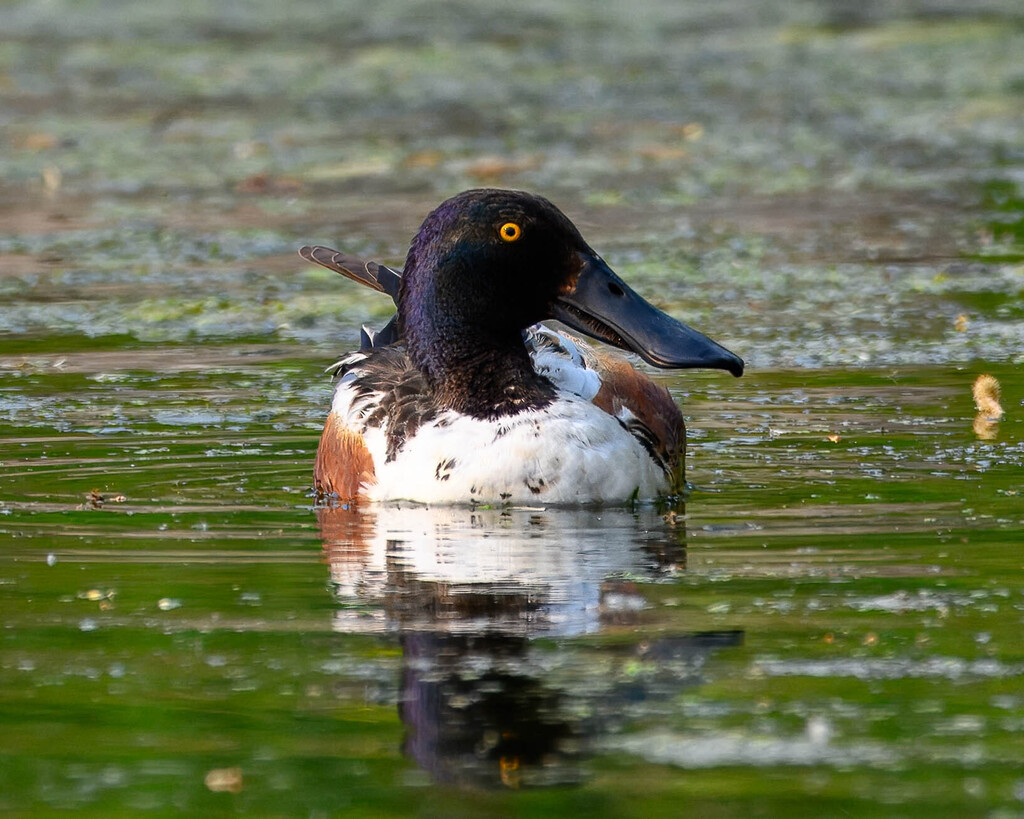
- Northern ShovelerAnas clypeata
- OspreyPandion haliaetus
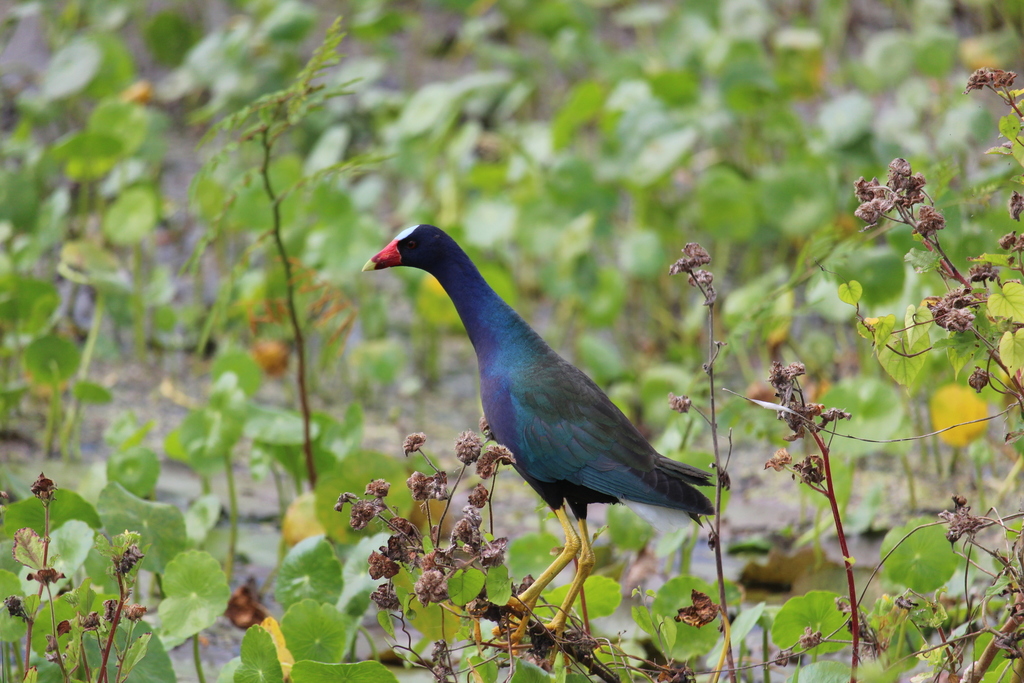
- Purple GallinulePorphyrio martinica
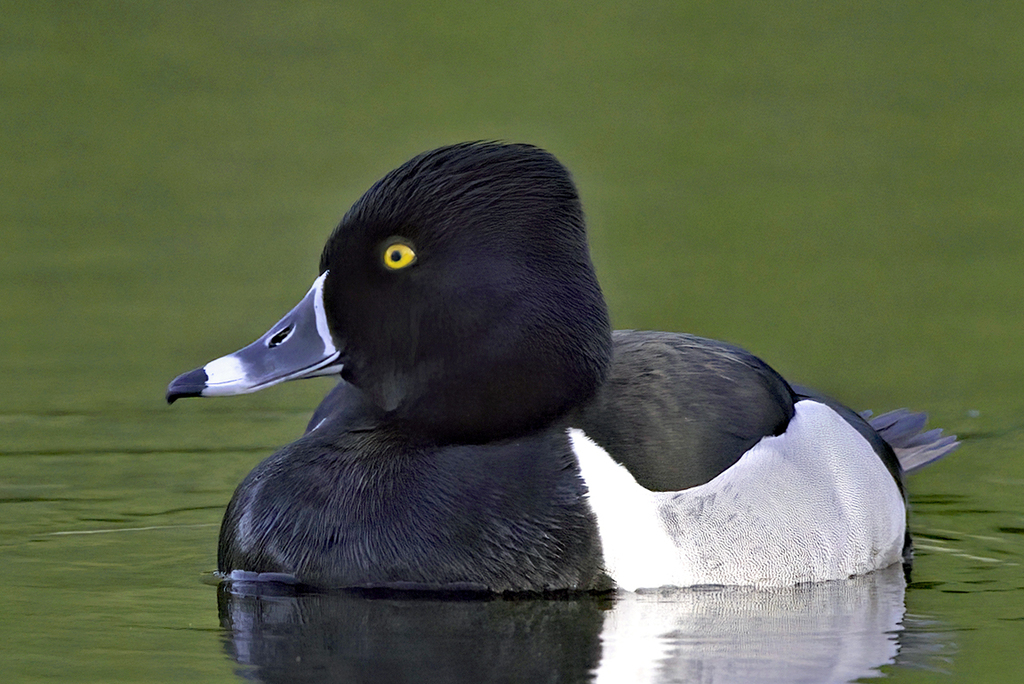
- Ring-necked DuckAythya collaris
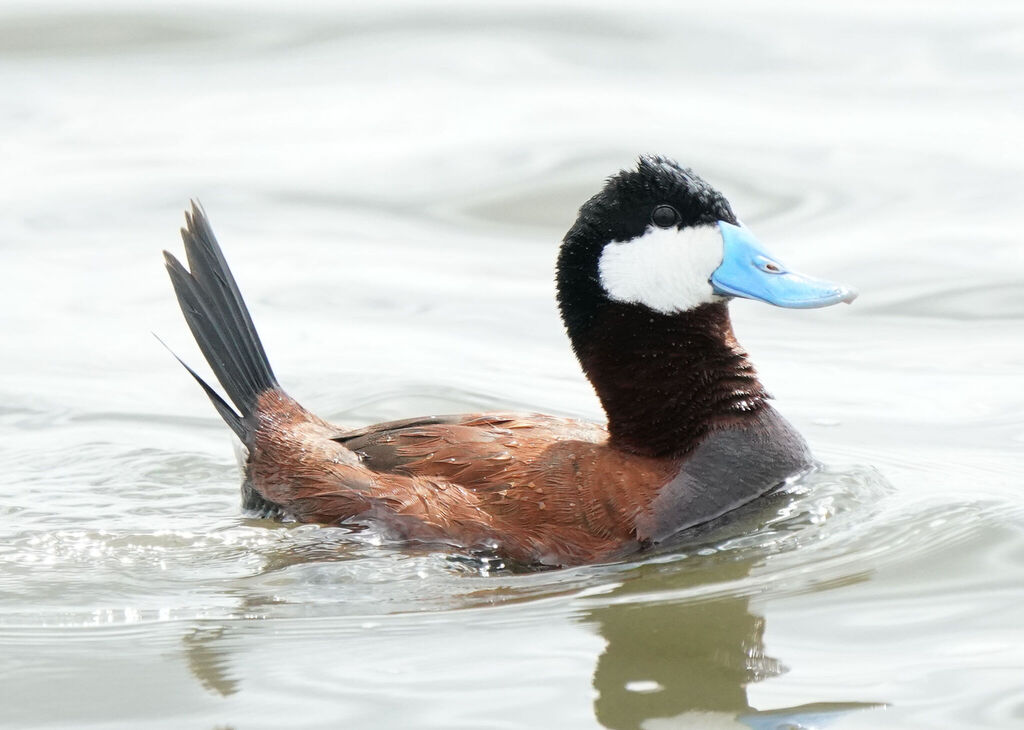
- Ruddy DuckOxyura jamaicensis
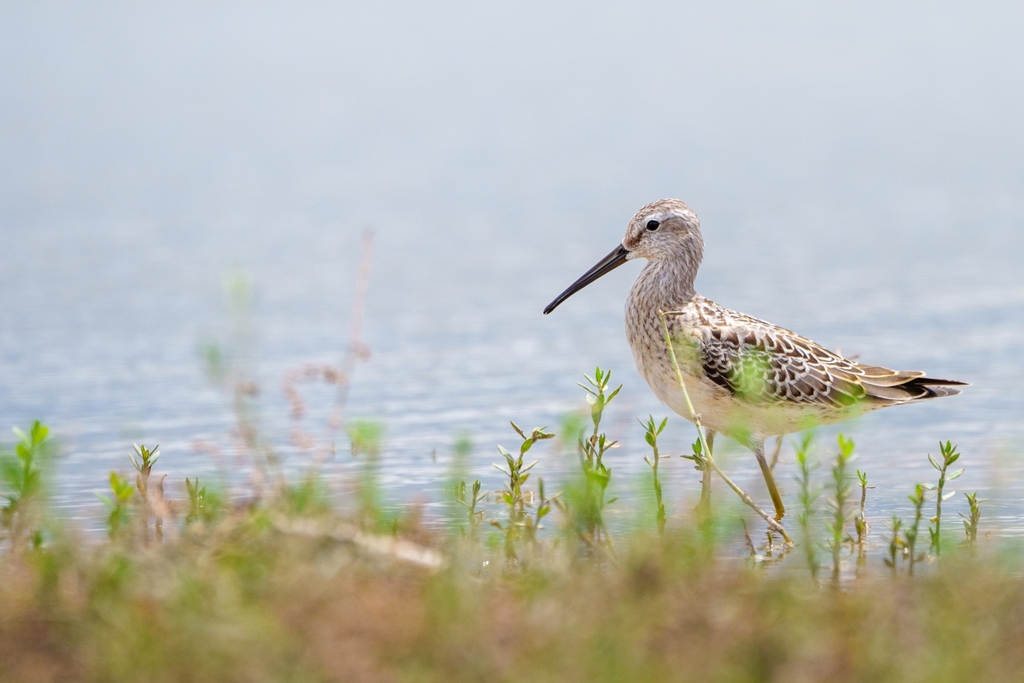
- Stilt SandpiperCalidris himantopus
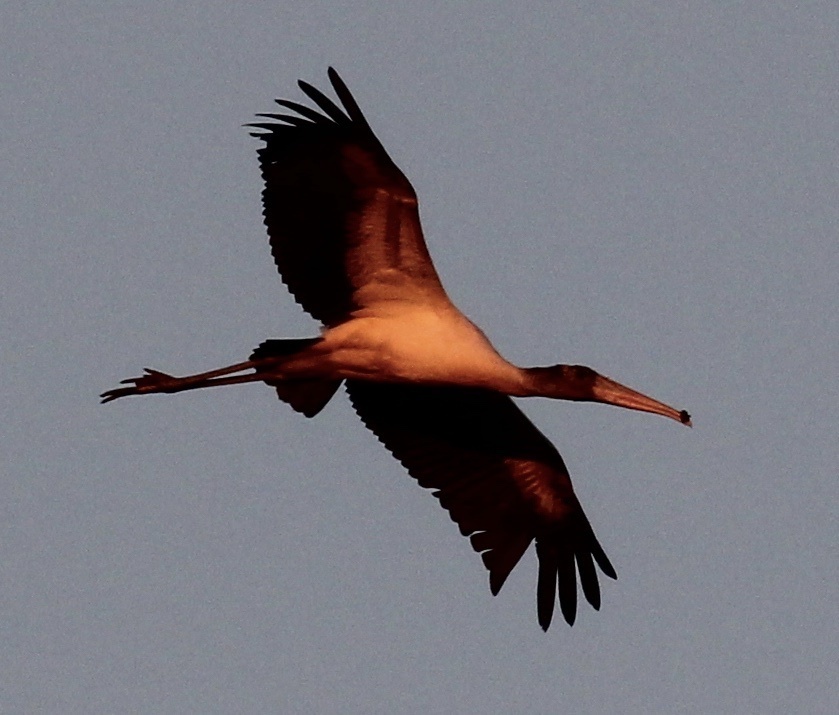
- Wood StorkMycteria americana
- American AvocetRecurvirostra americana
- American BitternBotaurus lentiginosus
- American WigeonAnas americana
- Bonaparte's GullChroicocephalus philadelphia
- Caspian TernHydroprogne caspia
- Common TernSterna hirundo
- Common YellowthroatGeothlypis trichas
- Cooper's HawkAccipiter cooperii
- Eastern KingbirdTyrannus tyrannus
- European StarlingSturnus vulgaris
- Greater YellowlegsTringa melanoleuca
- Hooded MerganserLophodytes cucullatus

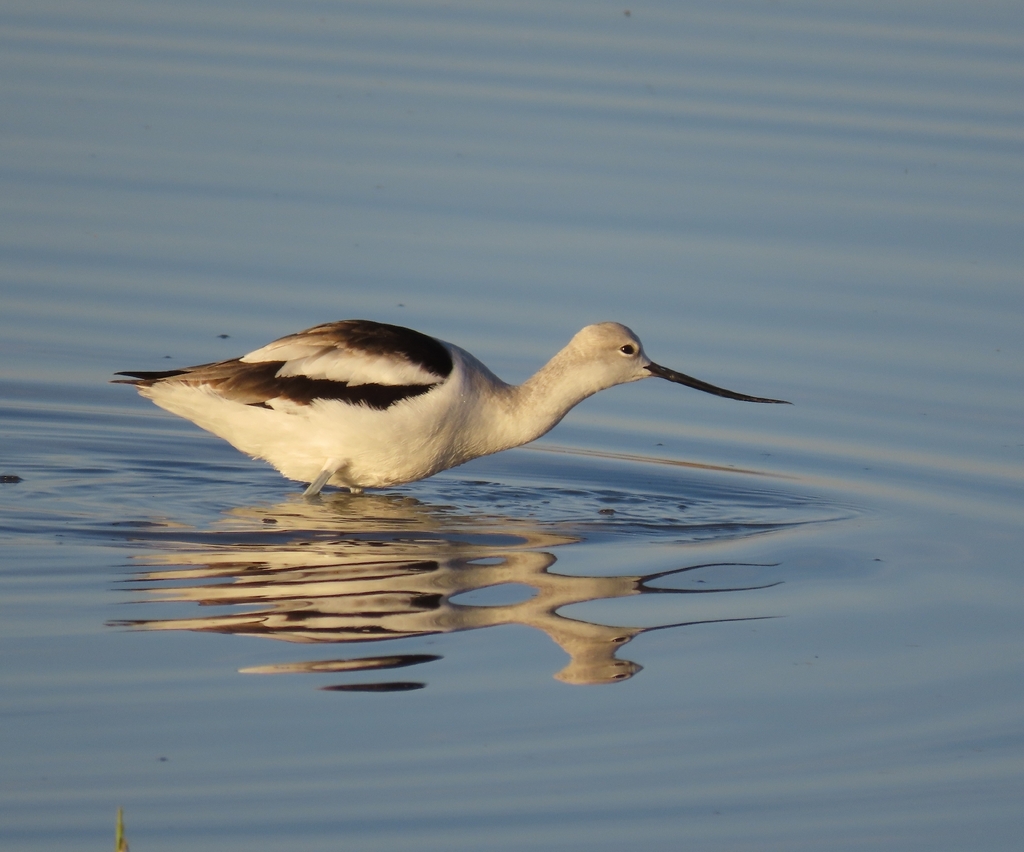
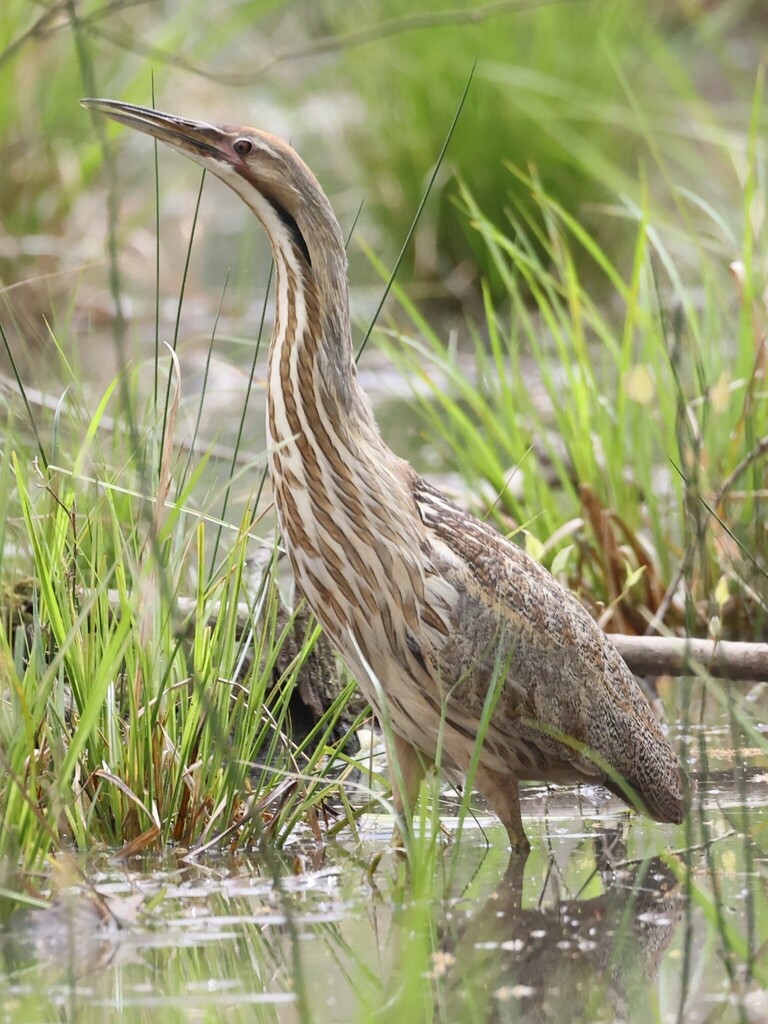
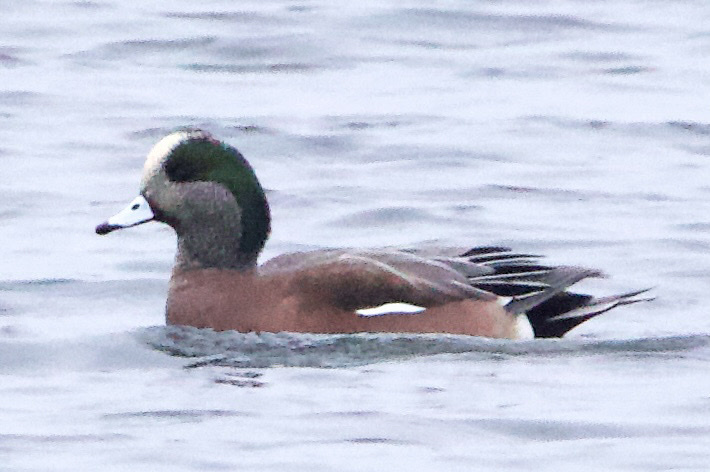
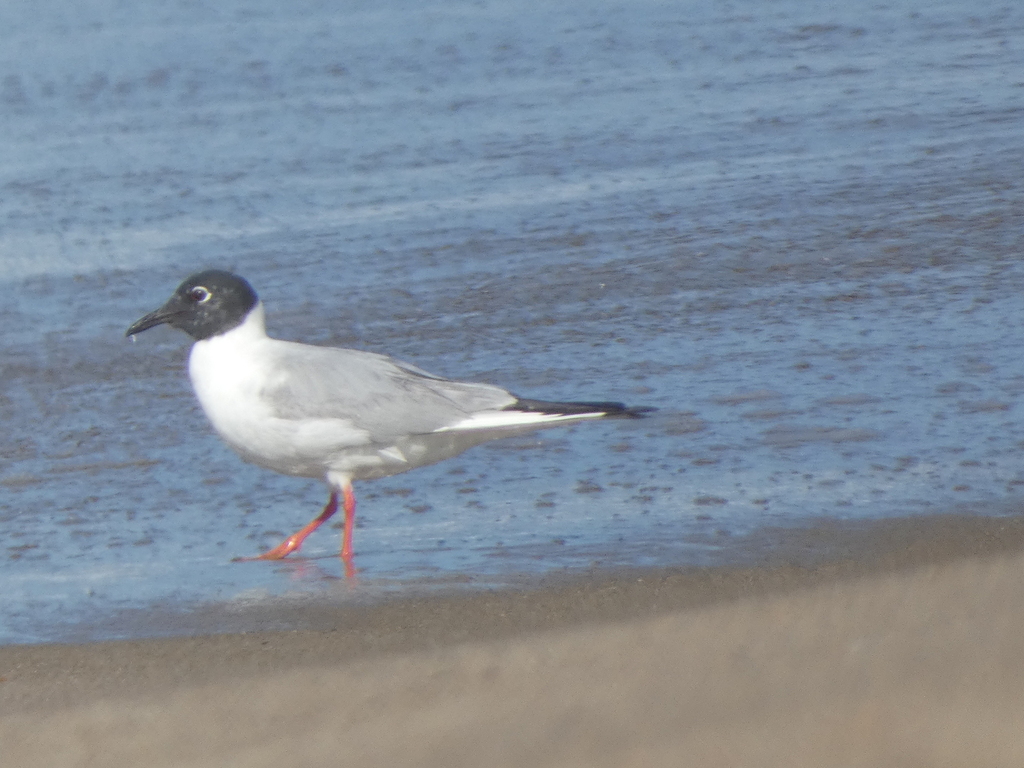
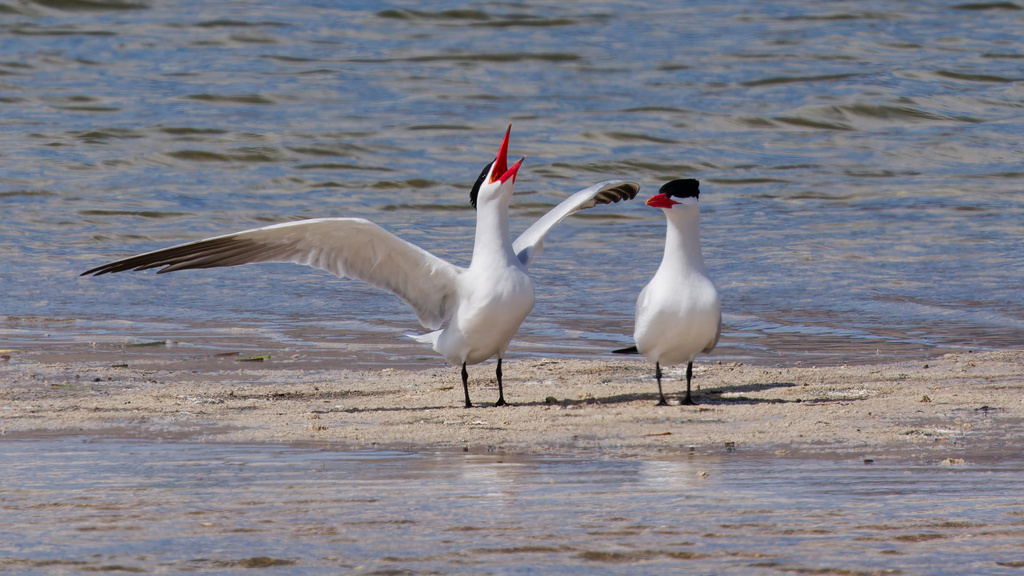
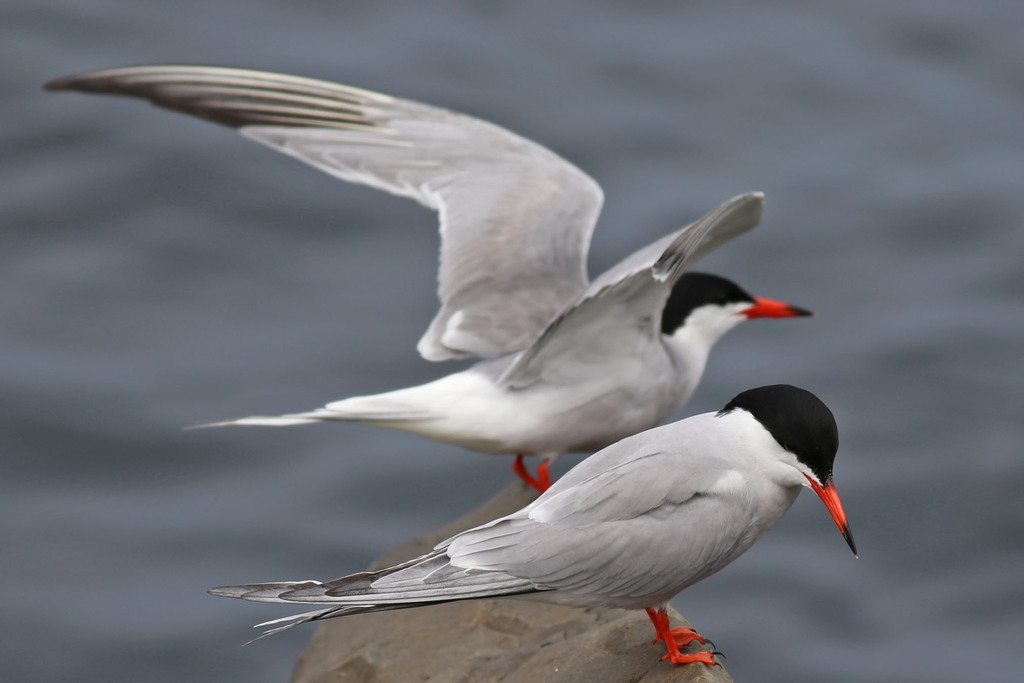




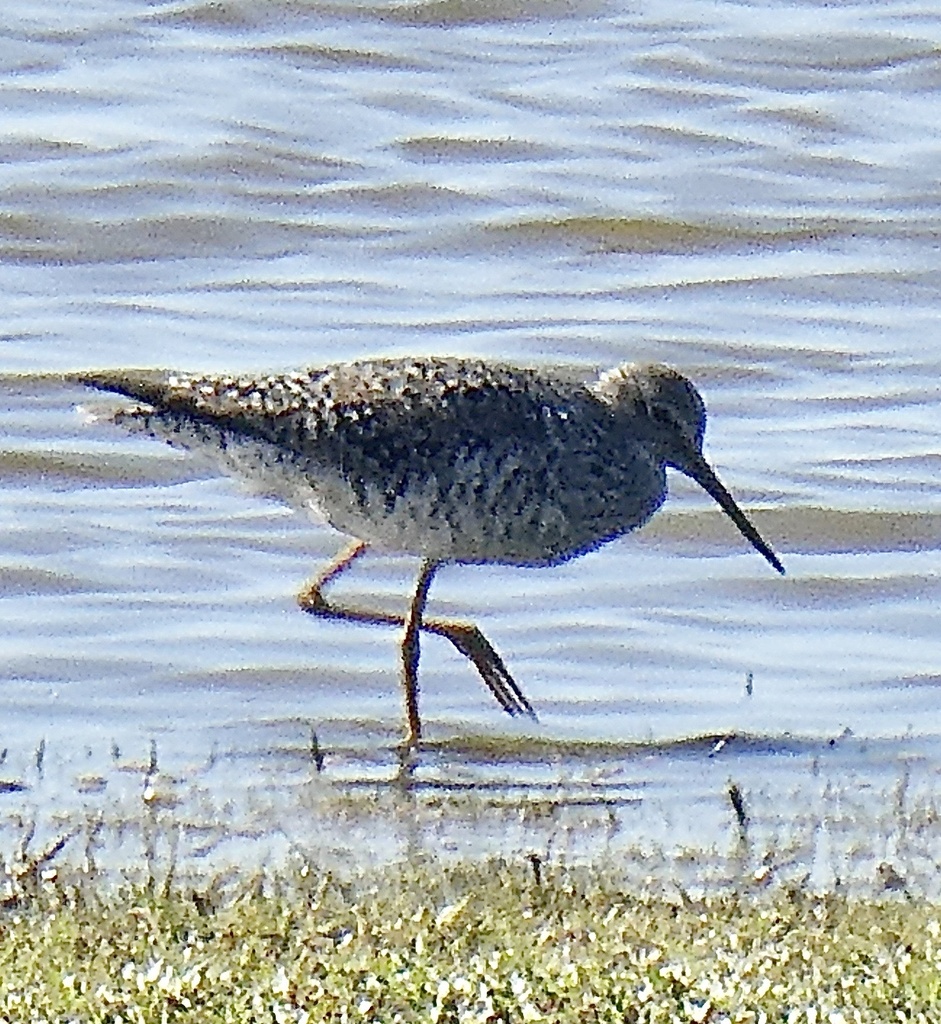

NatureServe Explorer, CC BY 4.0. USGS Gap Analysis Project habitat models.
Sources
- USGS Gap Analysis Project habitat models (2001)
- USGS GAP winter habitat model for Forster's Tern Slow streams only
- USGS Gap Analysis Project range maps (2001), modeled by watershed; migratory gives no dates
- NatureServe Explorer (CC BY 4.0), habitat names
- US Census TIGER/Line counties
- Names follow the USGS Gap Analysis Project (2001)