

Bird
Double-crested Cormorant
Phalacrocorax auritus
A winter visitor to Alabama, found in all 67 counties and 17 habitats.
- Here
- Winter and on migration
- Nesting
- Not known to nest here
- Range
- All 67 counties
- Habitats
- 17

At a glance
- Group
- Birds
- Here
- Winter and on migration
- Nesting
- Not known to nest here
- Range
- All 67 counties
- Habitats
- 17
- Habitat models
- Summer, Winter
Where it lives
The places its habitat model includes. It is not found everywhere a habitat occurs.
Habitats in Alabama 17
Each habitat page lists the plants and wildlife also found there.
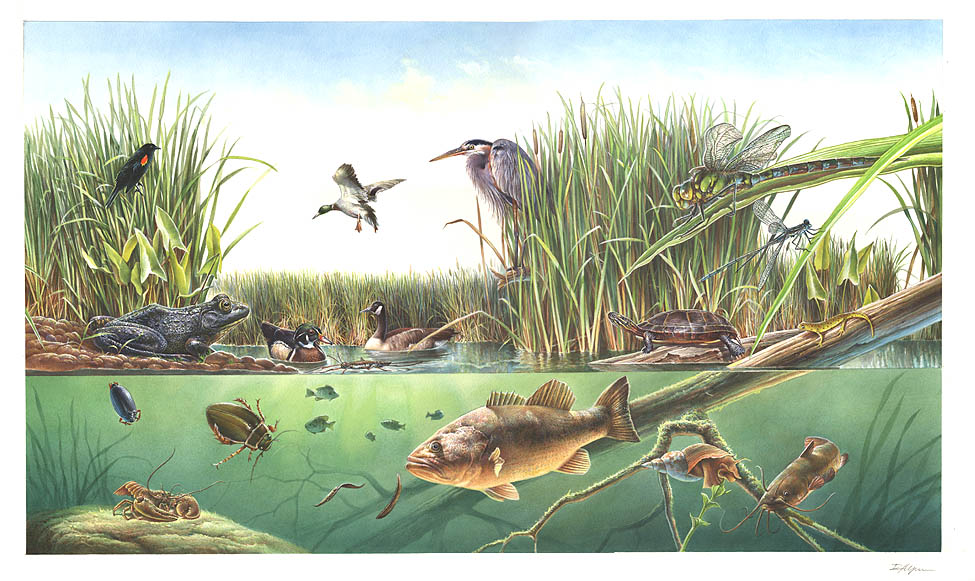
Open sand of beaches, dunes and the hollows between them.
Dense, evergreen groves of live oak, magnolia and other hardwoods in the southern Coastal Plain, from dry oak domes to wet hydric hammocks and south Florida's tropical hammocks; salt-shaped maritime hammocks are maritime forests.
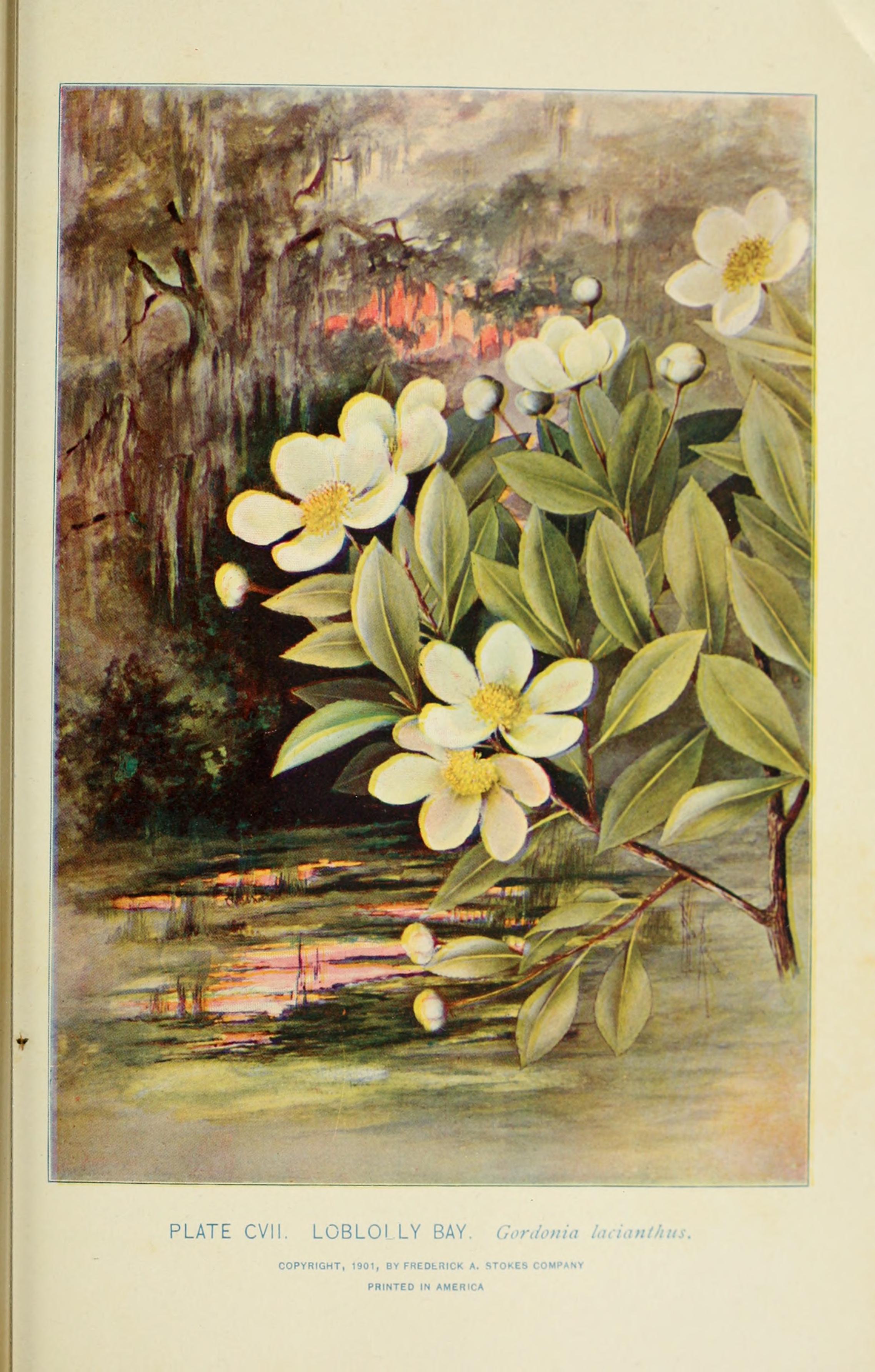
Disturbed and introduced wetlands
Wet ground taken over by weedy or introduced plants after disturbance, such as common reed, Chinese tallow or tamarisk stands; the upland counterpart is roadsides, fields and disturbed ground.
Floodplain and bottomland forests
Forests on low ground beside rivers and streams that flood from time to time.
Flat, poorly drained uplands and terraces with oaks, sweetgum and sometimes loblolly pine, wet in winter and dry in summer, but neither a floodplain nor a swamp.
Salt and brackish open water of sounds, bays and estuaries, with the mud and sand flats and seagrass beds that tides cover and uncover; the vegetated marsh is salt and brackish marshes.
Streams, rivers and their banks
Flowing water and its banks, bars and rocky shoals.
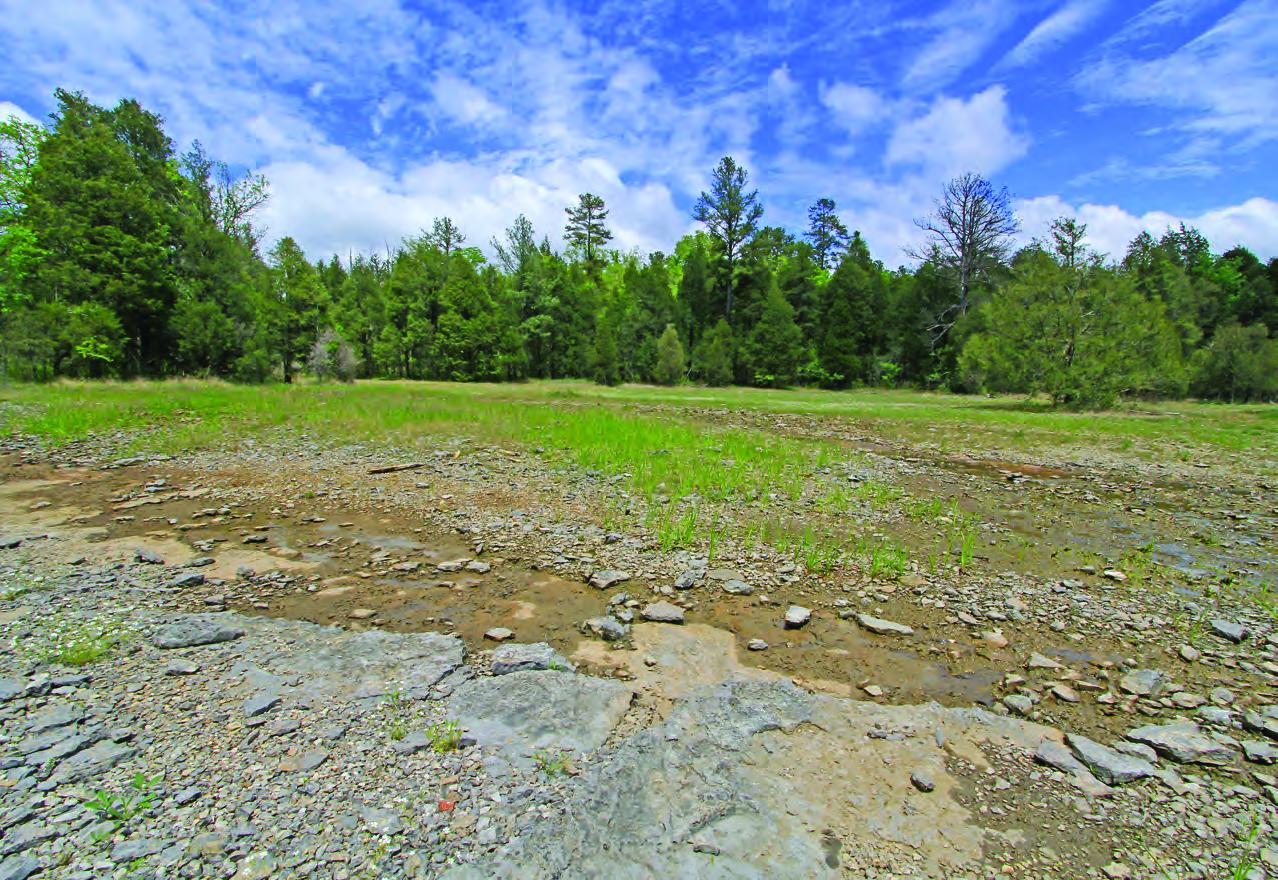
Glades, barrens and outcrops on limestone
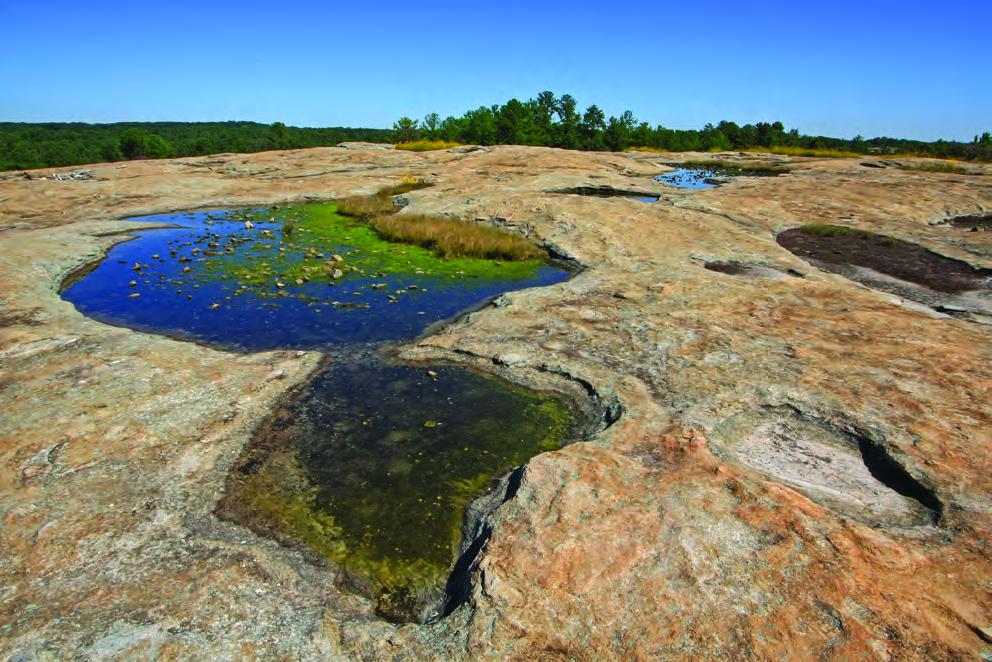
Granite and other acidic rock outcrops
Forests and open woodlands on dry ridges and slopes, often oak or pine.
Salt-pruned forests and shrub thickets behind coastal dunes.
Forests between dry and moist, often oak-hickory on slopes.
Forests on moist but not wet ground, such as rich slopes and ravines.
Flat, sandy Coastal Plain pine woodlands, wetter than sandhills and denser than savannas.
Tree plantations and managed pine
Planted or intensively managed stands of pine or hardwoods grown for timber; a land use rather than a natural community.
Other habitats in its models (130)
Land cover, or classes with no habitat page in Alabama.
- Open Water (Aquaculture) Summer and winter.
- Atlantic Coastal Plain Northern Sandy Beach Summer.
- Atlantic Coastal Plain Southern Beach Summer and winter.
- Unconsolidated Shore (Lake/River/Pond) Summer and winter.
- Unconsolidated Shore Summer and winter.
- Upper Texas Coast Beach Winter.
- Louisiana Beach Summer and winter.
- Southeast Florida Beach Summer and winter.
- South Florida Shell Hash Beach Summer and winter.
- Atlantic Coastal Plain Sea Island Beach Summer and winter.
- Southwest Florida Beach Summer and winter.
- Texas Coastal Bend Beach Winter.
- Central and Southern Appalachian Northern Hardwood Forest Summer and winter, only within 250 m of water.
- East Gulf Coastal Plain Northern Loess Plain Oak-Hickory Upland - Hardwood Modifier Summer and winter, only within 250 m of water.
- Northeastern Interior Dry Oak Forest-Hardwood Modifier Summer and winter, only within 250 m of water.
- East Gulf Coastal Plain Northern Loess Plain Oak-Hickory Upland - Juniper Modifier Summer and winter, only within 250 m of water.
- Northeastern Interior Dry Oak Forest - Mixed Modifier Summer and winter, only within 250 m of water.
- Northeastern Interior Dry-Mesic Oak Forest Summer and winter, only within 250 m of water.
- Ozark-Ouachita Dry-Mesic Oak Forest Summer and winter, only within 250 m of water.
- Crosstimbers Oak Forest and Woodland Summer and winter, only within 250 m of water.
- North-Central Interior Dry-Mesic Oak Forest and Woodland Summer and winter, only within 250 m of water.
- North-Central Interior Dry Oak Forest and Woodland Summer and winter, only within 250 m of water.
- Ouachita Montane Oak Forest Summer and winter, only within 250 m of water.
- North-Central Interior Beech-Maple Forest Summer and winter, only within 250 m of water.
- North-Central Interior Maple-Basswood Forest Summer and winter, only within 250 m of water.
- Central and Southern Appalachian Montane Oak Forest Summer and winter, only within 250 m of water.
- East Gulf Coastal Plain Northern Loess Bluff Forest Summer and winter, only within 250 m of water.
- East Gulf Coastal Plain Southern Loess Bluff Forest Summer and winter, only within 250 m of water.
- South Florida Hardwood Hammock Summer and winter.
- Atlantic Coastal Plain Dry and Dry-Mesic Oak Forest Summer and winter, only within 250 m of water.
- Southwest Florida Coastal Strand and Maritime Hammock Summer and winter.
- Southeast Florida Coastal Strand and Maritime Hammock Summer and winter.
- Central and South Texas Coastal Fringe Forest and Woodland Winter, only within 250 m of water.
- West Gulf Coastal Plain Chenier and Upper Texas Coastal Fringe Forest and Woodland Summer and winter, only within 250 m of water.
- Mississippi River Alluvial Plain Dry-Mesic Loess Slope Forest Summer and winter, only within 250 m of water.
- East-Central Texas Plains Post Oak Savanna and Woodland Summer and winter, only within 250 m of water.
- East-Central Texas Plains Riparian Forest Summer and winter.
- South Florida Pine Rockland Summer and winter, only within 250 m of water.
- Ozark-Ouachita Dry Oak Woodland Summer and winter, only within 250 m of water.
- Lower Mississippi River Dune Woodland and Forest Summer and winter.
- Edwards Plateau Limestone Savanna and Woodland Summer and winter, only within 250 m of water.
- Mississippi Delta Maritime Forest Summer and winter, only within 250 m of water.
- Southern Crowley's Ridge Mesic Loess Slope Forest Summer and winter, only within 250 m of water.
- West Gulf Coastal Plain Mesic Hardwood Forest Summer and winter, only within 250 m of water.
- Ozark-Ouachita Mesic Hardwood Forest Summer and winter, only within 250 m of water.
- Atlantic Coastal Plain Central Maritime Forest Summer and winter, only within 250 m of water.
- Atlantic Coastal Plain Northern Maritime Forest Summer, only within 250 m of water.
- Atlantic Coastal Plain Southern Maritime Forest Summer and winter, only within 250 m of water.
- East Gulf Coastal Plain Interior Shortleaf Pine-Oak Forest - Hardwood Modifier Summer and winter, only within 250 m of water.
- East Gulf Coastal Plain Black Belt Calcareous Prairie and Woodland - Woodland Modifier Summer and winter, only within 250 m of water.
- Northeastern Interior Dry Oak Forest - Virginia/Pitch Pine Modifier Summer and winter, only within 250 m of water.
- Southern Piedmont Dry Oak-(Pine) Forest - Loblolly Pine Modifier Summer and winter, only within 250 m of water.
- East Gulf Coastal Plain Northern Dry Upland Hardwood Forest - Offsite Pine Modifier Summer and winter, only within 250 m of water.
- Southern Ridge and Valley Dry Calcareous Forest - Pine modifier Summer and winter, only within 250 m of water.
- East Gulf Coastal Plain Interior Shortleaf Pine-Oak Forest - Mixed Modifier Summer and winter, only within 250 m of water.
- Southern Piedmont Dry Oak-(Pine) Forest - Mixed Modifier Summer and winter, only within 250 m of water.
- Southern Piedmont Dry Oak-Heath Forest - Mixed Modifier Summer and winter, only within 250 m of water.
- Northern Atlantic Coastal Plain Dry Hardwood Forest Summer and winter, only within 250 m of water.
- West Gulf Coastal Plain Upland Longleaf Pine Forest and Woodland Summer and winter, only within 250 m of water.
- Central Interior Highlands Dry Acidic Glade and Barrens Summer and winter, only within 250 m of water.
- Ozark-Ouachita Shortleaf Pine-Oak Forest and Woodland Summer and winter, only within 250 m of water.
- Central Appalachian Oak and Pine Forest Summer and winter, only within 250 m of water.
- West Gulf Coastal Plain Pine-Hardwood Forest Summer and winter, only within 250 m of water.
- Central Appalachian Pine-Oak Rocky Woodland Summer and winter, only within 250 m of water.
- West Gulf Coastal Plain Sandhill Oak and Shortleaf Pine Forest and Woodland Summer and winter, only within 250 m of water.
- Northern Crowley's Ridge Sand Forest Summer and winter, only within 250 m of water.
- Atlantic Coastal Plain Mesic Hardwood and Mixed Forest Summer and winter, only within 250 m of water.
- East Gulf Coastal Plain Interior Upland Longleaf Pine Woodland - Offsite Hardwood Modifier Summer and winter, only within 250 m of water.
- Florida Longleaf Pine Sandhill - Open Understory Modifier Summer and winter, only within 250 m of water.
- Florida Longleaf Pine Sandhill - Scrub/Shrub Understory Modifier Summer and winter, only within 250 m of water.
- Atlantic Coastal Plain Fall-Line Sandhills Longleaf Pine Woodland - Loblolly Modifier Summer and winter, only within 250 m of water.
- Atlantic Coastal Plain Fall-line Sandhills Longleaf Pine Woodland - Open Understory Modifier Summer and winter, only within 250 m of water.
- Atlantic Coastal Plain Fall-line Sandhills Longleaf Pine Woodland - Scrub/Shrub Understory Modifier Summer and winter, only within 250 m of water.
- East Gulf Coastal Plain Interior Upland Longleaf Pine Woodland - Loblolly Modifier Summer and winter, only within 250 m of water.
- East Gulf Coastal Plain Interior Upland Longleaf Pine Woodland - Open Understory Modifier Summer and winter, only within 250 m of water.
- East Gulf Coastal Plain Interior Upland Longleaf Pine Woodland - Scrub/Shrub Modifier Summer and winter, only within 250 m of water.
- Atlantic Coastal Plain Upland Longleaf Pine Woodland Summer and winter, only within 250 m of water.
- Northeastern Interior Pine Barrens Summer and winter, only within 250 m of water.
- East-Central Texas Plains Pine Forest and Woodland Summer and winter, only within 250 m of water.
- Ozark-Ouachita Shortleaf Pine-Bluestem Woodland Summer and winter, only within 250 m of water.
- Atlantic Coastal Plain Fall-line Sandhills Longleaf Pine Woodland - Offsite Hardwood Modifier Summer and winter, only within 250 m of water.
- Southern Piedmont Glade and Barrens Summer and winter, only within 250 m of water.
- Nashville Basin Limestone Glade Summer and winter, only within 250 m of water.
- Central Appalachian Alkaline Glade and Woodland Summer and winter, only within 250 m of water.
- Atlantic Coastal Plain Xeric River Dune Summer and winter.
- Introduced Upland Vegetation - Treed Summer and winter, only within 250 m of water.
- Southern Coastal Plain Nonriverine Basin Swamp - Okefenokee Pine Modifier Summer and winter.
- Southern Coastal Plain Nonriverine Basin Swamp - Okefenokee Clethra Modifier Summer and winter.
- Atlantic Coastal Plain Peatland Pocosin Summer and winter.
- West Gulf Coastal Plain Seepage Swamp and Baygall Summer and winter.
- Atlantic Coastal Plain Streamhead Seepage Swamp - Pocosin - and Baygall Summer and winter.
- Atlantic Coastal Plain Southern Tidal Wooded Swamp Summer and winter.
- Central Interior and Appalachian Shrub-Herbaceous Wetland Systems Summer and winter.
- Atlantic Coastal Plain Northern Tidal Wooded Swamp Summer.
- South Florida Mangrove Swamp Summer and winter.
- West Gulf Coastal Plain Near-Coast Large River Swamp Summer and winter.
- South Florida Bayhead Swamp Summer and winter.
- Northern Atlantic Coastal Plain Basin Swamp and Wet Hardwood Forest Summer and winter.
- Atlantic Coastal Plain Nonriverine Swamp and Wet Hardwood Forest - Taxodium/Nyssa Modifier Summer and winter.
- Atlantic Coastal Plain Nonriverine Swamp and Wet Hardwood Forest - Oak Dominated Modifier Summer and winter.
- Atlantic Coastal Plain Clay-Based Carolina Bay Forested Wetland Summer and winter.
- South Florida Dwarf Cypress Savanna Summer and winter.
- Lower Mississippi River Bottomland Depressions - Forest Modifier Summer and winter.
- South Florida Cypress Dome Summer and winter.
- Mississippi River Bottomland Depression Summer and winter.
- Atlantic Coastal Plain Blackwater Stream Floodplain Forest - Forest Modifier Summer and winter.
- Central Appalachian Riparian - Forest Modifier Summer and winter.
- Western Great Plains Floodplain Systems Summer and winter.
- Eastern Great Plains Floodplain Systems Summer and winter.
- Tamaulipan Riparian Systems Summer and winter.
- Mississippi River Riparian Forest Summer and winter.
- Mississippi River Low Floodplain (Bottomland) Forest Summer and winter.
- West Gulf Coastal Plain Small Stream and River Forest Summer and winter.
- West Gulf Coastal Plain Large River Floodplain Forest Summer and winter.
- Atlantic Coastal Plain Small Brownwater River Floodplain Forest Summer and winter.
- Atlantic Coastal Plain Small Blackwater River Floodplain Forest Summer and winter.
- Red River Large Floodplain Forest Summer and winter.
- Atlantic Coastal Plain Brownwater Stream Floodplain Forest Summer and winter.
- Mississippi River Floodplain and Riparian Forest Summer and winter.
- Ozark-Ouachita Riparian Summer and winter.
- East Gulf Coastal Plain Near-Coast Pine Flatwoods - Offsite Hardwood Modifier Summer and winter, only within 250 m of water.
- South Florida Pine Flatwoods Summer and winter, only within 250 m of water.
- Central Atlantic Coastal Plain Wet Longleaf Pine Savanna and Flatwoods Summer and winter.
- Atlantic Coastal Plain Southern Wet Pine Savanna and Flatwoods Summer and winter.
- West Gulf Coastal Plain Wet Longleaf Pine Savanna and Flatwoods Summer and winter.
- Central Florida Pine Flatwoods Summer and winter, only within 250 m of water.
- West Gulf Coastal Plain Pine-Hardwood Flatwoods Summer and winter, only within 250 m of water.
- North-Central Interior Wet Flatwoods Summer and winter.
- Lower Mississippi River Flatwoods Summer and winter, only within 250 m of water.
- West Gulf Coastal Plain Nonriverine Wet Hardwood Flatwoods Summer and winter.
Seasons in Alabama
- Migratory: does not nest here, in 8 of 67 counties.
- Winter: does not nest here, in all 67 counties.
Also found in this habitat
Plants 1046
Plants named in NatureServe descriptions of these habitats that grow in Alabama. Shared habitat, not food.
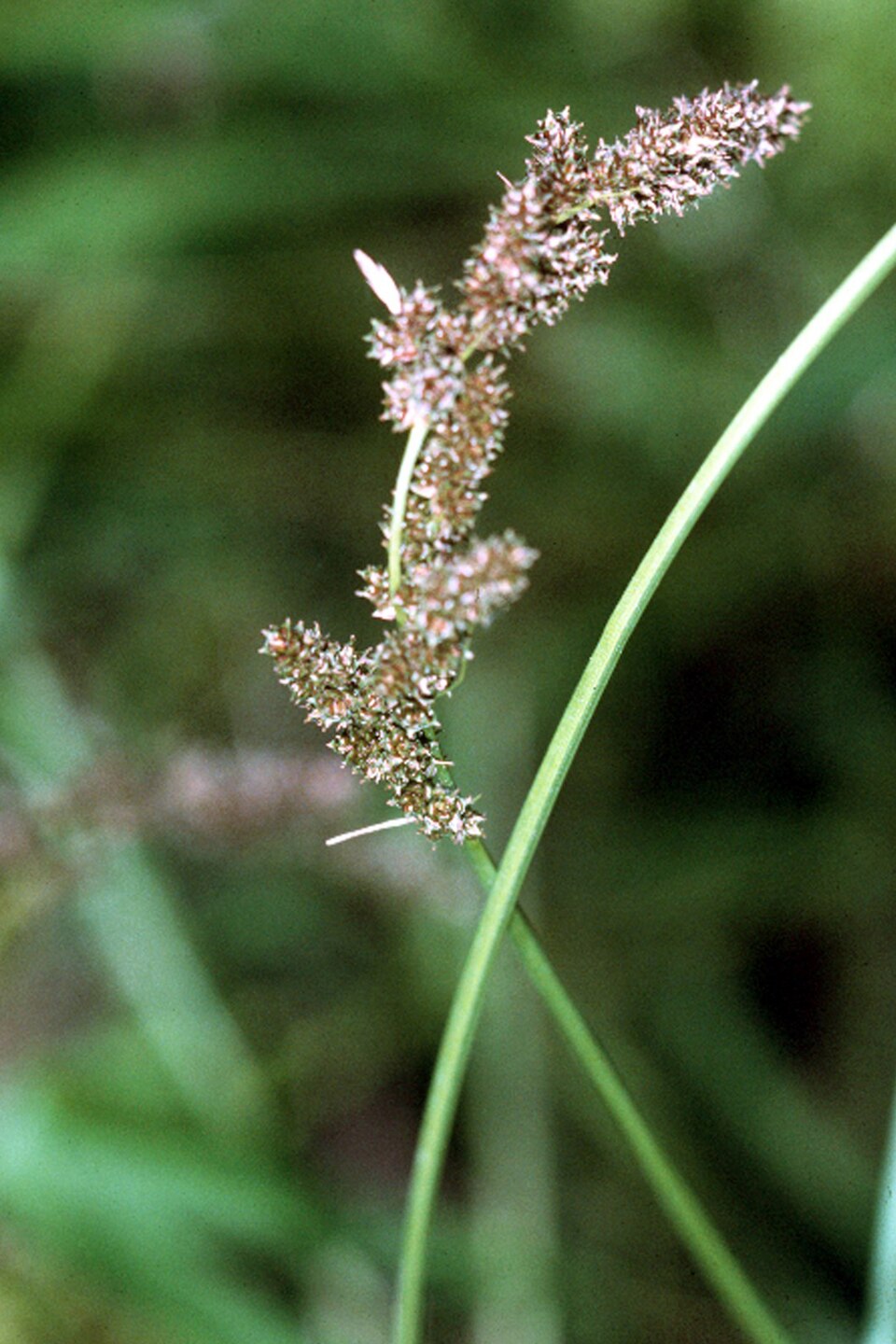
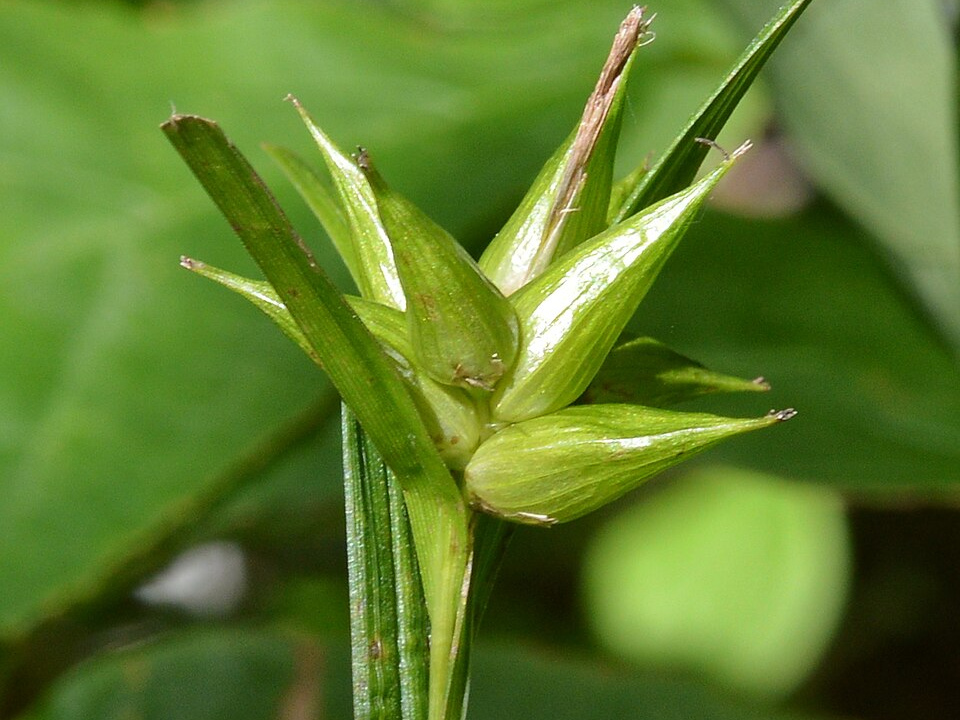
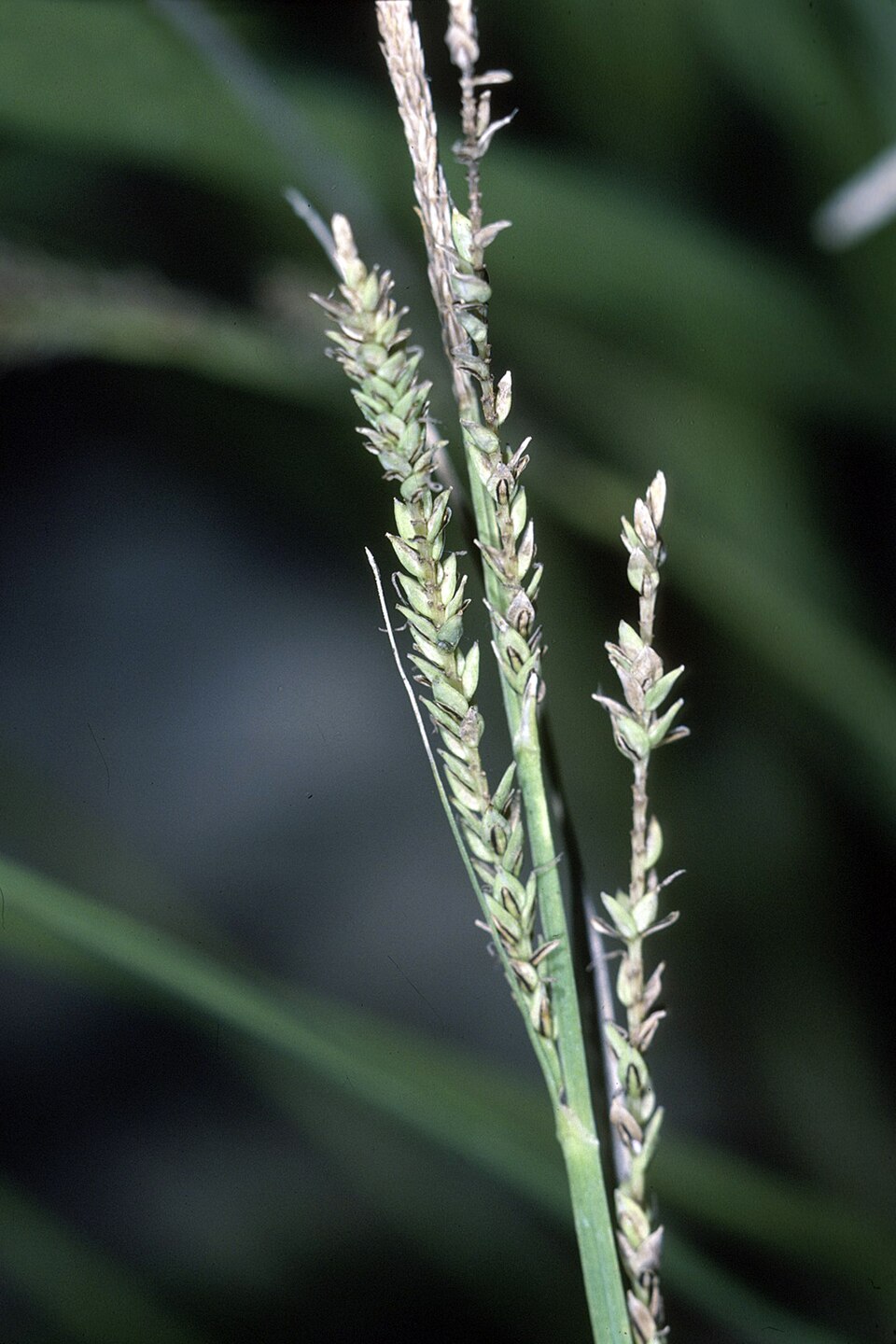
- Cypress-knee SedgeCarex decomposita
- Bladder SedgeCarex intumescens
- Twisted SedgeCarex torta
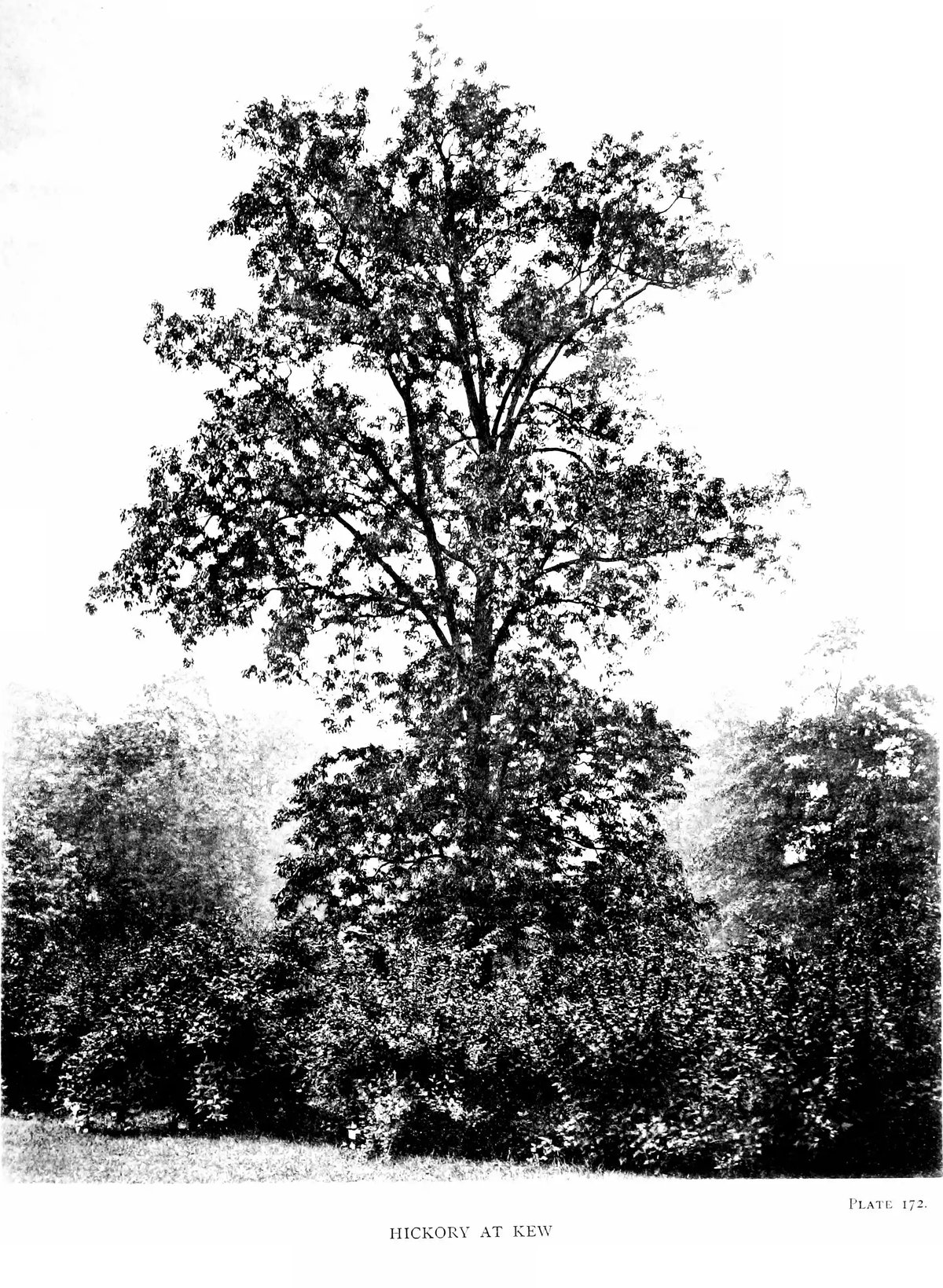
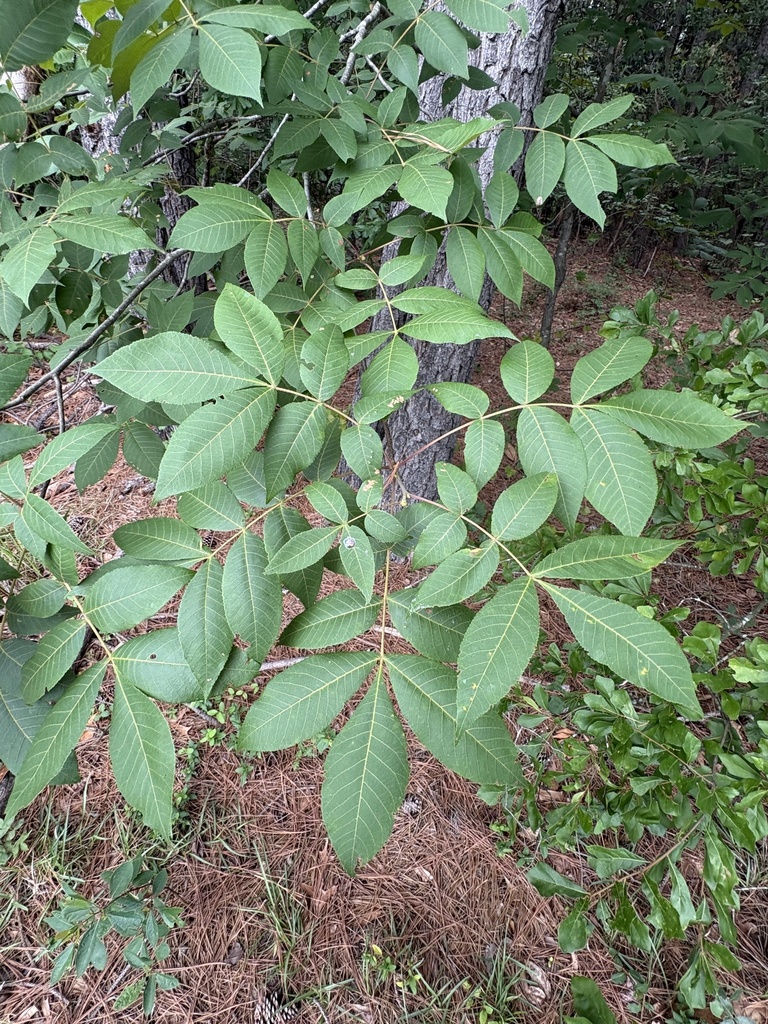
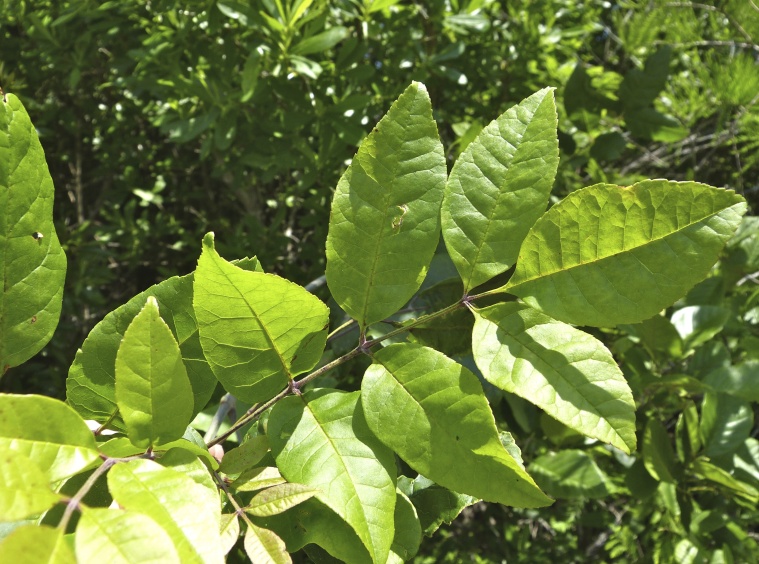
- Red HickoryCarya ovalis
- Sand HickoryCarya pallida
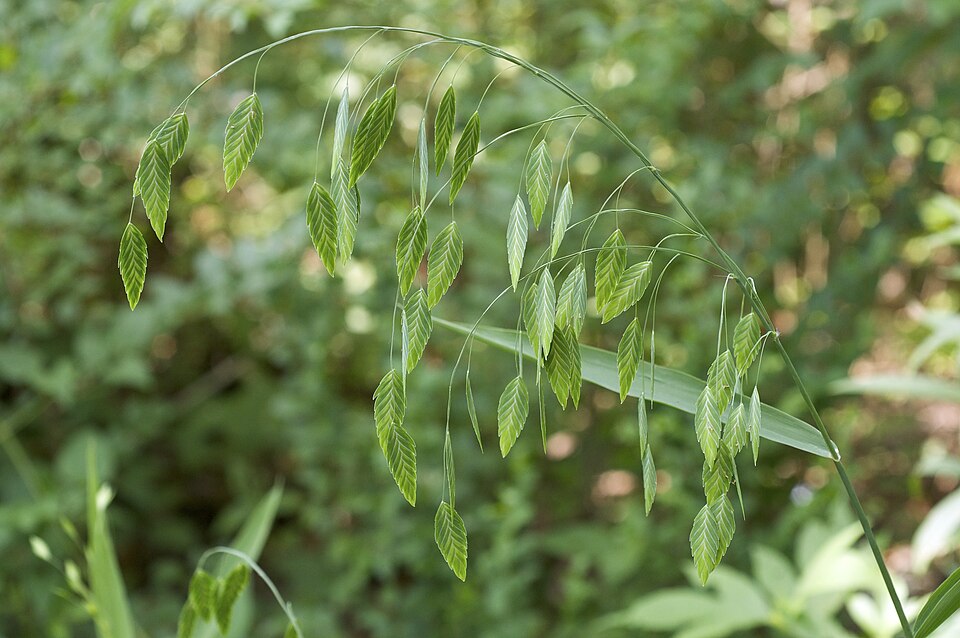
- River OatsChasmanthium latifolium
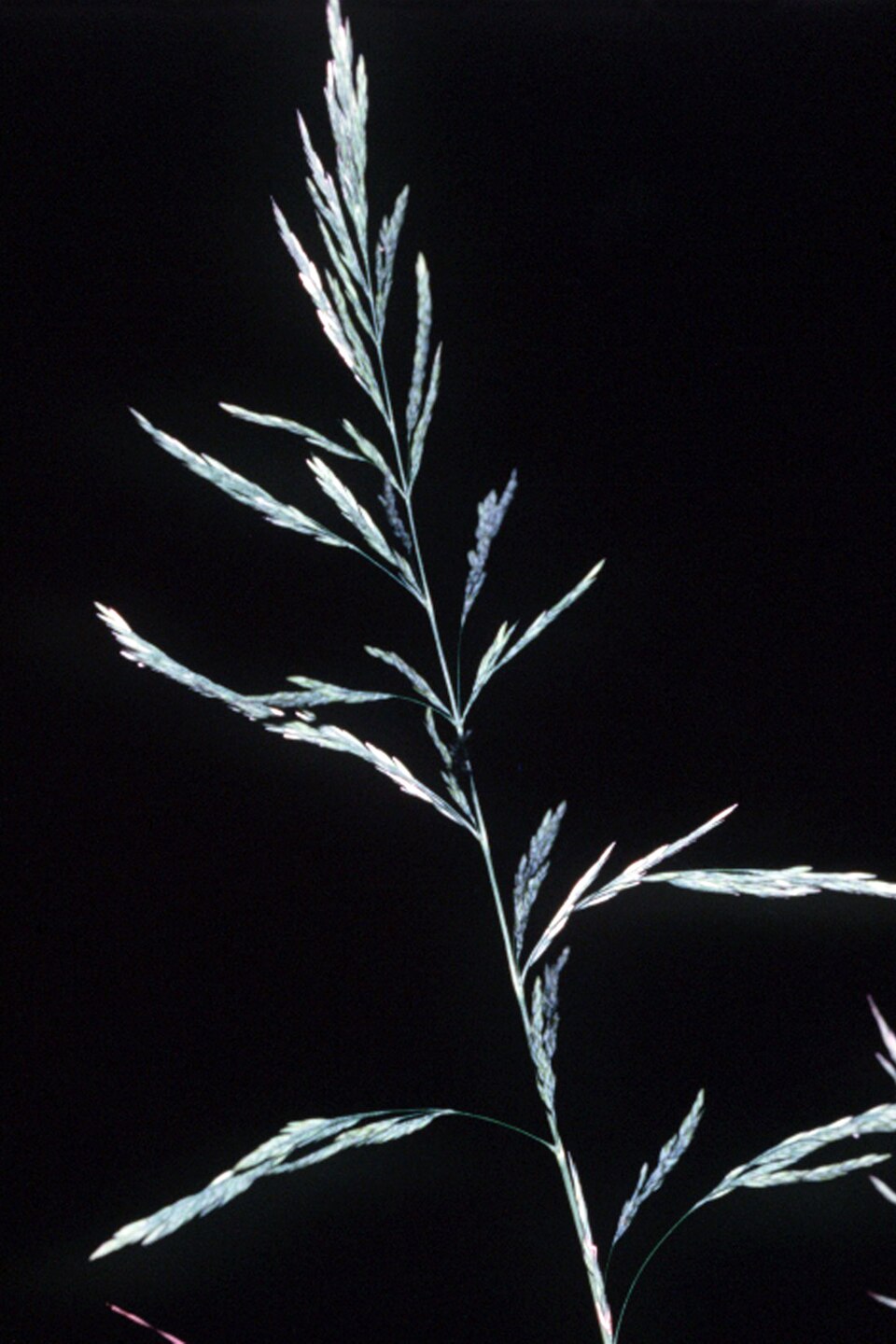
- Sweet WoodreedCinna arundinacea
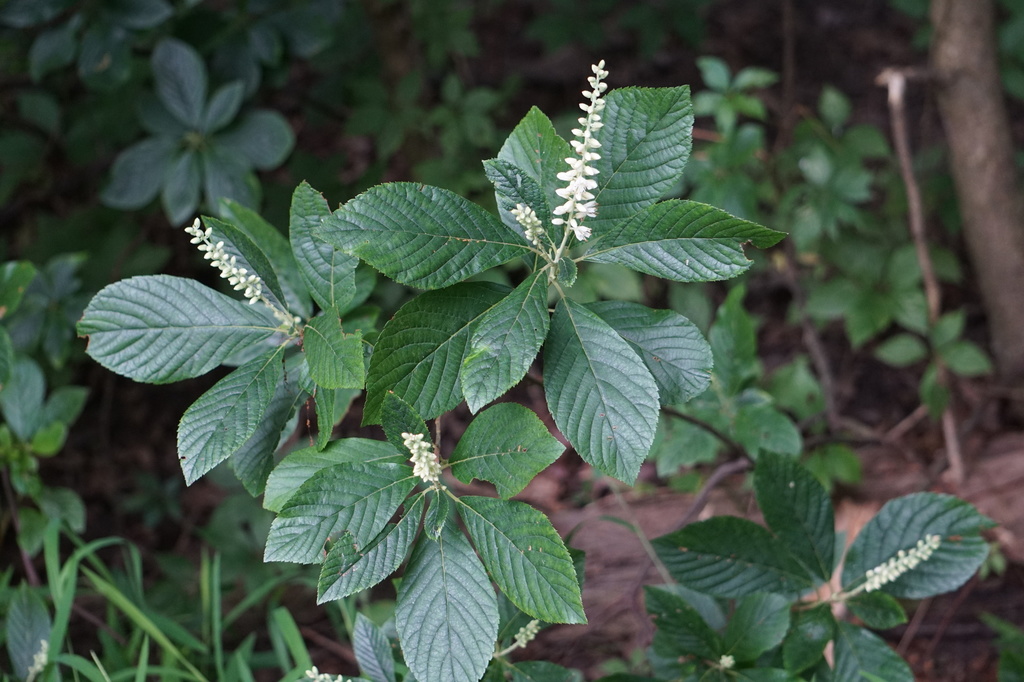
- Coastal Sweet-pepperbushClethra alnifolia
- Rough Leaf DogwoodCornus drummondii
- Croomia; Elfin ShoesCroomia pauciflora
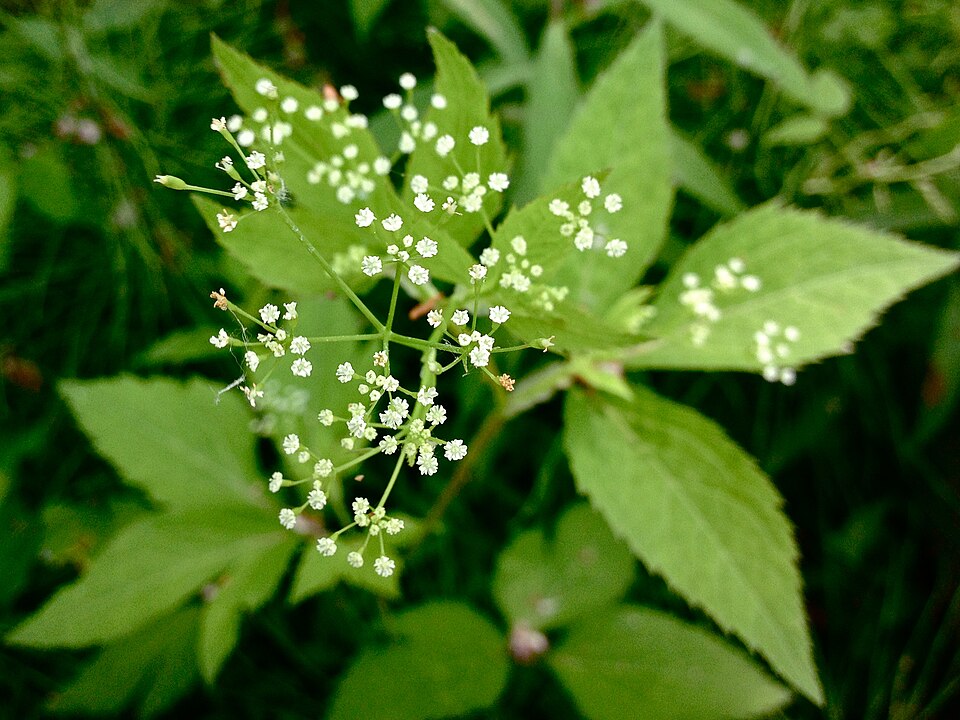
- Canadian HonewortCryptotaenia canadensis
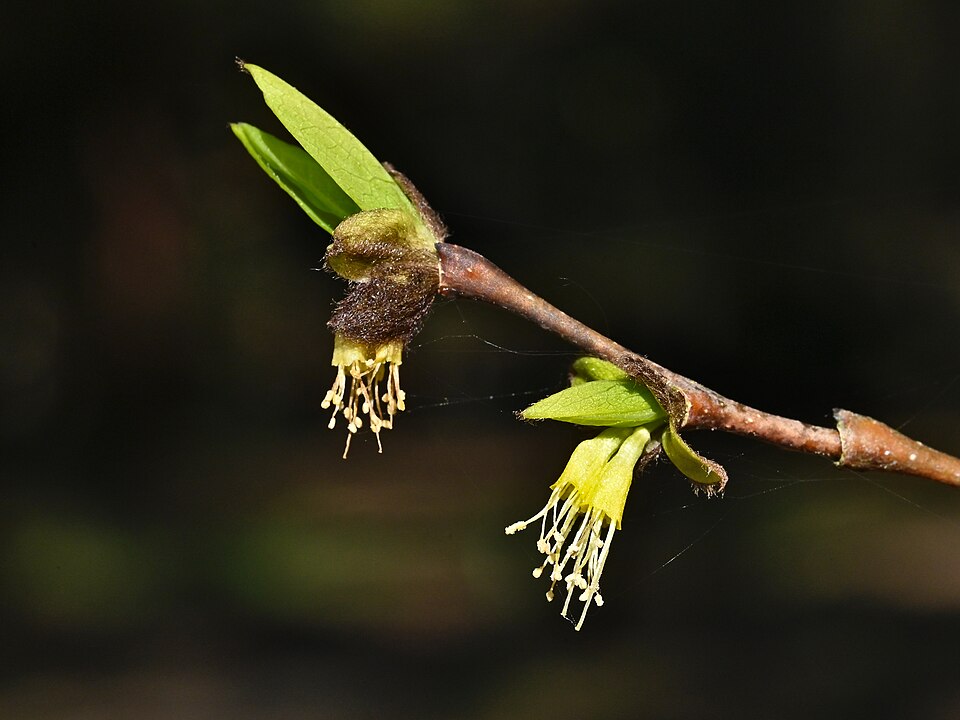
- Eastern LeatherwoodDirca palustris
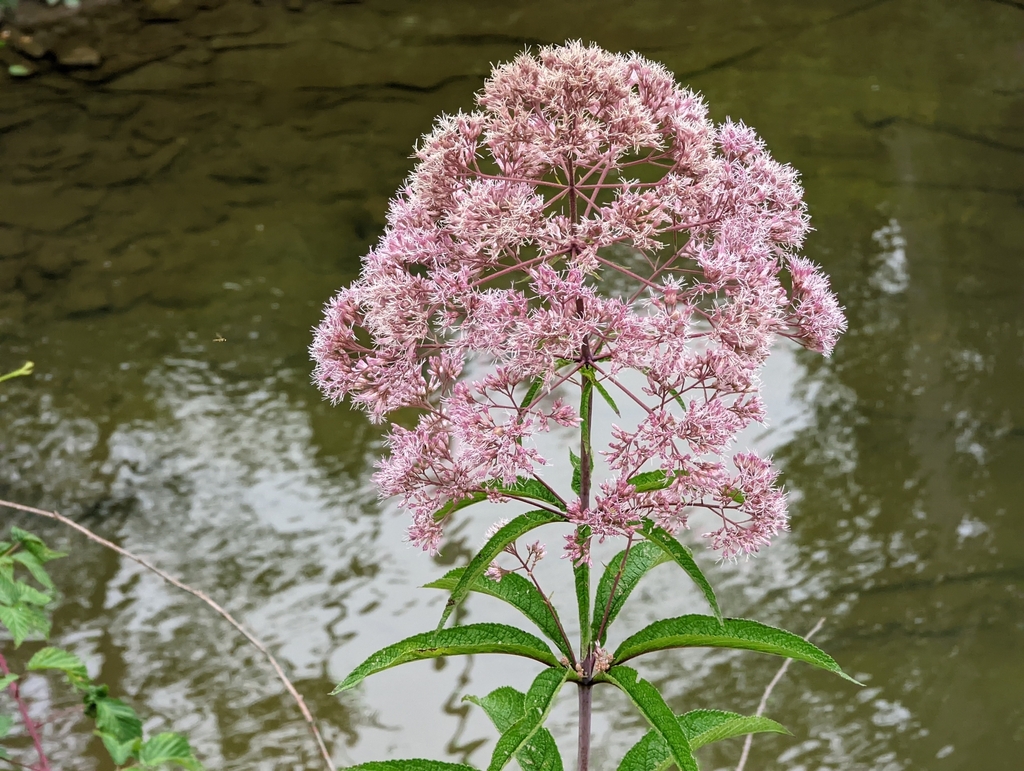
- Hollow Joe-pye-weedEutrochium fistulosum
- Eastern Swamp PrivetForestiera acuminata
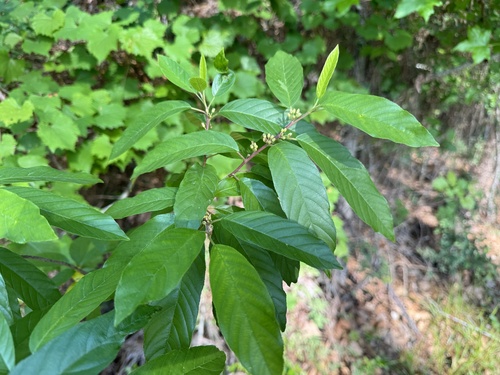
- Carolina BuckthornFrangula caroliniana
- Carolina AshFraxinus caroliniana
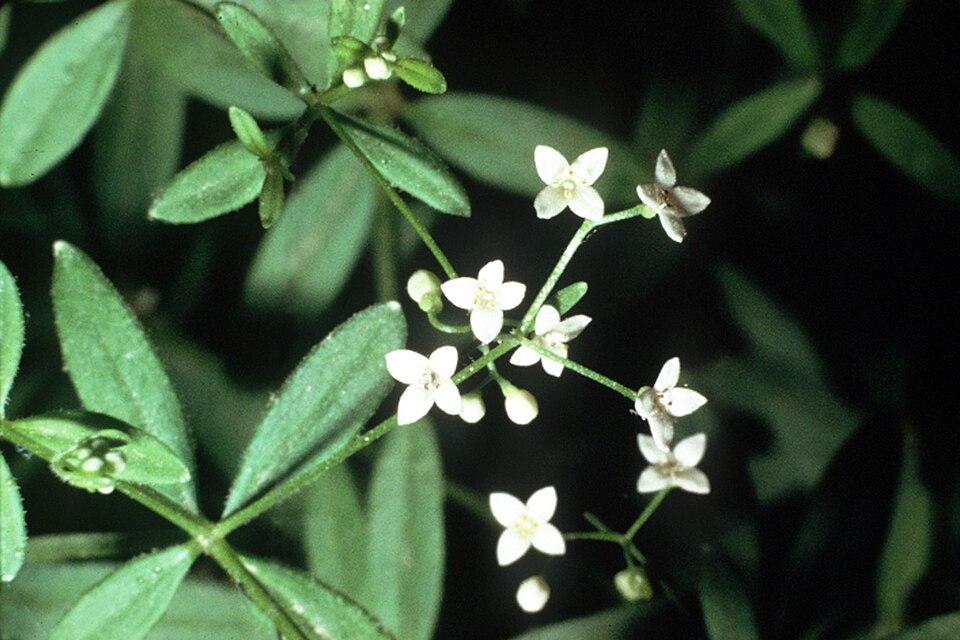
- Bluntleaf BedstrawGalium obtusum
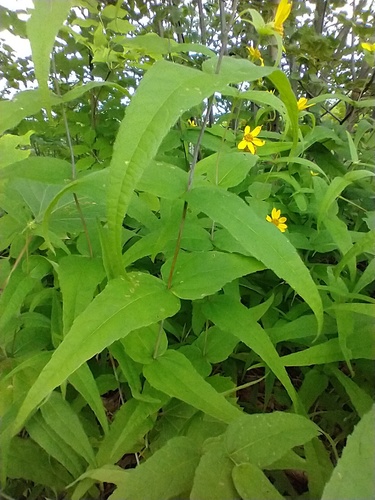
- Woodland SunflowerHelianthus divaricatus
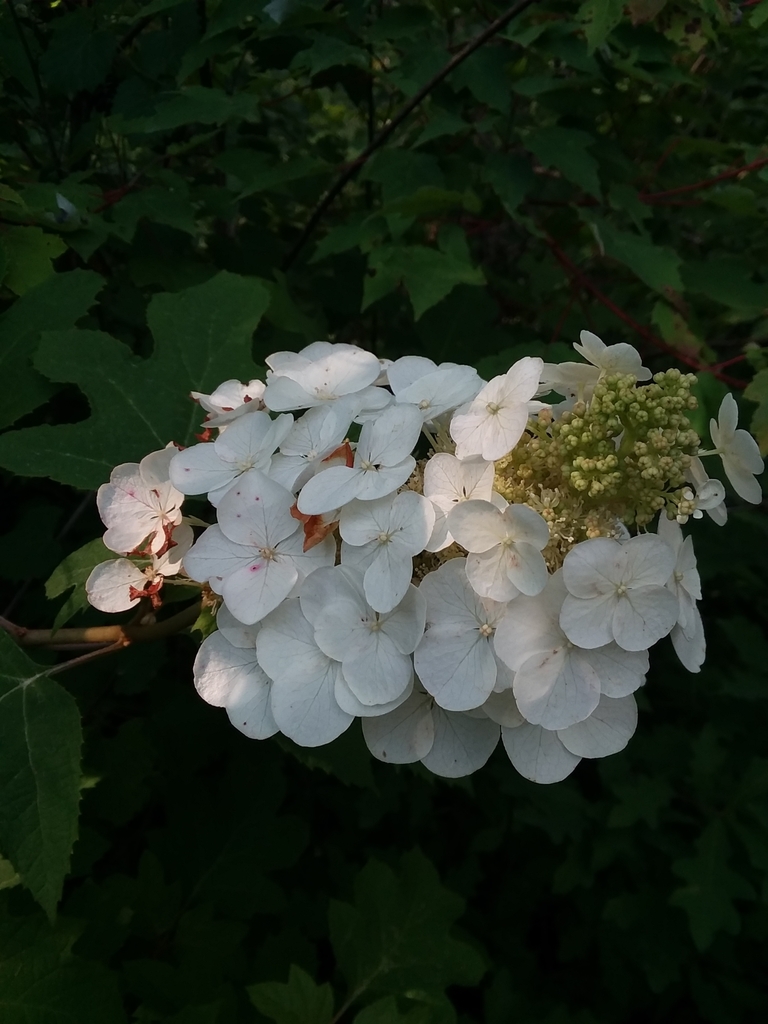
- Oakleaf HydrangeaHydrangea quercifolia
- Hymenocallis coronariaHymenocallis coronaria
- Sarvis HollyIlex amelanchier
- Large GallberryIlex coriacea
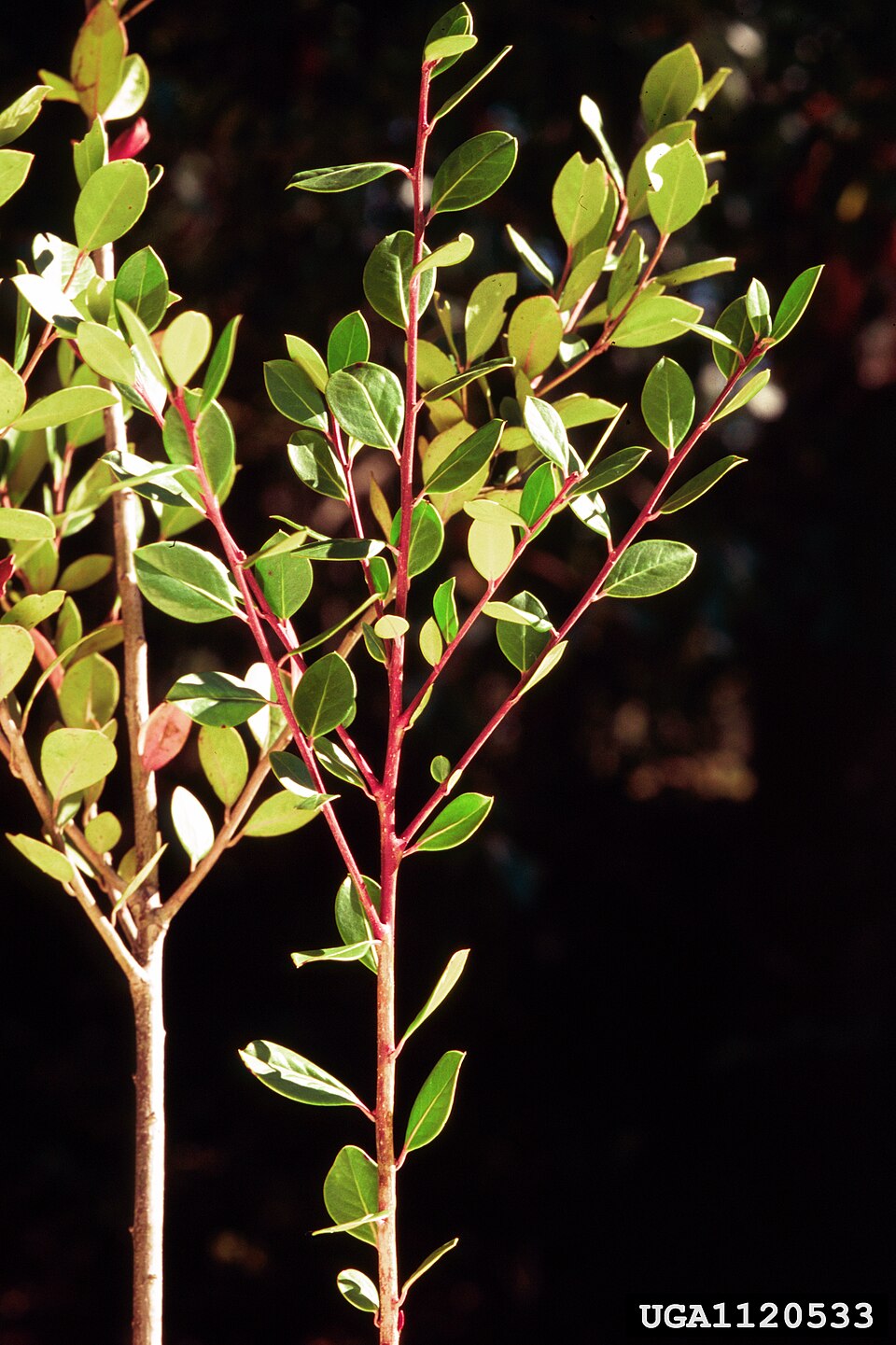
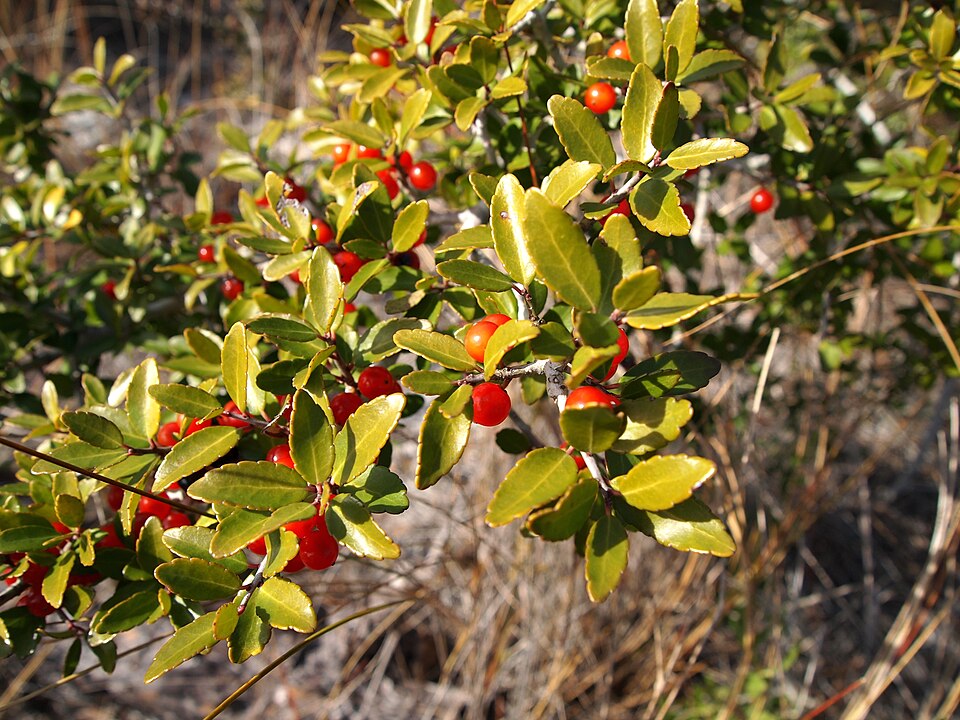
- Yaupon HollyIlex vomitoria
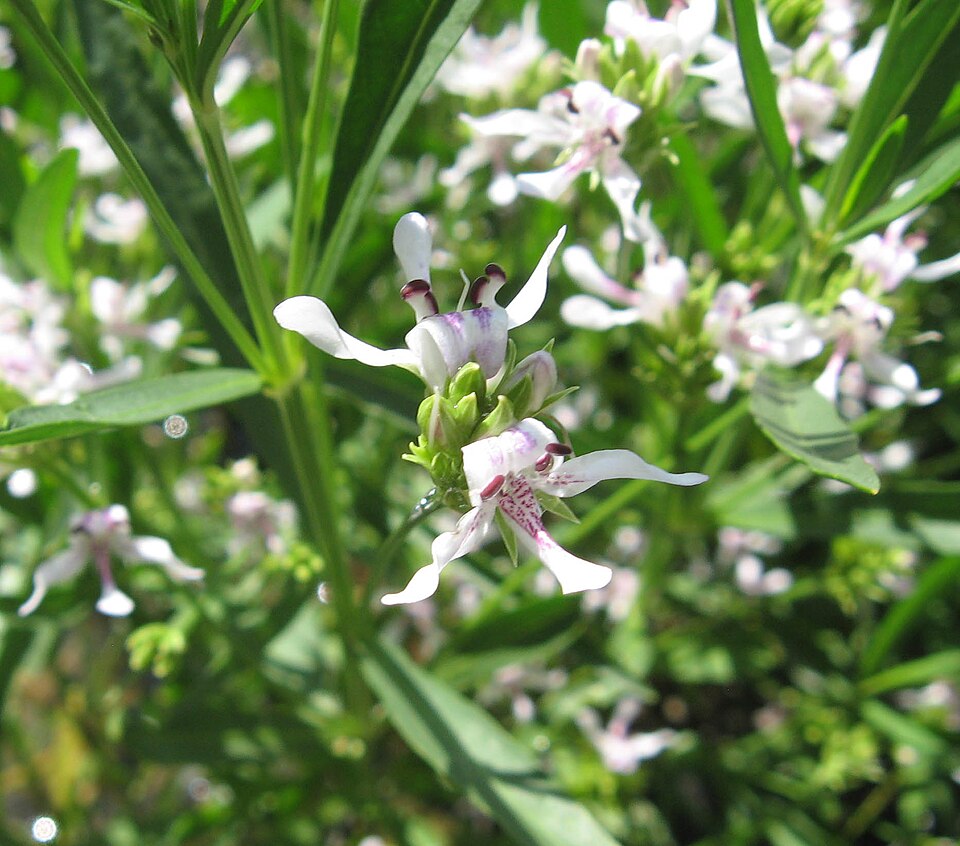
- American Water-willowJusticia americana
Wildlife 253
Other animals whose habitat models include the same habitats in Alabama. Not sighting records.
- Common NighthawkChordeiles minor
- Eastern KingbirdTyrannus tyrannus
- Great Horned OwlBubo virginianus
- OspreyPandion haliaetus
- Bald EagleHaliaeetus leucocephalus
- Belted KingfisherMegaceryle alcyon
- American CrowCorvus brachyrhynchos
- Chimney SwiftChaetura pelagica
- Cooper's HawkAccipiter cooperii
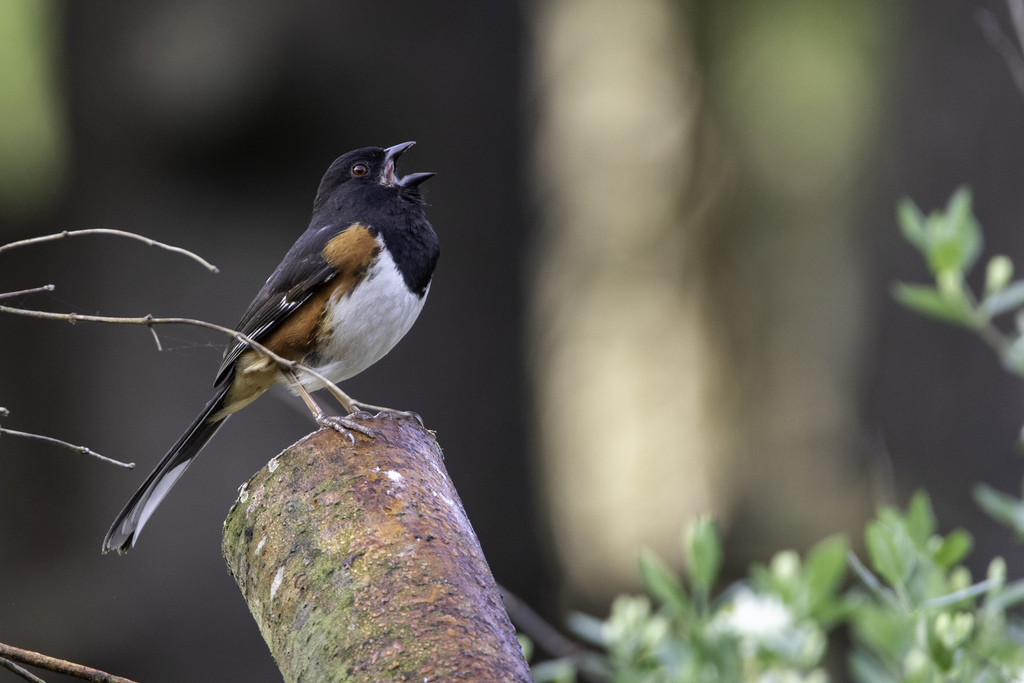
- Eastern TowheePipilo erythrophthalmus
- European StarlingSturnus vulgaris
- Red-tailed HawkButeo jamaicensis
- Red-winged BlackbirdAgelaius phoeniceus
- Sharp-shinned HawkAccipiter striatus
- Turkey VultureCathartes aura
- Yellow-breasted ChatIcteria virens
- American GoldfinchCarduelis tristis
- American KestrelFalco sparverius
- American RobinTurdus migratorius
- Carolina WrenThryothorus ludovicianus
- Cedar WaxwingBombycilla cedrorum
- Chipping SparrowSpizella passerina
- Eastern Screech-owlMegascops asio
- Hooded MerganserLophodytes cucullatus























NatureServe Explorer, CC BY 4.0. USGS Gap Analysis Project habitat models.
Sources
- USGS Gap Analysis Project habitat models (2001)
- USGS GAP winter habitat model for Double-crested Cormorant Slow streams only
- USGS Gap Analysis Project range maps (2001), modeled by watershed; migratory gives no dates
- NatureServe Explorer (CC BY 4.0), habitat names
- US Census TIGER/Line counties
- Names follow the USGS Gap Analysis Project (2001)