

Bird
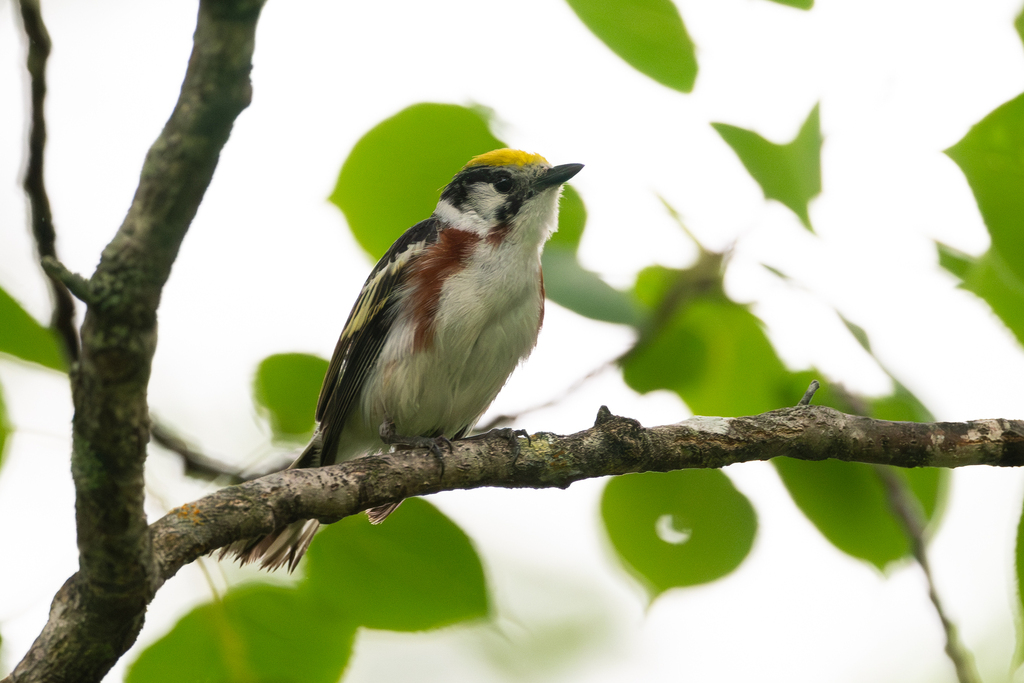
Chestnut-sided Warbler
Dendroica pensylvanica
Passes through Alabama on migration. Found in all 67 counties, across 10 habitats.
- Here
- On migration
- Nesting
- Not known to nest here
- Range
- All 67 counties
- Habitats
- 10
At a glance
- Group
- Birds
- Here
- On migration
- Nesting
- Not known to nest here
- Range
- All 67 counties
- Habitats
- 10
- Habitat models
- Summer
Where it lives
The places its habitat model includes. It is not found everywhere a habitat occurs.
Habitats in Alabama 10
Each habitat page lists the plants and wildlife also found there.
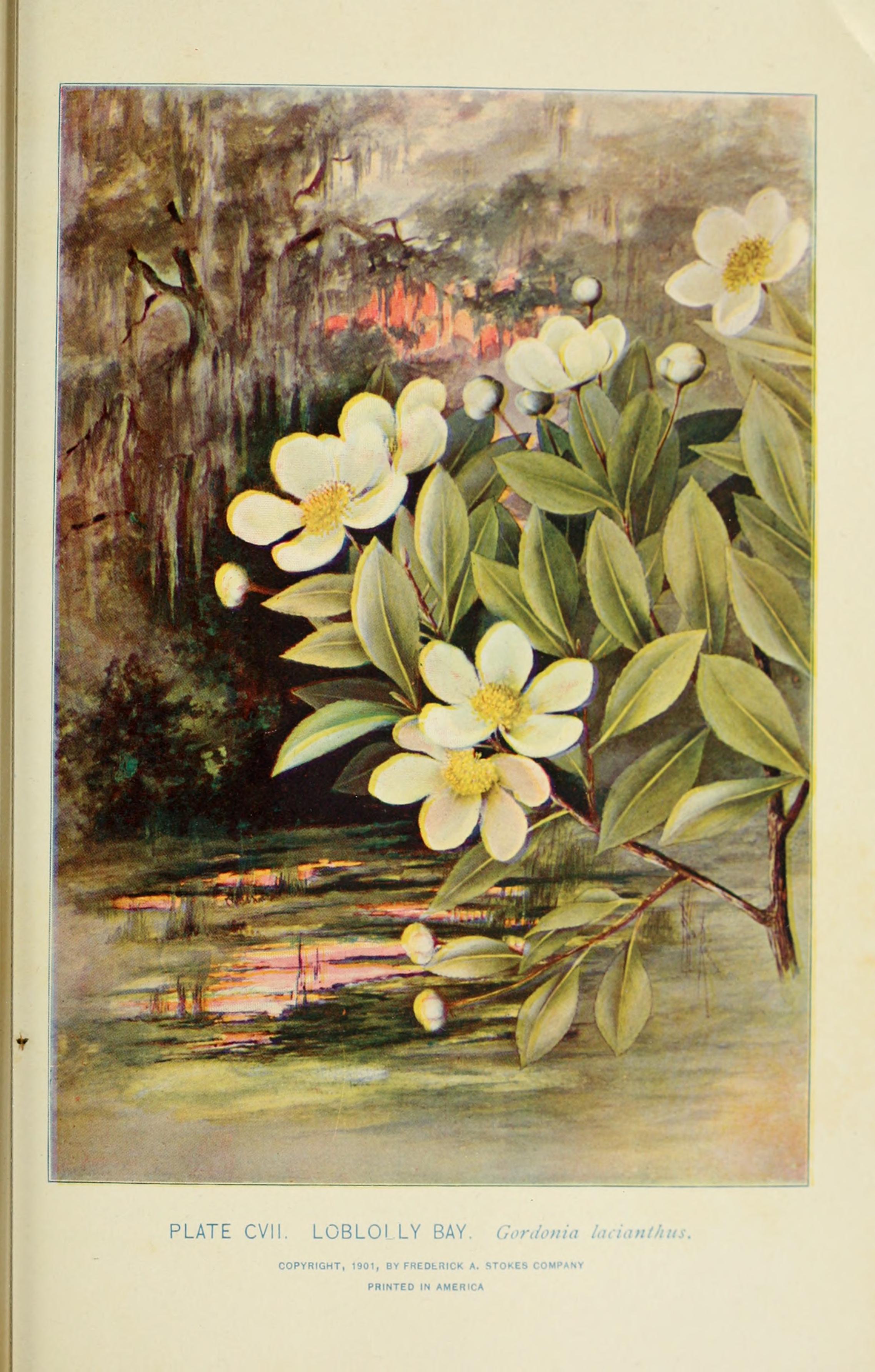
Disturbed and introduced wetlands
Wet ground taken over by weedy or introduced plants after disturbance, such as common reed, Chinese tallow or tamarisk stands; the upland counterpart is roadsides, fields and disturbed ground.
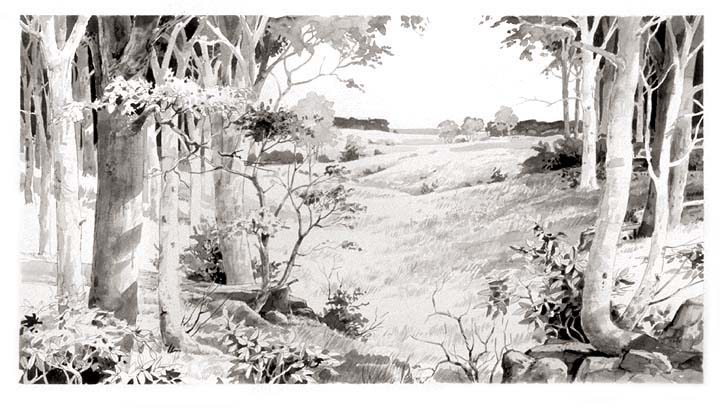
Forests and open woodlands on dry ridges and slopes, often oak or pine.
Floodplain and bottomland forests
Forests on low ground beside rivers and streams that flood from time to time.
Forests between dry and moist, often oak-hickory on slopes.
Forests on moist but not wet ground, such as rich slopes and ravines.
Streams, rivers and their banks
Flowing water and its banks, bars and rocky shoals.
Roadsides, fields and disturbed ground
Ground opened by people: roadsides, old fields, pastures, fencerows and lots.
Tree plantations and managed pine
Planted or intensively managed stands of pine or hardwoods grown for timber; a land use rather than a natural community.
Other habitats in its models (25)
Land cover, or classes with no habitat page in Alabama.
- Central and Southern Appalachian Northern Hardwood Forest Summer.
- Northeastern Interior Dry Oak Forest - Mixed Modifier Summer, beside its main habitat.
- Southern and Central Appalachian Oak Forest - Xeric Summer.
- Southern Appalachian Northern Hardwood Forest Summer.
- Southern and Central Appalachian Oak Forest Summer.
- Central and Southern Appalachian Montane Oak Forest Summer.
- Northeastern Interior Dry Oak Forest - Virginia/Pitch Pine Modifier Summer, beside its main habitat.
- Southern Piedmont Dry Oak-(Pine) Forest - Loblolly Pine Modifier Summer, beside its main habitat.
- Allegheny-Cumberland Dry Oak Forest and Woodland - Pine Modifier Summer, beside its main habitat.
- Southern Ridge and Valley Dry Calcareous Forest - Pine modifier Summer, beside its main habitat.
- Southern Piedmont Dry Oak-(Pine) Forest - Mixed Modifier Summer, beside its main habitat.
- Southern Piedmont Dry Oak-Heath Forest - Mixed Modifier Summer, beside its main habitat.
- Central Appalachian Oak and Pine Forest Summer, beside its main habitat.
- Southern and Central Appalachian Cove Forest Summer.
- Central Appalachian Alkaline Glade and Woodland Summer.
- Southern Appalachian Grass and Shrub Bald - Shrub Modifier Summer.
- Recently Logged Areas Summer.
- Recently Burned Summer.
- Recently Burned Forest Summer.
- Recently Burned Shrubland Summer.
- Introduced Upland Vegetation - Shrub Summer.
- Central Interior and Appalachian Shrub-Herbaceous Wetland Systems Summer.
- Southern and Central Appalachian Bog and Fen Summer.
- Central Appalachian Floodplain - Forest Modifier Summer.
- Central Appalachian Riparian - Forest Modifier Summer.
Seasons in Alabama
- Migratory: does not nest here, in all 67 counties.
Also found in this habitat
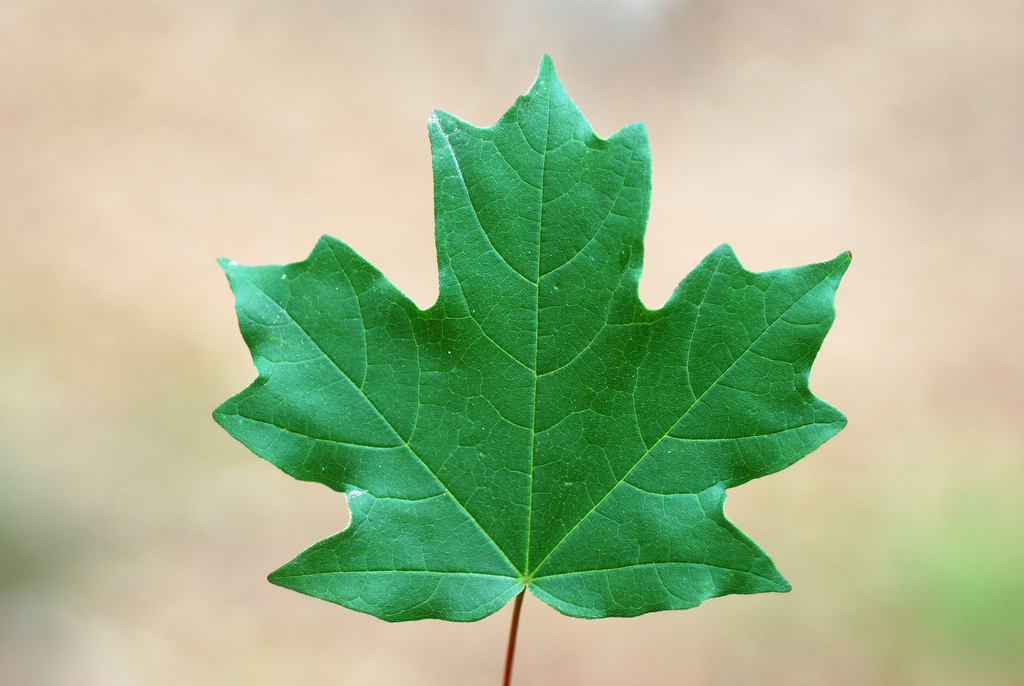
Plants 258
Plants named in NatureServe descriptions of these habitats that grow in Alabama. Shared habitat, not food.
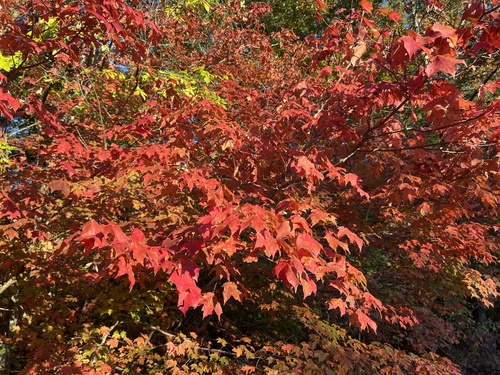
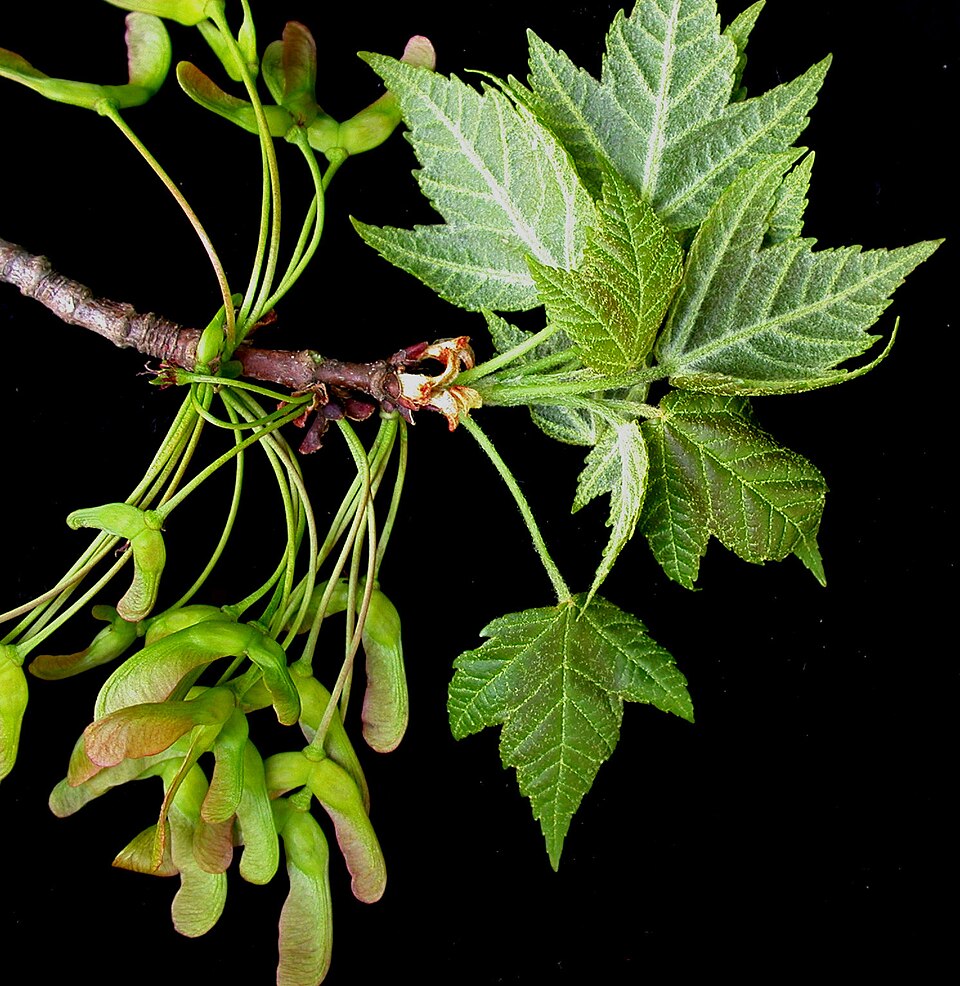
- Florida MapleAcer floridanum
- Chalk MapleAcer leucoderme
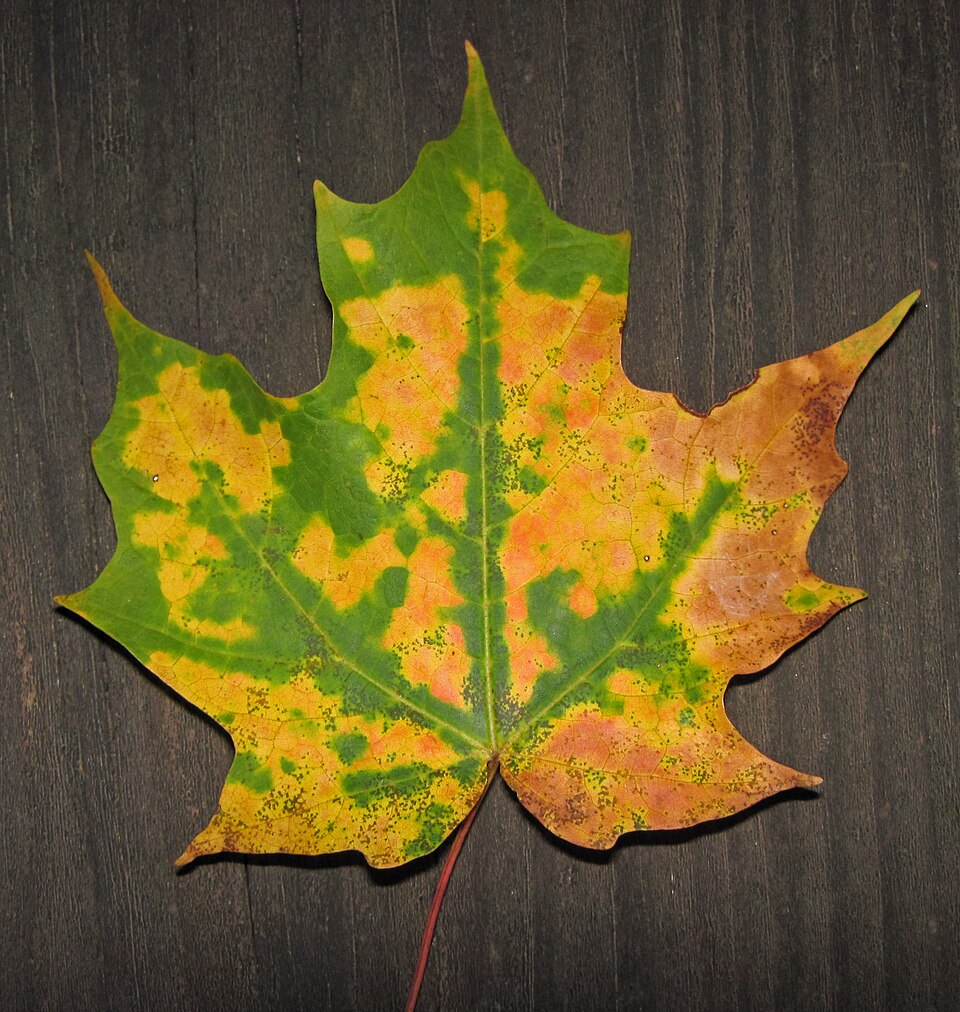
- Red MapleAcer rubrum
- Sugar MapleAcer saccharum
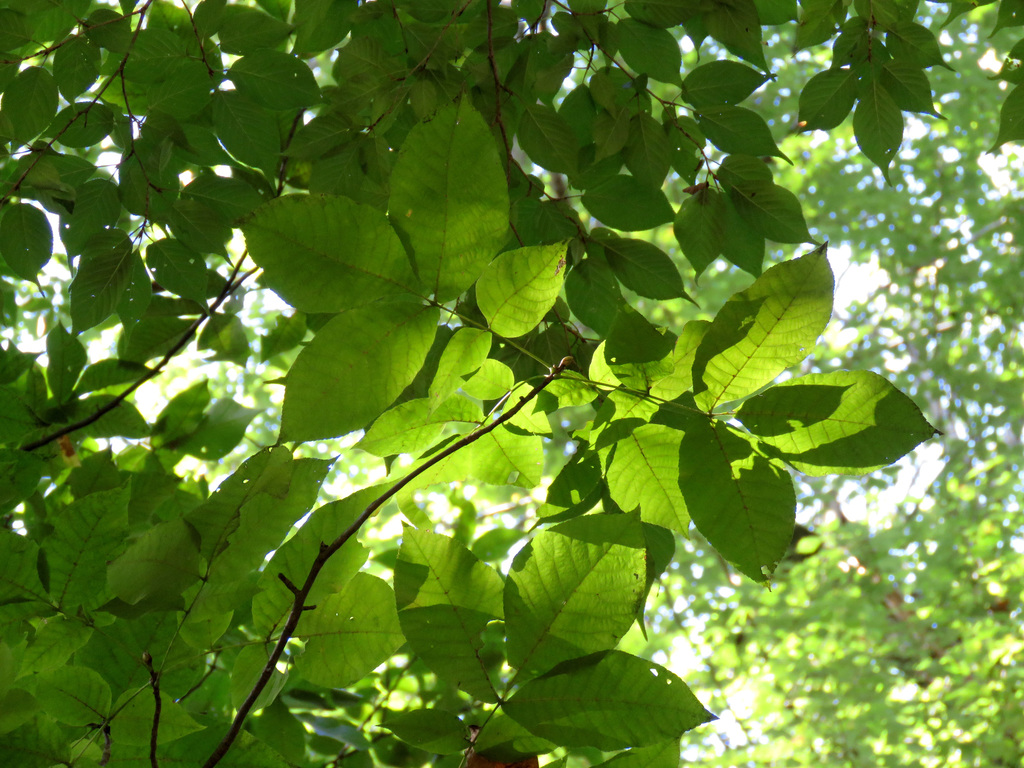
- Southern Shagbark HickoryCarya carolinae-septentrionalis
- Pignut HickoryCarya glabra
- Shagbark HickoryCarya ovata
- Mockernut HickoryCarya tomentosa
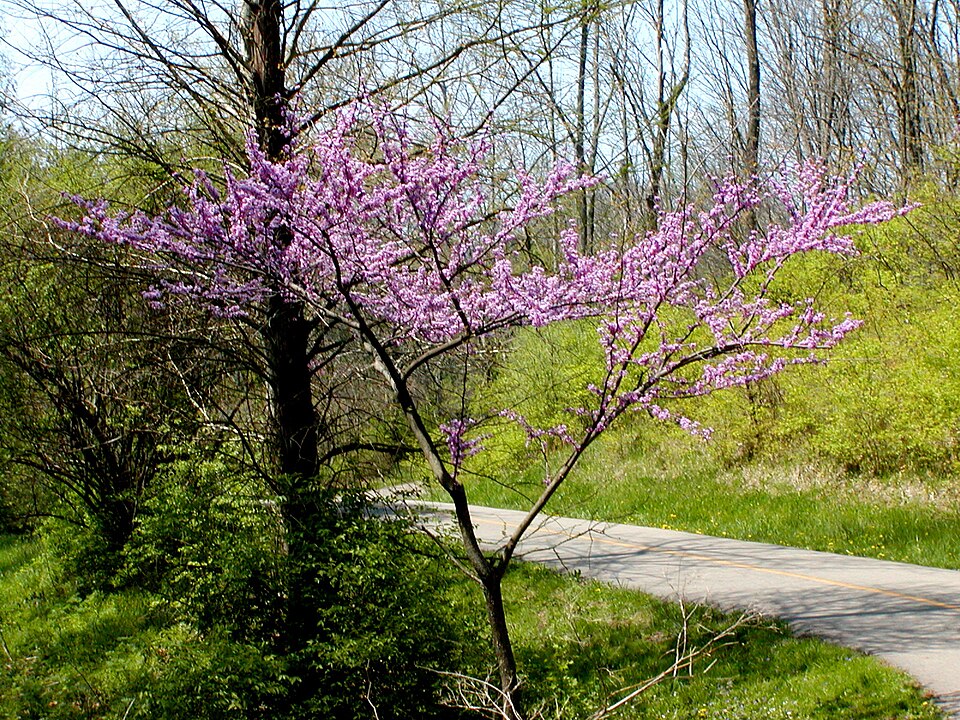
- Eastern RedbudCercis canadensis
- White AshFraxinus americana
- ButternutJuglans cinerea
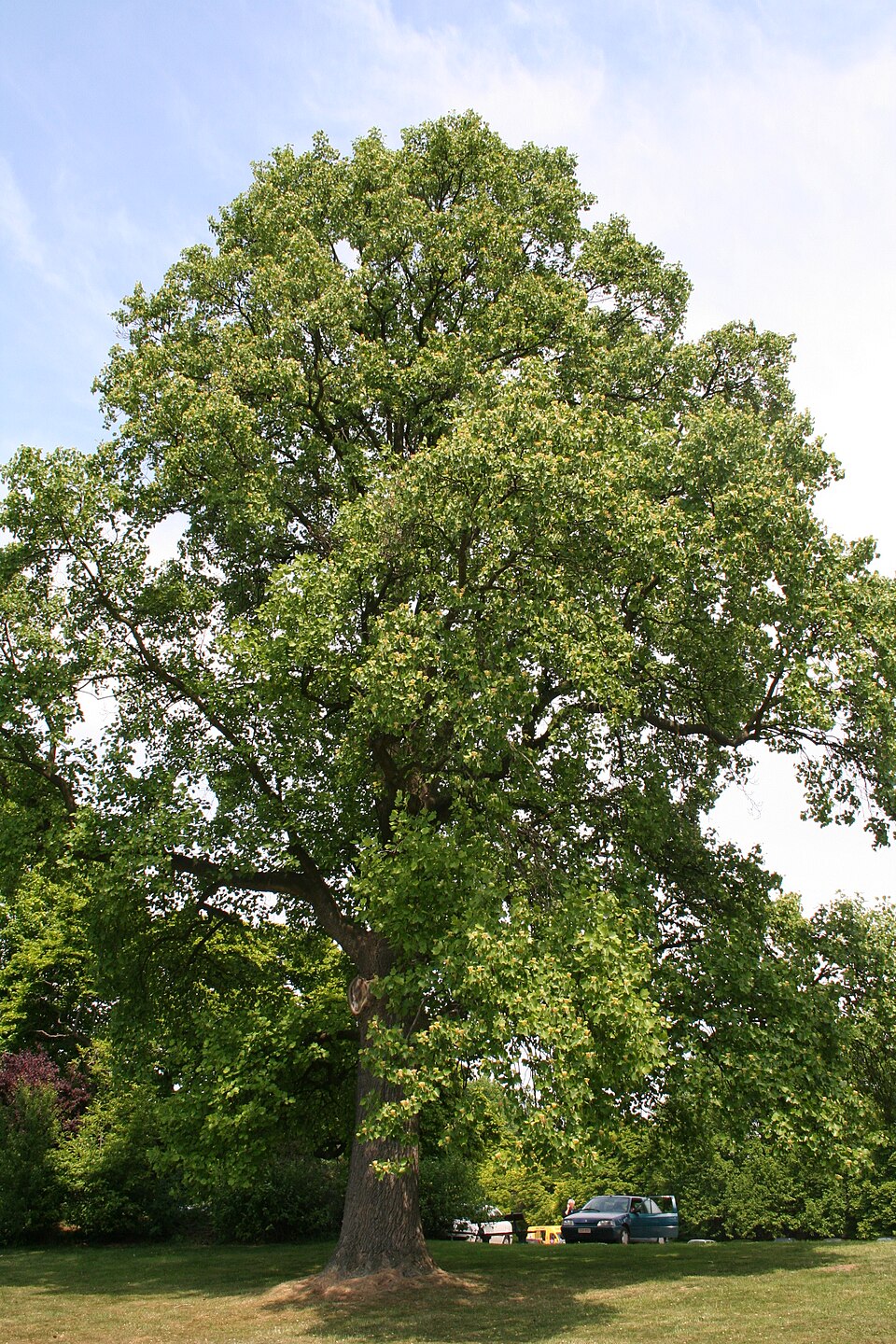
- TuliptreeLiriodendron tulipifera
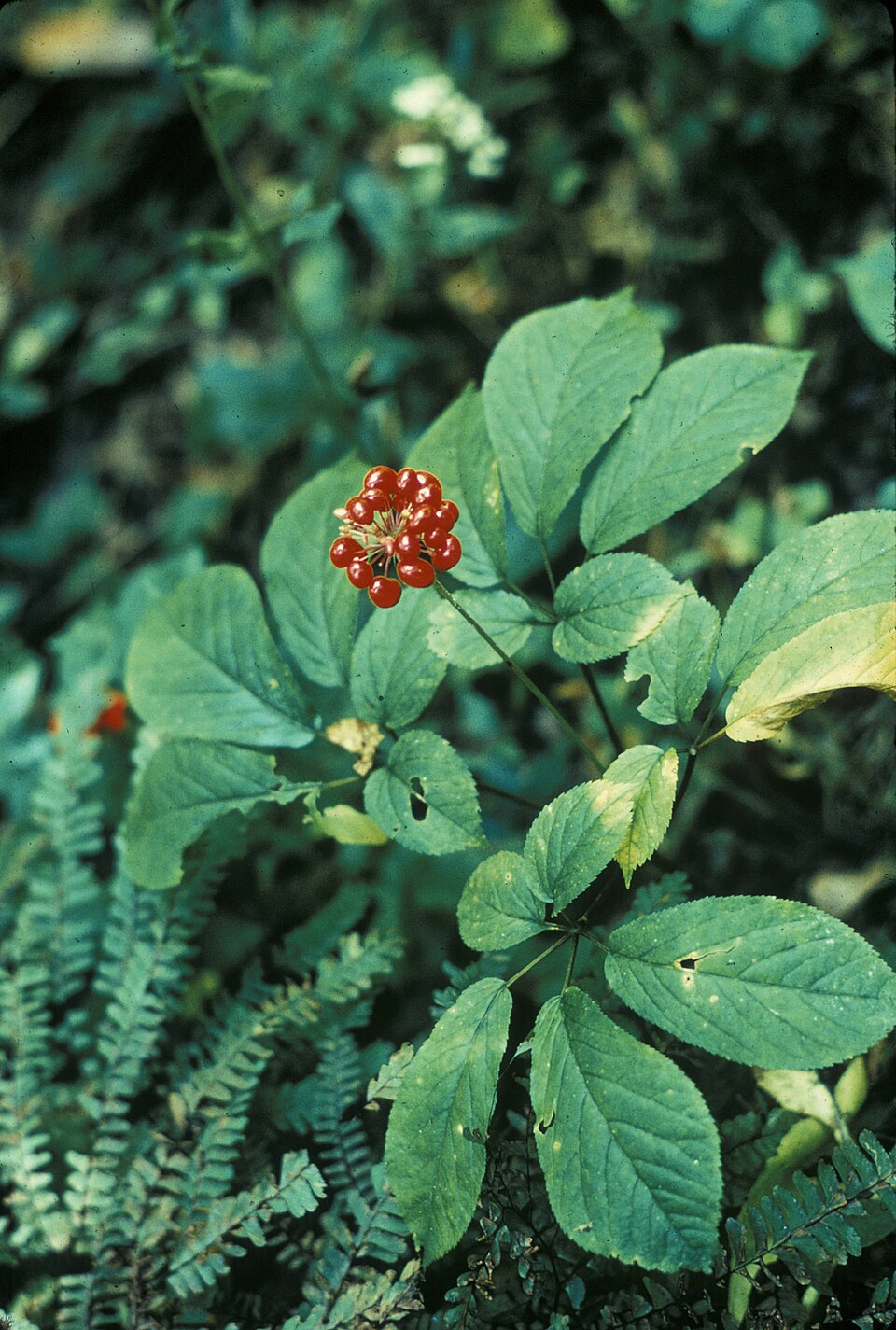
- American GinsengPanax quinquefolius
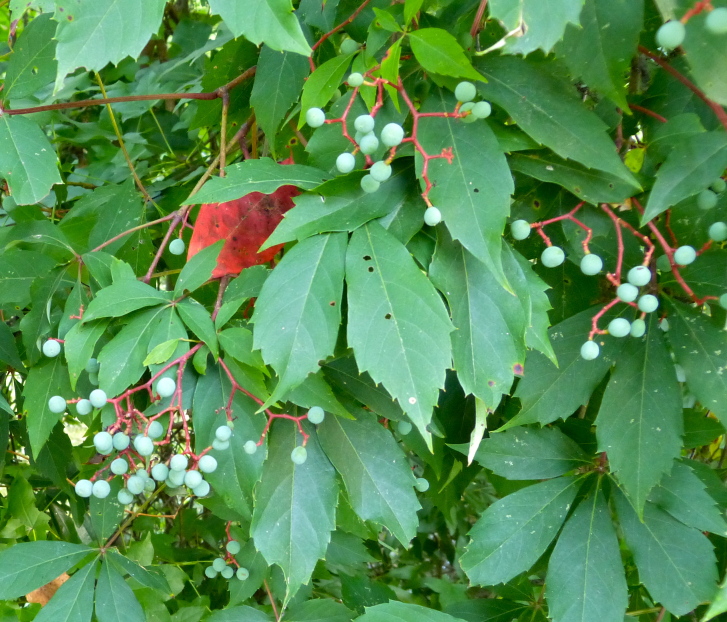
- Virginia CreeperParthenocissus quinquefolia
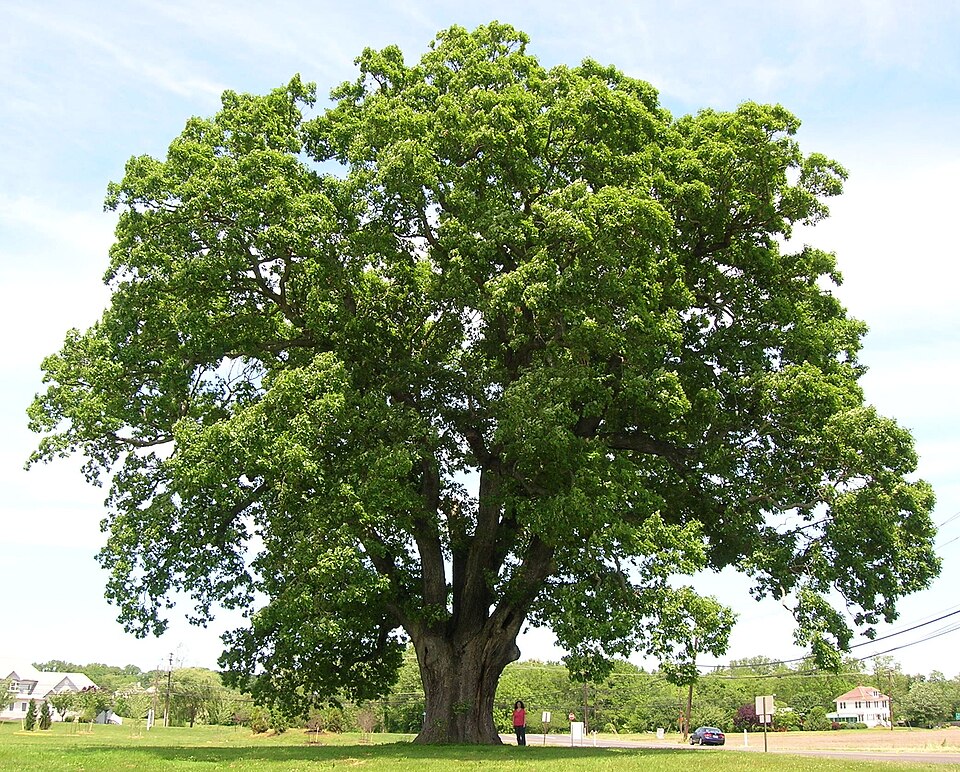
- White OakQuercus alba
- Northern Red OakQuercus rubra
- Poison-ivyToxicodendron radicans
- Slippery ElmUlmus rubra
- Black CohoshActaea racemosa
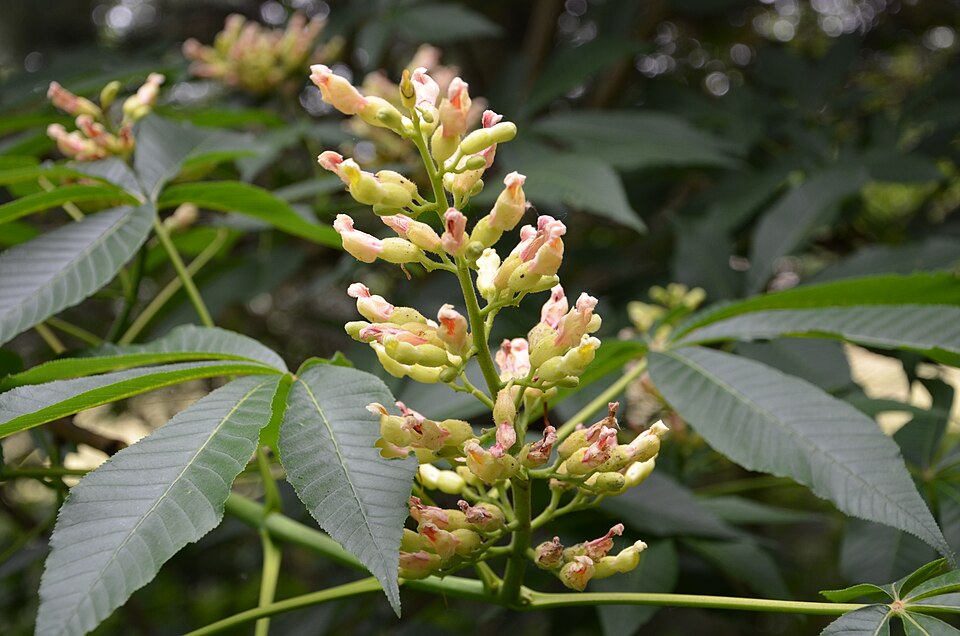
- Yellow BuckeyeAesculus flava
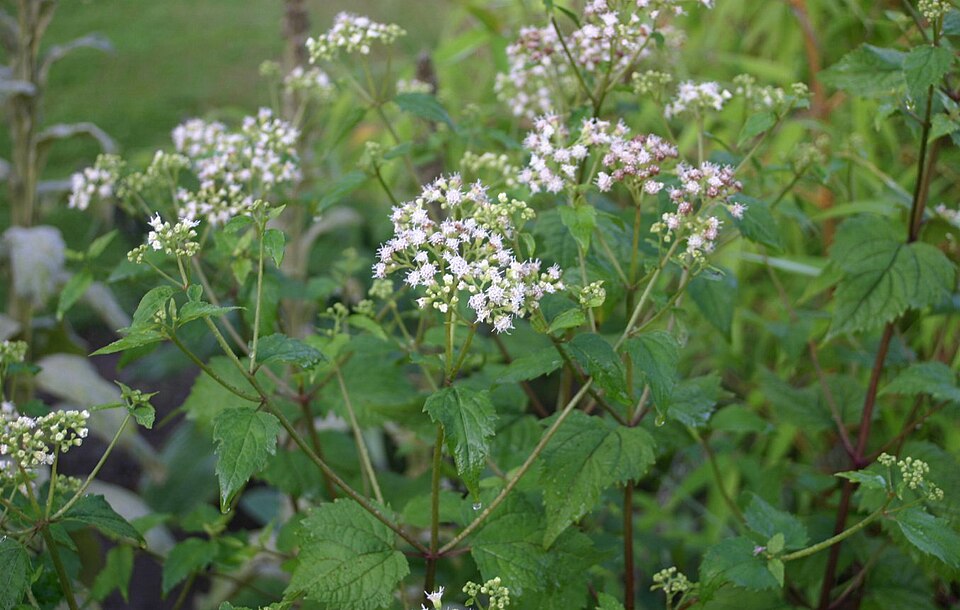
- White SnakerootAgeratina altissima
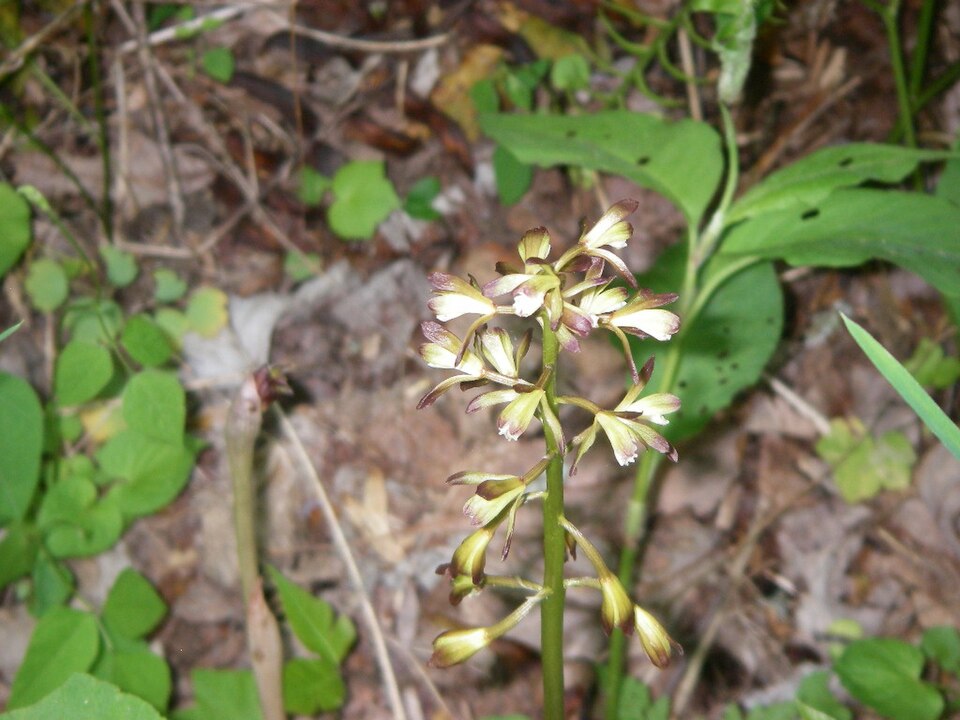
- PuttyrootAplectrum hyemale
- Spreading RockcressArabis patens
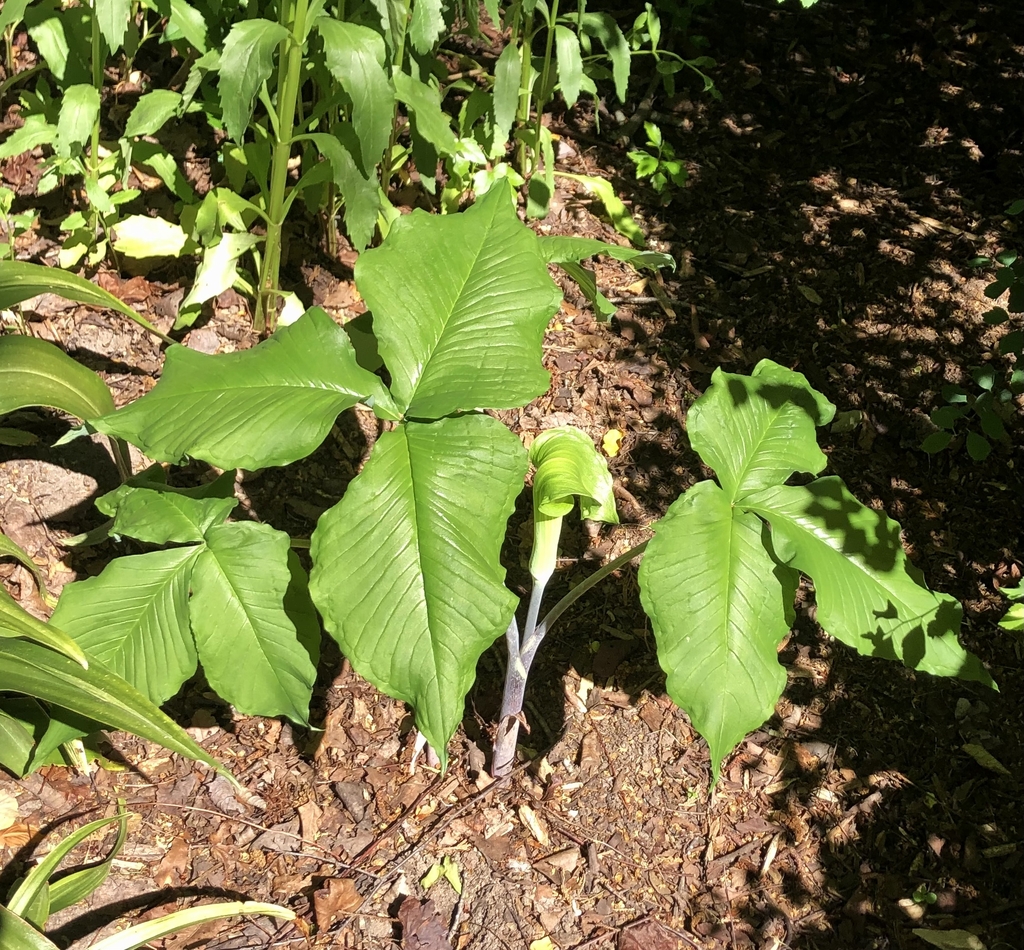
- Common Jack-in-the-pulpitArisaema triphyllum
Wildlife 245
Other animals whose habitat models include the same habitats in Alabama. Not sighting records.
- American Tree SparrowSpizella arborea
- Barred OwlStrix varia
- Canada GooseBranta canadensis
- Eastern PhoebeSayornis phoebe
- Magnolia WarblerDendroica magnolia
- Northern Saw-whet OwlAegolius acadicus
- Prairie WarblerDendroica discolor
- Prothonotary WarblerProtonotaria citrea
- Red-breasted NuthatchSitta canadensis
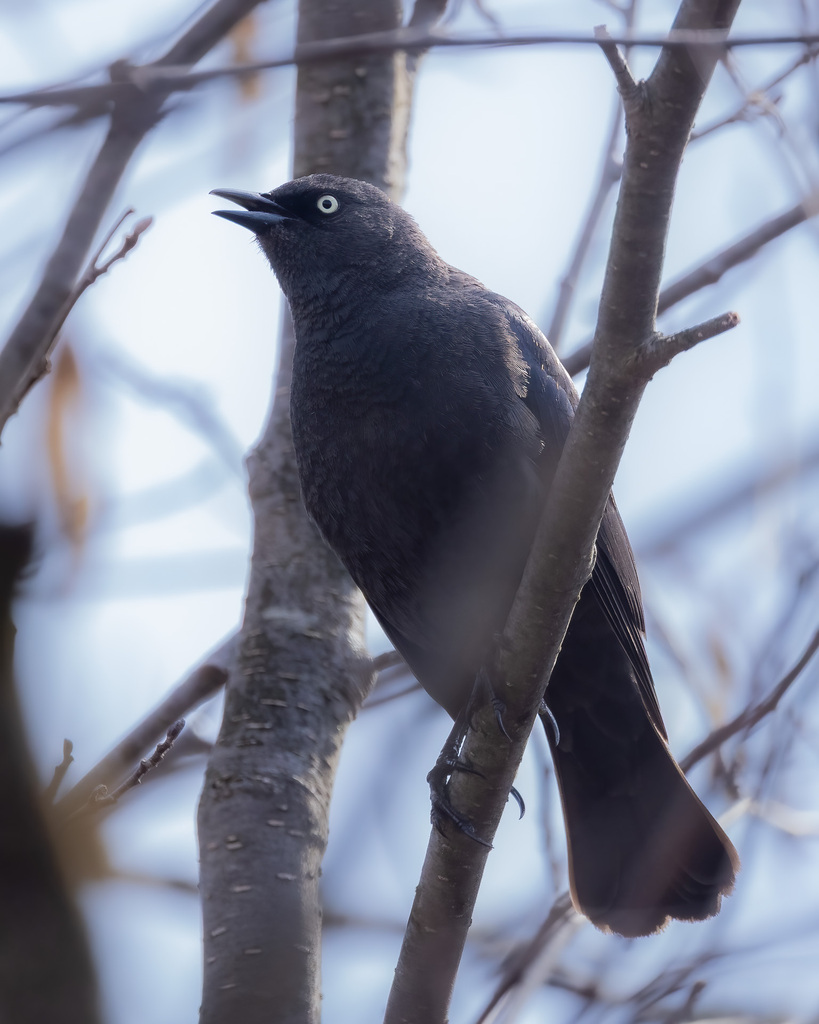
- Rusty BlackbirdEuphagus carolinus
- Swainson's WarblerLimnothlypis swainsonii
- Tree SwallowTachycineta bicolor
- White-breasted NuthatchSitta carolinensis
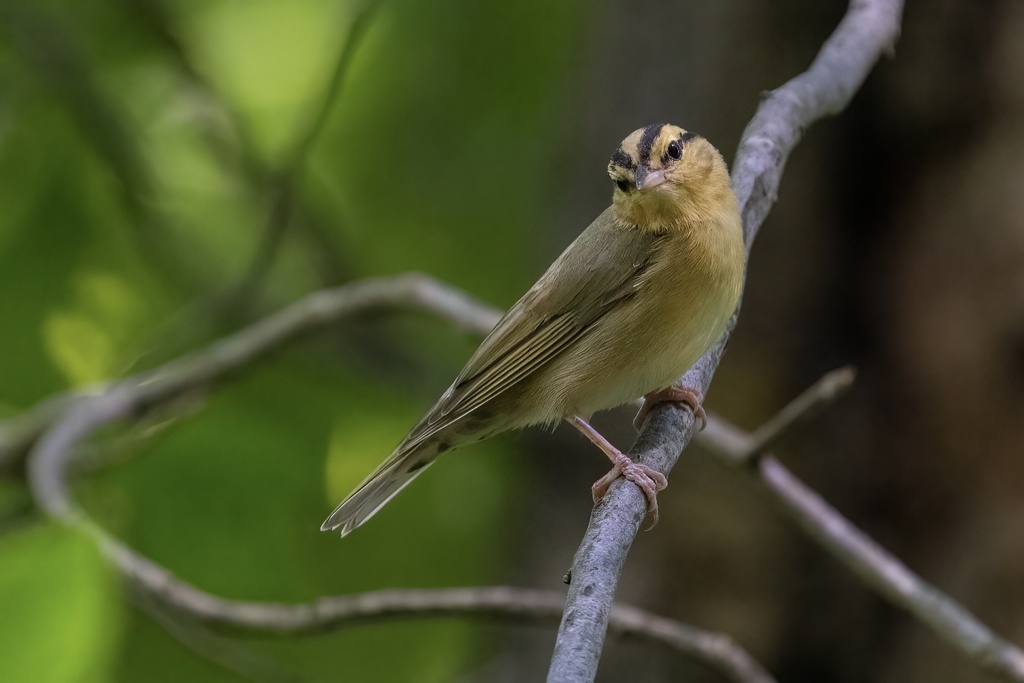
- Worm-eating WarblerHelmitheros vermivorum
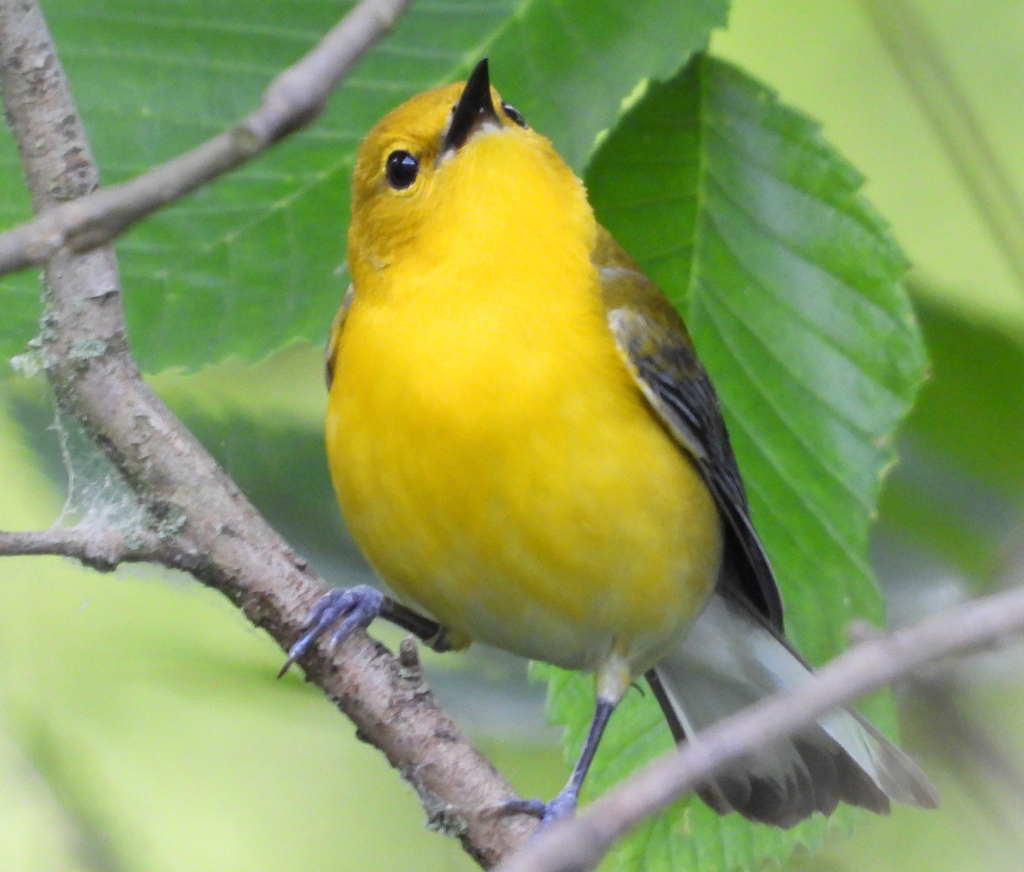
- Yellow-throated WarblerDendroica dominica
- American Black DuckAnas rubripes
- Bank SwallowRiparia riparia
- Blue-headed VireoVireo solitarius
- Brewer's BlackbirdEuphagus cyanocephalus
- Eastern BluebirdSialia sialis
- Evening GrosbeakCoccothraustes vespertinus
- Great Blue HeronArdea herodias
- Kentucky WarblerOporornis formosus
- Long-eared OwlAsio otus
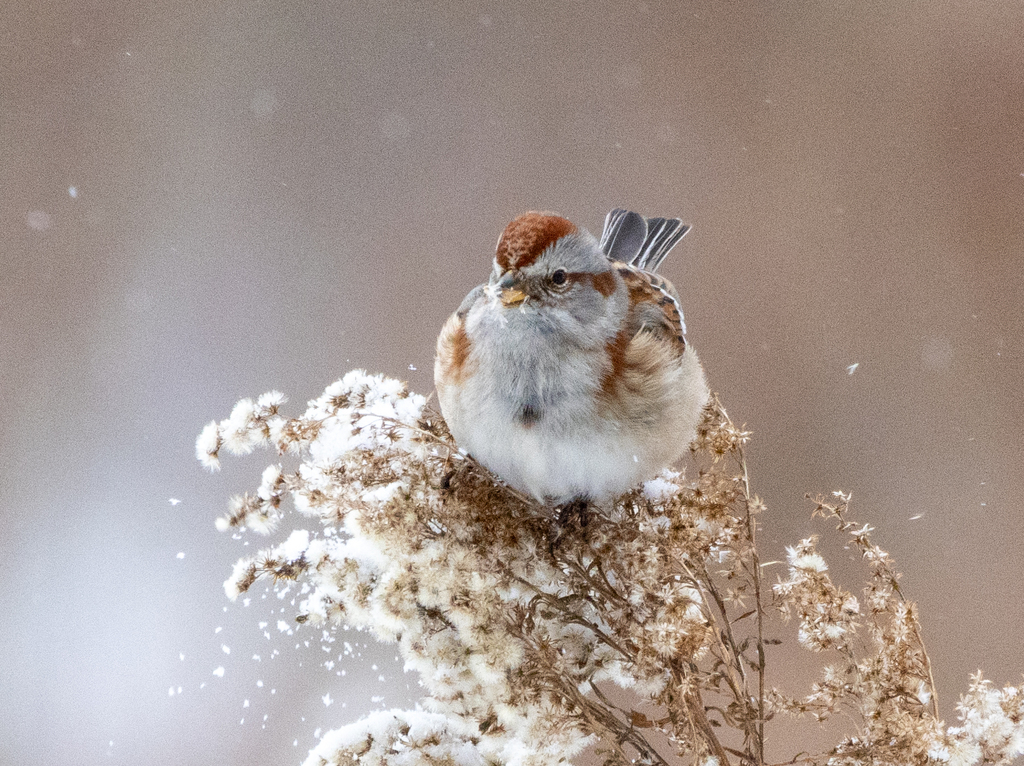



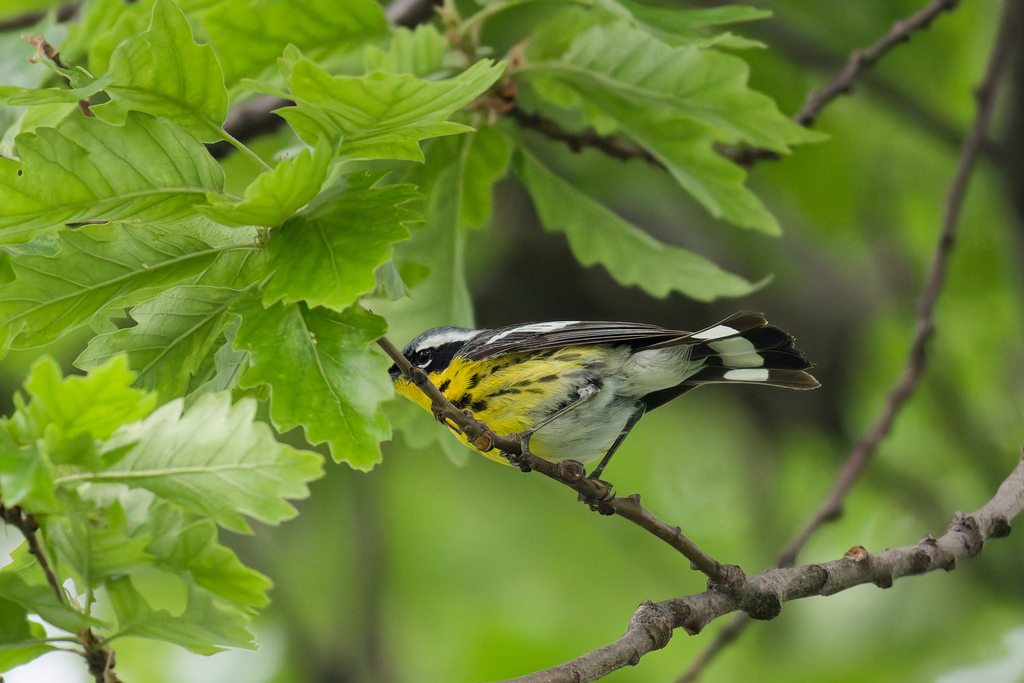
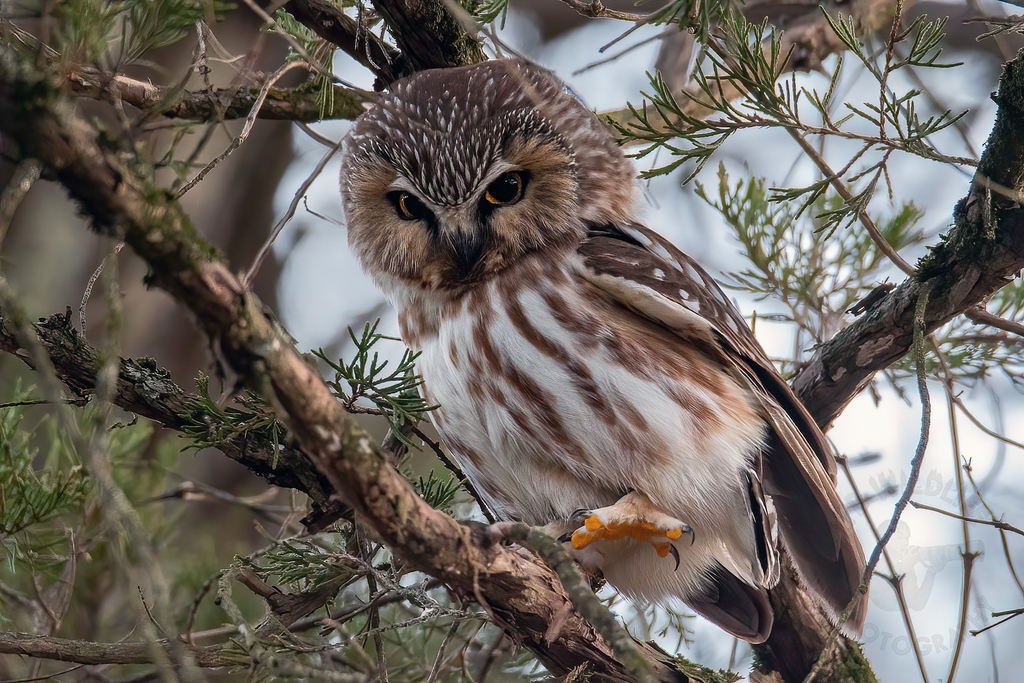
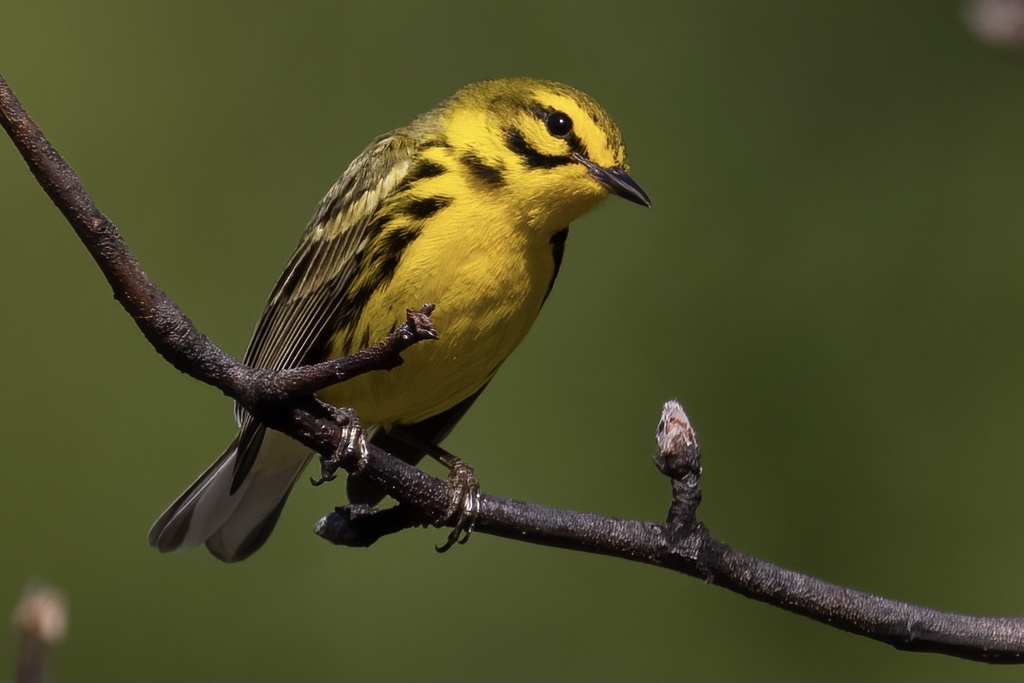







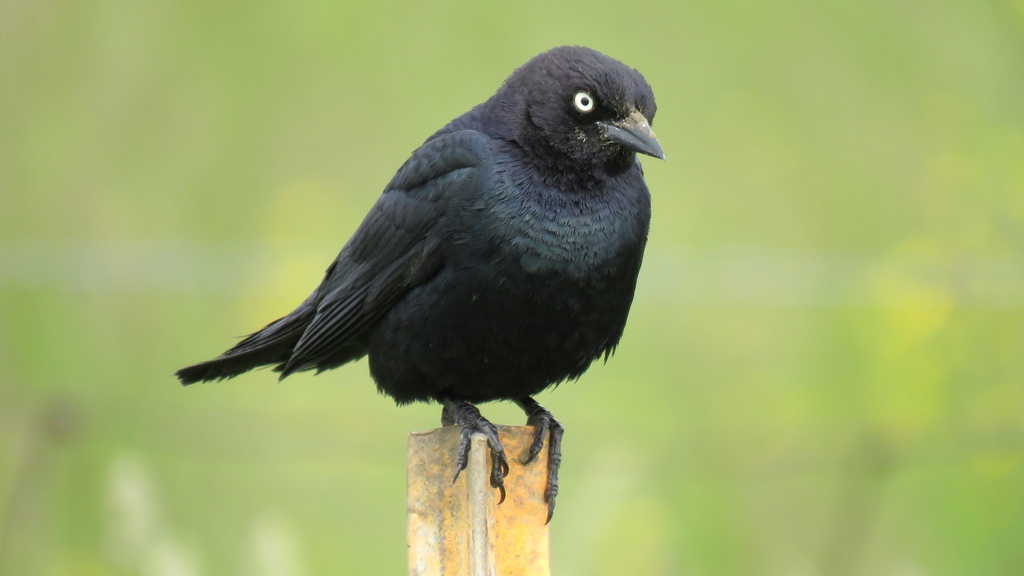

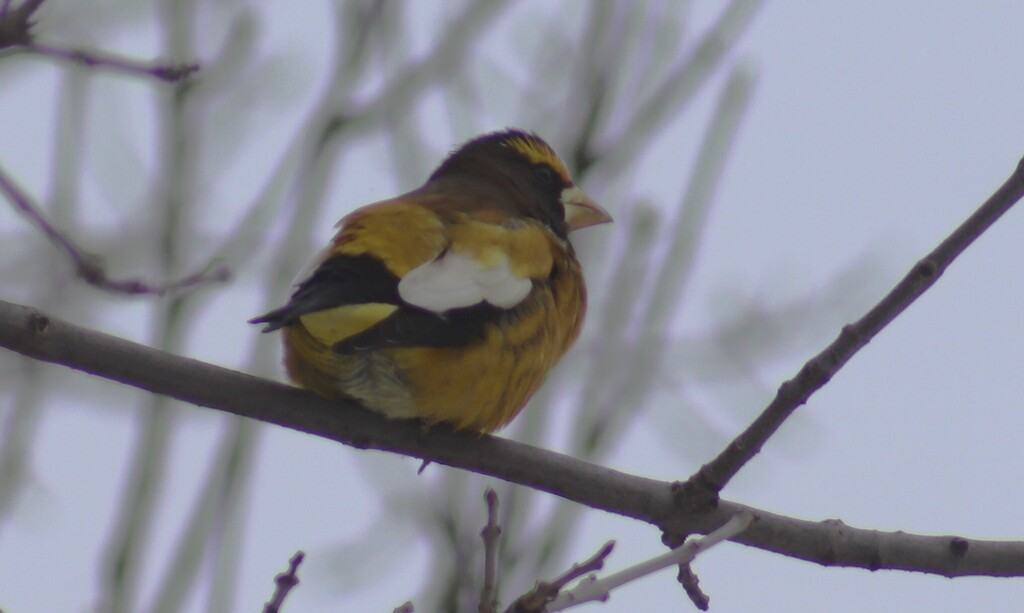


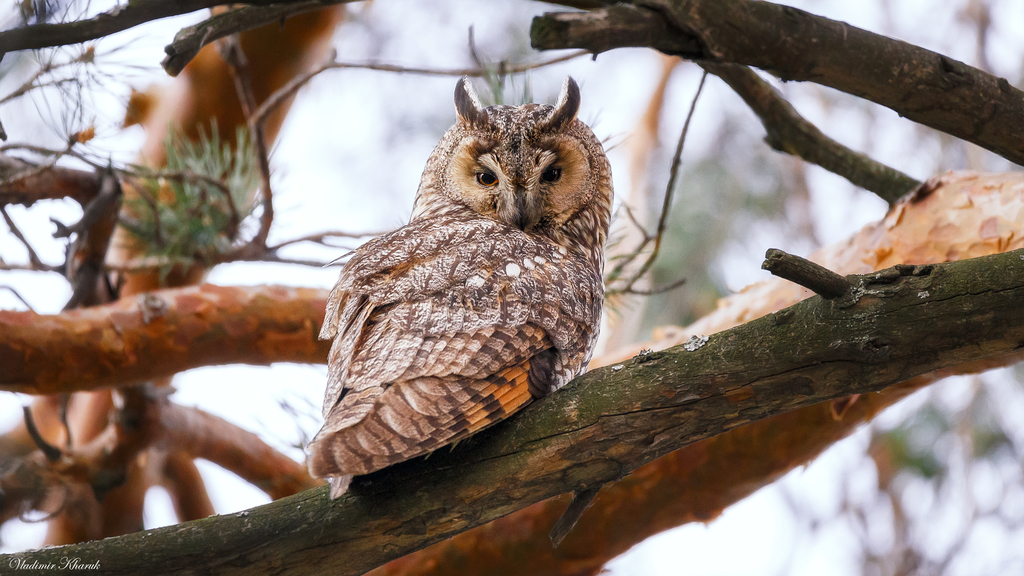
NatureServe Explorer, CC BY 4.0. USGS Gap Analysis Project habitat models.
Sources
- USGS Gap Analysis Project habitat models (2001)
- USGS GAP summer habitat model for Chestnut-sided Warbler Elevation 450 to 2,500 m
- USGS Gap Analysis Project range maps (2001), modeled by watershed; migratory gives no dates
- NatureServe Explorer (CC BY 4.0), habitat names
- US Census TIGER/Line counties
- Names follow the USGS Gap Analysis Project (2001)