

Bird
Brown-headed Cowbird
Molothrus ater
Lives in Alabama all year and nests here. Found in all 67 counties, across 12 habitats.
- Here
- All year
- Nesting
- Nests here
- Range
- All 67 counties
- Habitats
- 12

At a glance
- Group
- Birds
- Here
- All year
- Nesting
- Nests here
- Range
- All 67 counties
- Habitats
- 12
- Habitat models
- Year-round
Where it lives
The places its habitat model includes. It is not found everywhere a habitat occurs.
Habitats in Alabama 12
Each habitat page lists the plants and wildlife also found there.

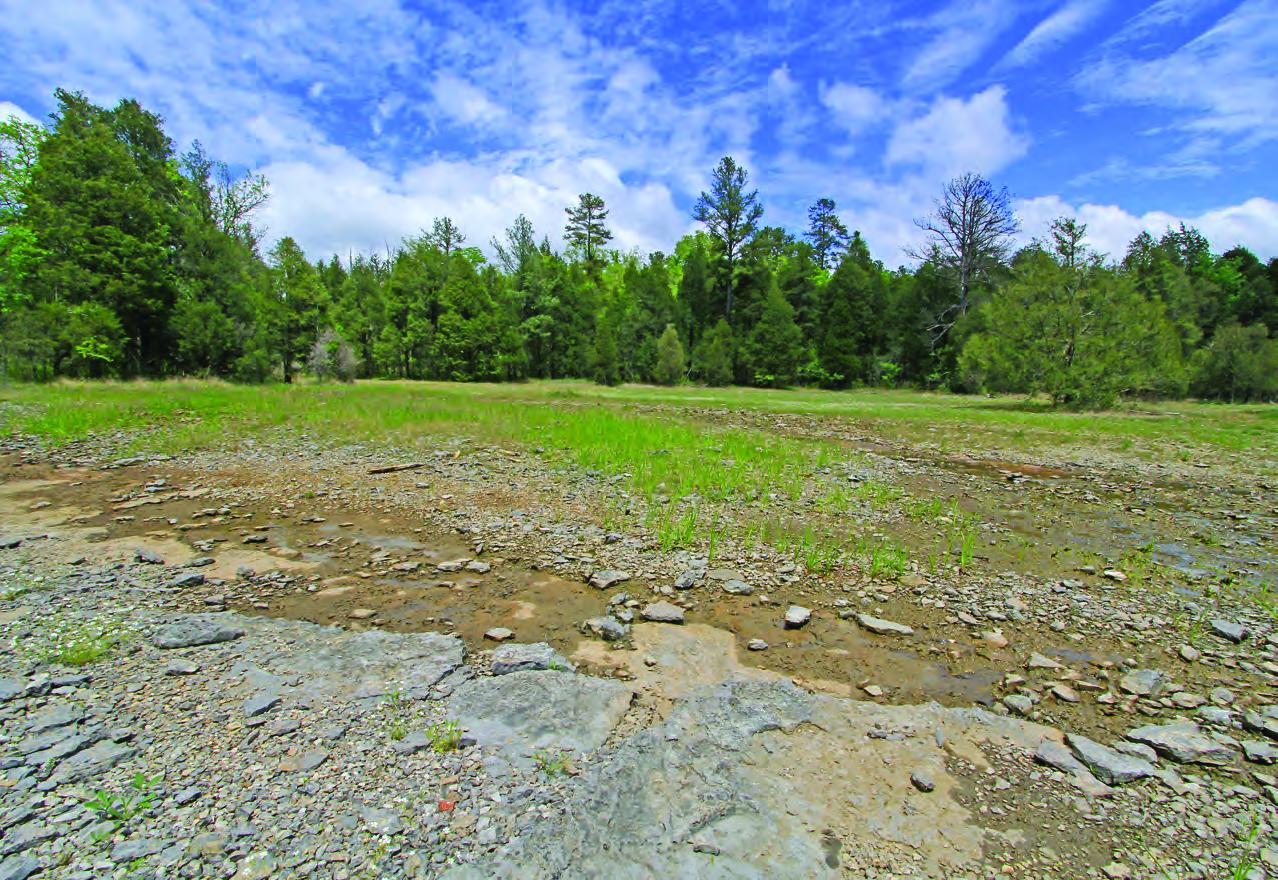
Glades, barrens and outcrops on limestone
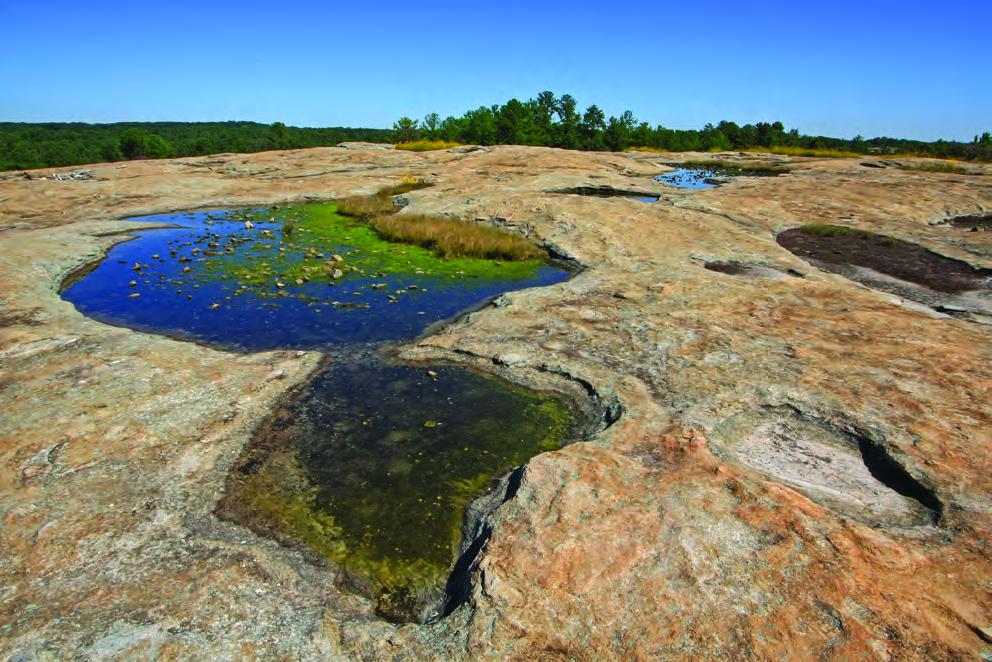
Granite and other acidic rock outcrops
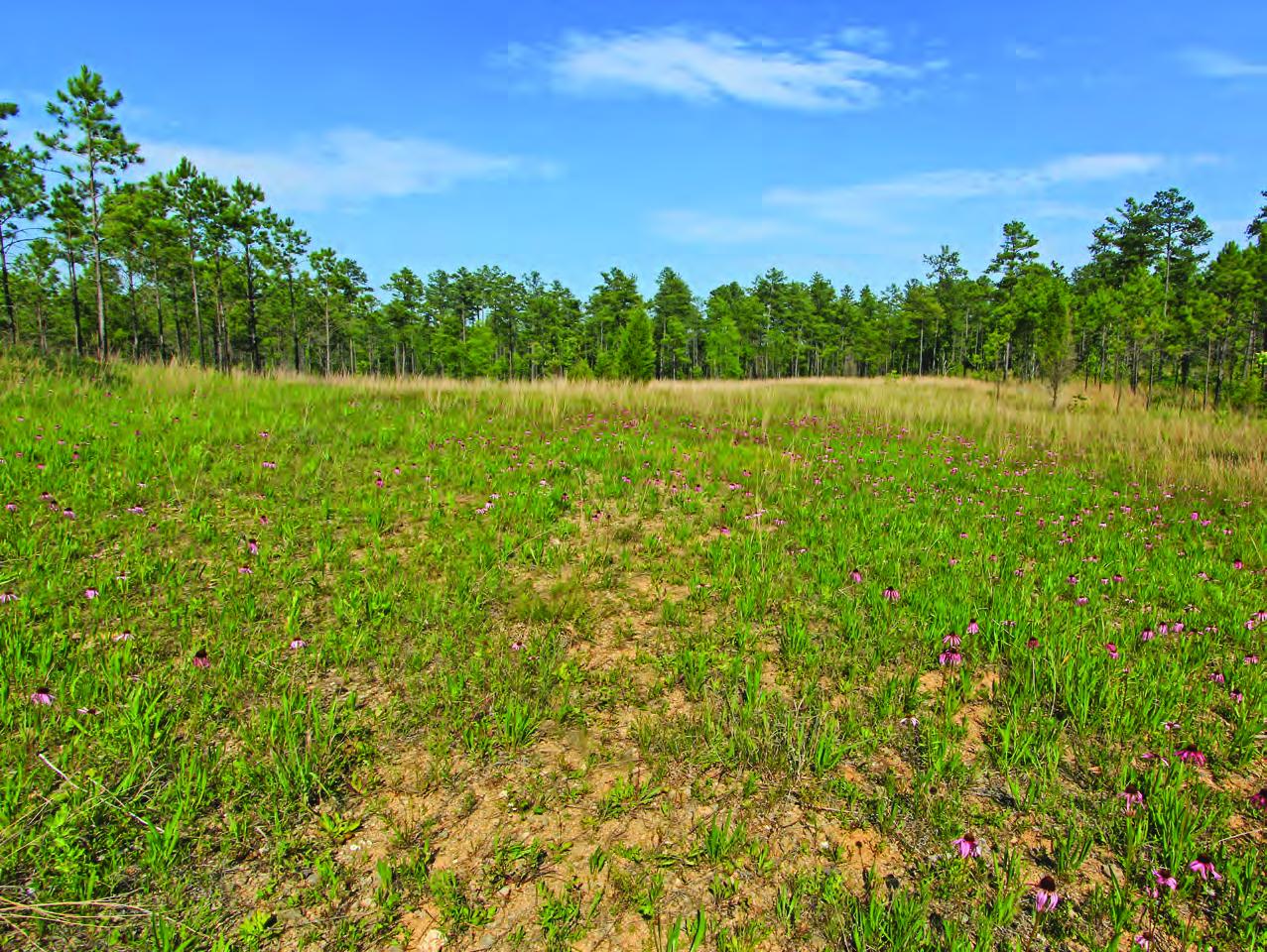
Disturbed and introduced wetlands
Wet ground taken over by weedy or introduced plants after disturbance, such as common reed, Chinese tallow or tamarisk stands; the upland counterpart is roadsides, fields and disturbed ground.
Forests and open woodlands on dry ridges and slopes, often oak or pine.
Floodplain and bottomland forests
Forests on low ground beside rivers and streams that flood from time to time.
Forests between dry and moist, often oak-hickory on slopes.
Forests on moist but not wet ground, such as rich slopes and ravines.
Roadsides, fields and disturbed ground
Ground opened by people: roadsides, old fields, pastures, fencerows and lots.
Streams, rivers and their banks
Flowing water and its banks, bars and rocky shoals.
Tree plantations and managed pine
Planted or intensively managed stands of pine or hardwoods grown for timber; a land use rather than a natural community.
Other habitats in its models (40)
Land cover, or classes with no habitat page in Alabama.
- Developed, Low Intensity Year-round.
- Orchards Vineyards and Other High Structure Agriculture Year-round.
- South Florida Hardwood Hammock Year-round.
- Atlantic Coastal Plain Dry and Dry-Mesic Oak Forest Year-round.
- East Gulf Coastal Plain Black Belt Calcareous Prairie and Woodland - Woodland Modifier Year-round.
- Central Interior Highlands Dry Acidic Glade and Barrens Year-round.
- Central Appalachian Pine-Oak Rocky Woodland Year-round.
- Florida Peninsula Inland Scrub Year-round.
- North-Central Oak Barrens Year-round.
- Southern Piedmont Glade and Barrens Year-round.
- Nashville Basin Limestone Glade Year-round.
- Western Great Plains Mesquite Woodland and Shrubland Year-round.
- Eastern Highland Rim Prairie and Barrens - Dry Modifier Year-round.
- Central Mixedgrass Prairie Year-round.
- Florida Dry Prairie Year-round.
- Recently Logged Areas Year-round.
- Harvested Forest - Grass/Forb Regeneration Year-round.
- Recently Burned Year-round.
- Recently Burned Forest Year-round.
- Recently Burned Grassland Year-round.
- Recently Burned Shrubland Year-round.
- Introduced Upland Vegetation - Shrub Year-round.
- Introduced Upland Vegetation - Forbland Year-round.
- Introduced Upland Vegetation - Annual Grassland Year-round.
- Introduced Upland Vegetation - Perennial Grassland Year-round.
- Introduced Upland Vegetation - Perennial Grassland and Forbland Year-round.
- Lower Mississippi River Bottomland Depressions - Forest Modifier Year-round.
- Atlantic Coastal Plain Blackwater Stream Floodplain Forest - Forest Modifier Year-round.
- East Gulf Coastal Plain Large River Floodplain Forest - Herbaceous Modifier Year-round.
- South-Central Interior Large Floodplain - Herbaceous Modifier Year-round.
- Western Great Plains Floodplain Systems Year-round.
- Eastern Great Plains Floodplain Systems Year-round.
- Mississippi River Riparian Forest Year-round.
- Mississippi River Low Floodplain (Bottomland) Forest Year-round.
- Atlantic Coastal Plain Small Brownwater River Floodplain Forest Year-round.
- Atlantic Coastal Plain Small Blackwater River Floodplain Forest Year-round.
- Red River Large Floodplain Forest Year-round.
- Atlantic Coastal Plain Brownwater Stream Floodplain Forest Year-round.
- Mississippi River Floodplain and Riparian Forest Year-round.
- Ozark-Ouachita Riparian Year-round.
Seasons in Alabama
- Year-round: nests here, in all 67 counties.
Also found in this habitat
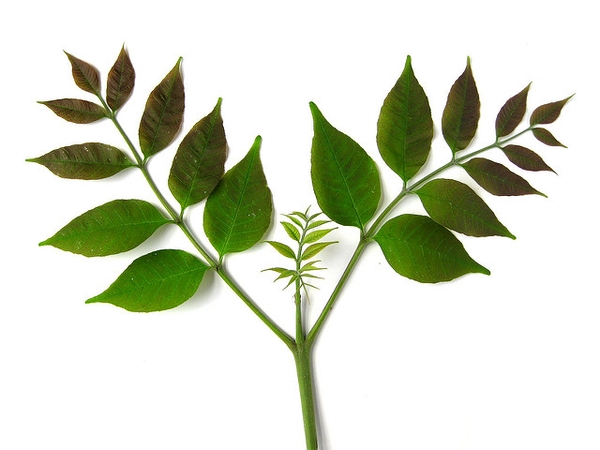
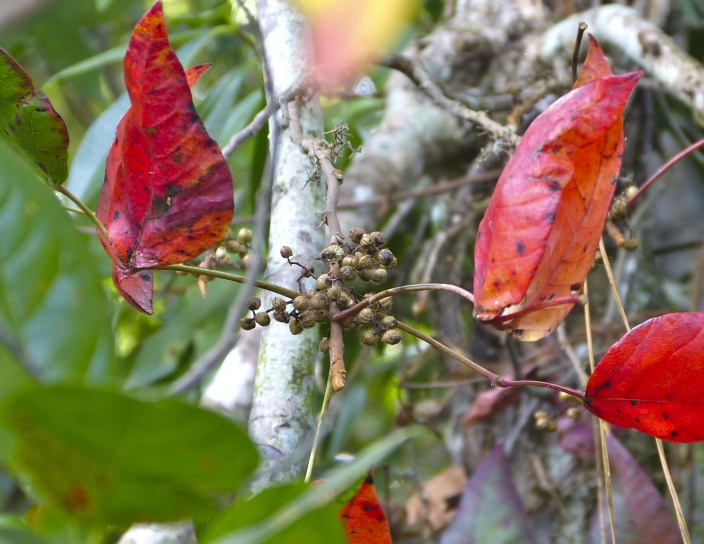
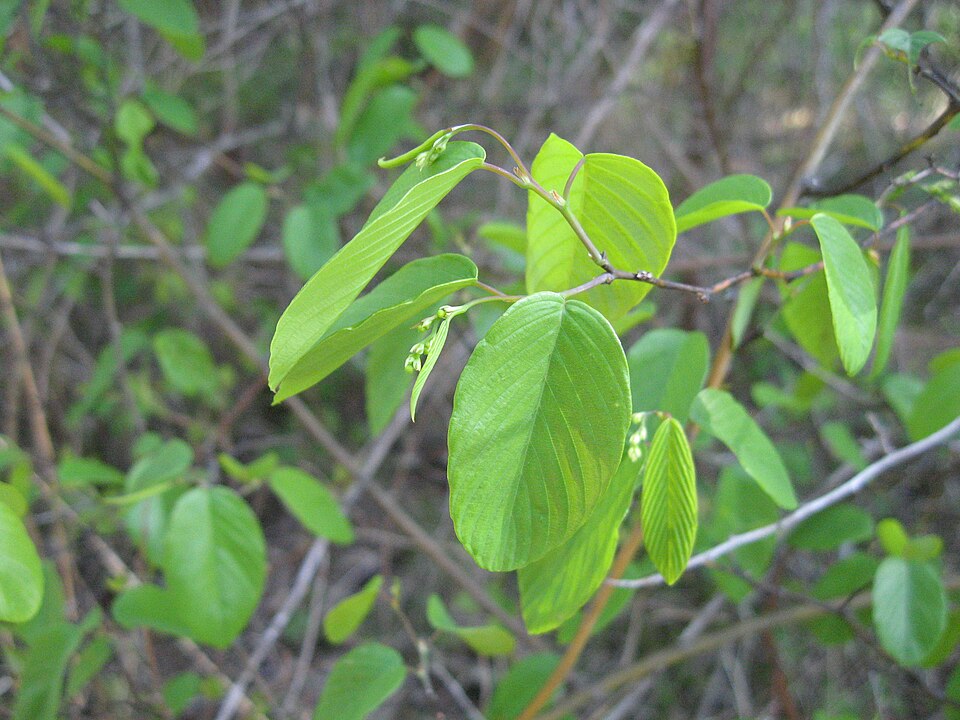
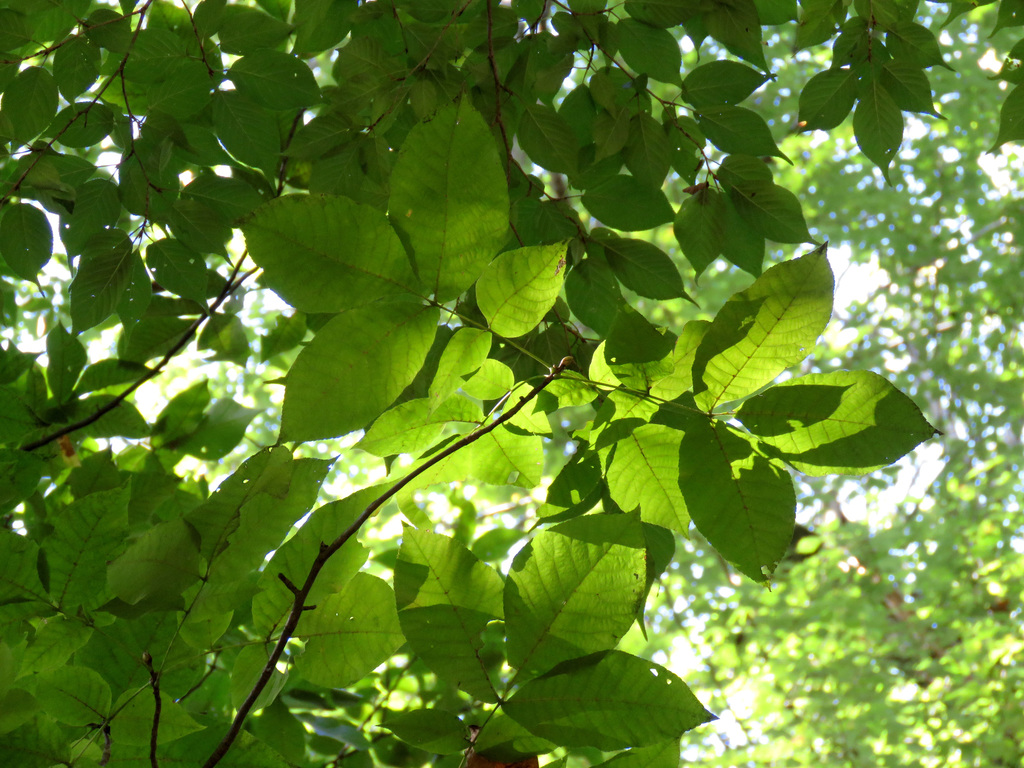
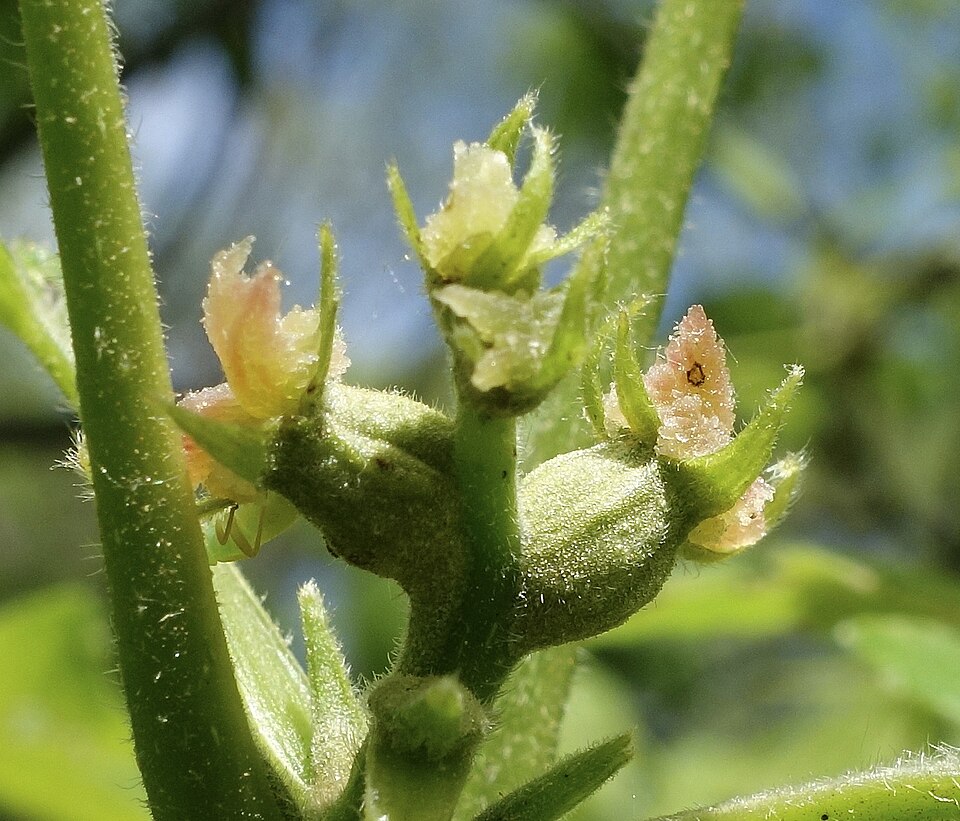
Plants 820
Plants named in NatureServe descriptions of these habitats that grow in Alabama. Shared habitat, not food.
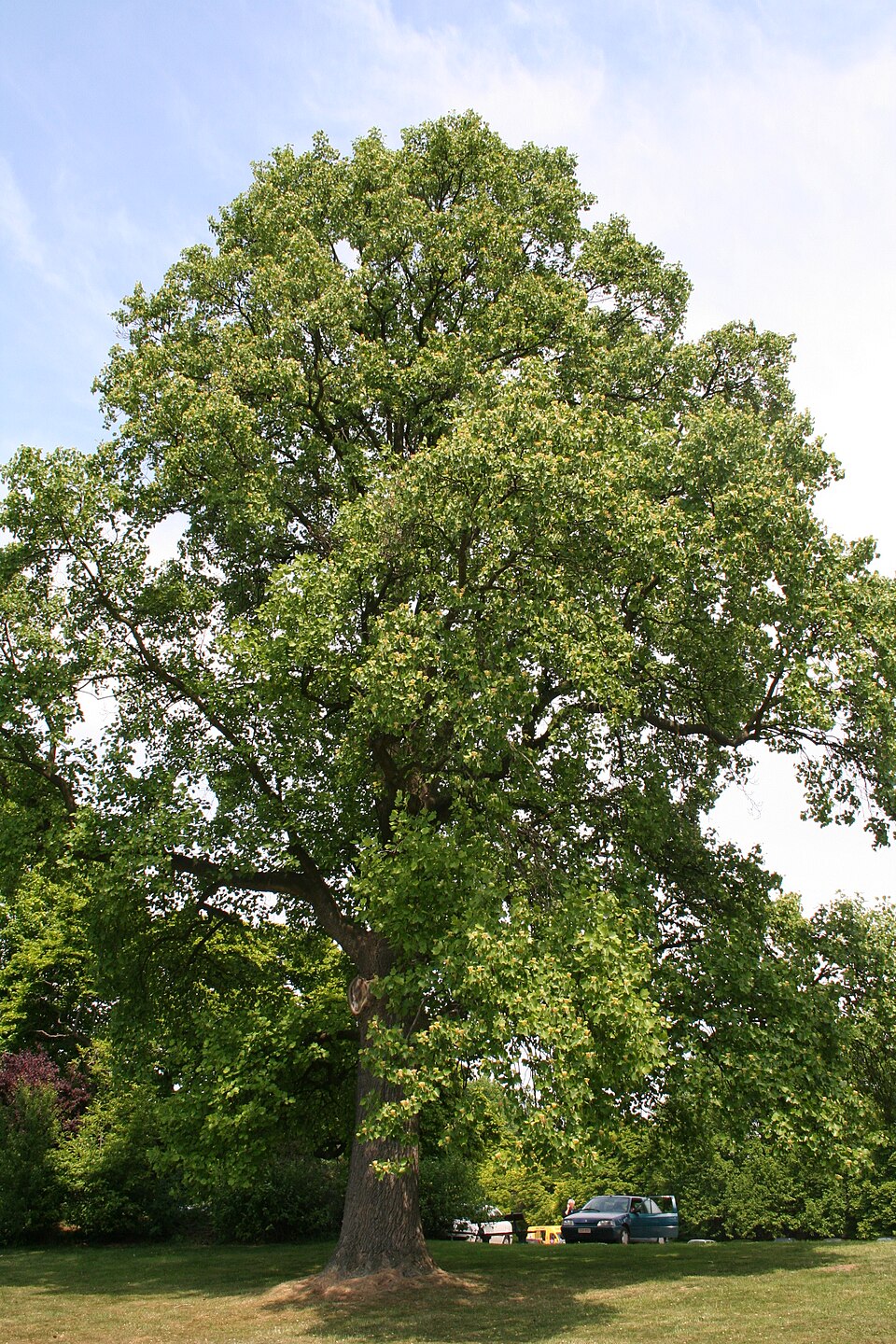
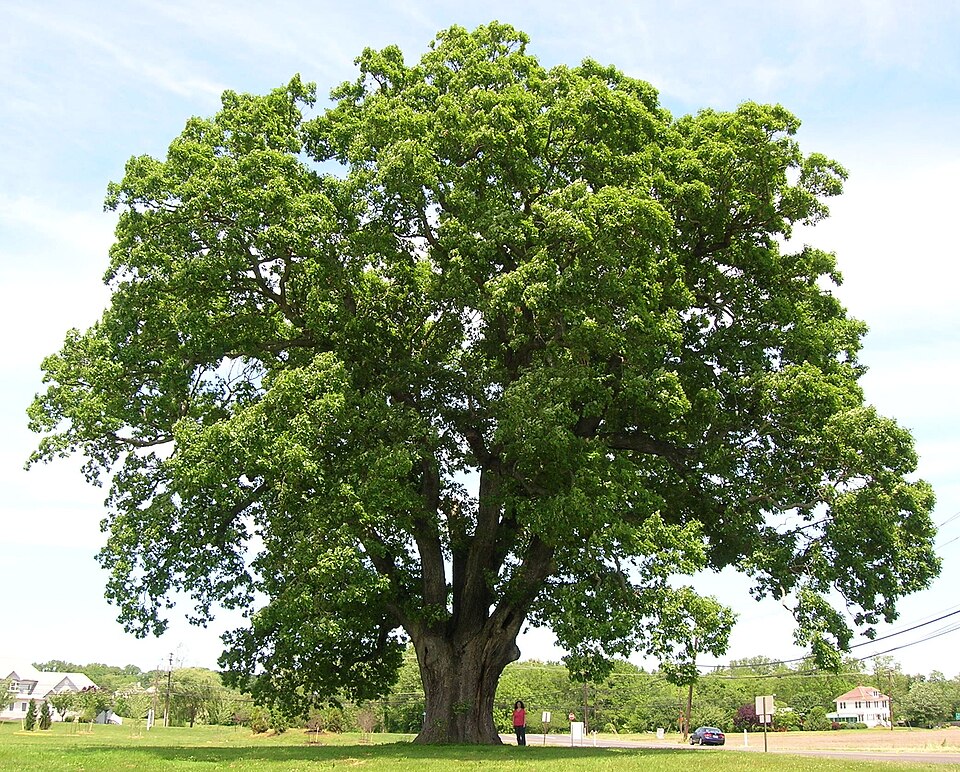
- White AshFraxinus americana
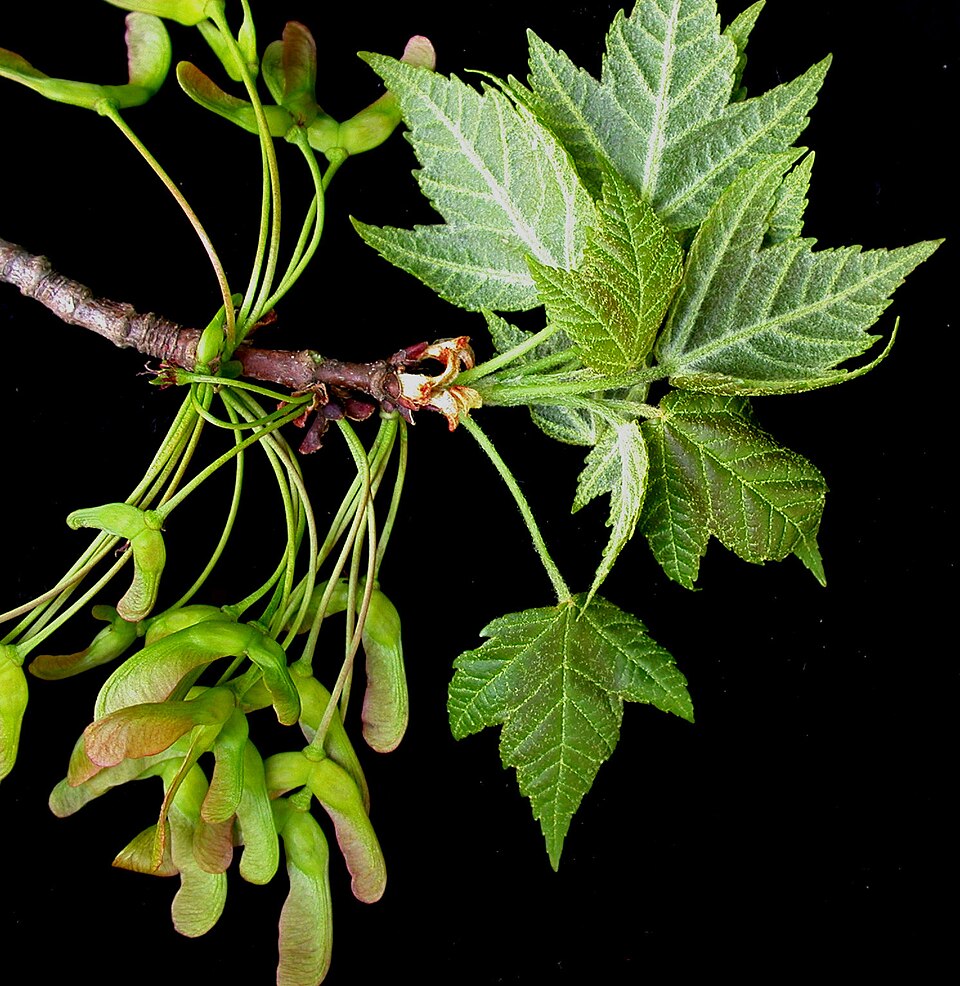
- Red MapleAcer rubrum
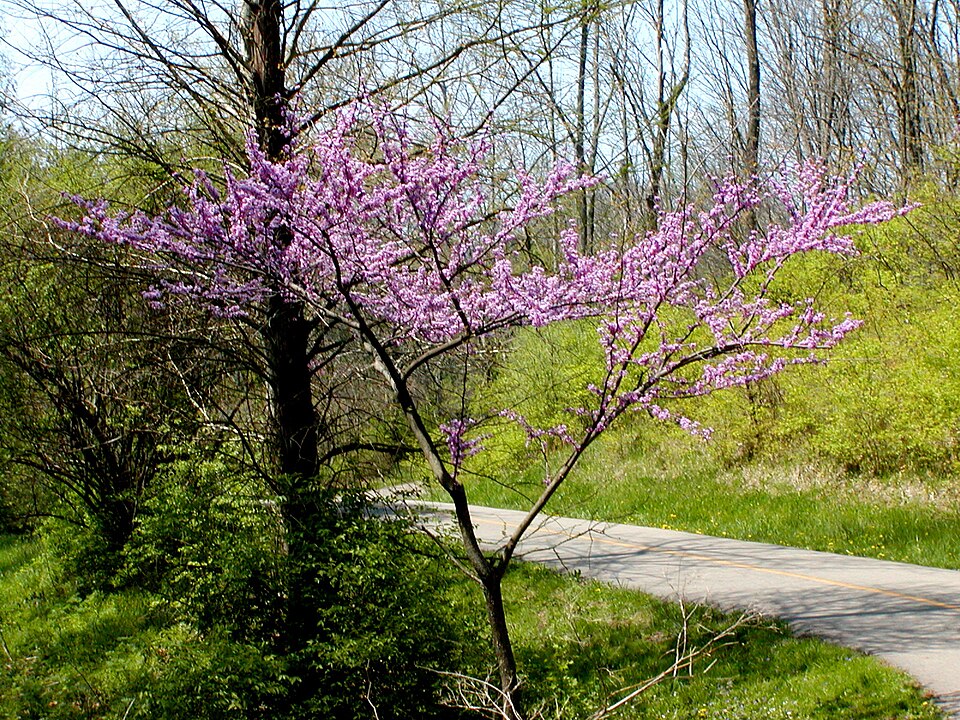
- Eastern RedbudCercis canadensis
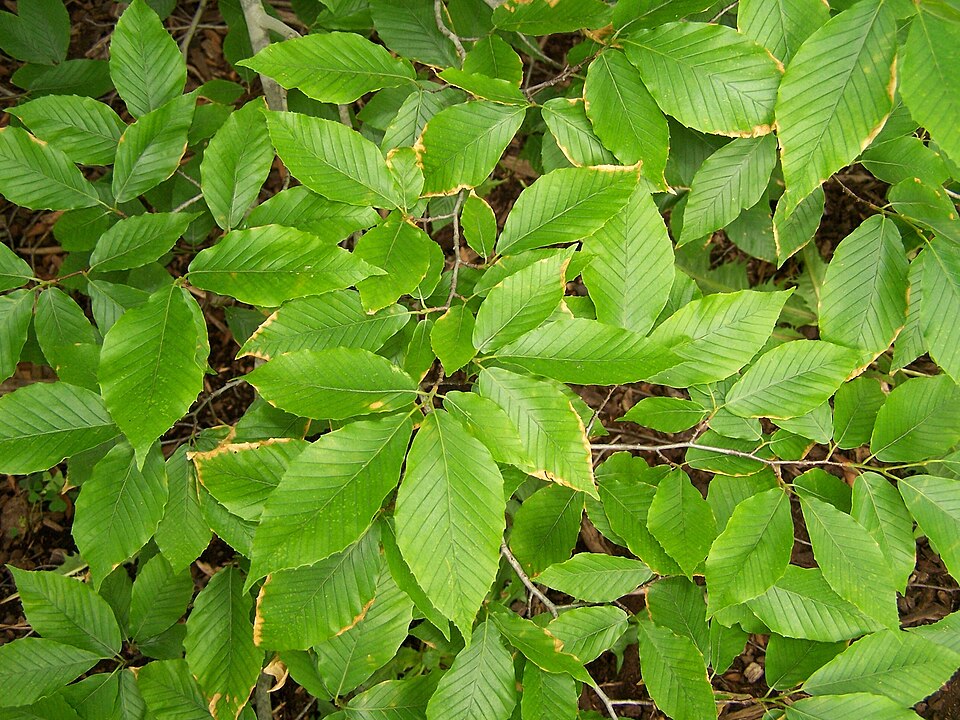
- American BeechFagus grandifolia
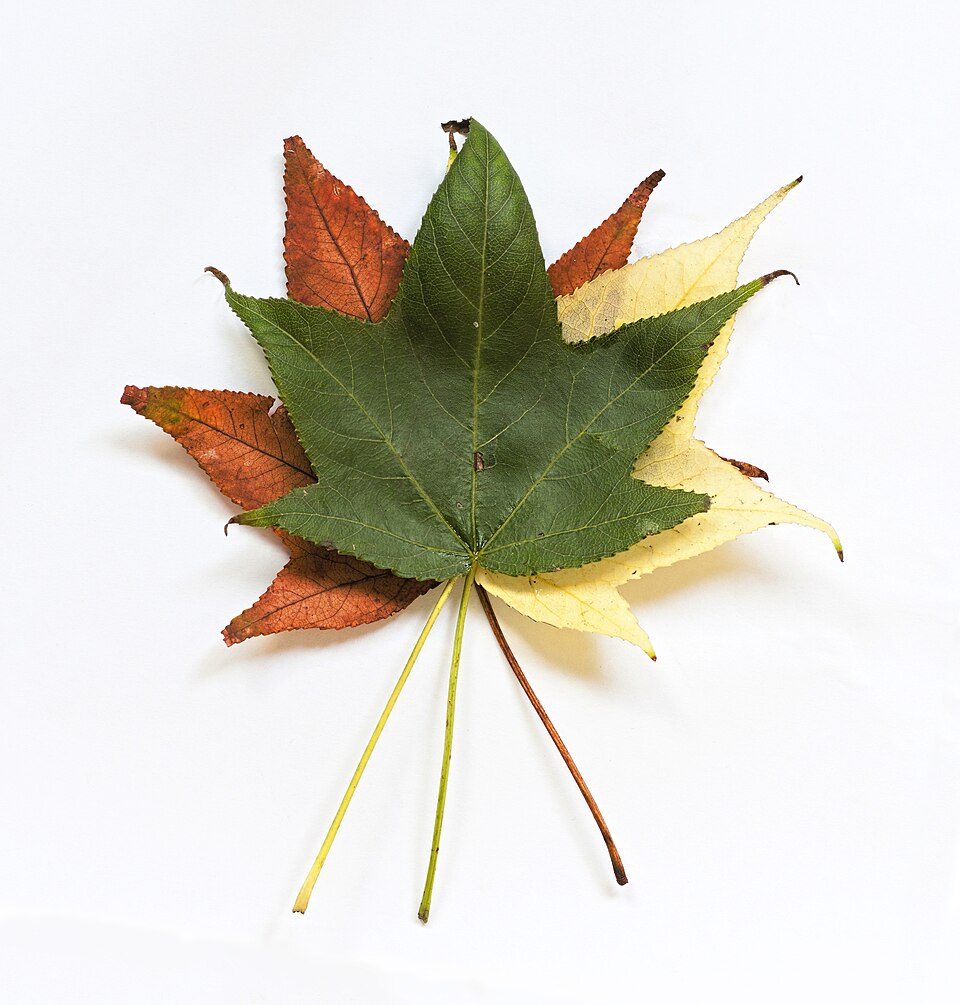
- SweetgumLiquidambar styraciflua
- TuliptreeLiriodendron tulipifera
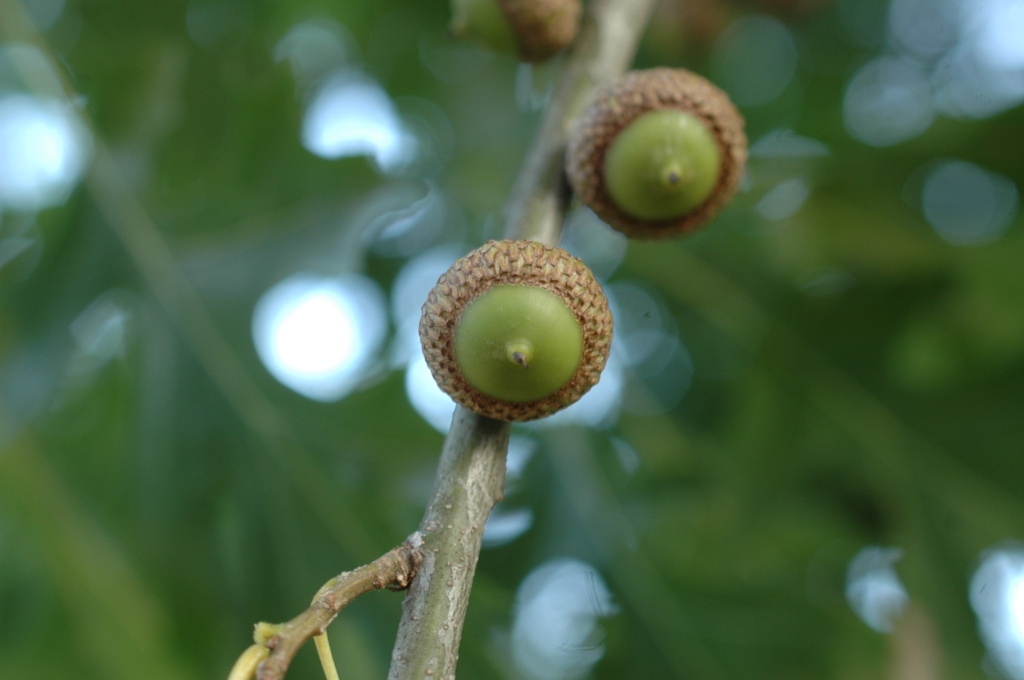
- White OakQuercus alba
- Shumard OakQuercus shumardii
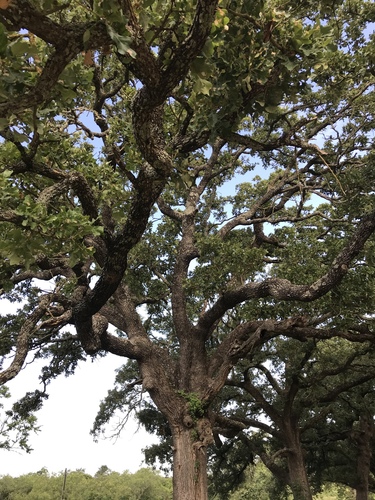
- Post OakQuercus stellata
- Poison-ivyToxicodendron radicans
- SupplejackBerchemia scandens
- Pignut HickoryCarya glabra
- Shagbark HickoryCarya ovata
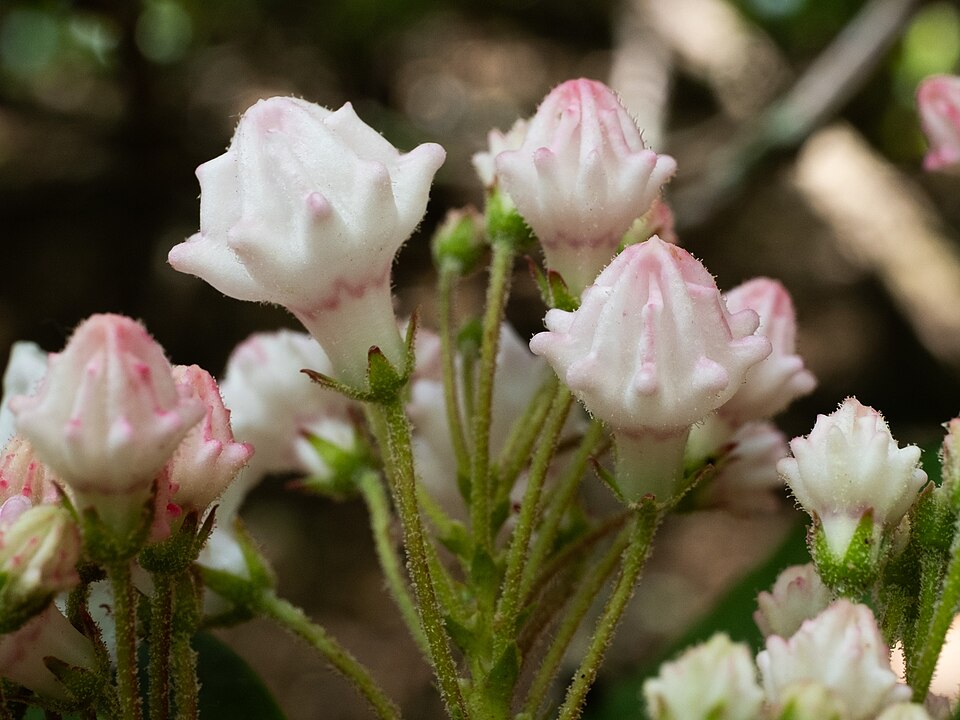
- Mountain LaurelKalmia latifolia
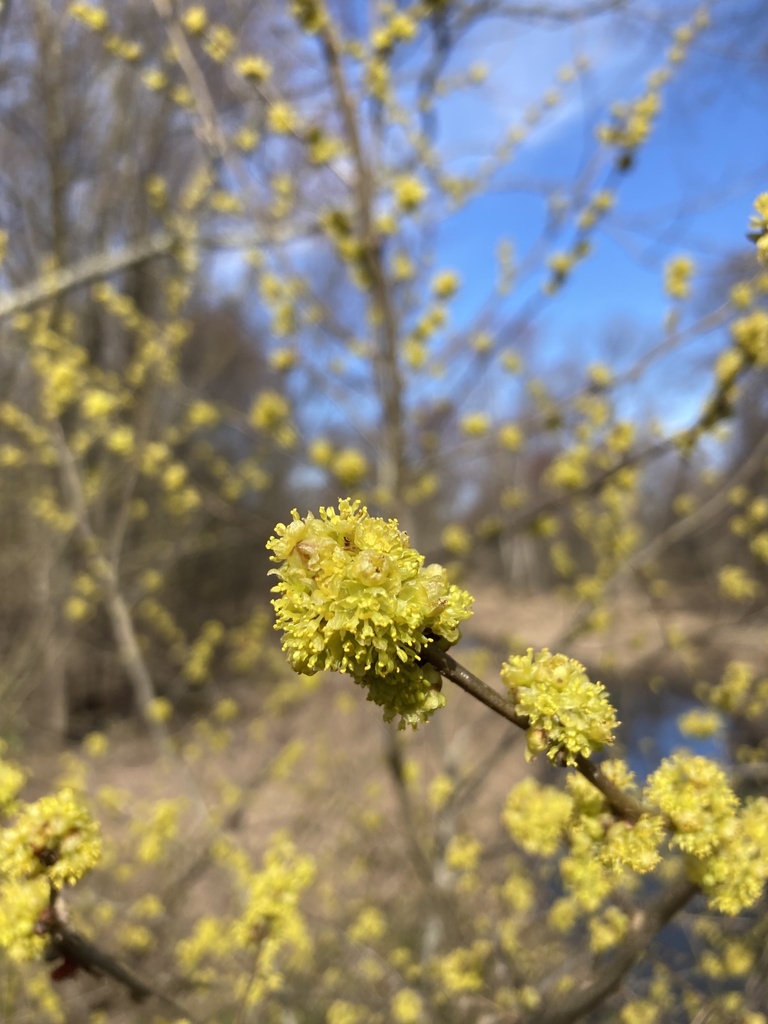
- Northern SpicebushLindera benzoin
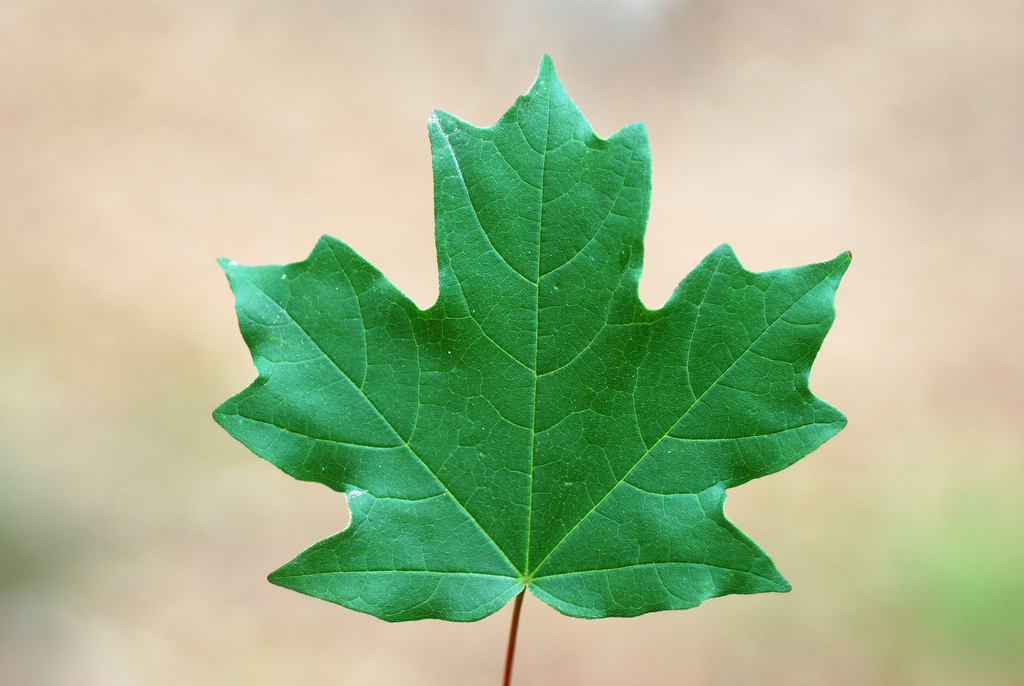
- Florida MapleAcer floridanum
- Giant CaneArundinaria gigantea
- Ravine SedgeCarex impressinervia
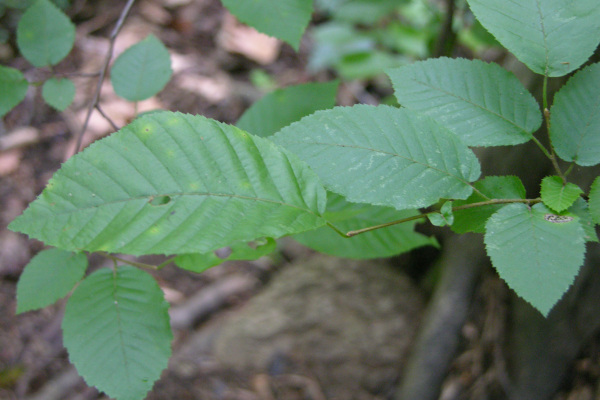
- American HornbeamCarpinus caroliniana
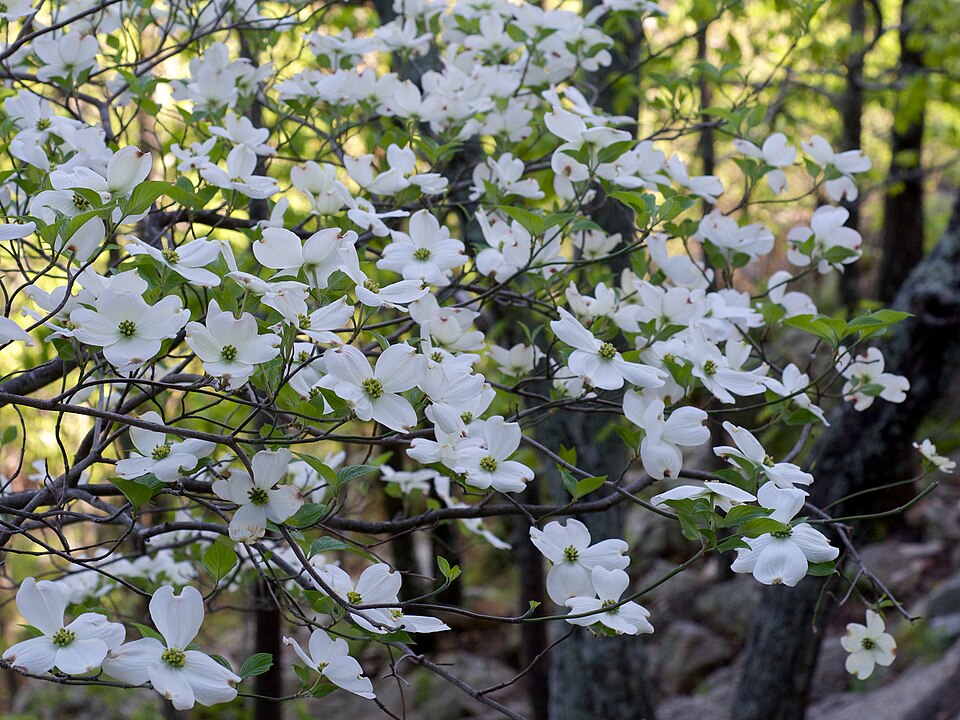
- Flowering DogwoodCornus florida
- Poverty OatgrassDanthonia spicata
- Hairy Bush HoneysuckleDiervilla rivularis
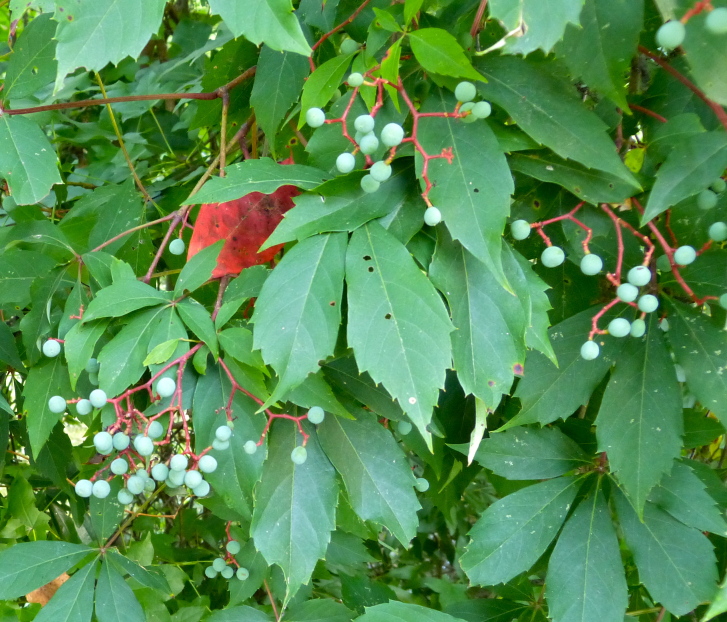
- Virginia CreeperParthenocissus quinquefolia
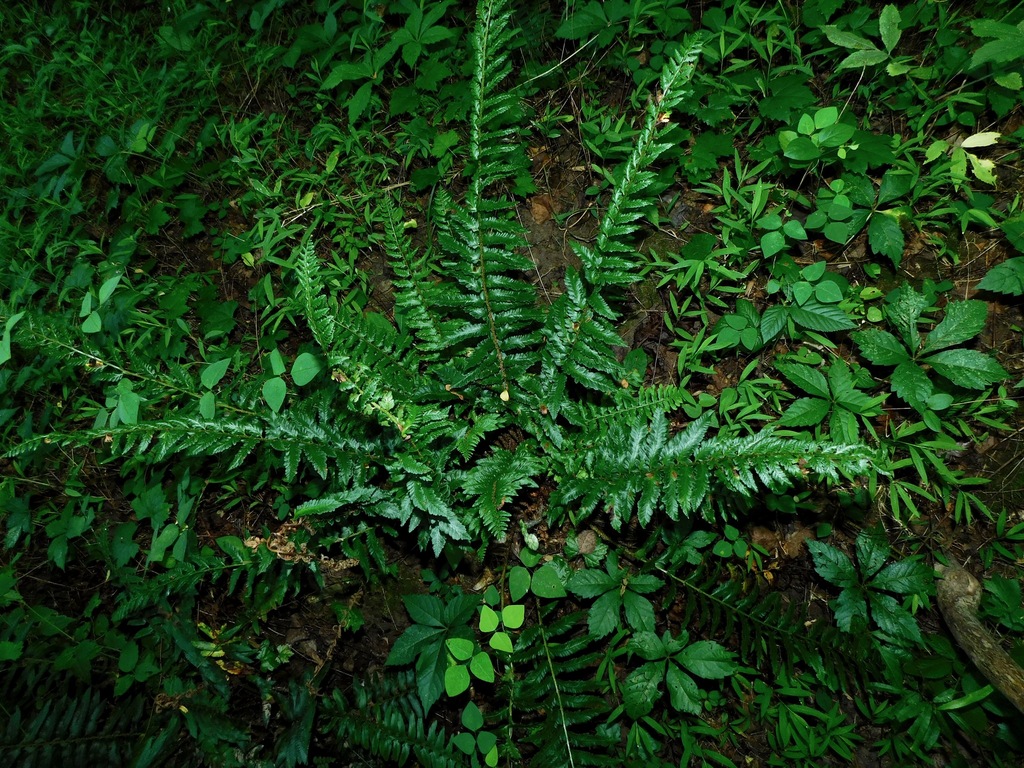
- Christmas FernPolystichum acrostichoides
Wildlife 242
Other animals whose habitat models include the same habitats in Alabama. Not sighting records.
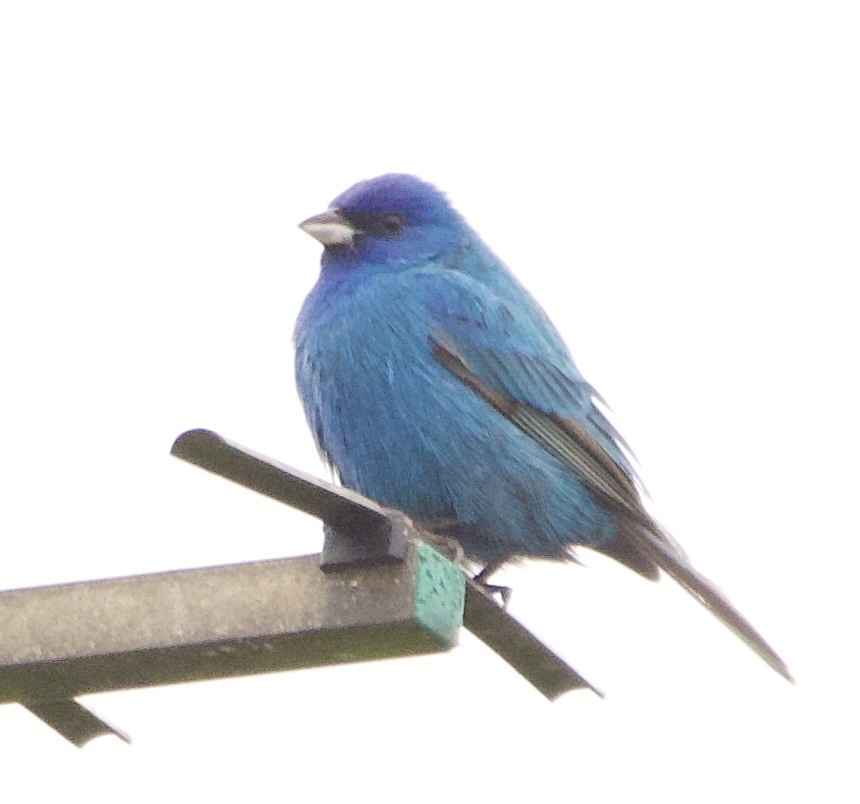
- Indigo BuntingPasserina cyanea
- Mourning DoveZenaida macroura
- Northern CardinalCardinalis cardinalis
- Northern FlickerColaptes auratus
- Northern MockingbirdMimus polyglottos
- Purple FinchCarpodacus purpureus
- Ruby-throated HummingbirdArchilochus colubris
- Spotted SandpiperActitis macularius
- Tufted TitmouseBaeolophus bicolor
- Wild TurkeyMeleagris gallopavo
- American KestrelFalco sparverius
- Belted KingfisherMegaceryle alcyon
- Black-billed CuckooCoccyzus erythropthalmus
- Blue-gray GnatcatcherPolioptila caerulea
- Brown ThrasherToxostoma rufum
- Chuck-will's-widowCaprimulgus carolinensis
- Common YellowthroatGeothlypis trichas
- Downy WoodpeckerPicoides pubescens
- Eurasian Collared-doveStreptopelia decaocto
- Fish CrowCorvus ossifragus
- Orchard OrioleIcterus spurius
- Pine SiskinCarduelis pinus
- Red-bellied WoodpeckerMelanerpes carolinus
- Ruby-crowned KingletRegulus calendula














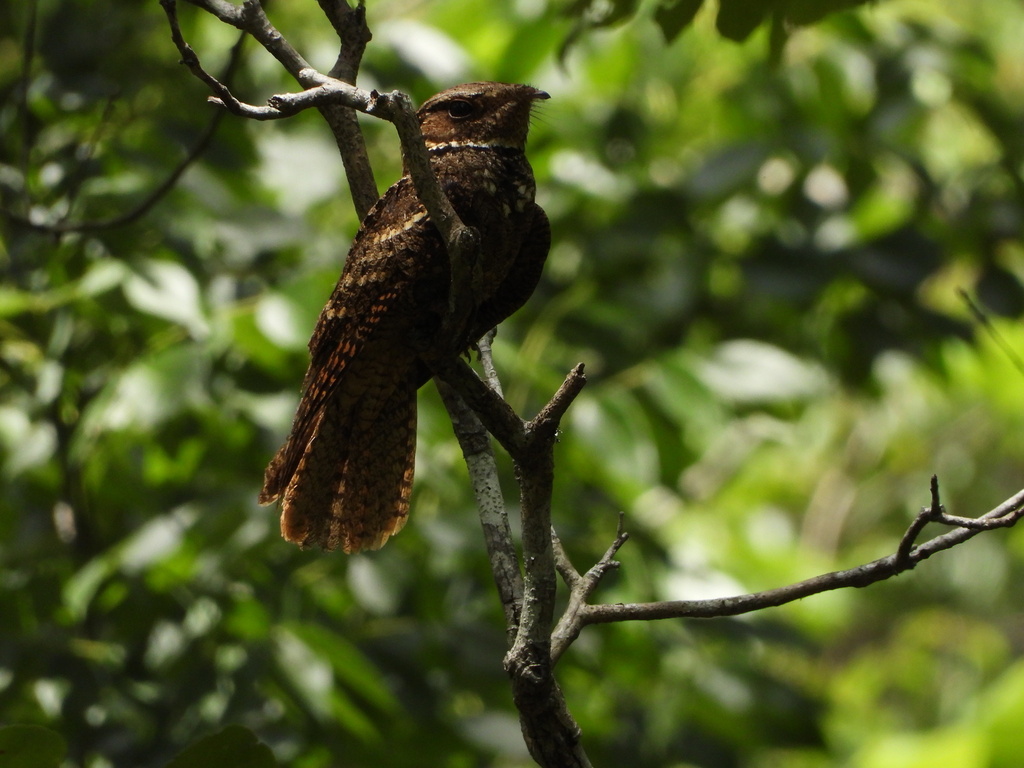








NatureServe Explorer, CC BY 4.0. USGS Gap Analysis Project habitat models.
Sources
- USGS Gap Analysis Project habitat models (2001)
- USGS GAP year-round habitat model for Brown-headed Cowbird Elevation 0 to 1,066 m
- USGS Gap Analysis Project range maps (2001), modeled by watershed; migratory gives no dates
- NatureServe Explorer (CC BY 4.0), habitat names
- US Census TIGER/Line counties
- Names follow the USGS Gap Analysis Project (2001)