

Bird
Alder Flycatcher
Empidonax alnorum
Passes through Alabama on migration. Found in 49 of 67 counties, across 8 habitats.
- Here
- On migration
- Nesting
- Not known to nest here
- Range
- 49 of 67 counties
- Habitats
- 8

At a glance
- Group
- Birds
- Here
- On migration
- Nesting
- Not known to nest here
- Range
- 49 of 67 counties
- Habitats
- 8
- Habitat models
- Summer
Where it lives
The places its habitat model includes. It is not found everywhere a habitat occurs.
Habitats in Alabama 8
Each habitat page lists the plants and wildlife also found there.
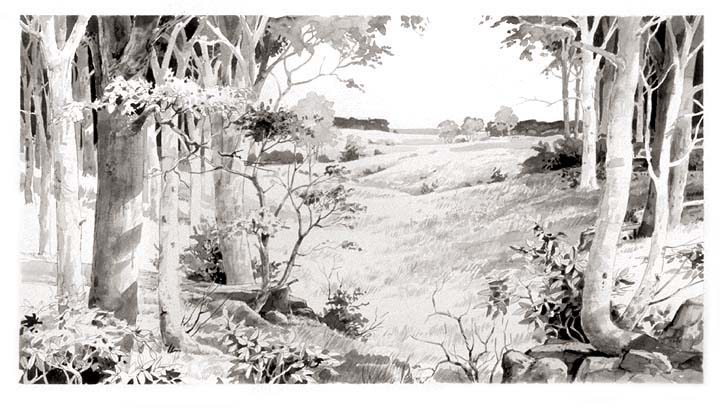
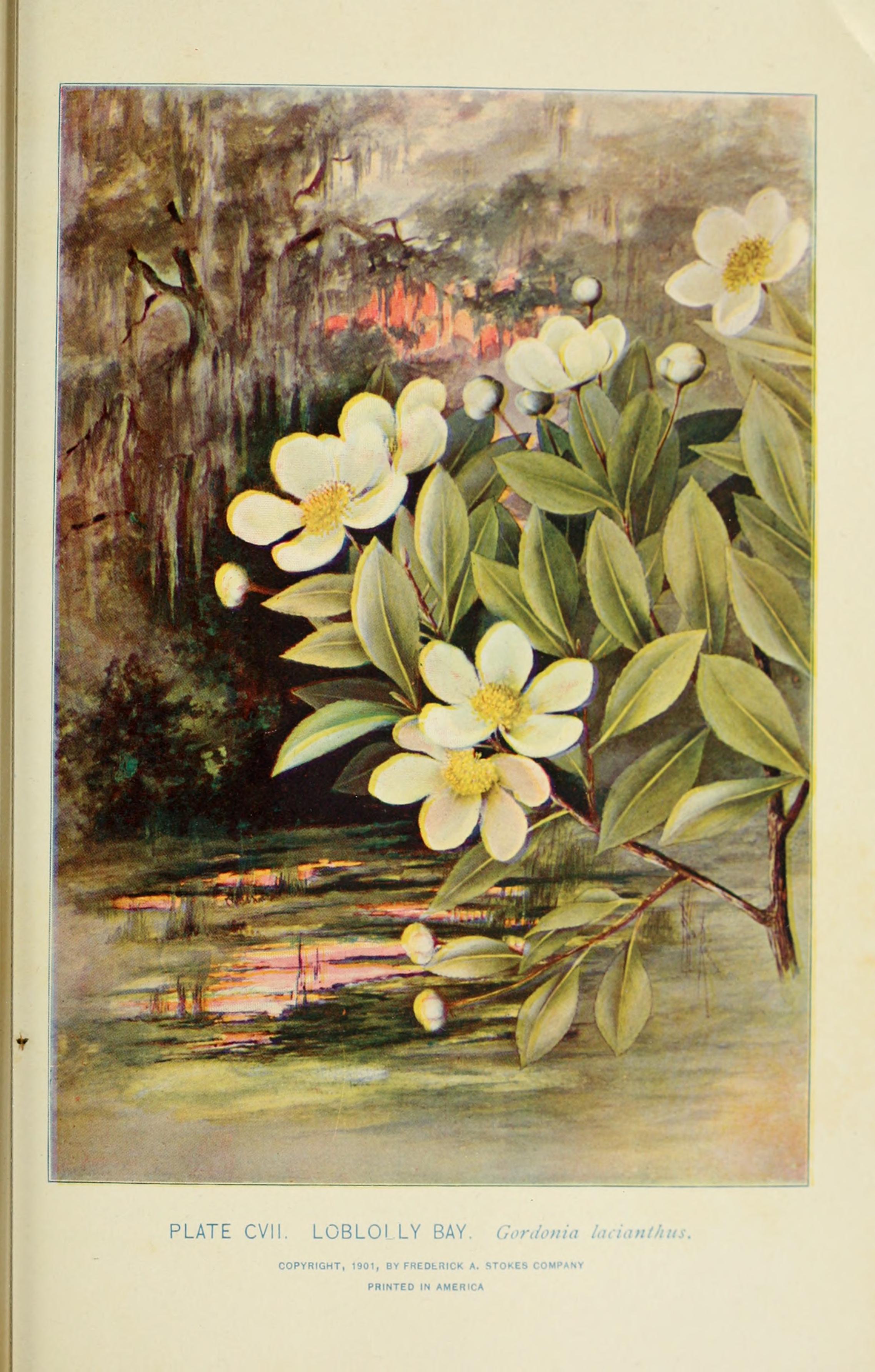
Disturbed and introduced wetlands
Wet ground taken over by weedy or introduced plants after disturbance, such as common reed, Chinese tallow or tamarisk stands; the upland counterpart is roadsides, fields and disturbed ground.
Floodplain and bottomland forests
Forests on low ground beside rivers and streams that flood from time to time.
Roadsides, fields and disturbed ground
Ground opened by people: roadsides, old fields, pastures, fencerows and lots.
Streams, rivers and their banks
Flowing water and its banks, bars and rocky shoals.
Tree plantations and managed pine
Planted or intensively managed stands of pine or hardwoods grown for timber; a land use rather than a natural community.
Flat, poorly drained uplands and terraces with oaks, sweetgum and sometimes loblolly pine, wet in winter and dry in summer, but neither a floodplain nor a swamp.
Other habitats in its models (33)
Land cover, or classes with no habitat page in Alabama.
- Northeastern Interior Dry-Mesic Oak Forest Summer, beside its main habitat.
- Ozark-Ouachita Dry-Mesic Oak Forest Summer, beside its main habitat.
- Crosstimbers Oak Forest and Woodland Summer, beside its main habitat.
- North-Central Interior Beech-Maple Forest Summer, beside its main habitat.
- North-Central Interior Maple-Basswood Forest Summer, beside its main habitat.
- Southern and Central Appalachian Oak Forest Summer, beside its main habitat.
- Boreal Aspen-Birch Forest Summer, beside its main habitat.
- South-Central Interior / Upper Coastal Plain Flatwoods Summer, beside its main habitat.
- Ozark-Ouachita Mesic Hardwood Forest Summer, beside its main habitat.
- Northern Atlantic Coastal Plain Dry Hardwood Forest Summer, beside its main habitat.
- Boreal White Spruce-Fir-Hardwood Forest Summer, beside its main habitat.
- Central Appalachian Oak and Pine Forest Summer, beside its main habitat.
- Appalachian Hemlock-Hardwood Forest Summer, beside its main habitat.
- Southern and Central Appalachian Cove Forest Summer, beside its main habitat.
- Southern Appalachian Grass and Shrub Bald - Shrub Modifier Summer.
- Recently Logged Areas Summer.
- Recently Burned Summer.
- Recently Burned Forest Summer.
- Recently Burned Shrubland Summer.
- Introduced Upland Vegetation - Shrub Summer.
- Central Interior and Appalachian Shrub-Herbaceous Wetland Systems Summer.
- Northern Atlantic Coastal Plain Basin Swamp and Wet Hardwood Forest Summer, beside its main habitat.
- Atlantic Coastal Plain Nonriverine Swamp and Wet Hardwood Forest - Oak Dominated Modifier Summer, beside its main habitat.
- Boreal Acidic Peatland Systems Summer.
- Southern and Central Appalachian Bog and Fen Summer.
- Eastern Great Plains Wet Meadow, Prairie, and Marsh Summer.
- Central Appalachian Floodplain - Forest Modifier Summer.
- Central Appalachian Riparian - Forest Modifier Summer.
- South-Central Interior Large Floodplain - Herbaceous Modifier Summer.
- Eastern Boreal Floodplain Summer.
- Eastern Great Plains Floodplain Systems Summer.
- Ozark-Ouachita Riparian Summer.
- North-Central Interior Wet Flatwoods Summer, beside its main habitat.
Seasons in Alabama
- Migratory: does not nest here, in 49 of 67 counties.
Also found in this habitat
Plants 476
Plants named in NatureServe descriptions of these habitats that grow in Alabama. Shared habitat, not food.
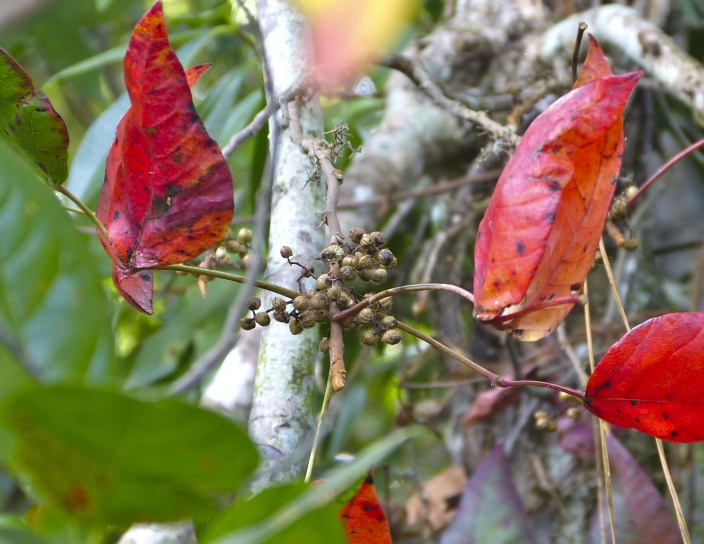
- Trumpet-creeperCampsis radicans
- Rice CutgrassLeersia oryzoides
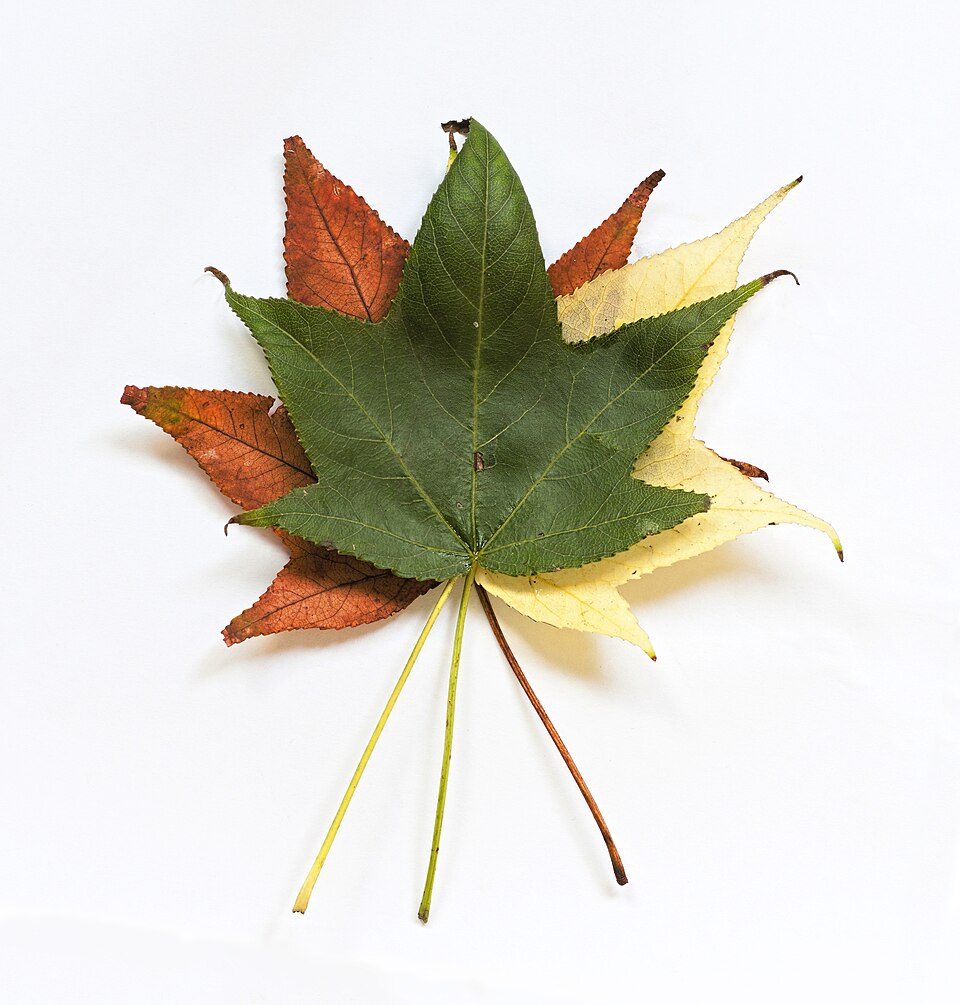
- SweetgumLiquidambar styraciflua
- Poison-ivyToxicodendron radicans
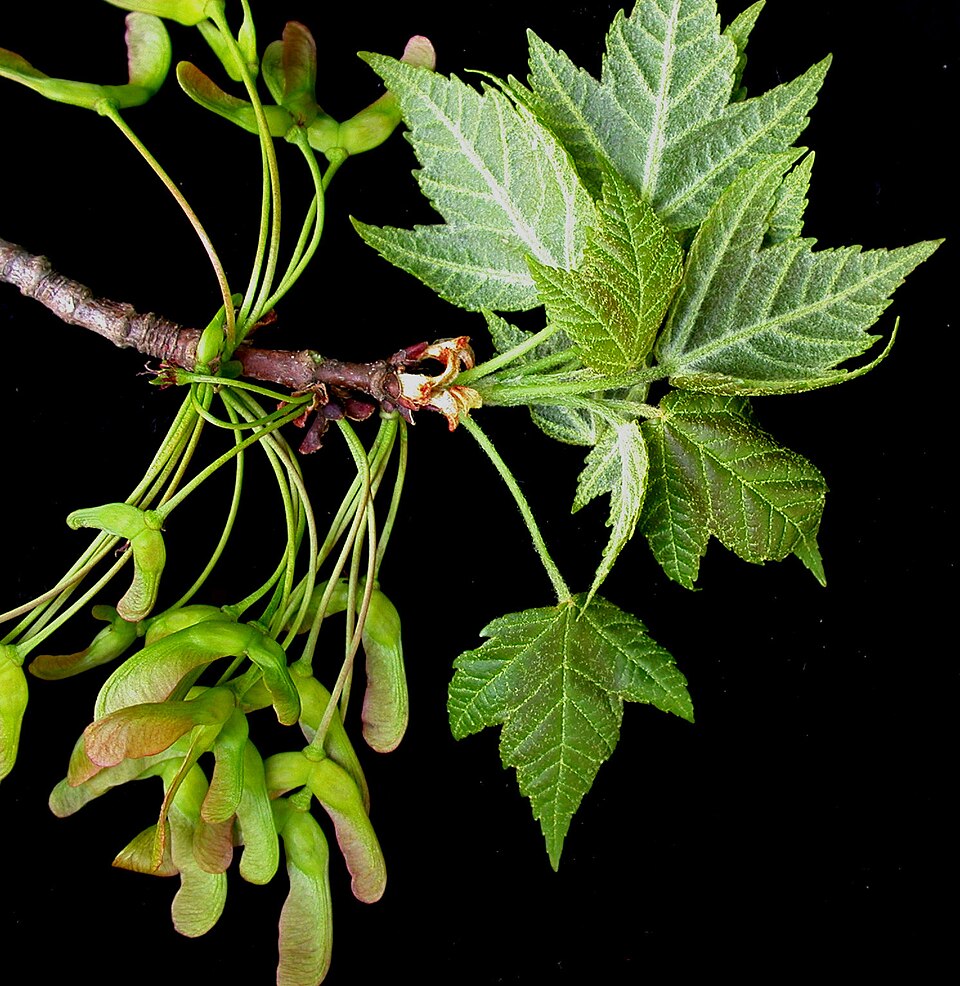
- Red MapleAcer rubrum
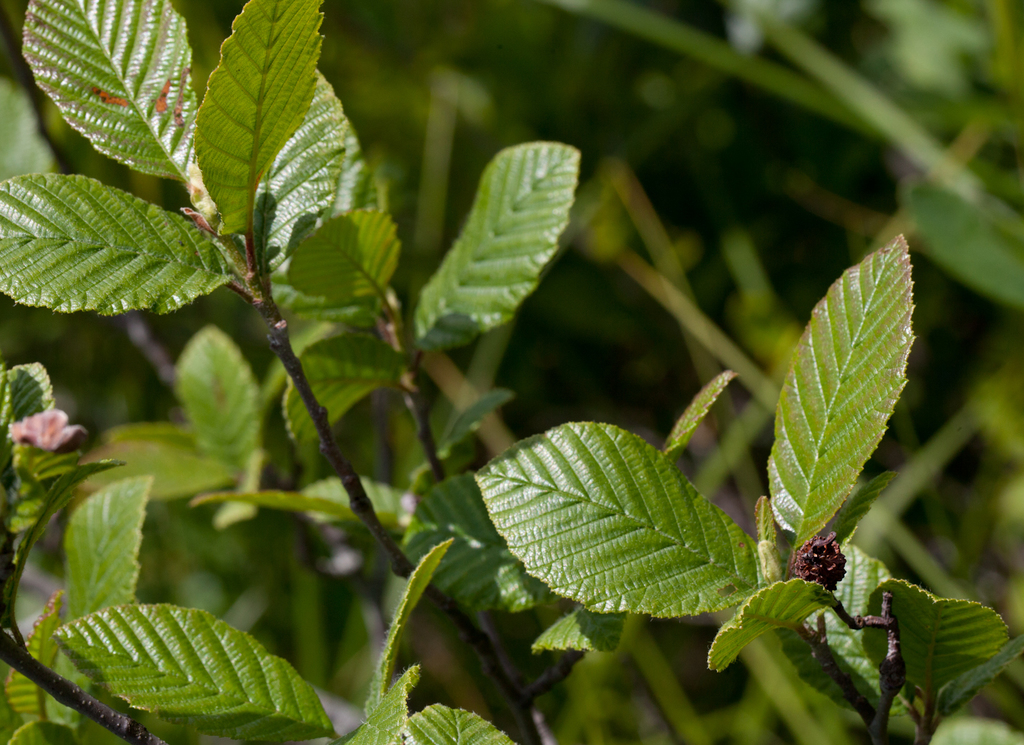
- Hazel AlderAlnus serrulata
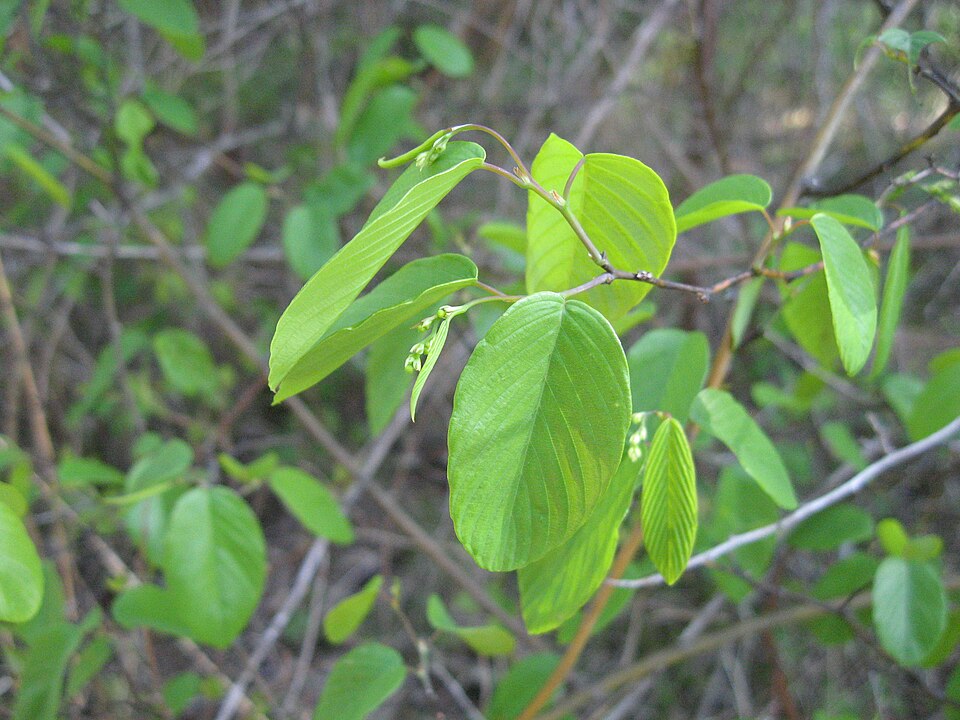
- SupplejackBerchemia scandens
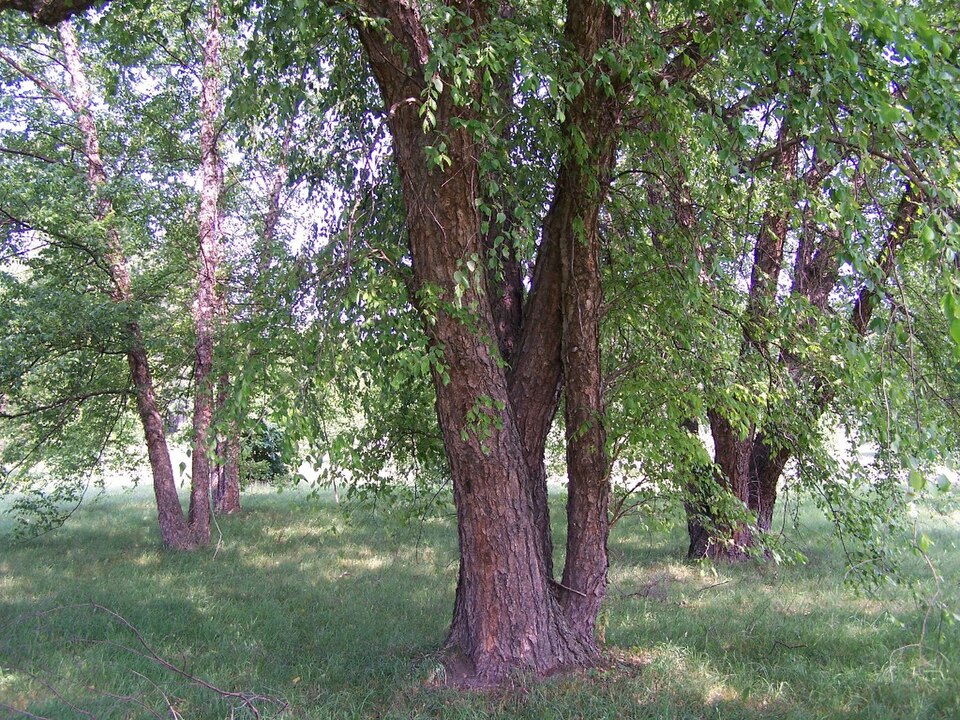
- River BirchBetula nigra
- False NettleBoehmeria cylindrica
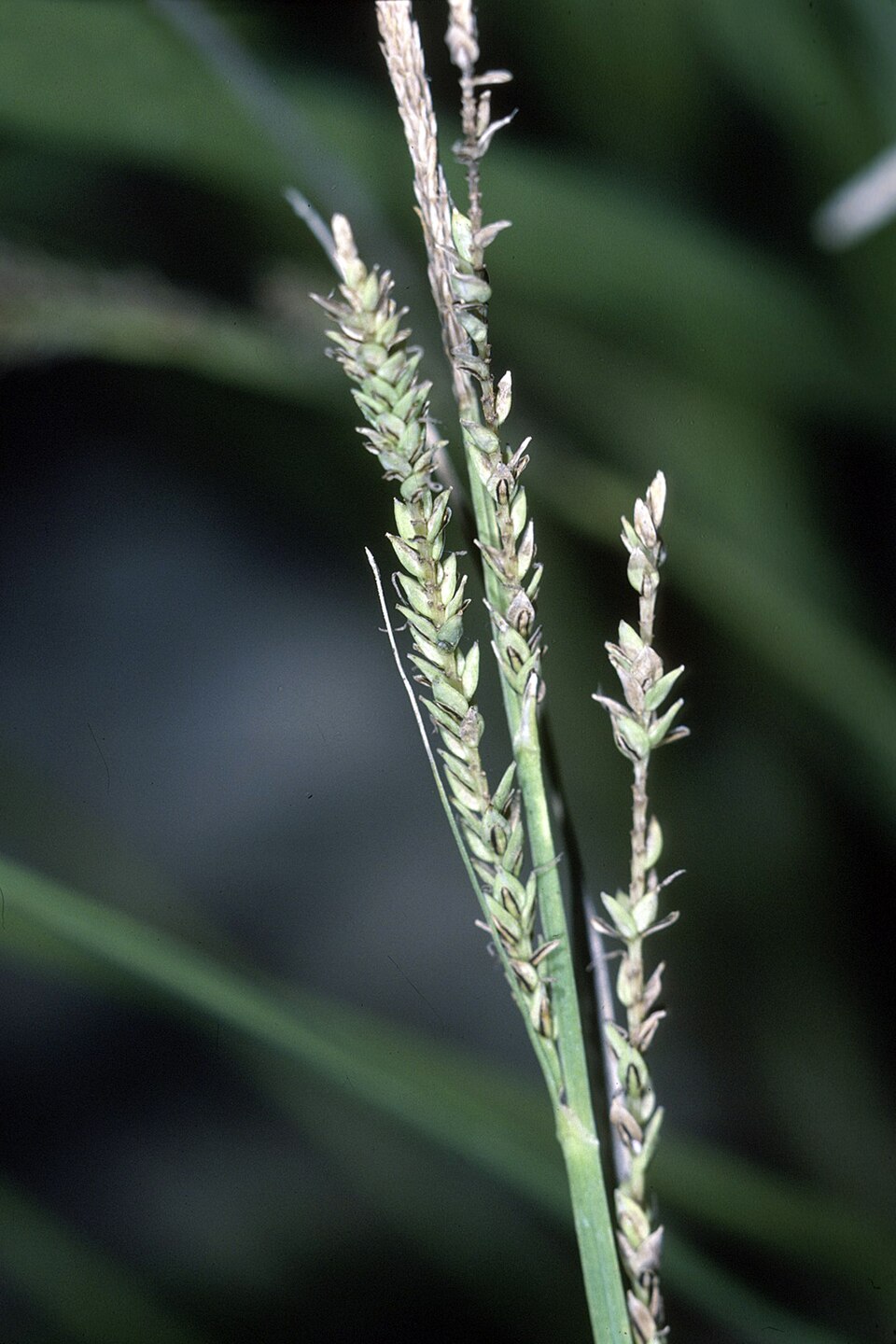
- Twisted SedgeCarex torta
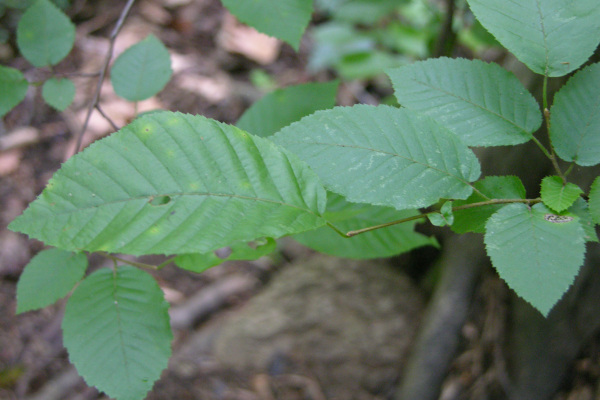
- American HornbeamCarpinus caroliniana
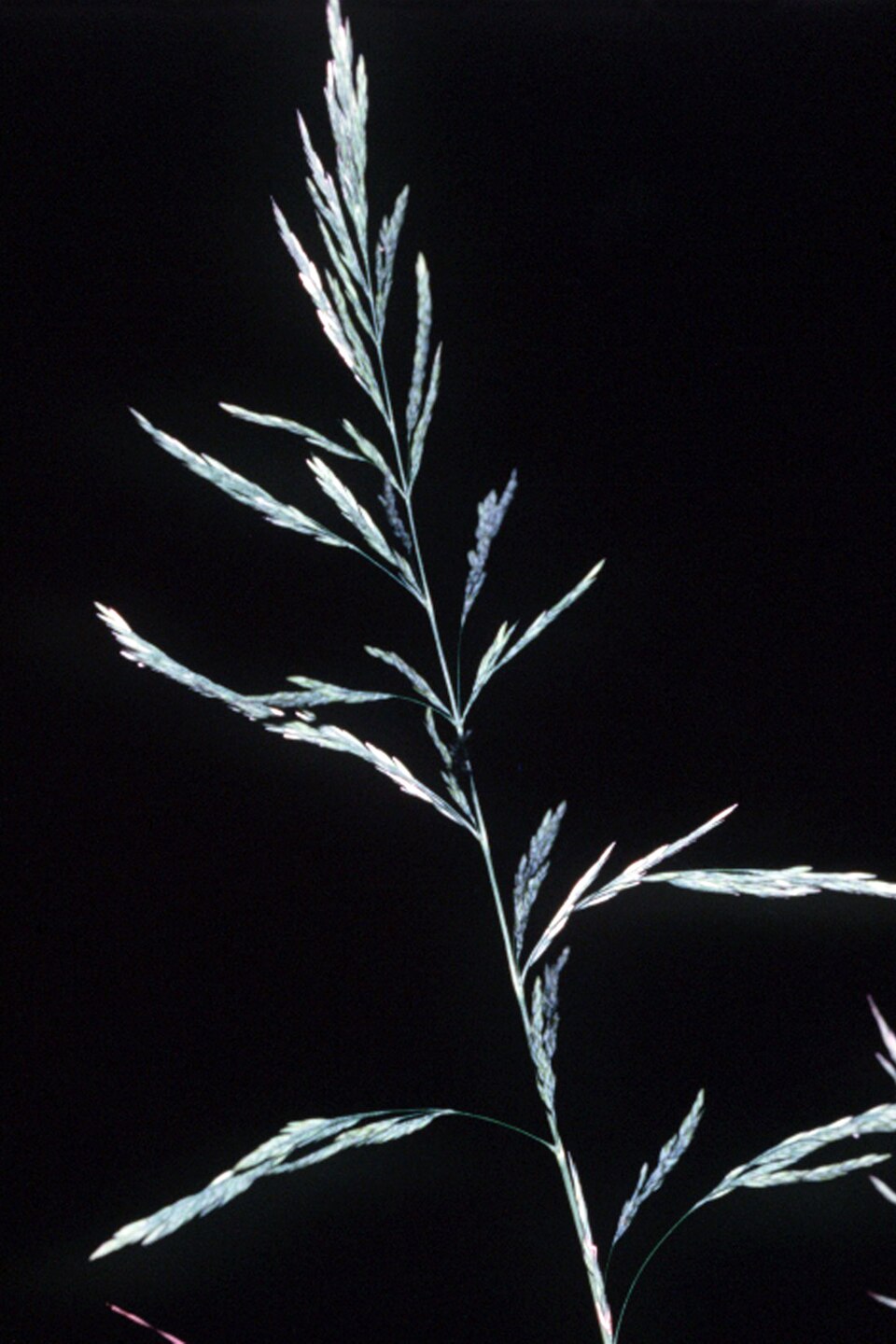
- Sweet WoodreedCinna arundinacea
- Deer-tongue WitchgrassDichanthelium clandestinum
- Hairy Bush HoneysuckleDiervilla rivularis
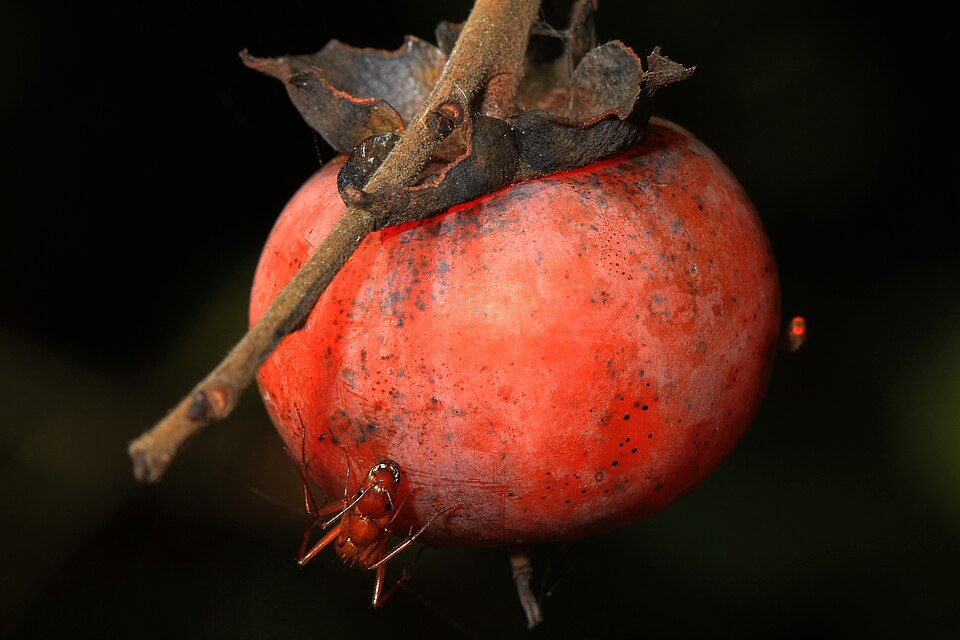
- American PersimmonDiospyros virginiana
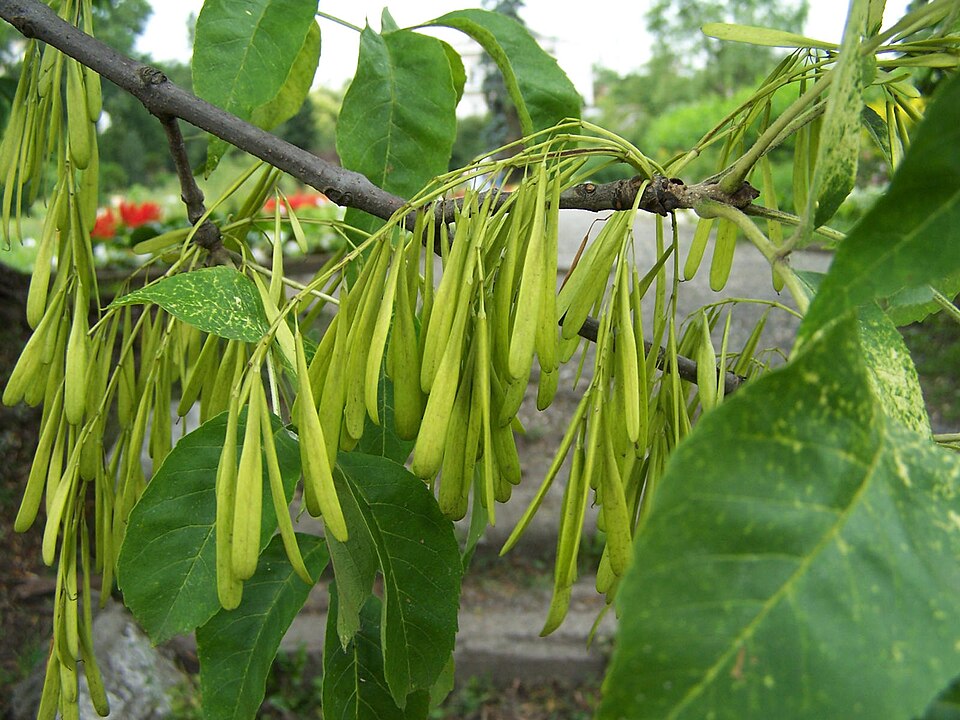
- Green AshFraxinus pennsylvanica
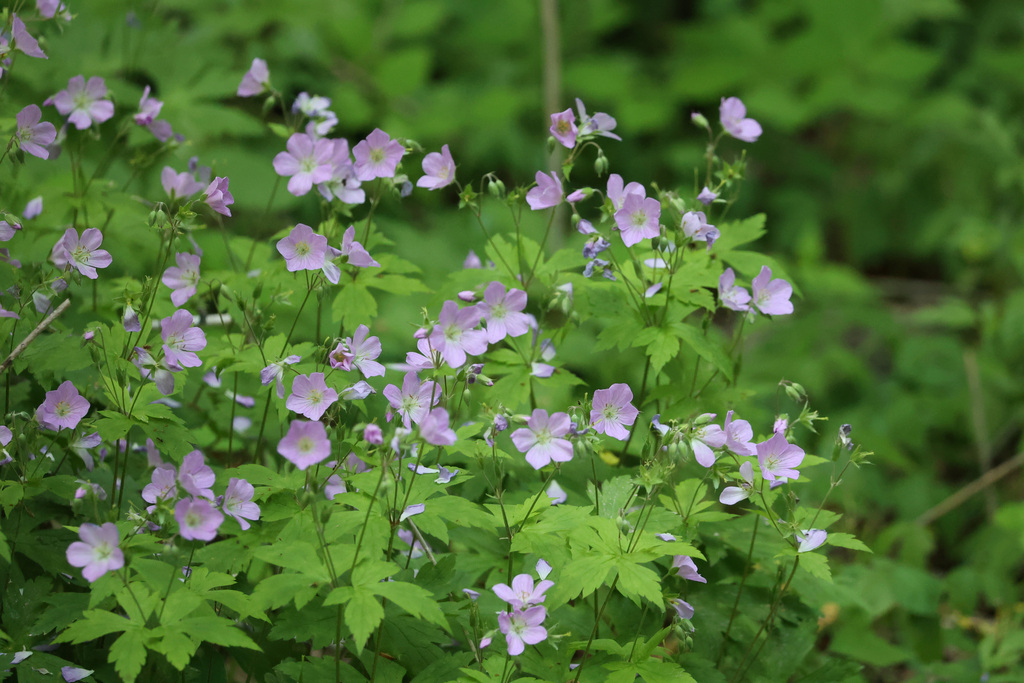
- Wild GeraniumGeranium maculatum
- HarperellaHarperella nodosa
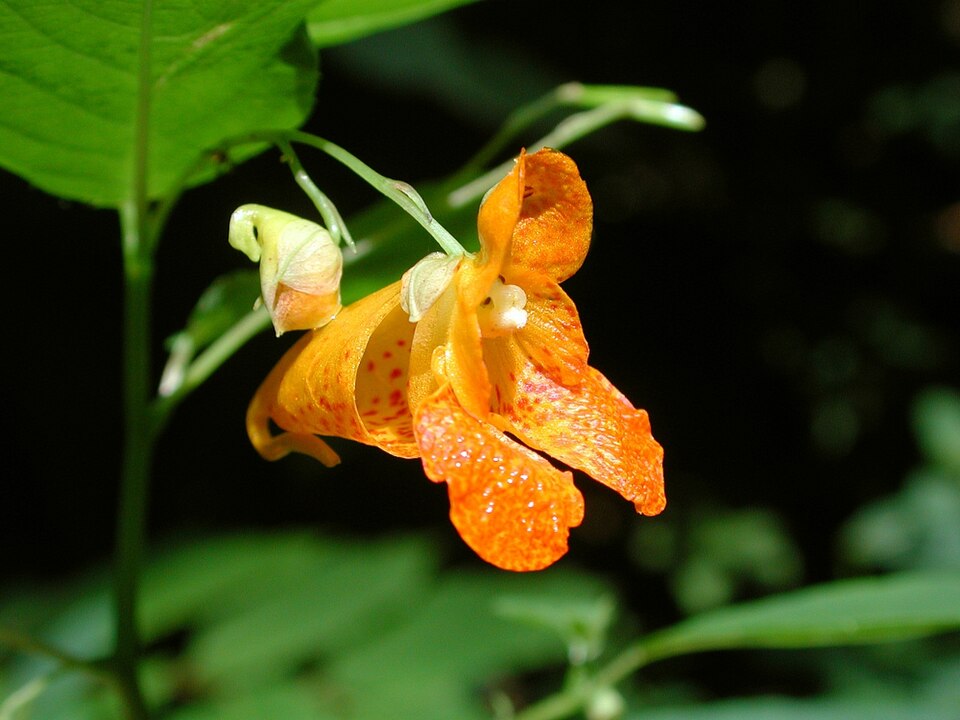
- Spotted JewelweedImpatiens capensis
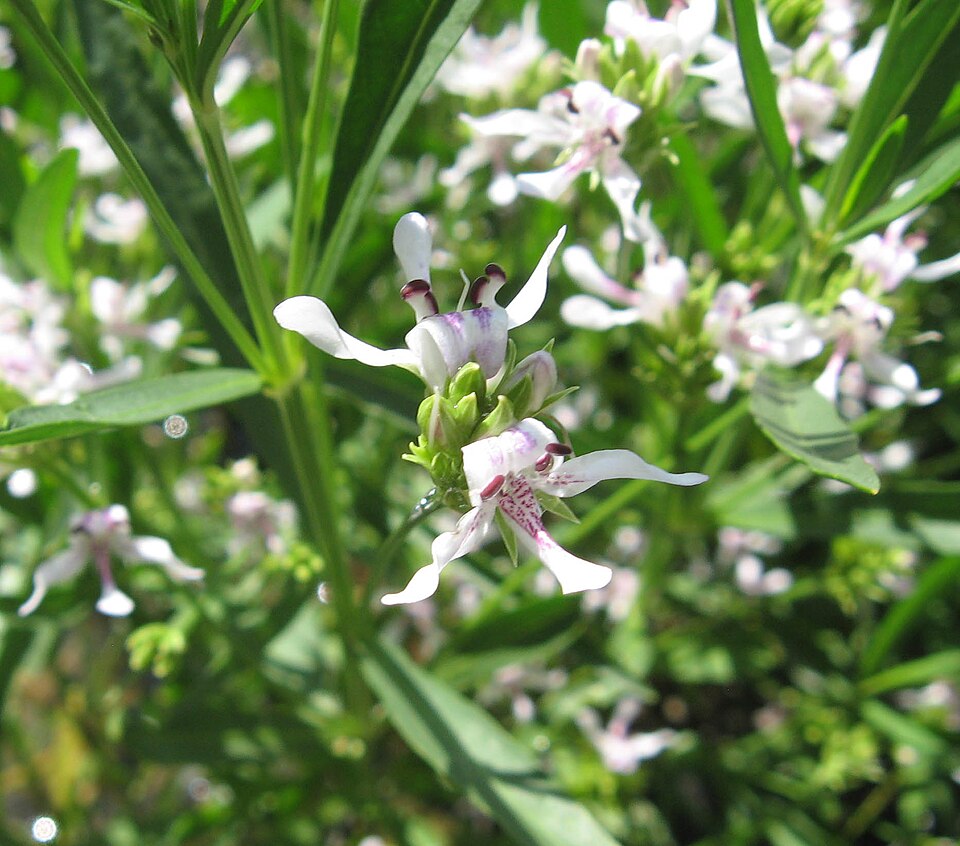
- American Water-willowJusticia americana
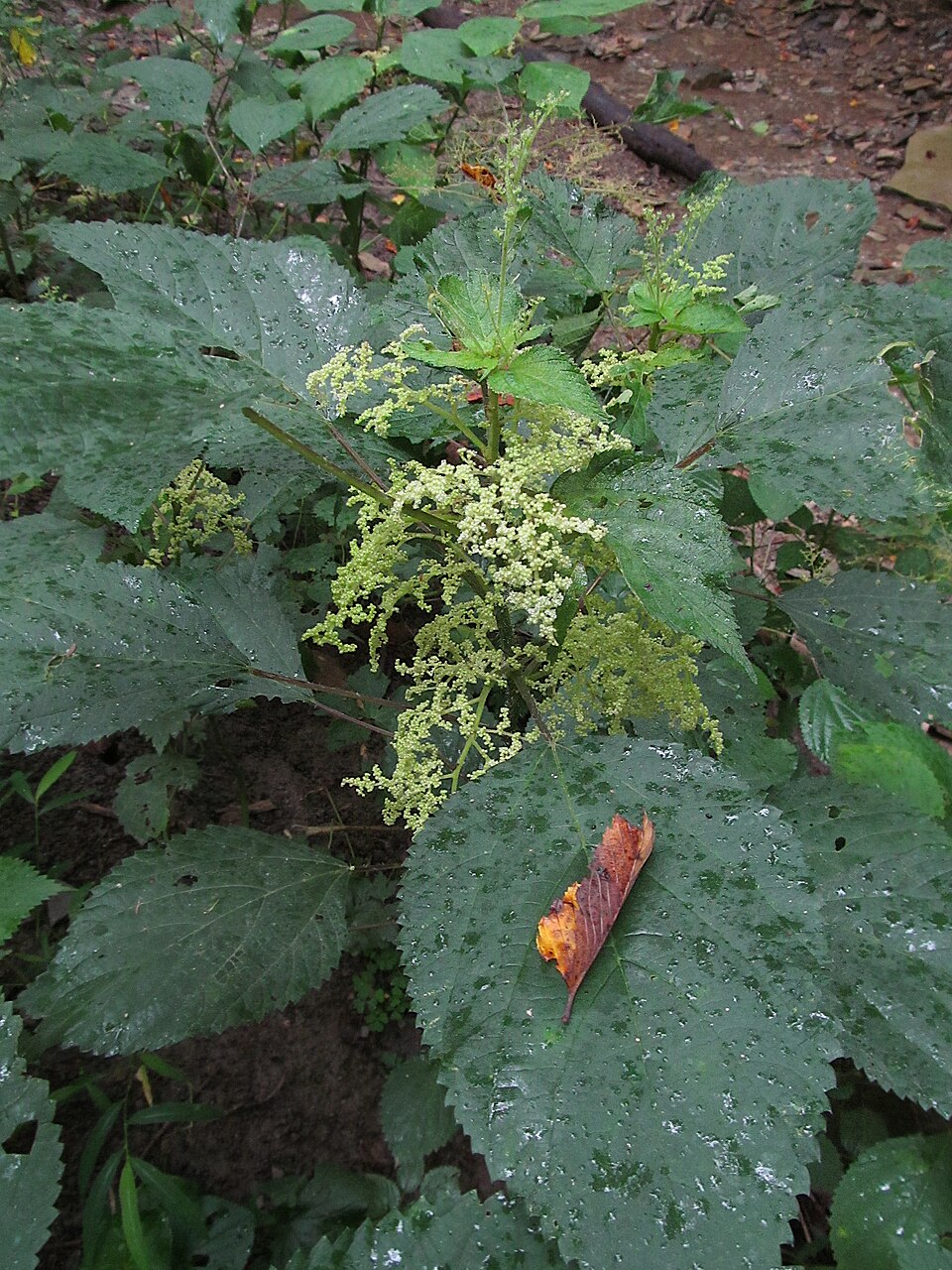
- Canada Wood-nettleLaportea canadensis
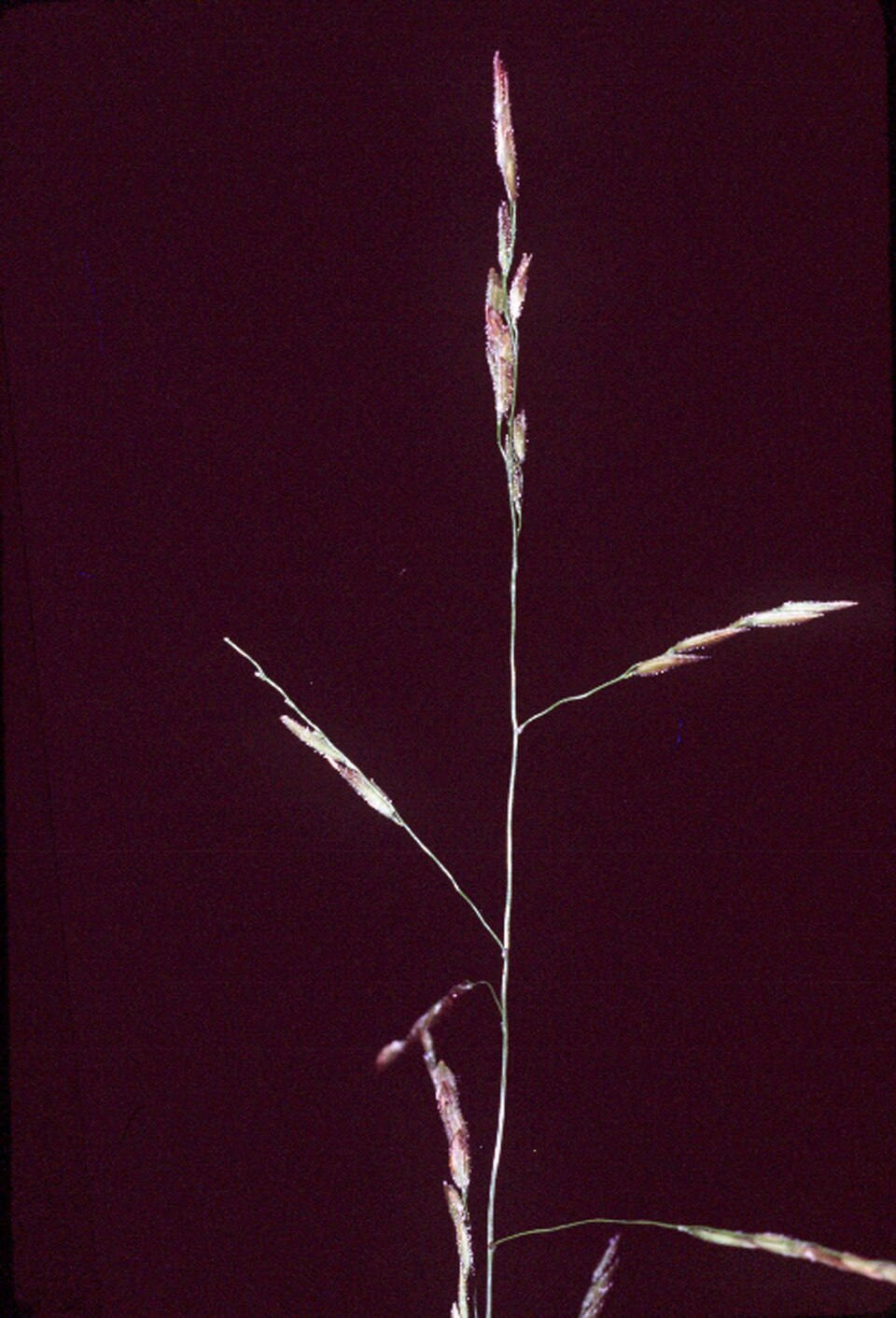
- White CutgrassLeersia virginica
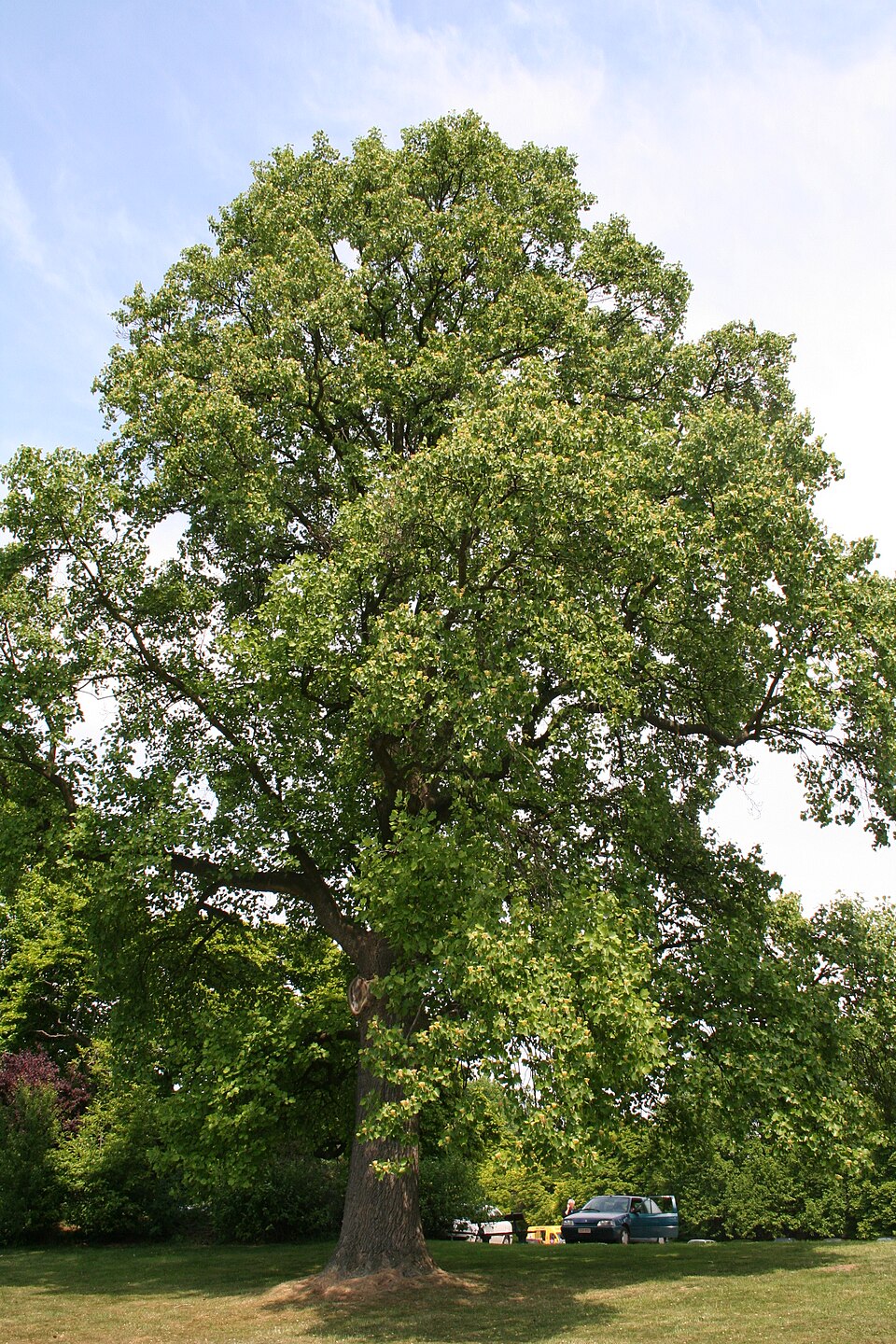
- TuliptreeLiriodendron tulipifera
- Broadleaf Barbara's-buttonsMarshallia trinervia
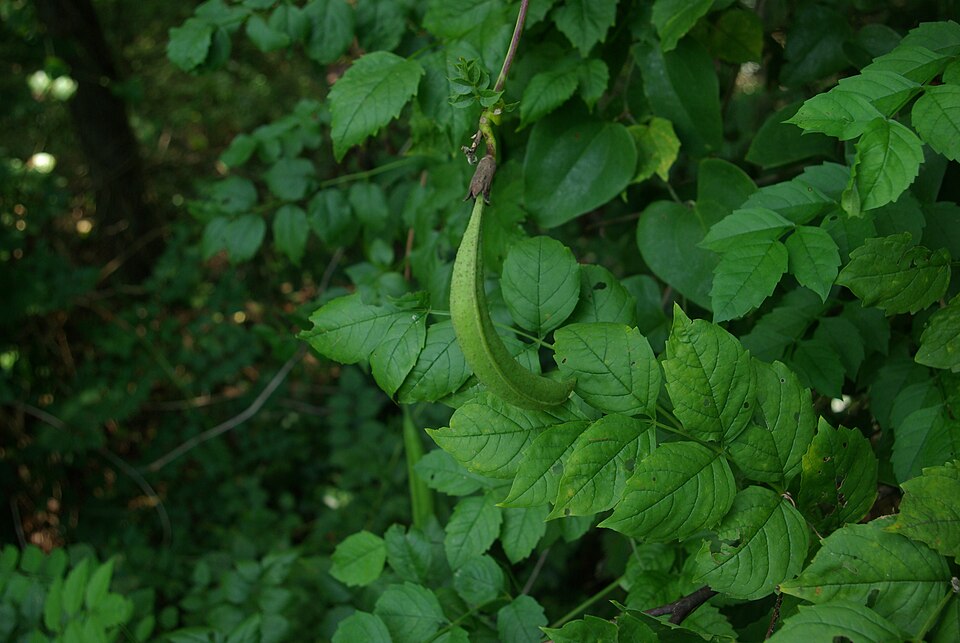
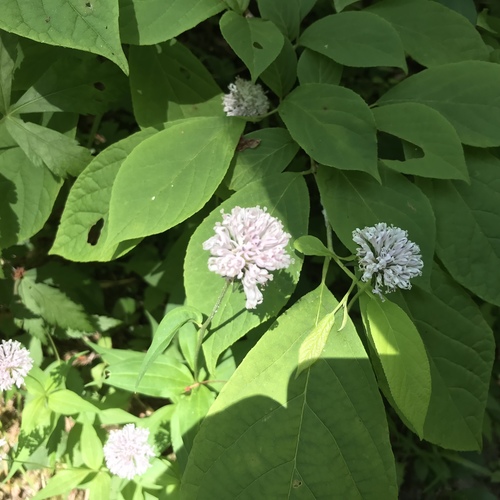
Wildlife 242
Other animals whose habitat models include the same habitats in Alabama. Not sighting records.
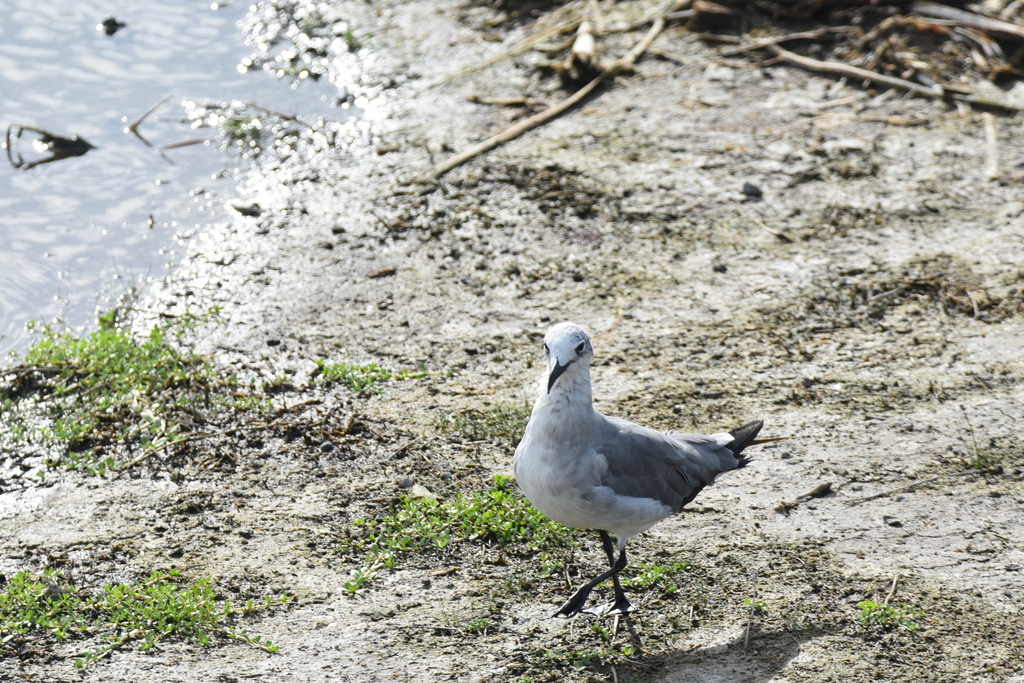
- Laughing GullLeucophaeus atricilla
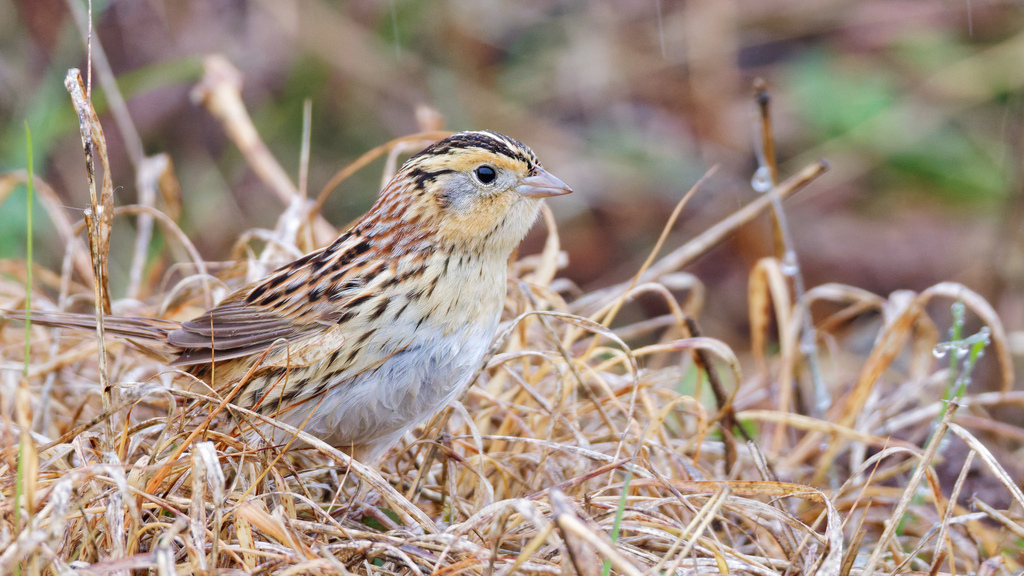
- Le Conte's SparrowAmmodramus leconteii
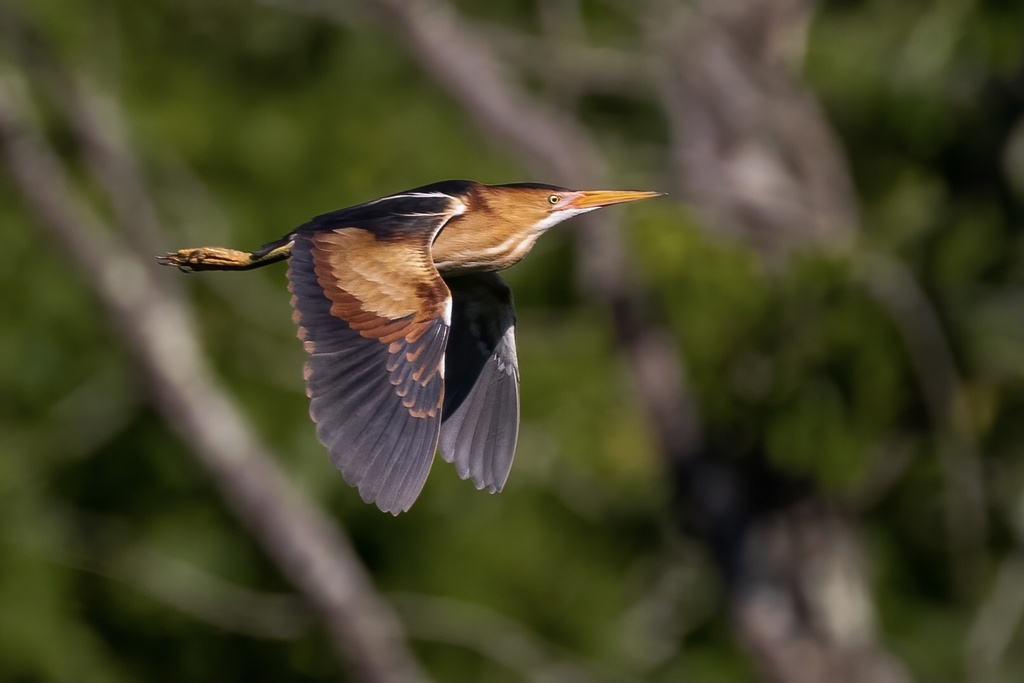
- Least BitternIxobrychus exilis
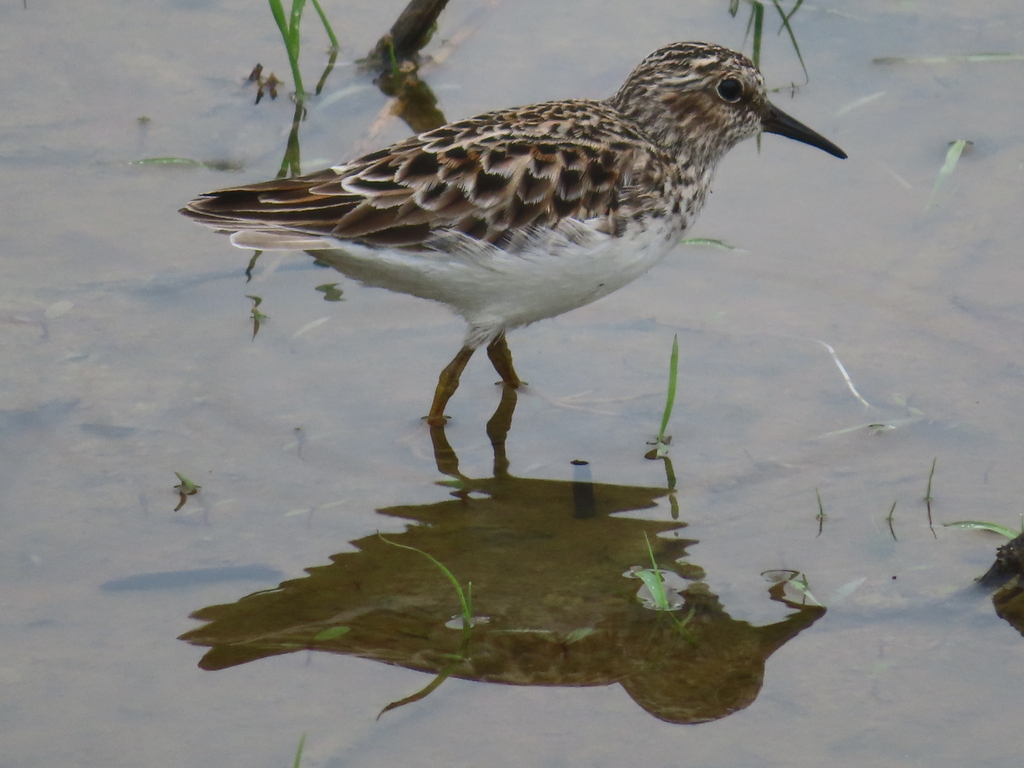
- Least SandpiperCalidris minutilla
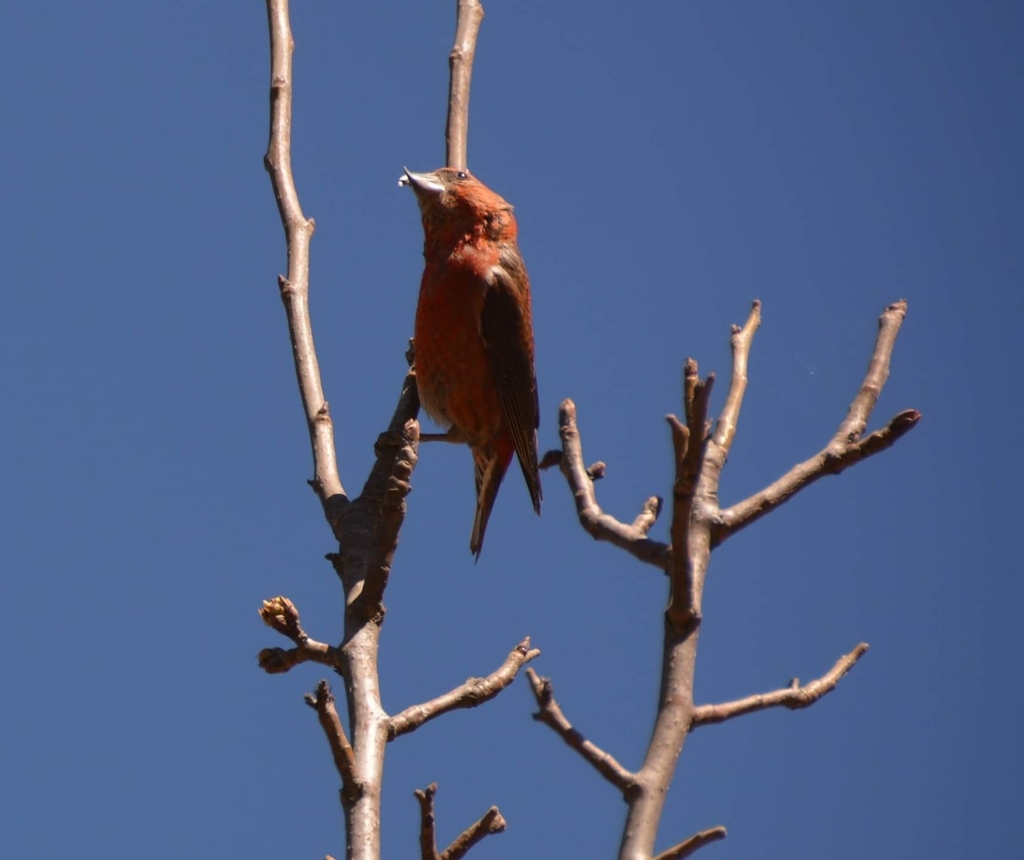
- Red CrossbillLoxia curvirostra
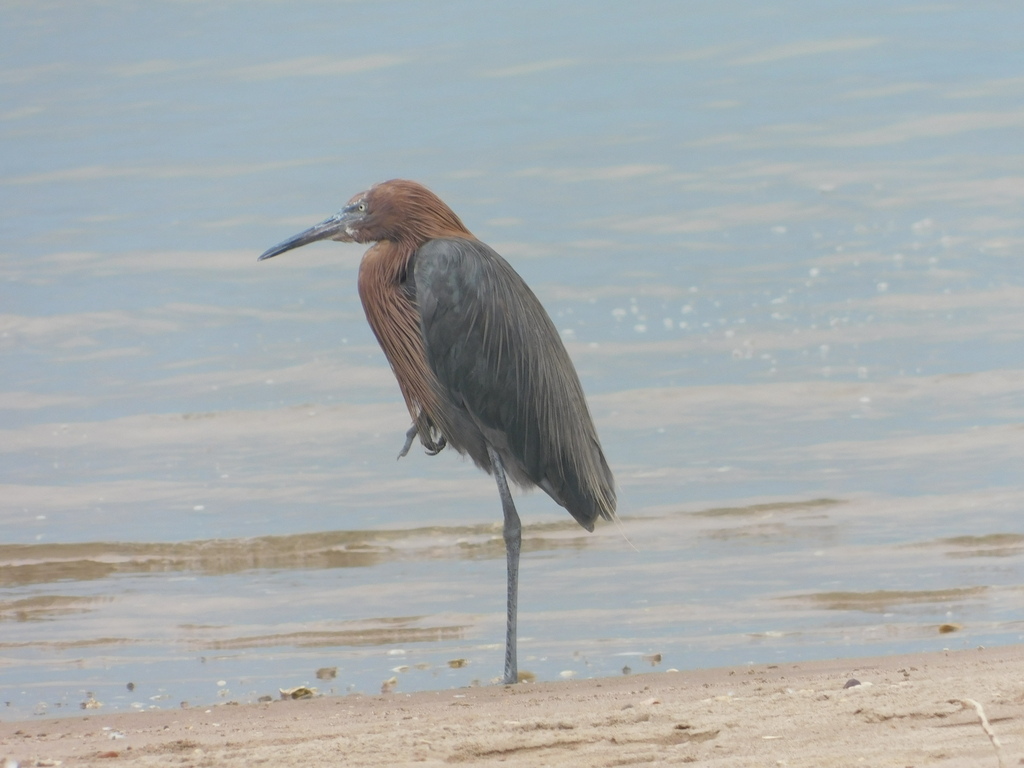
- Reddish EgretEgretta rufescens
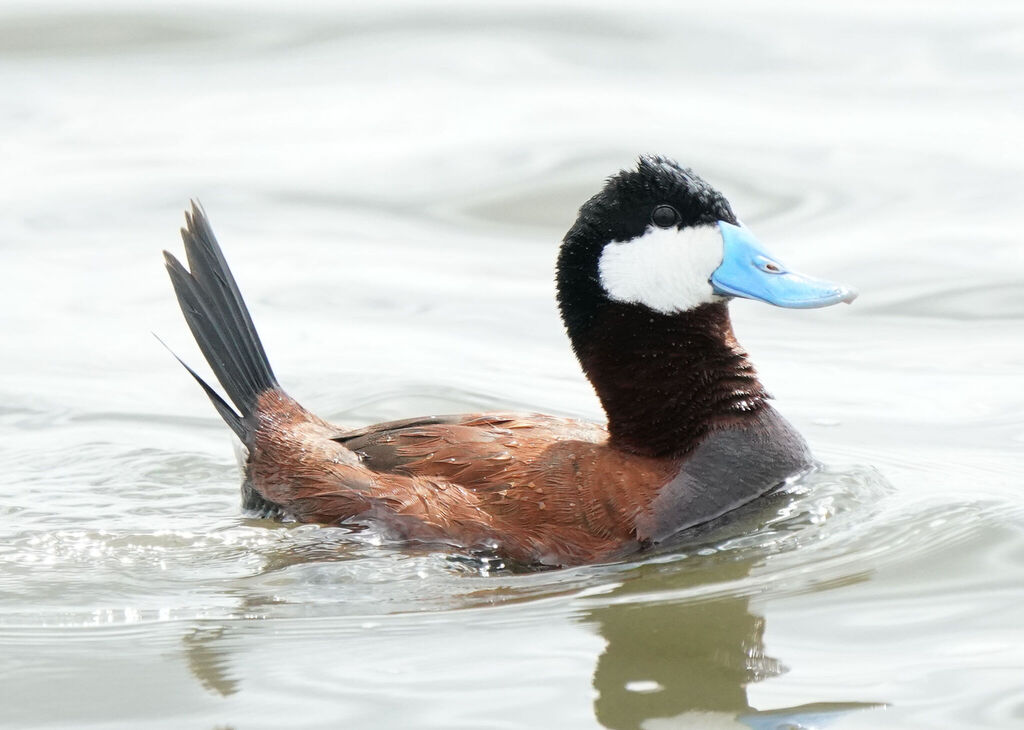
- Ruddy DuckOxyura jamaicensis
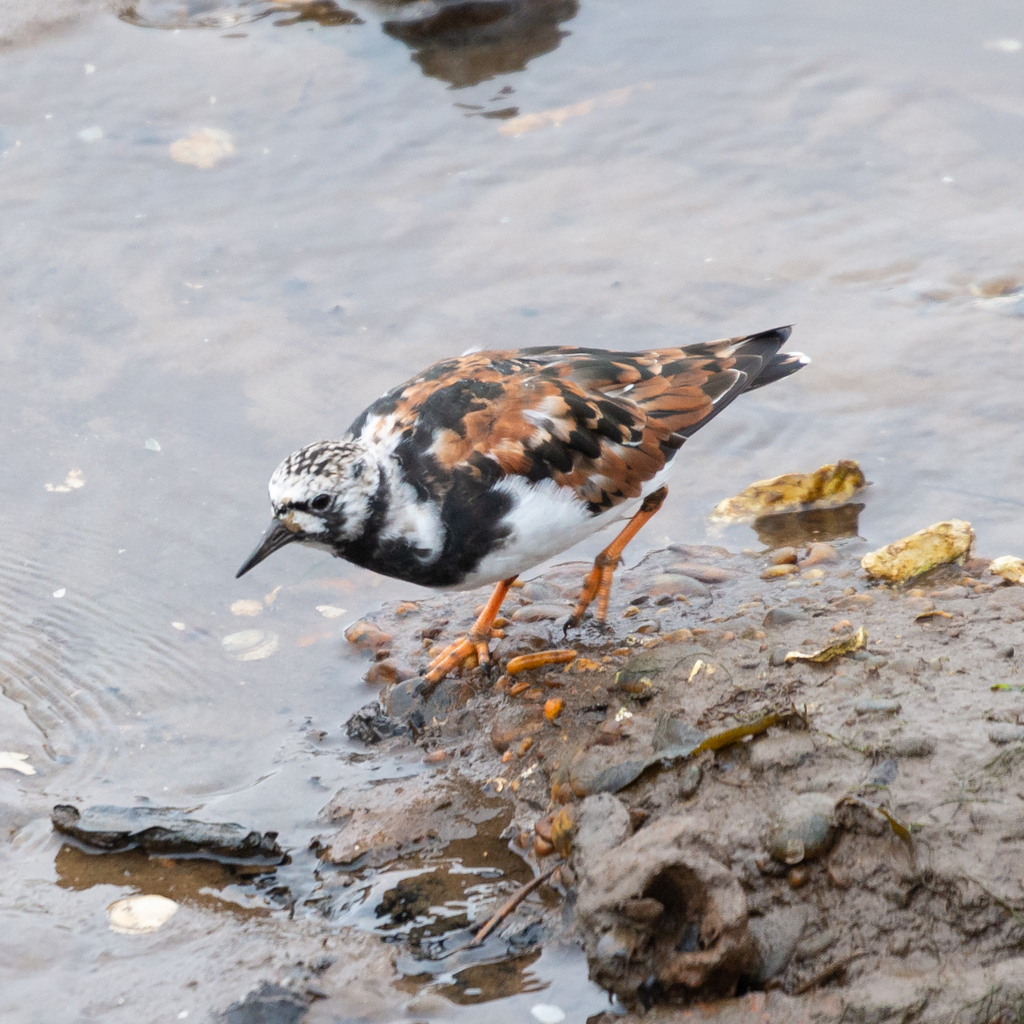
- Ruddy TurnstoneArenaria interpres
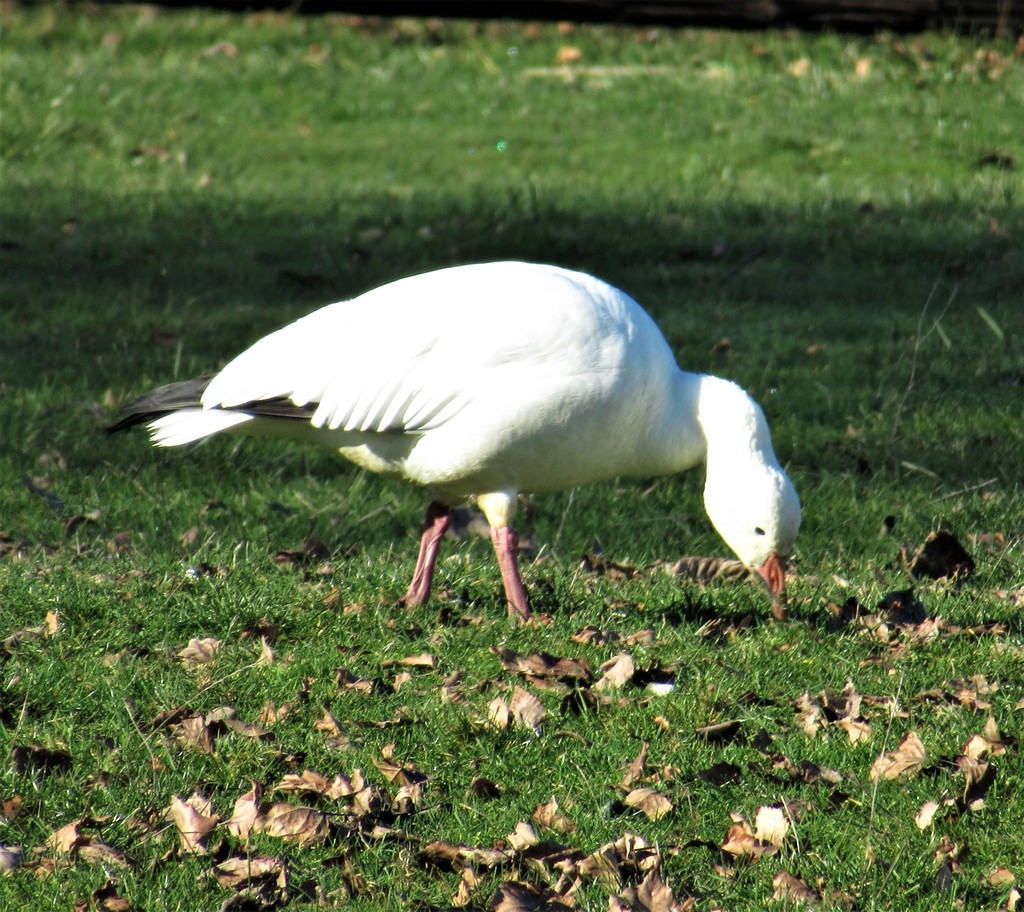
- Snow GooseChen caerulescens
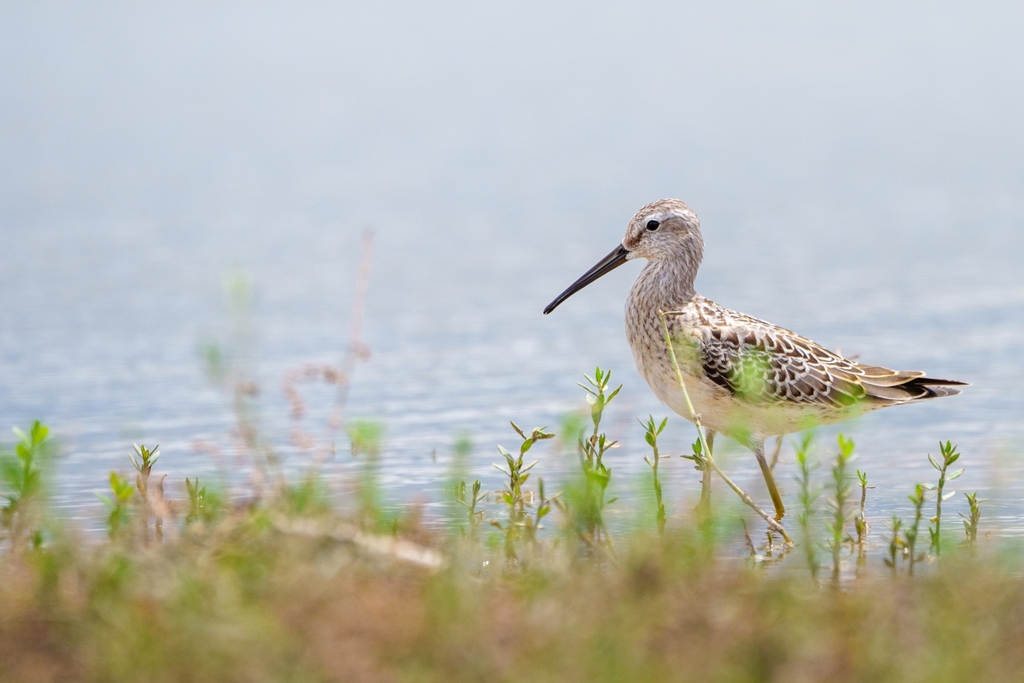
- Stilt SandpiperCalidris himantopus
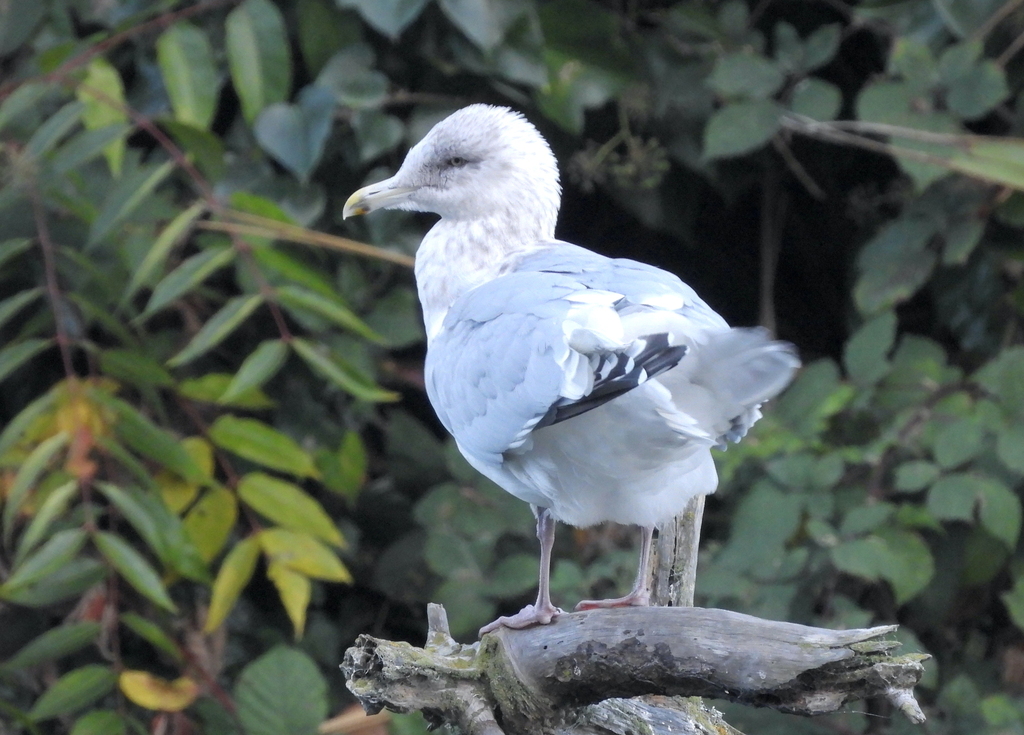
- Thayer's GullLarus thayeri
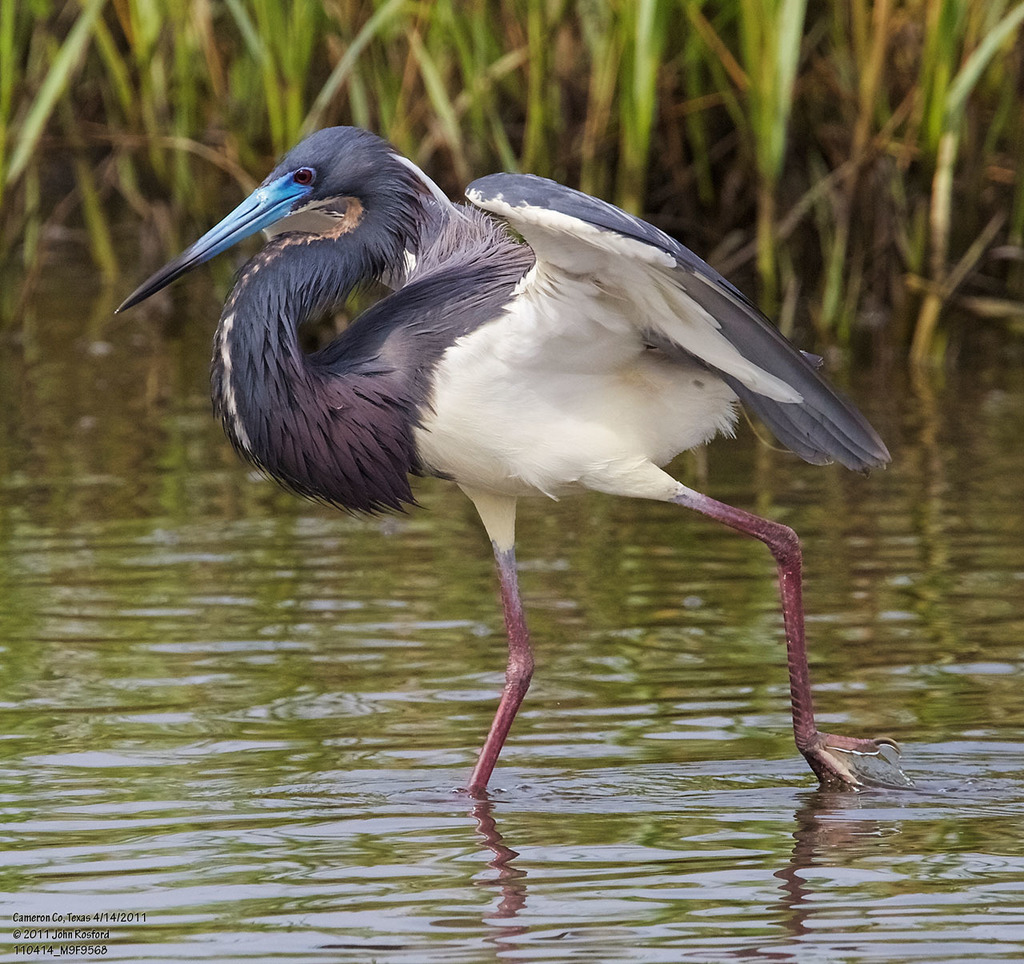
- Tricolored HeronEgretta tricolor
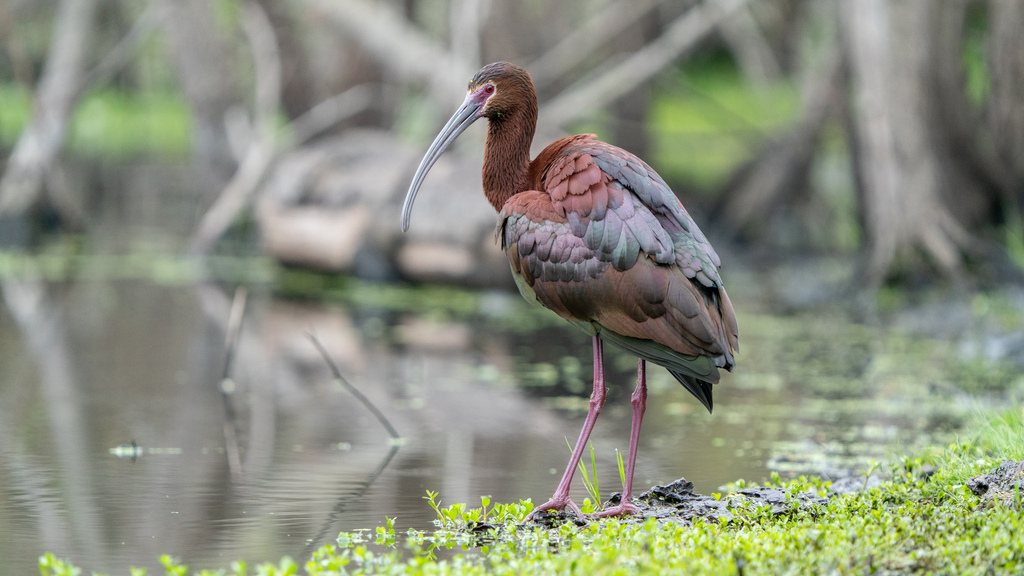
- White-faced IbisPlegadis chihi
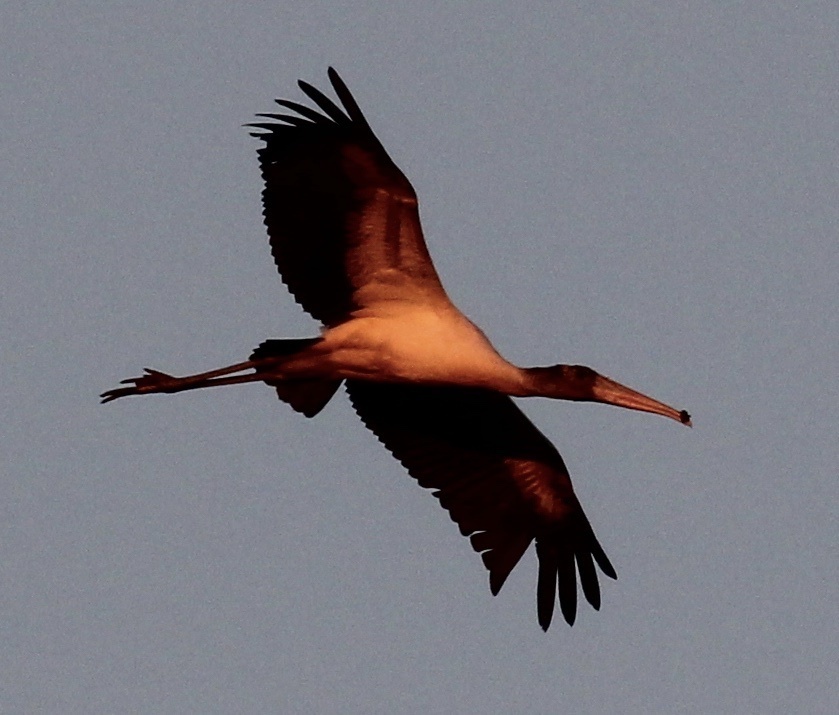
- Wood StorkMycteria americana
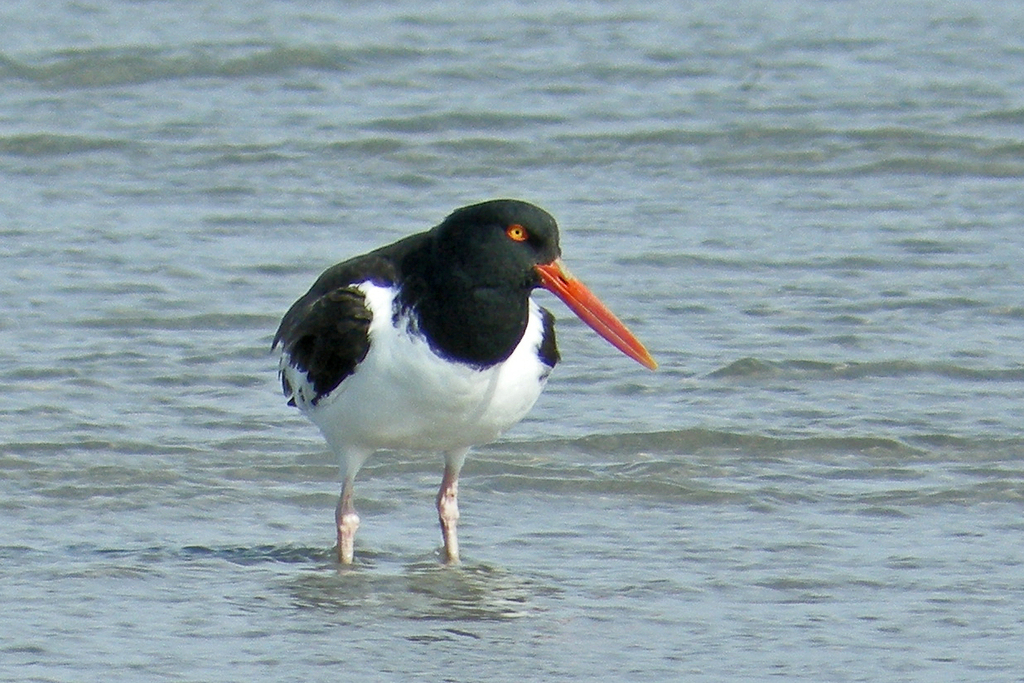
- American OystercatcherHaematopus palliatus
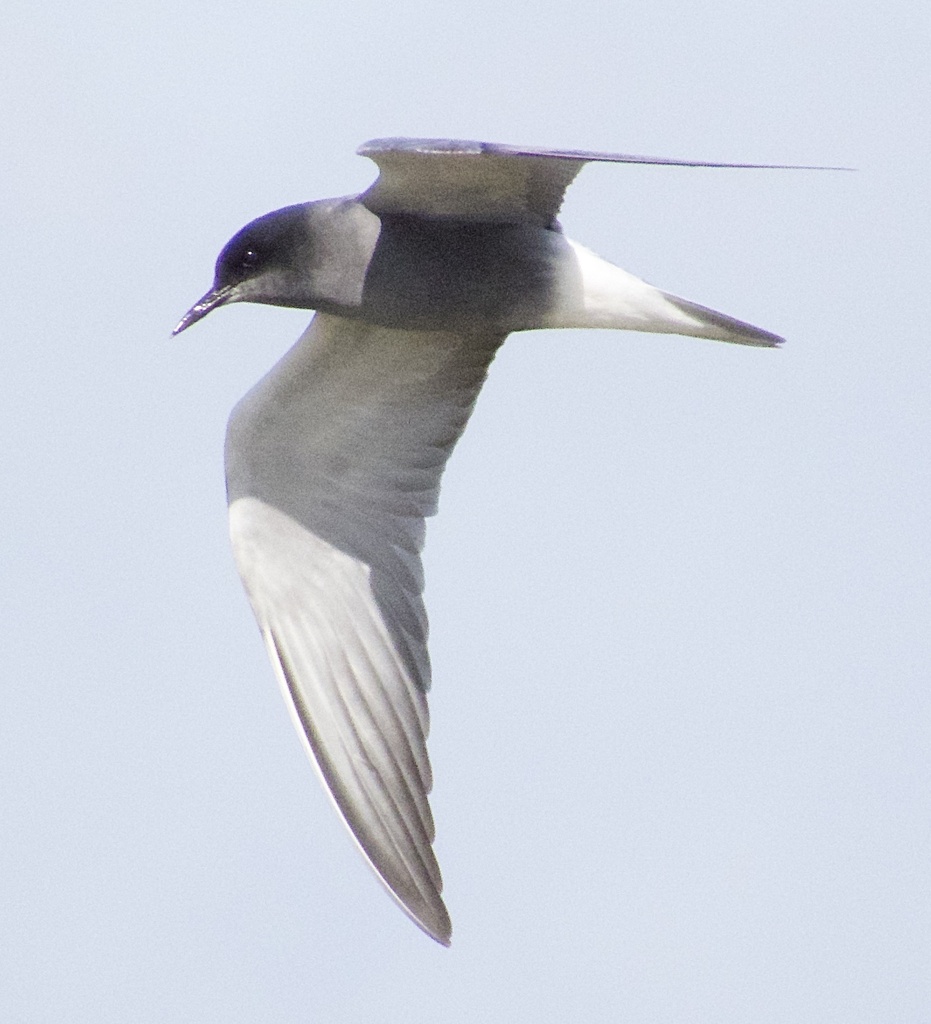
- Black TernChlidonias niger
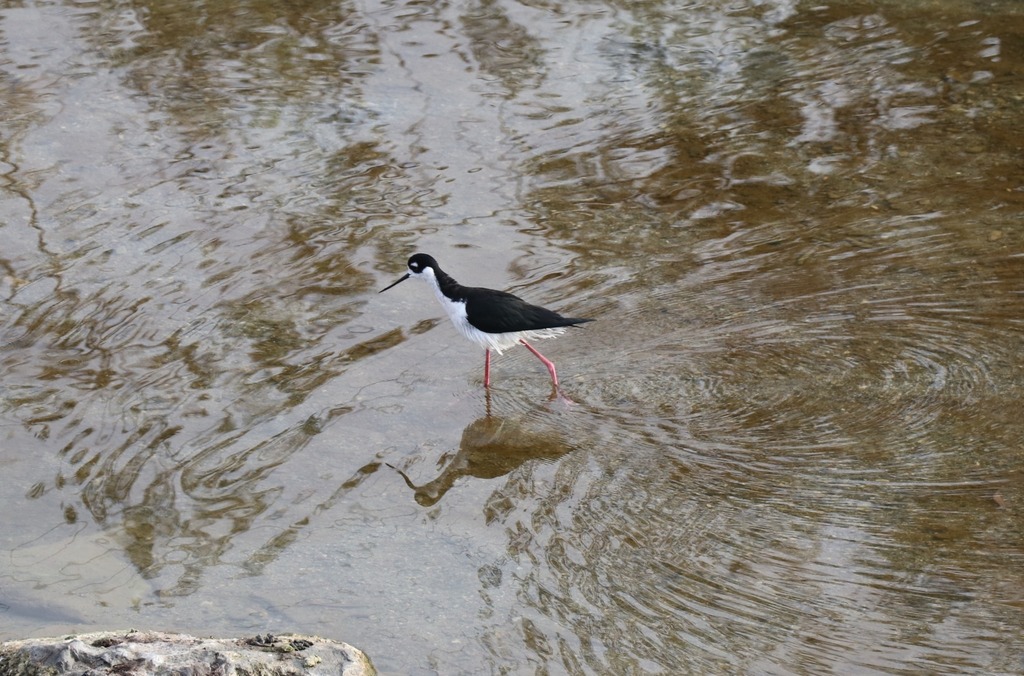
- Black-necked StiltHimantopus mexicanus
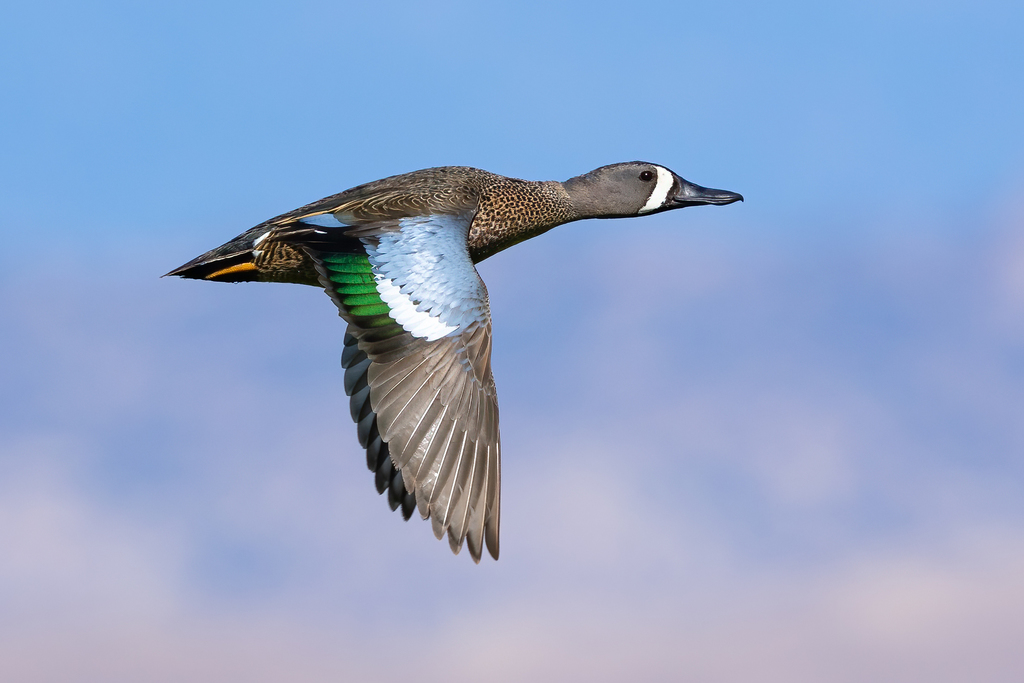
- Blue-winged TealAnas discors
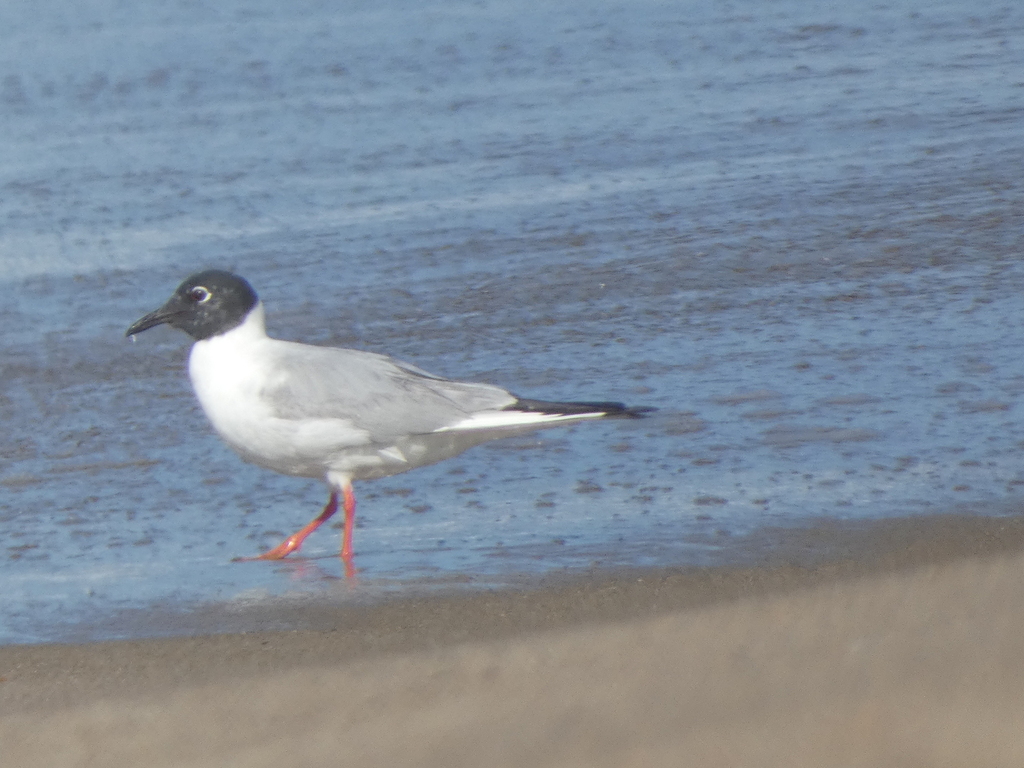
- Bonaparte's GullChroicocephalus philadelphia
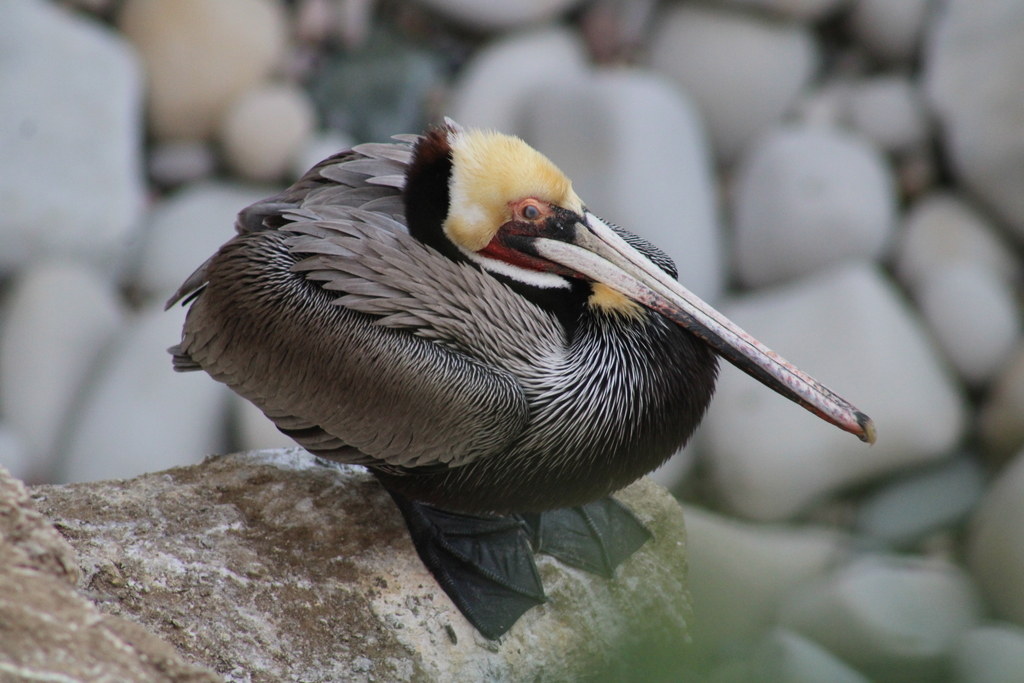
- Brown PelicanPelecanus occidentalis
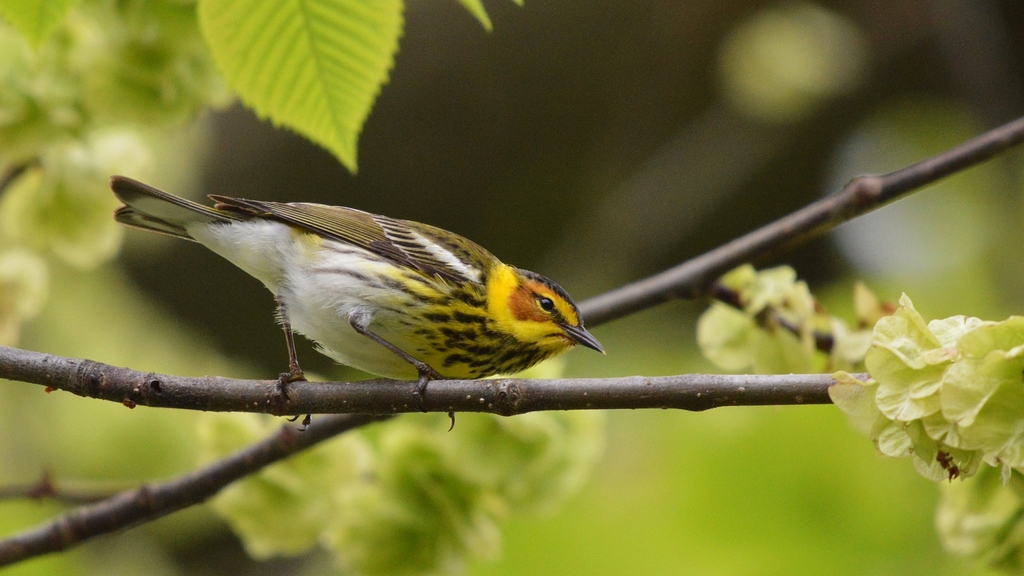
- Cape May WarblerDendroica tigrina
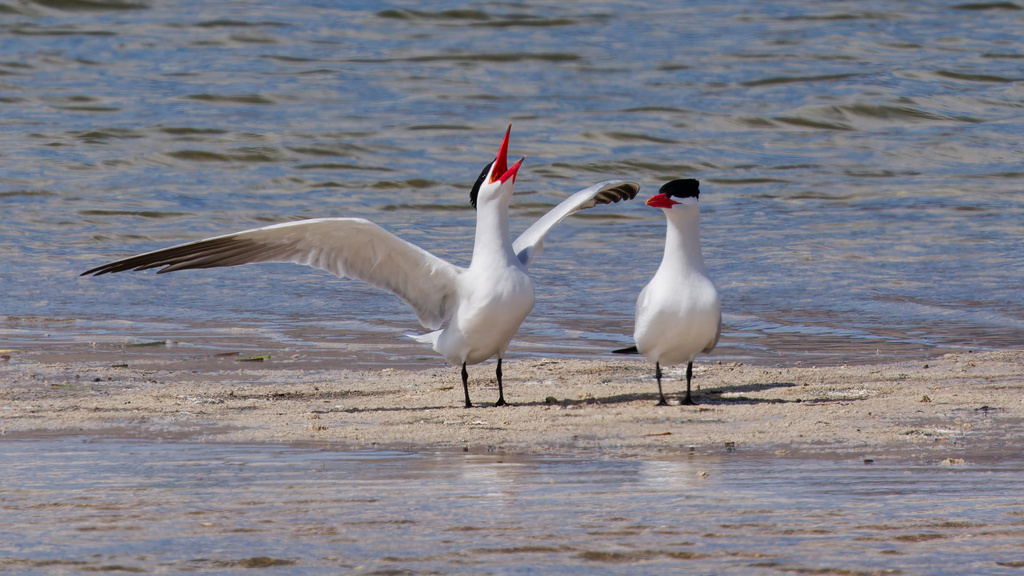
- Caspian TernHydroprogne caspia
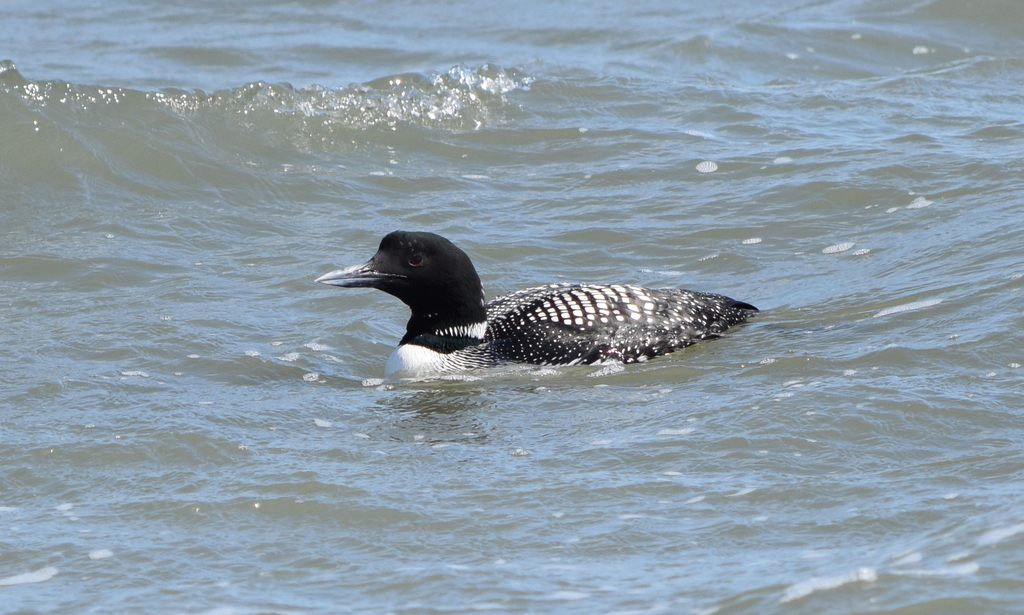
- Common LoonGavia immer
- Common TernSterna hirundo
NatureServe Explorer, CC BY 4.0. USGS Gap Analysis Project habitat models.
Sources
- USGS Gap Analysis Project habitat models (2001)
- USGS GAP summer habitat model for Alder Flycatcher
- USGS Gap Analysis Project range maps (2001), modeled by watershed; migratory gives no dates
- NatureServe Explorer (CC BY 4.0), habitat names
- US Census TIGER/Line counties
- Names follow the USGS Gap Analysis Project (2001)