

Bird
Alder Flycatcher
Empidonax alnorum
Passes through Alabama on migration. Found in 49 of 67 counties, across 8 habitats.
- Here
- On migration
- Nesting
- Not known to nest here
- Range
- 49 of 67 counties
- Habitats
- 8

At a glance
- Group
- Birds
- Here
- On migration
- Nesting
- Not known to nest here
- Range
- 49 of 67 counties
- Habitats
- 8
- Habitat models
- Summer
Where it lives
The places its habitat model includes. It is not found everywhere a habitat occurs.
Habitats in Alabama 8
Each habitat page lists the plants and wildlife also found there.
Streams, rivers and their banks
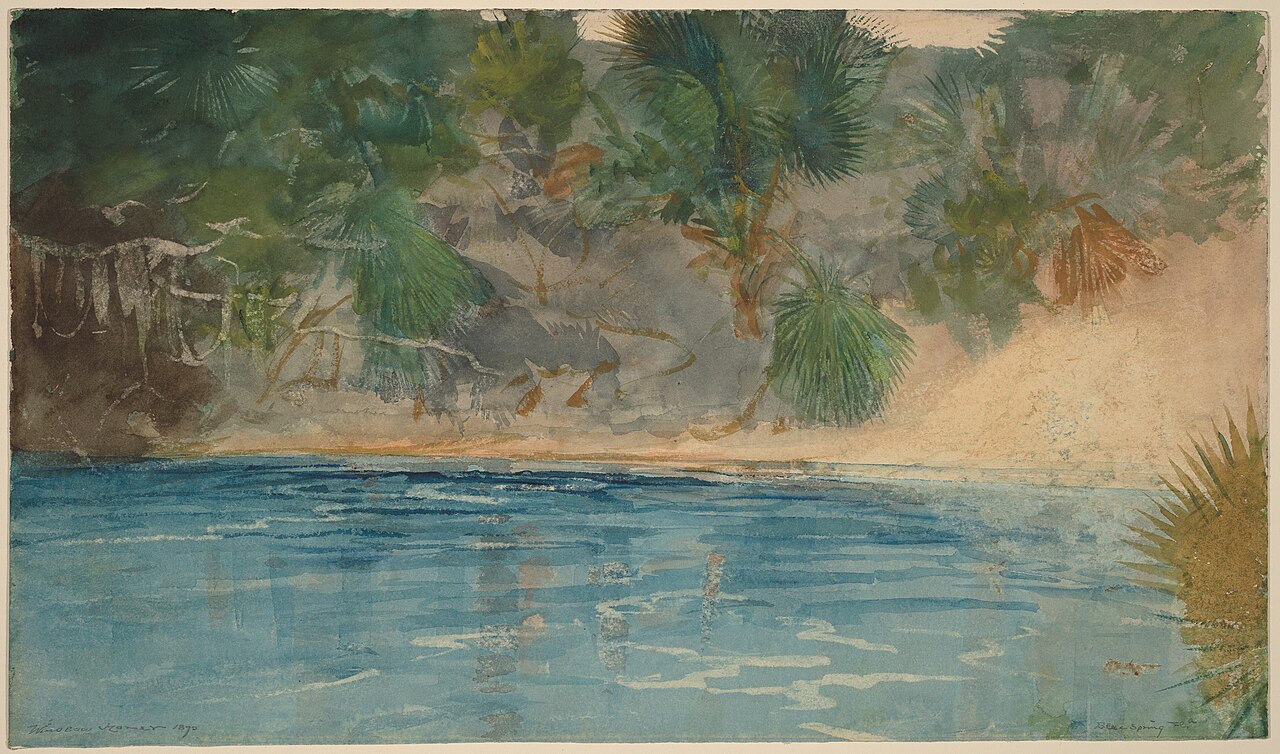
Disturbed and introduced wetlands
Wet ground taken over by weedy or introduced plants after disturbance, such as common reed, Chinese tallow or tamarisk stands; the upland counterpart is roadsides, fields and disturbed ground.
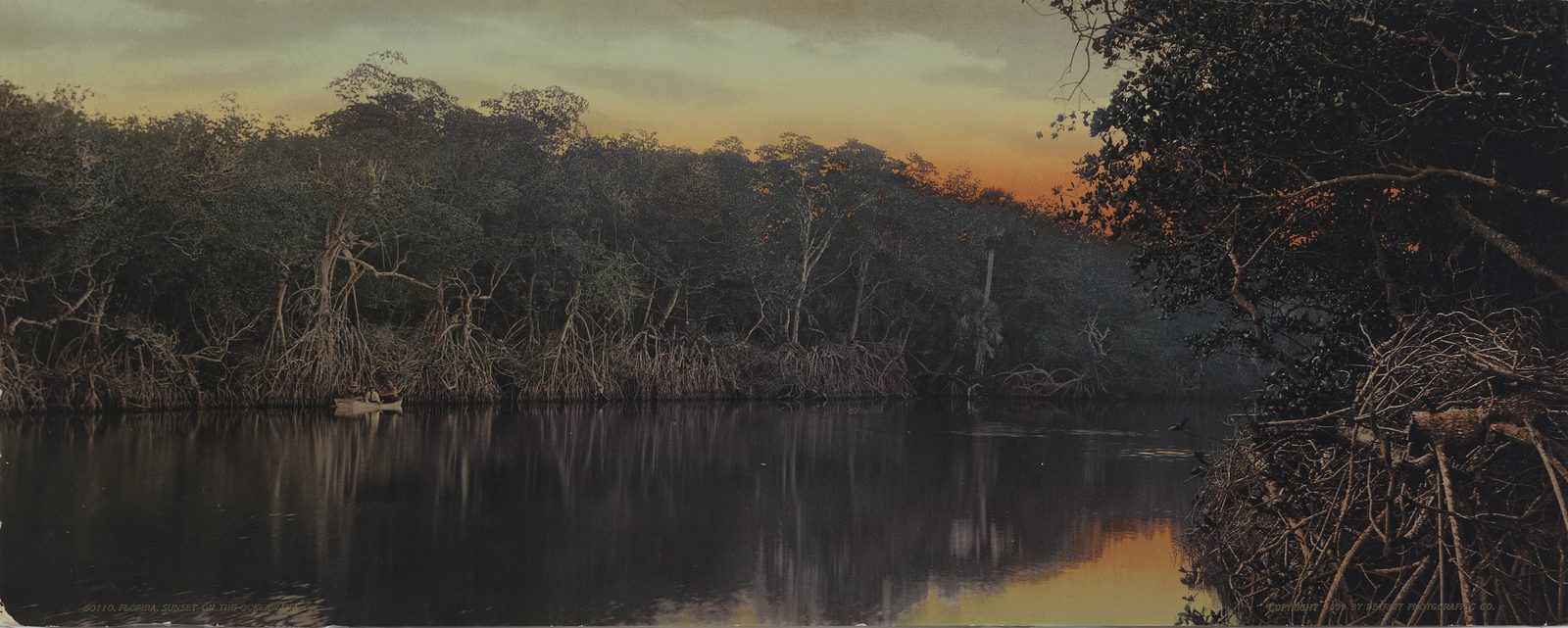
Floodplain and bottomland forests
Forests on low ground beside rivers and streams that flood from time to time.
Borders of forests, clearings and shrubby thickets.
Roadsides, fields and disturbed ground
Ground opened by people: roadsides, old fields, pastures, fencerows and lots.
Tree plantations and managed pine
Planted or intensively managed stands of pine or hardwoods grown for timber; a land use rather than a natural community.
Flat, poorly drained uplands and terraces with oaks, sweetgum and sometimes loblolly pine, wet in winter and dry in summer, but neither a floodplain nor a swamp.
Other habitats in its models (33)
Land cover, or classes with no habitat page in Alabama. Those recorded in Alabama first, the rest by region.
Elsewhere in the South (8)
- Crosstimbers Oak Forest and Woodland Summer, beside its main habitat.
- Ozark-Ouachita Dry-Mesic Oak Forest Summer, beside its main habitat.
- Ozark-Ouachita Mesic Hardwood Forest Summer, beside its main habitat.
- Ozark-Ouachita Riparian Summer.
- South-Central Interior / Upper Coastal Plain Flatwoods Summer, beside its main habitat.
- Southern and Central Appalachian Bog and Fen Summer.
- Southern and Central Appalachian Cove Forest Summer, beside its main habitat.
- Southern and Central Appalachian Oak Forest Summer, beside its main habitat.
Northeast (7)
- Appalachian Hemlock-Hardwood Forest Summer, beside its main habitat.
- Central Appalachian Oak and Pine Forest Summer, beside its main habitat.
- Eastern Boreal Floodplain Summer.
- North-Central Interior Wet Flatwoods Summer, beside its main habitat.
- Northeastern Interior Dry-Mesic Oak Forest Summer, beside its main habitat.
- Northern Atlantic Coastal Plain Basin Swamp and Wet Hardwood Forest Summer, beside its main habitat.
- Northern Atlantic Coastal Plain Dry Hardwood Forest Summer, beside its main habitat.
Midwest (3)
- Boreal Aspen-Birch Forest Summer, beside its main habitat.
- North-Central Interior Beech-Maple Forest Summer, beside its main habitat.
- North-Central Interior Maple-Basswood Forest Summer, beside its main habitat.
Land cover and other classes (15)
- Atlantic Coastal Plain Nonriverine Swamp and Wet Hardwood Forest - Oak Dominated Modifier Summer, beside its main habitat.
- Boreal Acidic Peatland Systems Summer.
- Boreal White Spruce-Fir-Hardwood Forest Summer, beside its main habitat.
- Central Appalachian Floodplain - Forest Modifier Summer.
- Central Appalachian Riparian - Forest Modifier Summer.
- Central Interior and Appalachian Shrub-Herbaceous Wetland Systems Summer.
- Eastern Great Plains Floodplain Systems Summer.
- Eastern Great Plains Wet Meadow, Prairie, and Marsh Summer.
- Introduced Upland Vegetation - Shrub Summer.
- Recently Burned Summer.
- Recently Burned Forest Summer.
- Recently Burned Shrubland Summer.
- Recently Logged Areas Summer.
- South-Central Interior Large Floodplain - Herbaceous Modifier Summer.
- Southern Appalachian Grass and Shrub Bald - Shrub Modifier Summer.
Seasons in Alabama
- Migratory: does not nest here, in 49 of 67 counties.
Also found in its main habitats
Its main habitats in Alabama, by how much of its habitat model each one is, with the birds most characteristic of each and the plants that grow wild there. Shared habitat, not food.
Floodplain and bottomland forests
Birds 104
- Black-throated Blue WarblerDendroica caerulescens
- Willow FlycatcherEmpidonax traillii
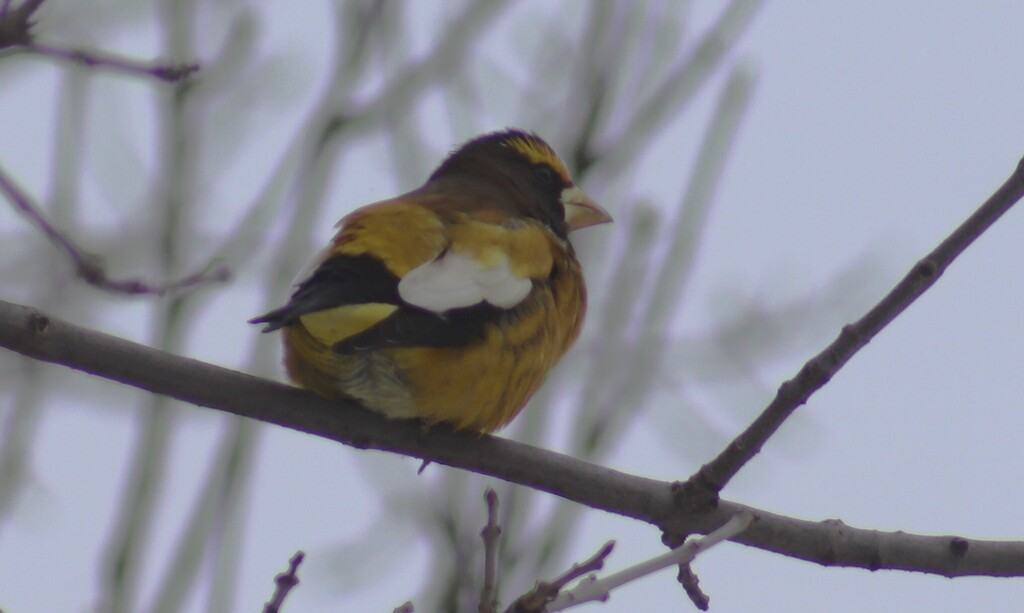
- Evening GrosbeakCoccothraustes vespertinus
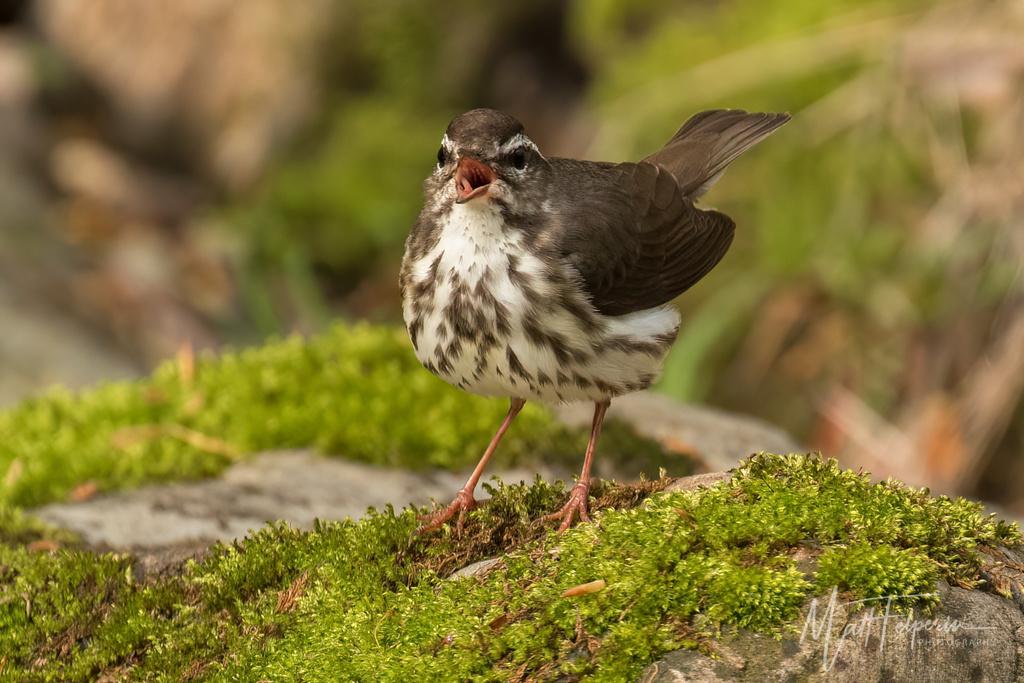
- Louisiana WaterthrushSeiurus motacilla
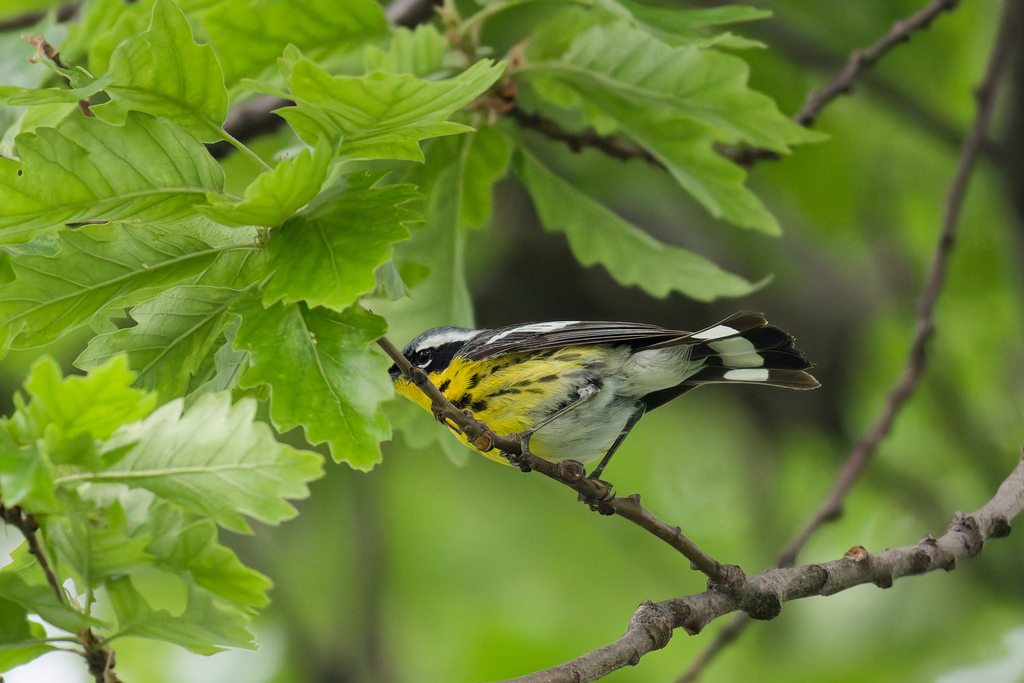
- Magnolia WarblerDendroica magnolia
- OvenbirdSeiurus aurocapilla
- Red-breasted NuthatchSitta canadensis
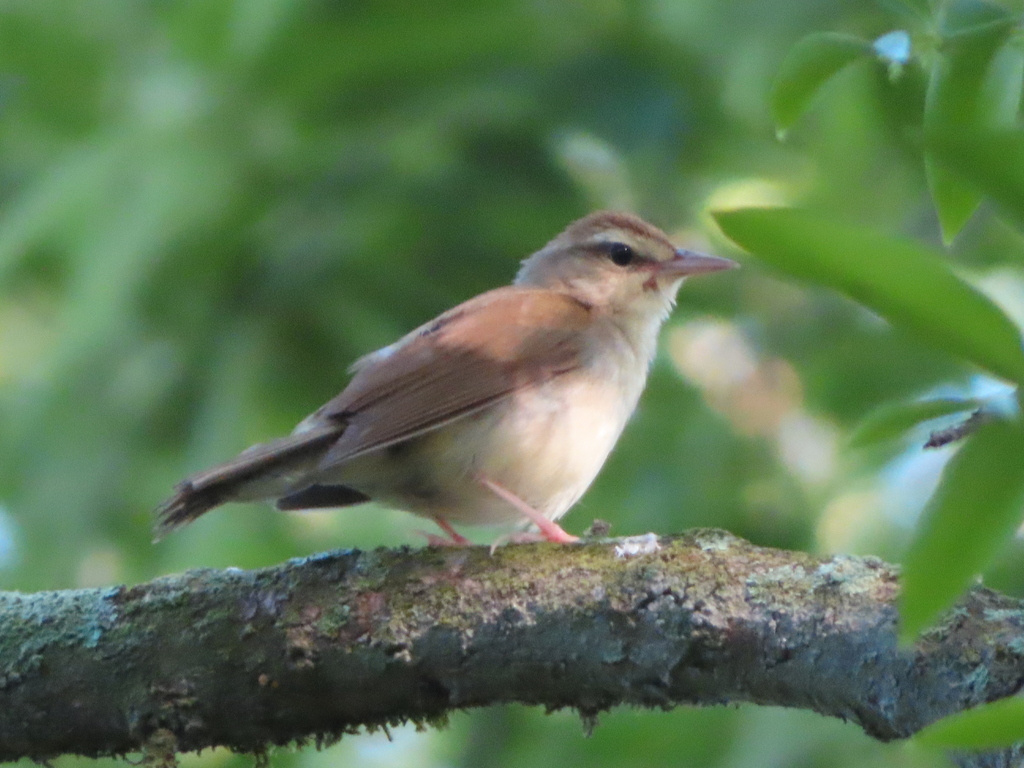
- Swainson's WarblerLimnothlypis swainsonii
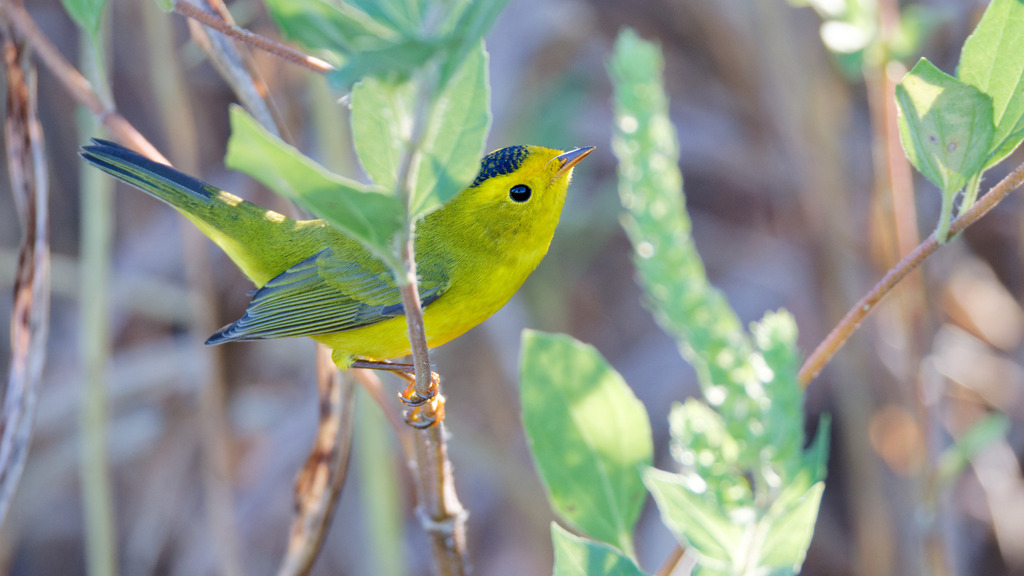
- Wilson's WarblerWilsonia pusilla
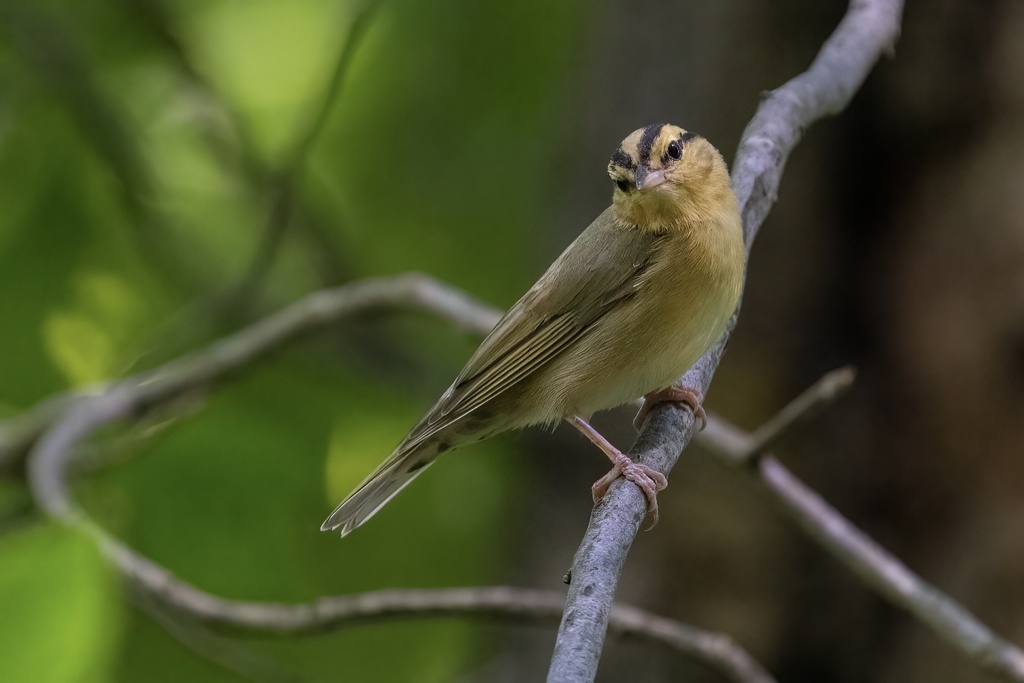
- Worm-eating WarblerHelmitheros vermivorum
- American WoodcockScolopax minor
- AnhingaAnhinga anhinga




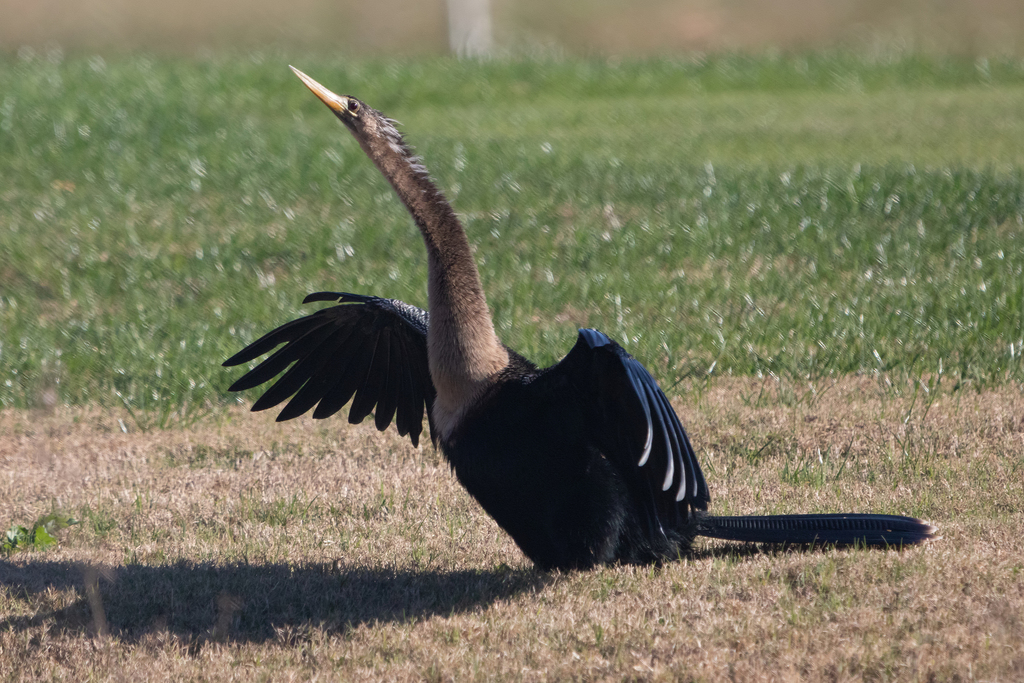
Plants 418
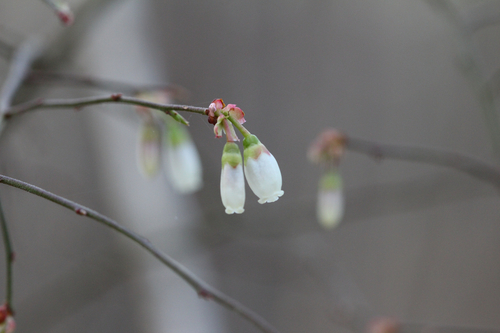
- Elliott's BlueberryVaccinium elliottii
- White Panicled Aster; Eastern Lined AsterSymphyotrichum lanceolatum var. latifolium
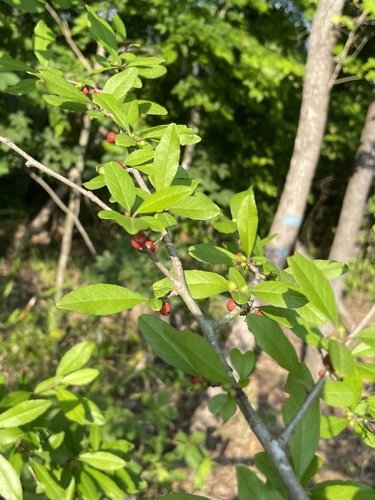
- Possumhaw HollyIlex decidua
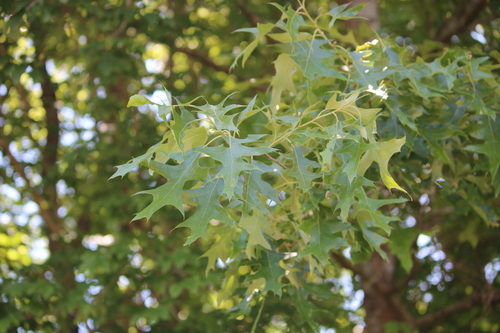
- Cherrybark OakQuercus pagoda
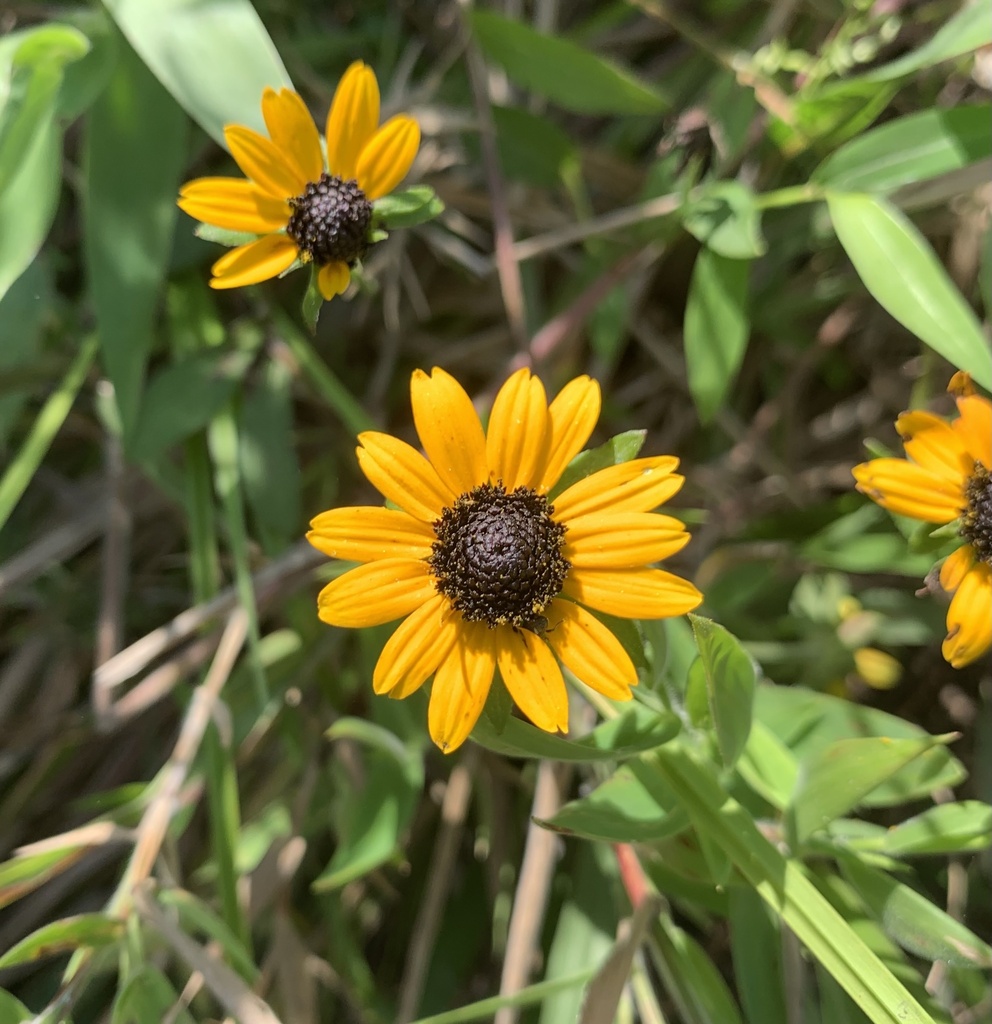
- Appalachian Orange ConeflowerRudbeckia umbrosa
- Rudbeckia fulgida var. spathulataRudbeckia spathulata
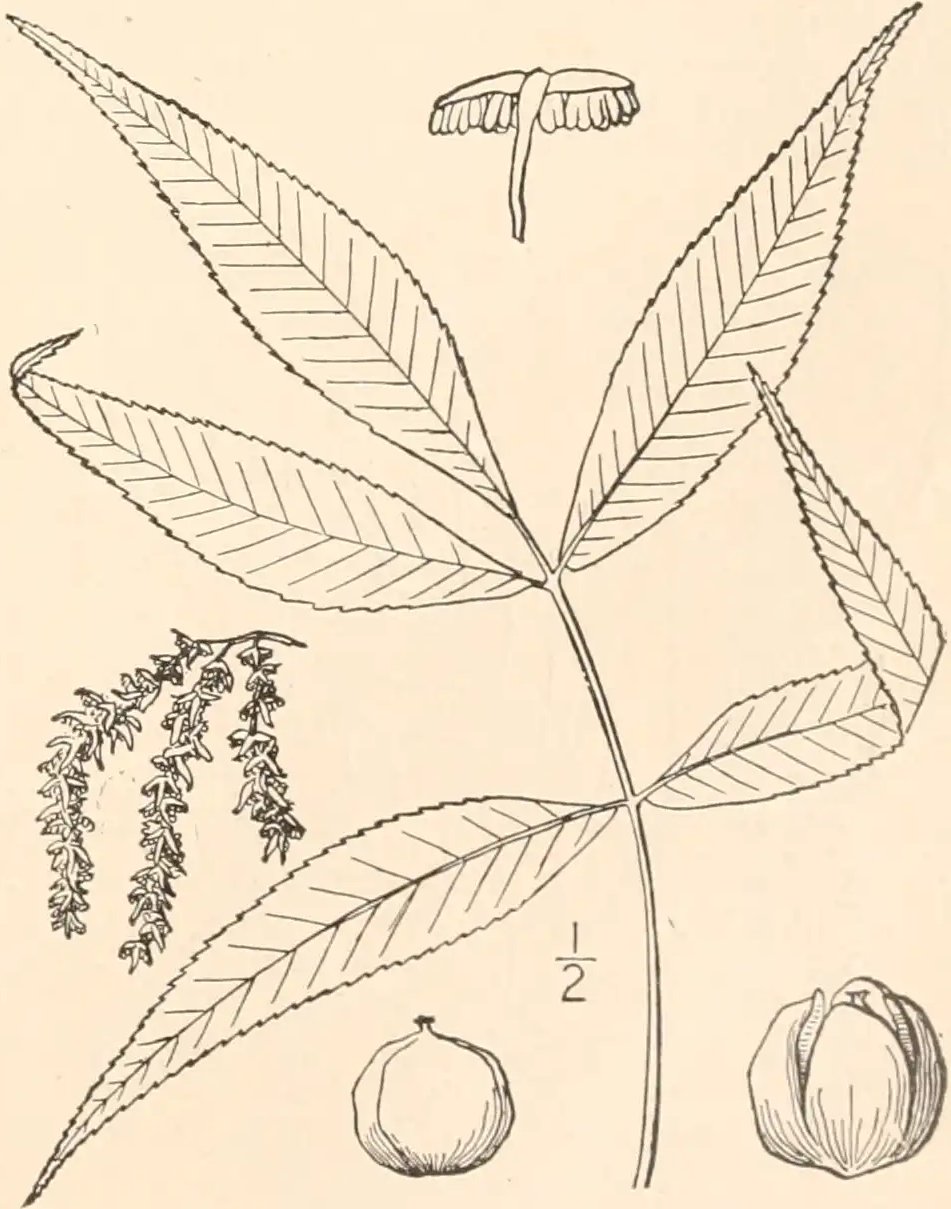
- Shagbark HickoryCarya ovata
- Southern Shagbark HickoryCarya carolinae-septentrionalis
- Spruce Pine; Walters Pine; Cedar PinePinus glabra
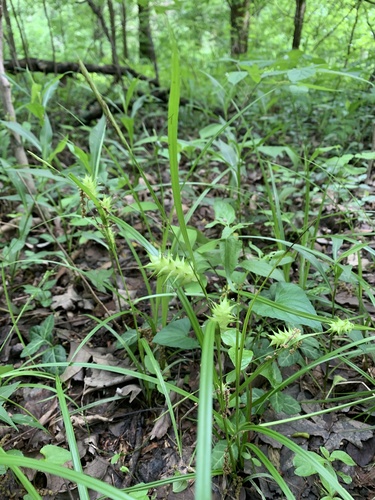
- Spreading SedgeCarex laxiculmis
- Louisiana SedgeCarex louisianica
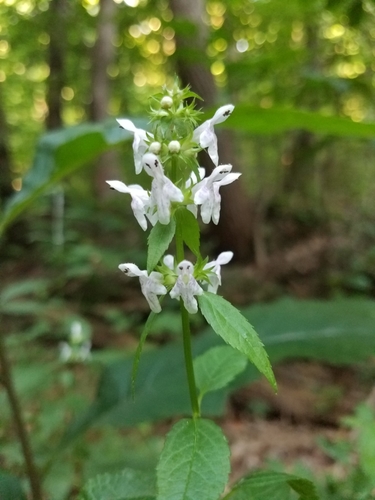
- Smooth Hedge-nettleStachys tenuifolia
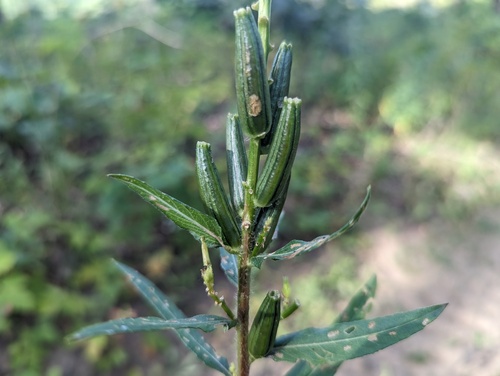
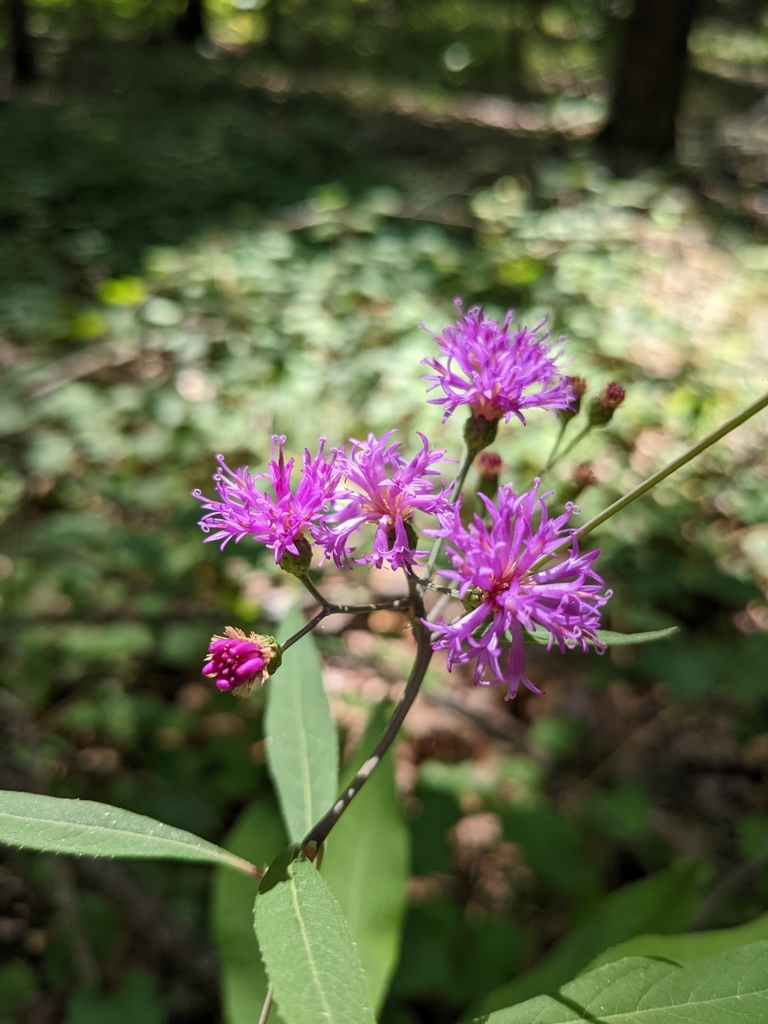
Forest edges and thickets
Birds 68
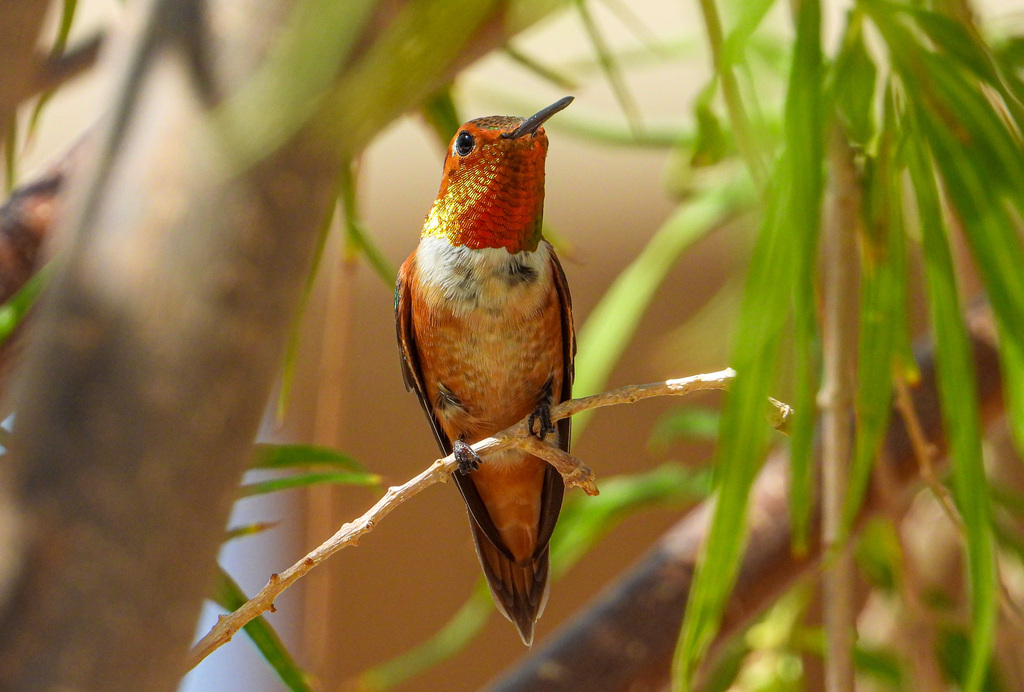
- Rufous HummingbirdSelasphorus rufus
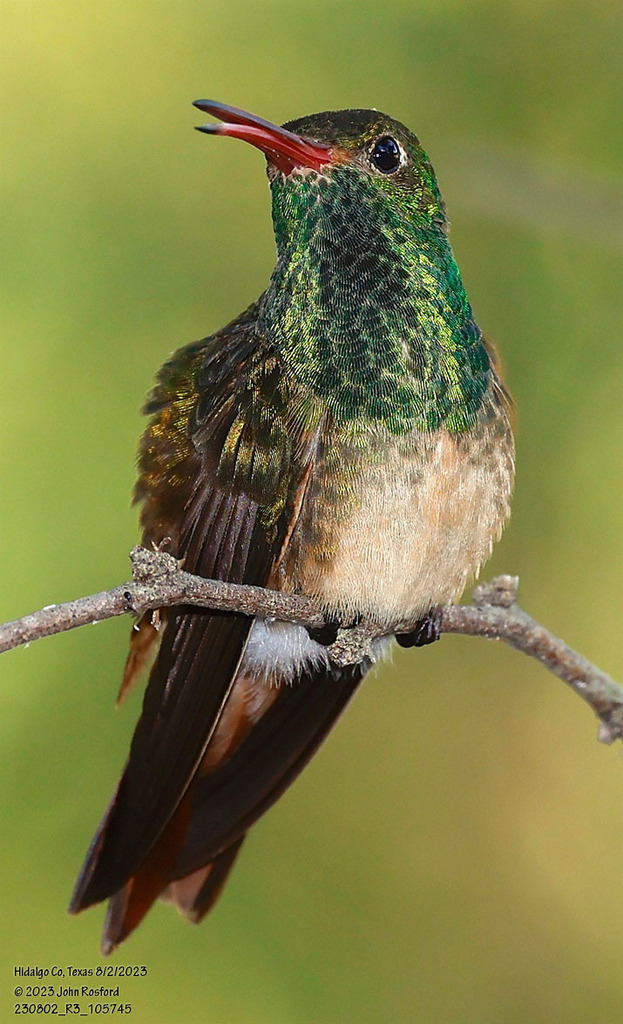
- Buff-bellied HummingbirdAmazilia yucatanensis
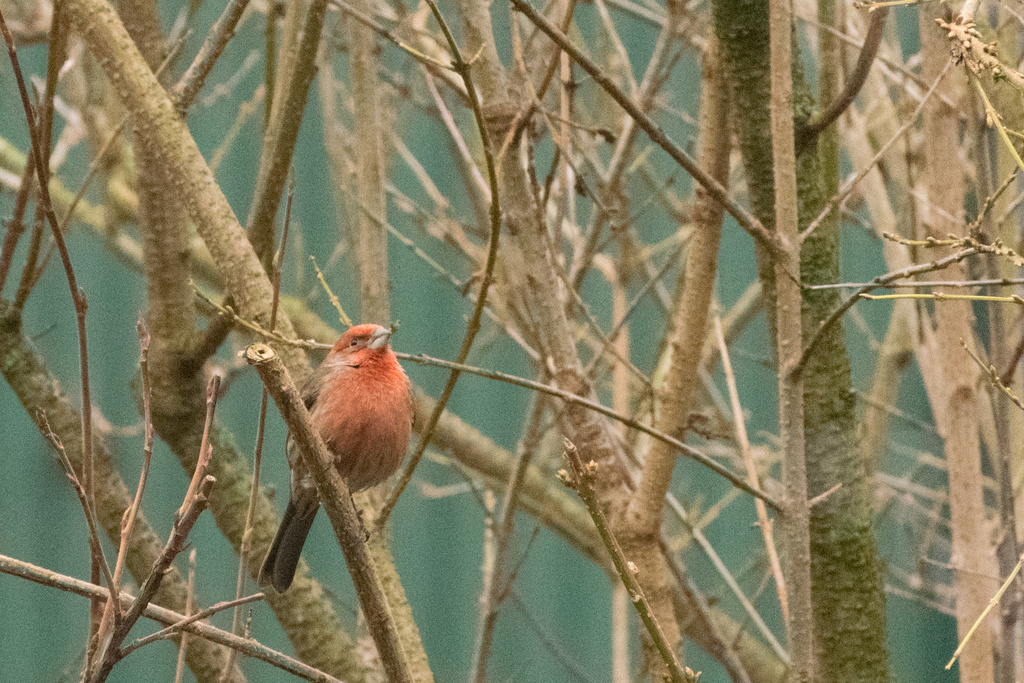
- House FinchCarpodacus mexicanus
- Vesper SparrowPooecetes gramineus
- Willow FlycatcherEmpidonax traillii
- Magnolia WarblerDendroica magnolia
- Western MeadowlarkSturnella neglecta
- Wilson's WarblerWilsonia pusilla
- Field SparrowSpizella pusilla
- American WoodcockScolopax minor
- Barn SwallowHirundo rustica
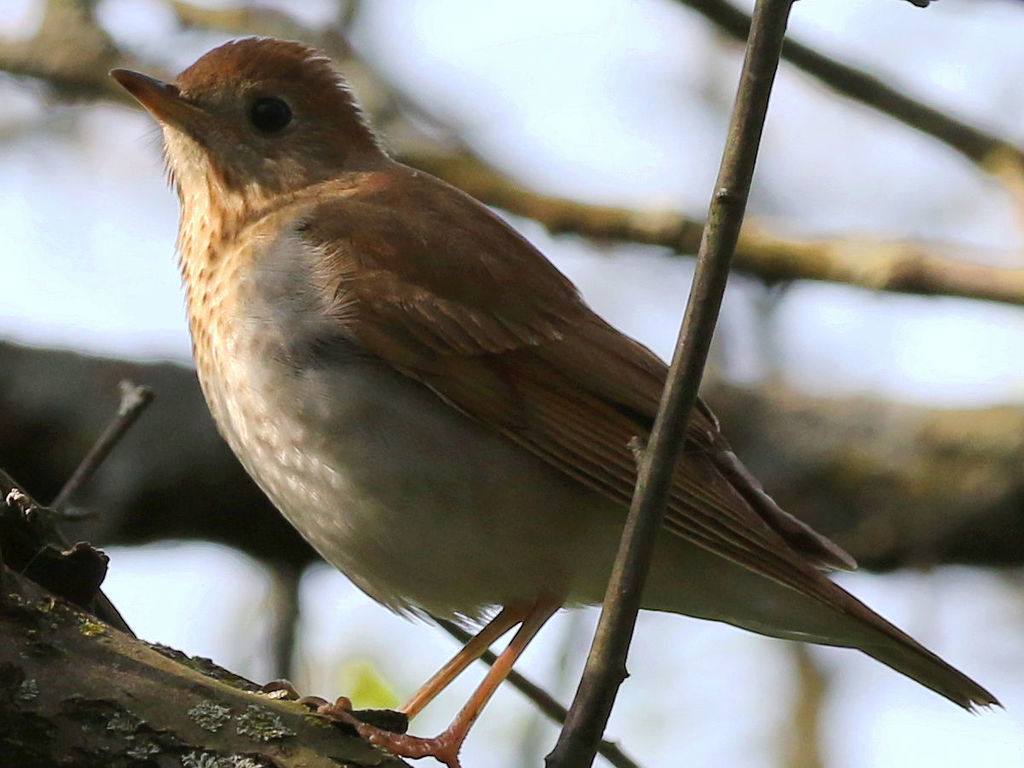
- VeeryCatharus fuscescens
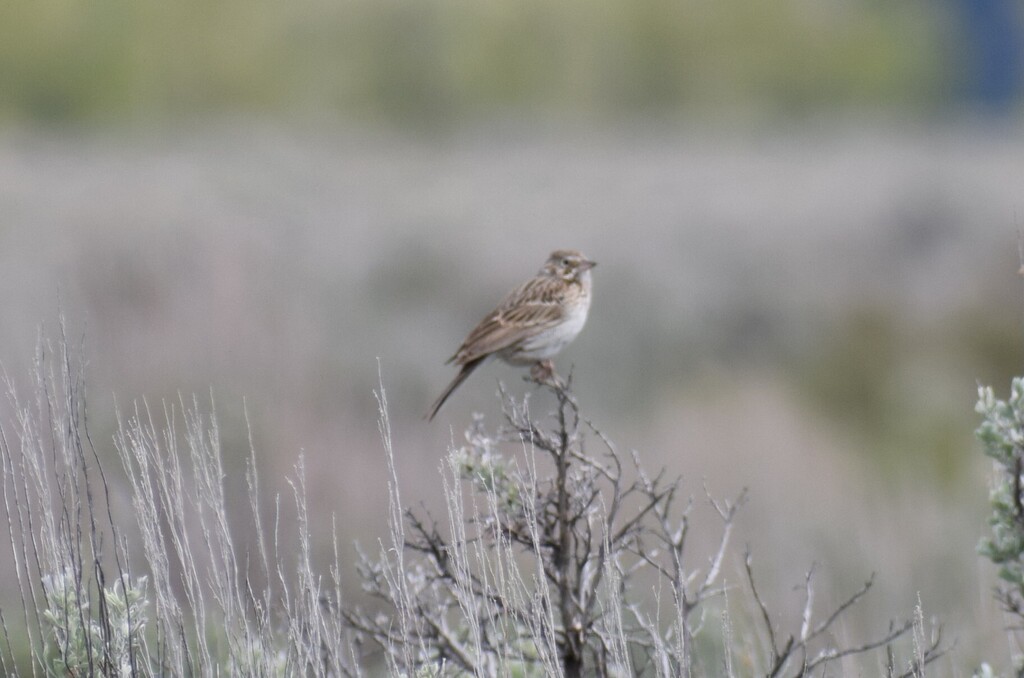
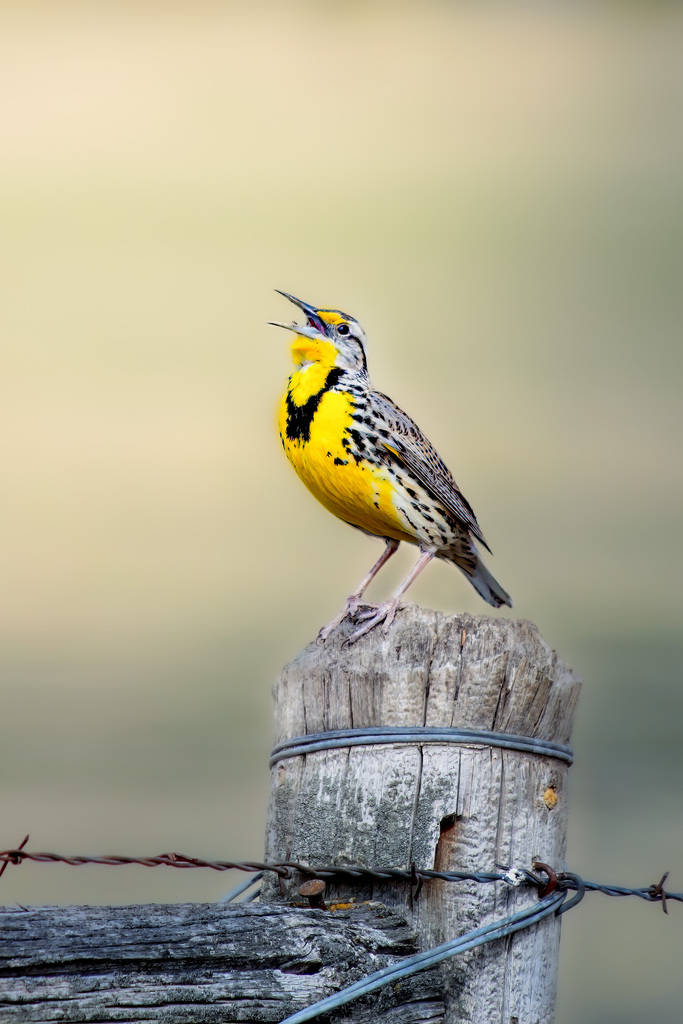
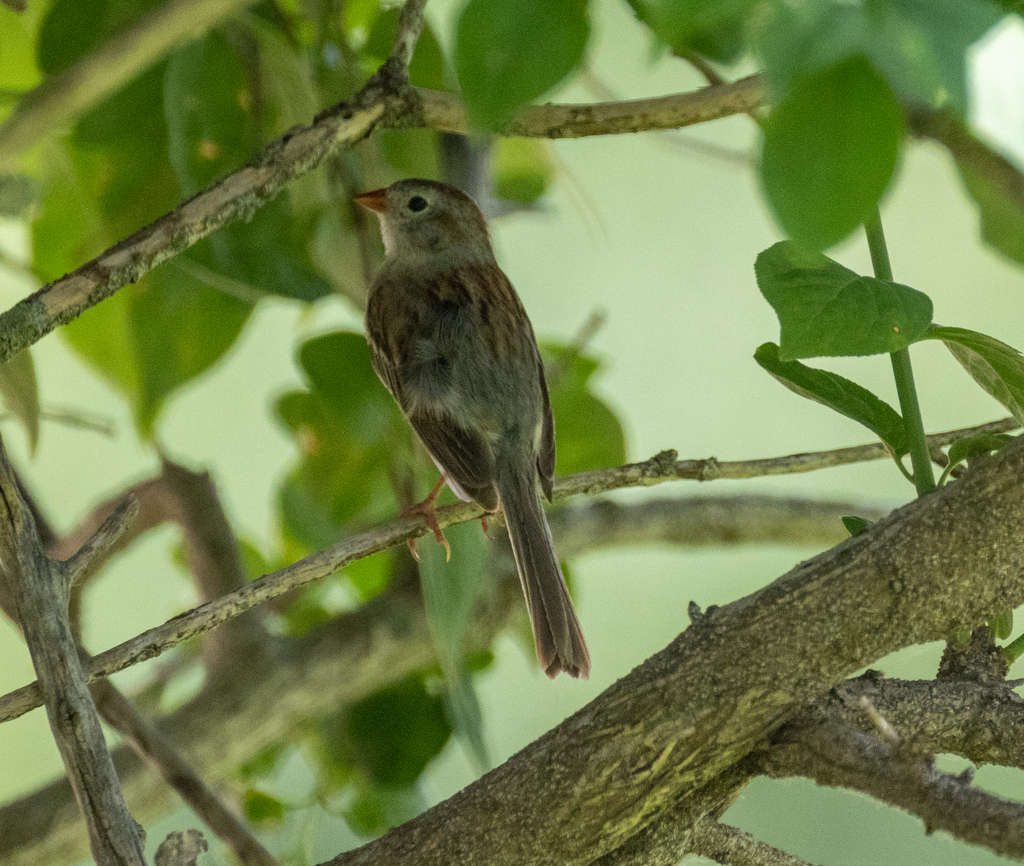
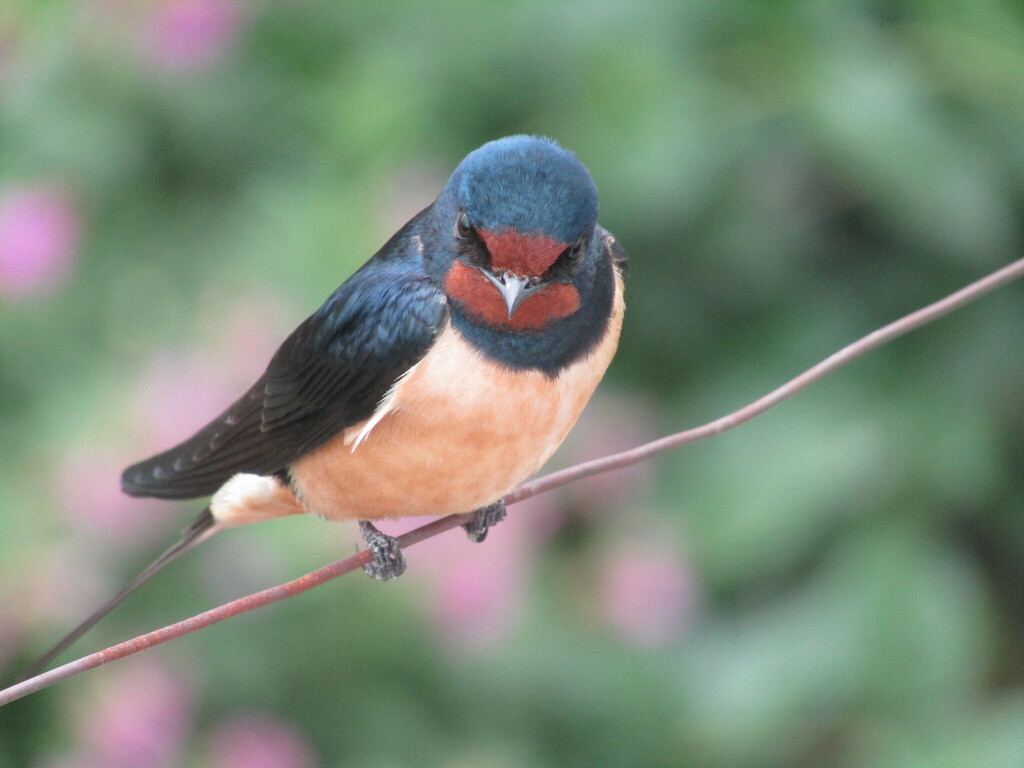
Plants 209
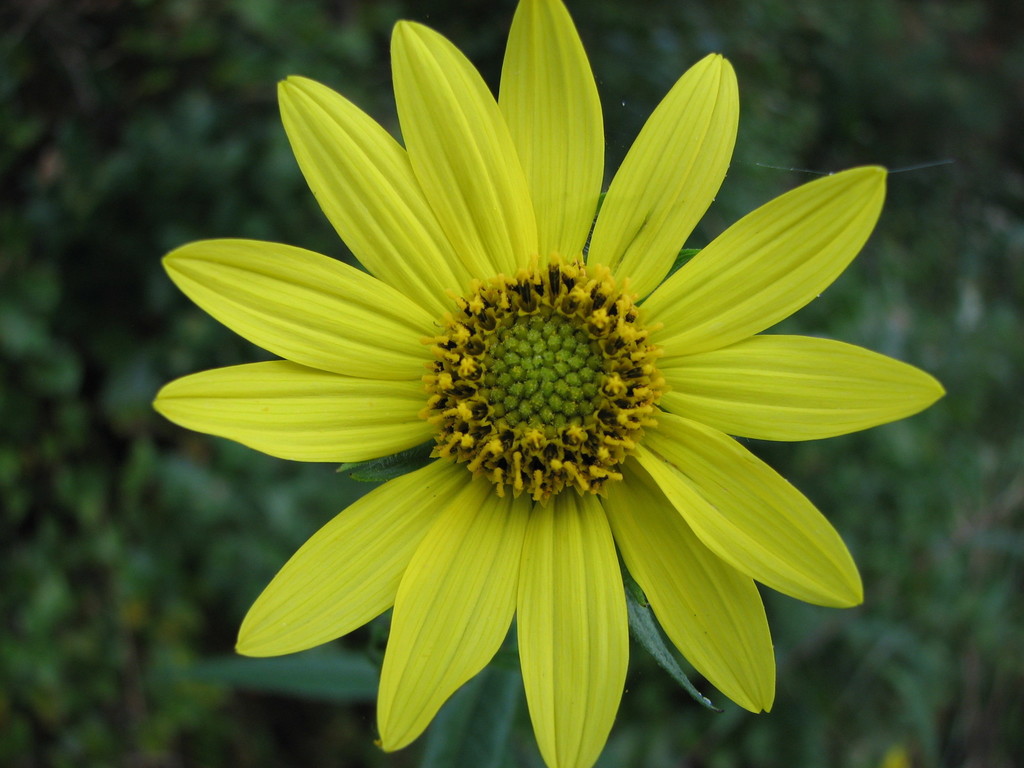
- Rosinweed SunflowerHelianthus silphioides
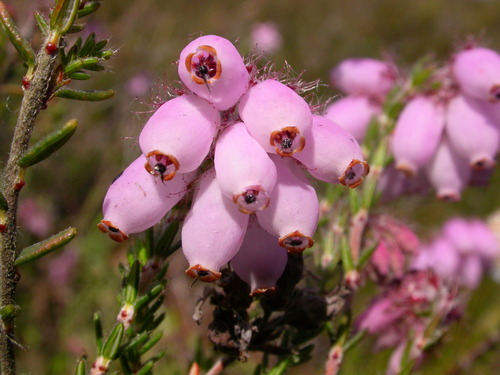
- Crossleaf HeathErica tetralix
- Smooth Elmleaf GoldenrodSolidago delicatula
- Giant SunflowerHelianthus giganteus
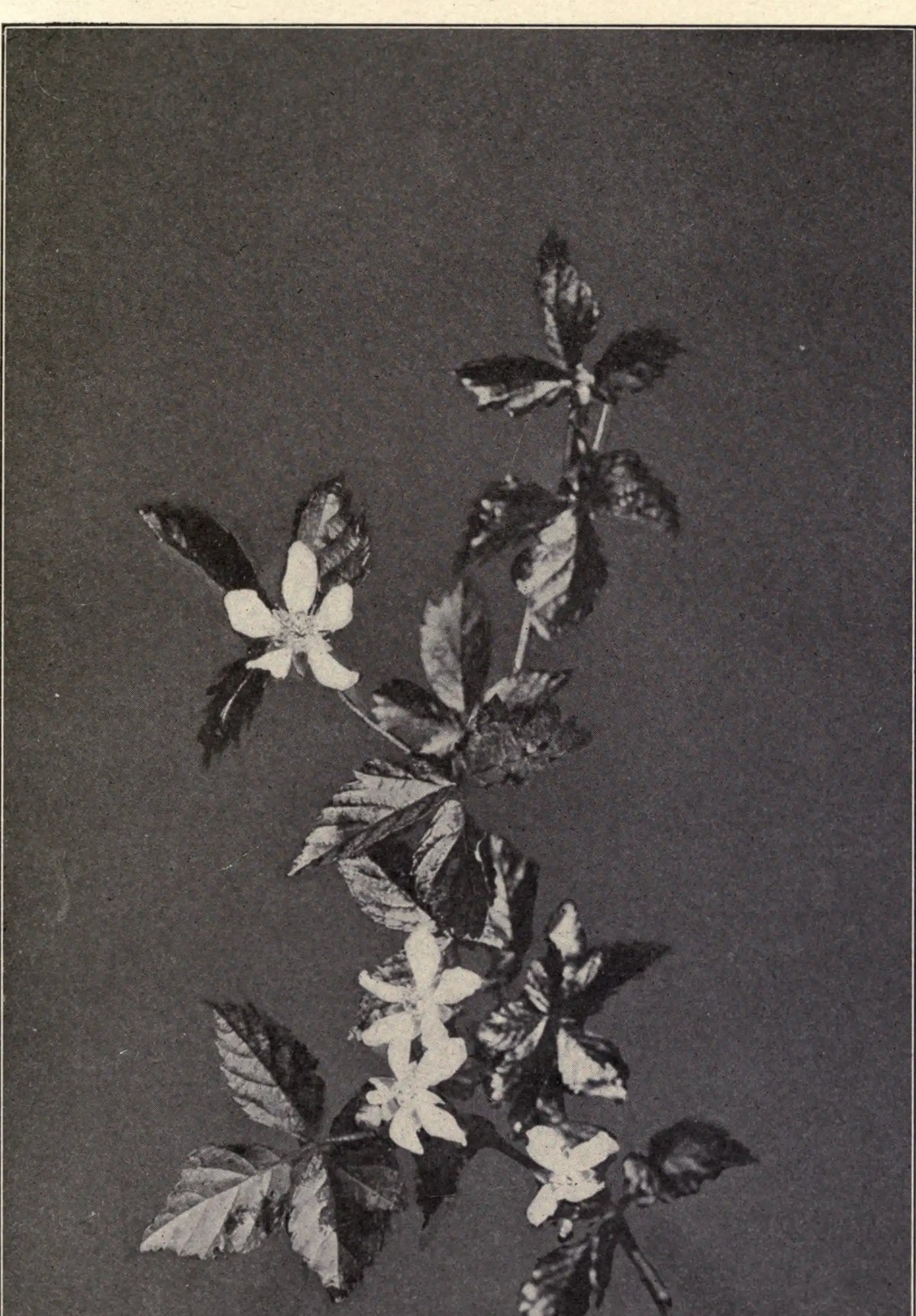
- Southern DewberryRubus trivialis
- Buffalo CloverTrifolium reflexum
- Porters GoldenrodSolidago porteri
- Hairy LettuceLactuca hirsuta
- Upland BonesetEupatorium sessilifolium
- Nodding Evening PrimroseOenothera nutans
- Tennessee IronweedVernonia flaccidifolia
- Fruitful Allegheny HawthornCrataegus frugiferens
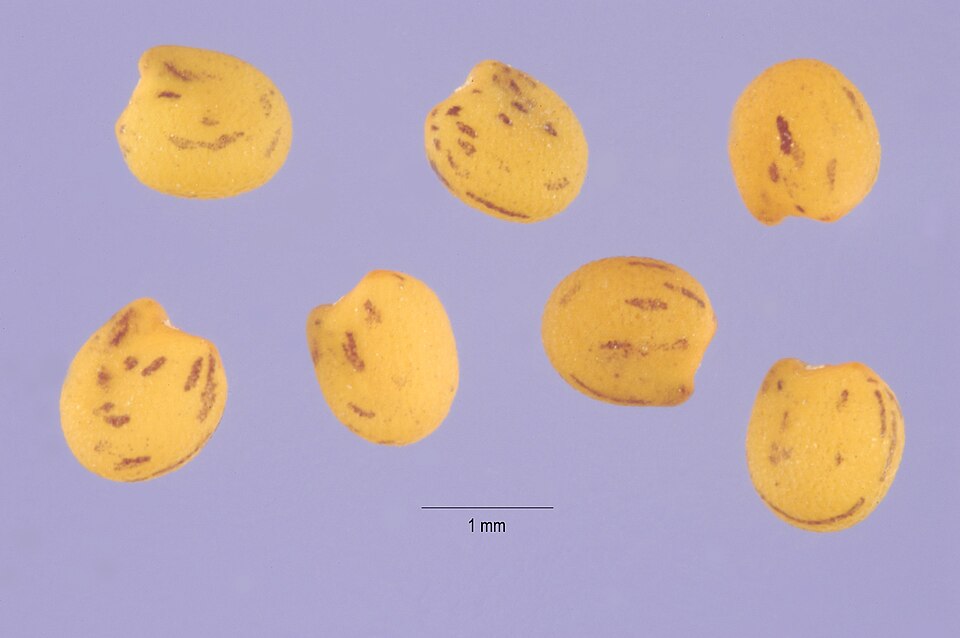
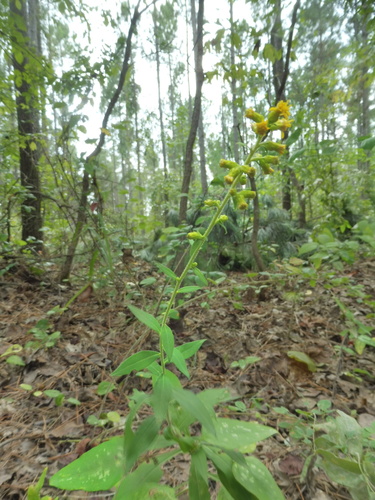
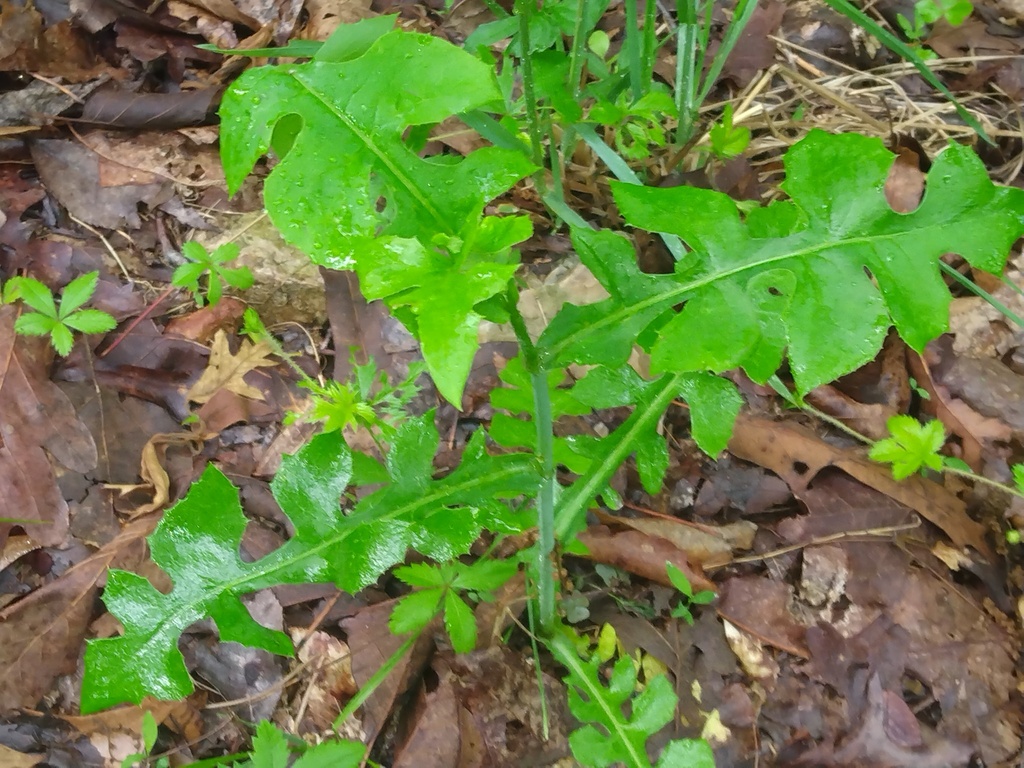
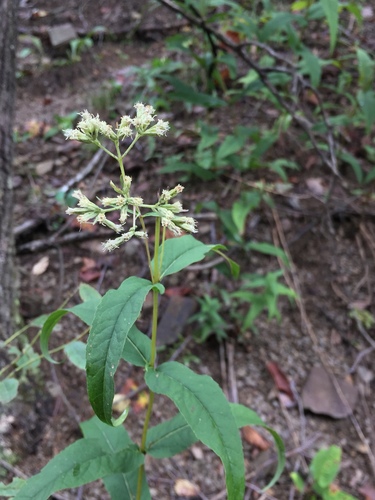
Streams, rivers and their banks
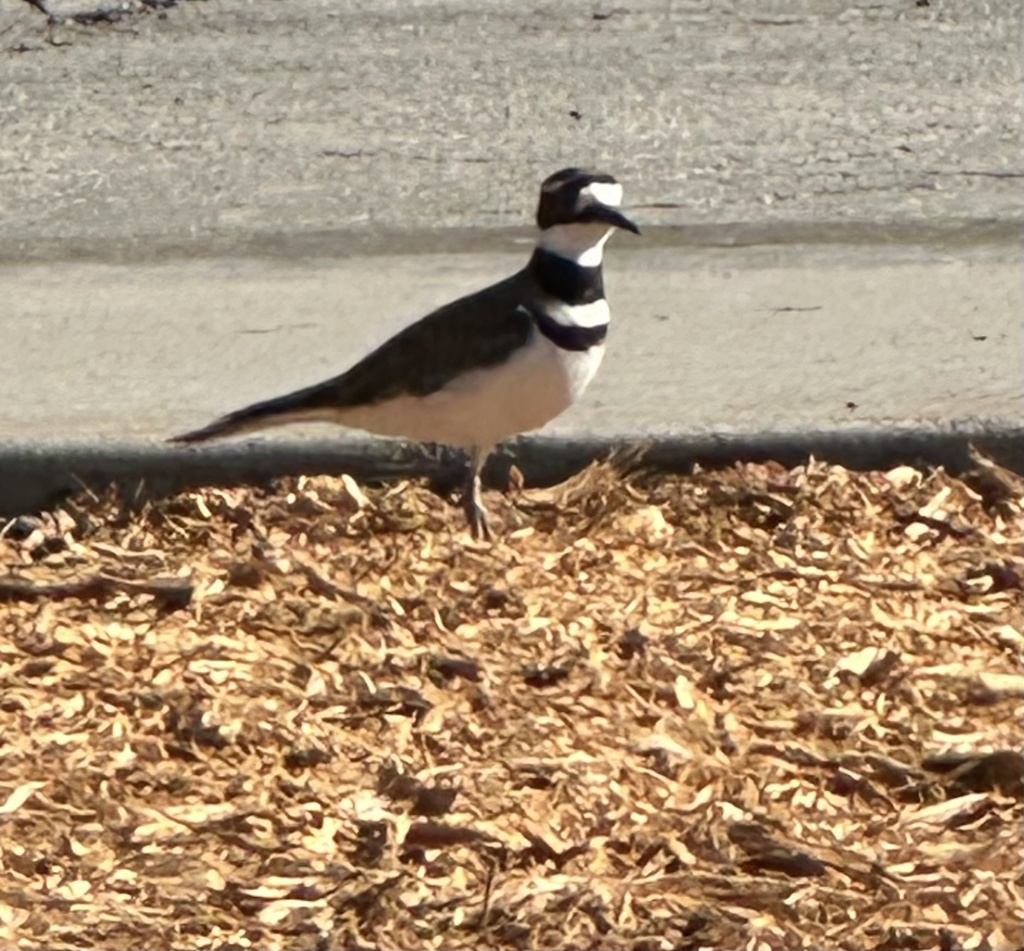
Birds 94
- Willow FlycatcherEmpidonax traillii
- Evening GrosbeakCoccothraustes vespertinus
- KilldeerCharadrius vociferus
- Louisiana WaterthrushSeiurus motacilla
- Magnolia WarblerDendroica magnolia
- OvenbirdSeiurus aurocapilla
- Red-breasted NuthatchSitta canadensis
- Swainson's WarblerLimnothlypis swainsonii
- Worm-eating WarblerHelmitheros vermivorum
- American WoodcockScolopax minor
- Broad-winged HawkButeo platypterus
- Cerulean WarblerDendroica cerulea


Plants 322
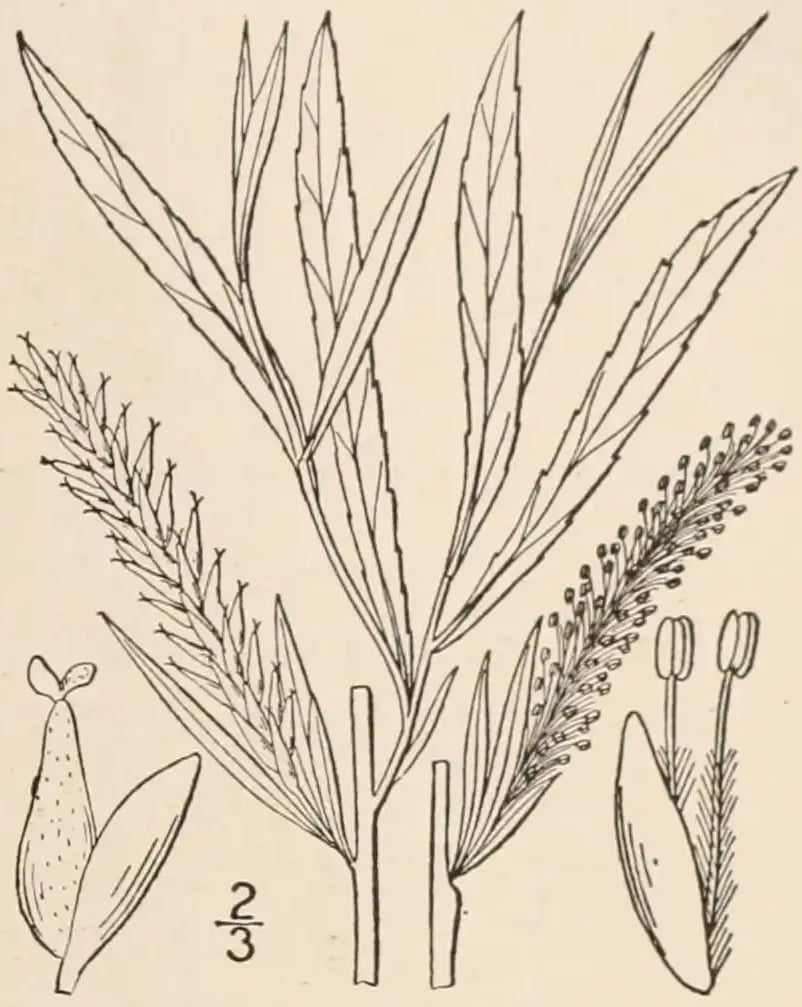
- Sandbar WillowSalix interior
- Alabama Arrow WoodViburnum alabamense
- Hypericum nitidumHypericum nitidum
- Sea Lettuce PondlilyNuphar ulvacea
- Twisted SedgeCarex torta
- Spermacoce tenuiorSpermacoce tenuior
- Alabama PhloxPhlox pulchra
- Panhandle LilyLilium iridollae
- Mosquito BeaksedgeRhynchospora crinipes
- Brazilian WatergrassLuziola bahiensis
- Broadleaf Barbara's-buttonsMarshallia trinervia
- Winter QuillwortIsoetes hyemalis

Sources
- USGS Gap Analysis Project habitat models (2001)
- USGS GAP summer habitat model for Alder Flycatcher
- USGS Gap Analysis Project range maps (2001), modeled by watershed; migratory gives no dates
- NatureServe Explorer (CC BY 4.0), habitat names
- US Census TIGER/Line counties
- Names follow the USGS Gap Analysis Project (2001)