

Riverbank Grape
Vitis riparia
Found in forests and woodlands, mostly moist to wet. Weakley, Flora of the Southeastern United States (2025), South Central edition What its natural habitat tells you
Native to Alabama. How scores work Is it native here?
Profile 94%
- Height
- About 45 feet
- Light
- Full sun, Partial shade
- Soil moisture
- Somewhat dry to moist
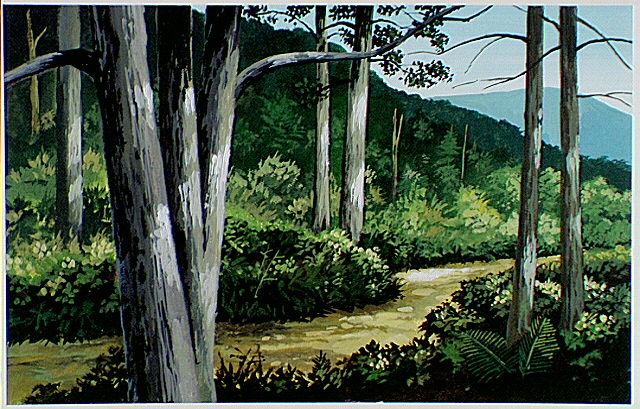
No photograph yet. Looking for an old drawing…
At a glance
- Life cycle
- Woody perennial
- Leaves
- Deciduous
- Bloom
- April to June
- Fruiting season
- August to September
Not yet recorded · Spread
Recorded in 7 Alabama counties.
Natural habitats
Places it grows wild. Not a planting requirement. Each habitat page lists the plants and wildlife also found there.
Also found with this plant
Wildlife whose habitat models include habitats this plant grows in, in Alabama. Shared habitat, not food. 146 animals.
- Red-winged BlackbirdAgelaius phoeniceus
- Sharp-shinned HawkAccipiter striatus
- Tufted TitmouseBaeolophus bicolor
- Turkey VultureCathartes aura
- White-breasted NuthatchSitta carolinensis
- Wood DuckAix sponsa
- Yellow-breasted ChatIcteria virens
- Acadian FlycatcherEmpidonax virescens
- Alder FlycatcherEmpidonax alnorum
- American Black DuckAnas rubripes
- American CrowCorvus brachyrhynchos
- American GoldfinchCarduelis tristis
- American RedstartSetophaga ruticilla
- Belted KingfisherMegaceryle alcyon
- Black-and-White WarblerMniotilta varia
- Blue GrosbeakPasserina caerulea
- Broad-winged HawkButeo platypterus
- Brown CreeperCerthia americana
- Brown-headed CowbirdMolothrus ater
- Carolina ChickadeePoecile carolinensis
- Carolina WrenThryothorus ludovicianus
- Cliff SwallowPetrochelidon pyrrhonota
- Common GrackleQuiscalus quiscula
- Common YellowthroatGeothlypis trichas
























Who uses this plant?
 70CaterpillarsGenus host records with ranges including AL
Genus host records with ranges including AL · Vitis
- Abagrotis magnicupidaOne-Dotted Dart
- Acharia stimuleaSaddleback Caterpillar Moth
- Achatia distinctaDistinct Quaker
- Acoloithus falsariusClemens' False Skeletonizer Moth
- Acoloithus rectariusUpright Acoloithus Moth
- Acronicta oblinitaSmeared Dagger
- Adela ridingsellaRidings' Fairy Moth
- Agnorisma badinodisPale-Banded Dart
- Agrotis ipsilonIpsilon Dart, Black Cutworm, Greasy Cutworm
- Agrotis vetustaOld Man Dart
Show all 70
- Alypia octomaculataEight-Spot Forester, 8-Spot Forester
- Alypia wittfeldiiWittfeld's Forester Moth
- Amphion floridensisNessus Sphinx
- Amphipyra pyramidoidesMiranda Underwing, Copper Underwing, Copper Amphipyra
- Antheraea polyphemusPolyphemus Moth
- Apantesis argeArge Tiger Moth
- Archips argyrospilaFruit-Tree Leafroller Moth
- Argyrotaenia velutinanaRed-Banded Leafroller Moth, Jack Pine Tube Moth
- Cenopis directanaChokecherry Leafroller Moth
- Cenopis reticulatanaReticulated Fruitworm Moth
- Cerastis tenebriferaReddish Speckled Dart
- Darapsa myronVirginia Creeper Sphinx
- Deidamia inscriptumLettered Sphinx
- Desmia funeralisGrape Leaffolder Moth
- Dyspteris abortivariaThe Bad-Wing, Badwing
- Enyo lugubrisMournful Sphinx
- Episimus argutanaSumac Leaftier
- Estigmene acreaSalt Marsh Moth, Acrea Moth
- Euclidia cuspideaToothed Somberwing
- Eudryas grataBeautiful Wood-Nymph
- Eudryas unioPearly Wood-Nymph
- Eulithis diversilineataLesser Grapevine Looper Moth
- Eulithis gracilineataGreater Grapevine Looper
- Eumorpha achemonAchemon Sphinx
- Eumorpha intermediaIntermediate Sphinx
- Eumorpha labruscaeGaudy Sphinx
- Eumorpha pandorusPandorus Sphinx, Pandora Sphinx
- Eumorpha vitisVine Sphinx
- Eupithecia miserulataCommon Eupithacia, Common Pug
- Feltia jaculiferaDingy Cutworm
- Geina periscelidactylaGrape Plume Moth
- Geina sheppardiSheppard's Plume Moth
- Halysidota tessellarisBanded Tussock Moth, Pale Tiger Moth
- Harrisina americanaGrapeleaf Skeletonizer Moth
- Helicoverpa zeaCorn Earworm Moth
- Hyles lineataWhite-Lined Sphinx
- Hyphantria cuneaFall Webworm
- Lacinipolia meditataThe Thinker
- Lacinipolia renigeraBristly Ground Cat, Bristly Cutworm Moth, Kidney Spotted "Mamestra"
- Neargyractis slossonalisDimorphic Leafcutter Moth
- Paonias myopsSmall-Eyed Sphinx
- Papaipema nebrisStalk Borer
- Papilio glaucusEastern Tiger Swallowtail
- Paralobesia viteanaAmerican Vine Moth, Grape Berry Moth
- Paranthrene tabaniformisDusky Clearwing
- Phyllocnistis vitifoliellaGrape Serpentine Leafminer
- Phyllodesma americanaLappet Moth, American Lappet Moth, Southern Lappet Moth
- Platynota idaeusalisTufted Apple-Bud Moth
- Platynota stultanaOmnivorous Leafroller
- Psychomorpha epimenisGrapevine Epimenis
- Pyrrharctia isabellaIsabella Tiger Moth, Banded Woolybear
- Sparganothis sulfureanaSparganothis Fruitworm Moth, Sulfur Leafroller, False Yellow-Head
- Sphecodina abbottiiAbbott's Sphinx
- Spilosoma virginicaVirginian Tiger Moth, Yellow Woolybear Moth, Yellow Bear
- Spodoptera frugiperdaFall Armyworm Moth
- Spodoptera ornithogalliYellow-Striped Armyworm Moth, Cotton Cutworm
- Vanessa carduiPainted Lady, Cosmopolite
- Vitacea polistiformisGrape Root Borer Moth
- Vitacea scepsiformisVirginia Creeper Clearwing, Lesser Grape Root Borer
- Cacotherapia unipuncta
 10BeesSoutheastern regional records
Southeastern regional records · Vitis
Individual names are not available yet.
Noori, Seltmann & Orr 2026, A curated and integrated dataset for exploring global bee-plant interactions (GloBI), Zenodo, CC BY 4.0 0Specialist beesPollen specialists
 33BirdsRecorded genus food-resource interactions; not a state feeding claim
Recorded genus food-resource interactions; not a state feeding claim · Vitis
- Bombycilla cedrorumCedar Waxwing
- Turdus migratoriusAmerican Robin
- Agelaius phoeniceusRed-winged Blackbird
- Aix sponsaWood Duck
- Aphelocoma californicaCalifornia Scrub-Jay
- Bonasa umbellusRuffed Grouse
- Callipepla californicaCalifornia Quail
- Cardinalis cardinalisNorthern Cardinal
- Catharus guttatusHermit Thrush
- Catharus minimus/bicknelliGray-cheeked/Bicknell's Thrush
Show all 33
- Catharus ustulatusSwainson's Thrush
- Corvus brachyrhynchosAmerican Crow
- Cyanocitta stelleriSteller's Jay
- Dryobates pubescensDowny Woodpecker
- Empidonax flaviventrisYellow-bellied Flycatcher
- Hylocichla mustelinaWood Thrush
- Melanerpes carolinusRed-bellied Woodpecker
- Melanerpes erythrocephalusRed-headed Woodpecker
- Meleagris gallopavoWild Turkey
- Molothrus aterBrown-headed Cowbird
- Patagioenas fasciataBand-tailed Pigeon
- Pipilo maculatusSpotted Towhee
- Sialia currucoidesMountain Bluebird
- Sialia mexicanaWestern Bluebird
- Sitta carolinensisWhite-breasted Nuthatch
- Sturnus vulgarisEuropean Starling
- Tyrannus tyrannusEastern Kingbird
- Vireo flavifronsYellow-throated Vireo
- Vireo gilvusWarbling Vireo
- Vireo olivaceusRed-eyed Vireo
- Vireo solitariusBlue-headed Vireo
- Zenaida asiaticaWhite-winged Dove
- Zonotrichia atricapillaGolden-crowned Sparrow
Direct food only: birds recorded eating this genus across North America. Caterpillars on host plants also feed nesting birds. NC Native Plant Society: butterfly gardening
No records yet · Ants · Beetles · Flies · Adult butterflies / moths · Other wasps · Other insects
Plant details
- Family
- Vitaceae
- Hardiness
- Zones 3a–9b
- Soil pH
- Acidic to alkaline
- Flower color
- Yellow or green
- Growth rate
- Moderate
- Growth habit
- Several stems
- Foliage color
- Green
- Fruit begins
- August
- Fruit ends
- September
Safety has not been reviewed for this plant; check toxicity and thorns before planting.
Growing sources and scope
- Bloom · “April to June” · Weakley, Flora of the Southeastern United States (2025), Carolinas & Georgia edition (ranked first; USDA PLANTS differs) · Carolinas and Georgia
- Flower color · “Yellow or green” · NC Extension Plant Toolbox (ranked first; USDA PLANTS differs)
- Foliage color · “Green” · USDA PLANTS · Nationwide species characteristics; local growing conditions may vary
- Fruit begins · “August” · Weakley, Flora of the Southeastern United States (2025), Carolinas & Georgia edition (ranked first; USDA PLANTS differs) · Carolinas and Georgia
- Fruit ends · “September” · Weakley, Flora of the Southeastern United States (2025), Carolinas & Georgia edition (ranked first; USDA PLANTS differs) · Carolinas and Georgia
- Growth habit · “Several stems” · USDA PLANTS · Nationwide species characteristics; local growing conditions may vary
- Growth rate · “Moderate” · USDA PLANTS · Nationwide species characteristics; local growing conditions may vary
- Hardiness · “Zones 3a–9b” · NC Extension Plant Toolbox
- Height · “About 45 feet” · USDA PLANTS · Nationwide species characteristics; local growing conditions may vary
- Leaves · “Deciduous” · NC Extension Plant Toolbox
- Life cycle · “Woody perennial” · NC Extension Plant Toolbox
- Light · “Full sun (6 or more hours of direct sunlight a day); Partial shade (direct sunlight only part of the day, 2-6 hours)” · NC Extension Plant Toolbox (ranked first; Tennessee Smart Yards differs)
- Soil · “Moist; Occasionally dry” · NC Extension Plant Toolbox (ranked first; Tennessee Smart Yards differs)
- Soil pH · “Acidic to alkaline” · NC Extension Plant Toolbox
Also known as
Frost Grape; Riverside Grape
Conservation status
| Alabama rank | SNR |
|---|---|
| Global rank | G5 |
| AL status | Not verified |
| Federal status | Not verified |
Will it fit your yard?
Check this plant against your county, sun and soil moisture. Conditions are checked in your browser.
Sources
- Alabama Plant Atlas
- USDA PLANTS
- Vascular Plants of North Carolina (NC Natural Heritage Program)
- Weakley, Flora of the Southeastern United States (2025), Carolinas & Georgia edition
- Shropshire & Tallamy 2025, Lepidoptera of North America north of Mexico, ZooKeys 1261 (ODbL)
- Noori, Seltmann & Orr 2026, A curated and integrated dataset for exploring global bee-plant interactions (GloBI), Zenodo, CC BY 4.0
- Smith, Bachelder, Russell, Morales, Mosher & Seltmann 2024, Bee-Specialization-Modeling v0.6.1 (specialist host table compiled from J. Fowler's pollen specialist bee lists), Zenodo, CC BY 4.0
- Hurlbert, Olsen, Sawyer & Winner 2021, Avian Diet Database, Scientific Data 8: 260 (CC0)
- Narango, Tallamy & Shropshire 2020, Few keystone plant genera support the majority of Lepidoptera species, Nature Communications