

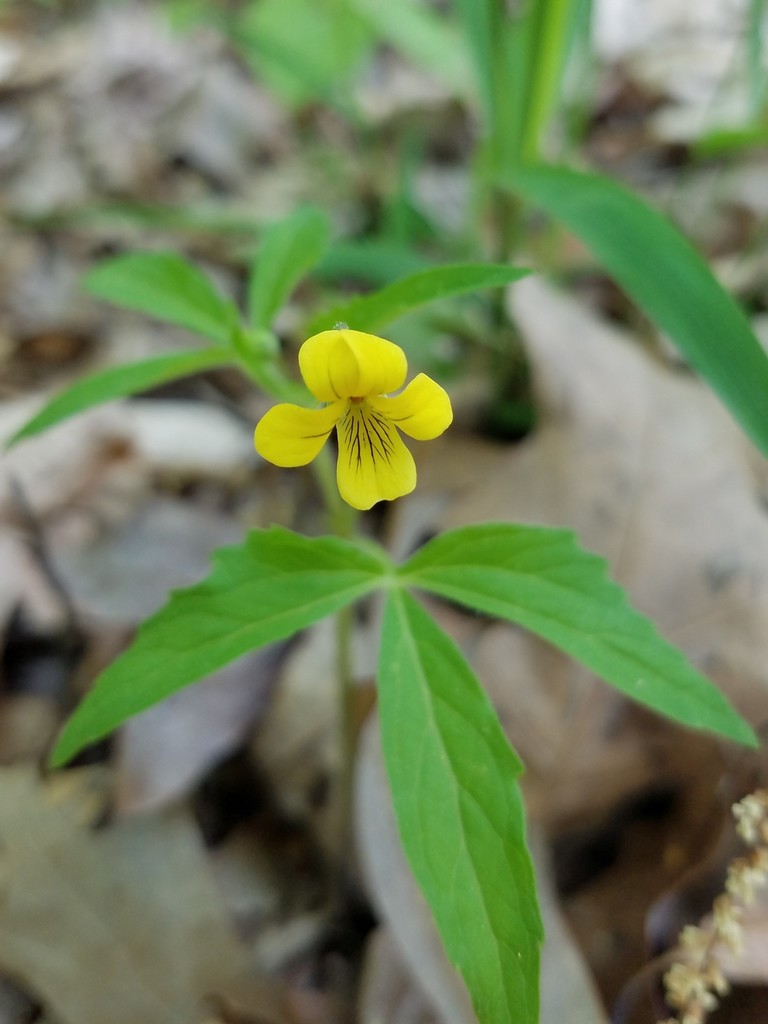
Threepart Violet
Viola tripartita
Found in moist slopes and bottomlands, especially over mafic or calcareous rocks. FloraQuest, phone app (app page) What its natural habitat tells you
Native to Alabama. How scores work Is it native here?
Profile 82%
- Height
- Up to about 16 inches
- Light
- Partial shade, Full shade, Full sun
- Soil moisture
- Dry to moist
At a glance
- Life cycle
- Perennial
Not yet recorded · Spread · Leaves · Bloom
Bloom: NC species account not read yet.
Spread and leaves: no source found yet.
This plant is missing most of its facts, so Quercus is looking them up in old botany books.
Recorded in 38 Alabama counties.
Natural habitats
Places it grows wild. Not a planting requirement. Each habitat page lists the plants and wildlife also found there.
Forests on moist but not wet ground, such as rich slopes and ravines.
Floodplain and bottomland forests
Forests on low ground beside rivers and streams that flood from time to time.
Also found with this plant
Wildlife whose habitat models include habitats this plant grows in, in Alabama. Shared habitat, not food. 104 animals.
- Acadian FlycatcherEmpidonax virescens
- American CrowCorvus brachyrhynchos
- American GoldfinchCarduelis tristis
- American KestrelFalco sparverius
- American RobinTurdus migratorius
- Bald EagleHaliaeetus leucocephalus
- Baltimore OrioleIcterus galbula
- Barred OwlStrix varia
- Belted KingfisherMegaceryle alcyon
- Black VultureCoragyps atratus
- Black-and-White WarblerMniotilta varia
- Black-billed CuckooCoccyzus erythropthalmus
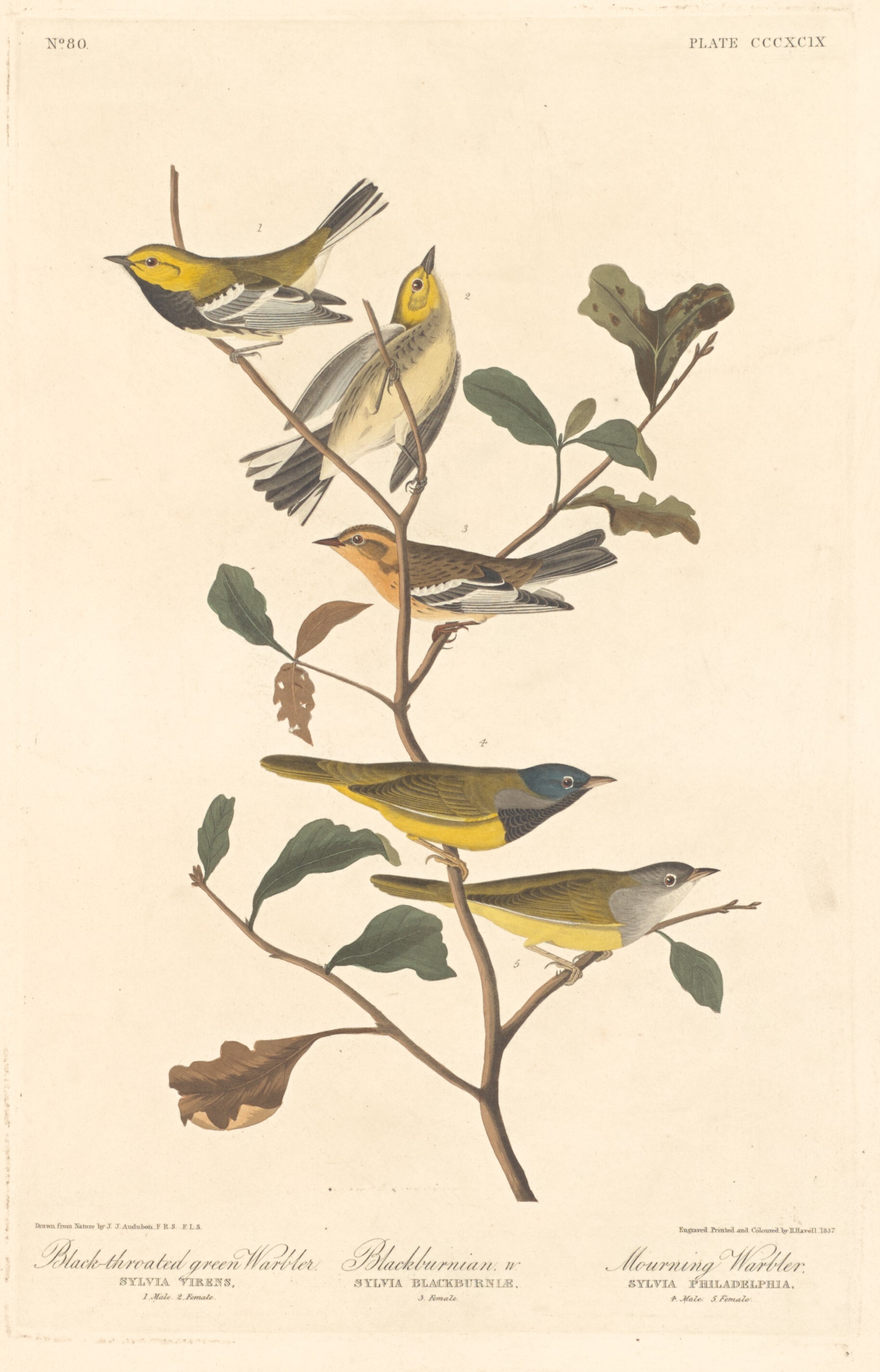
- Black-throated Green WarblerDendroica virens
- Blue GrosbeakPasserina caerulea
- Blue JayCyanocitta cristata
- Blue-gray GnatcatcherPolioptila caerulea
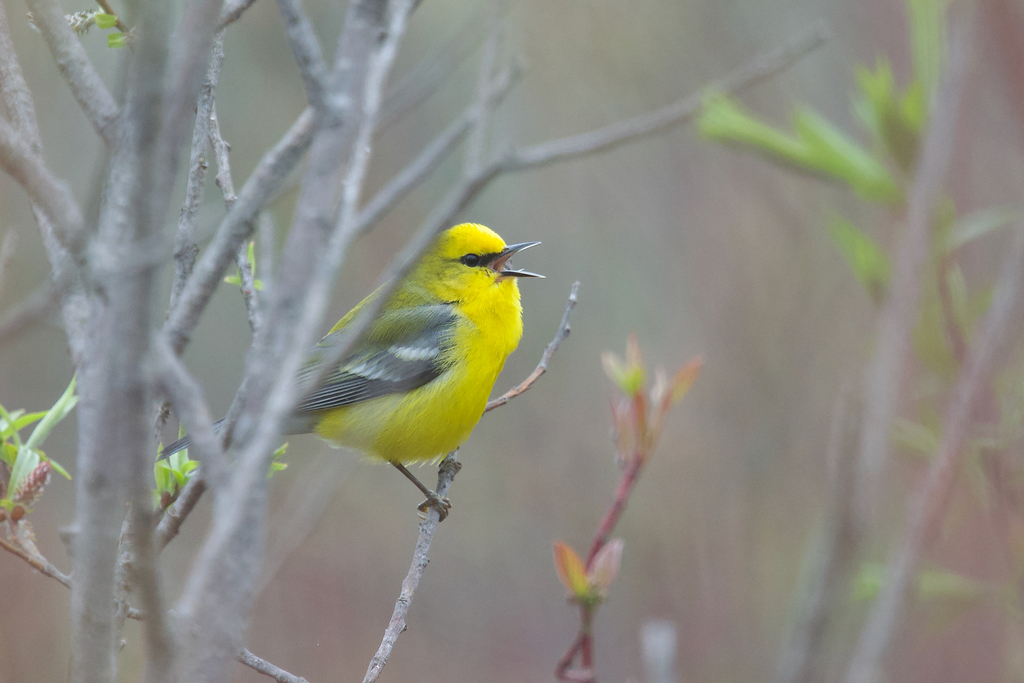
- Blue-winged WarblerVermivora pinus
- Broad-winged HawkButeo platypterus
- Brown CreeperCerthia americana
- Brown ThrasherToxostoma rufum
- Carolina ChickadeePoecile carolinensis
- Carolina WrenThryothorus ludovicianus
- Cedar WaxwingBombycilla cedrorum
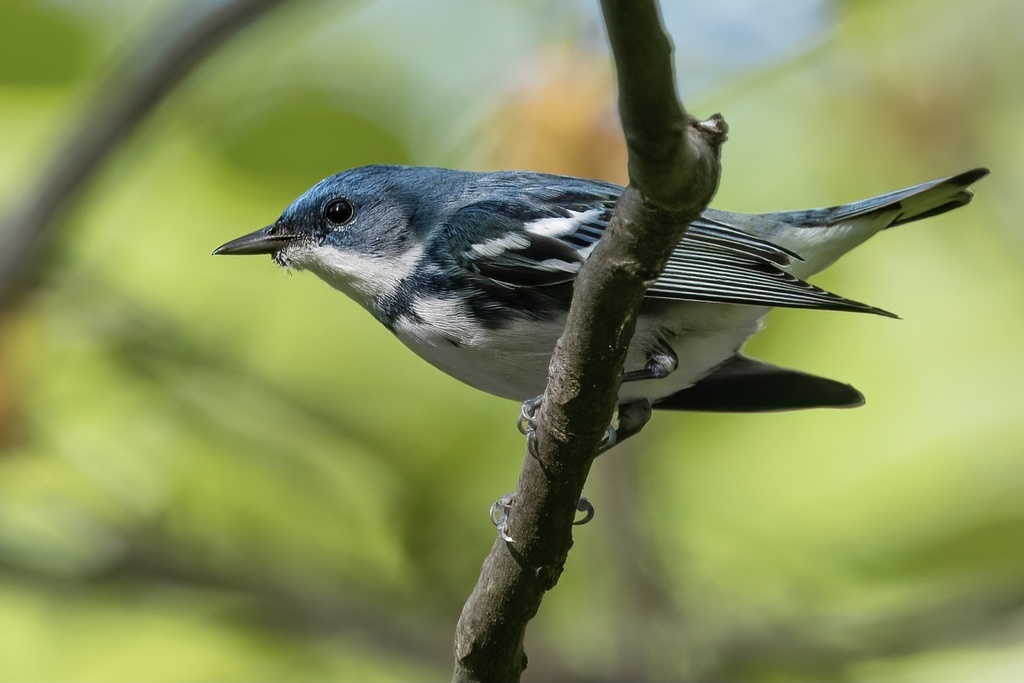
- Cerulean WarblerDendroica cerulea





















Who uses this plant?
 21CaterpillarsGenus host records with ranges including AL
Genus host records with ranges including AL · Viola
- Euptoieta claudiaVariegated Fritillary
- Agrotis gladiariaSwordsman Dart, Clay-Backed Cut-Worm
- Agrotis venerabilisVenerable Dart, Dusky Cut-Worm
- Apantesis naisNais Tiger Moth
- Archips purpuranaOmnivorous Leafroller Moth
- Argynnis cybeleGreat Spangled Fritillary, Variegated Fritillary
- Argynnis dianaVariegated Fritillary
- Argyrotaenia velutinanaRed-Banded Leafroller Moth, Jack Pine Tube Moth
- Elaphria grataGrateful Midget
- Elophila obliteralisWaterlily Leafcutter Moth
Show all 21
- Eubaphe mendicaThe Beggar
- Eupsilia vinulentaStraight-Toothed Sallow
- Herpetogramma pertextalisBold-Feathered Grass Moth
- Herpetogramma thestealisZigzag Herpetogramma, Subtle-Feathered Grass Moth
- Hypercompe scriboniaGiant Leopard Moth, Great Leopard Moth
- Spilosoma virginicaVirginian Tiger Moth, Yellow Woolybear Moth, Yellow Bear
- Spodoptera dolichosSweetpotato Armyworm, Dolichos Armyworm, Large Cotton Armyworm
- Spodoptera frugiperdaFall Armyworm Moth
- Spodoptera ornithogalliYellow-Striped Armyworm Moth, Cotton Cutworm
- Udea rubigalisCelery Leaftier
- Xestia dolosaGreater Black-Letter Dart, Greater Spotted Cutworm
 16BeesSoutheastern regional records
Southeastern regional records · Viola
Individual names are not available yet.
Noori, Seltmann & Orr 2026, A curated and integrated dataset for exploring global bee-plant interactions (GloBI), Zenodo, CC BY 4.0 1Specialist beesPollen specialists
 8BirdsRecorded genus food-resource interactions; not a state feeding claim
Recorded genus food-resource interactions; not a state feeding claim · Viola
- Anthus rubescensAmerican Pipit
- Bonasa umbellusRuffed Grouse
- Calcarius lapponicusLapland Longspur
- Callipepla californicaCalifornia Quail
- Colinus virginianusNorthern Bobwhite
- Junco hyemalisDark-eyed Junco
- Meleagris gallopavoWild Turkey
- Pooecetes gramineusVesper Sparrow
Direct food only: birds recorded eating this genus across North America. Caterpillars on host plants also feed nesting birds. NC Native Plant Society: butterfly gardening
No records yet · Ants · Beetles · Flies · Adult butterflies / moths · Other wasps · Other insects
Plant details
- Family
- Violaceae
- Flower color
- Yellow or purple
Safety has not been reviewed for this plant; check toxicity and thorns before planting.
Growing sources and scope
- Flower color · “Yellow or purple” · Lady Bird Johnson Wildflower Center
- Height · “Up to about 16 inches” · Lady Bird Johnson Wildflower Center
- Life cycle · “Perennial” · Lady Bird Johnson Wildflower Center
- Light · “Partial shade; Full shade; Full sun (documented habitat)” · FloraQuest: Carolinas, Georgia (Southeastern Flora Team), phone app (app page) · Carolinas and Georgia
- Soil · “Dry; Moist (documented habitat)” · FloraQuest: Carolinas, Georgia (Southeastern Flora Team), phone app (app page) · Carolinas and Georgia
Also known as
Three Part Violet
Conservation status
| Alabama rank | Not available |
|---|---|
| Global rank | G5T3 [G3] |
| AL status | Not verified |
| Federal status | Not verified |
Will it fit your yard?
Check this plant against your county, sun and soil moisture. Conditions are checked in your browser.
Sources
- Alabama Plant Atlas
- USDA PLANTS
- Vascular Plants of North Carolina (NC Natural Heritage Program)
- FloraQuest: Carolinas, Georgia (Weakley), phone app (app page)
- FloraQuest: South Central (Weakley), phone app (app page)
- FloraQuest: Northern Tier (Weakley), phone app (app page)
- Shropshire & Tallamy 2025, Lepidoptera of North America north of Mexico, ZooKeys 1261 (ODbL)
- Noori, Seltmann & Orr 2026, A curated and integrated dataset for exploring global bee-plant interactions (GloBI), Zenodo, CC BY 4.0
- Smith, Bachelder, Russell, Morales, Mosher & Seltmann 2024, Bee-Specialization-Modeling v0.6.1 (specialist host table compiled from J. Fowler's pollen specialist bee lists), Zenodo, CC BY 4.0
- Hurlbert, Olsen, Sawyer & Winner 2021, Avian Diet Database, Scientific Data 8: 260 (CC0)
- Narango, Tallamy & Shropshire 2020, Few keystone plant genera support the majority of Lepidoptera species, Nature Communications