

Black-eyed Pea
Vigna unguiculata
Found in cultivated in commercial and home gardens, rarely persistent or occurring as a waif in disturbed areas. Weakley, Flora of the Southeastern United States (2025), South Central edition What its natural habitat tells you
Not native to Alabama. How scores work Is it native here?
Profile 82%
- Height
- 5–10 feet
- Spread
- 1–3 feet
- Light
- Full sun
- Soil moisture
- Somewhat dry to moist
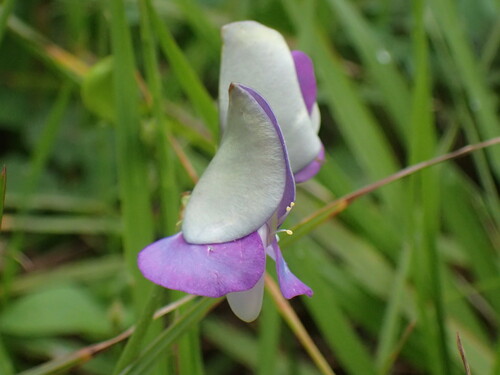
Plant this instead
Choose your county to list local plants first.
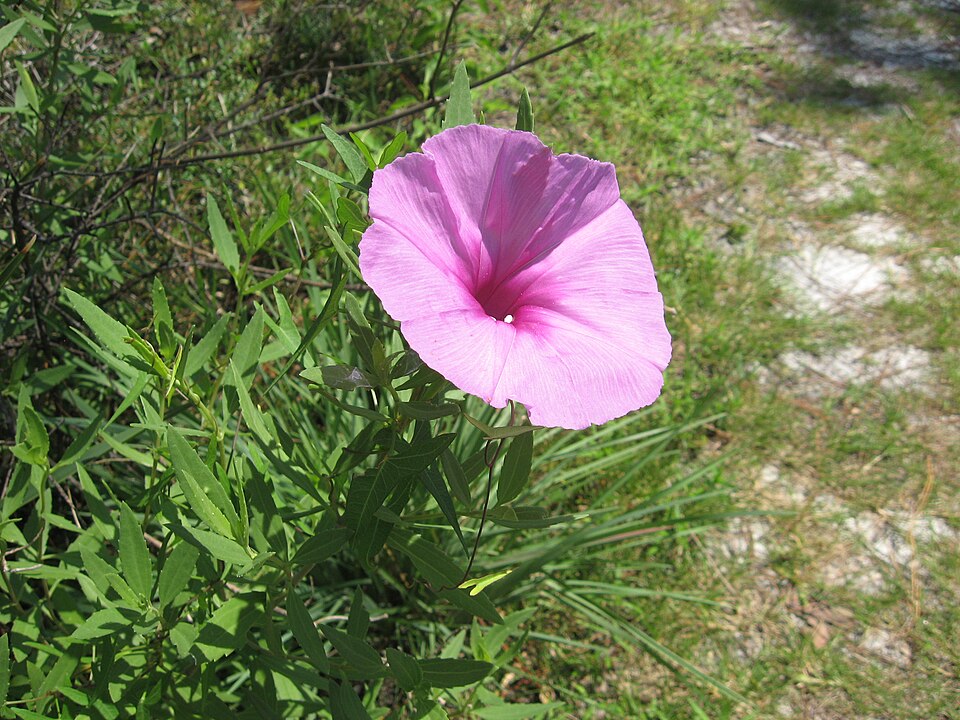
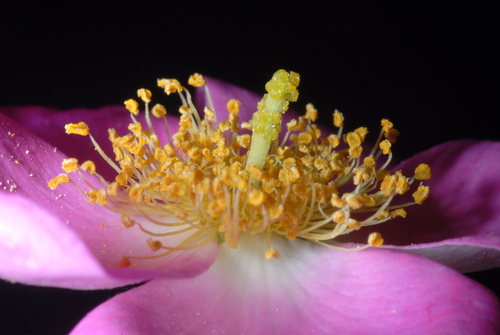
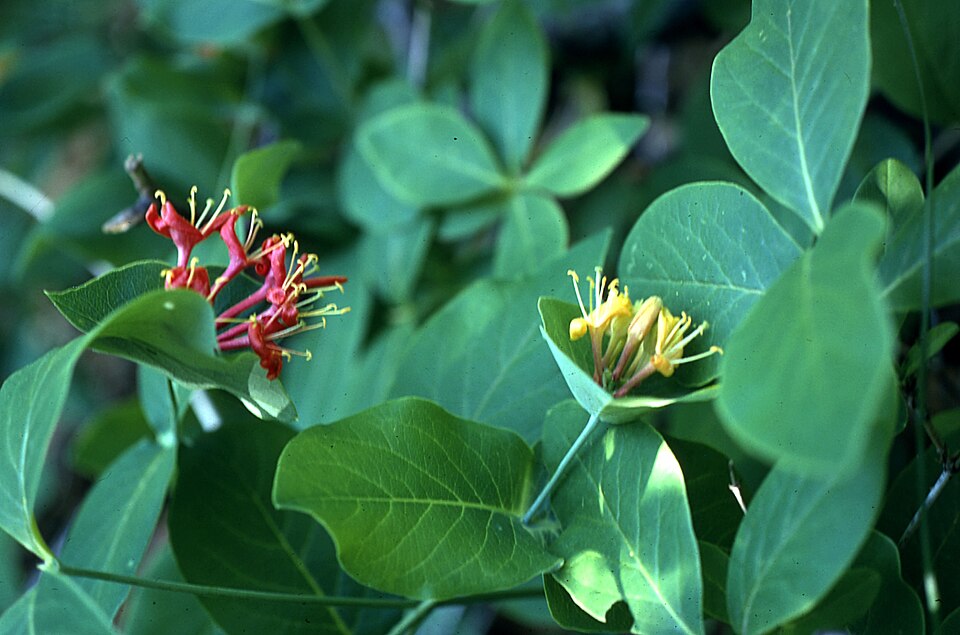
No recorded swaps for this county. Try the garden finder.
At a glance
- Life cycle
- Annual
- Leaves
- Deciduous
- Bloom
- June to August
- Fruiting season
- July to September
Recorded in 8 Alabama counties.
Who uses this plant?
 29CaterpillarsGenus host records with ranges including AL
Genus host records with ranges including AL · Vigna
- Achyra rantalisGarden Webworm Moth
- Agrotis vetustaOld Man Dart
- Amyelois transitellaNavel Orangeworm
- Amyna strictaEight-Spot Moth
- Anomis flavaTropical Anomis Moth
- Anticarsia gemmatalisVelvetbean Caterpillar Moth
- Argyrogramma verrucaGolden Looper
- Argyrotaenia ivanaIvana Leafroller Moth
- Cecropterus dorantesDorantes Longtail, Lilac-Banded Longtail
- Chrysodeixis includensSoybean Looper Moth
Show all 29
- Elasmopalpus lignosellaLesser Cornstalk Borer
- Estigmene acreaSalt Marsh Moth, Acrea Moth
- Eupithecia miserulataCommon Eupithacia, Common Pug
- Euptoieta claudiaVariegated Fritillary, (?)Gulf Fritillary
- Feltia subterraneaSubterranean Dart, Granulate Cutworm
- Helicoverpa zeaCorn Earworm Moth
- Hypena scabraGreen Cloverworm Bomolocha, Black Snout
- Leptostales pannariaPannaria Wave
- Omiodes indicataBean-Leaf Webworm Moth
- Platynota flavedanaBlack-Shaded Platynota
- Spodoptera eridaniaSouthern Armyworm Moth
- Spodoptera frugiperdaFall Armyworm Moth
- Spoladea recurvalisHawaiian Beet Webworm
- Strymon melinusGray Hairstreak
- Telegonus cellusGolden Banded-Skipper , Golden-Banded Skipper
- Trichoplusia niNi Moth, Cabbage Looper Moth
- Urbanus proteusLong-Tailed Skipper, Bean Leaf Roller
- Epinotia perplexana
- Phidotricha erigens
 —BeesSoutheastern regional records
 —Specialist beesPollen specialists
 1BirdsRecorded genus food-resource interactions; not a state feeding claim
Recorded genus food-resource interactions; not a state feeding claim · Vigna
- Colinus virginianusNorthern Bobwhite
Direct food only: birds recorded eating this genus across North America. Caterpillars on host plants also feed nesting birds. NC Native Plant Society: butterfly gardening
Plant details
- Family
- Fabaceae
- Soil pH
- Acidic to neutral
- Flower color
- Purple
- Growth rate
- Rapid
- Growth habit
- Single crown
- Foliage color
- Green
- Fruit begins
- July
- Fruit ends
- September
Safety has not been reviewed for this plant; check toxicity and thorns before planting.
Growing sources and scope
- Bloom · “June to August” · Weakley, Flora of the Southeastern United States (2025), Carolinas & Georgia edition (ranked first; USDA PLANTS differs) · Carolinas and Georgia
- Flower color · “Purple” · NC Extension Plant Toolbox
- Foliage color · “Green” · USDA PLANTS · Nationwide species characteristics; local growing conditions may vary
- Fruit begins · “July” · Weakley, Flora of the Southeastern United States (2025), Carolinas & Georgia edition (ranked first; USDA PLANTS differs) · Carolinas and Georgia
- Fruit ends · “September” · Weakley, Flora of the Southeastern United States (2025), Carolinas & Georgia edition (ranked first; USDA PLANTS differs) · Carolinas and Georgia
- Growth habit · “Single crown” · USDA PLANTS · Nationwide species characteristics; local growing conditions may vary
- Growth rate · “Rapid” · USDA PLANTS · Nationwide species characteristics; local growing conditions may vary
- Height · “5–10 feet” · NC Extension Plant Toolbox (ranked first; USDA PLANTS differs)
- Leaf retention · “Deciduous” · USDA PLANTS · Nationwide species characteristics; local growing conditions may vary
- Life cycle · “Annual” · NC Extension Plant Toolbox
- Light · “Full sun (6 or more hours of direct sunlight a day)” · NC Extension Plant Toolbox
- primary_flower_color · “purple” · USDA PLANTS
- Soil · “Moist; Occasionally dry” · NC Extension Plant Toolbox
- Soil pH · “Acidic to neutral” · NC Extension Plant Toolbox
- Spread · “1–3 feet” · NC Extension Plant Toolbox
Also known as
Black Eye Pea; Black eyed Pea; Blackeyed Pea; Common Cow Pea; Common Cowpea; Cow Pea; Cowpea; Field Pea; Wild Cow Pea; Wild Cowpea; Yard Long Bean; Yard Longbean
Conservation status
| Alabama rank | SNA |
|---|---|
| Global rank | GNR |
| AL status | Not verified |
| Federal status | Not verified |
Sources
- Alabama Plant Atlas
- USDA PLANTS
- Weakley, Flora of the Southeastern United States (2025), Carolinas & Georgia edition
- NatureServe Explorer
- Shropshire & Tallamy 2025, Lepidoptera of North America north of Mexico, ZooKeys 1261 (ODbL)
- Noori, Seltmann & Orr 2026, A curated and integrated dataset for exploring global bee-plant interactions (GloBI), Zenodo, CC BY 4.0
- Smith, Bachelder, Russell, Morales, Mosher & Seltmann 2024, Bee-Specialization-Modeling v0.6.1 (specialist host table compiled from J. Fowler's pollen specialist bee lists), Zenodo, CC BY 4.0
- Hurlbert, Olsen, Sawyer & Winner 2021, Avian Diet Database, Scientific Data 8: 260 (CC0)
- Narango, Tallamy & Shropshire 2020, Few keystone plant genera support the majority of Lepidoptera species, Nature Communications