

Common Dandelion
Taraxacum officinale
Found in lawns, roadsides, urban areas, pastures, disturbed areas, trailsides, less commonly in a variety of less disturbed habitats. Weakley, Flora of the Southeastern United States (2025), South Central edition What its natural habitat tells you
Not native to Alabama. How scores work Is it native here?
Profile 76%
- Height
- 2–6 inches
- Light
- Full sun
- Soil moisture
- Dry to moist
No photograph yet. Looking for an old drawing…
Plant this instead
Choose your county to list local plants first.
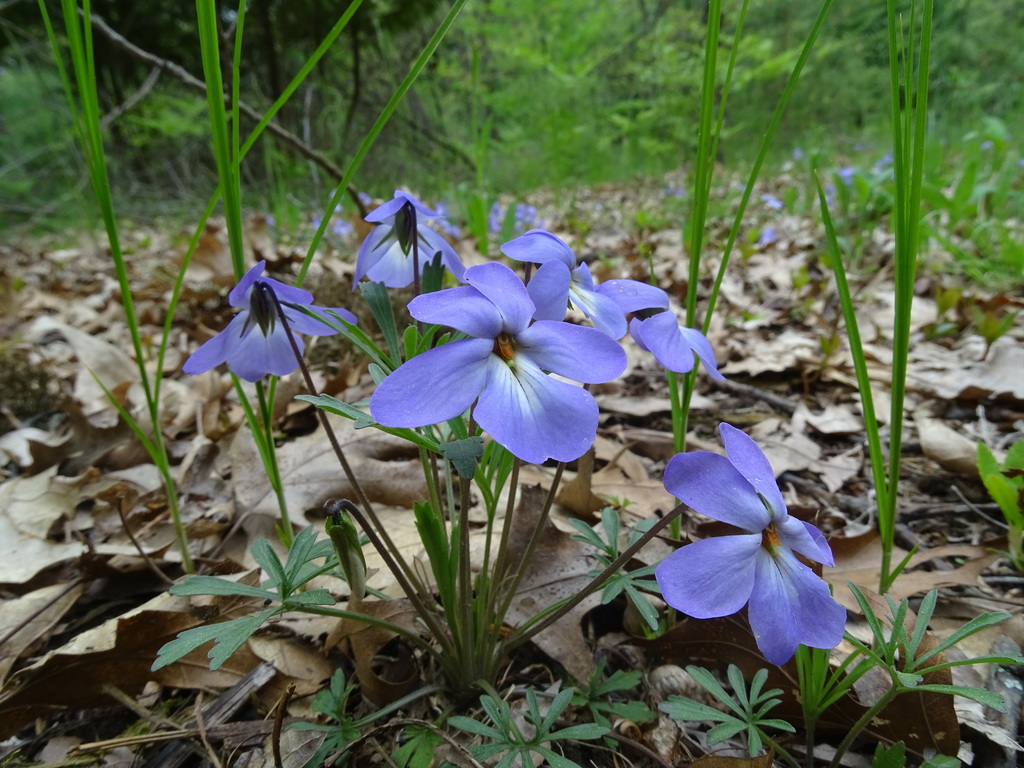
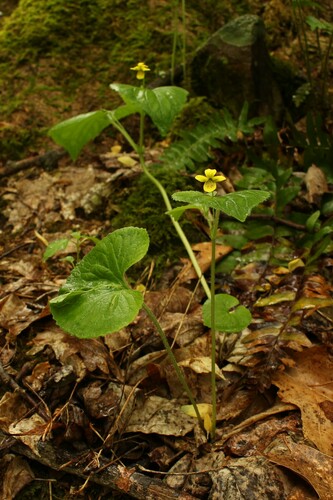
No recorded swaps for this county. Try the garden finder.
At a glance
- Life cycle
- Perennial
- Bloom
- January to December
- Fruiting season
- Spring to summer
Not yet recorded · Spread · Leaves
Recorded in 49 Alabama counties.
Natural habitats
Places it grows wild. Not a planting requirement. Each habitat page lists the plants and wildlife also found there.
Roadsides, fields and disturbed ground
Ground opened by people: roadsides, old fields, pastures, fencerows and lots.
Who uses this plant?
 63CaterpillarsGenus host records with ranges including AL
Genus host records with ranges including AL · Taraxacum
- Abagrotis magnicupidaOne-Dotted Dart
- Agnorisma badinodisPale-Banded Dart
- Agrotis vetustaOld Man Dart
- Anagrapha falciferaCelery Looper Moth
- Anicla illapsaSnowy Dart
- Apantesis annaAnna Tiger Moth
- Apantesis argeArge Tiger Moth
- Apantesis naisNais Tiger Moth
- Apantesis partheniceParthenice Tiger Moth
- Apantesis phalerataHarnessed Moth
Show all 63
- Apantesis vittataBanded Tiger Moth
- Autographa precationisCommon Looper Moth
- Cerastis tenebriferaReddish Speckled Dart
- Choephora fungorumBent-Line Dart
- Chytolita morbidalisMorbid Owlet
- Elaphria chalcedoniaChalcedony Midget
- Elaphria grataGrateful Midget
- Estigmene acreaSalt Marsh Moth, Acrea Moth
- Eupithecia miserulataCommon Eupithacia, Common Pug
- Eusarca confusariaConfused Eusarca
- Feltia jaculiferaDingy Cutworm
- Feltia subterraneaSubterranean Dart, Granulate Cutworm
- Homorthodes furfurataNorthern Scurfy Quaker
- Hyalophora cecropiaCecropia Silkmoth, Cecropia Moth
- Hypercompe scriboniaGiant Leopard Moth, Great Leopard Moth
- Idaea furciferataNotch-Winged Wave
- Idaea obfusariaRippled Wave
- Lacinipolia erectaErect Arches
- Lacinipolia explicataExplicit Groundcat, Explicit Arches
- Lacinipolia implicataImplicit Arches
- Lacinipolia laudabilisLaudable Arches, Laudable Mamestra
- Lacinipolia meditataThe Thinker
- Lacinipolia renigeraBristly Ground Cat, Bristly Cutworm Moth, Kidney Spotted "Mamestra"
- Leuconycta lepidulaMarble-Green Jaspidia, Marble-Green Leuconycta
- Manduca quinquemaculatusFive-Spotted Hawkmoth, Tomato Hornworm
- Megalographa bilobaBilobed Looper Moth
- Nephelodes miniansBronzed Cutworm
- Orgyia leucostigmaWhite-Marked Tussock Moth
- Orthodes cynicaCynical Quaker, Cynical Groundcat
- Orthodes detractaDisparaged Arches, Disparaged Groundcat
- Orthodes majusculaRustic Quaker, Rustic Groundcat
- Pagara simplexMouse-Colored Lichen Moth
- Palthis angulalisDark-Spotted Palthis
- Phlogophora irisOlive Angle Shades
- Protolampra brunneicollisBrown-Collared Dart
- Pyrrharctia isabellaIsabella Tiger Moth, Banded Woolybear
- Scopula aemulataRival Wave
- Scopula limboundataLarge Lace-Border
- Spilosoma congruaAgreeable Tiger Moth
- Spilosoma virginicaVirginian Tiger Moth, Yellow Woolybear Moth, Yellow Bear
- Spodoptera frugiperdaFall Armyworm Moth
- Synchlora aerataWavy-Lined Emerald, Camouflaged Looper
- Synchlora xysterariaSinged Emerald
- Tricholita signataSignate Quaker, Signate Groundcat
- Trichoplusia niNi Moth, Cabbage Looper Moth
- Trichopolia oviducaRuddy Quaker
- Virbia aurantiacaOrange Virbia, Orange Holomelina
- Virbia ferruginosaRusty Holomelina, Rusty Virbia
- Virbia laetaJoyful Virbia, Joyful Holomelina
- Virbia opellaTawny Virbia, Tawny Holomelina
- Virbia rubicundariaRuddy Virbia, Ruddy Holomelina
- Xestia dolosaGreater Black-Letter Dart, Greater Spotted Cutworm
- Virbia fergusoni
 —BeesSoutheastern regional records
 5Specialist beesPollen specialists
Pollen specialists · Taraxacum
- Andrena chromotricha
- Andrena krigiana
- Colletes rufocinctus
- Protandrena aestivalis
- Protandrena piercei
 12BirdsRecorded genus food-resource interactions; not a state feeding claim
Recorded genus food-resource interactions; not a state feeding claim · Taraxacum
- Bonasa umbellusRuffed Grouse
- Branta canadensisCanada Goose
- Callipepla californicaCalifornia Quail
- Centrocercus urophasianusGreater Sage-Grouse
- Dendragapus obscurusDusky Grouse
- Falcipennis canadensisSpruce Grouse
- Meleagris gallopavoWild Turkey
- Perdix perdixGray Partridge
- Pinicola enucleatorPine Grosbeak
- Turdus migratoriusAmerican Robin
Show all 12
- Tympanuchus phasianellusSharp-tailed Grouse
- Tyrannus tyrannusEastern Kingbird
Direct food only: birds recorded eating this genus across North America. Caterpillars on host plants also feed nesting birds. NC Native Plant Society: butterfly gardening
Plant details
- Family
- Asteraceae
- Flower color
- Yellow
- Growth rate
- Rapid
- Growth habit
- Single crown
- Foliage color
- Green
- Fruit begins
- Spring
- Fruit ends
- Summer
Safety has not been reviewed for this plant; check toxicity and thorns before planting.
Growing sources and scope
- Bloom · “January to December” · Weakley, Flora of the Southeastern United States (2025), Carolinas & Georgia edition (ranked first; USDA PLANTS differs) · Carolinas and Georgia
- Flower color · “Yellow” · NC Extension Plant Toolbox
- Foliage color · “Green” · USDA PLANTS · Nationwide species characteristics; local growing conditions may vary
- Fruit begins · “Spring” · USDA PLANTS · Nationwide species characteristics; local growing conditions may vary
- Fruit ends · “Summer” · USDA PLANTS · Nationwide species characteristics; local growing conditions may vary
- Growth habit · “Single crown” · USDA PLANTS · Nationwide species characteristics; local growing conditions may vary
- Growth rate · “Rapid” · USDA PLANTS · Nationwide species characteristics; local growing conditions may vary
- Height · “2–6 inches” · NC Extension Plant Toolbox (ranked first; USDA PLANTS, Minnesota Wildflowers differ)
- Life cycle · “Perennial” · NC Extension Plant Toolbox
- Light · “Full sun (6 or more hours of direct sunlight a day)” · NC Extension Plant Toolbox
- primary_flower_color · “yellow” · USDA PLANTS
- Soil · “Dry; Moist (documented habitat)” · Weakley, Flora of the Southeastern United States (2025), Carolinas & Georgia edition · Carolinas and Georgia
Conservation status
| Alabama rank | SNR |
|---|---|
| Global rank | G5 |
| AL status | Not verified |
| Federal status | Not verified |
Sources
- Alabama Plant Atlas
- USDA PLANTS
- Weakley, Flora of the Southeastern United States (2025), Carolinas & Georgia edition
- Shropshire & Tallamy 2025, Lepidoptera of North America north of Mexico, ZooKeys 1261 (ODbL)
- Noori, Seltmann & Orr 2026, A curated and integrated dataset for exploring global bee-plant interactions (GloBI), Zenodo, CC BY 4.0
- Smith, Bachelder, Russell, Morales, Mosher & Seltmann 2024, Bee-Specialization-Modeling v0.6.1 (specialist host table compiled from J. Fowler's pollen specialist bee lists), Zenodo, CC BY 4.0
- Hurlbert, Olsen, Sawyer & Winner 2021, Avian Diet Database, Scientific Data 8: 260 (CC0)
- Narango, Tallamy & Shropshire 2020, Few keystone plant genera support the majority of Lepidoptera species, Nature Communications