

Sarsaparilla Vine; Dwarf Smilax
Smilax pumila
Found in moist to dryish hammocks and bluffs, sandy forests along streams, northward primarily in maritime-influenced mainland forests. Weakley, Flora of the Southeastern United States (2025), South Central edition What its natural habitat tells you
Native to Alabama. How scores work Is it native here?
Profile 24%
Will it fit your yard?No photograph yet. Looking for an old drawing…
At a glance
Not yet recorded · Height · Spread · Light · Soil · Life cycle · Leaves · Bloom
This plant is missing most of its facts, so Quercus is looking them up in old botany books.
Recorded in 29 Alabama counties.
Natural habitats
Places it grows wild. Not a planting requirement. Each habitat page lists the plants and wildlife also found there.
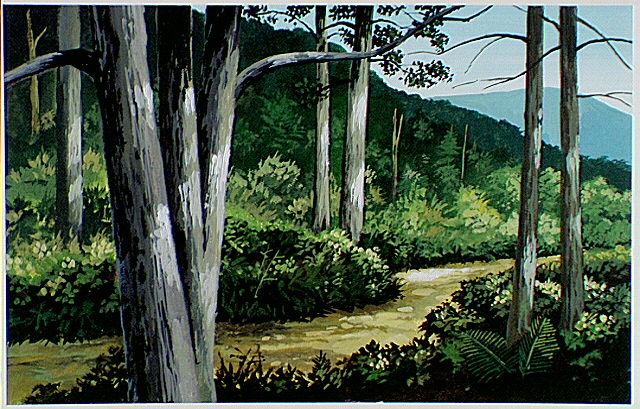
Dense, evergreen groves of live oak, magnolia and other hardwoods in the southern Coastal Plain, from dry oak domes to wet hydric hammocks and south Florida's tropical hammocks; salt-shaped maritime hammocks are maritime forests.
Streams, rivers and their banks
Flowing water and its banks, bars and rocky shoals.
Also found with this plant
Wildlife whose habitat models include habitats this plant grows in, in Alabama. Shared habitat, not food. 88 animals.
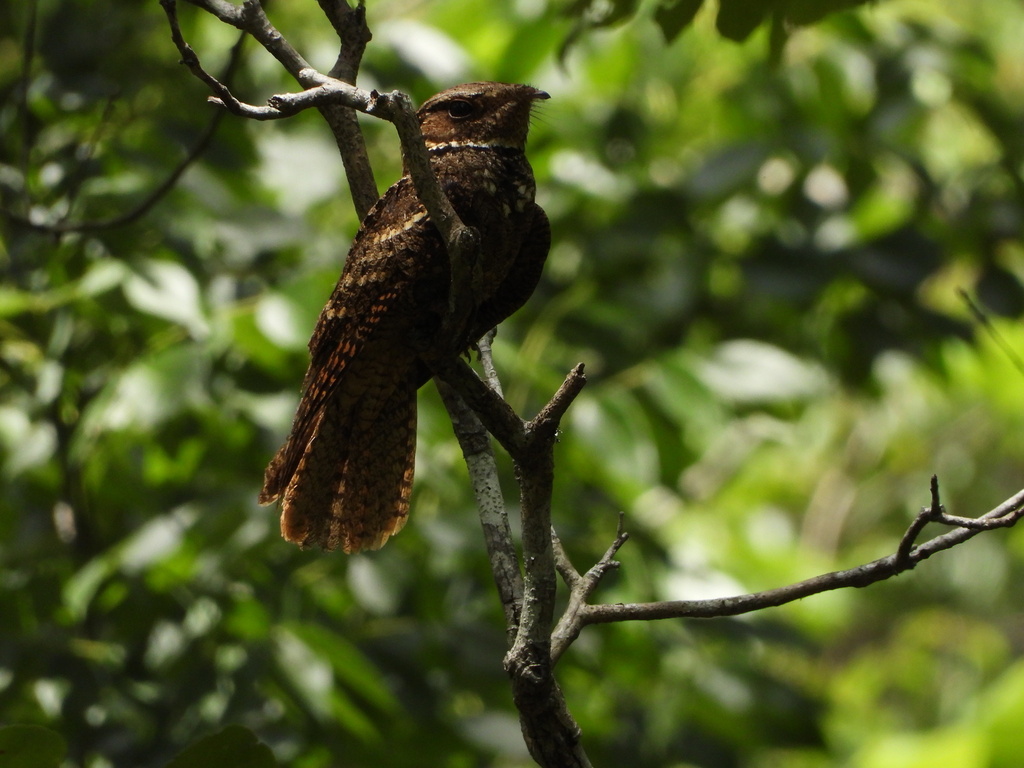
- Chuck-will's-widowCaprimulgus carolinensis
- Common GrackleQuiscalus quiscula
- Common NighthawkChordeiles minor
- Common YellowthroatGeothlypis trichas
- Cooper's HawkAccipiter cooperii
- Double-crested CormorantPhalacrocorax auritus
- Downy WoodpeckerPicoides pubescens
- Eastern BluebirdSialia sialis
- Eastern KingbirdTyrannus tyrannus
- Eastern Screech-owlMegascops asio
- Eastern TowheePipilo erythrophthalmus
- Eastern Wood-peweeContopus virens
- Eurasian Collared-doveStreptopelia decaocto
- European StarlingSturnus vulgaris
- Fish CrowCorvus ossifragus
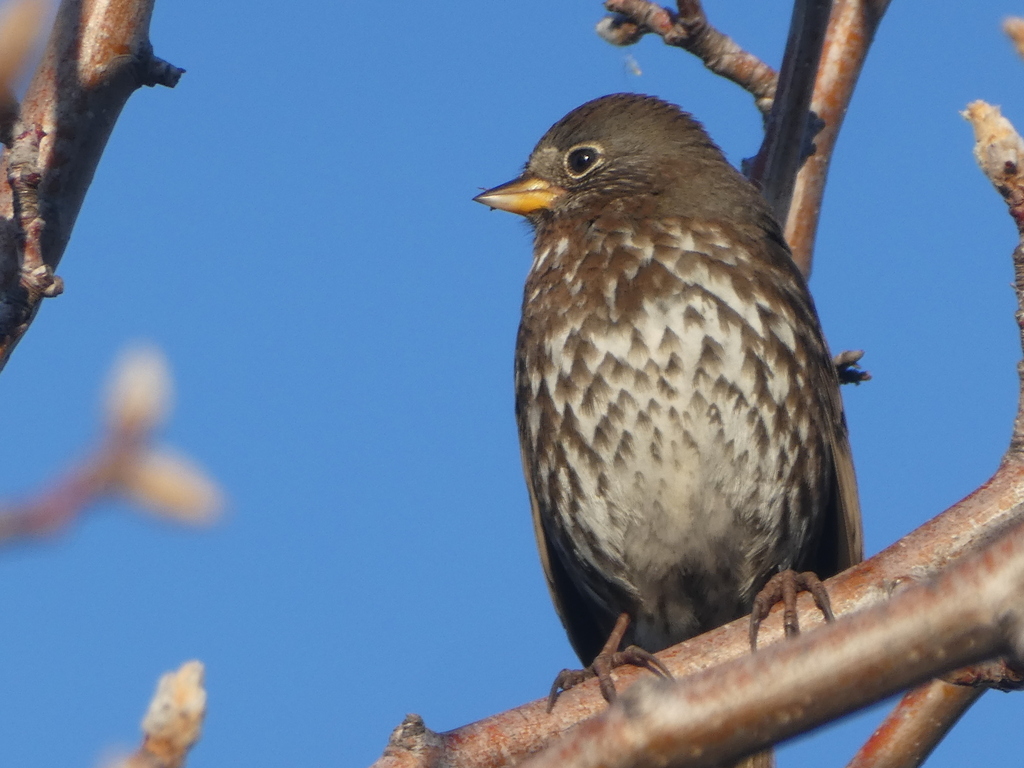
- Fox SparrowPasserella iliaca
- Golden-crowned KingletRegulus satrapa
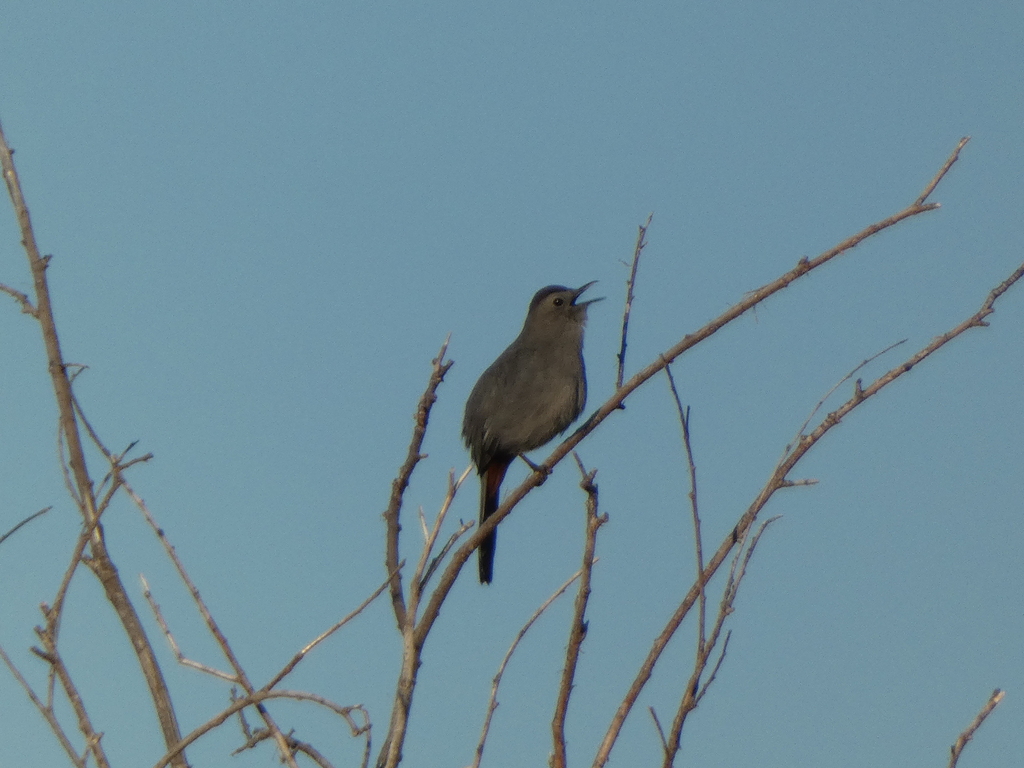
- Gray CatbirdDumetella carolinensis
- Great Crested FlycatcherMyiarchus crinitus
- Great Horned OwlBubo virginianus
- Hairy WoodpeckerPicoides villosus
- Hermit ThrushCatharus guttatus
- Hooded MerganserLophodytes cucullatus
- Hooded WarblerWilsonia citrina





















Who uses this plant?
 22CaterpillarsGenus host records with ranges including AL
Genus host records with ranges including AL · Smilax
- Acrolepiopsis incertellaCarrionflower Moth
- Amphipyra pyramidoidesMiranda Underwing, Copper Underwing, Copper Amphipyra
- Callopistria floridensisFlorida Fern Caterpillar
- Choristoneura parallelaParallel-Banded Leafroller, Spotted Fireworm Moth
- Cymatophora approximariaLarge Scalloped-Wing, Giant Grey
- Ephestiodes infimellaReddish Ephestiodes
- Eutrapela clematariaCurved-Tooth Geometer, Purplish Brown Looper
- Feniseca tarquiniusHarvester
- Hedone vibexWhirlabout
- Lithophane viridipallensPale Green Pinion
Show all 22
- Norape cretataWhite Flannel Moth
- Oiketicus abbotiiAbbot's Bagworm Moth
- Orthosia rubescensRuby Quaker
- Phosphila miselioidesSpotted Phosphila
- Phosphila turbulentaTurbulent Phosphila
- Phyprosopus callitrichoidesCurved-Line Owlet
- Proleucoptera smilaciellaGreenbrier Leafminer
- Pseudogalleria inimicellaInimical Borer
- Pseudothyris sepulchralisMournful Thyris
- Thyridopteryx ephemeraeformisEvergreen Bagworm Moth
- Trichoplusia niNi Moth, Cabbage Looper Moth
- Acrolepiopsis heppneri
 10BeesSoutheastern regional records
Southeastern regional records · Smilax
Individual names are not available yet.
Noori, Seltmann & Orr 2026, A curated and integrated dataset for exploring global bee-plant interactions (GloBI), Zenodo, CC BY 4.0 0Specialist beesPollen specialists
 11BirdsRecorded genus food-resource interactions; not a state feeding claim
Recorded genus food-resource interactions; not a state feeding claim · Smilax
- Bonasa umbellusRuffed Grouse
- Cardinalis cardinalisNorthern Cardinal
- Catharus fuscescensVeery
- Catharus guttatusHermit Thrush
- Catharus minimus/bicknelliGray-cheeked/Bicknell's Thrush
- Catharus ustulatusSwainson's Thrush
- Meleagris gallopavoWild Turkey
- Pinicola enucleatorPine Grosbeak
- Sialia sialisEastern Bluebird
- Turdus migratoriusAmerican Robin
Show all 11
- Vireo solitariusBlue-headed Vireo
Direct food only: birds recorded eating this genus across North America. Caterpillars on host plants also feed nesting birds. NC Native Plant Society: butterfly gardening
No records yet · Ants · Beetles · Flies · Adult butterflies / moths · Other wasps · Other insects
Plant details
- Family
- SMILACACEAE
Safety has not been reviewed for this plant; check toxicity and thorns before planting.
Conservation status
| Alabama rank | SNR |
|---|---|
| Global rank | Not available |
| AL status | Not verified |
| Federal status | Not verified |
Will it fit your yard?
Check this plant against your county, sun and soil moisture. Conditions are checked in your browser.
Sources
- Alabama Plant Atlas
- Weakley, Flora of the Southeastern United States (2025)
- Shropshire & Tallamy 2025, Lepidoptera of North America north of Mexico, ZooKeys 1261 (ODbL)
- Noori, Seltmann & Orr 2026, A curated and integrated dataset for exploring global bee-plant interactions (GloBI), Zenodo, CC BY 4.0
- Smith, Bachelder, Russell, Morales, Mosher & Seltmann 2024, Bee-Specialization-Modeling v0.6.1 (specialist host table compiled from J. Fowler's pollen specialist bee lists), Zenodo, CC BY 4.0
- Hurlbert, Olsen, Sawyer & Winner 2021, Avian Diet Database, Scientific Data 8: 260 (CC0)
- Narango, Tallamy & Shropshire 2020, Few keystone plant genera support the majority of Lepidoptera species, Nature Communications