

Eastern Gum Bully
Sideroxylon lanuginosum
Native to Alabama. How scores work Is it native here?
Profile 35%
- Soil moisture
- Somewhat dry to average
No photograph yet. Looking for an old drawing…
At a glance
Not yet recorded · Height · Spread · Light · Life cycle · Leaves · Bloom
This plant is missing most of its facts, so Quercus is looking them up in old botany books.
Recorded in 29 Alabama counties.
Also found with this plant
Wildlife whose habitat models include habitats this plant grows in, in Alabama. Shared habitat, not food. 40 animals.
Widespread birds also seen here (34)
Found in many habitats here, so not listed above.
- American Crow
- American Goldfinch
- American Kestrel
- American Robin
- Bald Eagle
- Belted Kingfisher
- Black-crowned Night-heron
- Blue Grosbeak
- Chipping Sparrow
- Common Grackle
- Common Nighthawk
- Common Yellowthroat
- Cooper's Hawk
- Double-crested Cormorant
- Eastern Kingbird
- Eastern Screech-owl
- Eastern Towhee
- Eurasian Collared-dove
- European Starling
- Great Horned Owl
- Mourning Dove
- Northern Cardinal
- Northern Flicker
- Northern Mockingbird
- Osprey
- Purple Finch
- Red-tailed Hawk
- Red-winged Blackbird
- Sharp-shinned Hawk
- Tufted Titmouse
- Turkey Vulture
- Yellow-breasted Chat
- Yellow-crowned Night-heron
- Yellow-rumped Warbler
Who uses this plant?
 8CaterpillarsGenus host records with ranges including AL
Genus host records with ranges including AL · Sideroxylon
- Acharia stimuleaSaddleback Caterpillar Moth
- Enaemia pupulaBumelia Leafworm Moth, Streaked Lactura
- Enaemia subfervensSpeckled Lactura
- Euerythra phasmaRed-Tailed Specter Moth
- Eustixia pupulaSpotted Peppergrass Moth
- Litodonta hydromeliOrange-Banded Prominent
- Urodus parvulaBumelia Webworm
- Zomaria interruptolineanaBroken-Lined Zomaria
 8BeesSoutheastern regional records
Southeastern regional records · Sideroxylon
Individual names are not available yet.
Noori, Seltmann & Orr 2026, A curated and integrated dataset for exploring global bee-plant interactions (GloBI), Zenodo, CC BY 4.0 2Specialist beesPollen specialists
Pollen specialists · Sideroxylon
- Colletes bumeliae
- Colletes inuncantipedis
 1BirdsRecorded eating Sideroxylon in Alabama
Diet records by plant genus, from studies across North America. Not a record from this state. Birds whose range includes Alabama, most records first.
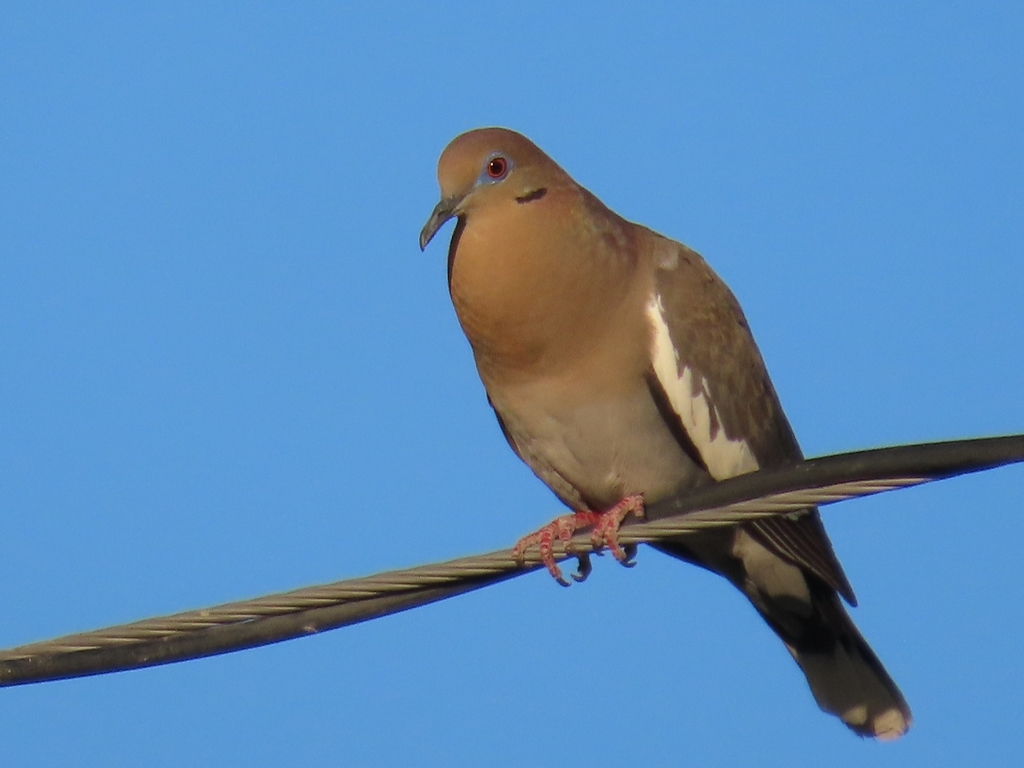
- White-winged Dove4 diet records
Direct food only. Caterpillars on host plants also feed nesting birds. NC Native Plant Society: butterfly gardening
No records yet · Ants · Beetles · Flies · Adult butterflies / moths · Other wasps · Other insects
Birds that eat Sideroxylon 1
Diet records by plant genus, from studies across North America. Not a record from this state. Avian Diet Database (Hurlbert Lab), CC0 1.0.
- White-winged DoveZenaida asiatica
Plant details
- Family
- SAPOTACEAE
What its natural habitat tells you
Safety has not been reviewed for this plant; check toxicity and thorns before planting.
Conservation status
| Alabama rank | SNR |
|---|---|
| Global rank | Not available |
| AL status | Not verified |
| Federal status | Not verified |
Will it fit your yard?
Check this plant against your county, sun and soil moisture. Conditions are checked in your browser.
Sources
- Alabama Plant Atlas
- Shropshire & Tallamy 2025, Lepidoptera of North America north of Mexico, ZooKeys 1261 (ODbL)
- Noori, Seltmann & Orr 2026, A curated and integrated dataset for exploring global bee-plant interactions (GloBI), Zenodo, CC BY 4.0
- Smith, Bachelder, Russell, Morales, Mosher & Seltmann 2024, Bee-Specialization-Modeling v0.6.1 (specialist host table compiled from J. Fowler's pollen specialist bee lists), Zenodo, CC BY 4.0
- Hurlbert, Olsen, Sawyer & Winner 2021, Avian Diet Database, Scientific Data 8: 260 (CC0)
- Narango, Tallamy & Shropshire 2020, Few keystone plant genera support the majority of Lepidoptera species, Nature Communications