

Sicklepod
Senna obtusifolia
Found in fields (especially soybean fields), disturbed areas. Weakley, Flora of the Southeastern United States (2025), South Central edition What its natural habitat tells you
Native to Alabama. How scores work Is it native here?
Profile 94%
- Height
- 2–5 feet
- Spread
- 2–5 feet
- Light
- Full sun
- Soil moisture
- Somewhat dry to moist
Space about 3.5 ft apart from its recorded spread, about 8 per 100 sq ft. Enter your bed size for a count
Will it fit your yard?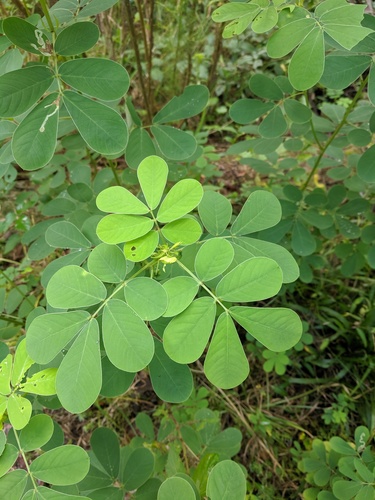
At a glance
- Life cycle
- Annual
- Bloom
- July to September
- Fruiting season
- August to November
Not yet recorded · Leaves
Recorded in 56 Alabama counties.
Natural habitats
Places it grows wild. Not a planting requirement. Each habitat page lists the plants and wildlife also found there.
Roadsides, fields and disturbed ground
Ground opened by people: roadsides, old fields, pastures, fencerows and lots.
Also found with this plant
Wildlife whose habitat models include habitats this plant grows in, in Alabama. Shared habitat, not food. 110 animals.
- Hairy WoodpeckerPicoides villosus
- Hermit ThrushCatharus guttatus
- Hooded MerganserLophodytes cucullatus
- Hooded WarblerWilsonia citrina
- Indigo BuntingPasserina cyanea
- Kentucky WarblerOporornis formosus
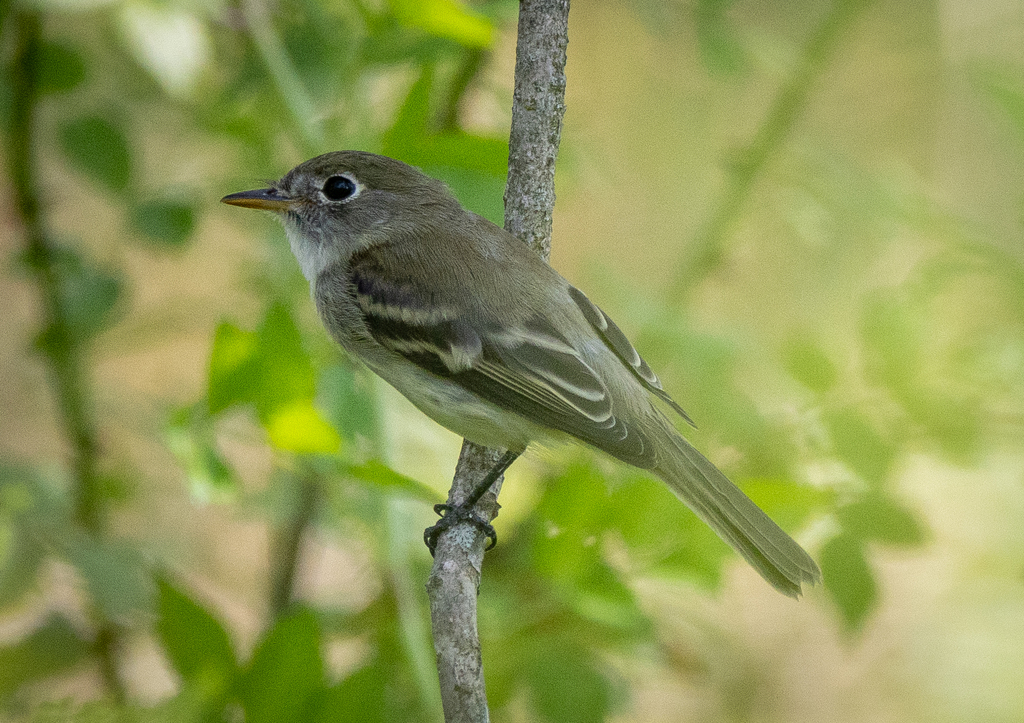
- Least FlycatcherEmpidonax minimus
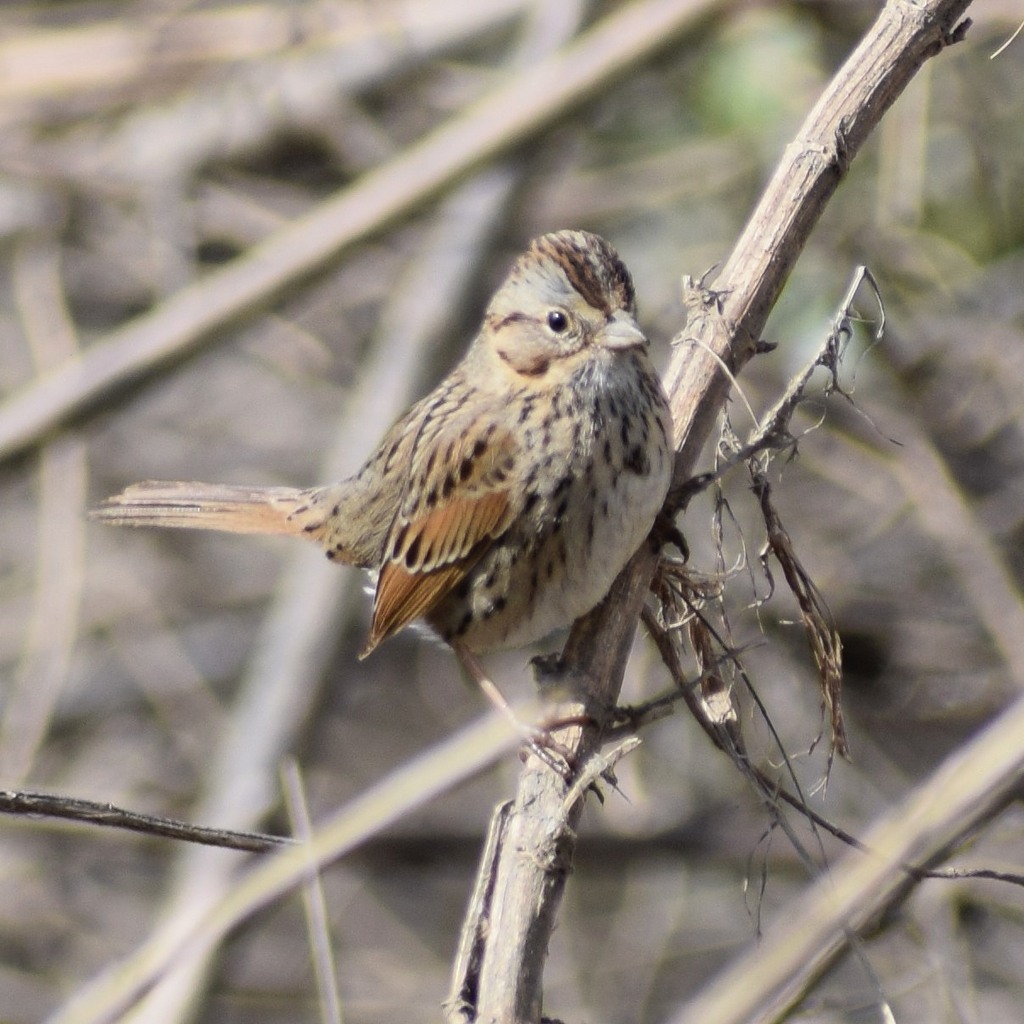
- Lincoln's SparrowMelospiza lincolnii
- Louisiana WaterthrushSeiurus motacilla
- MallardAnas platyrhynchos
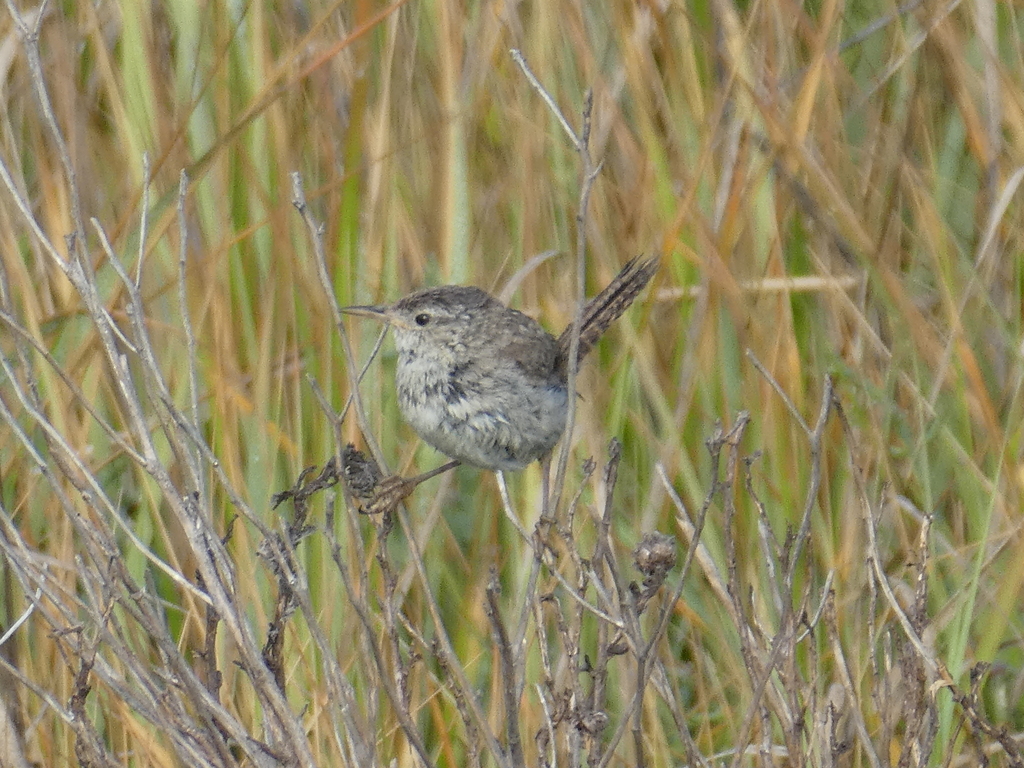
- Marsh WrenCistothorus palustris
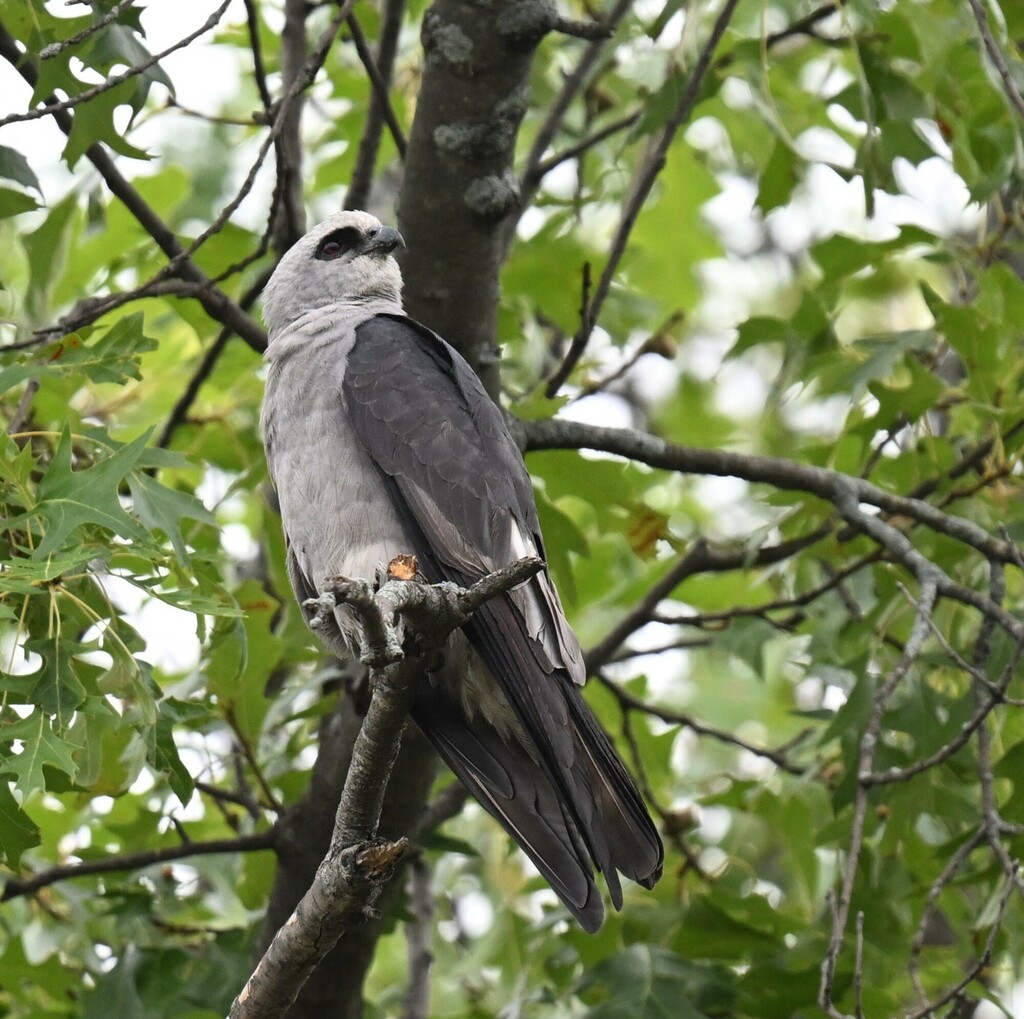
- Mississippi KiteIctinia mississippiensis
- Mourning DoveZenaida macroura
- Northern CardinalCardinalis cardinalis
- Northern FlickerColaptes auratus
- Northern MockingbirdMimus polyglottos
- Northern ParulaParula americana
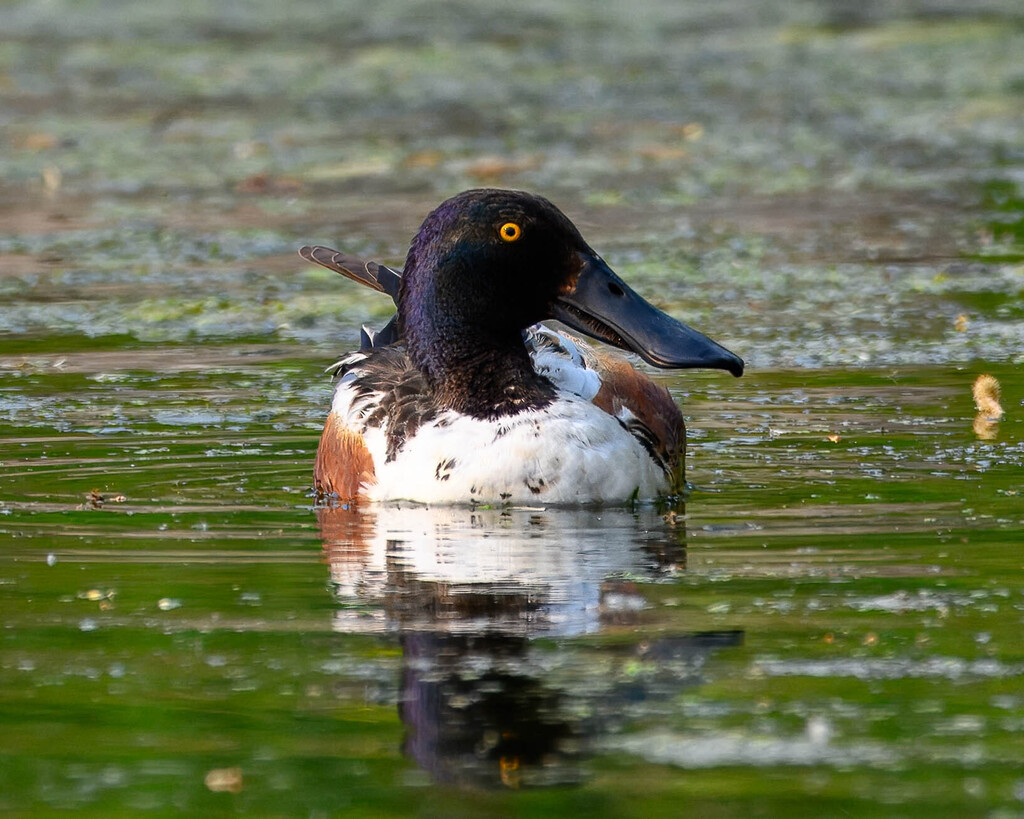
- Northern ShovelerAnas clypeata
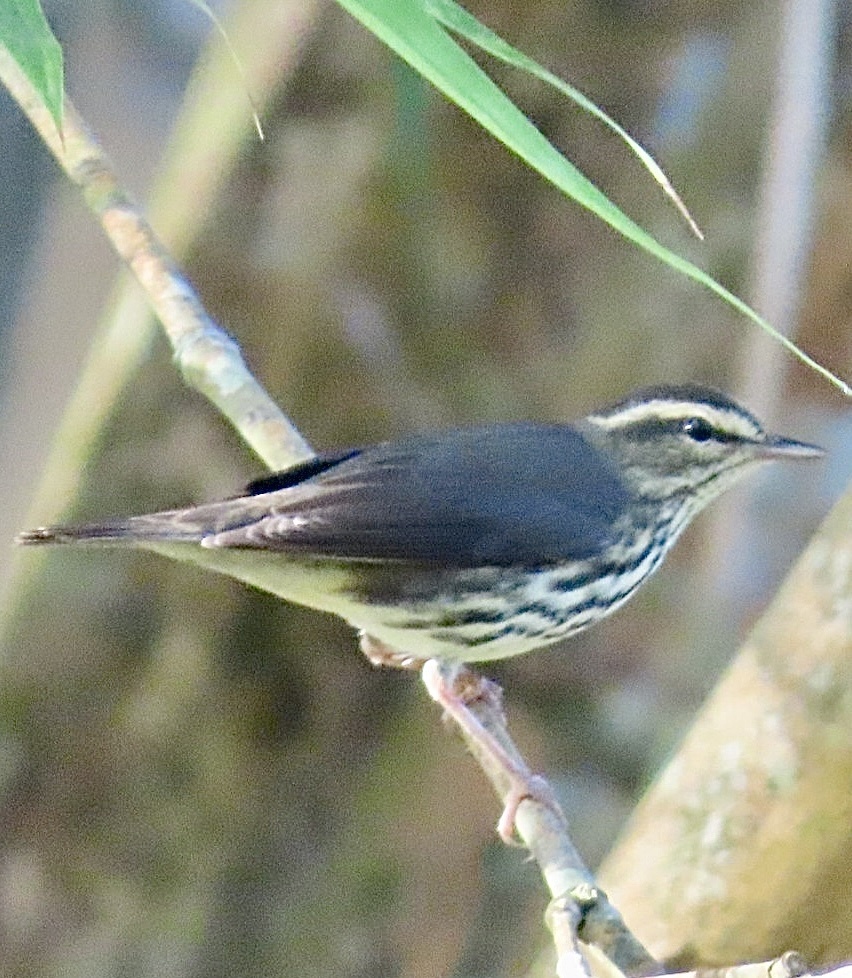
- Northern WaterthrushSeiurus noveboracensis
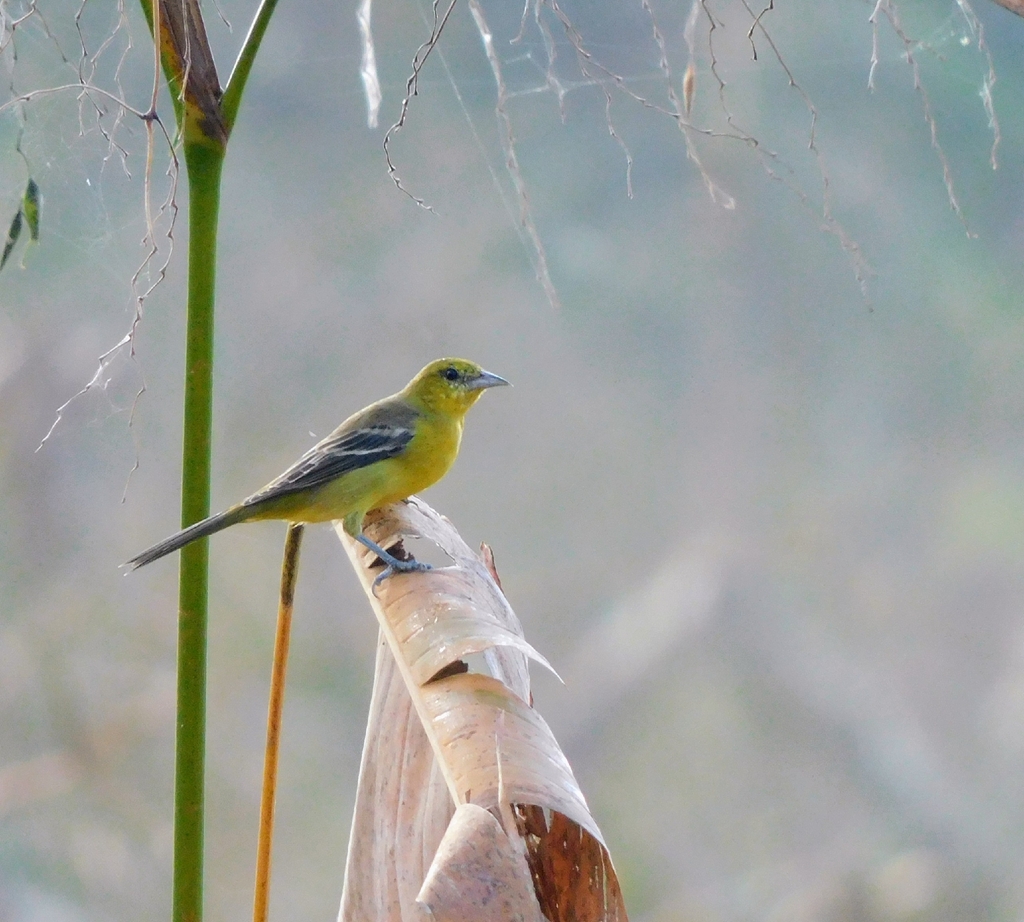
- Orchard OrioleIcterus spurius
- OspreyPandion haliaetus
- OvenbirdSeiurus aurocapilla
- Pileated WoodpeckerDryocopus pileatus
- Pine SiskinCarduelis pinus

















Who uses this plant?
 16CaterpillarsGenus host records with ranges including AL
Genus host records with ranges including AL · Cassia
- Phoebis sennaeCloudless Sulphur
- Abaeis nicippeSleepy Orange, Sleepy Yellow, Erratic Orange
- Amyelois transitellaNavel Orangeworm
- Automeris ioIo Moth
- Choristoneura obsoletanaObsolete Leafroller
- Colias eurythemeOrange Sulphur, Alfalfa Butterfly
- Epargyreus clarusSilver-Spotted Skipper
- Eumarozia malachitanaSculptured Moth
- Eurema dairaBarred Yellow, Barred Sulphur
- Lesmone detrahensDetracted Owlet
Show all 16
- Platynota rostranaOmnivorous Platynota
- Pleuroprucha insulsariaCommon Tan Wave
- Pyrisitia lisaLittle Yellow, Little Sulphur, Lisa Yellow
- Selenisa sueroidesTailpipes, Pale-Edged Selenisa Moth
- Uresiphita reversalisGenista Caterpillar, Genista Cbroom Moth
- Zale lunataLunate Zale
 7BeesSoutheastern regional records
Southeastern regional records · Senna
Individual names are not available yet.
Noori, Seltmann & Orr 2026, A curated and integrated dataset for exploring global bee-plant interactions (GloBI), Zenodo, CC BY 4.0 0Specialist beesPollen specialists
 2BirdsRecorded genus food-resource interactions; not a state feeding claim
Recorded genus food-resource interactions; not a state feeding claim · Cassia
- Pipilo maculatusSpotted Towhee
- Zonotrichia leucophrysWhite-crowned Sparrow
Direct food only: birds recorded eating this genus across North America. Caterpillars on host plants also feed nesting birds. NC Native Plant Society: butterfly gardening
No records yet · Ants · Beetles · Flies · Adult butterflies / moths · Other wasps · Other insects
Plant details
- Family
- Fabaceae
- Hardiness
- Zones 5a–10b
- Flower color
- Yellow
- Fruit begins
- August
- Fruit ends
- November
Safety has not been reviewed for this plant; check toxicity and thorns before planting.
Growing sources and scope
- Bloom · “July to September” · Weakley, Flora of the Southeastern United States (2025), Carolinas & Georgia edition · Carolinas and Georgia
- Flower color · “Yellow” · NC Extension Plant Toolbox
- Fruit begins · “August” · Weakley, Flora of the Southeastern United States (2025), Carolinas & Georgia edition · Carolinas and Georgia
- Fruit ends · “November” · Weakley, Flora of the Southeastern United States (2025), Carolinas & Georgia edition · Carolinas and Georgia
- Hardiness · “Zones 5a–10b” · NC Extension Plant Toolbox (ranked first; Missouri Botanical Garden Plant Finder differs)
- Height · “2–5 feet” · NC Extension Plant Toolbox (ranked first; Lady Bird Johnson Wildflower Center differs)
- Life cycle · “Annual” · NC Extension Plant Toolbox
- Light · “Full sun (6 or more hours of direct sunlight a day)” · NC Extension Plant Toolbox (ranked first; Missouri Botanical Garden Plant Finder differs)
- primary_flower_color · “yellow” · NC Extension Plant Toolbox
- Soil · “Moist; Occasionally dry” · NC Extension Plant Toolbox (ranked first; Missouri Botanical Garden Plant Finder differs)
- Spread · “2–5 feet” · NC Extension Plant Toolbox
Also known as
Cassia obtusifolia; Coffeeweed; Java Bean Senna
Conservation status
| Alabama rank | SNR |
|---|---|
| Global rank | G5 |
| AL status | Not verified |
| Federal status | Not verified |
Will it fit your yard?
Check this plant against your county, sun and soil moisture. Conditions are checked in your browser.
Sources
- Alabama Plant Atlas
- USDA PLANTS
- Weakley, Flora of the Southeastern United States (2025)
- Shropshire & Tallamy 2025, Lepidoptera of North America north of Mexico, ZooKeys 1261 (ODbL)
- Noori, Seltmann & Orr 2026, A curated and integrated dataset for exploring global bee-plant interactions (GloBI), Zenodo, CC BY 4.0
- Smith, Bachelder, Russell, Morales, Mosher & Seltmann 2024, Bee-Specialization-Modeling v0.6.1 (specialist host table compiled from J. Fowler's pollen specialist bee lists), Zenodo, CC BY 4.0
- Hurlbert, Olsen, Sawyer & Winner 2021, Avian Diet Database, Scientific Data 8: 260 (CC0)
- Narango, Tallamy & Shropshire 2020, Few keystone plant genera support the majority of Lepidoptera species, Nature Communications