

Bloodroot
Sanguinaria canadensis
Found in moist nutrient-rich forests. Weakley, Flora of the Southeastern United States (2025), South Central edition What its natural habitat tells you
Native to Alabama. How scores work Is it native here?
Profile 94%
- Height
- 6–8 inches
- Spread
- 3–6 inches
- Light
- Deep shade, Partial shade
- Soil moisture
- Usually moist
Space about 1 ft apart from its recorded spread, about 100 per 100 sq ft. Enter your bed size for a count
Will it fit your yard?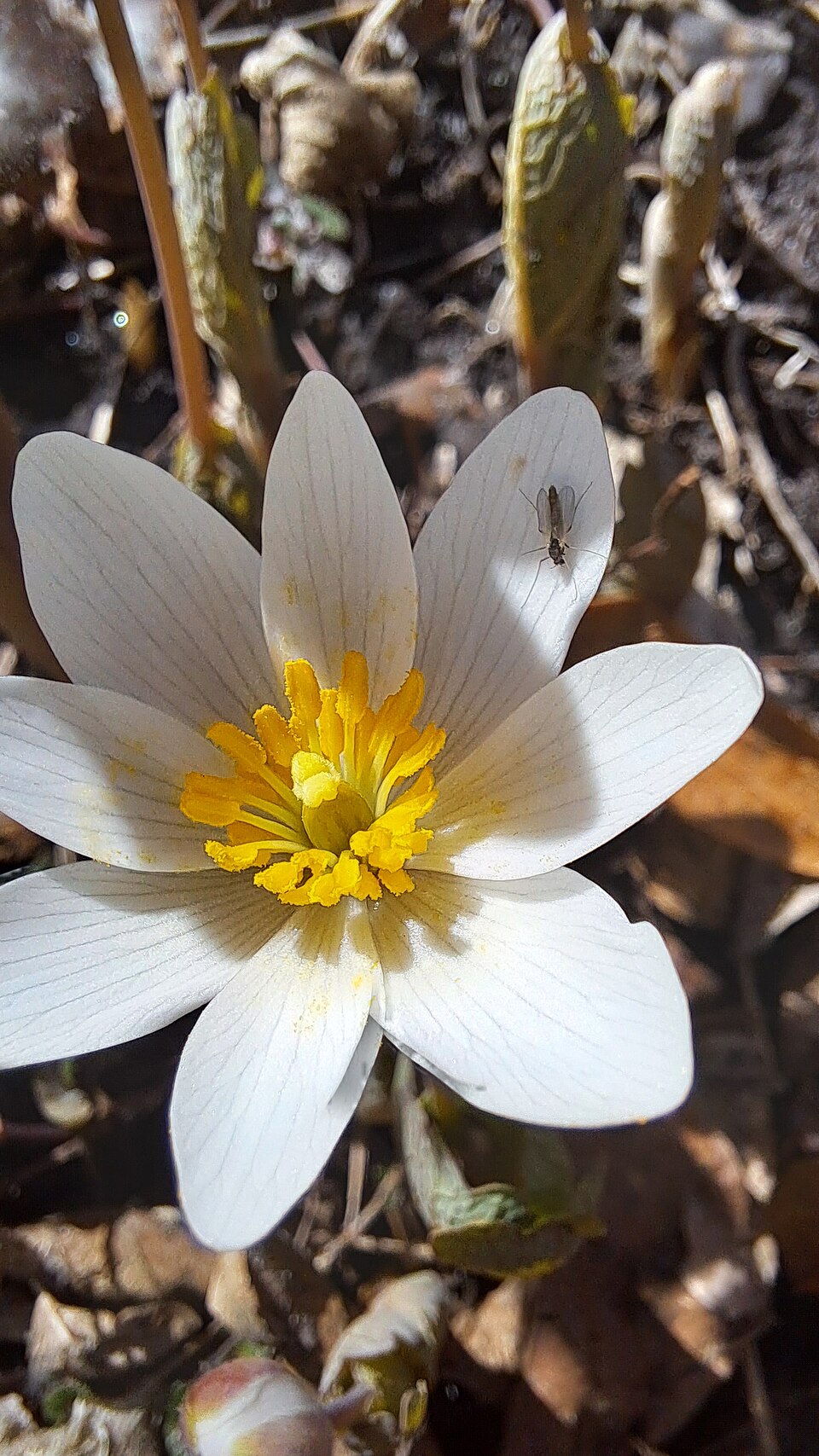
At a glance
- Life cycle
- Perennial
- Bloom
- April to May
- Fruiting season
- April to May
Not yet recorded · Leaves
Recorded in 62 Alabama counties.
Natural habitats
Places it grows wild. Not a planting requirement. Each habitat page lists the plants and wildlife also found there.

Also found with this plant
Wildlife whose habitat models include habitats this plant grows in, in Alabama. Shared habitat, not food. 109 animals.
- Brown-headed CowbirdMolothrus ater
- Chestnut-sided WarblerDendroica pensylvanica
- Dark-eyed JuncoJunco hyemalis
- Eurasian Collared-doveStreptopelia decaocto
- Evening GrosbeakCoccothraustes vespertinus
- Indigo BuntingPasserina cyanea
- Lincoln's SparrowMelospiza lincolnii
- Long-eared OwlAsio otus
- Mississippi KiteIctinia mississippiensis
- Northern Saw-whet OwlAegolius acadicus
- Prothonotary WarblerProtonotaria citrea
- Red-breasted NuthatchSitta canadensis
- Spotted SandpiperActitis macularius

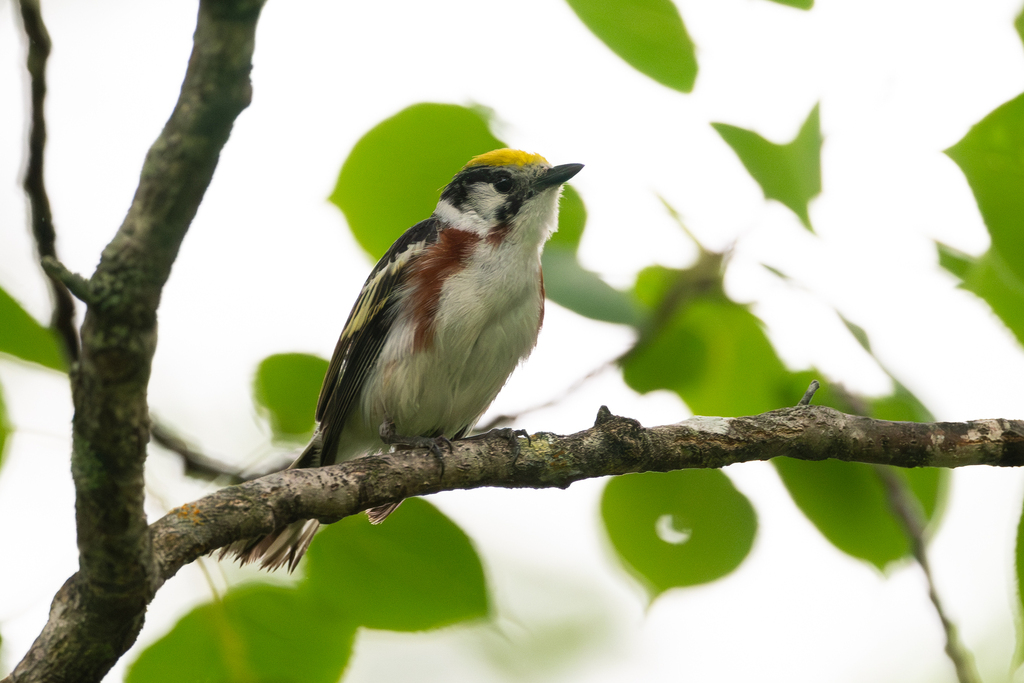


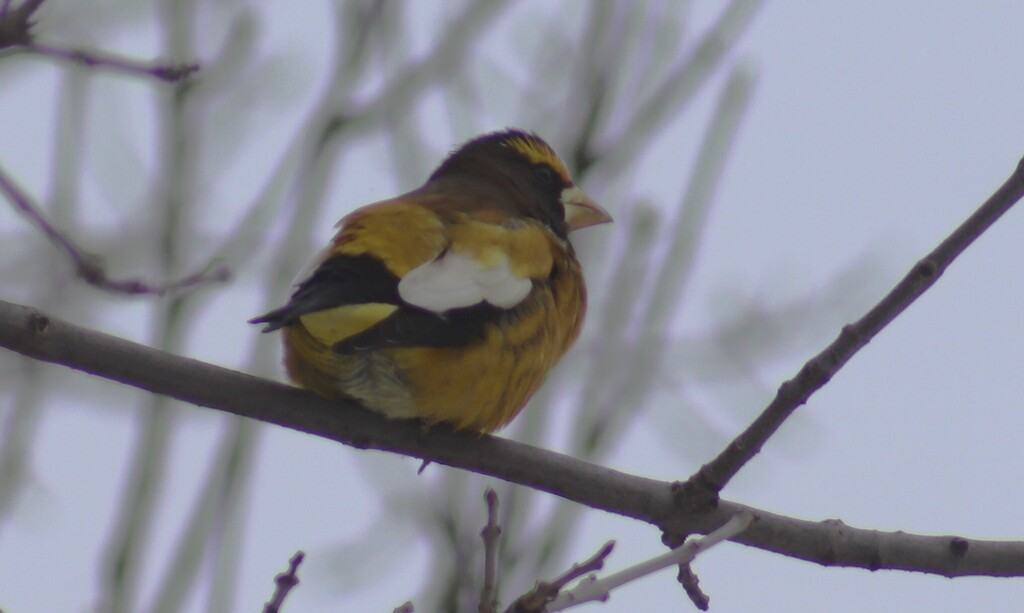


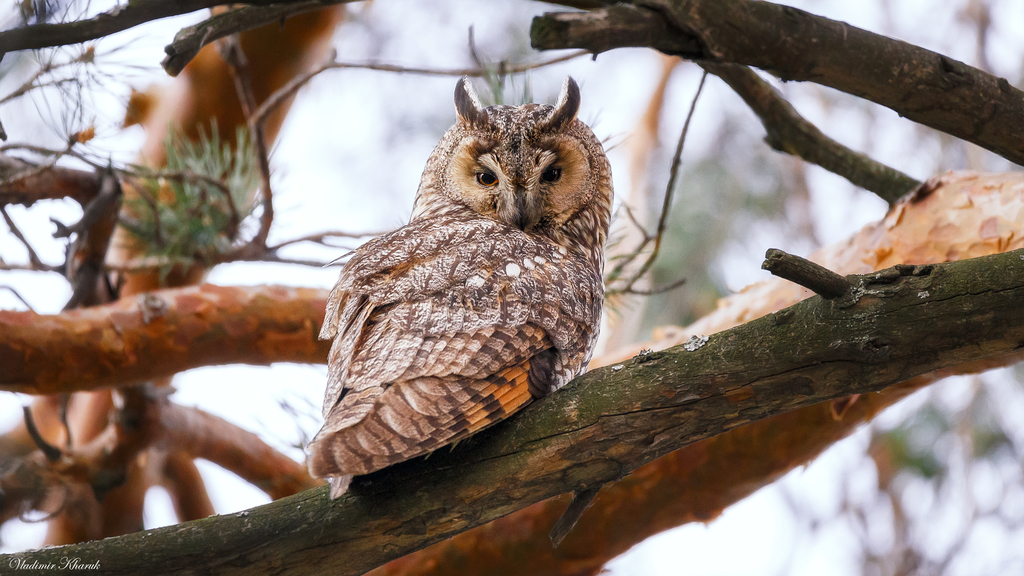
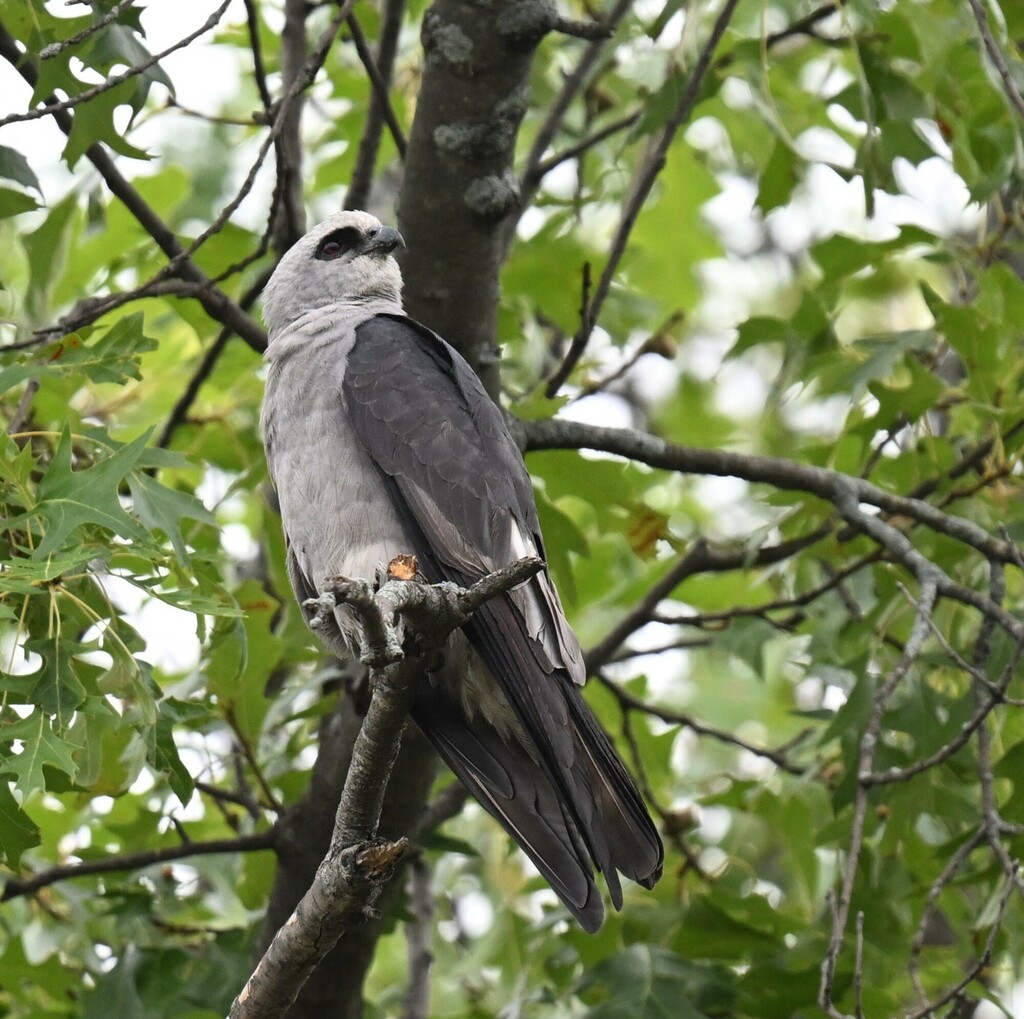

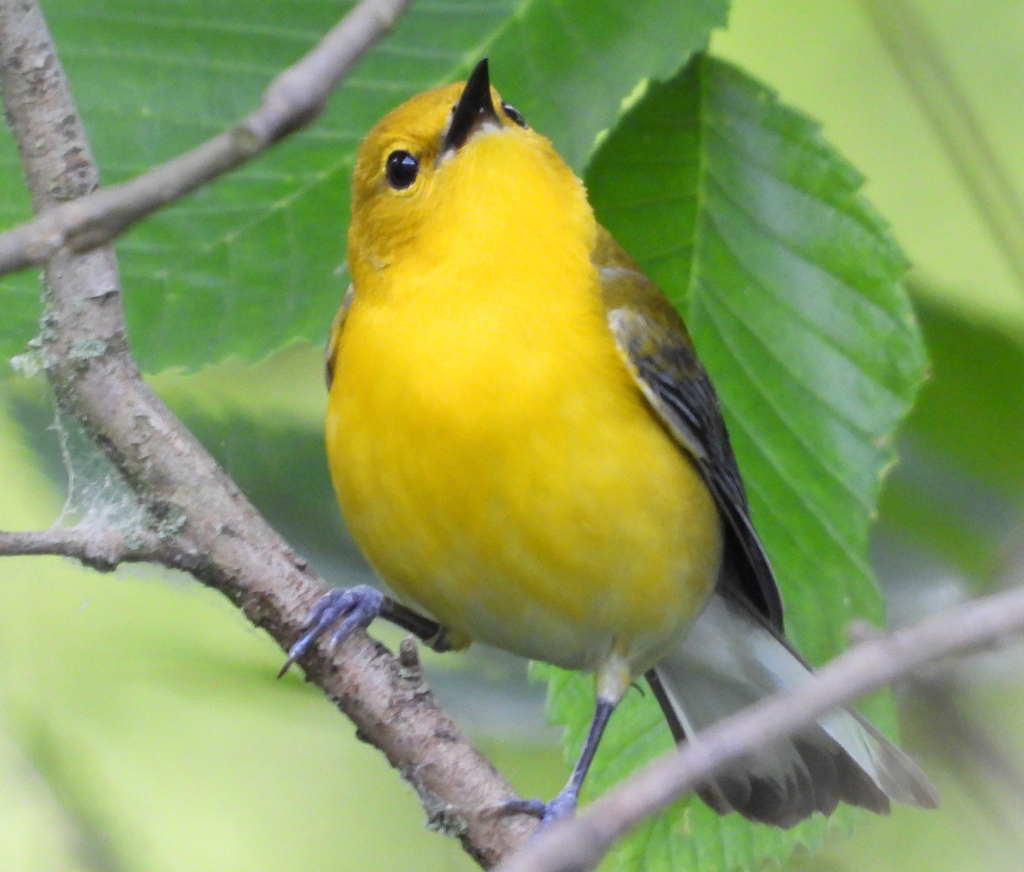



Who uses this plant?
 2CaterpillarsGenus host records with ranges including AL
Genus host records with ranges including AL · Sanguinaria
- Platynota idaeusalisTufted Apple-Bud Moth
- Spodoptera eridaniaSouthern Armyworm Moth
 4BeesSoutheastern regional records
Southeastern regional records · Sanguinaria
Individual names are not available yet.
Noori, Seltmann & Orr 2026, A curated and integrated dataset for exploring global bee-plant interactions (GloBI), Zenodo, CC BY 4.0 0Specialist beesPollen specialists
 1BirdsRecorded genus food-resource interactions; not a state feeding claim
Recorded genus food-resource interactions; not a state feeding claim · Sanguinaria
- Pheucticus ludovicianusRose-breasted Grosbeak
Direct food only: birds recorded eating this genus across North America. Caterpillars on host plants also feed nesting birds. NC Native Plant Society: butterfly gardening
 20AntsRecorded seed interactions
- Aphaenogaster flemingi
- Aphaenogaster fulva
- Aphaenogaster rudis
- Aphaenogaster texana
- Aphaenogaster unknown
- Camponotus castaneus
- Camponotus pennsylvanicus
- Camponotus unknown
- Crematogaster ashmeadi
- Crematogaster unknown
Show all 20
- Formica pallidefulva
- Formica subsericea
- Lasius alienus
- Lasius unknown
- Leptothorax unknown
- Myrmica punctiventris
- Myrmica scabrinodis
- Myrmica unknown
- Solenopsis invicta
- Stenamma unknown
Aphaenogaster rudis: Seed dispersal.
Formica subsericea: Seed dispersal.
Lasius alienus: Seed dispersal.
Myrmica punctiventris: Seed dispersal.
Aphaenogaster rudis: Seed dispersal; Seed predation.
Aphaenogaster rudis: Seed predation.
Aphaenogaster rudis: Seed dispersal.
Solenopsis invicta: Seed dispersal.
Aphaenogaster flemingi: Seed dispersal.
Aphaenogaster fulva: Seed dispersal.
Aphaenogaster texana: Seed dispersal.
Camponotus castaneus: Seed dispersal.
Crematogaster ashmeadi: Seed dispersal.
Formica pallidefulva: Seed dispersal.
Formica subsericea: Seed dispersal.
Solenopsis invicta: Seed dispersal.
Aphaenogaster unknown: Seed dispersal.
Camponotus unknown: Seed dispersal.
Crematogaster unknown: Seed dispersal.
Lasius unknown: Seed dispersal.
Leptothorax unknown: Seed dispersal.
Myrmica unknown: Seed dispersal.
Stenamma unknown: Seed dispersal.
Aphaenogaster rudis: Seed dispersal.
Camponotus pennsylvanicus: Seed dispersal.
Formica subsericea: Seed dispersal.
Lasius alienus: Seed dispersal.
Myrmica punctiventris: Seed dispersal.
Myrmica scabrinodis: Seed dispersal.
Stenamma unknown: Seed dispersal.
Aphaenogaster rudis: Seed dispersal.
Solenopsis invicta: Seed dispersal; Seed predation.
Beetles 1
- Asclera ruficollis
Flower visits · Carlinville, Illinois, USA
Flies 1
- Syrphus americanus
Flower visits · Carlinville, Illinois, USA
No records yet · Adult butterflies / moths · Other wasps · Other insects
Plant details
- Family
- Papaveraceae
- Hardiness
- Zones 3–8
- Flower color
- White
- Fruit begins
- April
- Fruit ends
- May
Safety has not been reviewed for this plant; check toxicity and thorns before planting.
Growing sources and scope
- Bloom · “April to May” · Prairie Moon 2026 Cultural Guide · Nursery cultural guide; height in flower; moisture categories retained as printed
- Flower color · “White” · NC Extension Plant Toolbox
- Fruit begins · “April” · Weakley, Flora of the Southeastern United States (2025), Carolinas & Georgia edition · Carolinas and Georgia
- Fruit ends · “May” · Weakley, Flora of the Southeastern United States (2025), Carolinas & Georgia edition · Carolinas and Georgia
- Hardiness · “Zones 3–8” · Missouri Botanical Garden Plant Finder
- Height · “6–8 inches” · Tennessee Smart Yards (ranked first; Missouri Botanical Garden Plant Finder, Minnesota Wildflowers, Prairie Moon 2026 Cultural Guide differ) · Published Tennessee growing guidance; exact cached scientific heading
- Life cycle · “Perennial” · NC Extension Plant Toolbox
- Light · “Deep shade (less than 2 hours to no direct sunlight); Partial shade (direct sunlight only part of the day, 2-6 hours)” · NC Extension Plant Toolbox (ranked first; Virginia Cooperative Extension, Virginia DCR Piedmont, Virginia DCR Coastal Plain, Missouri Botanical Garden Plant Finder, Prairie Moon 2026 Cultural Guide differ)
- primary_flower_color · “white” · Prairie Moon 2026 Cultural Guide
- Soil · “Moist” · NC Extension Plant Toolbox (ranked first; Tennessee Smart Yards, Virginia Cooperative Extension, Virginia DCR Piedmont, Virginia DCR Coastal Plain, Missouri Botanical Garden Plant Finder, Prairie Moon 2026 Cultural Guide differ)
- Spread · “3–6 inches” · Missouri Botanical Garden Plant Finder
Conservation status
| Alabama rank | SNR |
|---|---|
| Global rank | G5 |
| AL status | Not verified |
| Federal status | Not verified |
Will it fit your yard?
Check this plant against your county, sun and soil moisture. Conditions are checked in your browser.
Growing cautions
- Self-seeds. Can self-sow in good locations. Tennessee Smart Yards
For planning only; these do not change the score or Fit.
Sources
- Alabama Plant Atlas
- USDA PLANTS
- Vascular Plants of North Carolina (NC Natural Heritage Program)
- Weakley, Flora of the Southeastern United States (2025)
- Shropshire & Tallamy 2025, Lepidoptera of North America north of Mexico, ZooKeys 1261 (ODbL)
- Noori, Seltmann & Orr 2026, A curated and integrated dataset for exploring global bee-plant interactions (GloBI), Zenodo, CC BY 4.0
- Smith, Bachelder, Russell, Morales, Mosher & Seltmann 2024, Bee-Specialization-Modeling v0.6.1 (specialist host table compiled from J. Fowler's pollen specialist bee lists), Zenodo, CC BY 4.0
- Hurlbert, Olsen, Sawyer & Winner 2021, Avian Diet Database, Scientific Data 8: 260 (CC0)
- Narango, Tallamy & Shropshire 2020, Few keystone plant genera support the majority of Lepidoptera species, Nature Communications