

Mississippi Buttercup
Ranunculus laxicaulis
Found in marshes, swamps, tidal cypress swamps. Weakley, Flora of the Southeastern United States (2025), South Central edition What its natural habitat tells you
Native to Alabama. How scores work Is it native here?
Profile 94%
- Height
- About 1.2 feet
- Light
- Partial shade, Full sun
- Soil moisture
- Moist to wet
No photograph yet. Looking for an old drawing…
At a glance
- Bloom
- April to September
- Fruiting season
- Spring to summer
Not yet recorded · Spread · Life cycle · Leaves
Recorded in 7 Alabama counties.
Natural habitats
Places it grows wild. Not a planting requirement. Each habitat page lists the plants and wildlife also found there.


Also found with this plant
Wildlife whose habitat models include habitats this plant grows in, in Alabama. Shared habitat, not food. 126 animals.
- Red-shouldered HawkButeo lineatus
- Ring-necked DuckAythya collaris
- Ruby-throated HummingbirdArchilochus colubris
- Rusty BlackbirdEuphagus carolinus
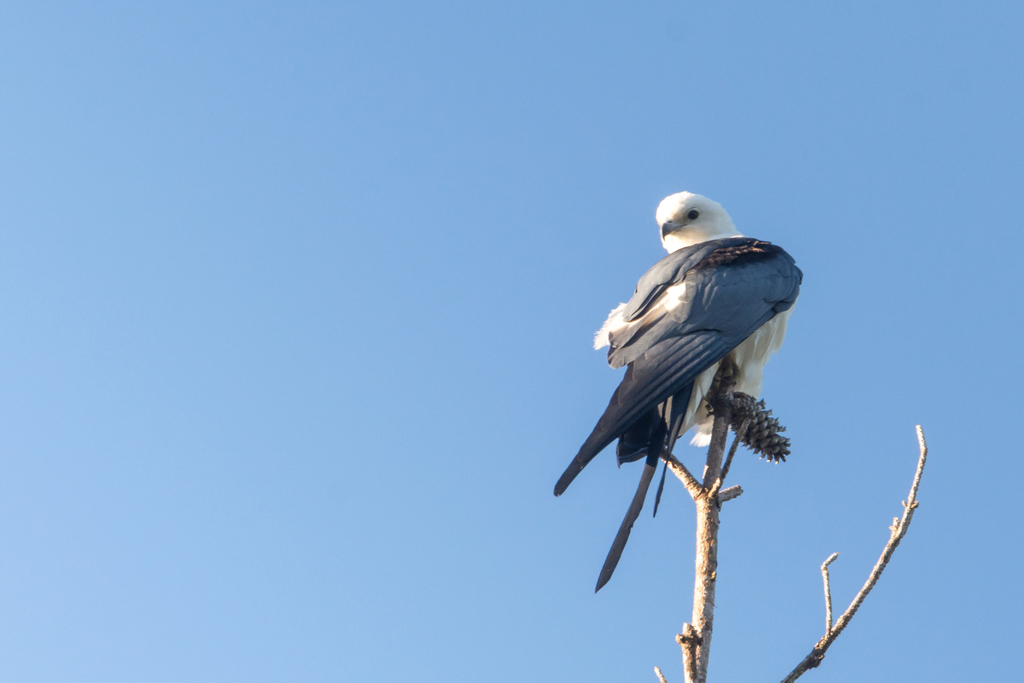
- Swallow-tailed KiteElanoides forficatus
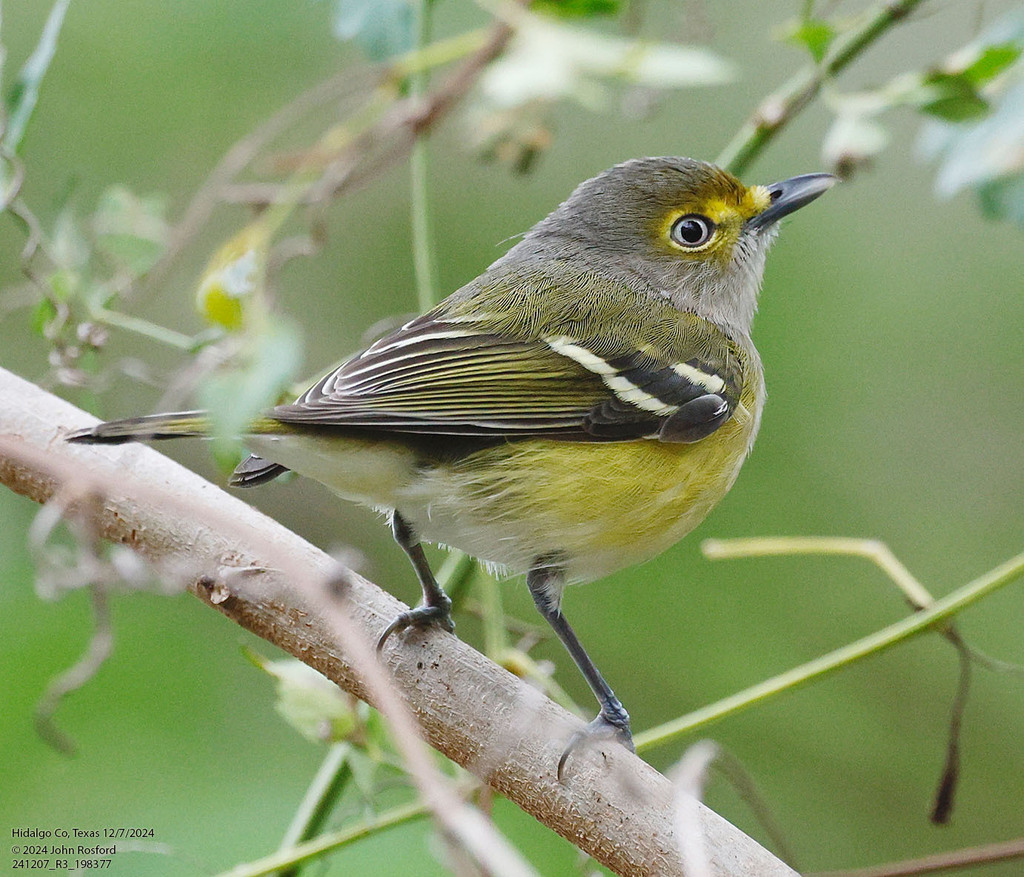
- White-eyed VireoVireo griseus
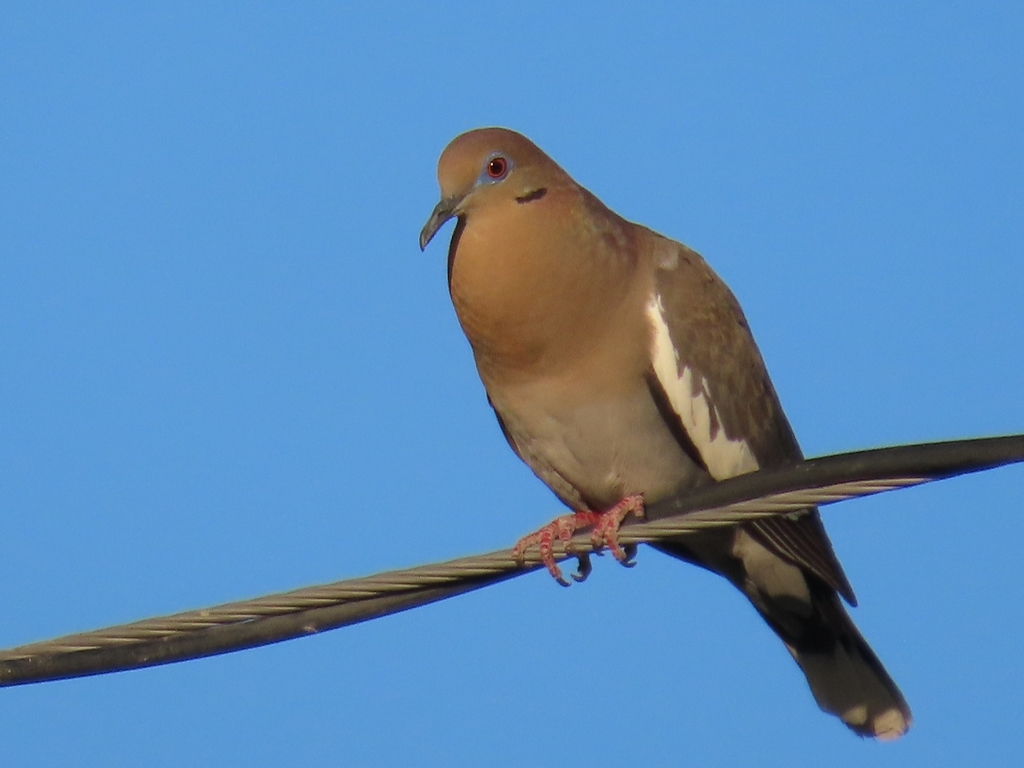
- White-winged DoveZenaida asiatica
- Wild TurkeyMeleagris gallopavo
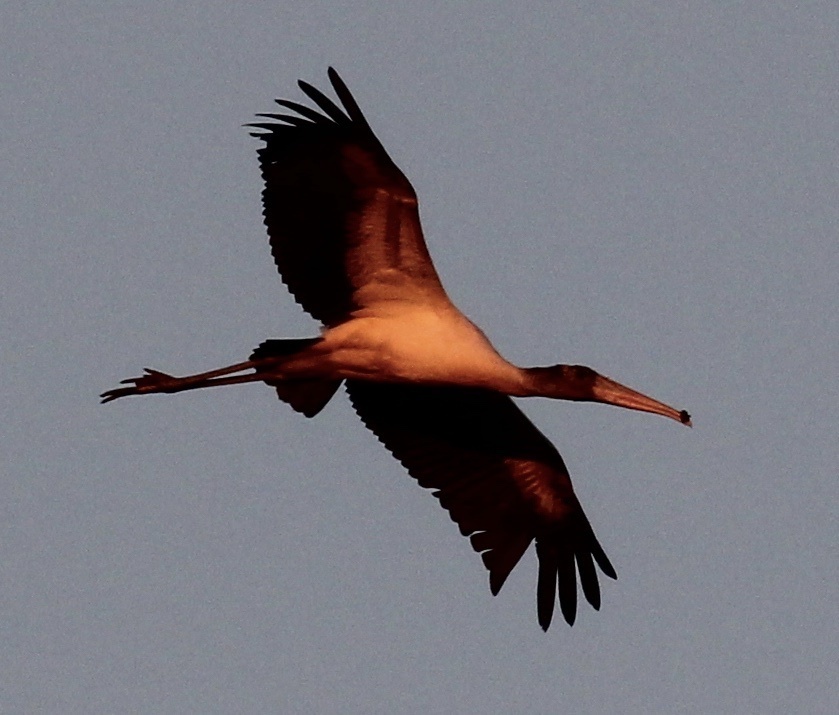
- Wood StorkMycteria americana
- Yellow-throated WarblerDendroica dominica
- Alder FlycatcherEmpidonax alnorum
- American KestrelFalco sparverius
- American PipitAnthus rubescens
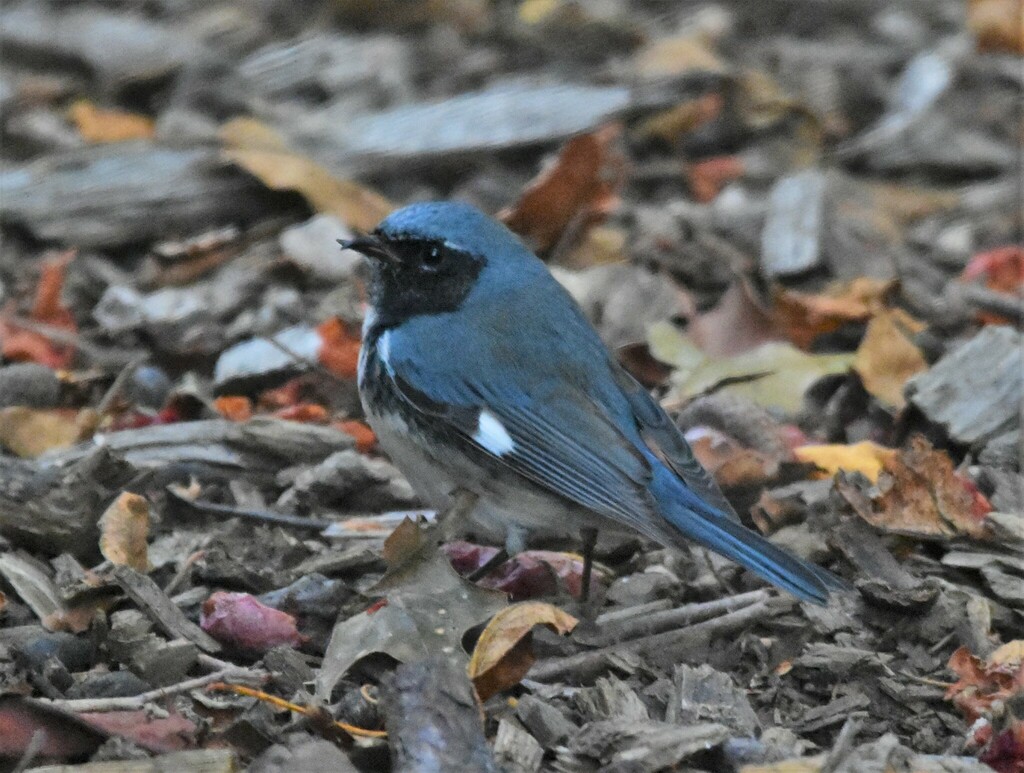
- Black-throated Blue WarblerDendroica caerulescens
- Broad-winged HawkButeo platypterus
- Cliff SwallowPetrochelidon pyrrhonota
- Eurasian Collared-doveStreptopelia decaocto
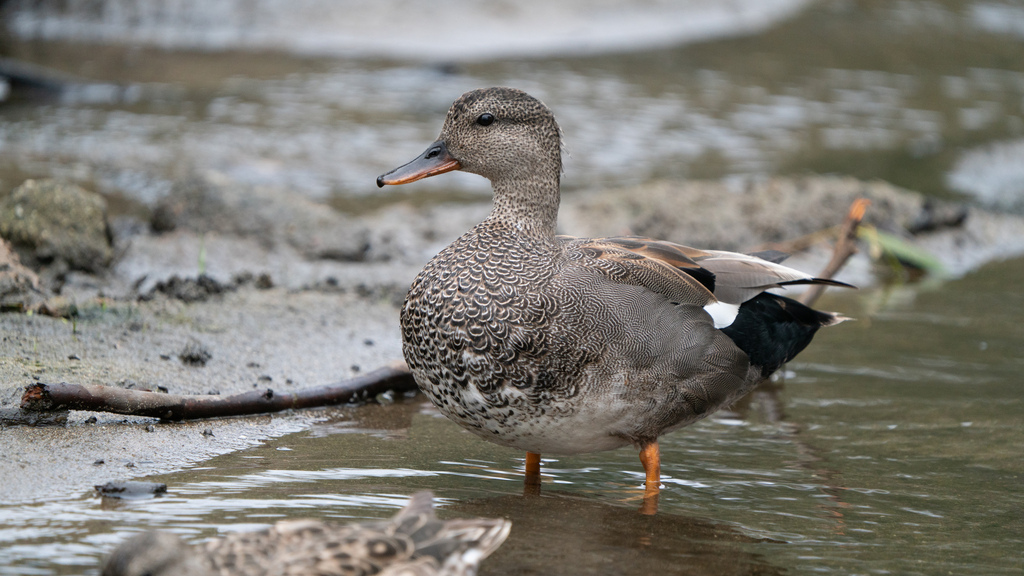
- GadwallAnas strepera
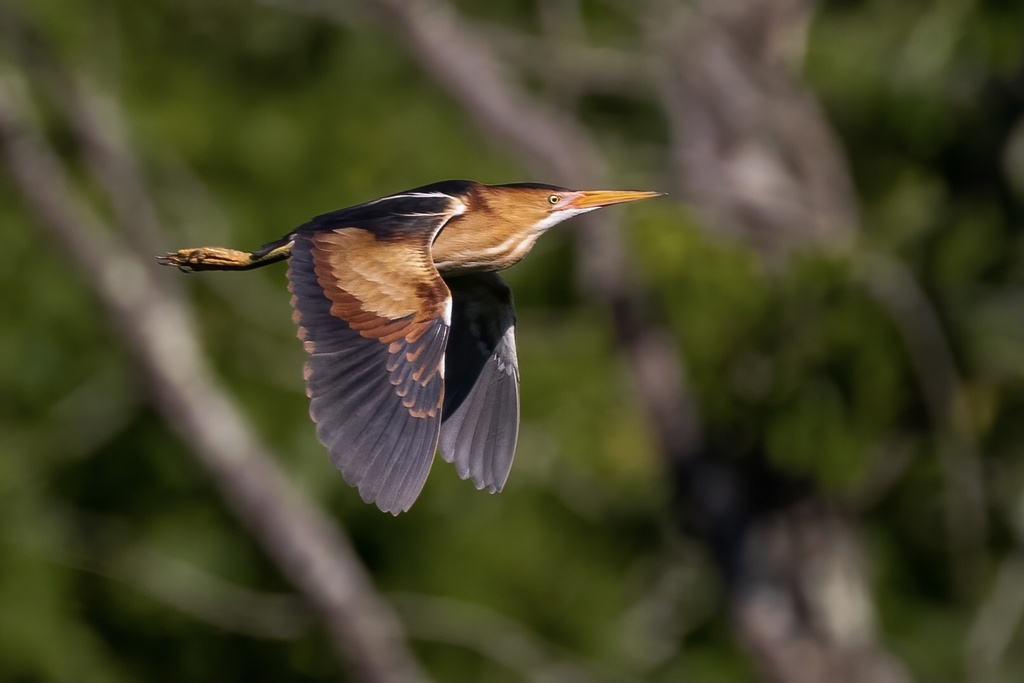
- Least BitternIxobrychus exilis
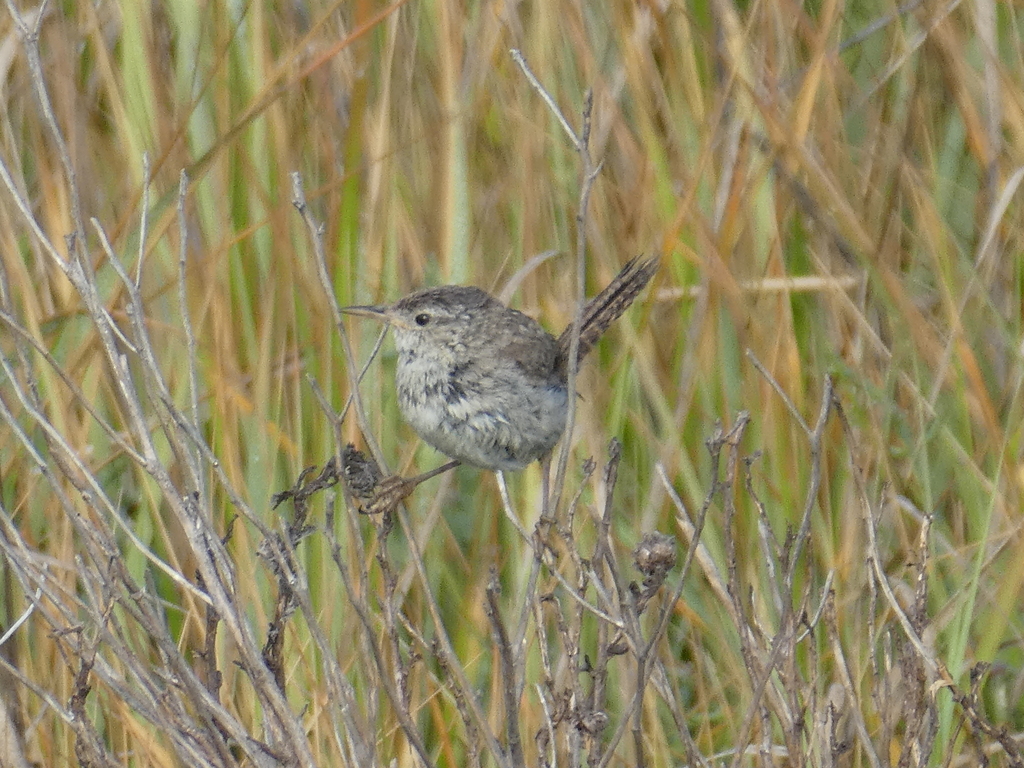
- Marsh WrenCistothorus palustris
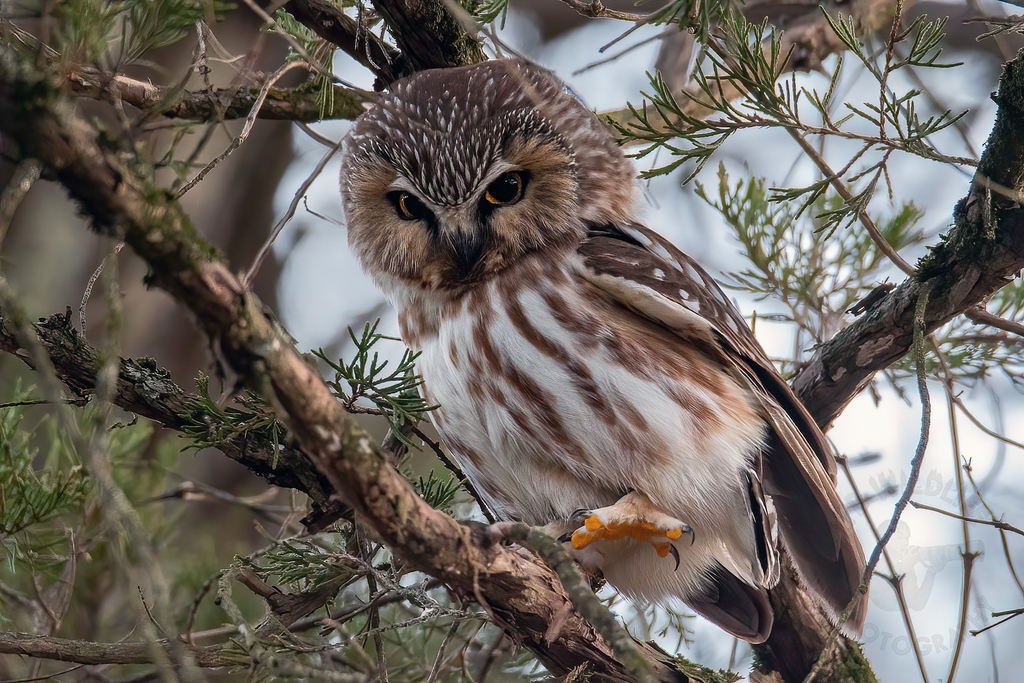
- Northern Saw-whet OwlAegolius acadicus
- OvenbirdSeiurus aurocapilla
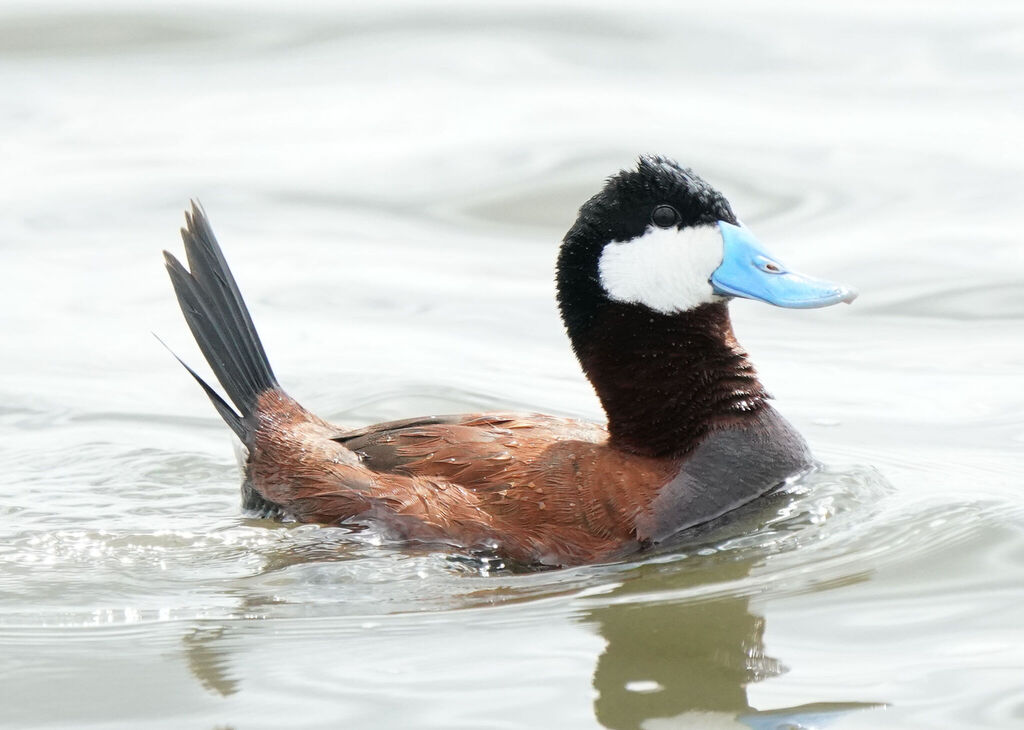
- Ruddy DuckOxyura jamaicensis
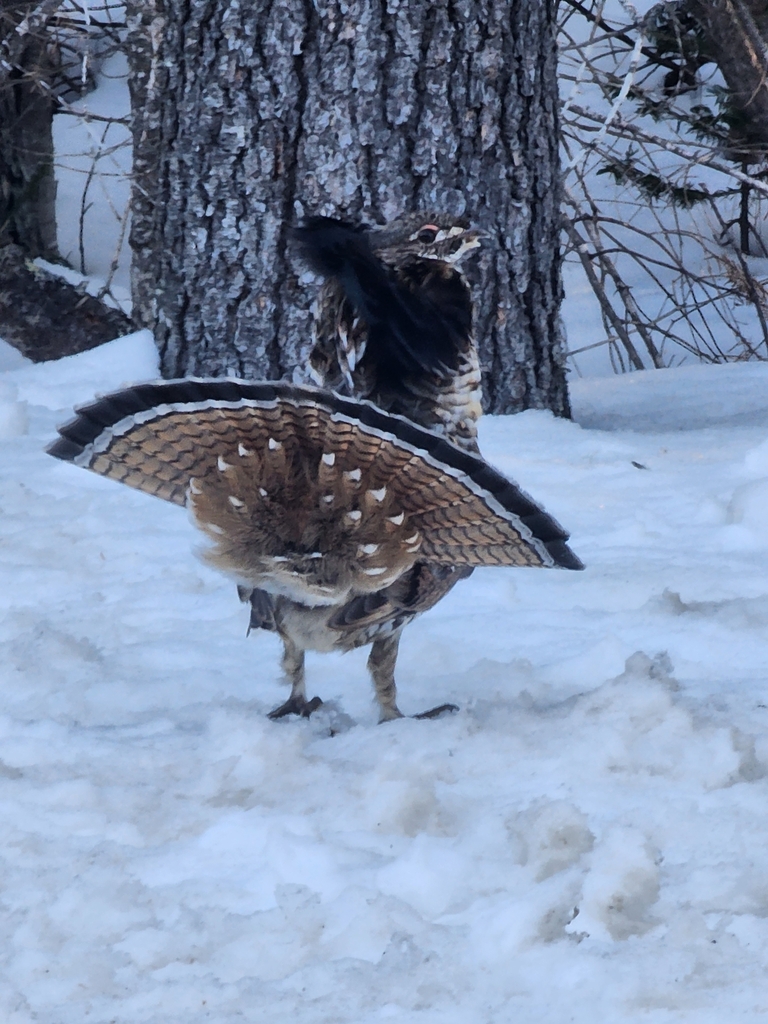
- Ruffed GrouseBonasa umbellus













Who uses this plant?
 3CaterpillarsGenus host records with ranges including AL
Genus host records with ranges including AL · Ranunculus
- Herpetogramma pertextalisBold-Feathered Grass Moth
- Papaipema nebrisStalk Borer
- Sparganothis sulfureanaSparganothis Fruitworm Moth, Sulfur Leafroller, False Yellow-Head
 20BeesSoutheastern regional records
Southeastern regional records · Ranunculus
Individual names are not available yet.
Noori, Seltmann & Orr 2026, A curated and integrated dataset for exploring global bee-plant interactions (GloBI), Zenodo, CC BY 4.0 0Specialist beesPollen specialists
 13BirdsRecorded genus food-resource interactions; not a state feeding claim
Recorded genus food-resource interactions; not a state feeding claim · Ranunculus
- Anthus rubescensAmerican Pipit
- Bonasa umbellusRuffed Grouse
- Calcarius lapponicusLapland Longspur
- Callipepla californicaCalifornia Quail
- Centrocercus urophasianusGreater Sage-Grouse
- Cygnus buccinatorTrumpeter Swan
- Dendrocygna bicolorFulvous Whistling-Duck
- Fulica americanaAmerican Coot
- Lagopus leucuraWhite-tailed Ptarmigan
- Lagopus mutaRock Ptarmigan
Show all 13
- Mareca americanaAmerican Wigeon
- Meleagris gallopavoWild Turkey
- Plectrophenax nivalisSnow Bunting
Direct food only: birds recorded eating this genus across North America. Caterpillars on host plants also feed nesting birds. NC Native Plant Society: butterfly gardening
No records yet · Ants · Beetles · Flies · Adult butterflies / moths · Other wasps · Other insects
Plant details
- Family
- Ranunculaceae
- Flower color
- Yellow
- Growth rate
- Slow
- Growth habit
- Single crown
- Foliage color
- Green
- Fruit begins
- Spring
- Fruit ends
- Summer
Safety has not been reviewed for this plant; check toxicity and thorns before planting.
Growing sources and scope
- Bloom · “April to September” · Weakley, Flora of the Southeastern United States (2025), Carolinas & Georgia edition (ranked first; USDA PLANTS differs) · Carolinas and Georgia
- Flower color · “Yellow” · USDA PLANTS · Nationwide species characteristics; local growing conditions may vary
- Foliage color · “Green” · USDA PLANTS · Nationwide species characteristics; local growing conditions may vary
- Fruit begins · “Spring” · USDA PLANTS · Nationwide species characteristics; local growing conditions may vary
- Fruit ends · “Summer” · USDA PLANTS · Nationwide species characteristics; local growing conditions may vary
- Growth habit · “Single crown” · USDA PLANTS · Nationwide species characteristics; local growing conditions may vary
- Growth rate · “Slow” · USDA PLANTS · Nationwide species characteristics; local growing conditions may vary
- Height · “About 1.2 feet” · USDA PLANTS · Nationwide species characteristics; local growing conditions may vary
- Light · “Partial shade; Full sun (documented habitat)” · Weakley, Flora of the Southeastern United States (2025), Carolinas & Georgia edition · Carolinas and Georgia
- primary_flower_color · “yellow” · USDA PLANTS
- Soil · “Moist; Wet (documented habitat)” · Weakley, Flora of the Southeastern United States (2025), Carolinas & Georgia edition · Carolinas and Georgia
Also known as
Coastal Plain Spear Wort; Coastal Plain Spearwort; Mississippi Butter Cup
Conservation status
| Alabama rank | SNR |
|---|---|
| Global rank | G5? |
| AL status | Not verified |
| Federal status | Not verified |
Will it fit your yard?
Check this plant against your county, sun and soil moisture. Conditions are checked in your browser.
Sources
- Alabama Plant Atlas
- USDA PLANTS
- Vascular Plants of North Carolina (NC Natural Heritage Program)
- Weakley, Flora of the Southeastern United States (2025), Carolinas & Georgia edition
- Shropshire & Tallamy 2025, Lepidoptera of North America north of Mexico, ZooKeys 1261 (ODbL)
- Noori, Seltmann & Orr 2026, A curated and integrated dataset for exploring global bee-plant interactions (GloBI), Zenodo, CC BY 4.0
- Smith, Bachelder, Russell, Morales, Mosher & Seltmann 2024, Bee-Specialization-Modeling v0.6.1 (specialist host table compiled from J. Fowler's pollen specialist bee lists), Zenodo, CC BY 4.0
- Hurlbert, Olsen, Sawyer & Winner 2021, Avian Diet Database, Scientific Data 8: 260 (CC0)
- Narango, Tallamy & Shropshire 2020, Few keystone plant genera support the majority of Lepidoptera species, Nature Communications