

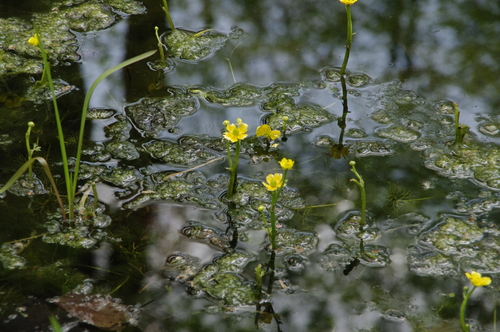
Yellow Water-buttercup
Ranunculus flabellaris
Found in pools in floodplains of small stream swamps, ponds, borrow pits, other stagnant or slowly moving waters. FloraQuest, phone app (app page) What its natural habitat tells you
Native to Alabama. How scores work Is it native here?
Profile 82%
- Light
- Partial shade, Full shade, Full sun
- Soil moisture
- Moist to standing water
Rare or protected plant. Specialist conservation planting; excluded from routine garden suggestions. Plant caution source
Hidden from default planting suggestions. Wildlife value and native status remain unchanged.
At a glance
- Life cycle
- Perennial
- Bloom
- March to July
Not yet recorded · Height · Spread · Leaves
Height: NC species account not read yet.
Spread and leaves: no source found yet.
This plant is missing most of its facts, so Quercus is looking them up in old botany books.
Recorded in 2 Alabama counties.
Natural habitats
Places it grows wild. Not a planting requirement. Each habitat page lists the plants and wildlife also found there.
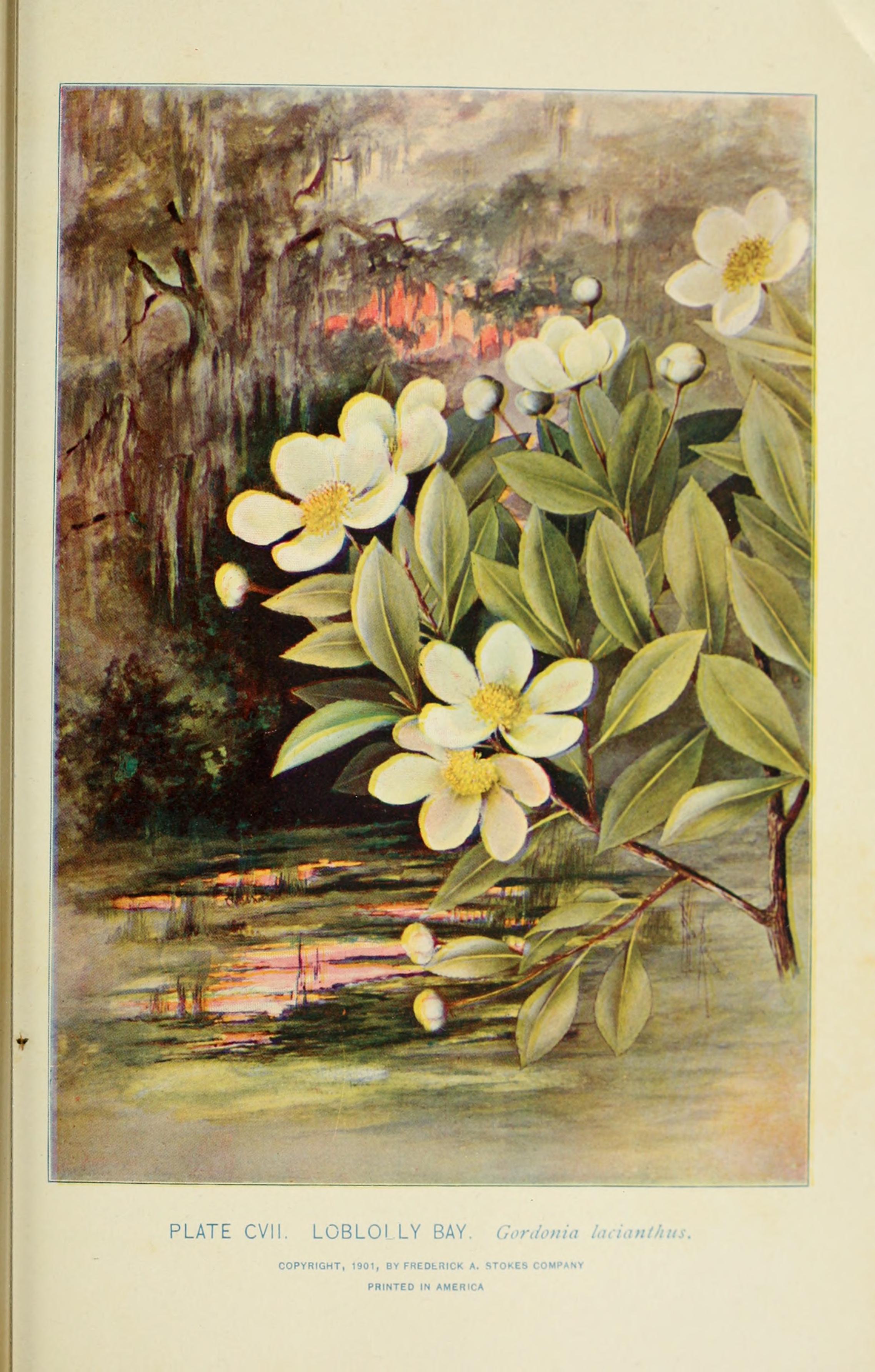

Floodplain and bottomland forests
Forests on low ground beside rivers and streams that flood from time to time.
Also found with this plant
Wildlife whose habitat models include habitats this plant grows in, in Alabama. Shared habitat, not food. 105 animals.
- Hairy WoodpeckerPicoides villosus
- Hermit ThrushCatharus guttatus
- Hooded MerganserLophodytes cucullatus
- Hooded WarblerWilsonia citrina
- Indigo BuntingPasserina cyanea
- Kentucky WarblerOporornis formosus
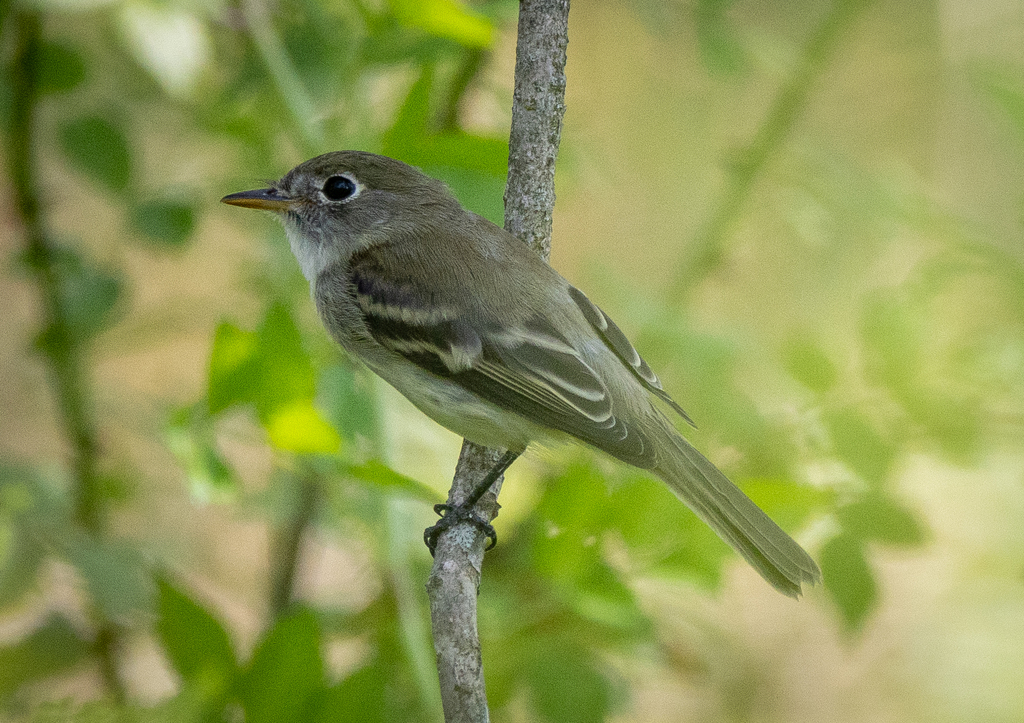
- Least FlycatcherEmpidonax minimus
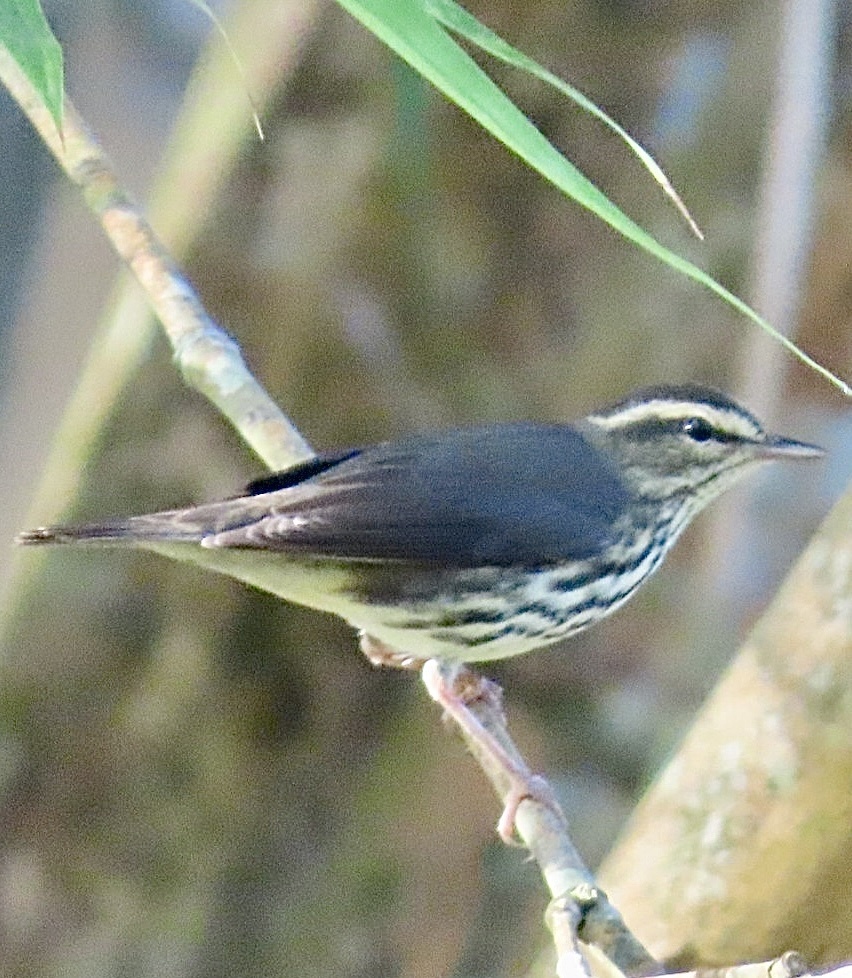
- Louisiana WaterthrushSeiurus motacilla
- MallardAnas platyrhynchos
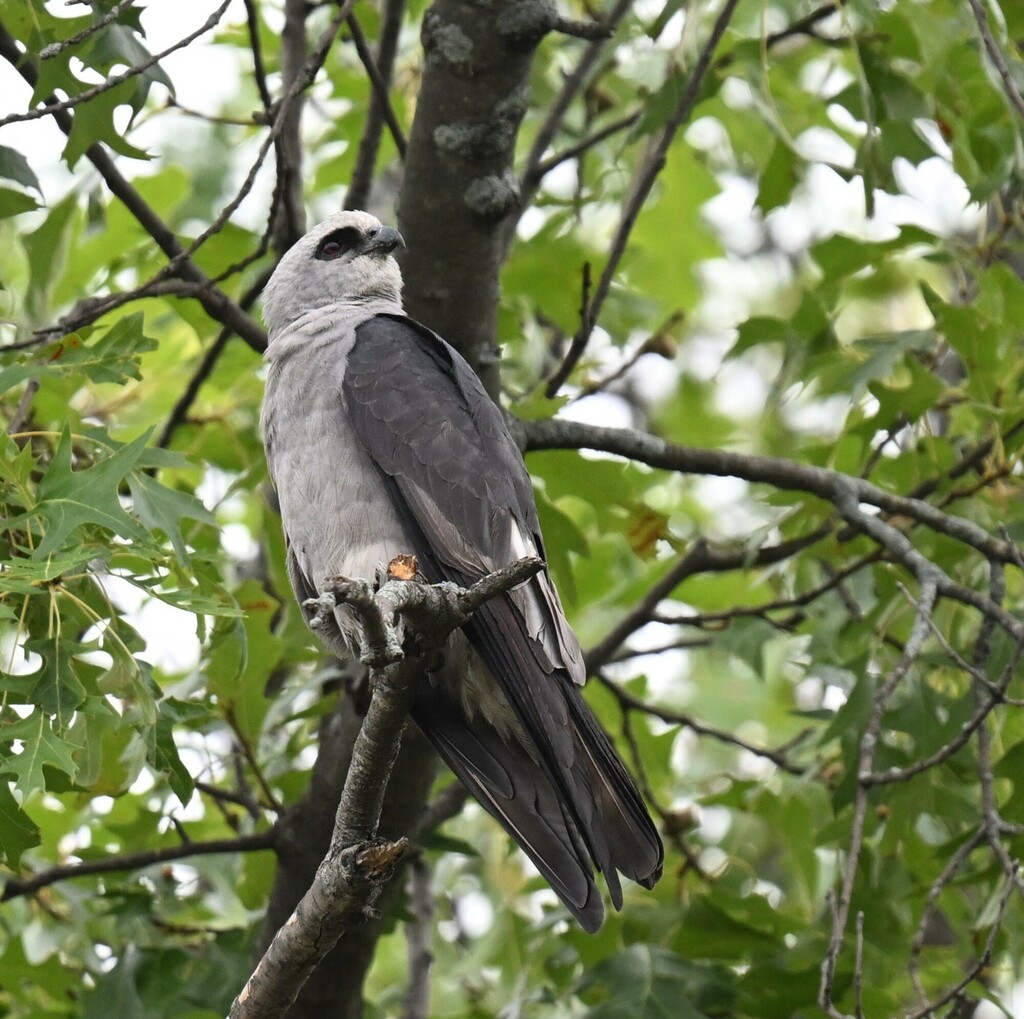
- Mississippi KiteIctinia mississippiensis
- Mourning DoveZenaida macroura
- Northern CardinalCardinalis cardinalis
- Northern FlickerColaptes auratus
- Northern MockingbirdMimus polyglottos
- Northern ParulaParula americana
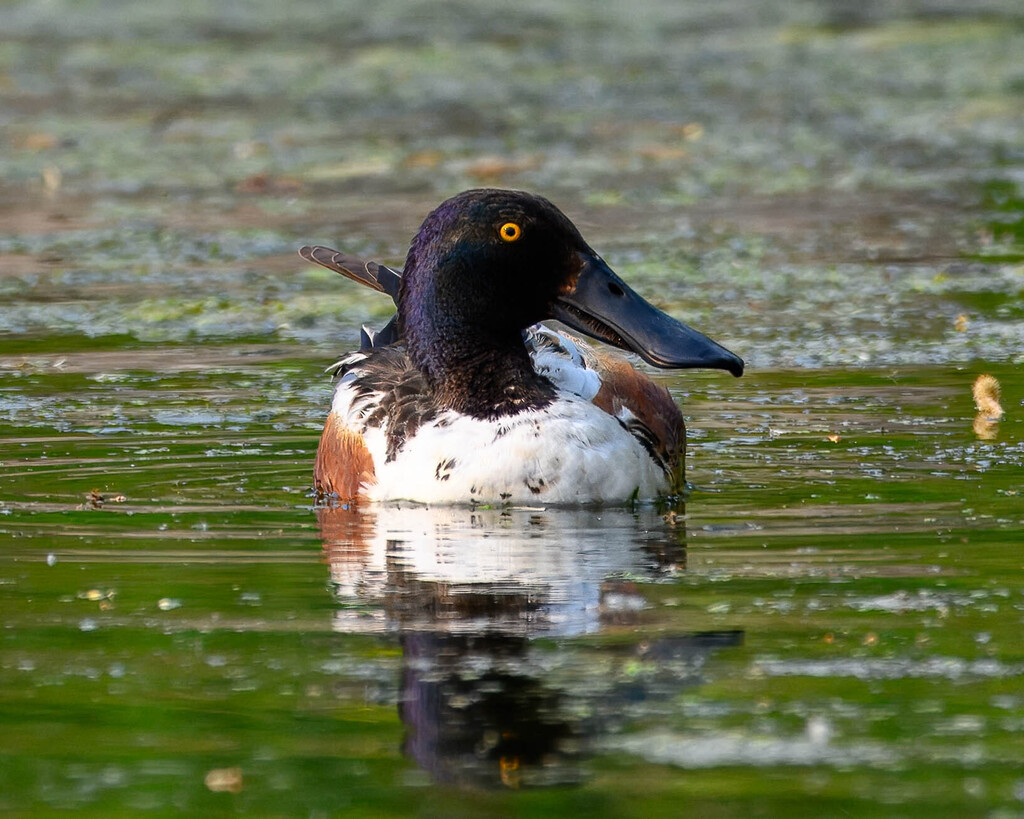
- Northern ShovelerAnas clypeata
- Northern WaterthrushSeiurus noveboracensis
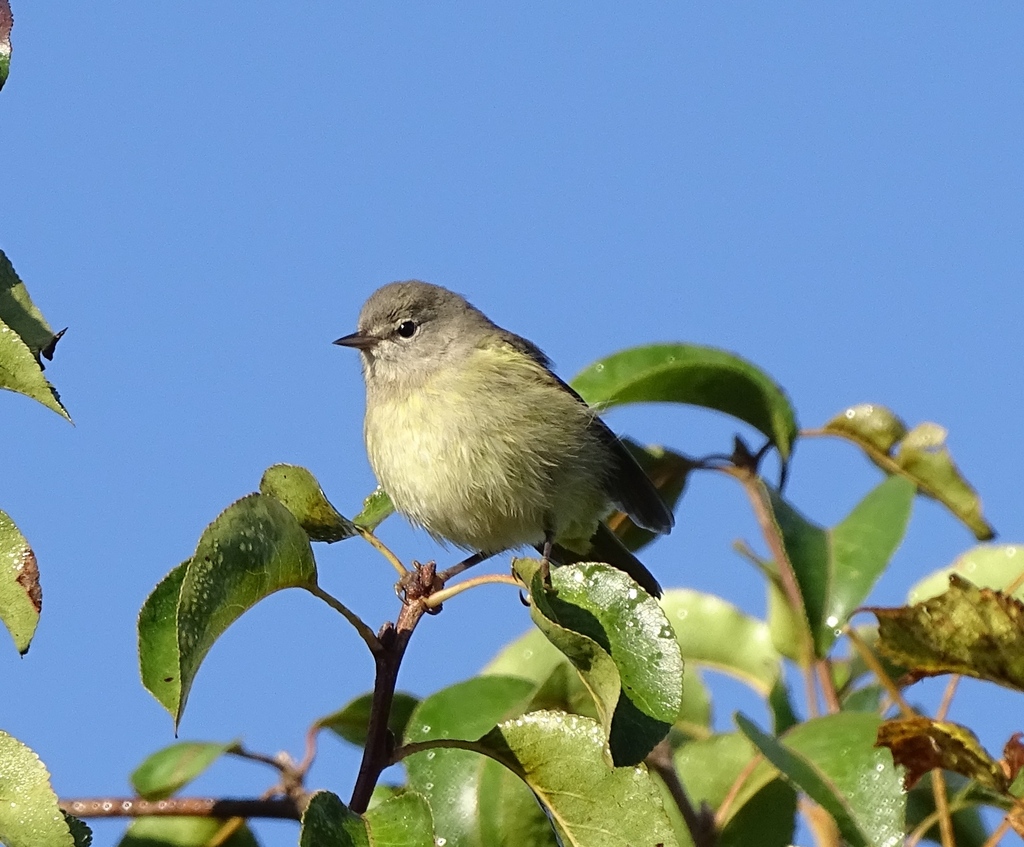
- Orange-crowned WarblerVermivora celata
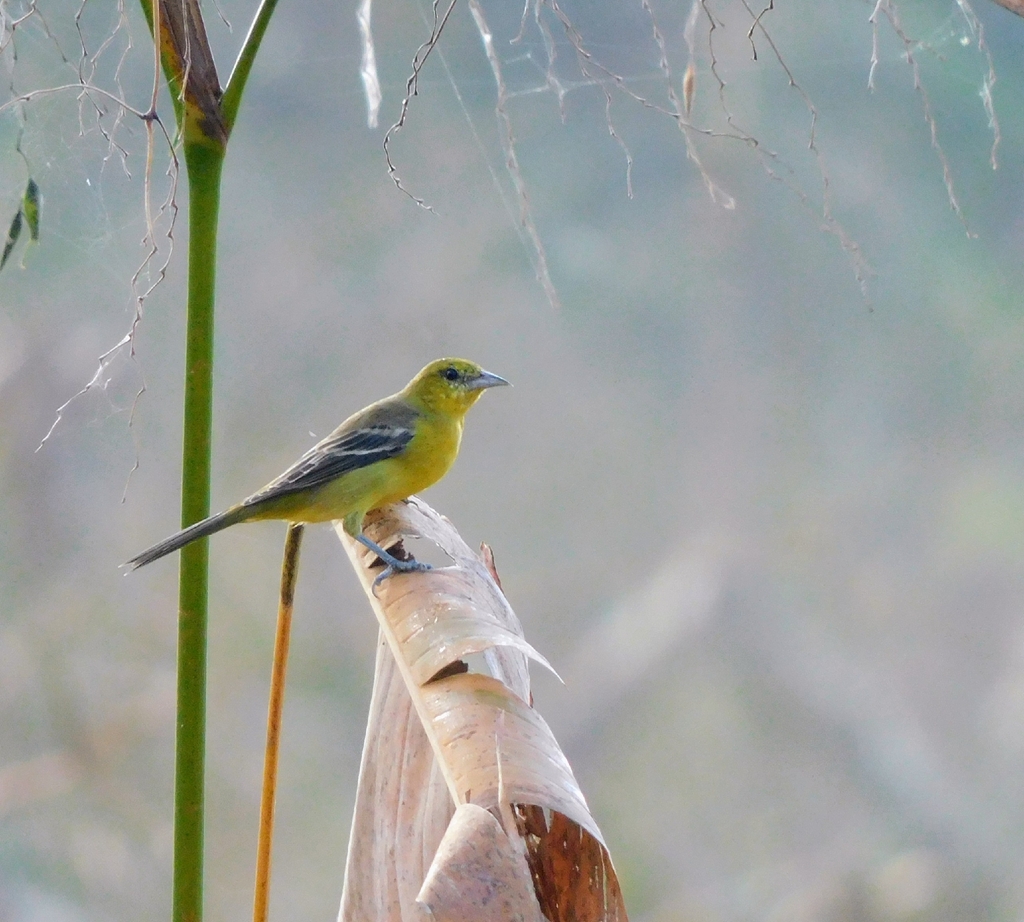
- Orchard OrioleIcterus spurius
- OspreyPandion haliaetus
- Pileated WoodpeckerDryocopus pileatus
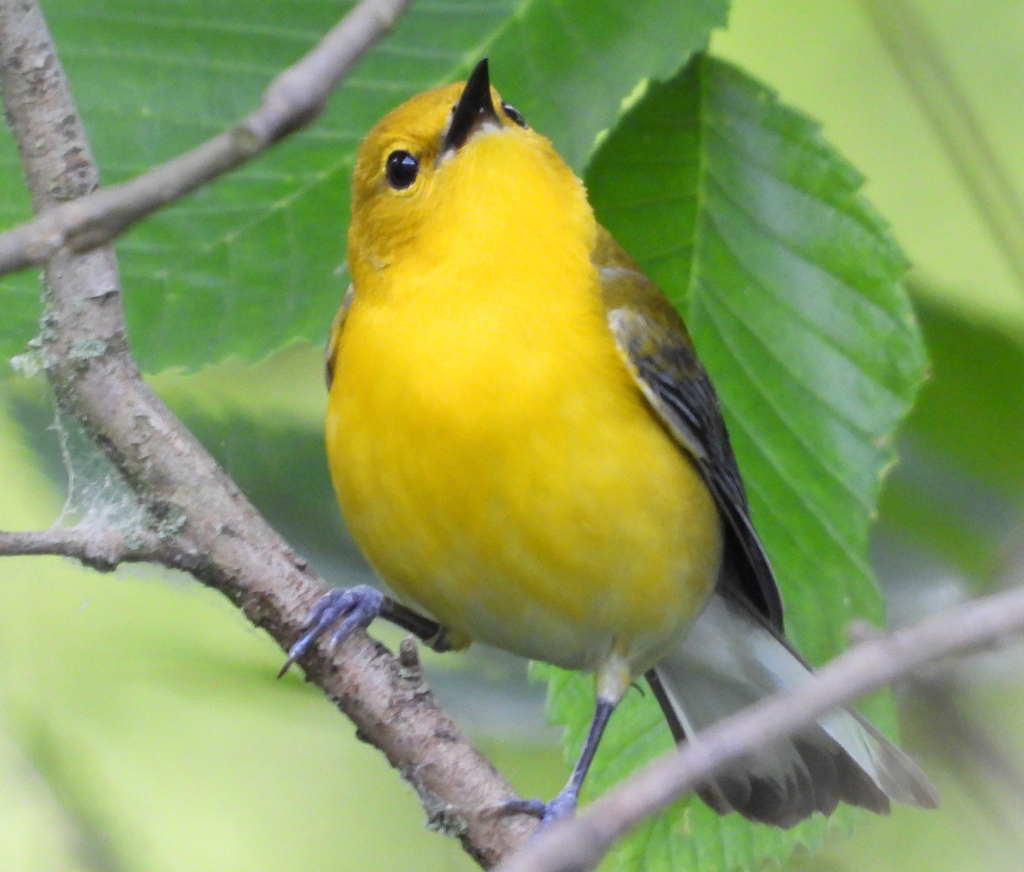
- Prothonotary WarblerProtonotaria citrea
- Purple FinchCarpodacus purpureus
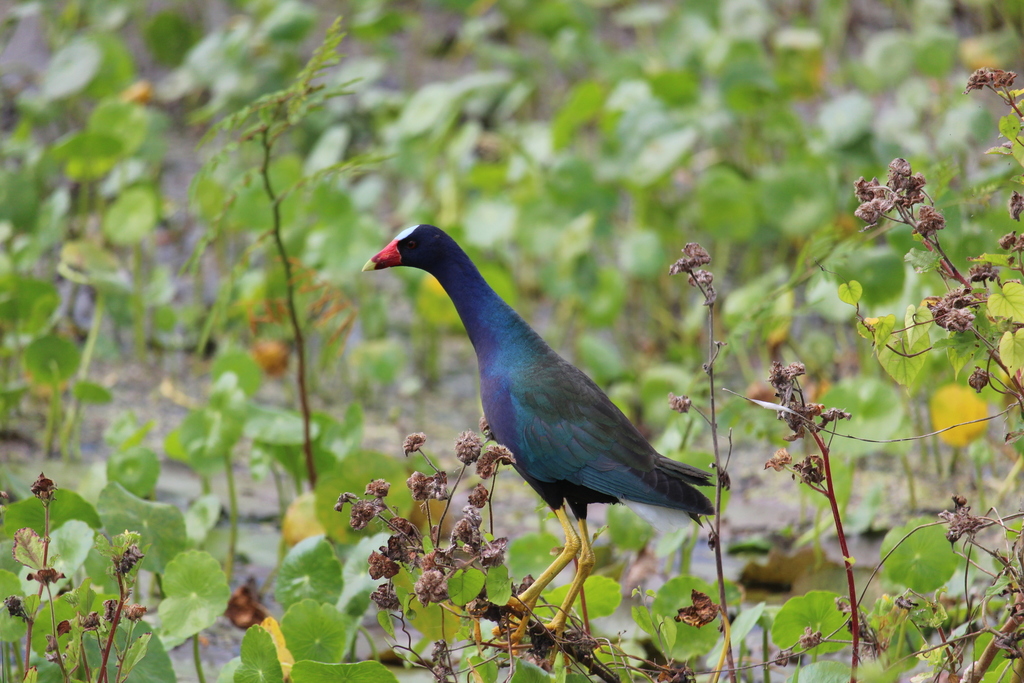
- Purple GallinulePorphyrio martinica
















Who uses this plant?
 3CaterpillarsGenus host records with ranges including AL
Genus host records with ranges including AL · Ranunculus
- Herpetogramma pertextalisBold-Feathered Grass Moth
- Papaipema nebrisStalk Borer
- Sparganothis sulfureanaSparganothis Fruitworm Moth, Sulfur Leafroller, False Yellow-Head
 20BeesSoutheastern regional records
Southeastern regional records · Ranunculus
Individual names are not available yet.
Noori, Seltmann & Orr 2026, A curated and integrated dataset for exploring global bee-plant interactions (GloBI), Zenodo, CC BY 4.0 0Specialist beesPollen specialists
 13BirdsRecorded genus food-resource interactions; not a state feeding claim
Recorded genus food-resource interactions; not a state feeding claim · Ranunculus
- Anthus rubescensAmerican Pipit
- Bonasa umbellusRuffed Grouse
- Calcarius lapponicusLapland Longspur
- Callipepla californicaCalifornia Quail
- Centrocercus urophasianusGreater Sage-Grouse
- Cygnus buccinatorTrumpeter Swan
- Dendrocygna bicolorFulvous Whistling-Duck
- Fulica americanaAmerican Coot
- Lagopus leucuraWhite-tailed Ptarmigan
- Lagopus mutaRock Ptarmigan
Show all 13
- Mareca americanaAmerican Wigeon
- Meleagris gallopavoWild Turkey
- Plectrophenax nivalisSnow Bunting
Direct food only: birds recorded eating this genus across North America. Caterpillars on host plants also feed nesting birds. NC Native Plant Society: butterfly gardening
No records yet · Ants · Beetles · Flies · Adult butterflies / moths · Other wasps · Other insects
Plant details
- Family
- Ranunculaceae
- Flower color
- Yellow
Growing sources and scope
- Bloom · “March to July” · FloraQuest: Carolinas, Georgia (Southeastern Flora Team), phone app (app page) · Carolinas and Georgia
- Flower color · “Yellow” · Lady Bird Johnson Wildflower Center
- Life cycle · “Perennial” · Minnesota Wildflowers
- Light · “Partial shade; Full shade; Full sun (documented habitat)” · FloraQuest: Carolinas, Georgia (Southeastern Flora Team), phone app (app page) · Carolinas and Georgia
- primary_flower_color · “yellow” · Lady Bird Johnson Wildflower Center
- Soil · “Moist; Water; Wet (documented habitat)” · FloraQuest: Carolinas, Georgia (Southeastern Flora Team), phone app (app page) · Carolinas and Georgia
Also known as
Yellow Water Buttercup; Yellow Water Crowfoot
Conservation status
| Alabama rank | S1 |
|---|---|
| Global rank | G5 |
| AL status | Not verified |
| Federal status | Not verified |
Will it fit your yard?
Check this plant against your county, sun and soil moisture. Conditions are checked in your browser.
Sources
- Alabama Plant Atlas
- USDA PLANTS
- Vascular Plants of North Carolina (NC Natural Heritage Program)
- FloraQuest: Carolinas, Georgia (Weakley), phone app (app page)
- NatureServe Explorer
- Shropshire & Tallamy 2025, Lepidoptera of North America north of Mexico, ZooKeys 1261 (ODbL)
- Noori, Seltmann & Orr 2026, A curated and integrated dataset for exploring global bee-plant interactions (GloBI), Zenodo, CC BY 4.0
- Smith, Bachelder, Russell, Morales, Mosher & Seltmann 2024, Bee-Specialization-Modeling v0.6.1 (specialist host table compiled from J. Fowler's pollen specialist bee lists), Zenodo, CC BY 4.0
- Hurlbert, Olsen, Sawyer & Winner 2021, Avian Diet Database, Scientific Data 8: 260 (CC0)
- Narango, Tallamy & Shropshire 2020, Few keystone plant genera support the majority of Lepidoptera species, Nature Communications