

Common Pear
Pyrus communis
Found in planted, persistent around old houses and in orchards. FloraQuest, phone app (app page) What its natural habitat tells you
Not native to Alabama. How scores work Is it native here?
Profile 76%
- Height
- 40–50 feet
- Spread
- 25–35 feet
- Light
- Full sun
- Soil moisture
- Dry to average
No photograph yet. Looking for an old drawing…
Plant this instead
Choose your county to list local plants first.
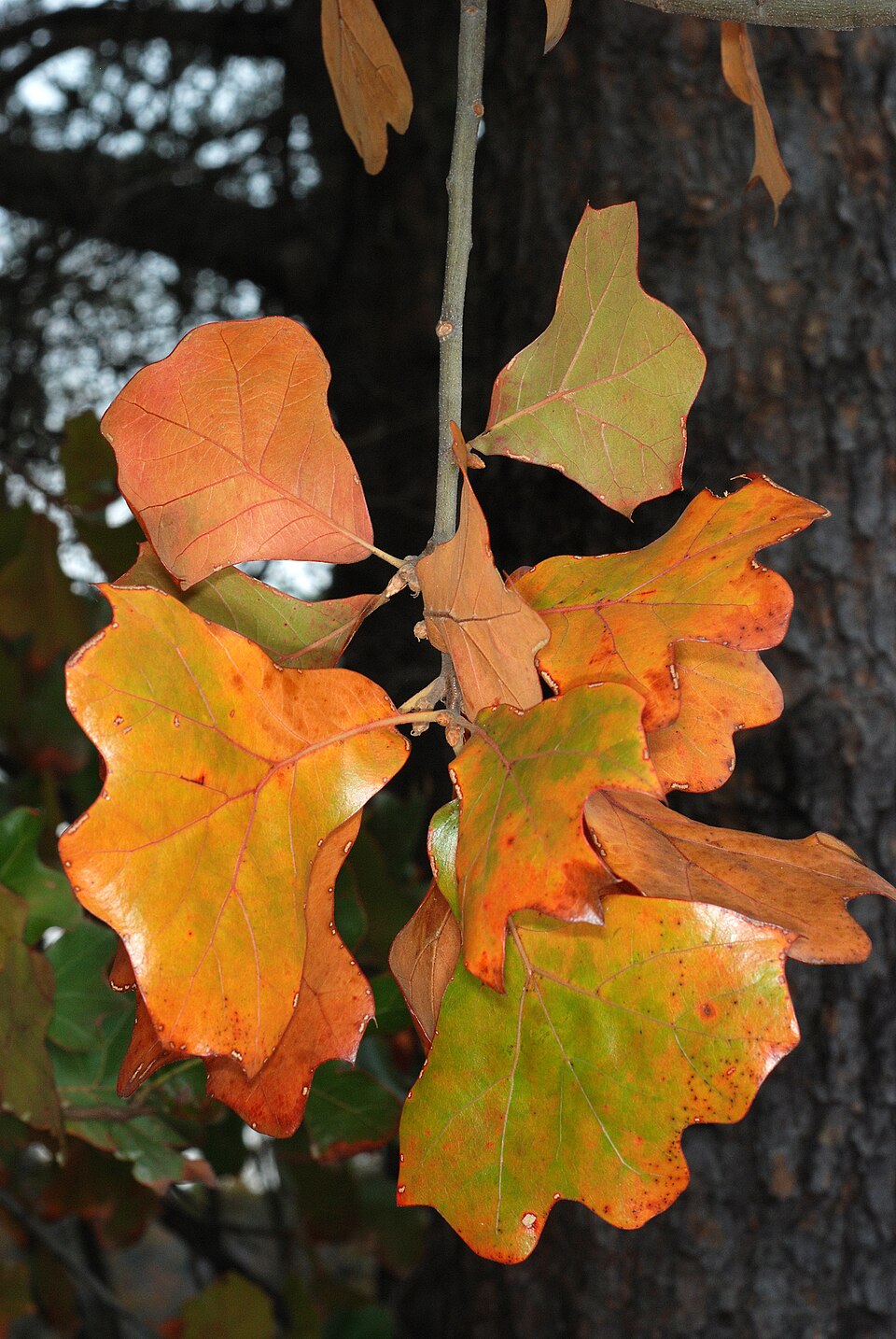
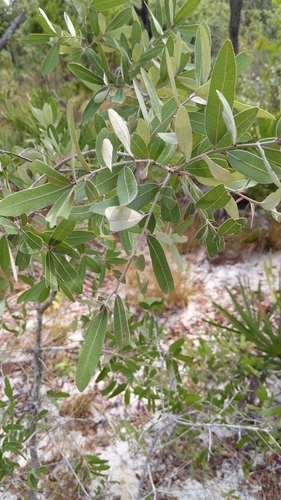
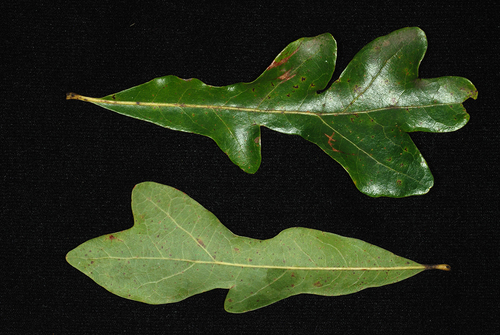
No recorded swaps for this county. Try the garden finder.
At a glance
- Life cycle
- Woody perennial
- Leaves
- Deciduous
- Bloom
- April
- Fruiting season
- August to October
Recorded in 35 Alabama counties.
Who uses this plant?
 84CaterpillarsGenus host records with ranges including AL
Genus host records with ranges including AL · Pyrus
- Acharia stimuleaSaddleback Caterpillar Moth
- Acrobasis indigenellaLeaf Crumpler
- Acrobasis vacciniiCranberry Fruitworm
- Acronicta clarescensClear Dagger
- Acronicta interruptaInterrupted Dagger
- Acronicta oblinitaSmeared Dagger
- Acronicta radcliffeiRadcliffe's Dagger
- Alsophila pometariaFall Cankerworm Moth
- Amphipyra pyramidoidesMiranda Underwing, Copper Underwing, Copper Amphipyra
- Amyelois transitellaNavel Orangeworm
Show all 84
- Anavitrinella pampinariaCommon Gray, Cranberry Spanworm
- Antepione thisoariaVariable Antepione
- Antheraea polyphemusPolyphemus Moth
- Archips argyrospilaFruit-Tree Leafroller Moth
- Archips griseaGray Archips
- Archips semiferanusOak Leafroller Moth
- Argyrotaenia marianaGray-Banded Leafroller Moth
- Automeris ioIo Moth
- Balsa malanaMany-Dotted Balsa, Many-Dotted Appleworm
- Biston betulariaSalt-and-Pepper Geometer, Cleft-Headed Looper
- Callosamia prometheaPromethea Silkmoth, Promethea Moth
- Catocala crataegiHawthorne Underwing, Thorn Underwing
- Catocala gryneaWoody Underwing
- Catocala ultroniaUltronia Underwing
- Cecrita guttivittaMaple Prominent, Saddled Prominent
- Cenopis reticulatanaReticulated Fruitworm Moth
- Cerma cerinthaTufted Bird-Dropping Moth, Cherry Agate
- Choristoneura fractivittanaBroken-Banded Leafroller, Lined Corn-Borer Moth
- Choristoneura rosaceanaOblique-Banded Leafroller Moth, Rosaceous Leaf Roller
- Coelodasys unicornisUnicorn Caterpillar Moth
- Dasychira meridionalisSouthern Tussock Moth
- Datana ministraYellow-Necked Caterpillar Moth
- Dichomeris ligulellaPalmerworm
- Ectropis crepusculariaThe Small Engrailed, Saddleback Looper
- Erannis tiliariaLinden Looper Moth, Western Winter Moth, Lime Looper
- Euclea delphiniiSpiny Oak-Slug Moth
- Eulithis diversilineataLesser Grapevine Looper Moth
- Eumarozia malachitanaSculptured Moth
- Eutrapela clematariaCurved-Tooth Geometer, Purplish Brown Looper
- Euzophera semifuneralisAmerican Plum Borer
- Haploa colonaColona Moth
- Haploa leconteiLeconte's Haploa
- Hedya chionosemaTwin-Spotted Budworm, White-Spotted Hedya
- Helicoverpa zeaCorn Earworm Moth
- Hyles lineataWhite-Lined Sphinx
- Hyphantria cuneaFall Webworm
- Iridopsis ephyrariaPale-Winged Gray
- Iridopsis humariaSmall Purplish Gray
- Iridopsis larvariaBent-Line Gray
- Limenitis archippusViceroy
- Limenitis arthemisBanded Purple, Red-Spotted Admiral
- Lithophane antennataAshen Pinion
- Machimia tentoriferellaGold-Striped Leaftier Moth
- Malacosoma americanaEastern Tent Caterpillar
- Malacosoma disstriaForest Tent Caterpillar
- Megalopyge crispataBlack-Waved Flannel Moth, Crinkled Flannel Moth
- Megalopyge opercularisSouthern Flannel Moth, Puss Caterpillar
- Moodna ostrinellaDarker Moodna
- Nematocampa resistariaFilament Bearer, Horned Spanworm Moth
- Nymphalis antiopaMourning Cloak
- Oedemasia concinnaRed-Humped Caterpillar, Red-Humped Appleworm
- Orgyia leucostigmaWhite-Marked Tussock Moth
- Orthosia hibisciSpeckled Green Fruitworm Moth, Speckled Green Quaker
- Orthosia rubescensRuby Quaker
- Paleacrita vernataSpring Cankerworm Moth
- Paonias excaecataBlinded Sphinx, Blind Eyed Sphinx
- Papilio glaucusEastern Tiger Swallowtail
- Parasa indeterminaStinging Rose Caterpillar Moth, Rose Slug Caterpillar
- Phigalia titeaThe Half-Wing Geometer, Spiney Looper, Eastern Oak Looper
- Phobetron pitheciumHag Moth, Monkey Slug
- Phyllodesma americanaLappet Moth, American Lappet Moth, Southern Lappet Moth
- Plagodis phlogosariaStraight-Lined Plagodis
- Platynota rostranaOmnivorous Platynota
- Prionoxystus robiniaeCarpenterworm Moth, Black Locust Borer, Cottonwood Borer
- Prolimacodes badiaSkiff Moth, Skiff Caterpillar
- Pyrausta phoenicealisPhoenicean Pyrausta, Perilla Leafroller
- Scopula limboundataLarge Lace-Border
- Sphinx drupiferarumWild Cherry Sphinx
- Spodoptera frugiperdaFall Armyworm Moth
- Synanthedon pictipesLesser Peachtree Borer Moth
- Thyridopteryx ephemeraeformisEvergreen Bagworm Moth
- Tolype velledaLarge Tolype, Large Lappet Moth, Vellada Lappet Moth
- Xestia dolosaGreater Black-Letter Dart, Greater Spotted Cutworm
- Blastobasis quaintancella
 —BeesSoutheastern regional records
 —Specialist beesPollen specialists
 4BirdsRecorded genus food-resource interactions; not a state feeding claim
Recorded genus food-resource interactions; not a state feeding claim · Pyrus
- Aphelocoma californicaCalifornia Scrub-Jay
- Catharus fuscescensVeery
- Catharus minimus/bicknelliGray-cheeked/Bicknell's Thrush
- Turdus migratoriusAmerican Robin
Direct food only: birds recorded eating this genus across North America. Caterpillars on host plants also feed nesting birds. NC Native Plant Society: butterfly gardening
Plant details
- Family
- Rosaceae
- Hardiness
- Zones 4a–8b
- Soil pH
- Neutral
- Flower color
- Yellow or white
- Growth rate
- Rapid
- Growth habit
- Single stem
- Foliage color
- Green
- Fruit begins
- August
- Fruit ends
- October
Safety has not been reviewed for this plant; check toxicity and thorns before planting.
Growing sources and scope
- Bloom · “April” · FloraQuest: Carolinas, Georgia (Southeastern Flora Team), phone app (app page) (ranked first; USDA PLANTS differs) · Carolinas and Georgia
- Flower color · “Yellow or white” · NC Extension Plant Toolbox (ranked first; USDA PLANTS differs)
- Foliage color · “Green” · USDA PLANTS · Nationwide species characteristics; local growing conditions may vary
- Fruit begins · “August” · FloraQuest: Carolinas, Georgia (Southeastern Flora Team), phone app (app page) (ranked first; USDA PLANTS differs) · Carolinas and Georgia
- Fruit ends · “October” · FloraQuest: Carolinas, Georgia (Southeastern Flora Team), phone app (app page) (ranked first; USDA PLANTS differs) · Carolinas and Georgia
- Growth habit · “Single stem” · USDA PLANTS · Nationwide species characteristics; local growing conditions may vary
- Growth rate · “Rapid” · USDA PLANTS · Nationwide species characteristics; local growing conditions may vary
- Hardiness · “Zones 4a–8b” · NC Extension Plant Toolbox
- Height · “40–50 feet” · NC Extension Plant Toolbox (ranked first; USDA PLANTS differs)
- Leaves · “Deciduous” · NC Extension Plant Toolbox
- Life cycle · “Woody perennial” · NC Extension Plant Toolbox
- Light · “Full sun (6 or more hours of direct sunlight a day)” · NC Extension Plant Toolbox
- Soil · “Occasionally dry” · NC Extension Plant Toolbox
- Soil pH · “Neutral” · NC Extension Plant Toolbox
- Spread · “25–35 feet” · NC Extension Plant Toolbox
Conservation status
| Alabama rank | SNA |
|---|---|
| Global rank | G5 |
| AL status | Not verified |
| Federal status | Not verified |
Sources
- Alabama Plant Atlas
- USDA PLANTS
- FloraQuest: Carolinas, Georgia (Weakley), phone app (app page)
- FloraQuest: South Central (Weakley), phone app (app page)
- NatureServe Explorer
- Shropshire & Tallamy 2025, Lepidoptera of North America north of Mexico, ZooKeys 1261 (ODbL)
- Noori, Seltmann & Orr 2026, A curated and integrated dataset for exploring global bee-plant interactions (GloBI), Zenodo, CC BY 4.0
- Smith, Bachelder, Russell, Morales, Mosher & Seltmann 2024, Bee-Specialization-Modeling v0.6.1 (specialist host table compiled from J. Fowler's pollen specialist bee lists), Zenodo, CC BY 4.0
- Hurlbert, Olsen, Sawyer & Winner 2021, Avian Diet Database, Scientific Data 8: 260 (CC0)
- Narango, Tallamy & Shropshire 2020, Few keystone plant genera support the majority of Lepidoptera species, Nature Communications