

Tall Jointweed
Polygonella gracilis
Found in longleaf pine sandhills. Weakley, Flora of the Southeastern United States (2025), South Central edition What its natural habitat tells you
Native to Alabama. How scores work Is it native here?
Profile 71%
- Height
- Up to about 5 feet
- Light
- Full sun
- Soil moisture
- Dry to moist
No photograph yet. Looking for an old drawing…
At a glance
- Life cycle
- Annual
- Bloom
- August to October
- Fruiting season
- October to January
Not yet recorded · Spread · Leaves
Recorded in 10 Alabama counties.
Natural habitats
Places it grows wild. Not a planting requirement. Each habitat page lists the plants and wildlife also found there.
Dry, deep-sand ridges with longleaf pine and turkey oak, kept open by fire.
Also found with this plant
Wildlife whose habitat models include habitats this plant grows in, in Alabama. Shared habitat, not food. 130 animals.
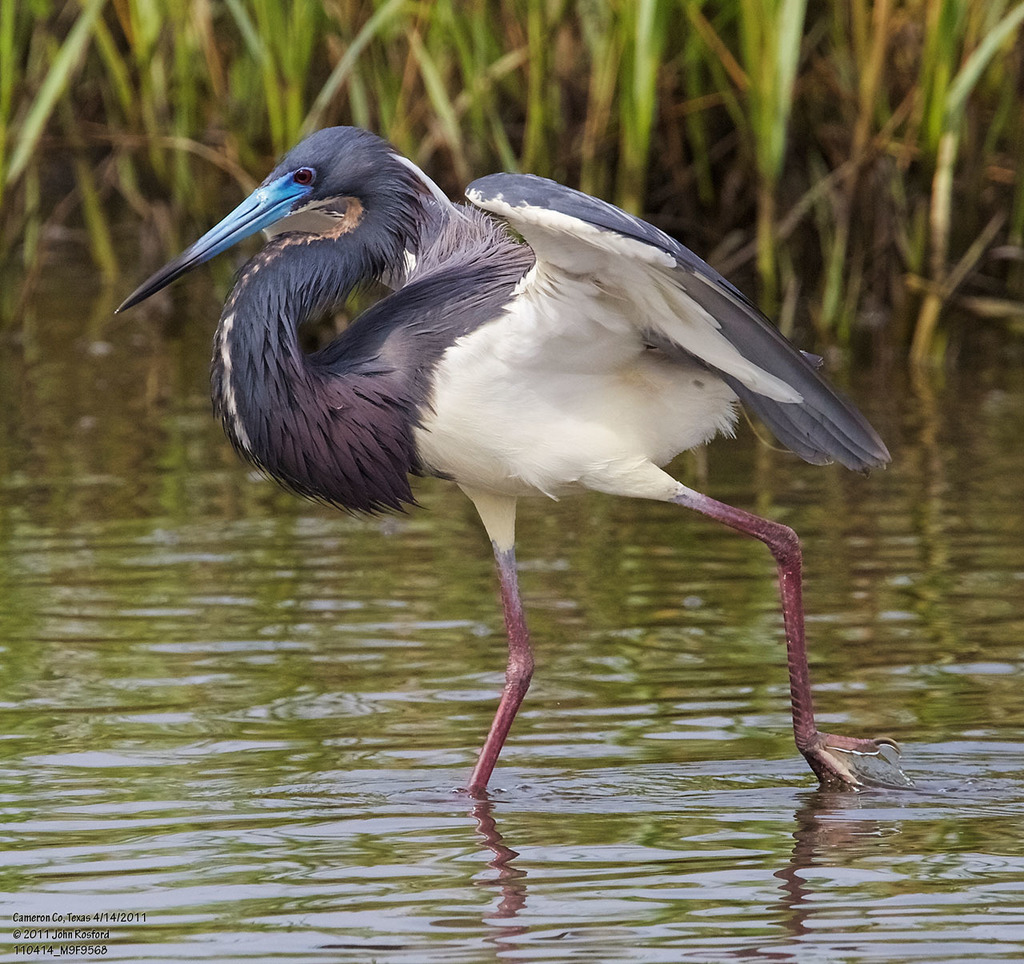
- Tricolored HeronEgretta tricolor
- Turkey VultureCathartes aura
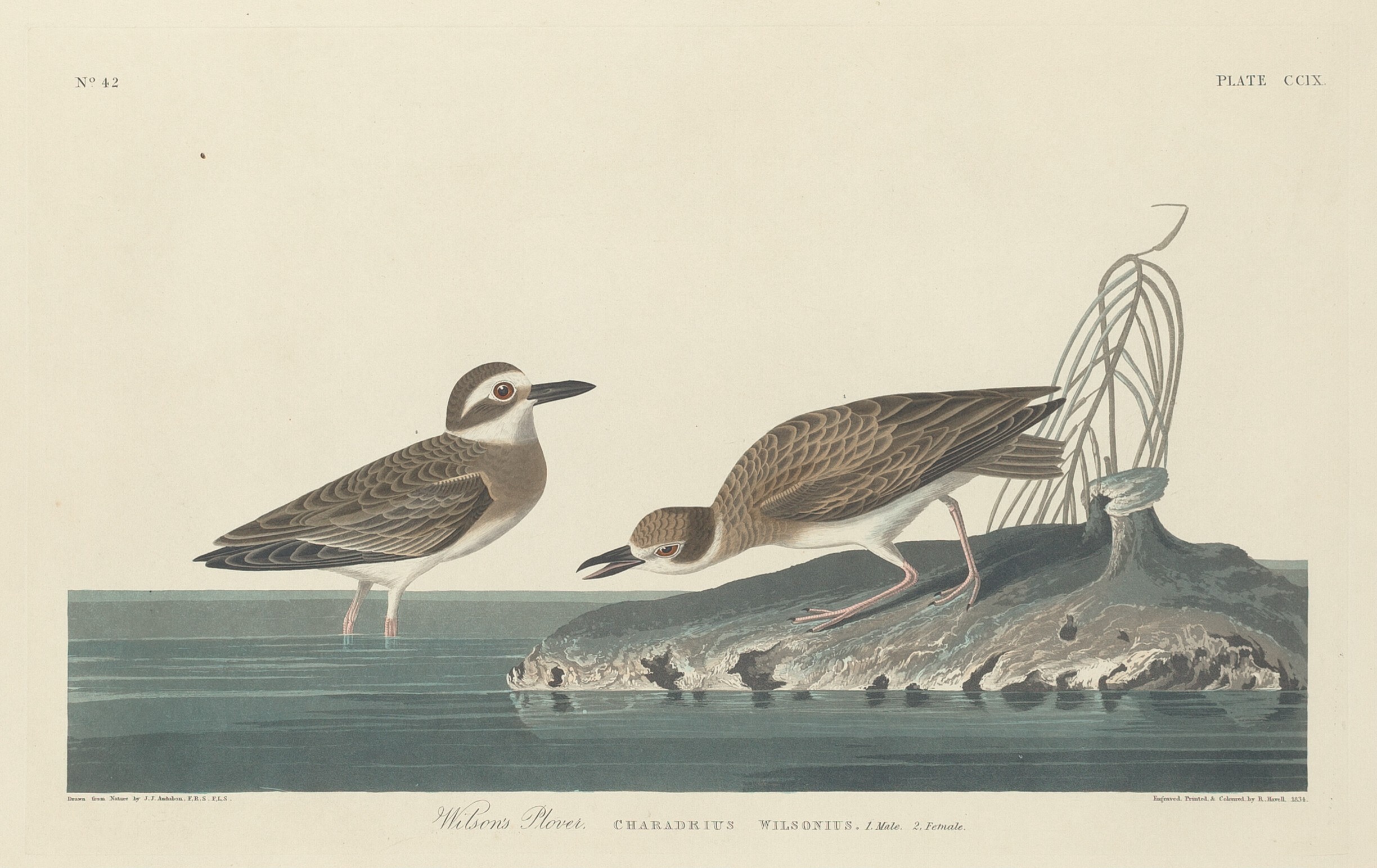
- Wilson's PloverCharadrius wilsonia
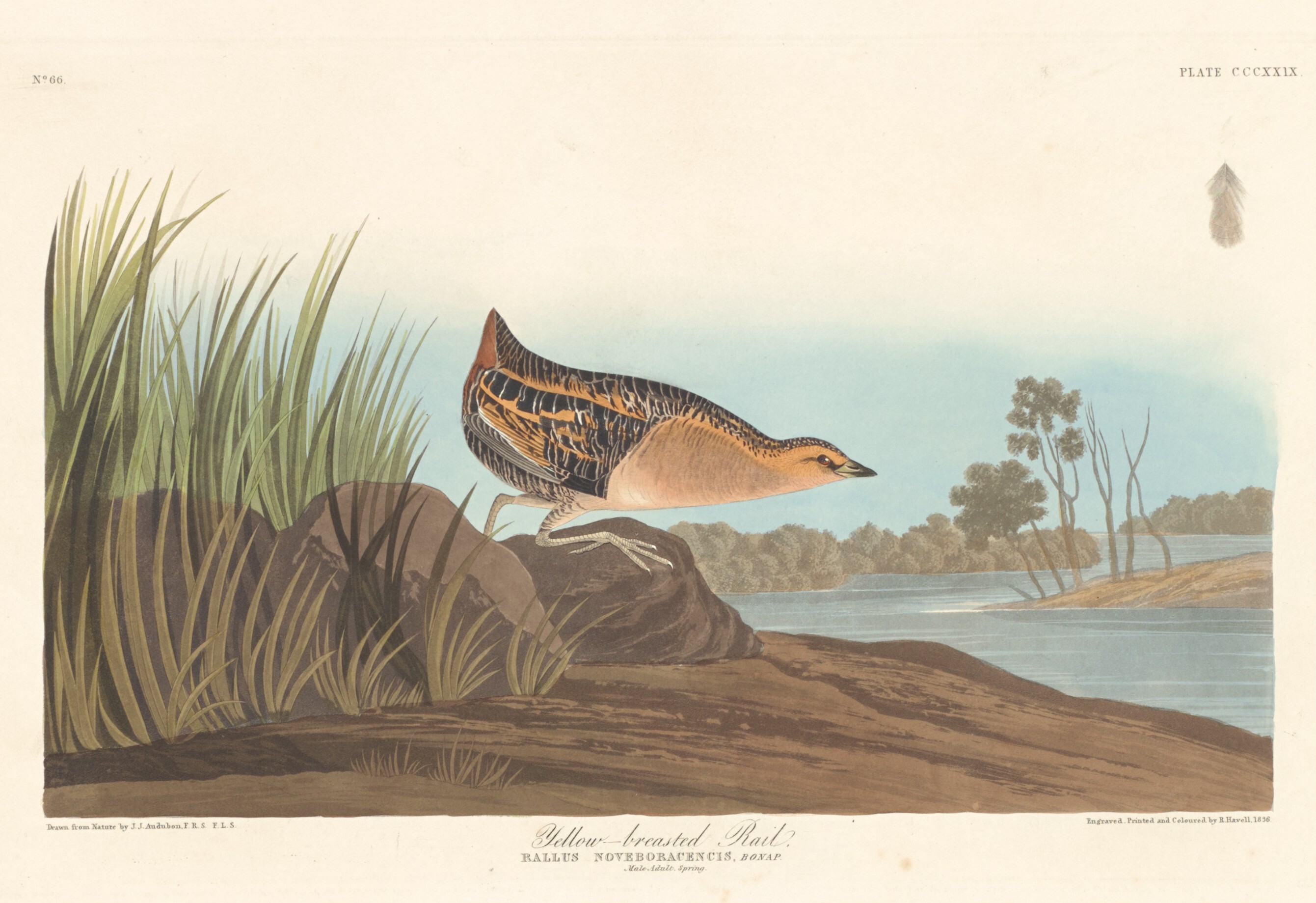
- Yellow RailCoturnicops noveboracensis
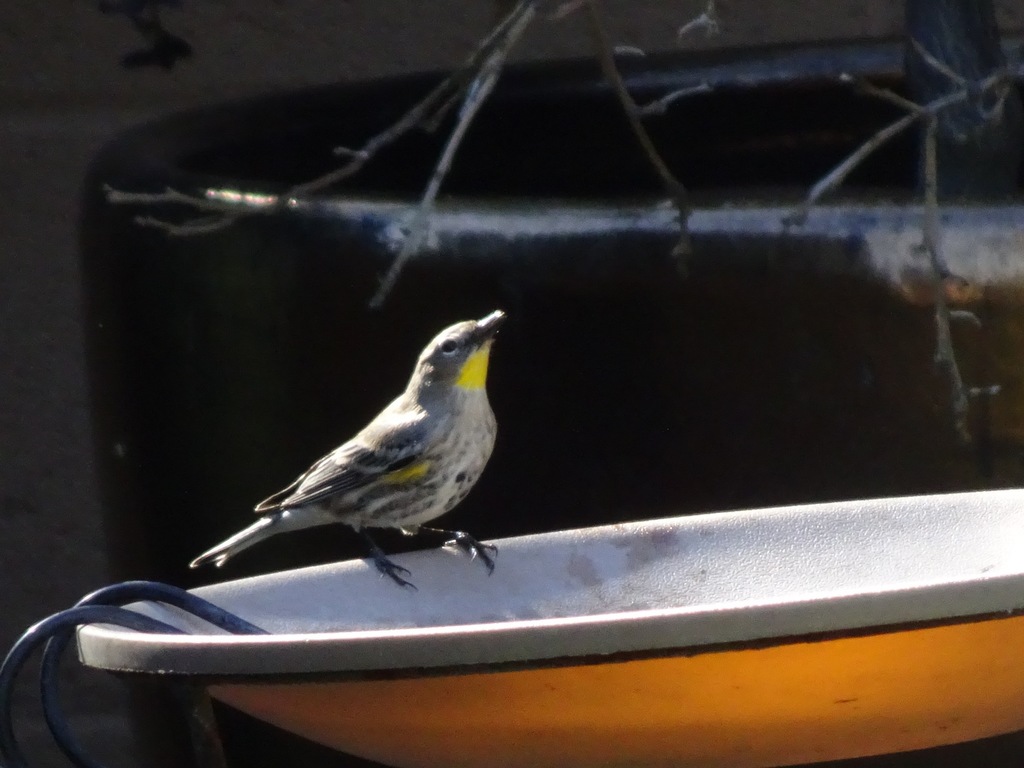
- Yellow-rumped WarblerDendroica coronata
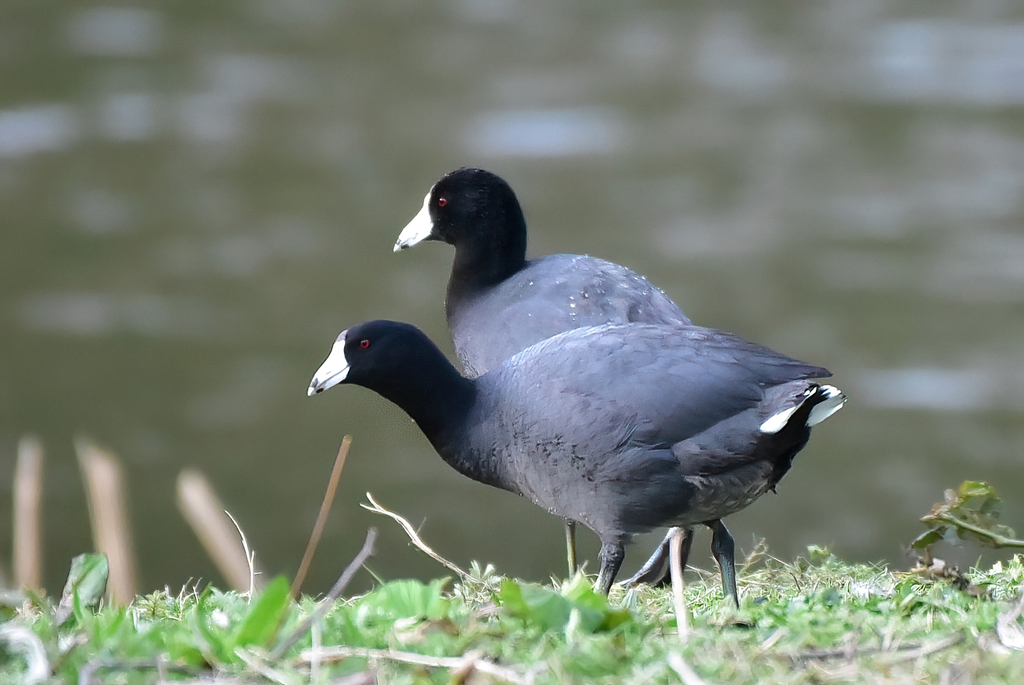
- American CootFulica americana
- American CrowCorvus brachyrhynchos
- American KestrelFalco sparverius
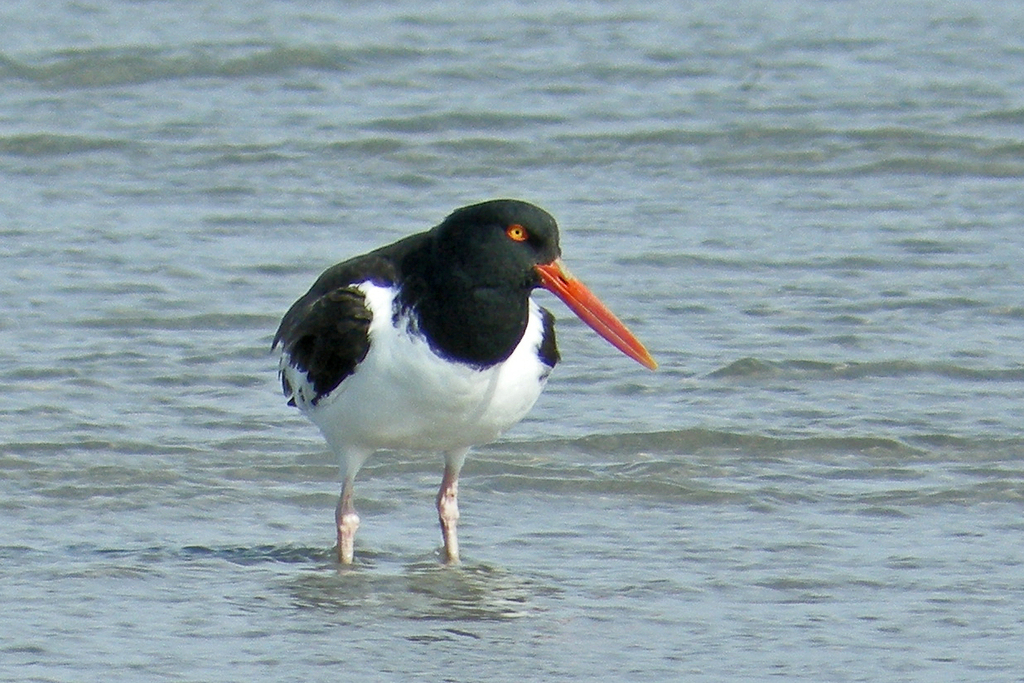
- American OystercatcherHaematopus palliatus
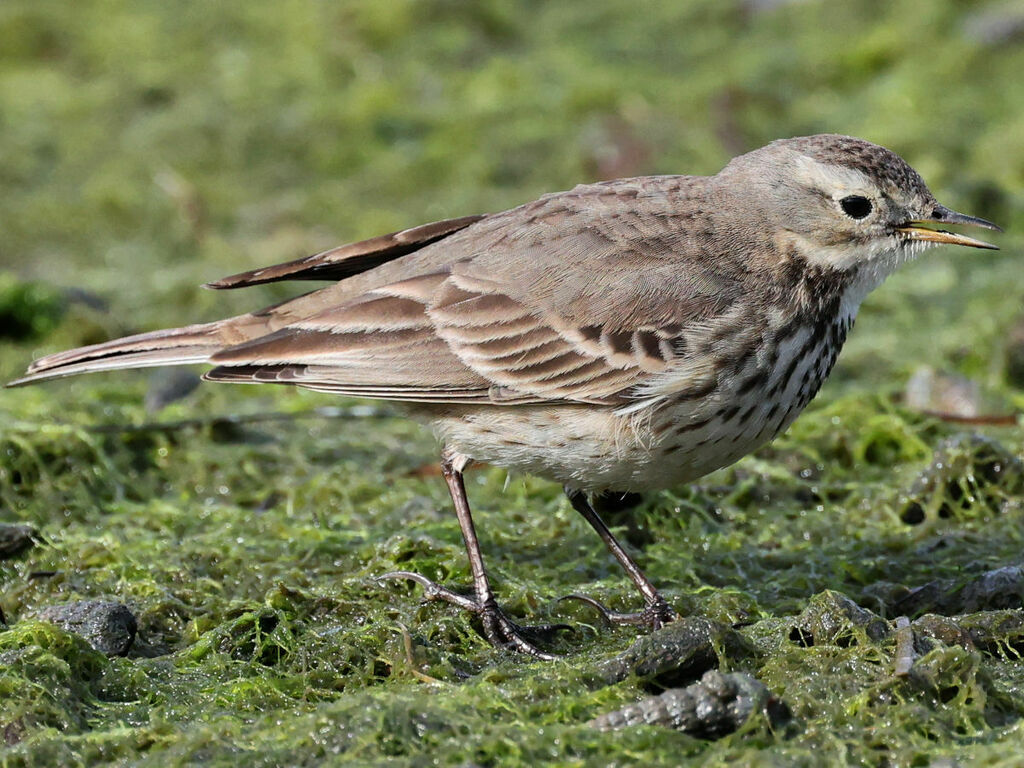
- American PipitAnthus rubescens
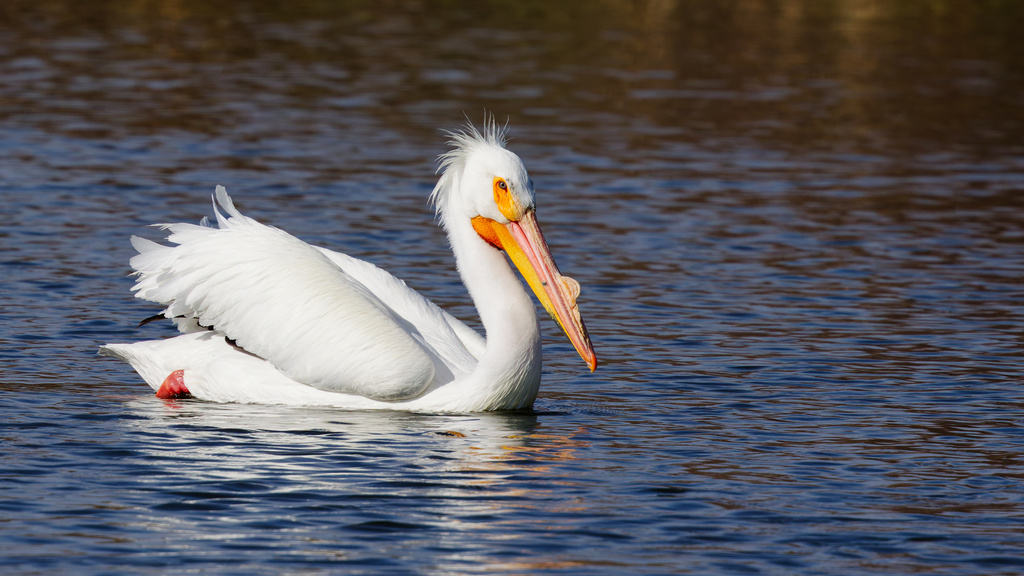
- American White PelicanPelecanus erythrorhynchos
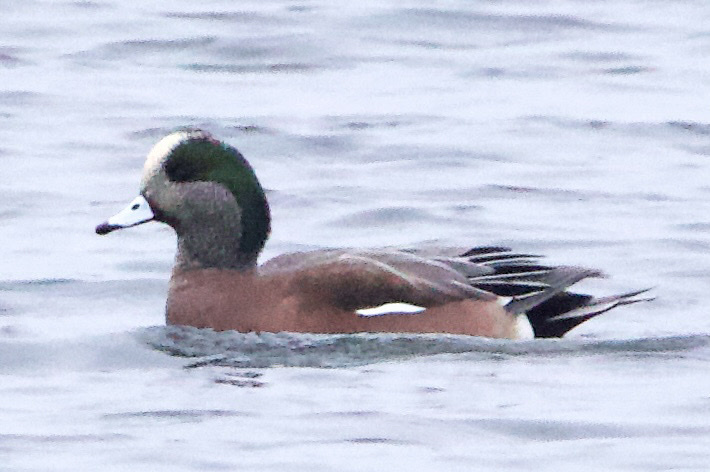
- American WigeonAnas americana
- American WoodcockScolopax minor
- Bald EagleHaliaeetus leucocephalus
- Belted KingfisherMegaceryle alcyon
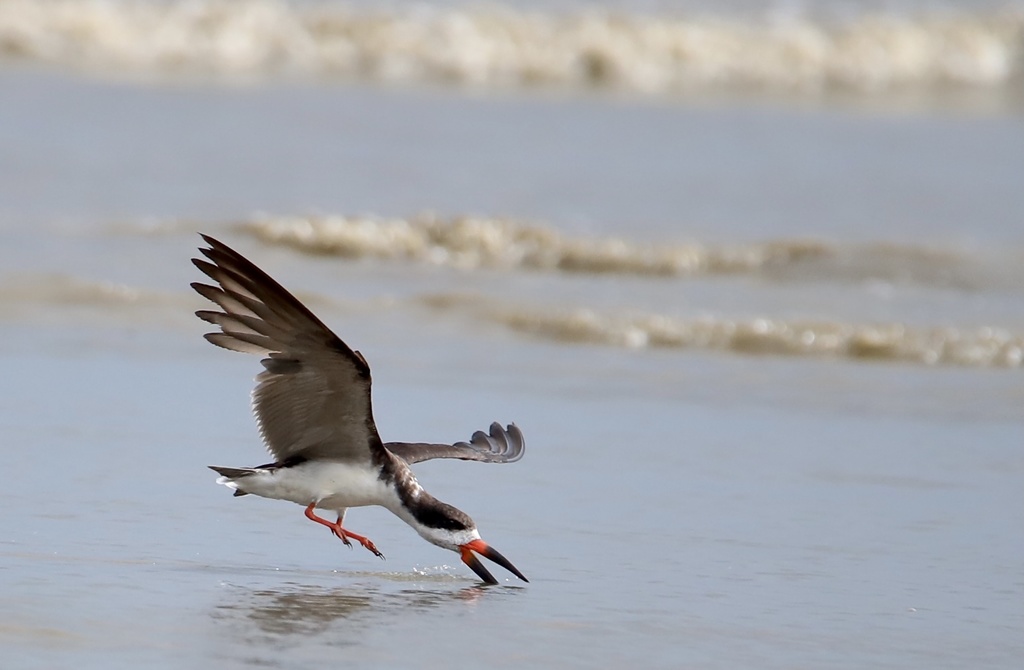
- Black SkimmerRynchops niger
- Black-crowned Night-heronNycticorax nycticorax
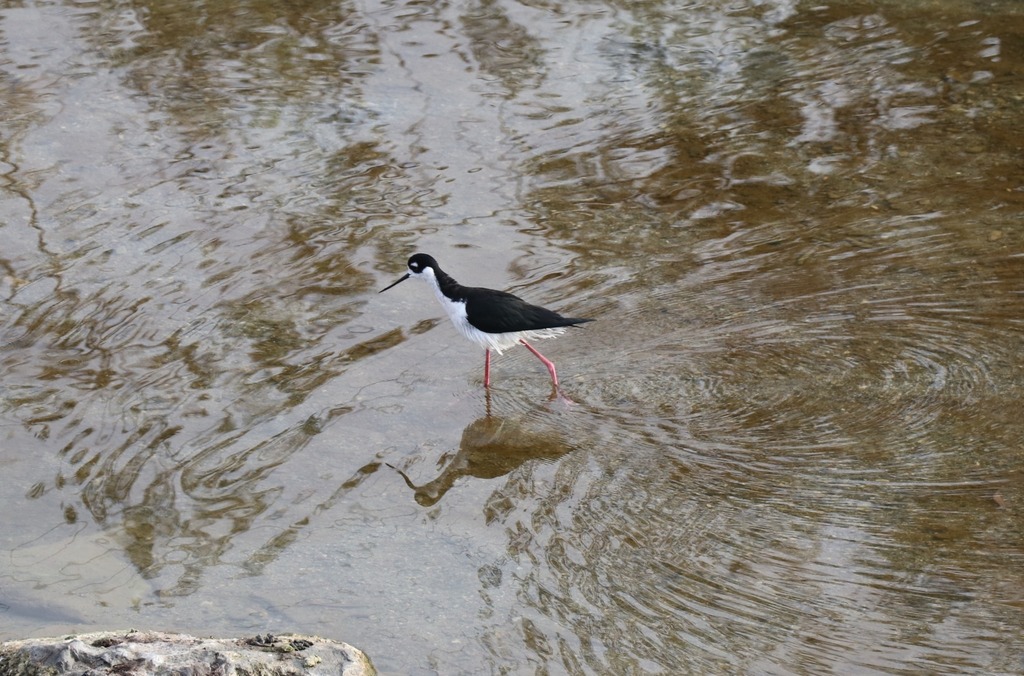
- Black-necked StiltHimantopus mexicanus
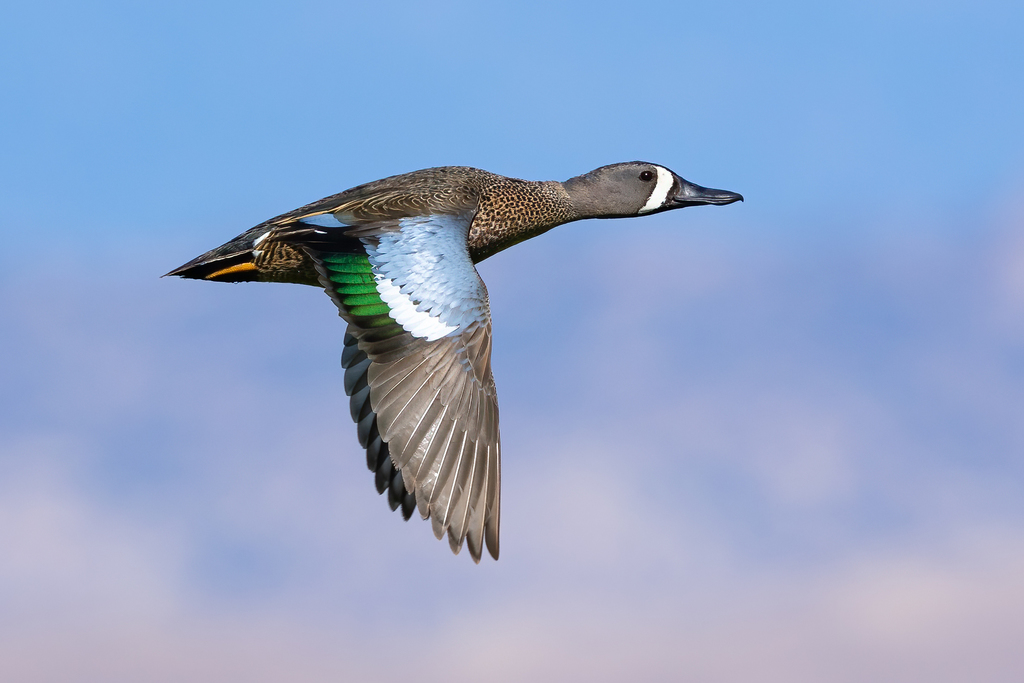
- Blue-winged TealAnas discors
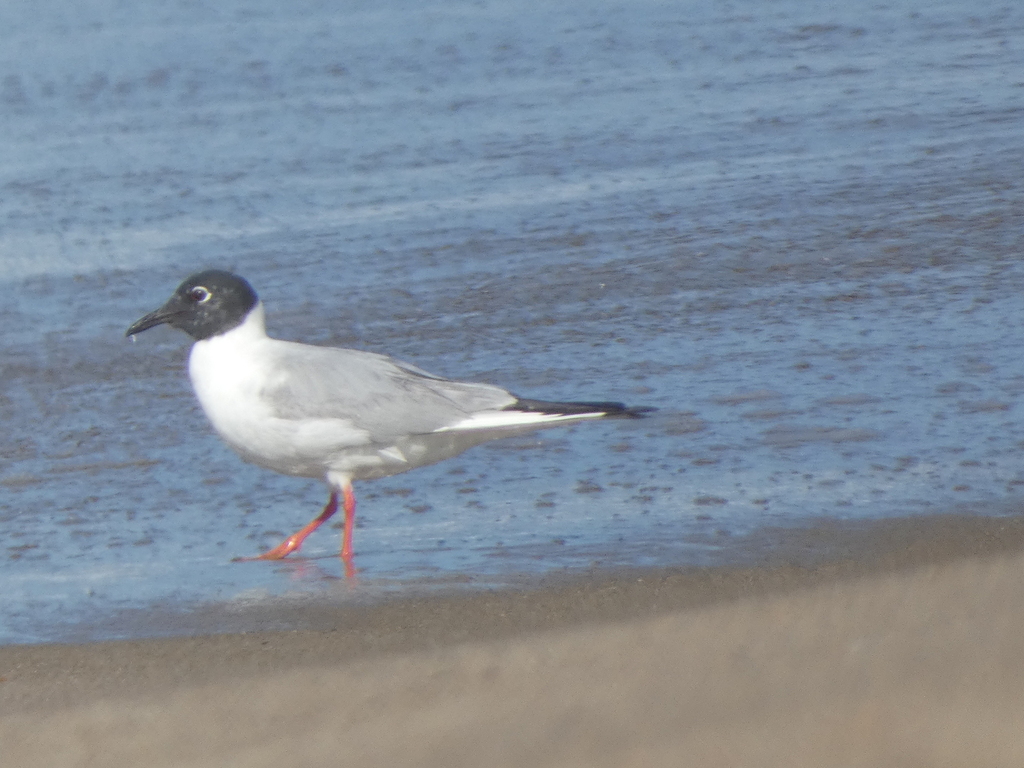
- Bonaparte's GullChroicocephalus philadelphia
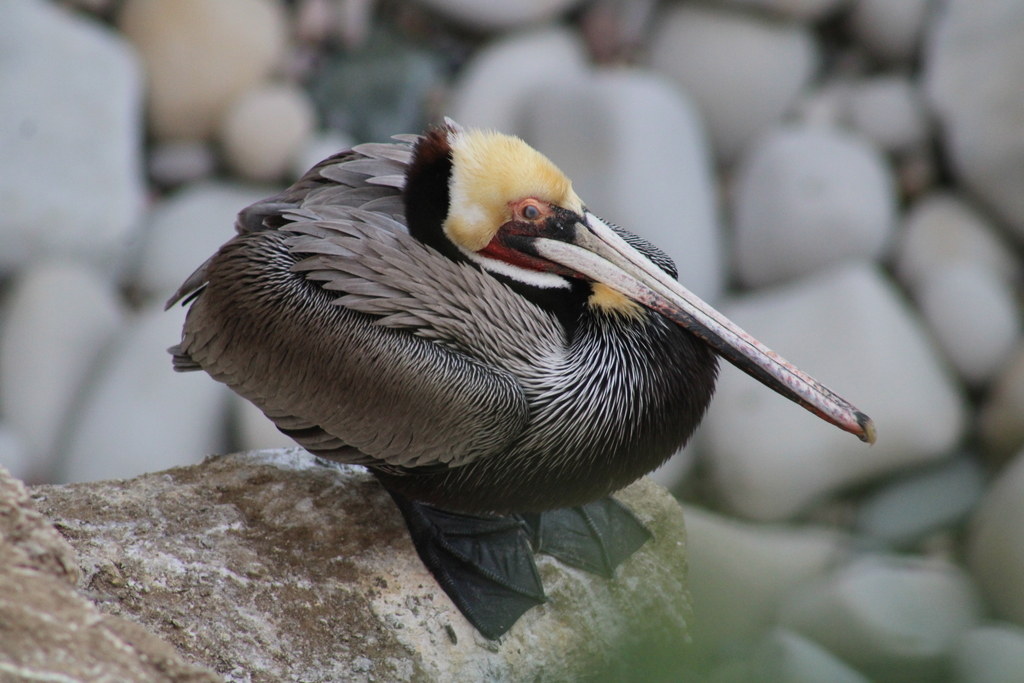
- Brown PelicanPelecanus occidentalis
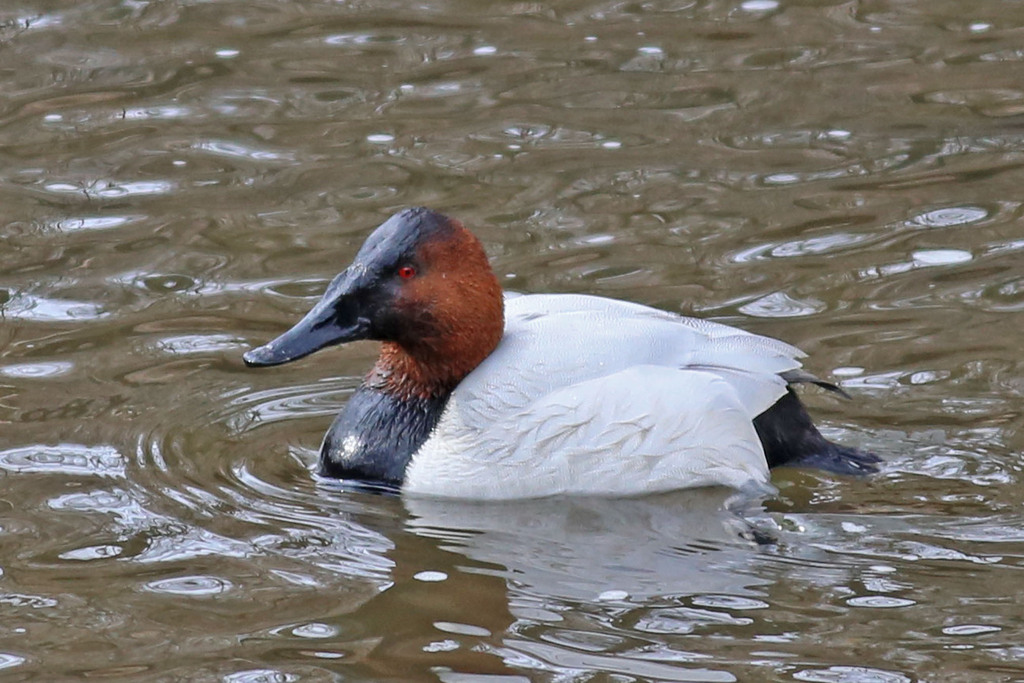
- CanvasbackAythya valisineria
- Chipping SparrowSpizella passerina
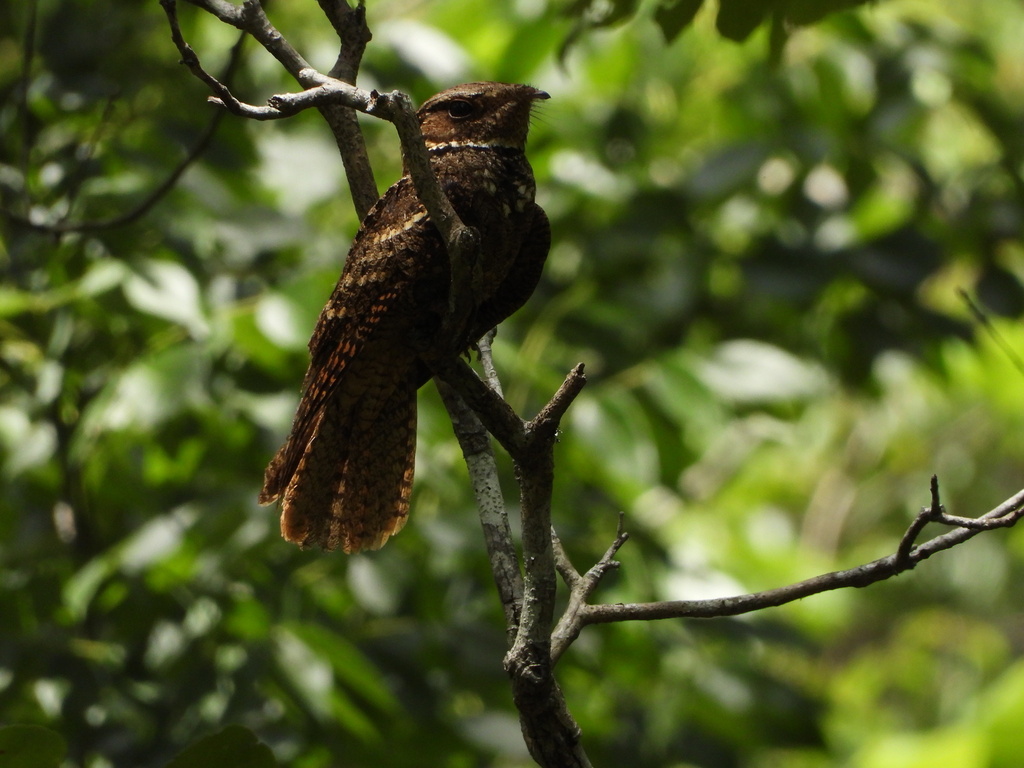
- Chuck-will's-widowCaprimulgus carolinensis








Who uses this plant?
 0CaterpillarsGenus host records with ranges including AL
 0BeesSoutheastern regional records
 0Specialist beesPollen specialists
 —BirdsRecorded genus food-resource interactions; not a state feeding claim
No records yet · Ants · Beetles · Flies · Adult butterflies / moths · Other wasps · Other insects
Plant details
- Family
- Polygonaceae
- Flower color
- White
- Fruit begins
- October
- Fruit ends
- January
Safety has not been reviewed for this plant; check toxicity and thorns before planting.
Growing sources and scope
- Bloom · “Late August to October” · Weakley, Flora of the Southeastern United States (2025), Carolinas & Georgia edition · Carolinas and Georgia
- Flower color · “White” · Lady Bird Johnson Wildflower Center
- Fruit begins · “October” · Weakley, Flora of the Southeastern United States (2025), Carolinas & Georgia edition · Carolinas and Georgia
- Fruit ends · “January” · Weakley, Flora of the Southeastern United States (2025), Carolinas & Georgia edition · Carolinas and Georgia
- Height · “Up to about 5 feet” · Lady Bird Johnson Wildflower Center
- Life cycle · “Annual” · Lady Bird Johnson Wildflower Center
- Light · “Full sun (documented habitat)” · Weakley, Flora of the Southeastern United States (2025), Carolinas & Georgia edition · Carolinas and Georgia
- primary_flower_color · “white” · Lady Bird Johnson Wildflower Center
- Soil · “Dry; Moist (documented habitat)” · Weakley, Flora of the Southeastern United States (2025), Carolinas & Georgia edition · Carolinas and Georgia
Also known as
Polygonum pinicola
Conservation status
| Alabama rank | SNR |
|---|---|
| Global rank | G4G5 |
| AL status | Not verified |
| Federal status | Not verified |
Will it fit your yard?
Check this plant against your county, sun and soil moisture. Conditions are checked in your browser.
Sources
- Alabama Plant Atlas
- USDA PLANTS
- Weakley, Flora of the Southeastern United States (2025)
- Shropshire & Tallamy 2025, Lepidoptera of North America north of Mexico, ZooKeys 1261 (ODbL)
- Noori, Seltmann & Orr 2026, A curated and integrated dataset for exploring global bee-plant interactions (GloBI), Zenodo, CC BY 4.0
- Smith, Bachelder, Russell, Morales, Mosher & Seltmann 2024, Bee-Specialization-Modeling v0.6.1 (specialist host table compiled from J. Fowler's pollen specialist bee lists), Zenodo, CC BY 4.0
- Hurlbert, Olsen, Sawyer & Winner 2021, Avian Diet Database, Scientific Data 8: 260 (CC0)
- Narango, Tallamy & Shropshire 2020, Few keystone plant genera support the majority of Lepidoptera species, Nature Communications