

Pieris phillyreifolia
Pieris phillyreifolia
Found in acidic swamp forests. Weakley, Flora of the Southeastern United States (2025), South Central edition What its natural habitat tells you
Native to Alabama. How scores work Is it native here?
Profile 24%
Will it fit your yard?No photograph yet. Looking for an old drawing…
At a glance
Not yet recorded · Height · Spread · Light · Soil · Life cycle · Leaves · Bloom
This plant is missing most of its facts, so Quercus is looking them up in old botany books.
Recorded in 6 Alabama counties.
Natural habitats
Places it grows wild. Not a planting requirement. Each habitat page lists the plants and wildlife also found there.
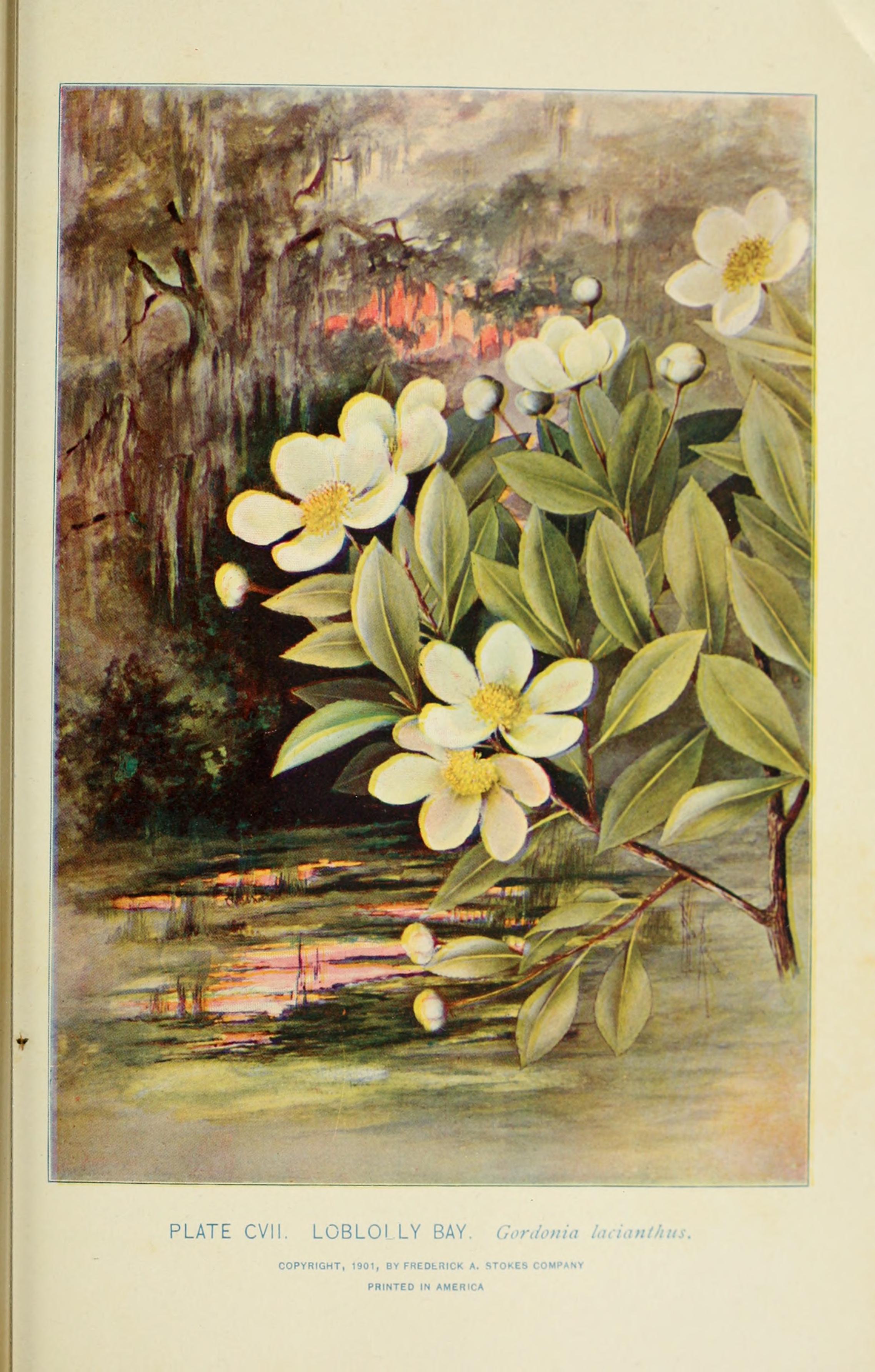
Also found with this plant
Wildlife whose habitat models include habitats this plant grows in, in Alabama. Shared habitat, not food. 140 animals.
- Blue-gray GnatcatcherPolioptila caerulea
- Carolina WrenThryothorus ludovicianus
- Fish CrowCorvus ossifragus
- Great EgretArdea alba
- Green HeronButorides virescens
- Hermit ThrushCatharus guttatus
- Hooded WarblerWilsonia citrina
- MallardAnas platyrhynchos
- Northern WaterthrushSeiurus noveboracensis
- Prothonotary WarblerProtonotaria citrea
- Purple GallinulePorphyrio martinica
- Red-shouldered HawkButeo lineatus
- Snowy EgretEgretta thula
- Swallow-tailed KiteElanoides forficatus
- Wild TurkeyMeleagris gallopavo
- Wood DuckAix sponsa
- Yellow-crowned Night-heronNyctanassa violacea
- Acadian FlycatcherEmpidonax virescens
- American CootFulica americana
- Bald EagleHaliaeetus leucocephalus
- Black VultureCoragyps atratus
- Brown CreeperCerthia americana
- Common YellowthroatGeothlypis trichas
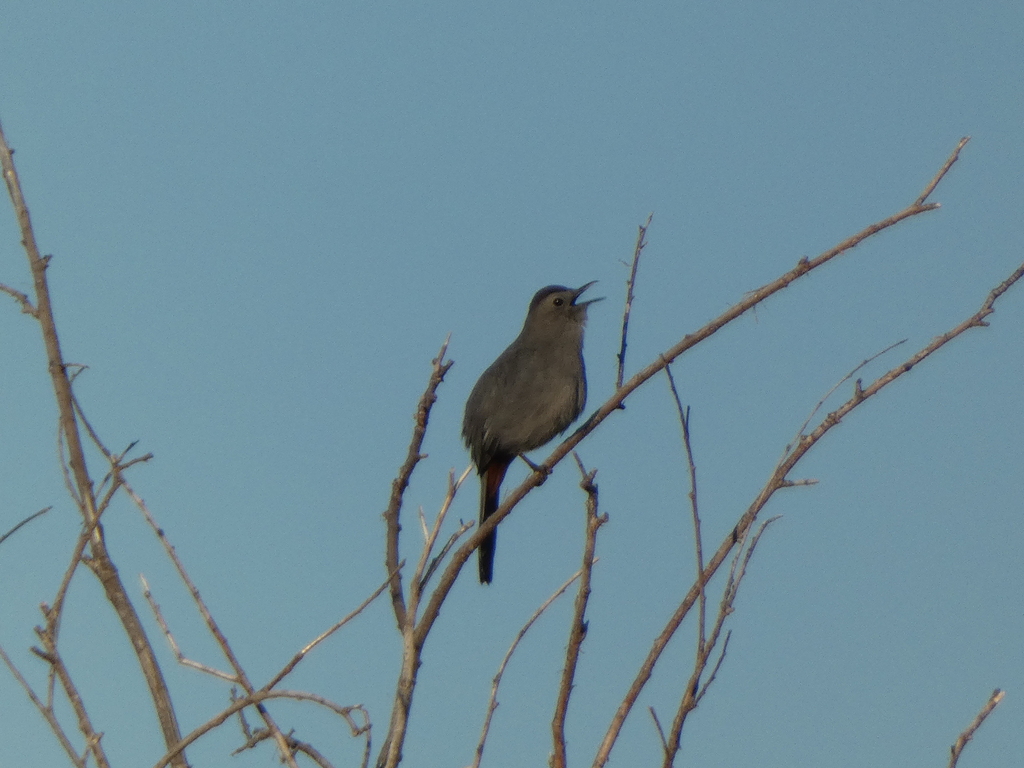
- Gray CatbirdDumetella carolinensis


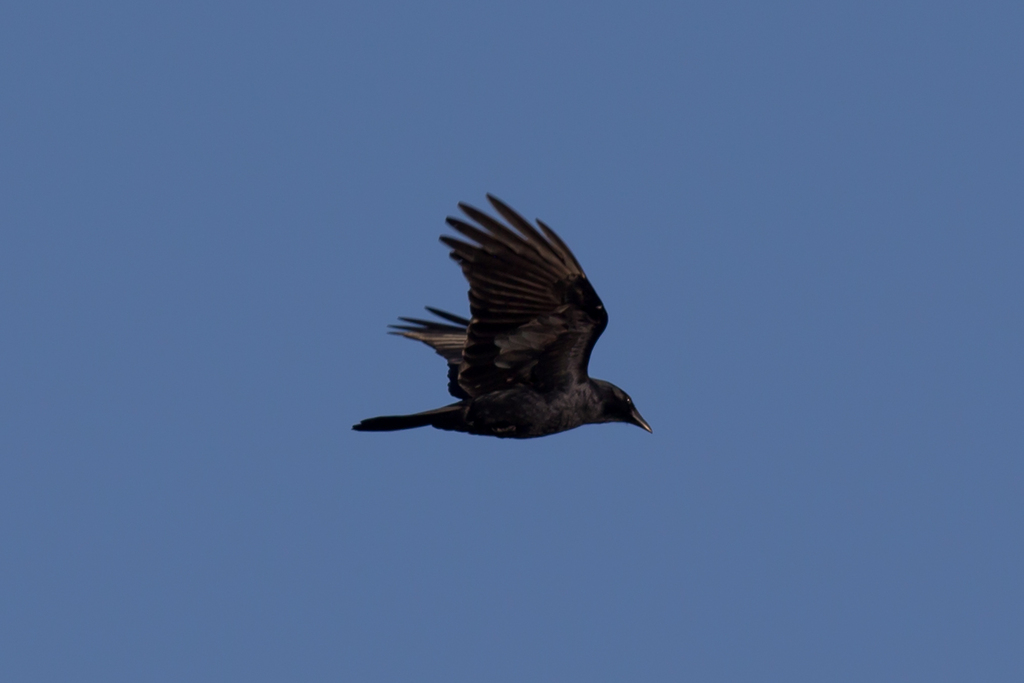

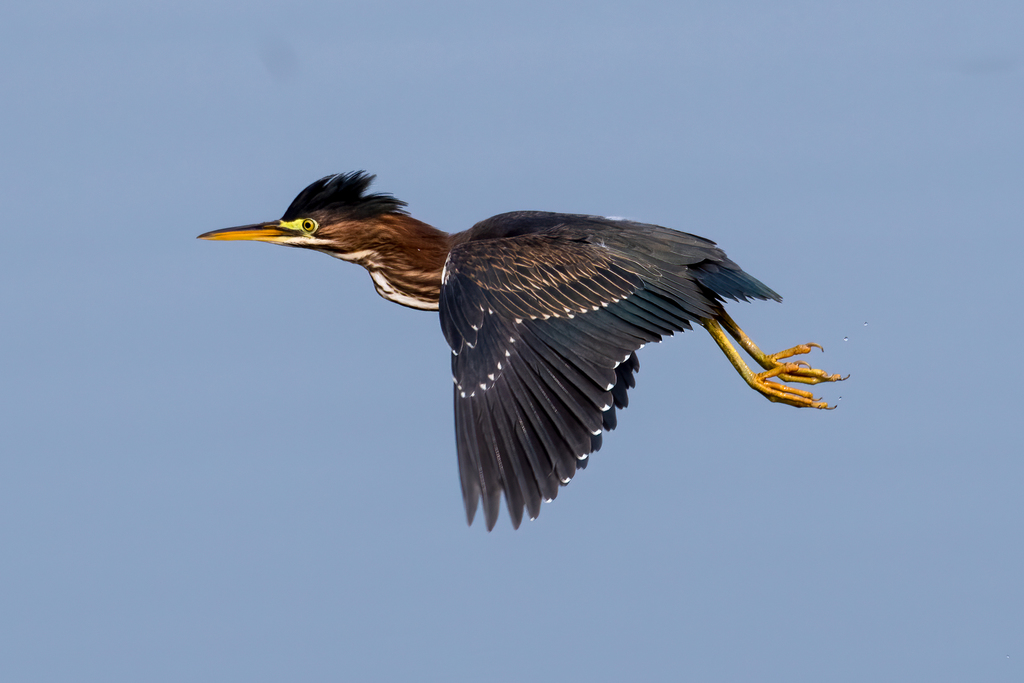

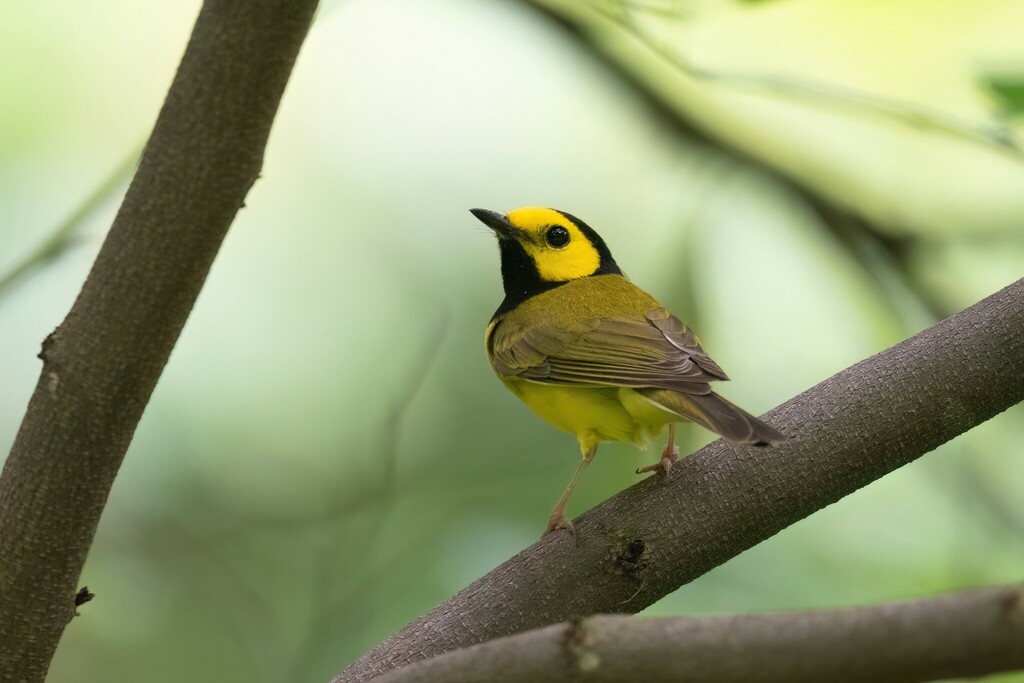
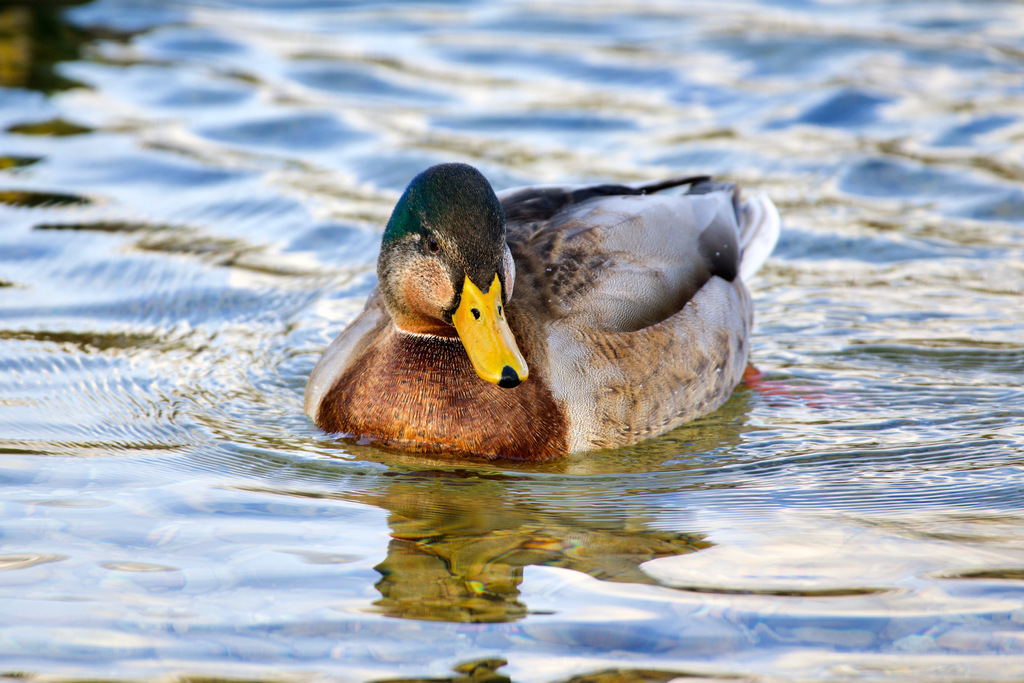
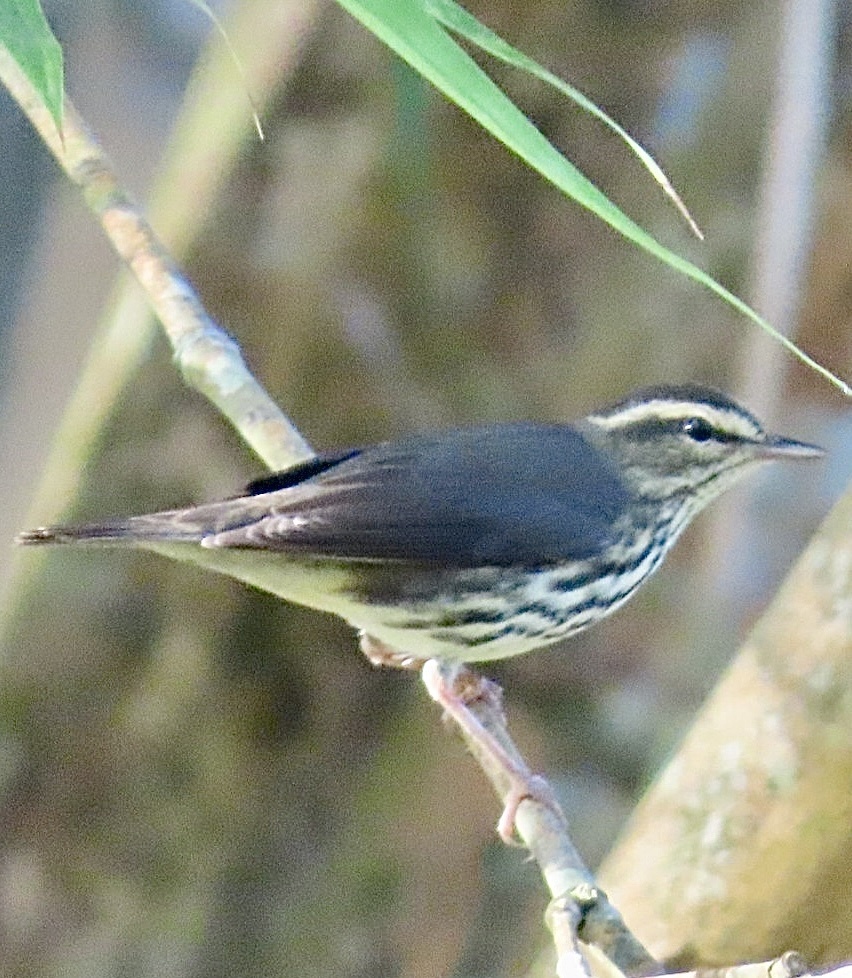
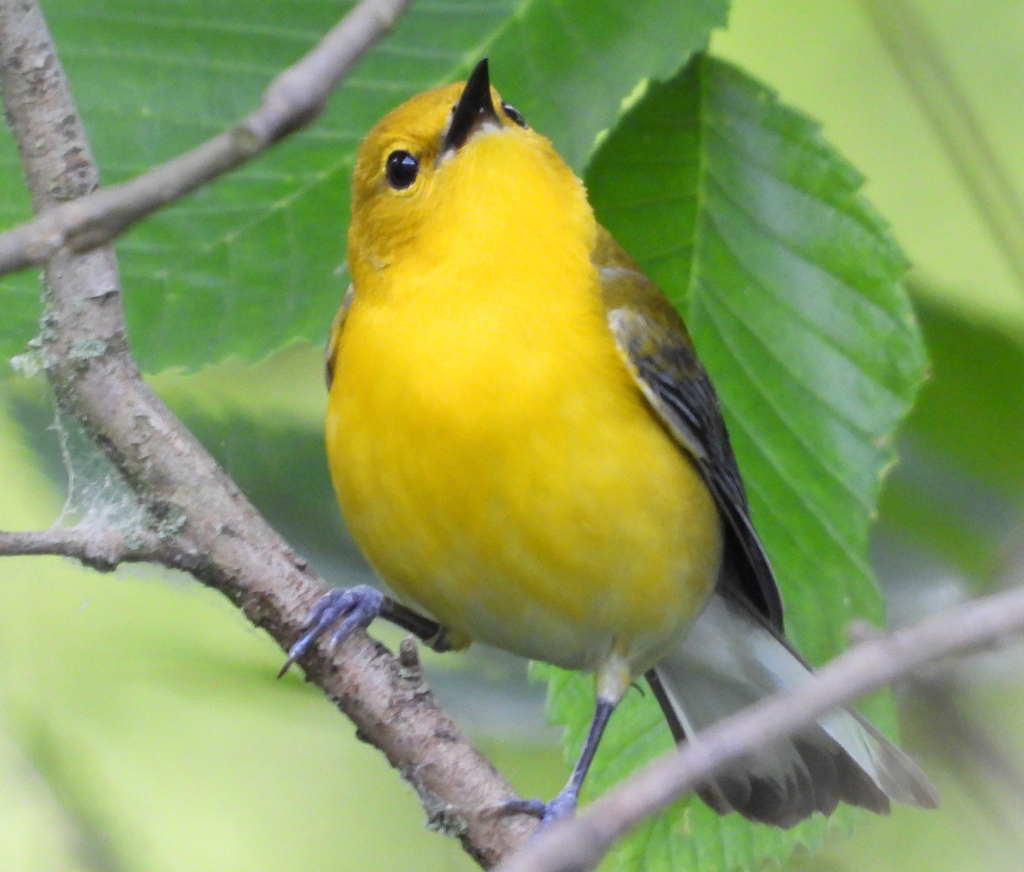
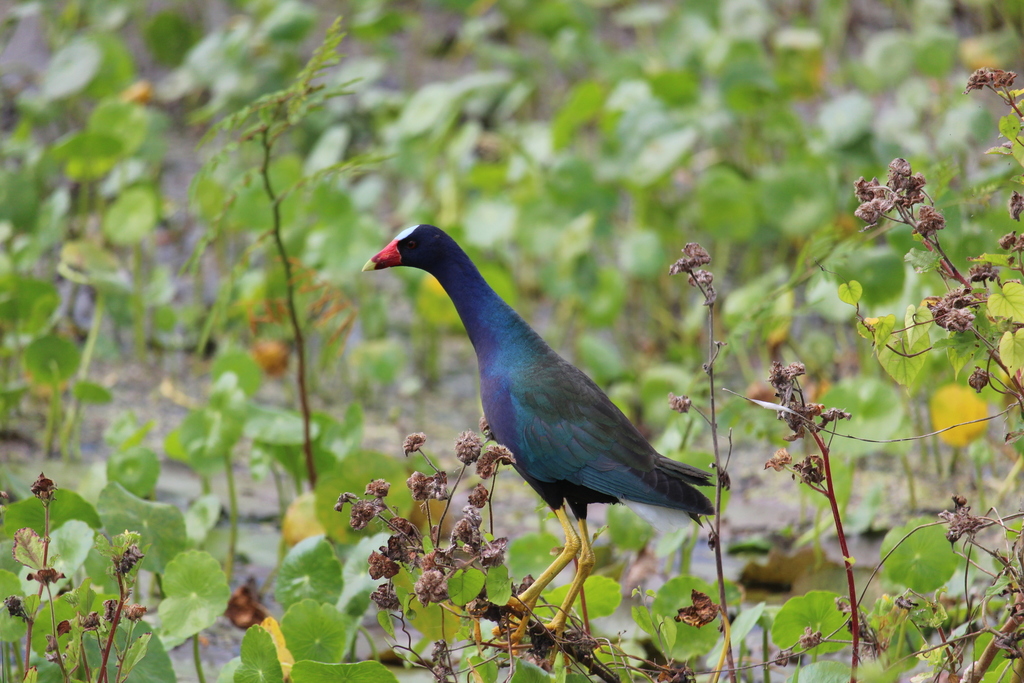
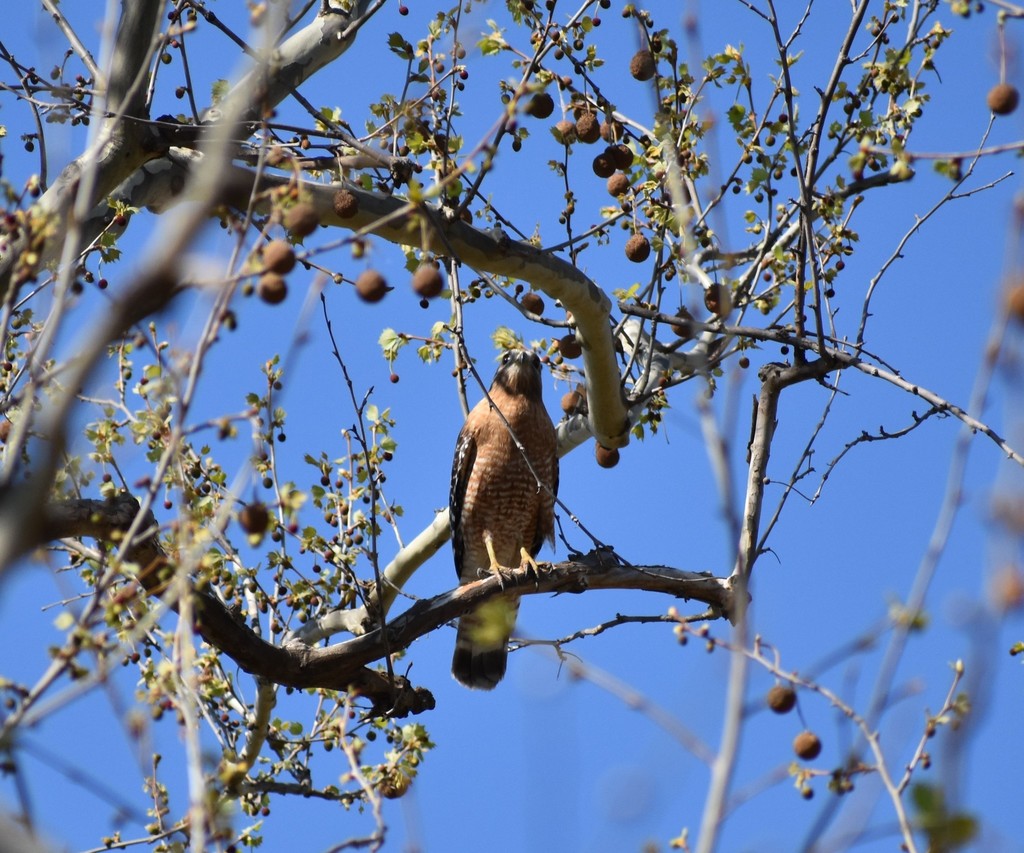
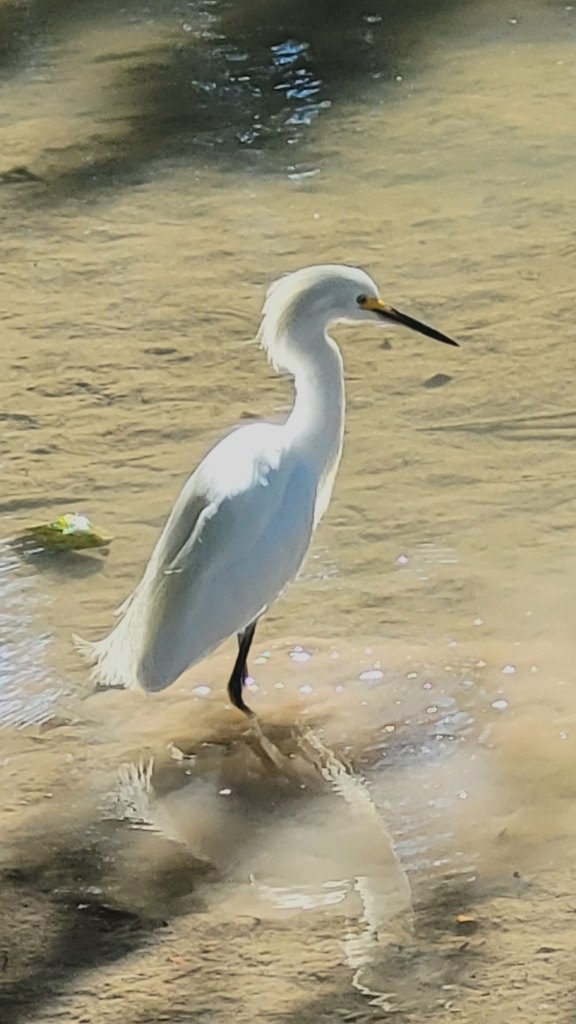
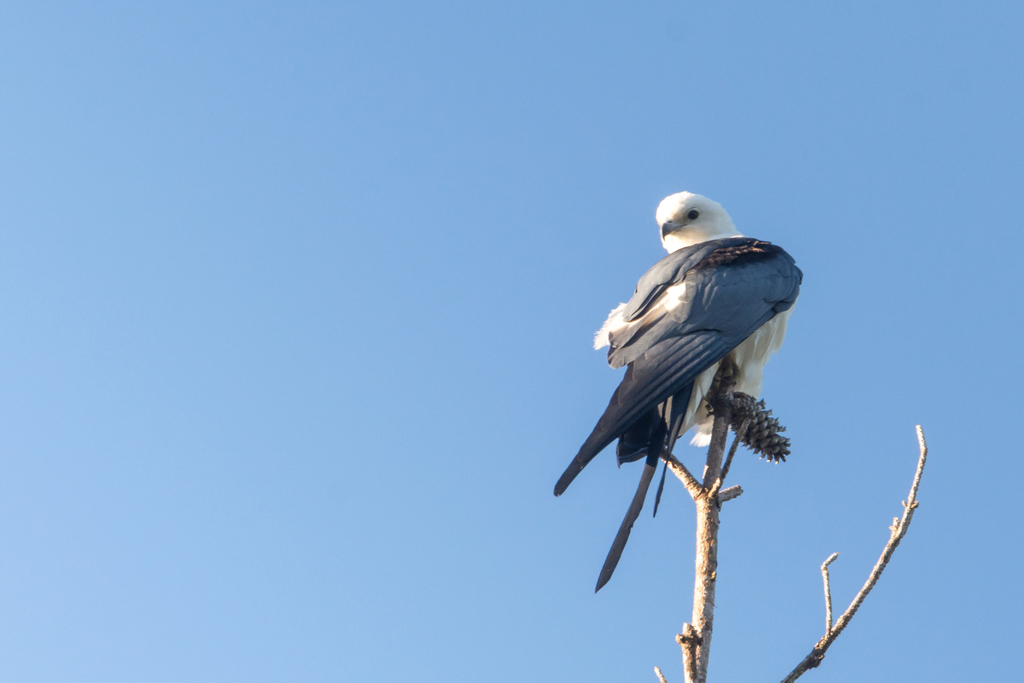




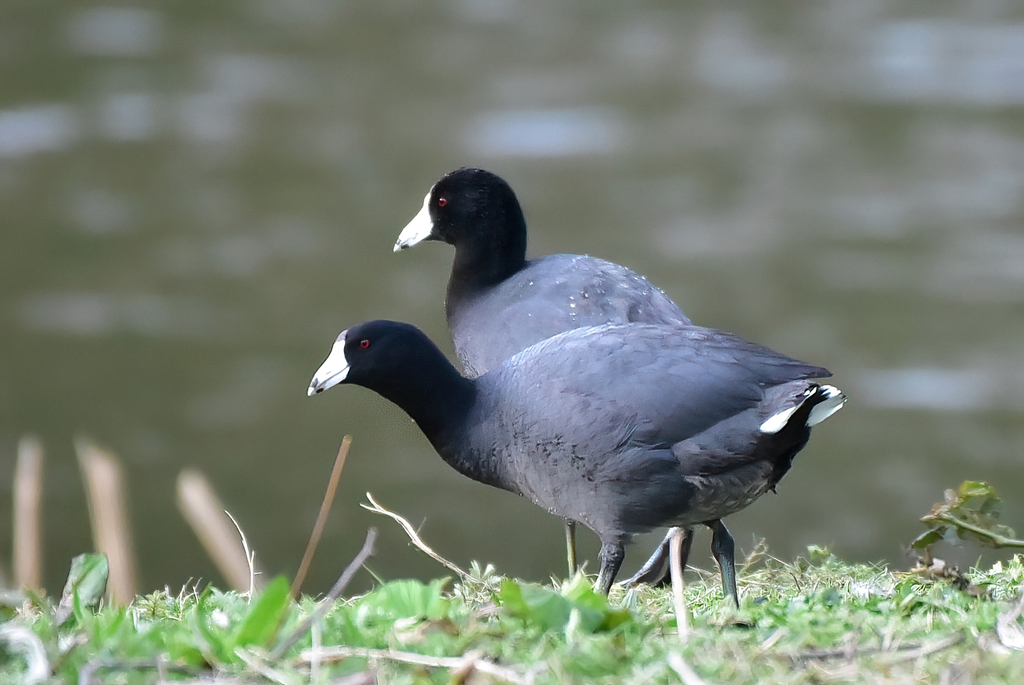




Who uses this plant?
 2CaterpillarsGenus host records with ranges including AL
Genus host records with ranges including AL · Pieris
- Cecrita biundataWavy-Lined Heterocampa
- Phlogophora periculosaBrown Angle Shades
 10BeesSoutheastern regional records
Southeastern regional records · Pieris
Individual names are not available yet.
Noori, Seltmann & Orr 2026, A curated and integrated dataset for exploring global bee-plant interactions (GloBI), Zenodo, CC BY 4.0 1Specialist beesPollen specialists
 —BirdsRecorded genus food-resource interactions; not a state feeding claim
No records yet · Ants · Beetles · Flies · Adult butterflies / moths · Other wasps · Other insects
Plant details
- Family
- ERICACEAE
Safety has not been reviewed for this plant; check toxicity and thorns before planting.
Conservation status
| Alabama rank | S3 |
|---|---|
| Global rank | Not available |
| AL status | Not verified |
| Federal status | Not verified |
Will it fit your yard?
Check this plant against your county, sun and soil moisture. Conditions are checked in your browser.
Sources
- Alabama Plant Atlas
- Weakley, Flora of the Southeastern United States (2025), South Central edition
- NatureServe Explorer
- Shropshire & Tallamy 2025, Lepidoptera of North America north of Mexico, ZooKeys 1261 (ODbL)
- Noori, Seltmann & Orr 2026, A curated and integrated dataset for exploring global bee-plant interactions (GloBI), Zenodo, CC BY 4.0
- Smith, Bachelder, Russell, Morales, Mosher & Seltmann 2024, Bee-Specialization-Modeling v0.6.1 (specialist host table compiled from J. Fowler's pollen specialist bee lists), Zenodo, CC BY 4.0
- Hurlbert, Olsen, Sawyer & Winner 2021, Avian Diet Database, Scientific Data 8: 260 (CC0)
- Narango, Tallamy & Shropshire 2020, Few keystone plant genera support the majority of Lepidoptera species, Nature Communications