

Common Ninebark
Physocarpus opulifolius
Native to Alabama. How scores work Is it native here?
Profile 100%
- Height
- 5–8 feet
- Spread
- 4–6 feet
- Light
- Full sun, Partial shade
- Soil moisture
- Somewhat dry to moist
Space about 5 ft apart from its recorded spread, about 4 per 100 sq ft. Enter your bed size for a count
Will it fit your yard?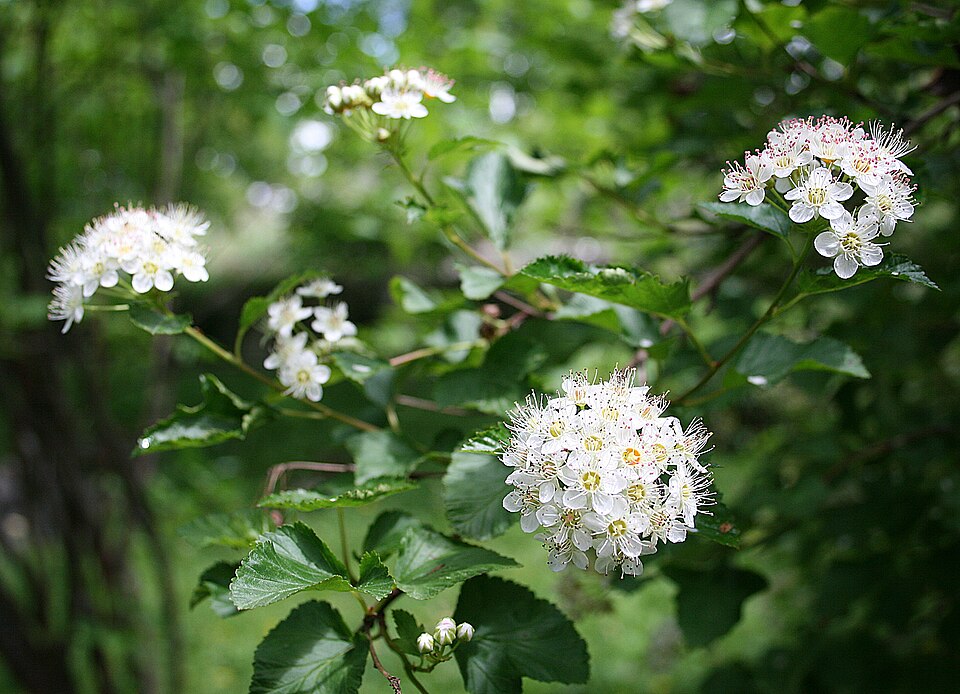
At a glance
- Life cycle
- Perennial
- Leaves
- Deciduous
- Bloom
- Late spring
- Fruiting season
- Summer to fall
Recorded in 18 Alabama counties.
Also found with this plant
Wildlife whose habitat models include habitats this plant grows in, in Alabama. Shared habitat, not food. 127 animals.
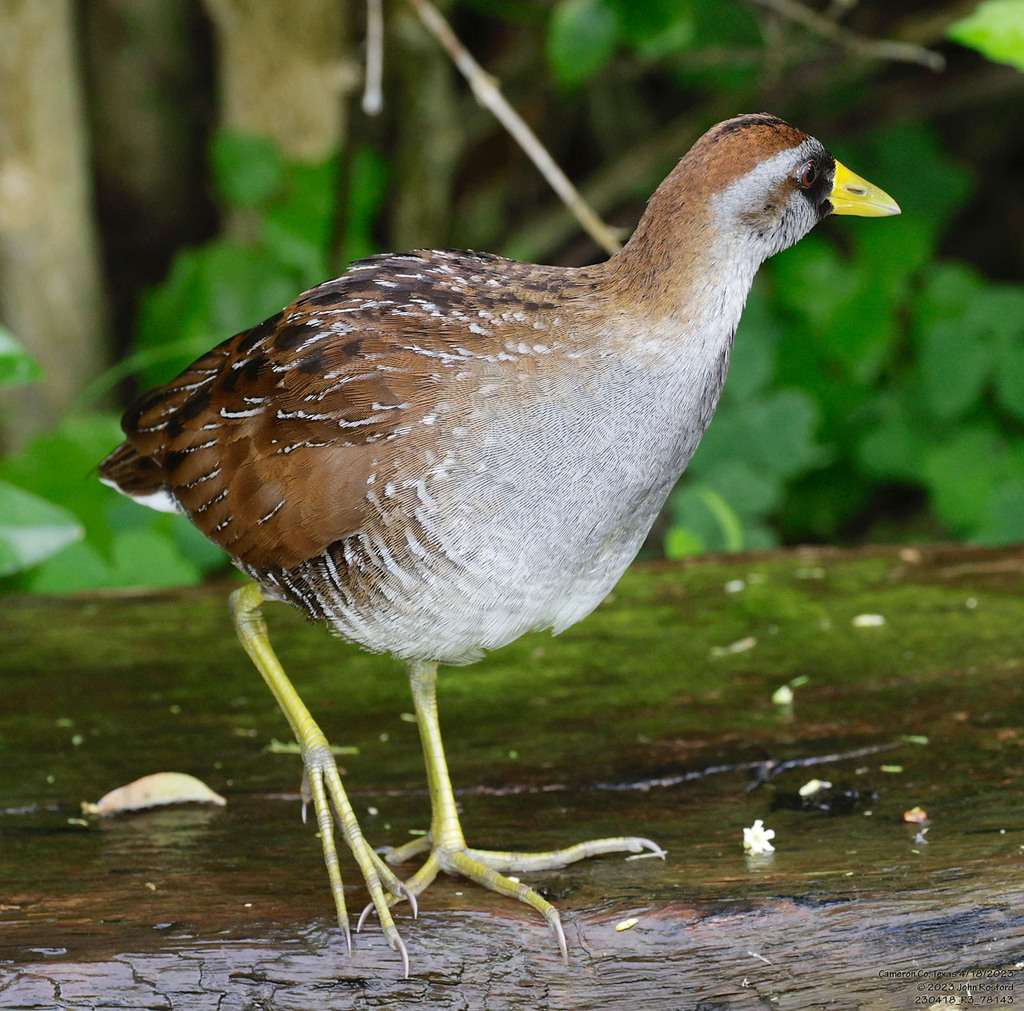
- SoraPorzana carolina
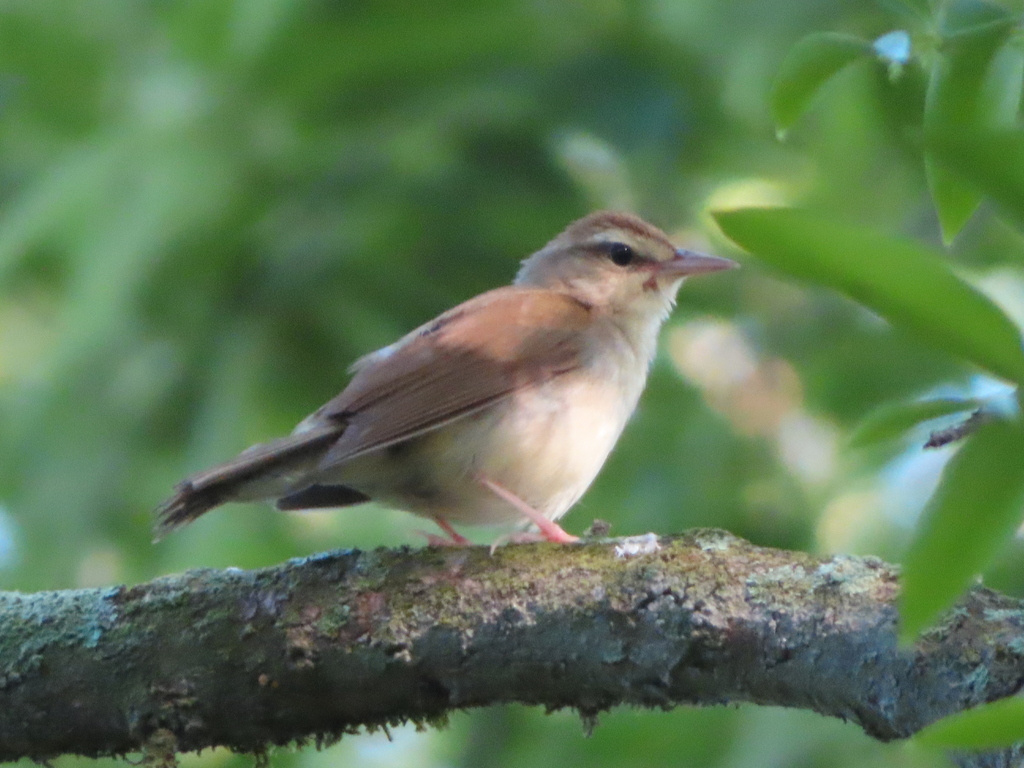
- Swainson's WarblerLimnothlypis swainsonii
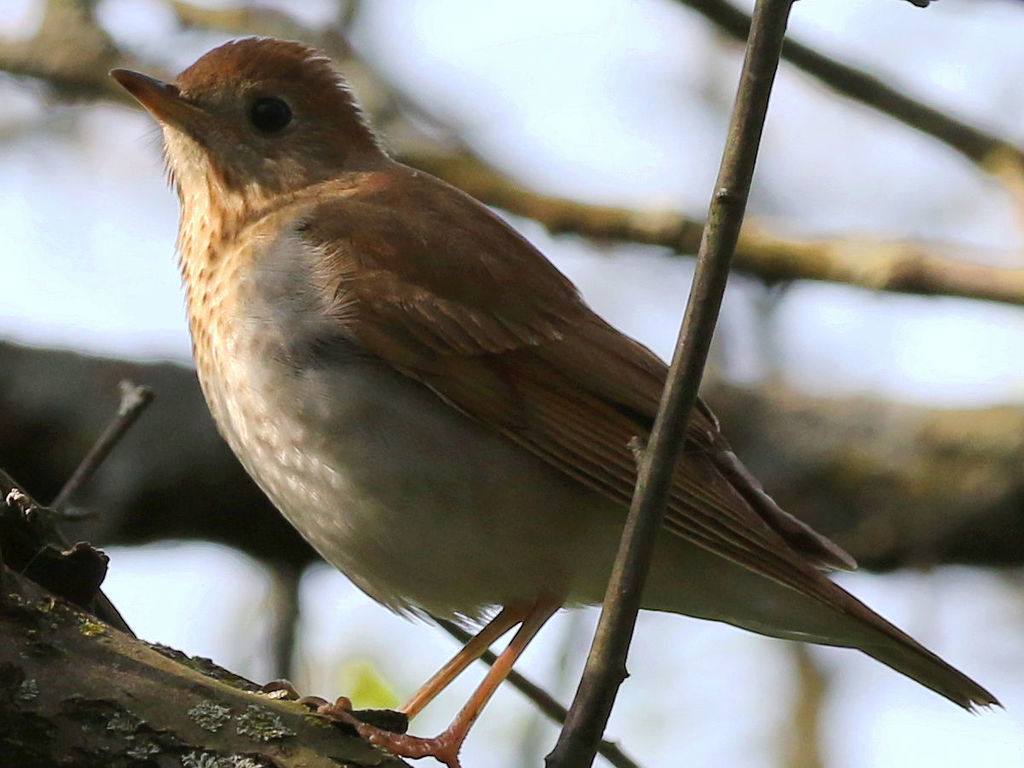
- VeeryCatharus fuscescens
- White-eyed VireoVireo griseus
- Wild TurkeyMeleagris gallopavo
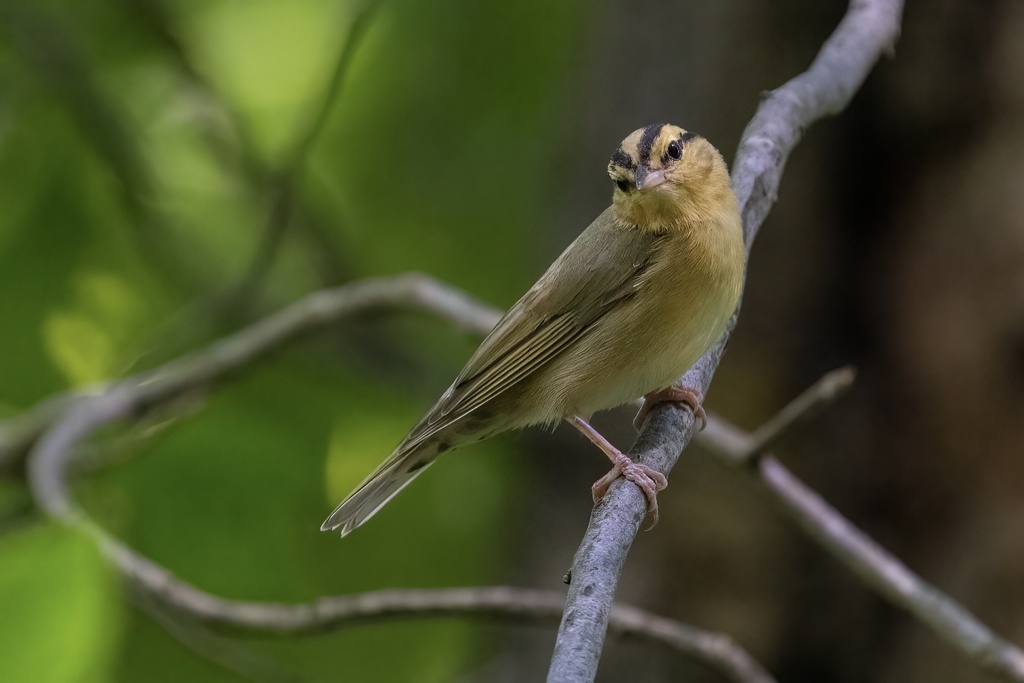
- Worm-eating WarblerHelmitheros vermivorum
- Yellow-throated WarblerDendroica dominica




Who uses this plant?
 27CaterpillarsGenus host records with ranges including AL
Genus host records with ranges including AL · Physocarpus
- Achatia distinctaDistinct Quaker
- Antepione thisoariaVariable Antepione
- Automeris ioIo Moth
- Choristoneura rosaceanaOblique-Banded Leafroller Moth, Rosaceous Leaf Roller
- Coelodasys unicornisUnicorn Caterpillar Moth
- Erannis tiliariaLinden Looper Moth, Western Winter Moth, Lime Looper
- Eupithecia miserulataCommon Eupithacia, Common Pug
- Eupsilia morrisoniMorrison's Sallow
- Eutrapela clematariaCurved-Tooth Geometer, Purplish Brown Looper
- Herpetogramma thestealisZigzag Herpetogramma, Subtle-Feathered Grass Moth
Show all 27
- Hyalophora cecropiaCecropia Silkmoth, Cecropia Moth
- Hypagyrtis unipunctataOne-Spotted Variant
- Lomographa semiclarataBluish Spring Moth, Wildcherry Looper
- Lomographa vestaliataWhite Spring Moth
- Melanolophia signatariaSignate Melanolphia
- Metarranthis duariaRuddy Metarranthis
- Morrisonia evictaBicolored Woodgrain
- Olethreutes permundanaRaspberry Leafroller
- Orthosia hibisciSpeckled Green Fruitworm Moth, Speckled Green Quaker
- Palthis angulalisDark-Spotted Palthis
- Paonias excaecataBlinded Sphinx, Blind Eyed Sphinx
- Phigalia titeaThe Half-Wing Geometer, Spiney Looper, Eastern Oak Looper
- Prochoerodes lineolaLarge Maple Spanworm Moth
- Synanthedon scitulaDogwood Borer, Pecan Borer
- Tetracis cachexiataWhite Slant-Line
- Thalera pistasciariaPistachio Emerald
- Thyridopteryx ephemeraeformisEvergreen Bagworm Moth
 2BeesSoutheastern regional records
Southeastern regional records · Physocarpus
Individual names are not available yet.
Noori, Seltmann & Orr 2026, A curated and integrated dataset for exploring global bee-plant interactions (GloBI), Zenodo, CC BY 4.0 0Specialist beesPollen specialists
 1BirdsRecorded genus food-resource interactions; not a state feeding claim
Recorded genus food-resource interactions; not a state feeding claim · Physocarpus
- Melospiza melodiaSong Sparrow
Direct food only: birds recorded eating this genus across North America. Caterpillars on host plants also feed nesting birds. NC Native Plant Society: butterfly gardening
No records yet · Ants · Beetles · Flies · Adult butterflies / moths · Other wasps · Other insects
Plant details
- Family
- Rosaceae
- Hardiness
- Zones 2a–8b
- Soil pH
- Acidic to alkaline
- Flower color
- Pink or white
- Growth rate
- Slow
- Growth habit
- Several stems
- Foliage color
- Green
- Fruit begins
- Summer
- Fruit ends
- Fall
What its natural habitat tells you
Safety has not been reviewed for this plant; check toxicity and thorns before planting.
Growing sources and scope
- Bloom · “Late spring” · USDA PLANTS (ranked first; Prairie Moon 2026 Cultural Guide differs) · Nationwide species characteristics; local growing conditions may vary
- Flower color · “Pink or white” · NC Extension Plant Toolbox (ranked first; USDA PLANTS, Prairie Moon 2026 Cultural Guide differ)
- Foliage color · “Green” · USDA PLANTS · Nationwide species characteristics; local growing conditions may vary
- Fruit begins · “Summer” · USDA PLANTS · Nationwide species characteristics; local growing conditions may vary
- Fruit ends · “Fall” · USDA PLANTS · Nationwide species characteristics; local growing conditions may vary
- Growth habit · “Several stems” · USDA PLANTS · Nationwide species characteristics; local growing conditions may vary
- Growth rate · “Slow” · USDA PLANTS · Nationwide species characteristics; local growing conditions may vary
- Hardiness · “Zones 2a–8b” · NC Extension Plant Toolbox
- Height · “5–8 feet” · NC Extension Plant Toolbox (ranked first; USDA PLANTS, Minnesota Wildflowers, Prairie Moon 2026 Cultural Guide differ)
- Leaves · “Deciduous” · NC Extension Plant Toolbox
- Life cycle · “Perennial” · NC Extension Plant Toolbox (ranked first; Minnesota Wildflowers differs)
- Light · “Full sun (6 or more hours of direct sunlight a day); Partial shade (direct sunlight only part of the day, 2-6 hours)” · NC Extension Plant Toolbox (ranked first; Tennessee Smart Yards, Virginia DCR Piedmont, Prairie Moon 2026 Cultural Guide differ)
- Soil · “Moist; Occasionally dry” · NC Extension Plant Toolbox (ranked first; Tennessee Smart Yards, Virginia DCR Piedmont, Prairie Moon 2026 Cultural Guide differ)
- Soil pH · “Acidic to alkaline” · NC Extension Plant Toolbox
- Spread · “4–6 feet” · NC Extension Plant Toolbox
Also known as
Eastern Ninebark
Conservation status
| Alabama rank | SNR |
|---|---|
| Global rank | G5 |
| AL status | Not verified |
| Federal status | Not verified |
Will it fit your yard?
Check this plant against your county, sun and soil moisture. Conditions are checked in your browser.
Sources
- Alabama Plant Atlas
- USDA PLANTS
- Vascular Plants of North Carolina (NC Natural Heritage Program)
- Shropshire & Tallamy 2025, Lepidoptera of North America north of Mexico, ZooKeys 1261 (ODbL)
- Noori, Seltmann & Orr 2026, A curated and integrated dataset for exploring global bee-plant interactions (GloBI), Zenodo, CC BY 4.0
- Smith, Bachelder, Russell, Morales, Mosher & Seltmann 2024, Bee-Specialization-Modeling v0.6.1 (specialist host table compiled from J. Fowler's pollen specialist bee lists), Zenodo, CC BY 4.0
- Hurlbert, Olsen, Sawyer & Winner 2021, Avian Diet Database, Scientific Data 8: 260 (CC0)
- Narango, Tallamy & Shropshire 2020, Few keystone plant genera support the majority of Lepidoptera species, Nature Communications