

Moss Phlox
Phlox subulata
Found in dry and exposed rock outcrops, rocky flood-scoured riversides, dry woodlands over a wide variety of rocks, shale barrens. Weakley, Flora of the Southeastern United States (2025), South Central edition What its natural habitat tells you
Not native to Alabama. How scores work Is it native here?
Profile 82%
- Height
- 4–6 inches
- Spread
- 2–3 feet
- Light
- Dappled sunlight, Full sun
- Soil moisture
- Somewhat dry to moist
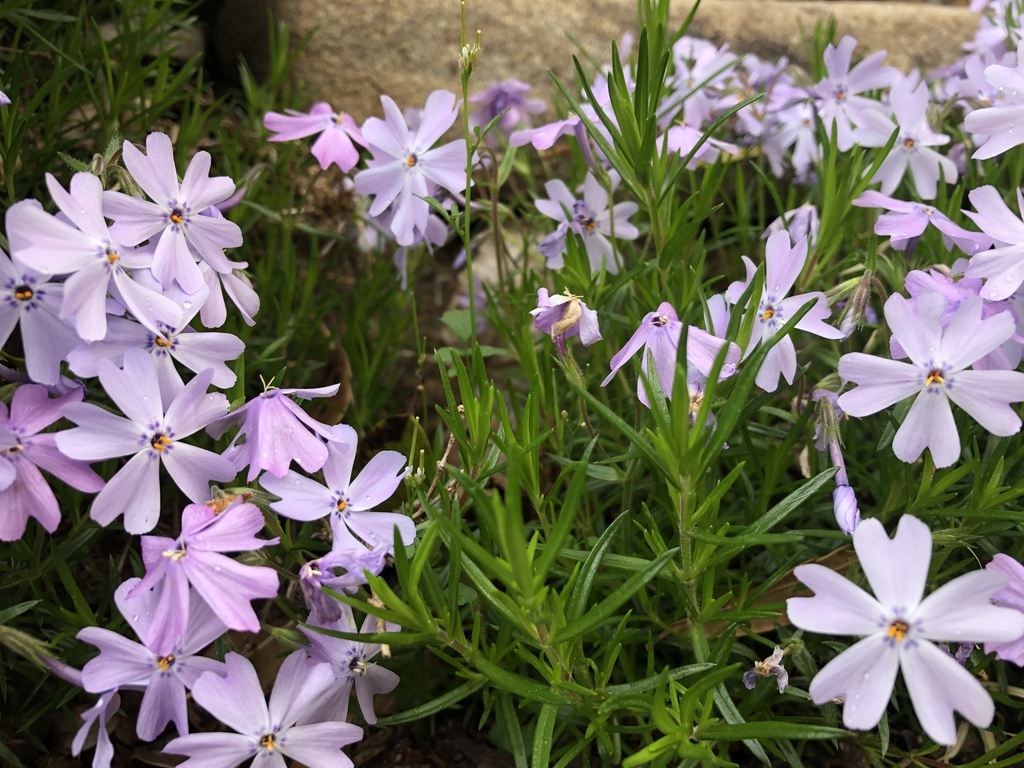
At a glance
- Life cycle
- Perennial
- Leaves
- Semi-evergreen
- Bloom
- March to May
- Fruiting season
- Summer
Recorded in 13 Alabama counties.
Natural habitats
Places it grows wild. Not a planting requirement. Each habitat page lists the plants and wildlife also found there.
Cliffs, ledges and rocky summits
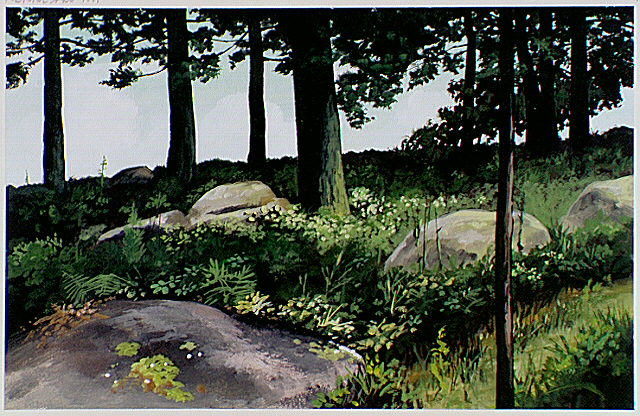
Forests and open woodlands on dry ridges and slopes, often oak or pine.
Also found with this plant
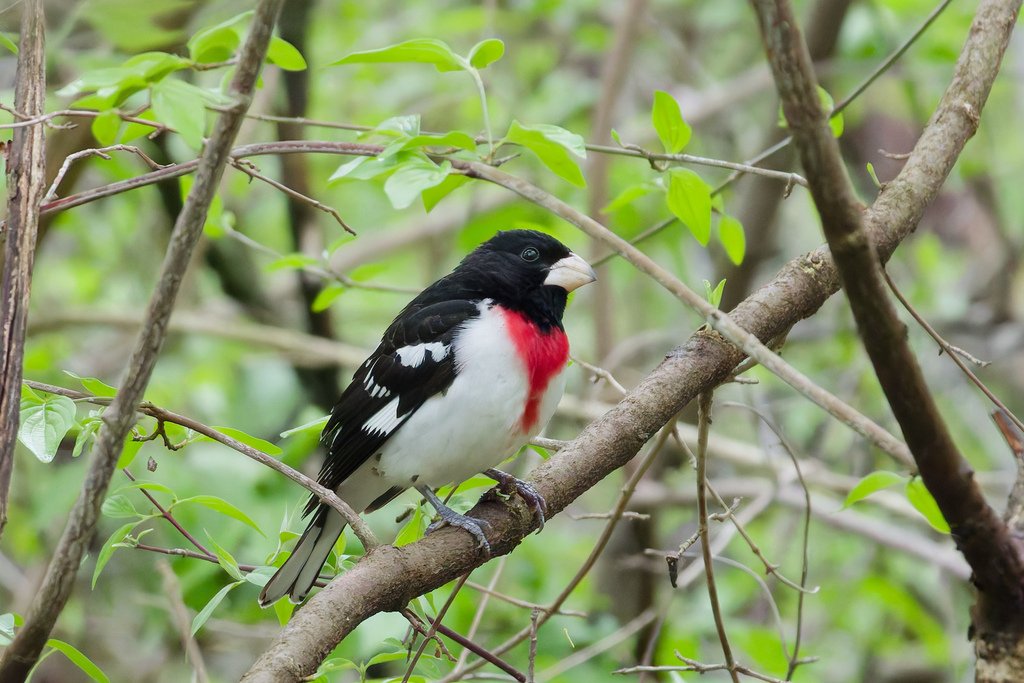
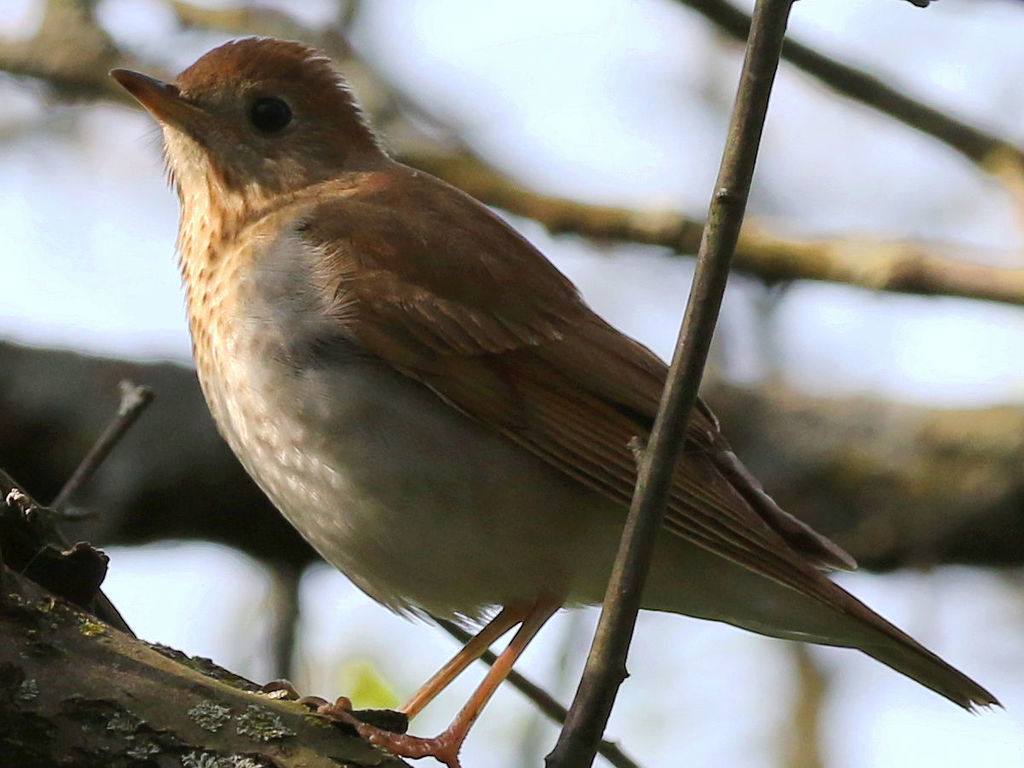
Wildlife whose habitat models include habitats this plant grows in, in Alabama. Shared habitat, not food. 60 animals.
- Purple FinchCarpodacus purpureus
- Red-winged BlackbirdAgelaius phoeniceus
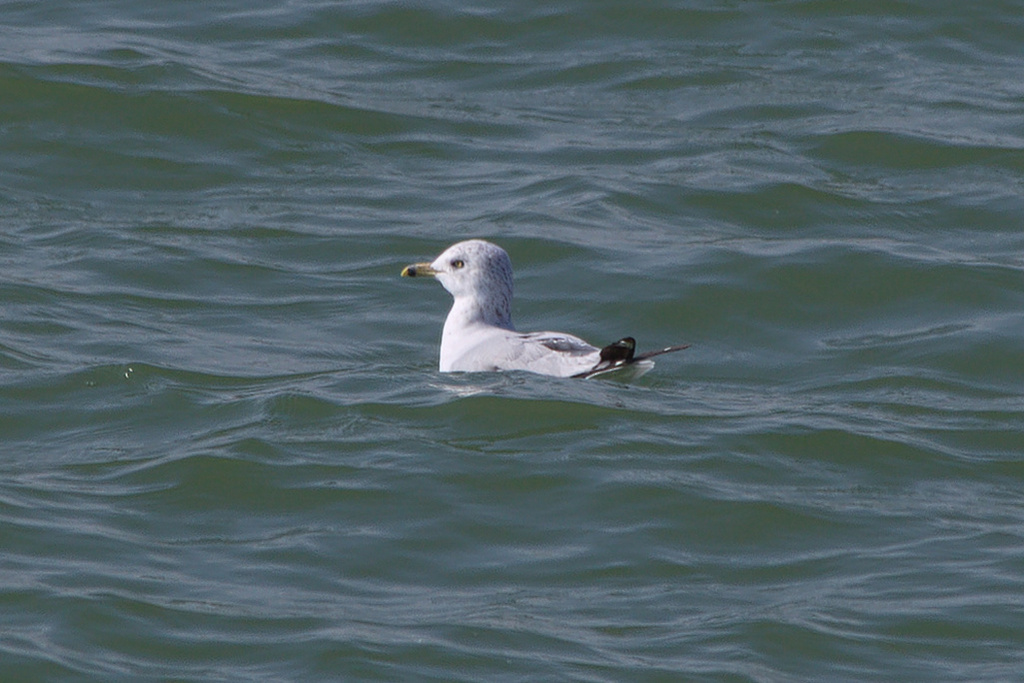
- Ring-billed GullLarus delawarensis
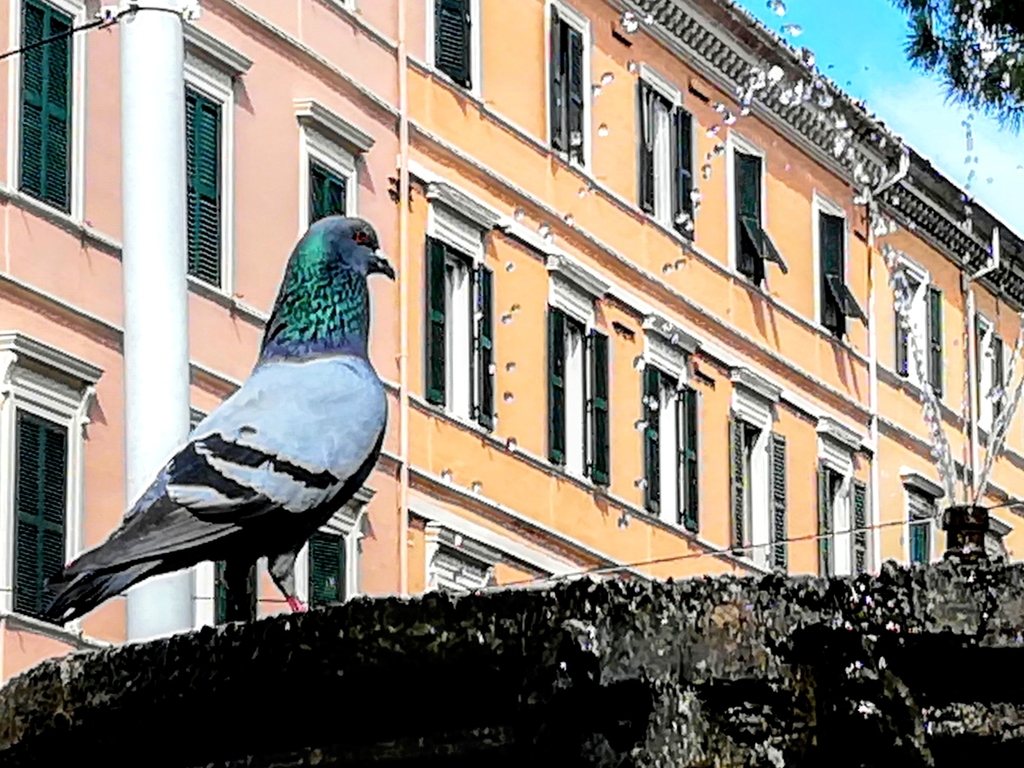
- Rock PigeonColumba livia
- Rose-breasted GrosbeakPheucticus ludovicianus
- Spotted SandpiperActitis macularius
- Tufted TitmouseBaeolophus bicolor
- VeeryCatharus fuscescens
- White-breasted NuthatchSitta carolinensis
- Willow FlycatcherEmpidonax traillii
- Wood DuckAix sponsa
- Yellow-breasted ChatIcteria virens







Who uses this plant?
 5CaterpillarsGenus host records with ranges including AL
Genus host records with ranges including AL · Phlox
- Aellopos titanTitan Sphinx
- Helicoverpa zeaCorn Earworm Moth
- Heliothis phloxiphagaSpotted Straw Sun Moth, Darker Spotted Straw Moth
- Idia aemulaCommon Idia
- Papaipema nebrisStalk Borer
 —BeesSoutheastern regional records
 —Specialist beesPollen specialists
 2BirdsRecorded genus food-resource interactions; not a state feeding claim
Recorded genus food-resource interactions; not a state feeding claim · Phlox
- Centrocercus urophasianusGreater Sage-Grouse
- Tympanuchus pallidicinctusLesser Prairie-Chicken
Direct food only: birds recorded eating this genus across North America. Caterpillars on host plants also feed nesting birds. NC Native Plant Society: butterfly gardening
No records yet · Ants · Beetles · Flies · Adult butterflies / moths · Other wasps · Other insects
Plant details
- Family
- Polemoniaceae
- Hardiness
- Zones 3a–9b
- Soil pH
- Acidic
- Flower color
- Blue, pink, purple, red or white
- Growth rate
- Rapid
- Growth habit
- Spreads by runners
- Foliage color
- Green
- Fruit begins
- Summer
- Fruit ends
- Summer
Safety has not been reviewed for this plant; check toxicity and thorns before planting.
Growing sources and scope
- Bloom · “March to May” · Weakley, Flora of the Southeastern United States (2025), Carolinas & Georgia edition (ranked first; USDA PLANTS differs) · Carolinas and Georgia
- Flower color · “Blue, pink, purple, red or white” · NC Extension Plant Toolbox (ranked first; USDA PLANTS differs)
- Foliage color · “Green” · USDA PLANTS · Nationwide species characteristics; local growing conditions may vary
- Fruit begins · “Summer” · NC Extension Plant Toolbox · Species profile fruit display season; not a local ripening date
- Fruit ends · “Summer” · NC Extension Plant Toolbox · Species profile fruit display season; not a local ripening date
- Growth habit · “Spreads by runners” · USDA PLANTS · Nationwide species characteristics; local growing conditions may vary
- Growth rate · “Rapid” · USDA PLANTS · Nationwide species characteristics; local growing conditions may vary
- Hardiness · “Zones 3a–9b” · NC Extension Plant Toolbox
- Height · “4–6 inches” · NC Extension Plant Toolbox (ranked first; USDA PLANTS, Minnesota Wildflowers differ)
- Leaves · “Semi-evergreen” · NC Extension Plant Toolbox
- Life cycle · “Perennial” · NC Extension Plant Toolbox
- Light · “Dappled sunlight (shade through upper canopy all day); Full sun (6 or more hours of direct sunlight a day)” · NC Extension Plant Toolbox (ranked first; Virginia DCR Piedmont differs)
- Soil · “Moist; Occasionally dry” · NC Extension Plant Toolbox (ranked first; Virginia DCR Piedmont differs)
- Soil pH · “Acidic” · NC Extension Plant Toolbox
- Spread · “2–3 feet” · NC Extension Plant Toolbox
Also known as
Moss Pink
Conservation status
| Alabama rank | SNA |
|---|---|
| Global rank | G5 |
| AL status | Not verified |
| Federal status | Not verified |
Native alternatives
Find natives for your gardenSources
- Alabama Plant Atlas
- USDA PLANTS
- Vascular Plants of North Carolina (NC Natural Heritage Program)
- Weakley, Flora of the Southeastern United States (2025)
- NatureServe Explorer
- Shropshire & Tallamy 2025, Lepidoptera of North America north of Mexico, ZooKeys 1261 (ODbL)
- Noori, Seltmann & Orr 2026, A curated and integrated dataset for exploring global bee-plant interactions (GloBI), Zenodo, CC BY 4.0
- Smith, Bachelder, Russell, Morales, Mosher & Seltmann 2024, Bee-Specialization-Modeling v0.6.1 (specialist host table compiled from J. Fowler's pollen specialist bee lists), Zenodo, CC BY 4.0
- Hurlbert, Olsen, Sawyer & Winner 2021, Avian Diet Database, Scientific Data 8: 260 (CC0)
- Narango, Tallamy & Shropshire 2020, Few keystone plant genera support the majority of Lepidoptera species, Nature Communications