

Carolina Phlox
Phlox carolina
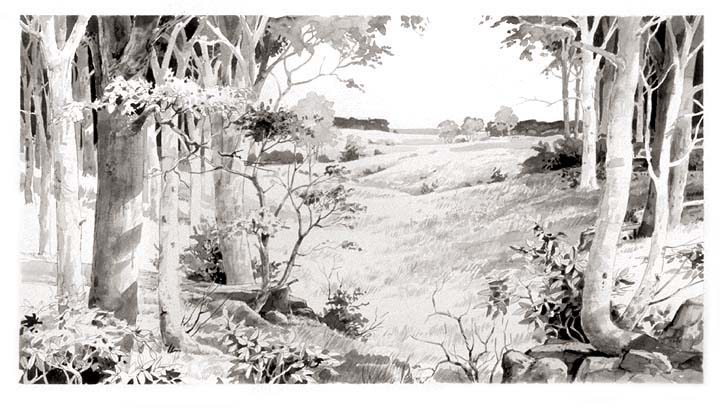
Found in forests, woodlands, woodland borders, barrens. Weakley, Flora of the Southeastern United States (2025), South Central edition What its natural habitat tells you
Native to Alabama. How scores work Is it native here?
Profile 100%
- Height
- 2–3 feet
- Spread
- 1.5–2 feet
- Light
- Dappled sunlight, Full sun, Partial shade
- Soil moisture
- Somewhat dry to wet
Space about 2 ft apart from its recorded spread, about 25 per 100 sq ft. Enter your bed size for a count
Will it fit your yard?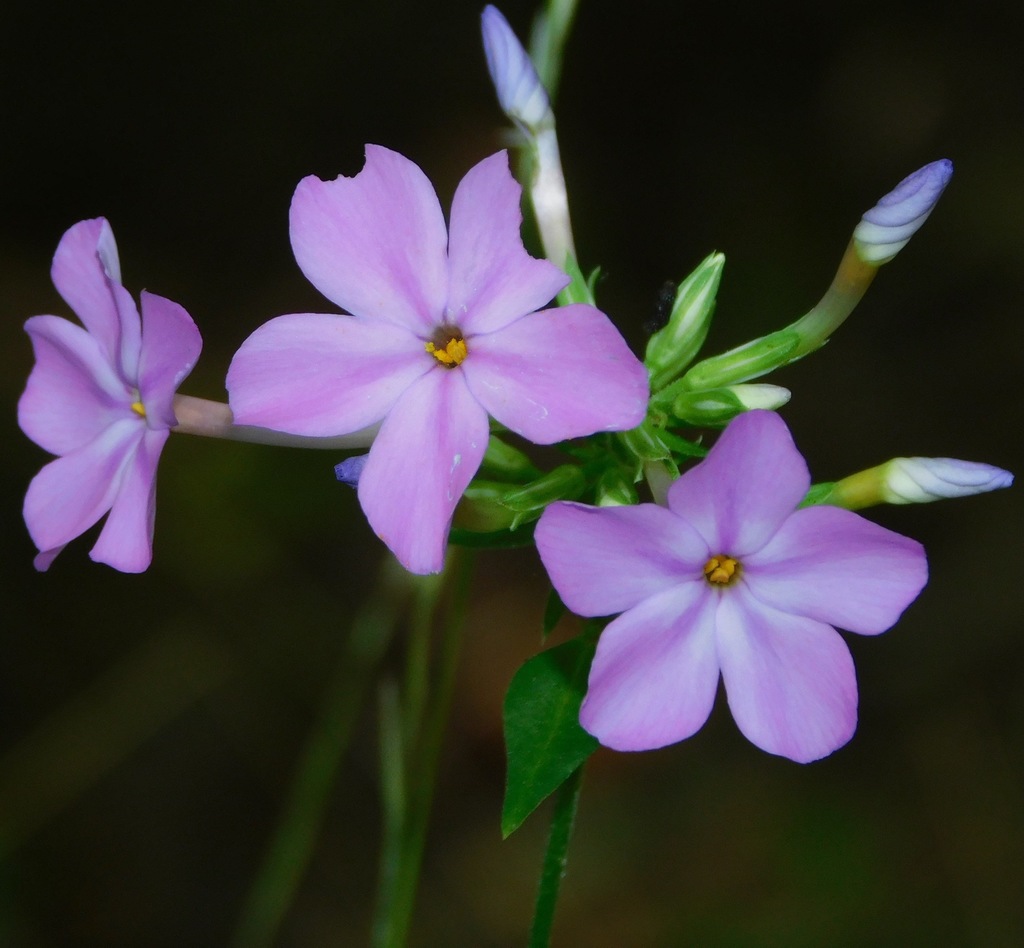
At a glance
- Life cycle
- Perennial
- Leaves
- Deciduous
- Bloom
- Spring and summer
Recorded in 46 Alabama counties.
Natural habitats
Places it grows wild. Not a planting requirement. Each habitat page lists the plants and wildlife also found there.

Also found with this plant
Wildlife whose habitat models include habitats this plant grows in, in Alabama. Shared habitat, not food. 54 animals.
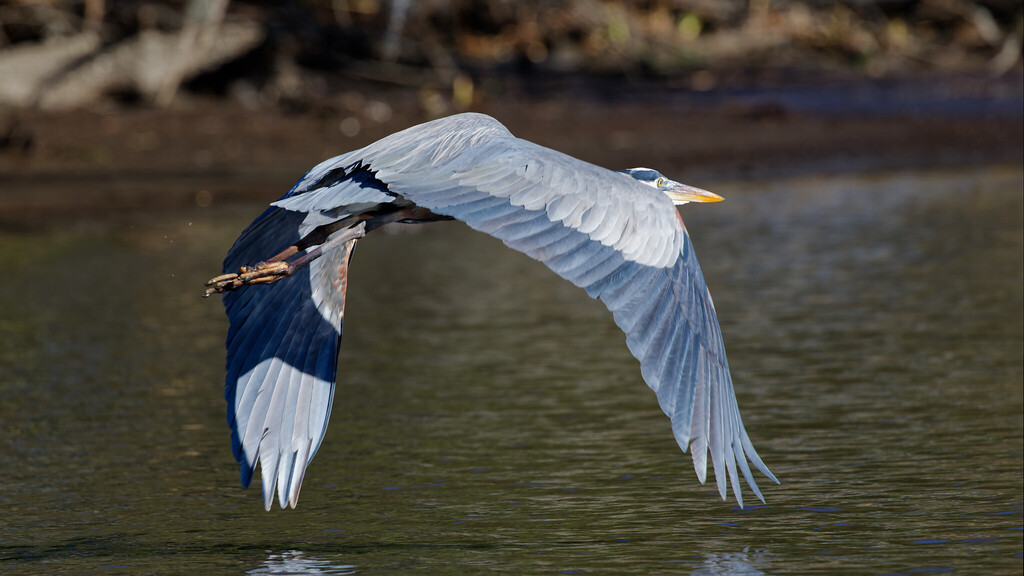
- Great Blue HeronArdea herodias
- Great EgretArdea alba
- Great Horned OwlBubo virginianus
- Green HeronButorides virescens
- Hooded MerganserLophodytes cucullatus
- Indigo BuntingPasserina cyanea
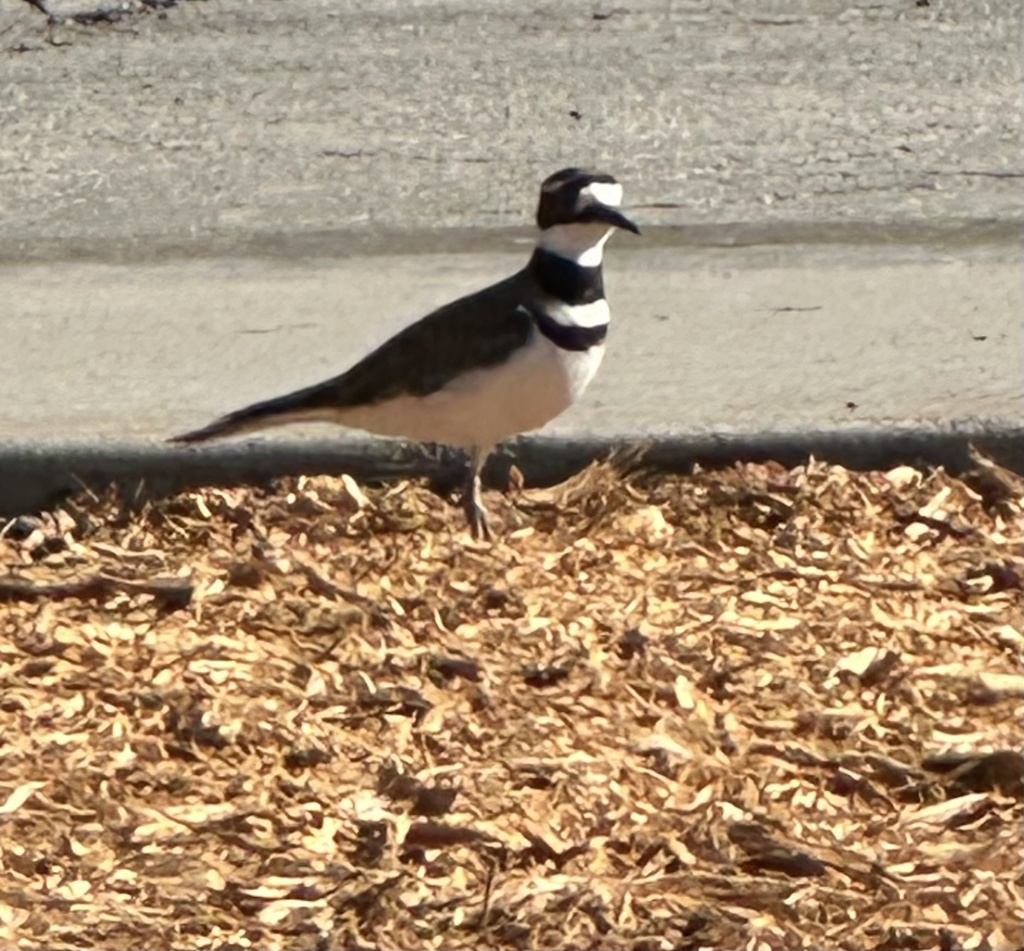
- KilldeerCharadrius vociferus
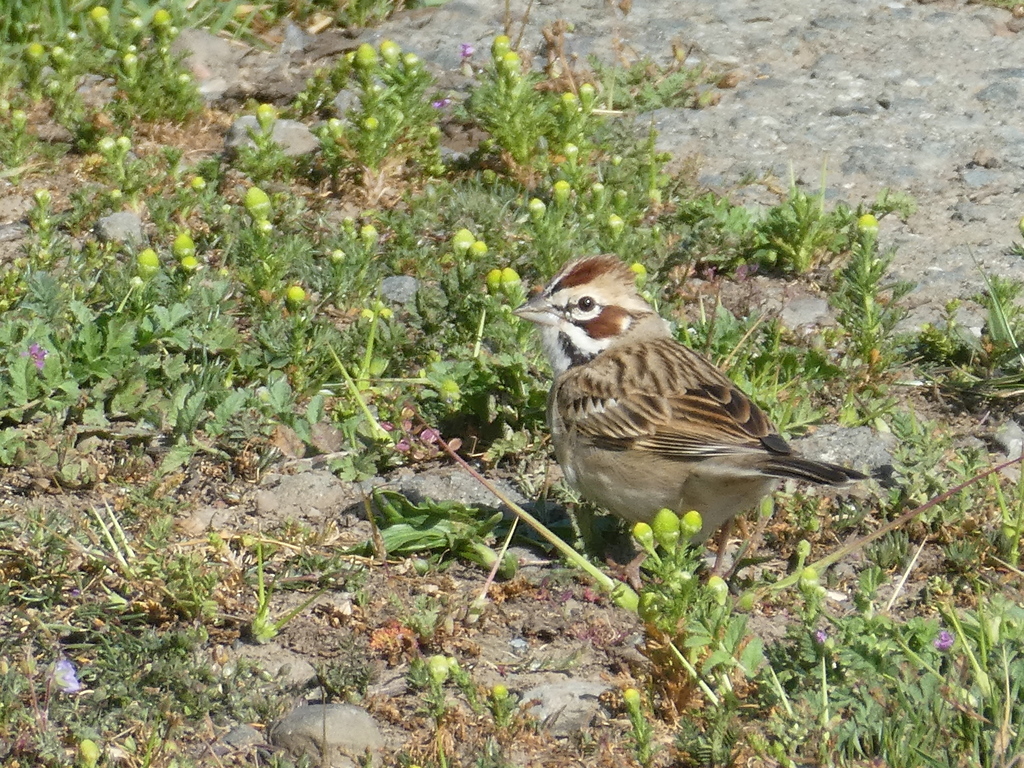
- Lark SparrowChondestes grammacus
- Lesser ScaupAythya affinis
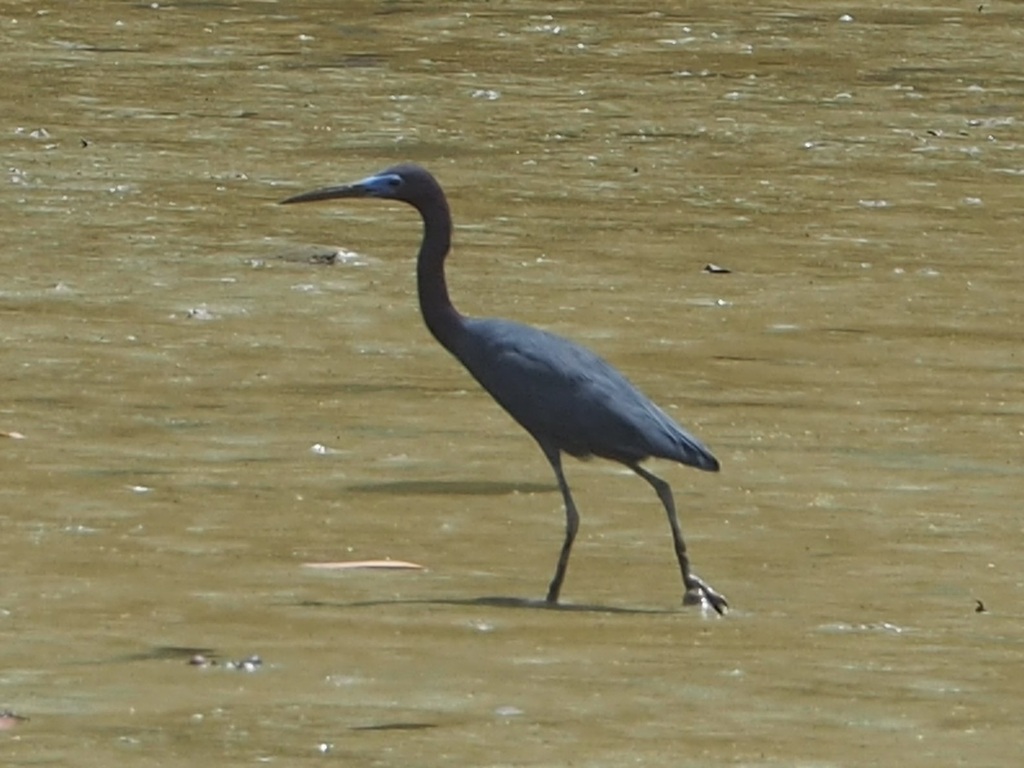
- Little Blue HeronEgretta caerulea
- Mourning DoveZenaida macroura
- Northern CardinalCardinalis cardinalis
- Northern FlickerColaptes auratus
- Northern MockingbirdMimus polyglottos
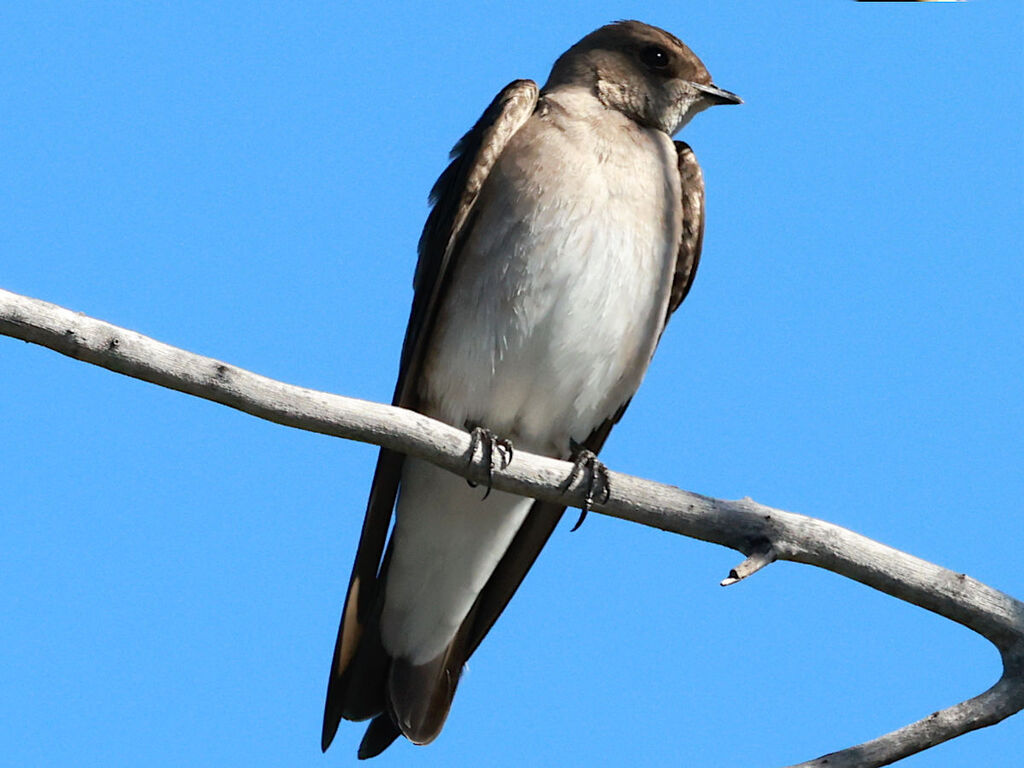
- Northern Rough-winged SwallowStelgidopteryx serripennis
- Orchard OrioleIcterus spurius
- Purple FinchCarpodacus purpureus
- Red-tailed HawkButeo jamaicensis
- Red-winged BlackbirdAgelaius phoeniceus
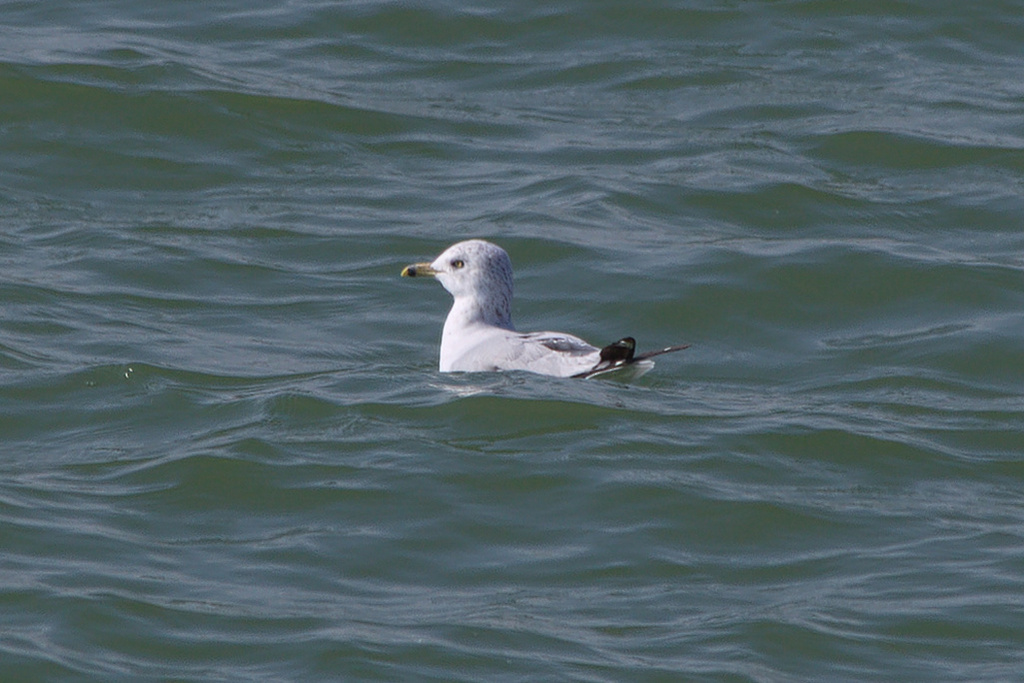
- Ring-billed GullLarus delawarensis
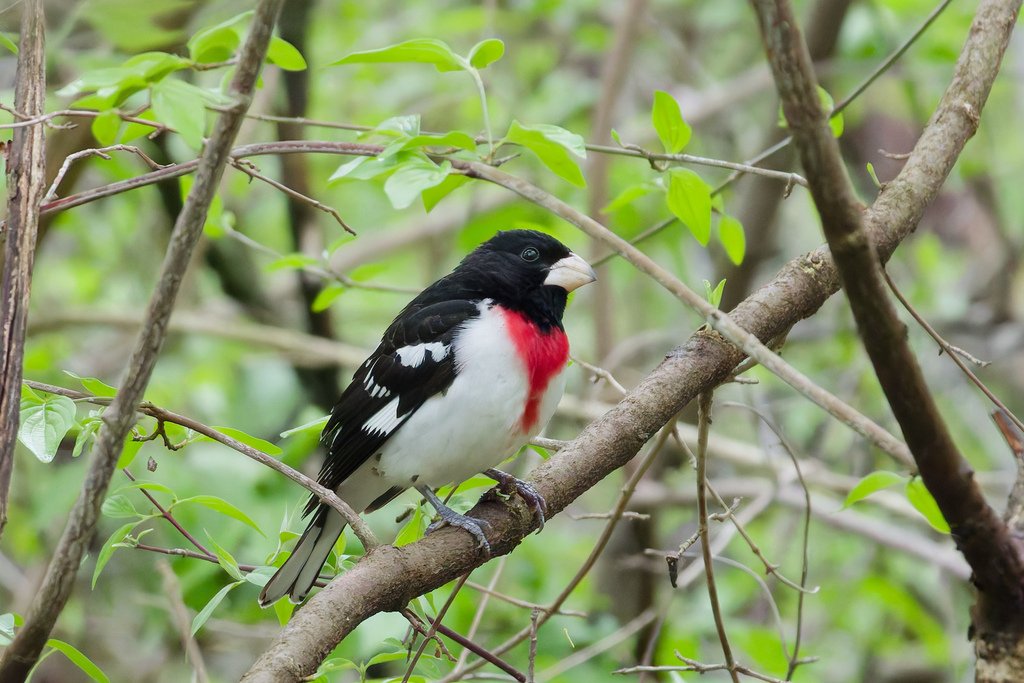
- Rose-breasted GrosbeakPheucticus ludovicianus
- Sharp-shinned HawkAccipiter striatus
- Spotted SandpiperActitis macularius
- Tufted TitmouseBaeolophus bicolor

















Who uses this plant?
 5CaterpillarsGenus host records with ranges including AL
Genus host records with ranges including AL · Phlox
- Aellopos titanTitan Sphinx
- Helicoverpa zeaCorn Earworm Moth
- Heliothis phloxiphagaSpotted Straw Sun Moth, Darker Spotted Straw Moth
- Idia aemulaCommon Idia
- Papaipema nebrisStalk Borer
 6BeesSoutheastern regional records
Southeastern regional records · Phlox
Individual names are not available yet.
Noori, Seltmann & Orr 2026, A curated and integrated dataset for exploring global bee-plant interactions (GloBI), Zenodo, CC BY 4.0 0Specialist beesPollen specialists
 2BirdsRecorded genus food-resource interactions; not a state feeding claim
Recorded genus food-resource interactions; not a state feeding claim · Phlox
- Centrocercus urophasianusGreater Sage-Grouse
- Tympanuchus pallidicinctusLesser Prairie-Chicken
Direct food only: birds recorded eating this genus across North America. Caterpillars on host plants also feed nesting birds. NC Native Plant Society: butterfly gardening
No records yet · Ants · Beetles · Flies · Adult butterflies / moths · Other wasps · Other insects
Plant details
- Family
- Polemoniaceae
- Hardiness
- Zones 5a–9b
- Soil pH
- Acidic
- Flower color
- Pink
Safety has not been reviewed for this plant; check toxicity and thorns before planting.
Growing sources and scope
- Bloom · “Spring and summer” · NC Extension Plant Toolbox (ranked first; Weakley, Flora of the Southeastern United States (2025), Carolinas & Georgia edition differs)
- Flower color · “Pink” · NC Extension Plant Toolbox
- Hardiness · “Zones 5a–9b” · NC Extension Plant Toolbox
- Height · “2–3 feet” · NC Extension Plant Toolbox
- Leaves · “Deciduous” · NC Extension Plant Toolbox
- Life cycle · “Perennial” · NC Extension Plant Toolbox
- Light · “Dappled sunlight (shade through upper canopy all day); Full sun (6 or more hours of direct sunlight a day); Partial shade (direct sunlight only part of the day, 2-6 hours)” · NC Extension Plant Toolbox
- primary_flower_color · “pink” · NC Extension Plant Toolbox
- Soil · “Good drainage; Moist; Occasional flooding; Occasionally dry; Occasionally wet” · NC Extension Plant Toolbox
- Soil pH · “Acidic” · NC Extension Plant Toolbox
- Spread · “1.5–2 feet” · NC Extension Plant Toolbox
Also known as
Giant Phlox; Thick Leaf Phlox; Thick Leaved Phlox; Thickleaf Phlox; Thickleaved Phlox
Conservation status
| Alabama rank | SNR |
|---|---|
| Global rank | G5? |
| AL status | Not verified |
| Federal status | Not verified |
Will it fit your yard?
Check this plant against your county, sun and soil moisture. Conditions are checked in your browser.
Sources
- Alabama Plant Atlas
- USDA PLANTS
- Vascular Plants of North Carolina (NC Natural Heritage Program)
- Weakley, Flora of the Southeastern United States (2025), Carolinas & Georgia edition
- Shropshire & Tallamy 2025, Lepidoptera of North America north of Mexico, ZooKeys 1261 (ODbL)
- Noori, Seltmann & Orr 2026, A curated and integrated dataset for exploring global bee-plant interactions (GloBI), Zenodo, CC BY 4.0
- Smith, Bachelder, Russell, Morales, Mosher & Seltmann 2024, Bee-Specialization-Modeling v0.6.1 (specialist host table compiled from J. Fowler's pollen specialist bee lists), Zenodo, CC BY 4.0
- Hurlbert, Olsen, Sawyer & Winner 2021, Avian Diet Database, Scientific Data 8: 260 (CC0)
- Narango, Tallamy & Shropshire 2020, Few keystone plant genera support the majority of Lepidoptera species, Nature Communications