

Knotgrass
Paspalum distichum
Found in brackish (especially oligohaline) and freshwater marshes, interdune swales and marshes, waterfowl impoundments. Weakley, Flora of the Southeastern United States (2025), South Central edition What its natural habitat tells you
Native to Alabama. How scores work Is it native here?
Profile 100%
- Height
- About 10.8 inches
- Light
- Full sun
- Soil moisture
- Moist to wet
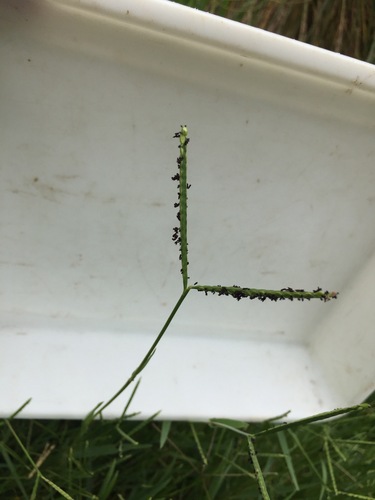
At a glance
- Bloom
- May to November
- Fruiting season
- Summer to fall
Not yet recorded · Spread · Life cycle · Leaves
Recorded in 20 Alabama counties.
Natural habitats
Places it grows wild. Not a planting requirement. Each habitat page lists the plants and wildlife also found there.

Open sand of beaches, dunes and the hollows between them.
Also found with this plant
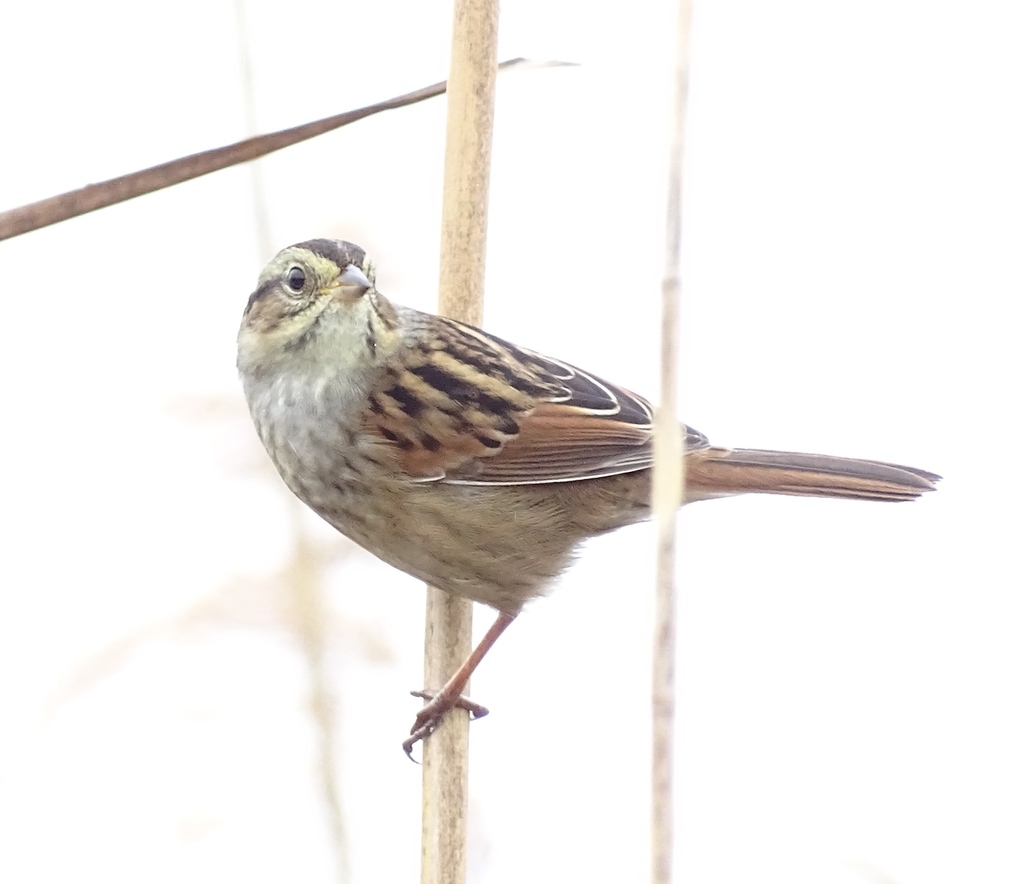
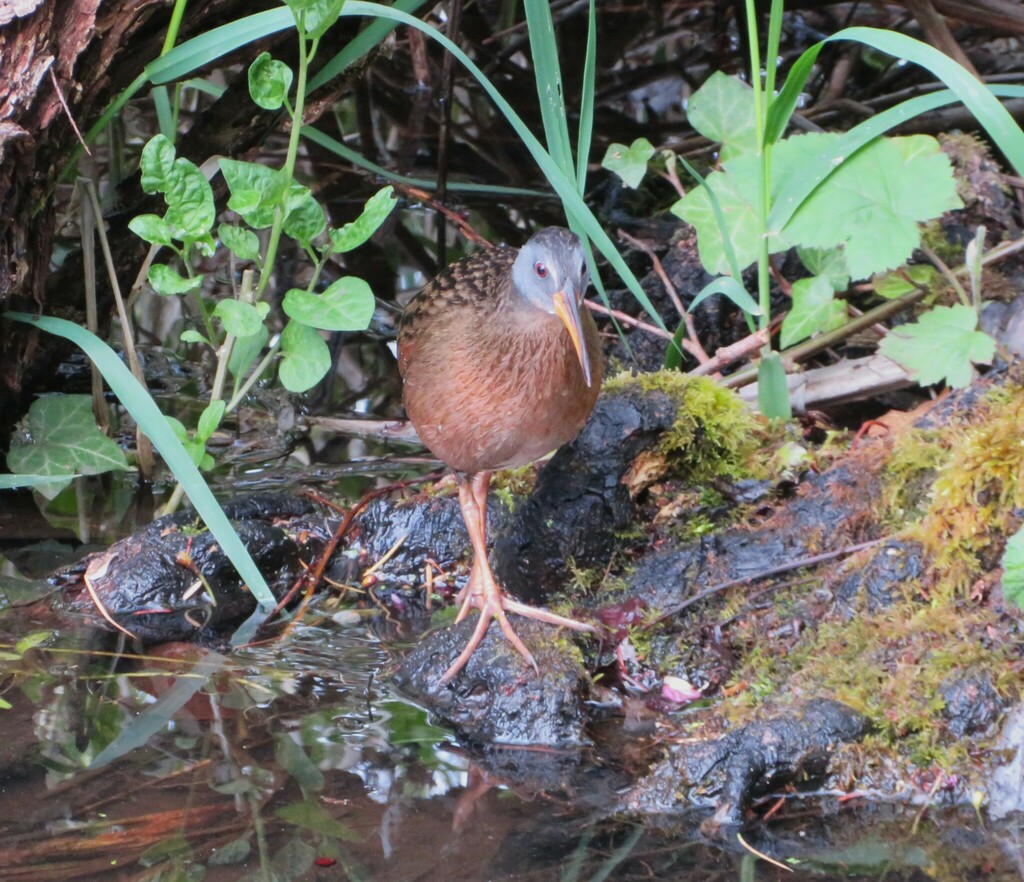
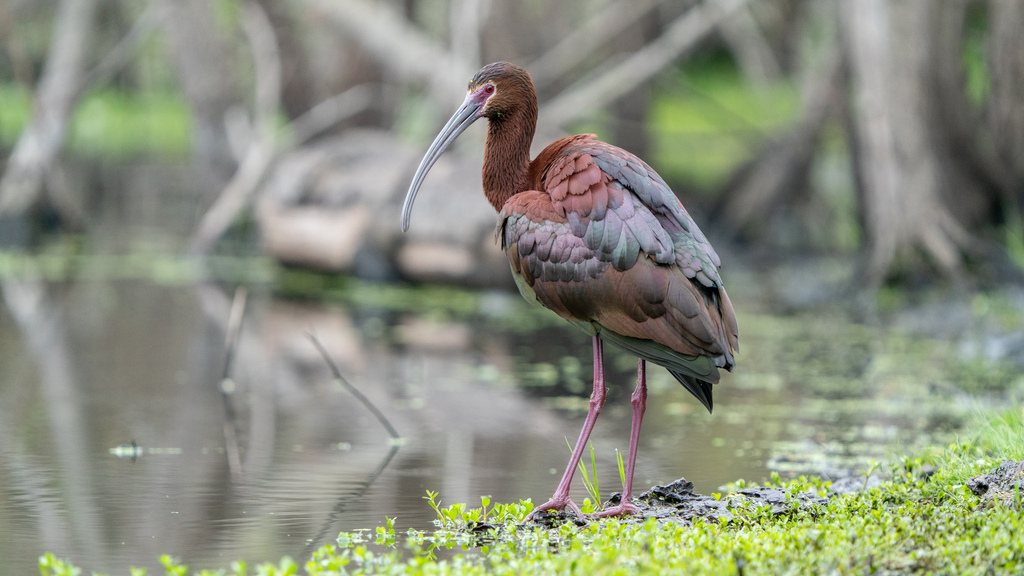
Wildlife whose habitat models include habitats this plant grows in, in Alabama. Shared habitat, not food. 130 animals.
- Snowy EgretEgretta thula
- Swamp SparrowMelospiza georgiana
- Tree SwallowTachycineta bicolor
- Virginia RailRallus limicola
- Western SandpiperCalidris mauri
- White-faced IbisPlegadis chihi
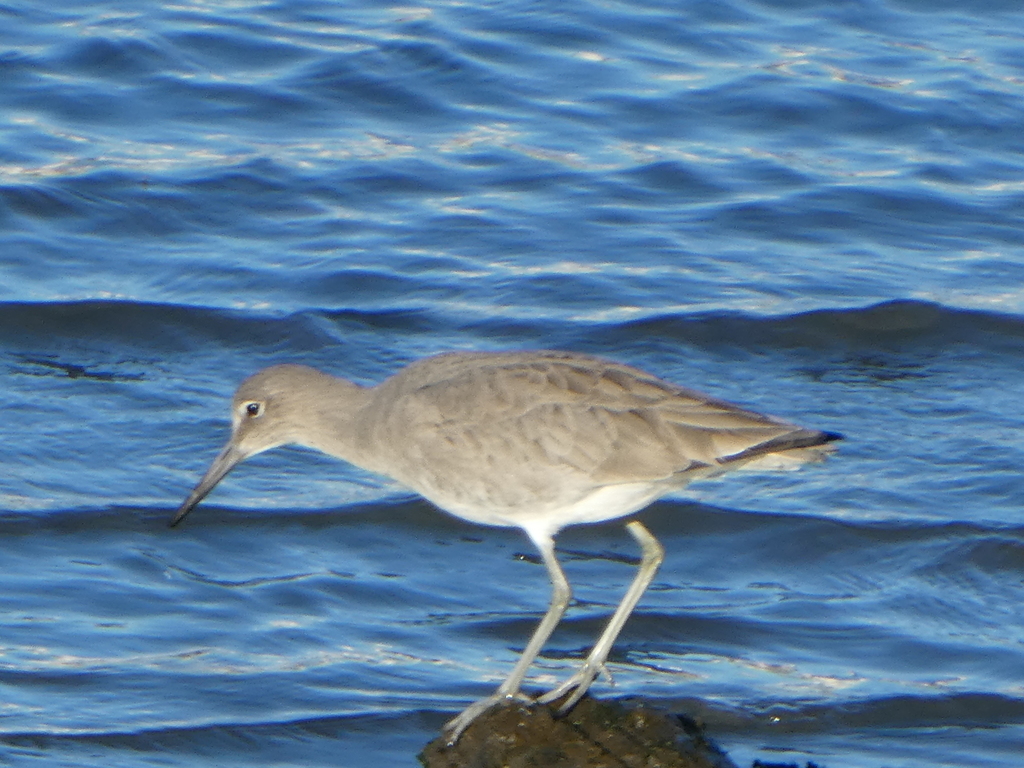
- WilletTringa semipalmata
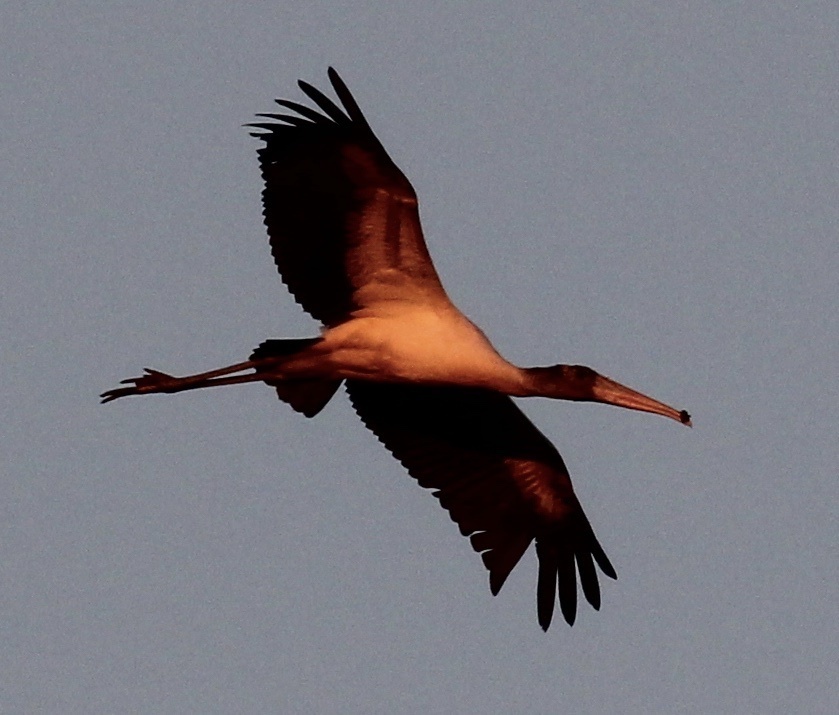
- Wood StorkMycteria americana
- Yellow-breasted ChatIcteria virens
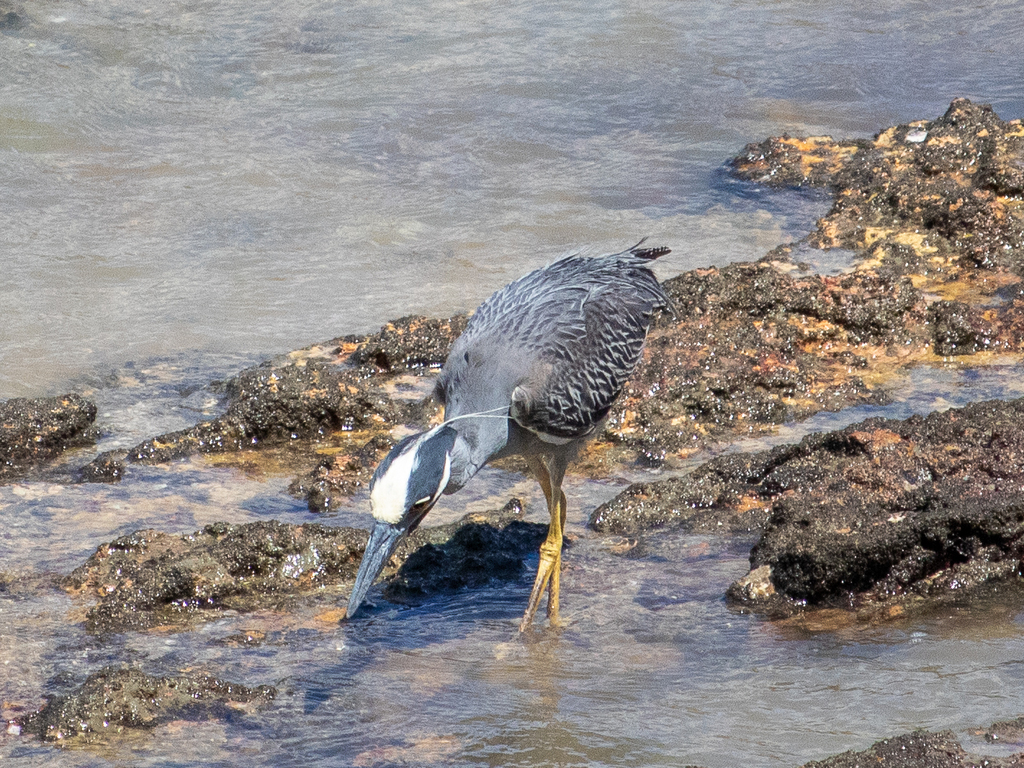
- Yellow-crowned Night-heronNyctanassa violacea



Who uses this plant?
 17CaterpillarsGenus host records with ranges including AL
Genus host records with ranges including AL · Paspalum
- Anicla infectaGreen Cutworm Moth
- Argyrotaenia ivanaIvana Leafroller Moth
- Diatraea evanescensBlack-Dot Diatraea
- Elasmopalpus lignosellaLesser Cornstalk Borer
- Hedone vibexWhirlabout
- Herpetogramma phaeopteralisDusky Herpetogramma Moth,
- Hylephila phyleusFiery Skipper
- Hypena scabraGreen Cloverworm Bomolocha, Black Snout
- Lerema acciusClouded Skipper, Corn Leaf tier
- Lerodea eufalaEufala Skipper, Gray Skipper, Rice Leafroller
Show all 17
- Mocis texanaTexas Mocis
- Mythimna unipunctaArmyworm Moth, White Speck
- Polites othoSouthern Broken-Dash, Broken-Dash Skipper
- Redectis vitreaWhite-Spotted Redactis
- Spodoptera eridaniaSouthern Armyworm Moth
- Spodoptera frugiperdaFall Armyworm Moth
- Spodoptera ornithogalliYellow-Striped Armyworm Moth, Cotton Cutworm
 7BeesSoutheastern regional records
Southeastern regional records · Paspalum
Individual names are not available yet.
Noori, Seltmann & Orr 2026, A curated and integrated dataset for exploring global bee-plant interactions (GloBI), Zenodo, CC BY 4.0 0Specialist beesPollen specialists
 17BirdsRecorded genus food-resource interactions; not a state feeding claim
Recorded genus food-resource interactions; not a state feeding claim · Paspalum
- Agelaius phoeniceusRed-winged Blackbird
- Aix sponsaWood Duck
- Anthus rubescensAmerican Pipit
- Colinus virginianusNorthern Bobwhite
- Columbina passerinaCommon Ground Dove
- Cyrtonyx montezumaeMontezuma Quail
- Dolichonyx oryzivorusBobolink
- Gallinula galeataCommon Gallinule
- Meleagris gallopavoWild Turkey
- Molothrus aterBrown-headed Cowbird
Show all 17
- Plectrophenax nivalisSnow Bunting
- Porzana carolinaSora
- Quiscalus mexicanusGreat-tailed Grackle
- Quiscalus quisculaCommon Grackle
- Rallus elegansKing Rail
- Tympanuchus pallidicinctusLesser Prairie-Chicken
- Zenaida macrouraMourning Dove
Direct food only: birds recorded eating this genus across North America. Caterpillars on host plants also feed nesting birds. NC Native Plant Society: butterfly gardening
No records yet · Ants · Beetles · Flies · Adult butterflies / moths · Other wasps · Other insects
Plant details
- Family
- Poaceae
- Flower color
- Green
- Growth rate
- Rapid
- Growth habit
- Spreads by runners
- Foliage color
- Green
- Fruit begins
- Summer
- Fruit ends
- Fall
Safety has not been reviewed for this plant; check toxicity and thorns before planting.
Growing sources and scope
- Bloom · “May to November” · Weakley, Flora of the Southeastern United States (2025), Carolinas & Georgia edition (ranked first; USDA PLANTS differs) · Carolinas and Georgia
- Flower color · “Green” · USDA PLANTS · Nationwide species characteristics; local growing conditions may vary
- Foliage color · “Green” · USDA PLANTS · Nationwide species characteristics; local growing conditions may vary
- Fruit begins · “Summer” · USDA PLANTS · Nationwide species characteristics; local growing conditions may vary
- Fruit ends · “Fall” · USDA PLANTS · Nationwide species characteristics; local growing conditions may vary
- Growth habit · “Spreads by runners” · USDA PLANTS · Nationwide species characteristics; local growing conditions may vary
- Growth rate · “Rapid” · USDA PLANTS · Nationwide species characteristics; local growing conditions may vary
- Height · “About 10.8 inches” · USDA PLANTS · Nationwide species characteristics; local growing conditions may vary
- Light · “Full sun (documented habitat)” · Weakley, Flora of the Southeastern United States (2025), Carolinas & Georgia edition · Carolinas and Georgia
- Soil · “Moist; Wet (documented habitat)” · Weakley, Flora of the Southeastern United States (2025), Carolinas & Georgia edition · Carolinas and Georgia
Also known as
Knot Grass
Conservation status
| Alabama rank | SNR |
|---|---|
| Global rank | G5 |
| AL status | Not verified |
| Federal status | Not verified |
Will it fit your yard?
Check this plant against your county, sun and soil moisture. Conditions are checked in your browser.
Growing cautions
- Spreads by runners. USDA PLANTS lists its growth form as stoloniferous. USDA PLANTS
For planning only; these do not change the score or Fit.
Sources
- Alabama Plant Atlas
- USDA PLANTS
- Vascular Plants of North Carolina (NC Natural Heritage Program)
- Weakley, Flora of the Southeastern United States (2025)
- Shropshire & Tallamy 2025, Lepidoptera of North America north of Mexico, ZooKeys 1261 (ODbL)
- Noori, Seltmann & Orr 2026, A curated and integrated dataset for exploring global bee-plant interactions (GloBI), Zenodo, CC BY 4.0
- Smith, Bachelder, Russell, Morales, Mosher & Seltmann 2024, Bee-Specialization-Modeling v0.6.1 (specialist host table compiled from J. Fowler's pollen specialist bee lists), Zenodo, CC BY 4.0
- Hurlbert, Olsen, Sawyer & Winner 2021, Avian Diet Database, Scientific Data 8: 260 (CC0)
- Narango, Tallamy & Shropshire 2020, Few keystone plant genera support the majority of Lepidoptera species, Nature Communications