

Stiff Cowbane
Oxypolis rigidior
Found in bogs, seepages, swamps, wet meadows, streambanks. Weakley, Flora of the Southeastern United States (2025), South Central edition What its natural habitat tells you
Native to Alabama. How scores work Is it native here?
Profile 94%
- Height
- 2–5 feet
- Light
- Partial shade, Full shade, Full sun
- Soil moisture
- Wet to standing water
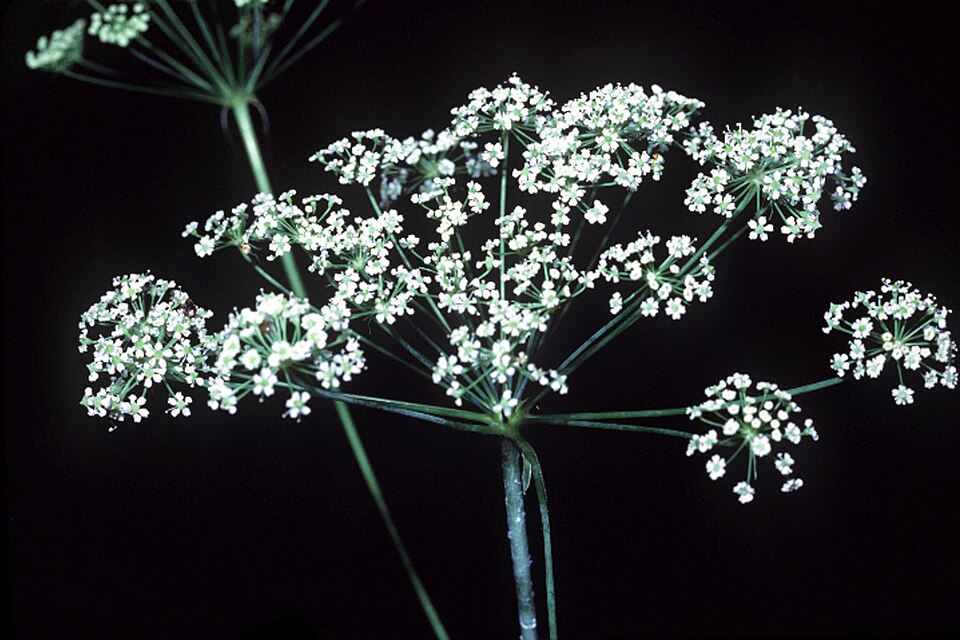
At a glance
- Life cycle
- Perennial
- Bloom
- August to October
- Fruiting season
- October to November
Not yet recorded · Spread · Leaves
Recorded in 40 Alabama counties.
Natural habitats
Places it grows wild. Not a planting requirement. Each habitat page lists the plants and wildlife also found there.

Places where groundwater keeps the soil or rock wet, such as seepage slopes and spring runs.
Open, wet, grassy or sedgy ground that is not a bog.
Streams, rivers and their banks
Flowing water and its banks, bars and rocky shoals.
Also found with this plant
Wildlife whose habitat models include habitats this plant grows in, in Alabama. Shared habitat, not food. 54 animals.
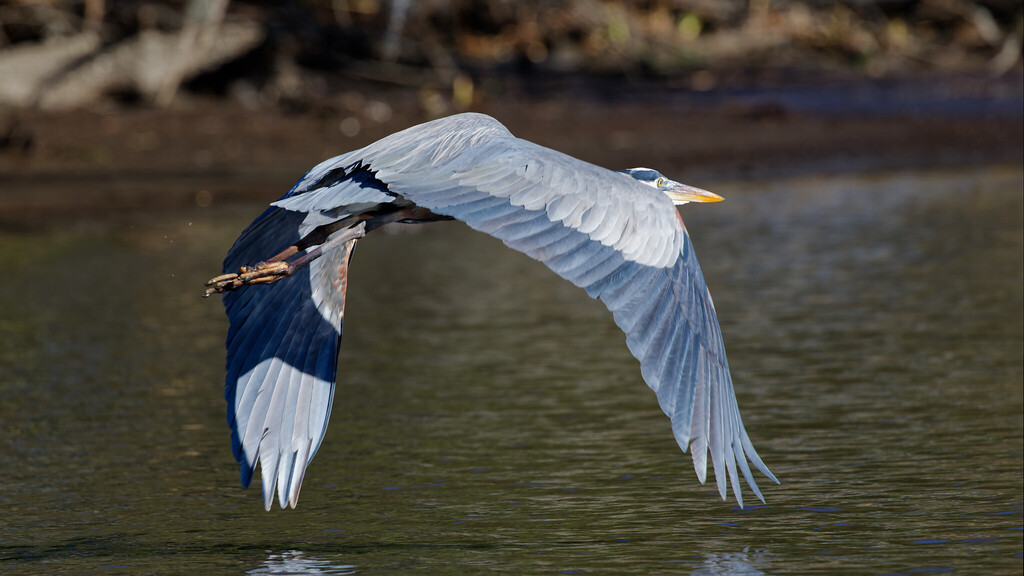
- Great Blue HeronArdea herodias
- Great EgretArdea alba
- Great Horned OwlBubo virginianus
- Green HeronButorides virescens
- Hooded MerganserLophodytes cucullatus
- Indigo BuntingPasserina cyanea
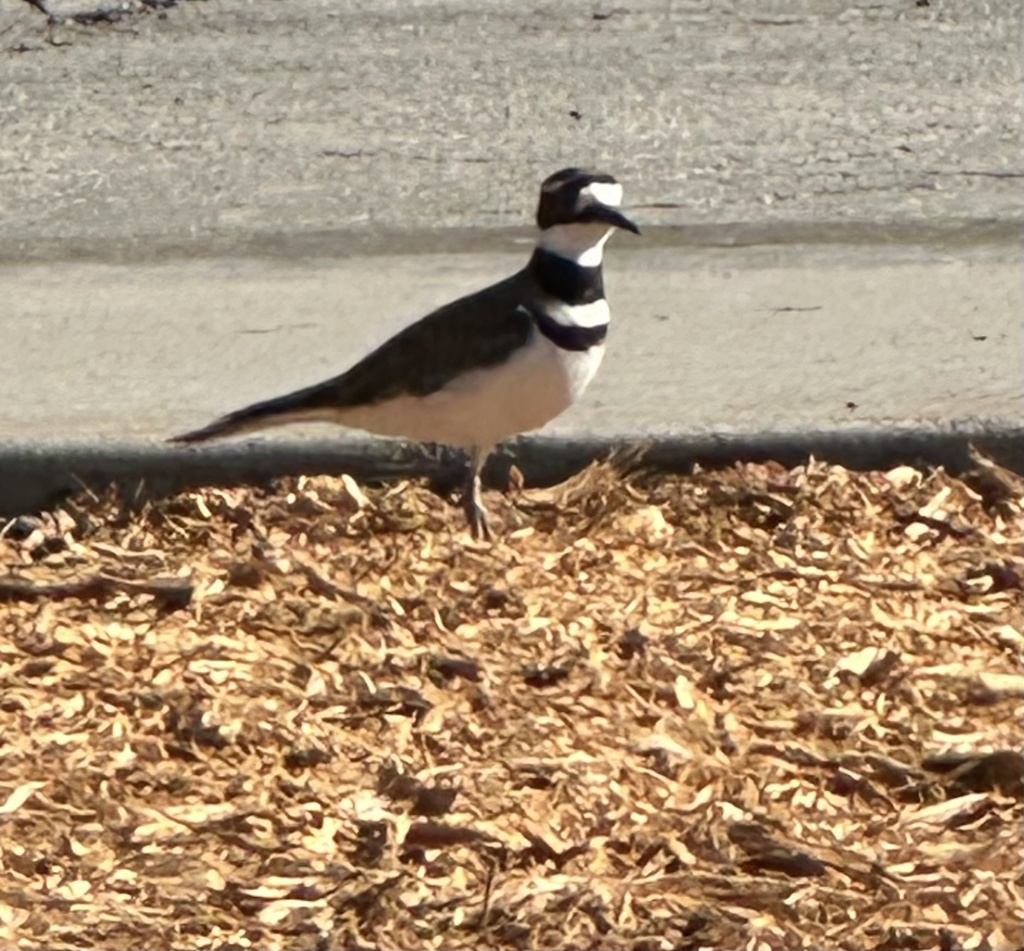
- KilldeerCharadrius vociferus
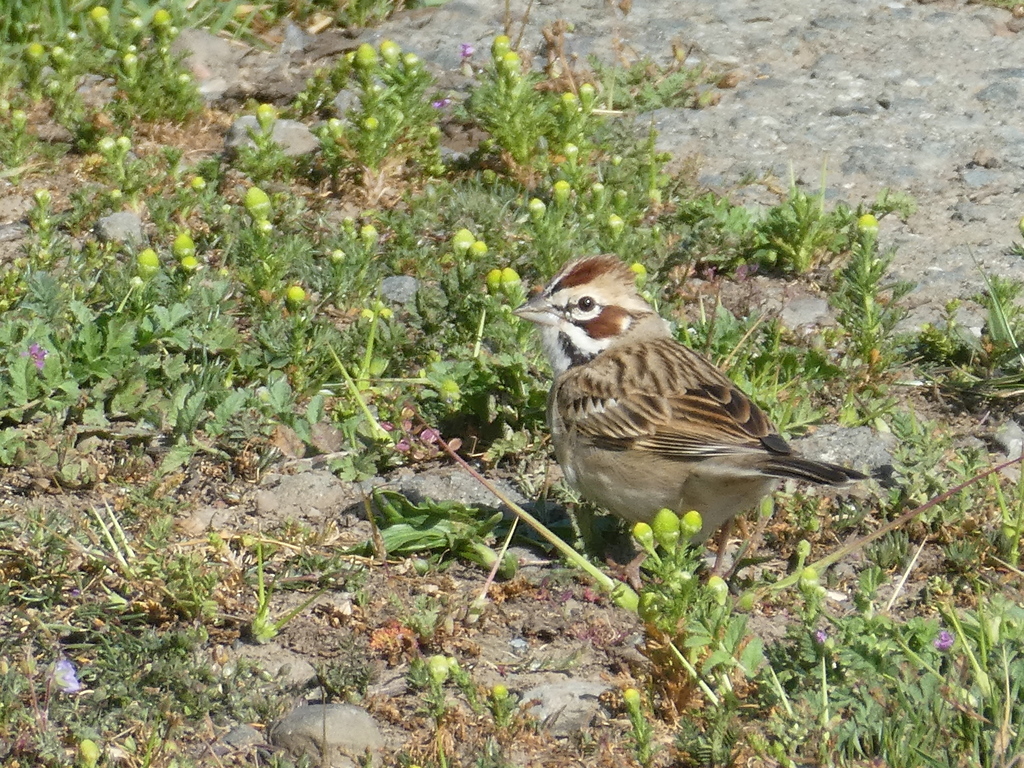
- Lark SparrowChondestes grammacus
- Lesser ScaupAythya affinis
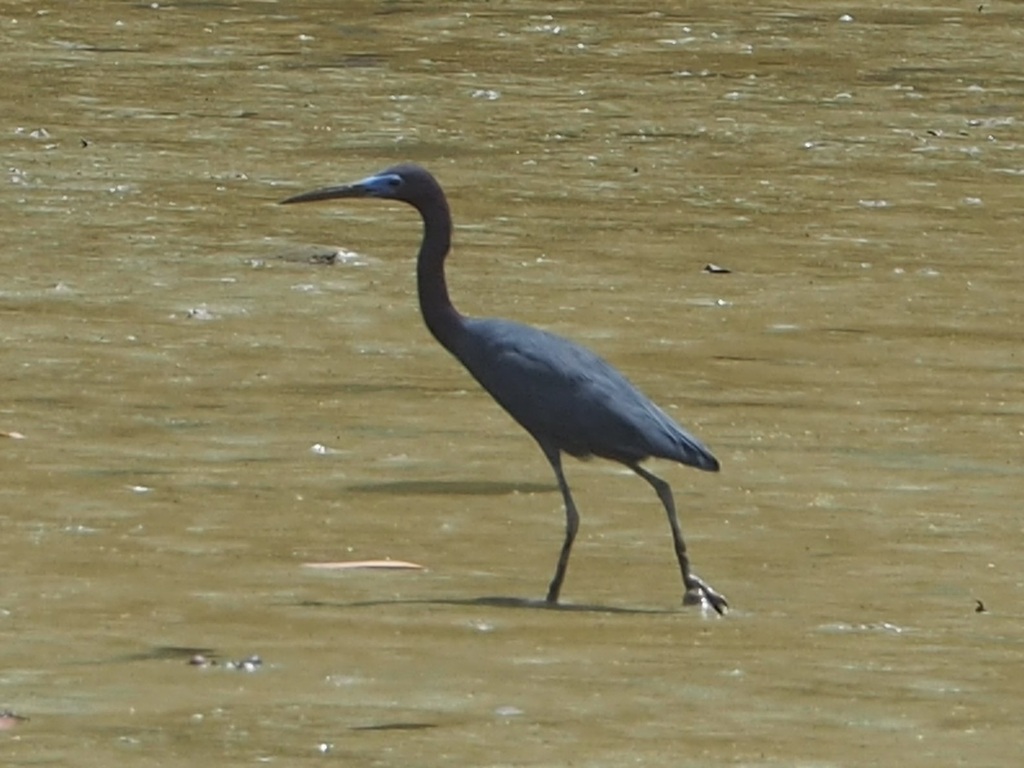
- Little Blue HeronEgretta caerulea
- Mourning DoveZenaida macroura
- Northern CardinalCardinalis cardinalis
- Northern FlickerColaptes auratus
- Northern MockingbirdMimus polyglottos
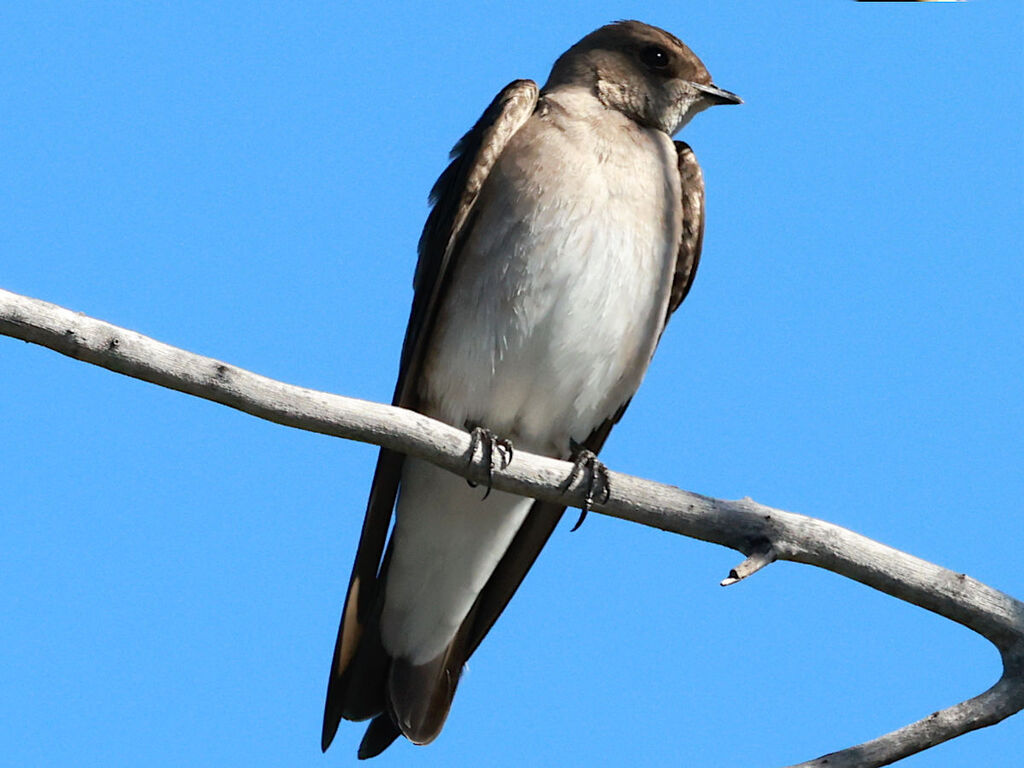
- Northern Rough-winged SwallowStelgidopteryx serripennis
- Orchard OrioleIcterus spurius
- Purple FinchCarpodacus purpureus
- Red-tailed HawkButeo jamaicensis
- Red-winged BlackbirdAgelaius phoeniceus
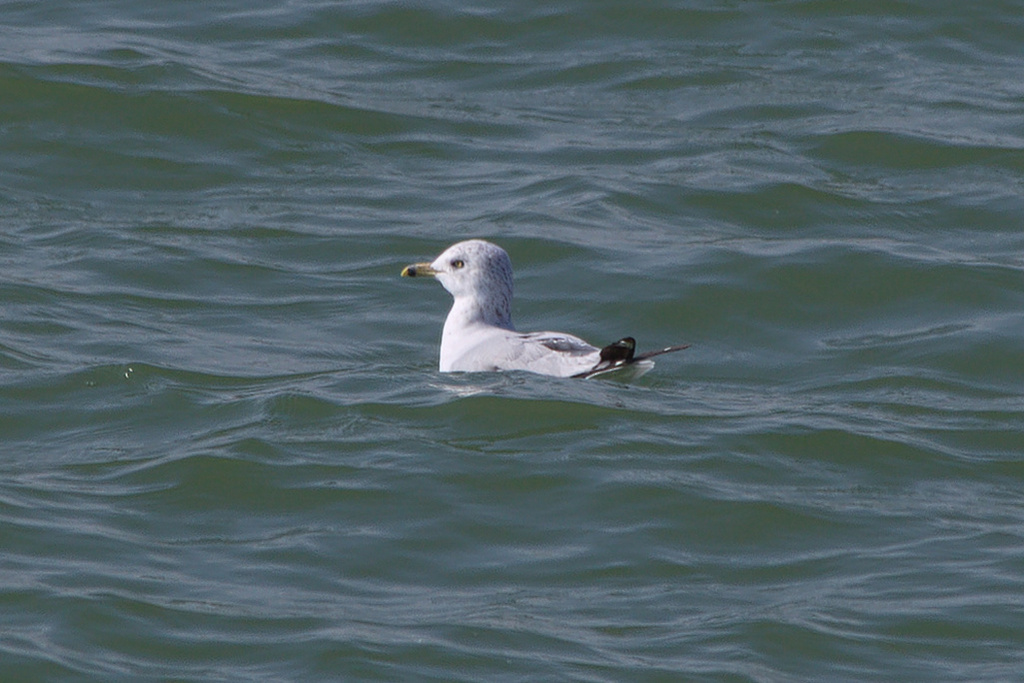
- Ring-billed GullLarus delawarensis
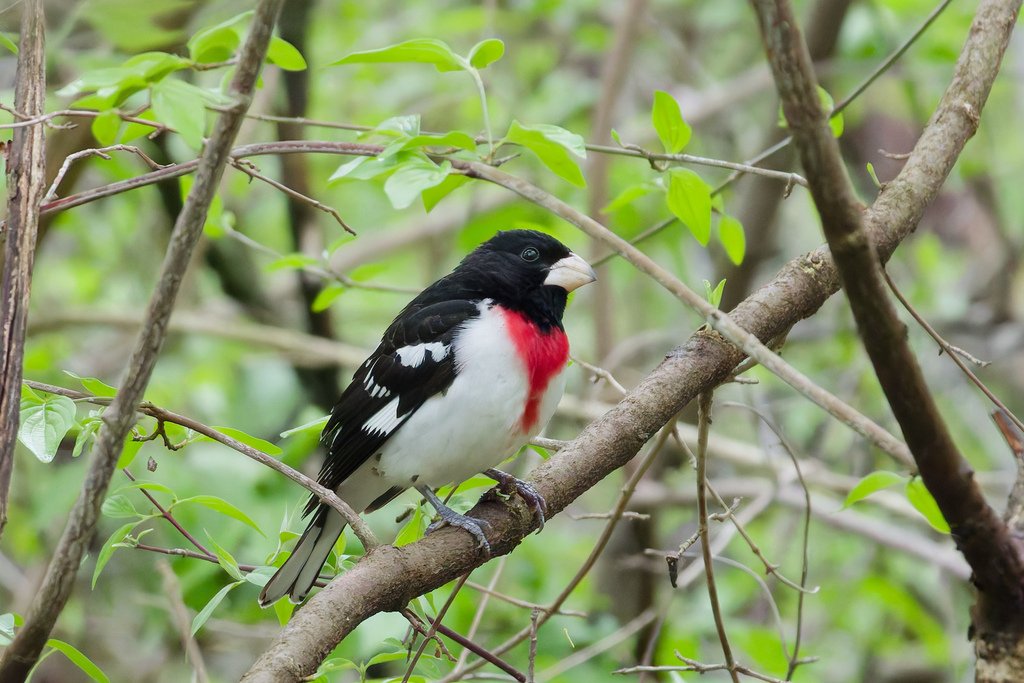
- Rose-breasted GrosbeakPheucticus ludovicianus
- Sharp-shinned HawkAccipiter striatus
- Spotted SandpiperActitis macularius
- Tufted TitmouseBaeolophus bicolor


















Who uses this plant?
 1CaterpillarsGenus host records with ranges including AL
Genus host records with ranges including AL · Oxypolis
- Papilio polyxenesBlack Swallowtail
 0BeesSoutheastern regional records
 0Specialist beesPollen specialists
 —BirdsRecorded genus food-resource interactions; not a state feeding claim
Beetles 8
- Centrinus picumnus
- Coccinella sanguinea
- Corticaria distinguenda
- Diabrotica 12-punctata
- Epicauta cinerea
- Epicauta pennsylvanica
- Luperaltica fuscula
- Mordella melaena
Flower visits · Carlinville, Illinois, USA
Flies 26
- Agromyza latipes
- Belvosia unifasciata
- Cistogaster occidua
- Euaresta bella
- Exorista confinis
- Gymnosoma fuliginosa
- Helicobia 4-setosa
- Hippelates plebejus
- Hippelates pusio
- Leucopis nigricornis
Show all 26
- Limnophora narona
- Lucilia sericata
- Lucilia sylvarum
- Morellia micans
- Musca domestica
- Ochthera lauta
- Phorantha purpurascens
- Sarcophaga assidua
- Sciara atrata
- Senotainia trilineata
- Siphonella cinerea
- Spallanzania hesperidarum
- Spilomyia longicornis
- Syrphus ribesii
- Trichopoda pennipes
- Zodion nanellum
Flower visits · Carlinville, Illinois, USA
Adult butterflies / moths 1
- Limochores taumas
Flower visits · Carlinville, Illinois, USA
Other wasps 30
- Astatus unicolor
- Bruchophagus funebris
- Cerceris clypeata
- Chalybion caeruleum
- Chelonus sericeus
- Chlorion caeruleum
- Cryptocheilus fulgifrons
- Eutrichosoma mirabilis
- Iphiaulax rugator
- Isodontia apicalis
Show all 30
- Leionotus fundatus
- Lindenius errans
- Lyroda subita
- Macrodyctium apicatus
- Microplitis croceipes
- Microplitis gortynae
- Opius fuscipennis
- Oxybelus 4-notatus
- Perilampus fulvicornis
- Polistes rubiginosus
- Polistes variatus
- Priononyx atrata
- Psammochares relativus
- Pseudoplisus phaleratus
- Stizus unicinctus
- Tachysphex belfragei
- Tiphia clypeata
- Tiphia transversa
- Toxoneuron abdominale
- Urosigalphus femoratus
Flower visits · Carlinville, Illinois, USA
Other insects 2
- Lygus pratensis
- Plagiognathus obscurus
Flower visits · Carlinville, Illinois, USA
No records yet · Ants
Plant details
- Family
- Apiaceae
- Flower color
- White or pink
- Fruit begins
- October
- Fruit ends
- November
Safety has not been reviewed for this plant; check toxicity and thorns before planting.
Growing sources and scope
- Bloom · “August to October” · Weakley, Flora of the Southeastern United States (2025), Carolinas & Georgia edition · Carolinas and Georgia
- Flower color · “White or pink” · Lady Bird Johnson Wildflower Center
- Fruit begins · “October” · Weakley, Flora of the Southeastern United States (2025), Carolinas & Georgia edition · Carolinas and Georgia
- Fruit ends · “November” · Weakley, Flora of the Southeastern United States (2025), Carolinas & Georgia edition · Carolinas and Georgia
- Height · “2–5 feet” · Minnesota Wildflowers
- Life cycle · “Perennial” · Minnesota Wildflowers
- Light · “Partial shade; Full shade; Full sun (documented habitat)” · Weakley, Flora of the Southeastern United States (2025), Carolinas & Georgia edition · Carolinas and Georgia
- Soil · “Water; Wet (documented habitat)” · Weakley, Flora of the Southeastern United States (2025), Carolinas & Georgia edition · Carolinas and Georgia
Conservation status
| Alabama rank | SNR |
|---|---|
| Global rank | G5 |
| AL status | Not verified |
| Federal status | Not verified |
Will it fit your yard?
Check this plant against your county, sun and soil moisture. Conditions are checked in your browser.
Sources
- Alabama Plant Atlas
- USDA PLANTS
- Vascular Plants of North Carolina (NC Natural Heritage Program)
- Weakley, Flora of the Southeastern United States (2025)
- Shropshire & Tallamy 2025, Lepidoptera of North America north of Mexico, ZooKeys 1261 (ODbL)
- Noori, Seltmann & Orr 2026, A curated and integrated dataset for exploring global bee-plant interactions (GloBI), Zenodo, CC BY 4.0
- Smith, Bachelder, Russell, Morales, Mosher & Seltmann 2024, Bee-Specialization-Modeling v0.6.1 (specialist host table compiled from J. Fowler's pollen specialist bee lists), Zenodo, CC BY 4.0
- Hurlbert, Olsen, Sawyer & Winner 2021, Avian Diet Database, Scientific Data 8: 260 (CC0)
- Narango, Tallamy & Shropshire 2020, Few keystone plant genera support the majority of Lepidoptera species, Nature Communications