

Peppervine
Nekemias arborea
Found in swamp forests, marshes, wet thickets, moist to wet maritime forests. Weakley, Flora of the Southeastern United States (2025), South Central edition What its natural habitat tells you
Native to Alabama. How scores work Is it native here?
Profile 100%
- Height
- 20–35 feet
- Spread
- 8–10 feet
- Light
- Full sun, Partial shade
- Soil moisture
- Usually moist
Space about 9 ft apart from its recorded spread. Enter your bed size for a count
Will it fit your yard?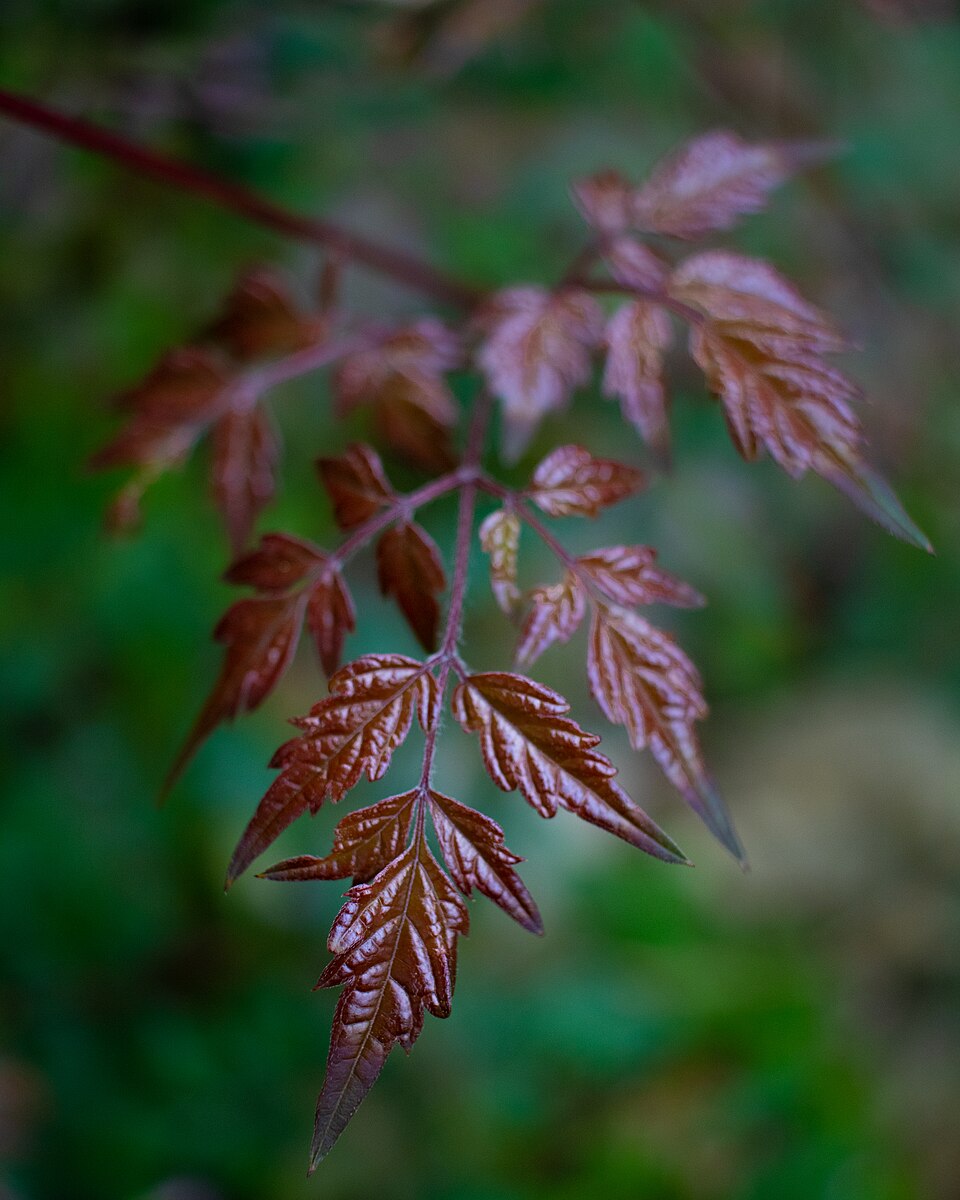
At a glance
- Life cycle
- Woody perennial
- Leaves
- Deciduous
- Bloom
- Summer
- Fruiting season
- September to October
Recorded in 51 Alabama counties.
Natural habitats
Places it grows wild. Not a planting requirement. Each habitat page lists the plants and wildlife also found there.


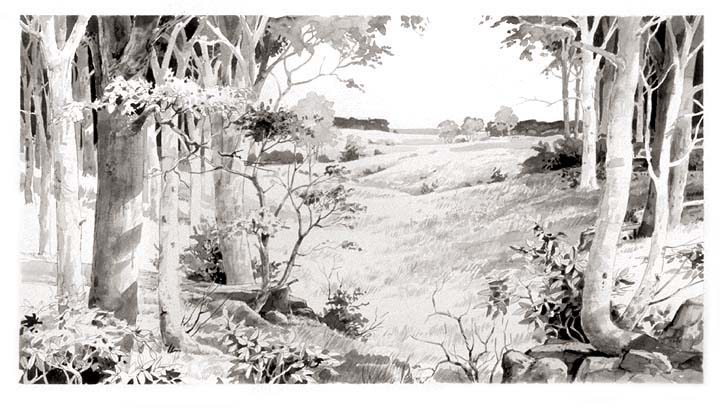
Salt-pruned forests and shrub thickets behind coastal dunes.
Also found with this plant
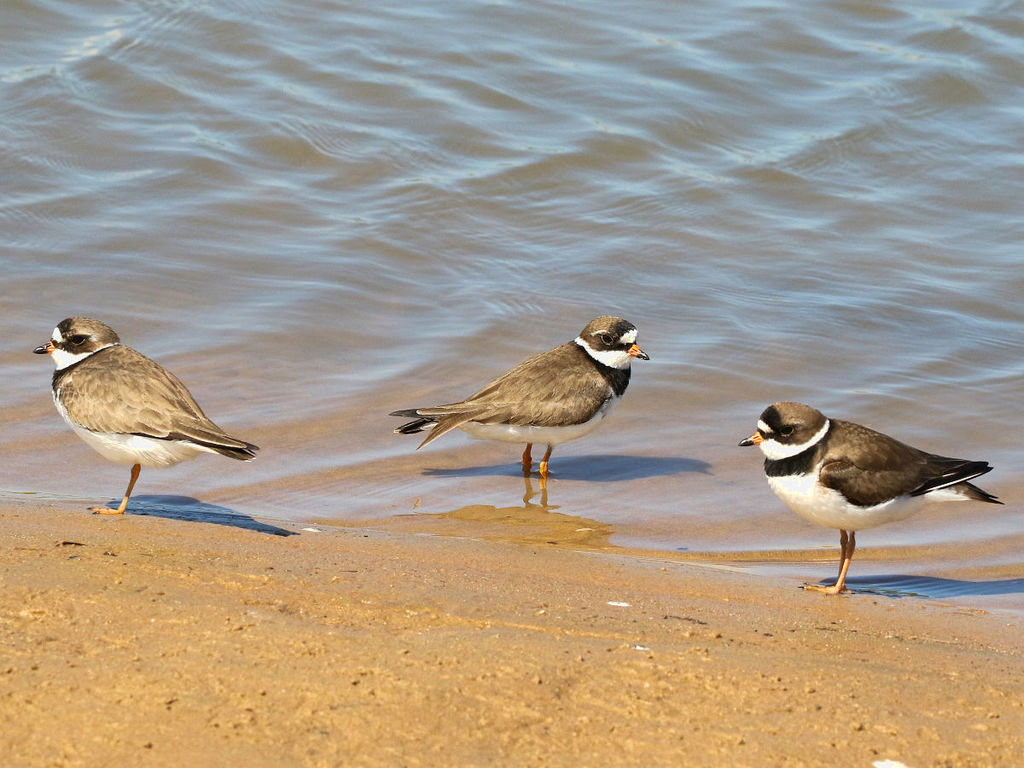
Wildlife whose habitat models include habitats this plant grows in, in Alabama. Shared habitat, not food. 152 animals.
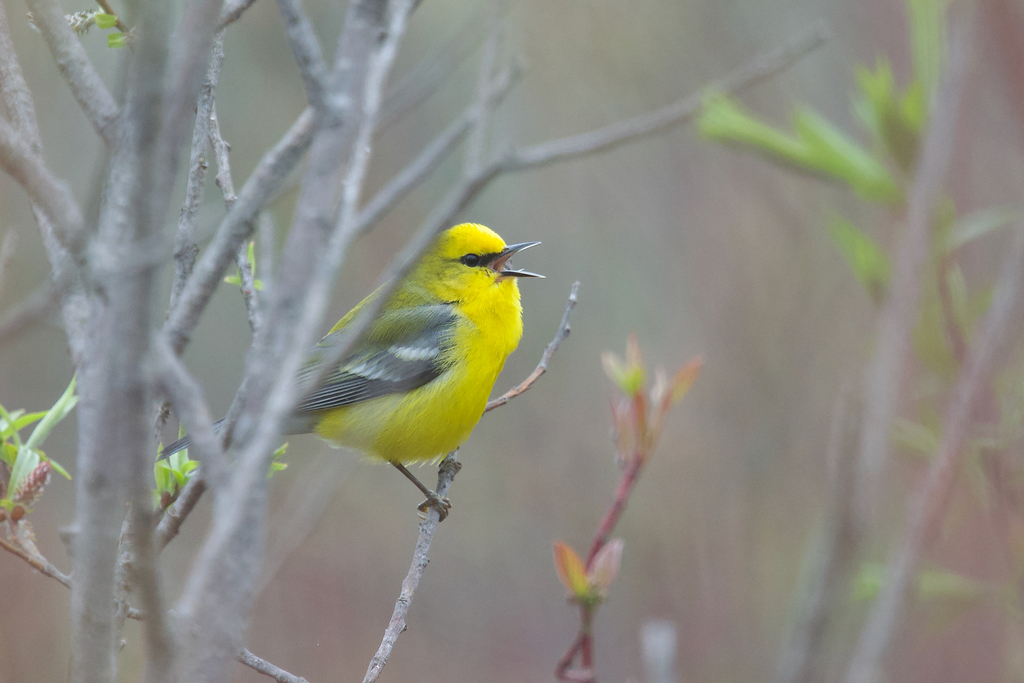
- Blue-winged WarblerVermivora pinus
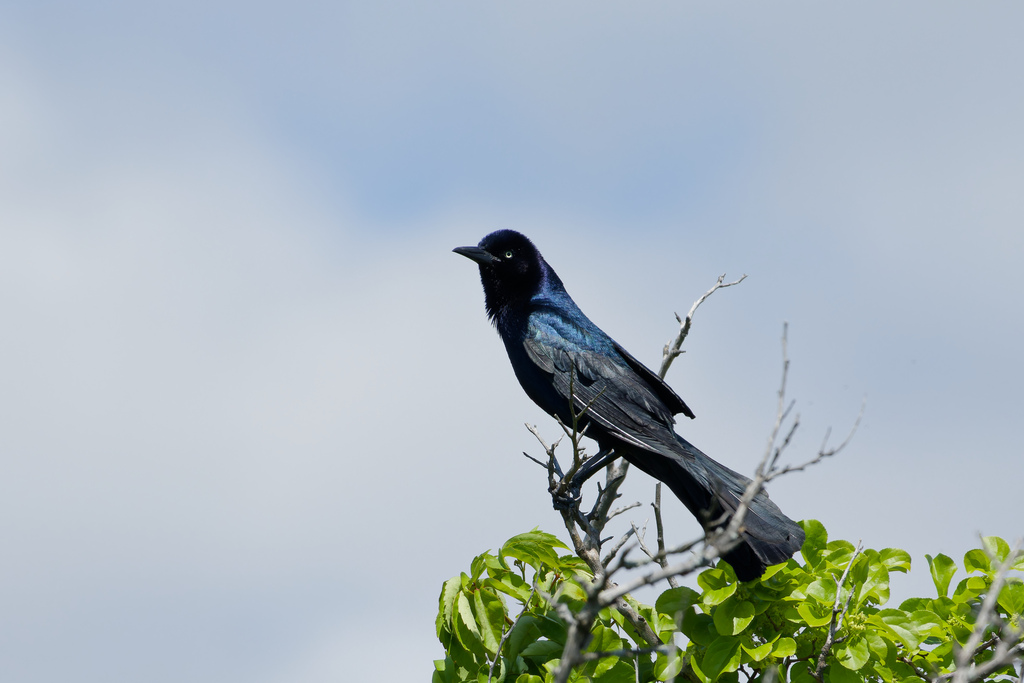
- Boat-tailed GrackleQuiscalus major
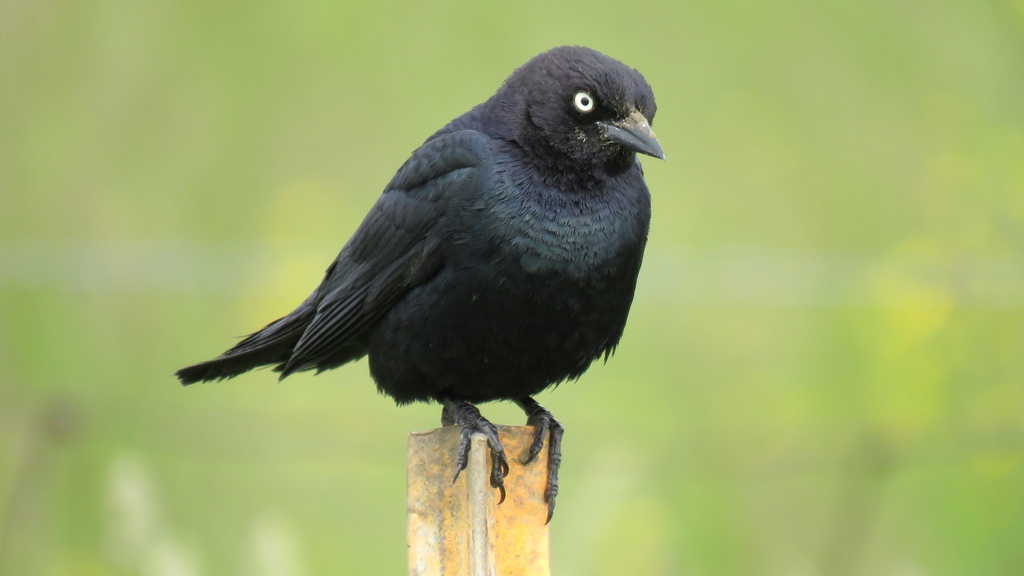
- Brewer's BlackbirdEuphagus cyanocephalus
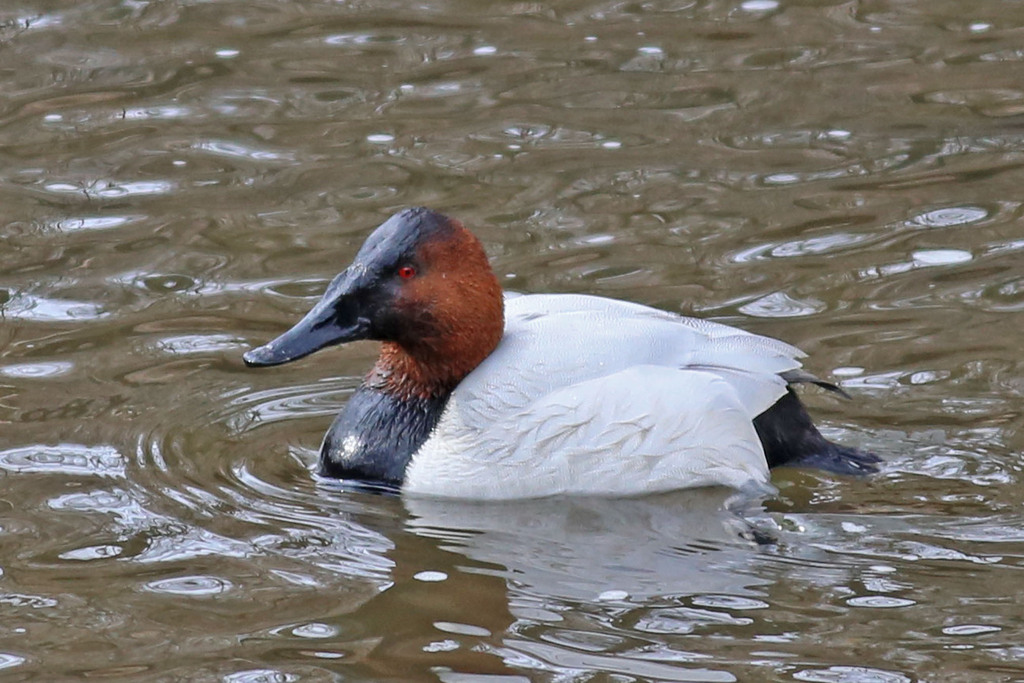
- CanvasbackAythya valisineria
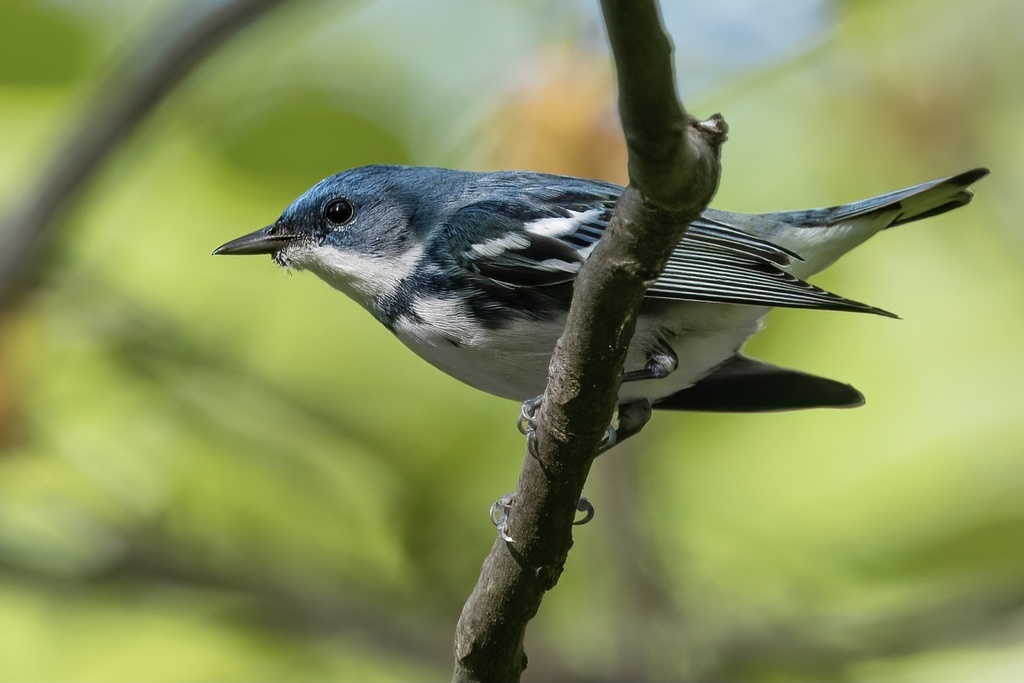
- Cerulean WarblerDendroica cerulea
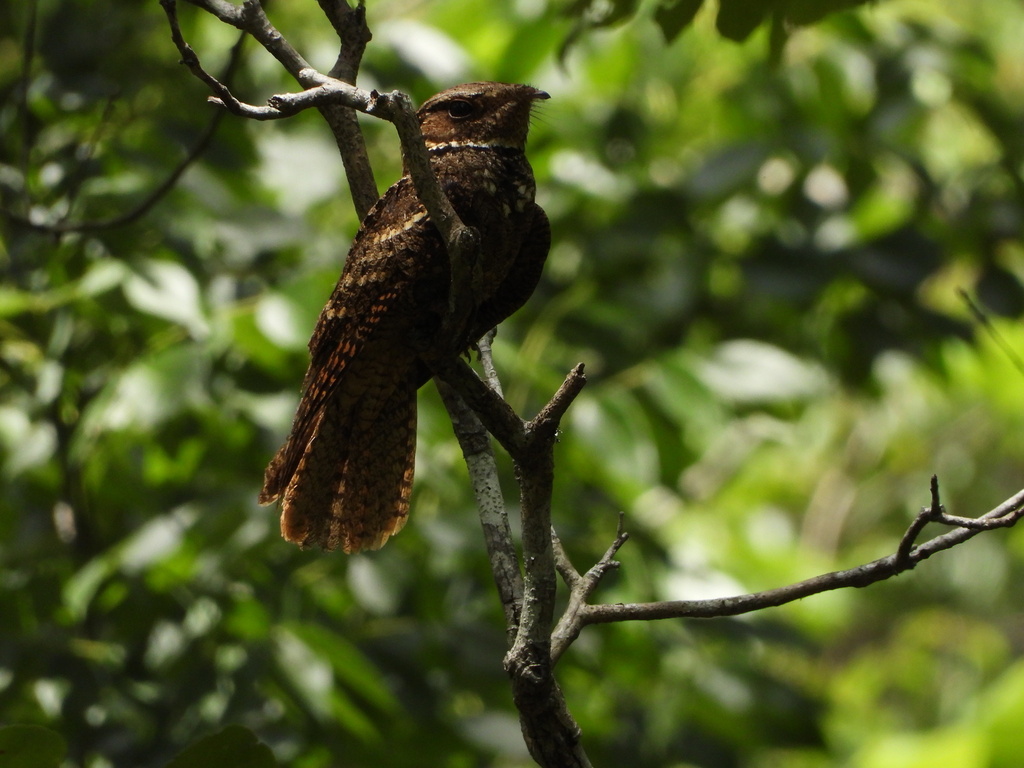
- Chuck-will's-widowCaprimulgus carolinensis
- Cliff SwallowPetrochelidon pyrrhonota
- Eastern BluebirdSialia sialis
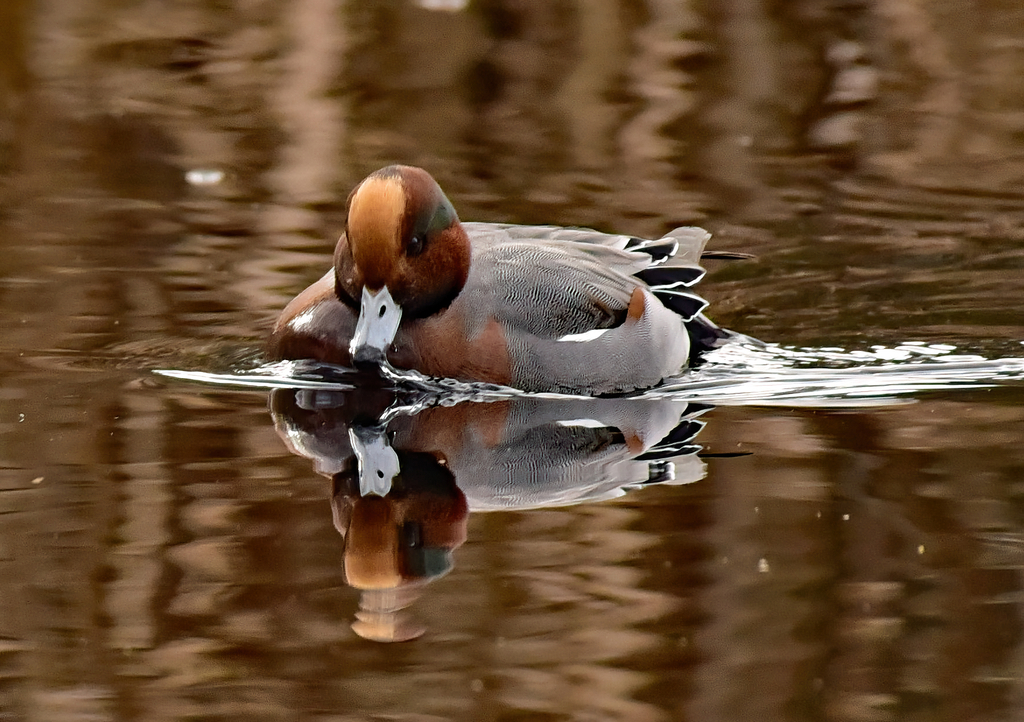
- Eurasian WigeonAnas penelope
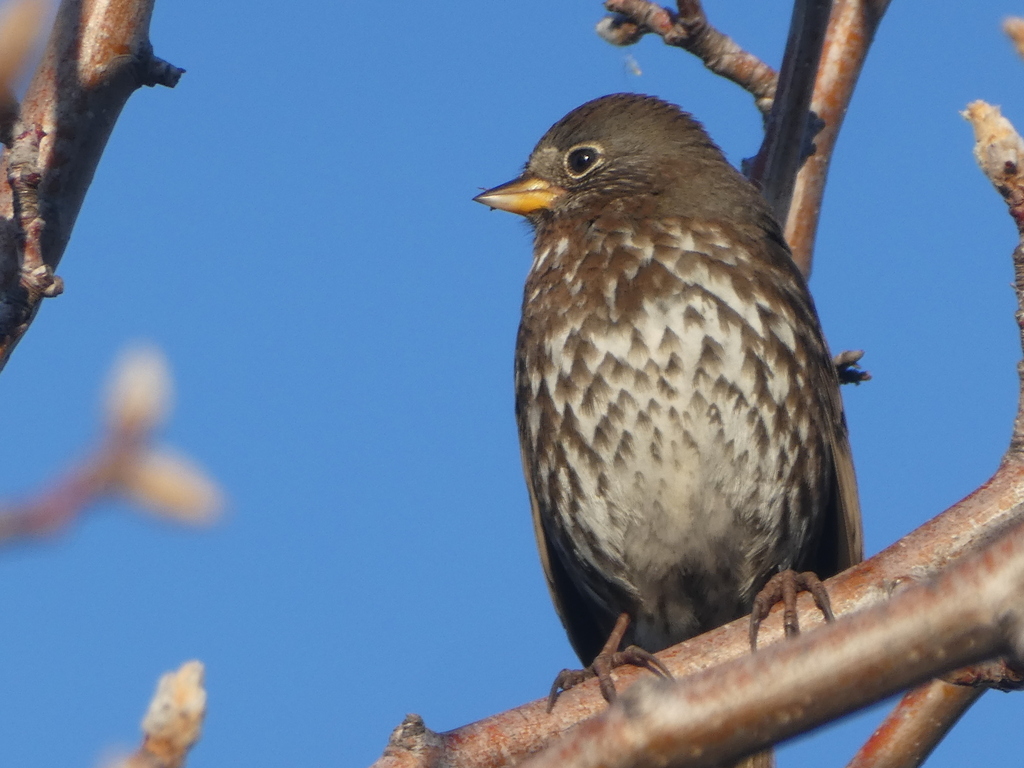
- Fox SparrowPasserella iliaca
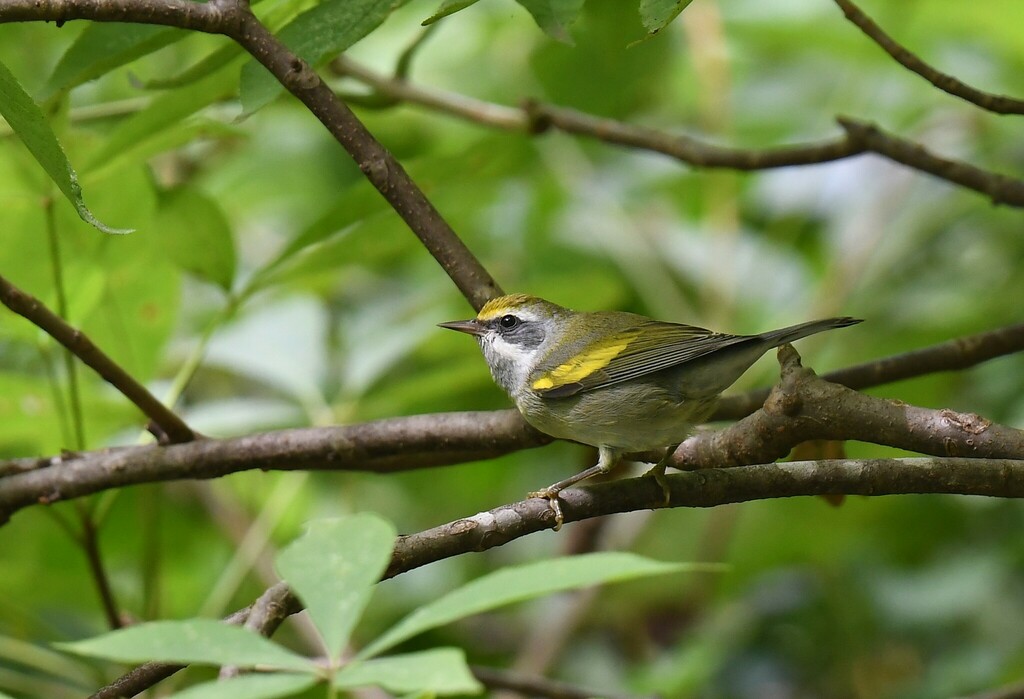
- Golden-winged WarblerVermivora chrysoptera
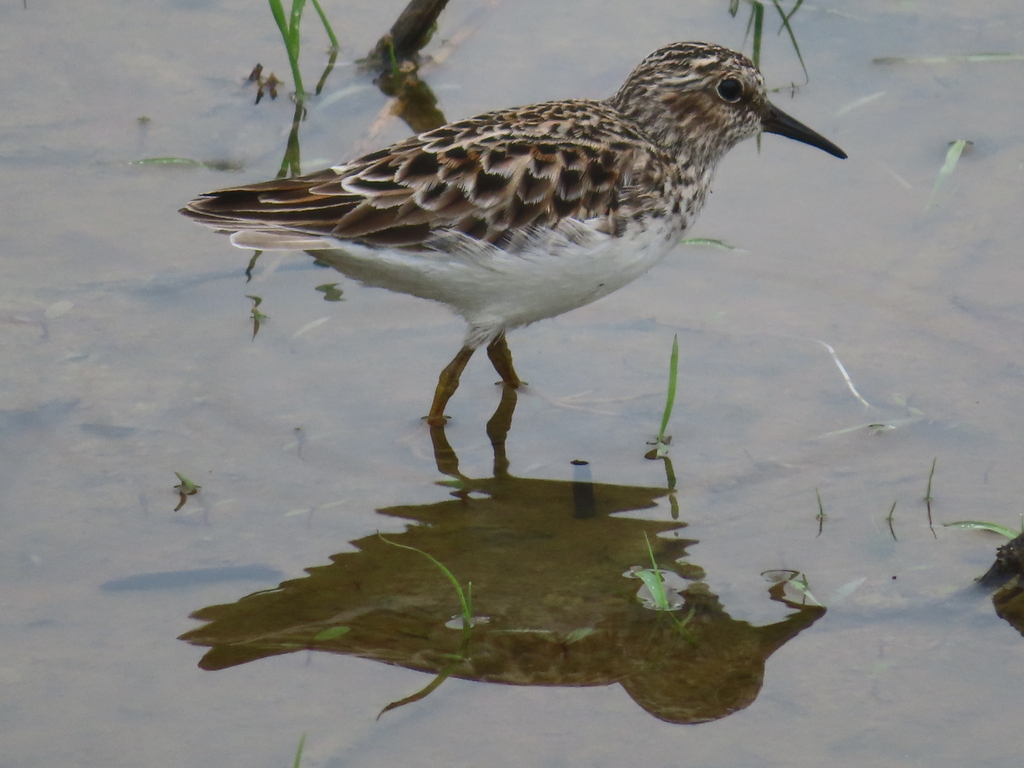
- Least SandpiperCalidris minutilla
- Lesser ScaupAythya affinis
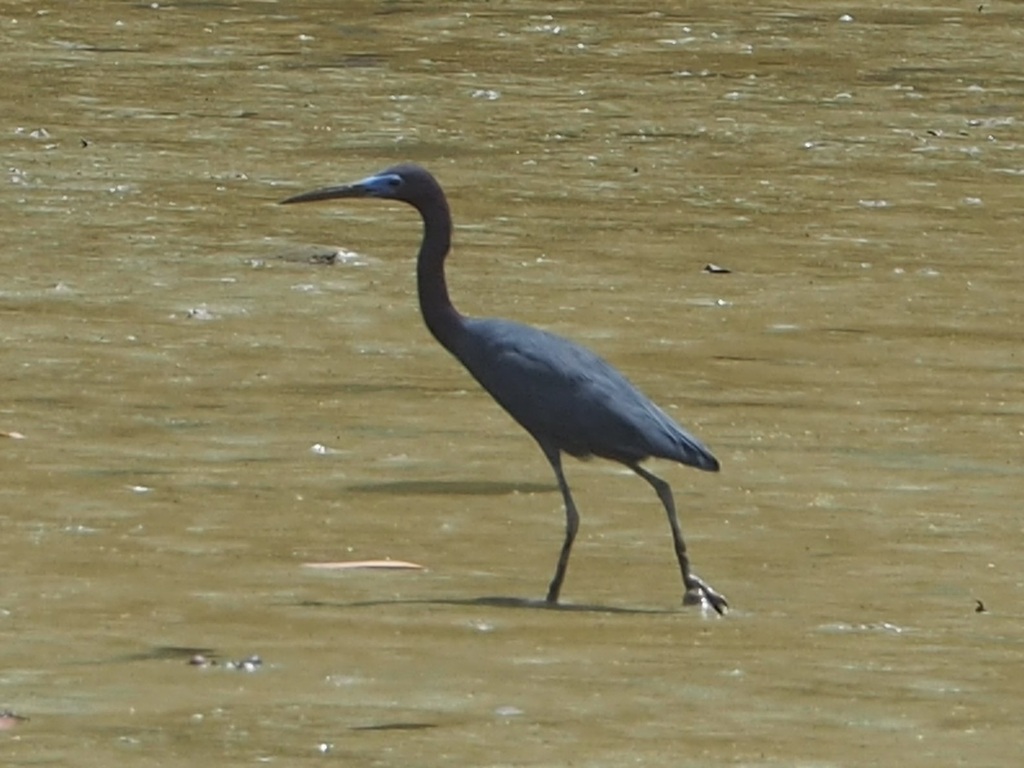
- Little Blue HeronEgretta caerulea
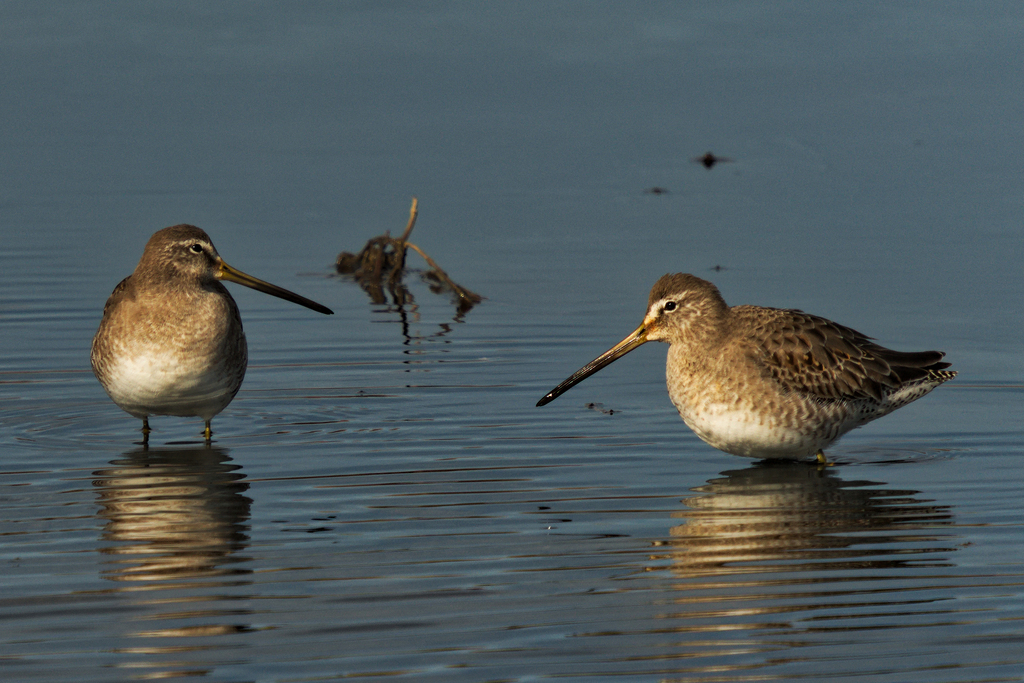
- Long-billed DowitcherLimnodromus scolopaceus
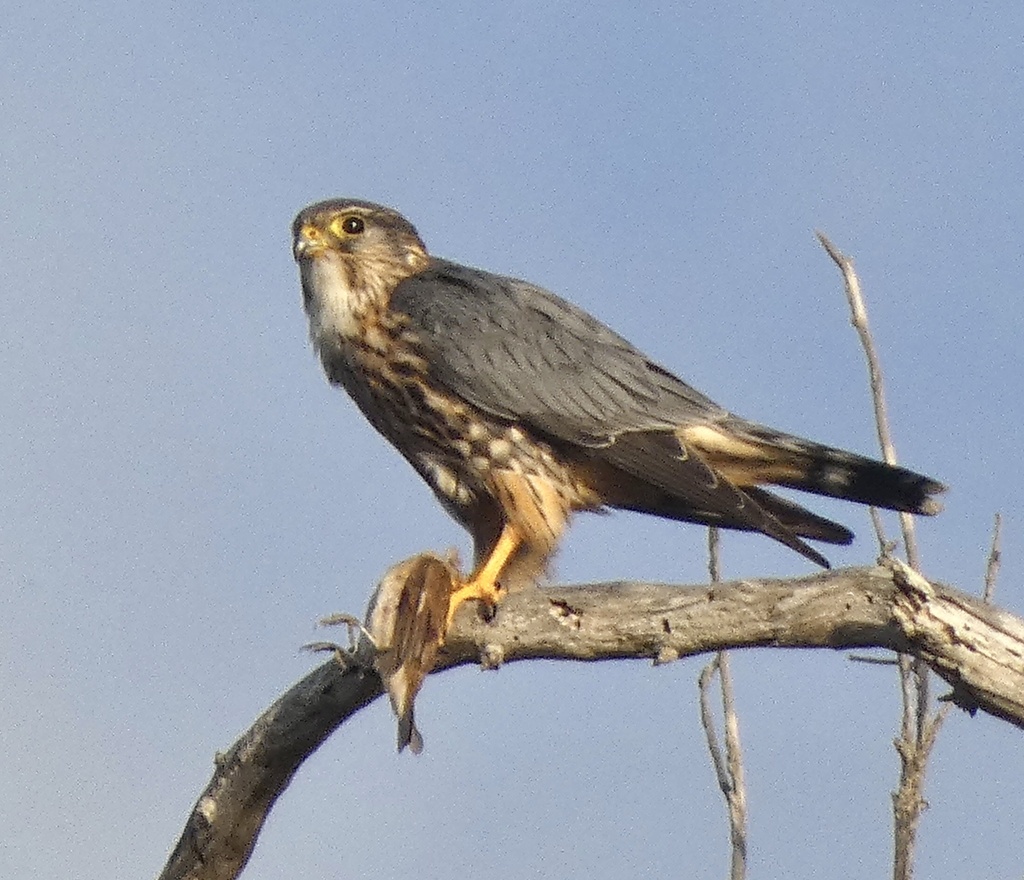
- MerlinFalco columbarius
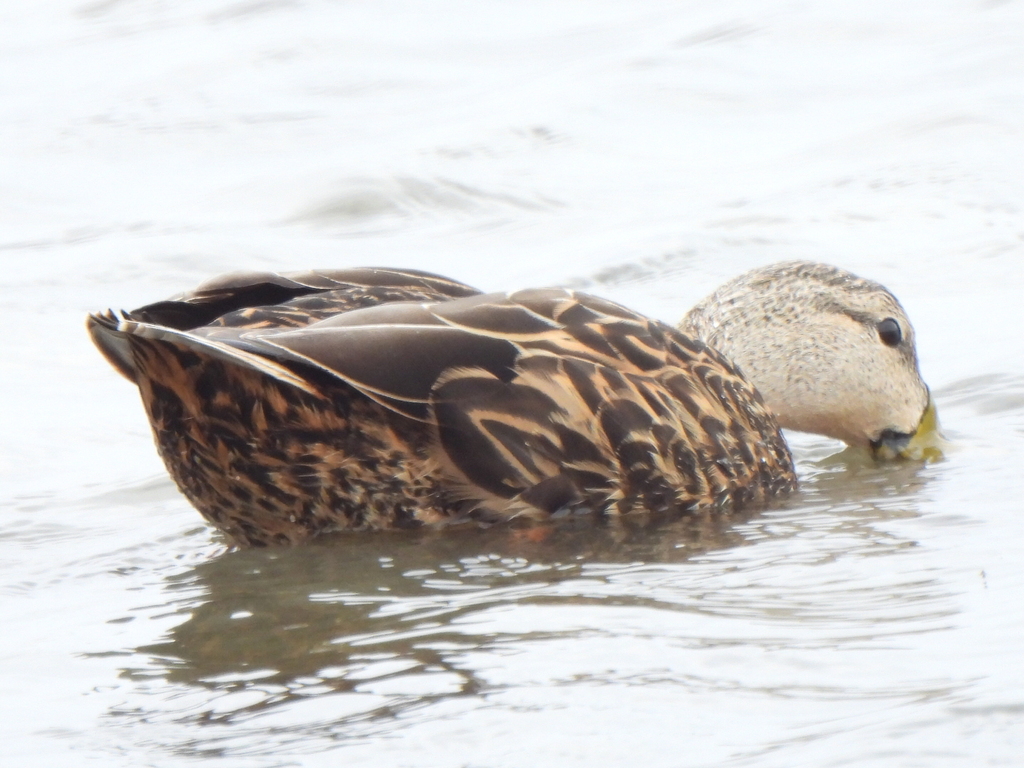
- Mottled DuckAnas fulvigula
- Northern Saw-whet OwlAegolius acadicus
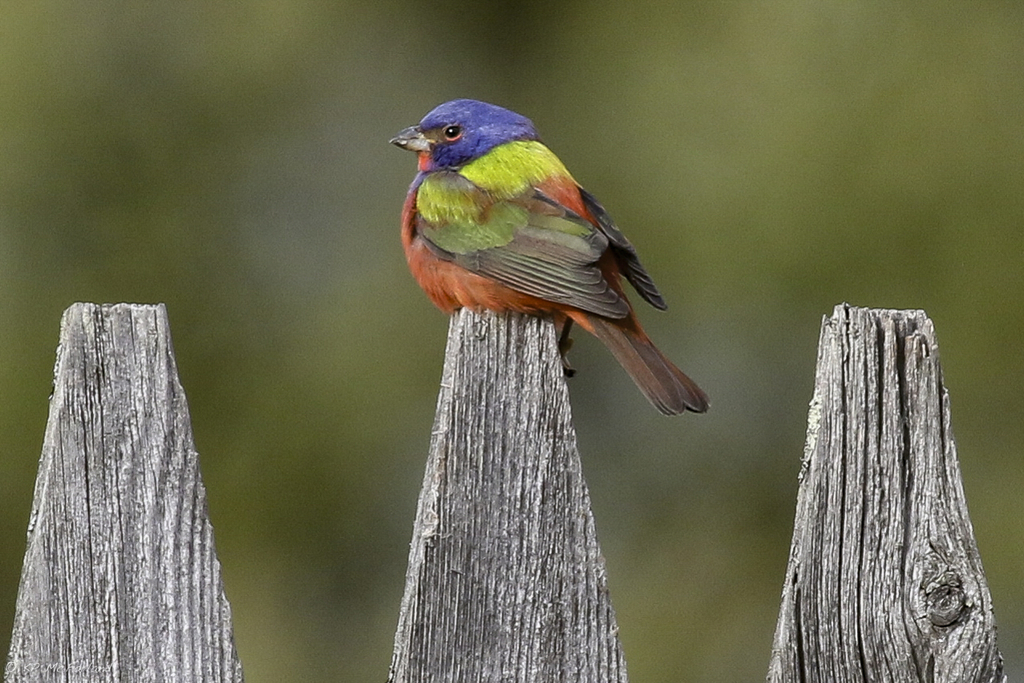
- Painted BuntingPasserina ciris
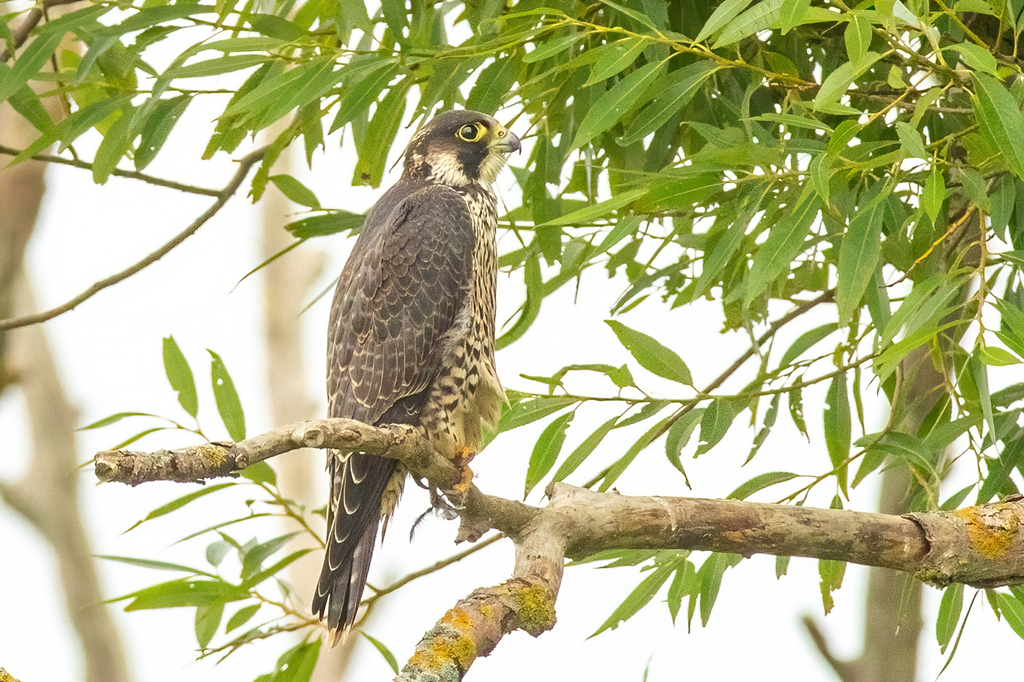
- Peregrine FalconFalco peregrinus
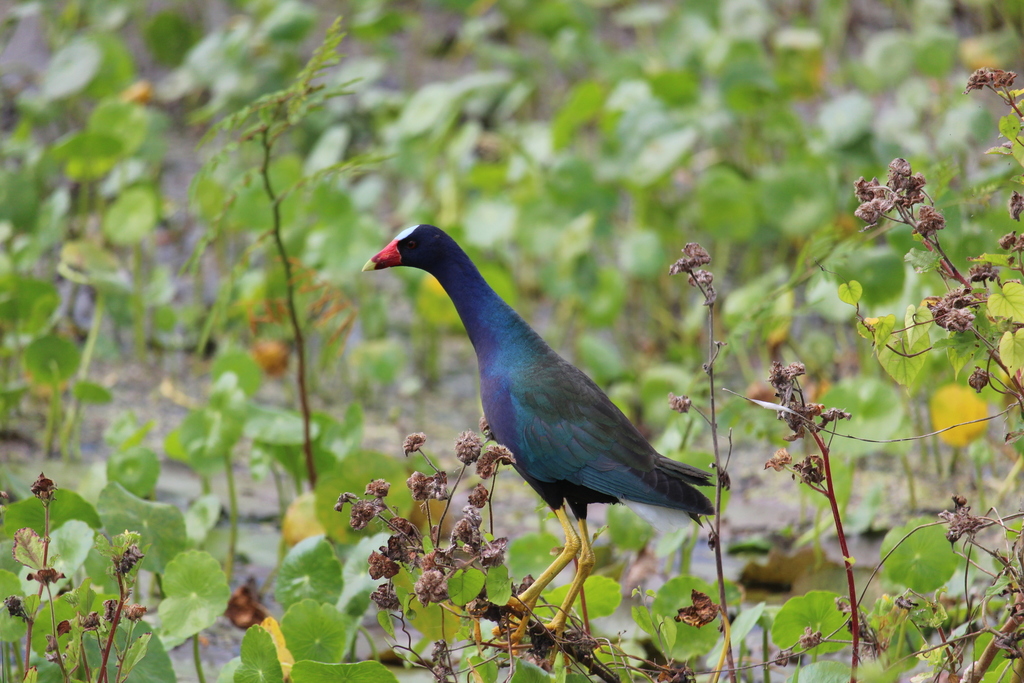
- Purple GallinulePorphyrio martinica
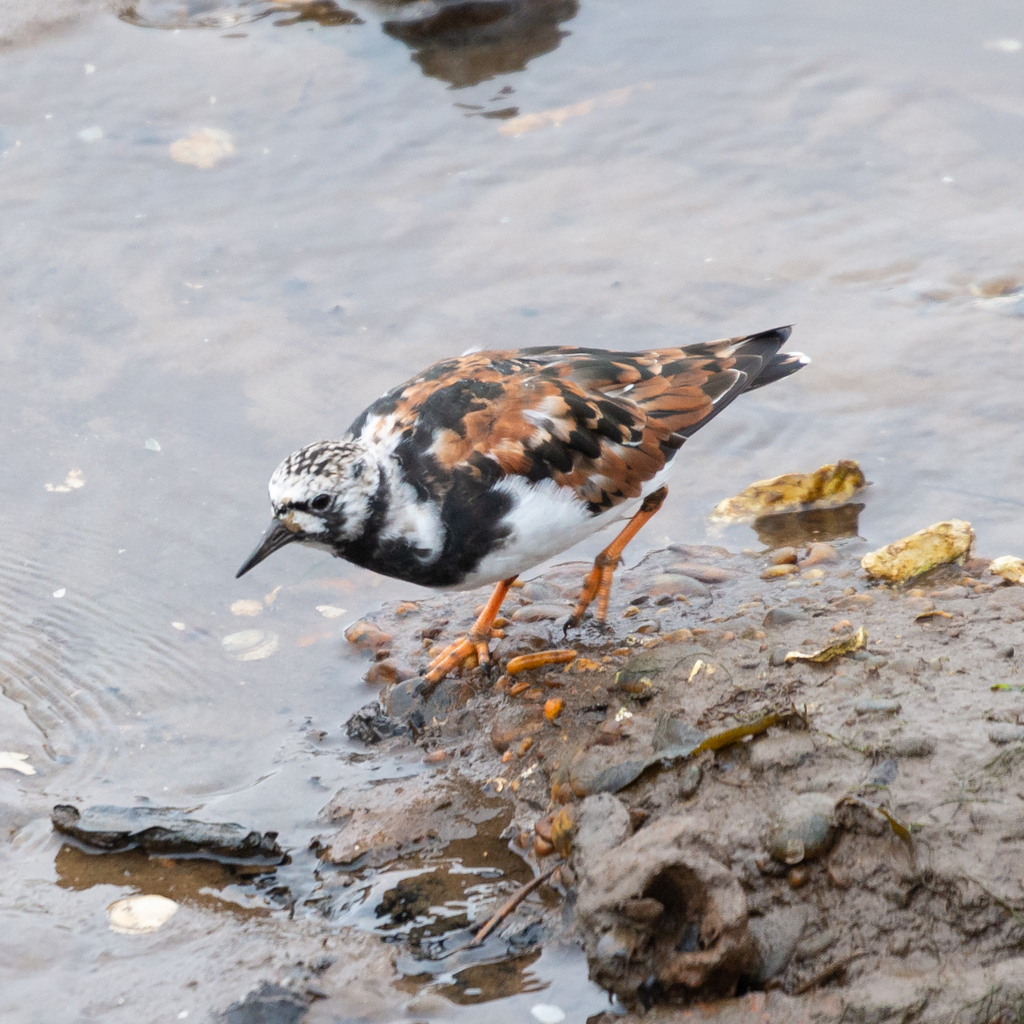
- Ruddy TurnstoneArenaria interpres
- Ruffed GrouseBonasa umbellus
- Semipalmated PloverCharadrius semipalmatus






Who uses this plant?
 15CaterpillarsGenus host records with ranges including AL
Genus host records with ranges including AL · Ampelopsis
- Acoloithus falsariusClemens' False Skeletonizer Moth
- Alypia octomaculataEight-Spot Forester, 8-Spot Forester
- Amphion floridensisNessus Sphinx
- Darapsa myronVirginia Creeper Sphinx
- Deidamia inscriptumLettered Sphinx
- Enyo lugubrisMournful Sphinx
- Eudryas grataBeautiful Wood-Nymph
- Eulithis gracilineataGreater Grapevine Looper
- Eumorpha achemonAchemon Sphinx
- Eumorpha intermediaIntermediate Sphinx
Show all 15
- Eumorpha labruscaeGaudy Sphinx
- Eumorpha pandorusPandorus Sphinx, Pandora Sphinx
- Harrisina americanaGrapeleaf Skeletonizer Moth
- Monochroa absconditellaStrawberry Crown Miner
- Sphecodina abbottiiAbbott's Sphinx
 7BeesSoutheastern regional records
Southeastern regional records · Ampelopsis
Individual names are not available yet.
Noori, Seltmann & Orr 2026, A curated and integrated dataset for exploring global bee-plant interactions (GloBI), Zenodo, CC BY 4.0 0Specialist beesPollen specialists
 1BirdsRecorded genus food-resource interactions; not a state feeding claim
Recorded genus food-resource interactions; not a state feeding claim · Ampelopsis
- Gallinula galeataCommon Gallinule
Direct food only: birds recorded eating this genus across North America. Caterpillars on host plants also feed nesting birds. NC Native Plant Society: butterfly gardening
No records yet · Ants · Beetles · Flies · Adult butterflies / moths · Other wasps · Other insects
Plant details
- Family
- Vitaceae
- Hardiness
- Zones 7a–9b
- Flower color
- Green or white
- Growth rate
- Rapid
- Growth habit
- Several stems
- Foliage color
- Green
- Fruit begins
- September
- Fruit ends
- October
Safety has not been reviewed for this plant; check toxicity and thorns before planting.
Growing sources and scope
- Bloom · “Summer” · NC Extension Plant Toolbox (ranked first; Weakley, Flora of the Southeastern United States (2025), Carolinas & Georgia edition, USDA PLANTS differ)
- Flower color · “Green or white” · NC Extension Plant Toolbox (ranked first; USDA PLANTS differs)
- Foliage color · “Green” · USDA PLANTS · Nationwide species characteristics; local growing conditions may vary
- Fruit begins · “September” · Weakley, Flora of the Southeastern United States (2025), Carolinas & Georgia edition (ranked first; USDA PLANTS differs) · Carolinas and Georgia
- Fruit ends · “October” · Weakley, Flora of the Southeastern United States (2025), Carolinas & Georgia edition (ranked first; USDA PLANTS differs) · Carolinas and Georgia
- Growth habit · “Several stems” · USDA PLANTS · Nationwide species characteristics; local growing conditions may vary
- Growth rate · “Rapid” · USDA PLANTS · Nationwide species characteristics; local growing conditions may vary
- Hardiness · “Zones 7a–9b” · NC Extension Plant Toolbox
- Height · “20–35 feet” · NC Extension Plant Toolbox (ranked first; USDA PLANTS differs)
- Leaves · “Deciduous” · NC Extension Plant Toolbox
- Life cycle · “Woody perennial” · NC Extension Plant Toolbox
- Light · “Full sun (6 or more hours of direct sunlight a day); Partial shade (direct sunlight only part of the day, 2-6 hours)” · NC Extension Plant Toolbox
- Soil · “Good drainage; Moist; Occasionally wet” · NC Extension Plant Toolbox
- Spread · “8–10 feet” · NC Extension Plant Toolbox
Also known as
Ampelopsis arborea
Conservation status
| Alabama rank | SNR |
|---|---|
| Global rank | G5 |
| AL status | Not verified |
| Federal status | Not verified |
Will it fit your yard?
Check this plant against your county, sun and soil moisture. Conditions are checked in your browser.
Sources
- Alabama Plant Atlas
- USDA PLANTS
- Vascular Plants of North Carolina (NC Natural Heritage Program)
- Weakley, Flora of the Southeastern United States (2025)
- Shropshire & Tallamy 2025, Lepidoptera of North America north of Mexico, ZooKeys 1261 (ODbL)
- Noori, Seltmann & Orr 2026, A curated and integrated dataset for exploring global bee-plant interactions (GloBI), Zenodo, CC BY 4.0
- Smith, Bachelder, Russell, Morales, Mosher & Seltmann 2024, Bee-Specialization-Modeling v0.6.1 (specialist host table compiled from J. Fowler's pollen specialist bee lists), Zenodo, CC BY 4.0
- Hurlbert, Olsen, Sawyer & Winner 2021, Avian Diet Database, Scientific Data 8: 260 (CC0)
- Narango, Tallamy & Shropshire 2020, Few keystone plant genera support the majority of Lepidoptera species, Nature Communications