

Loose Water-milfoil
Myriophyllum laxum
Found in limesink depression ponds (dolines), spring-runs, rarely also in lakes. Weakley, Flora of the Southeastern United States (2025), South Central edition What its natural habitat tells you
Native to Alabama. How scores work Is it native here?
Profile 76%
- Light
- Full sun
- Soil moisture
- Wet to standing water
No photograph yet. Looking for an old drawing…
Rare or protected plant. Specialist conservation planting; excluded from routine garden suggestions. Plant caution source
Hidden from default planting suggestions. Wildlife value and native status remain unchanged.
At a glance
- Life cycle
- Perennial
- Bloom
- June to October
Not yet recorded · Height · Spread · Leaves
Height: NC species account not read yet.
Spread and leaves: no source found yet.
This plant is missing most of its facts, so Quercus is looking them up in old botany books.
Recorded in 8 Alabama counties.
Natural habitats
Places it grows wild. Not a planting requirement. Each habitat page lists the plants and wildlife also found there.
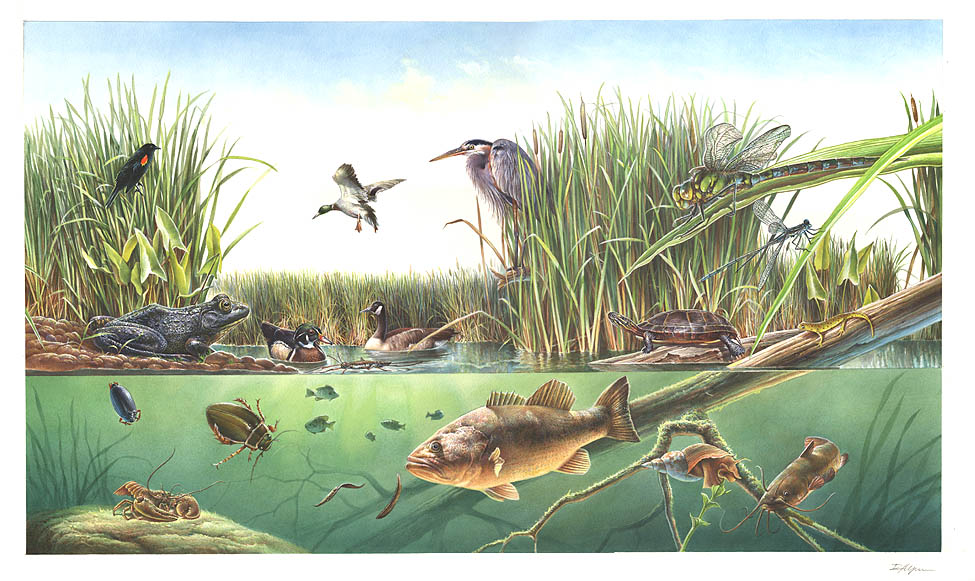
Depression ponds and limesinks
Shallow ponds in Coastal Plain depressions, such as limesinks and the ponds in some Carolina bays, that rise and fall with the seasons.
Also found with this plant
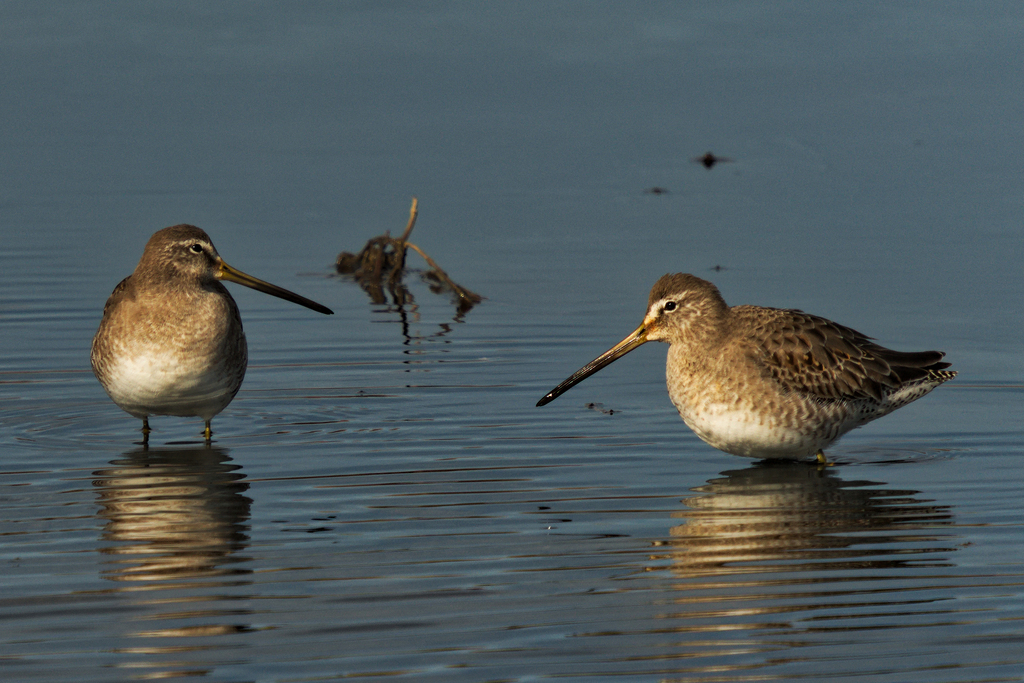
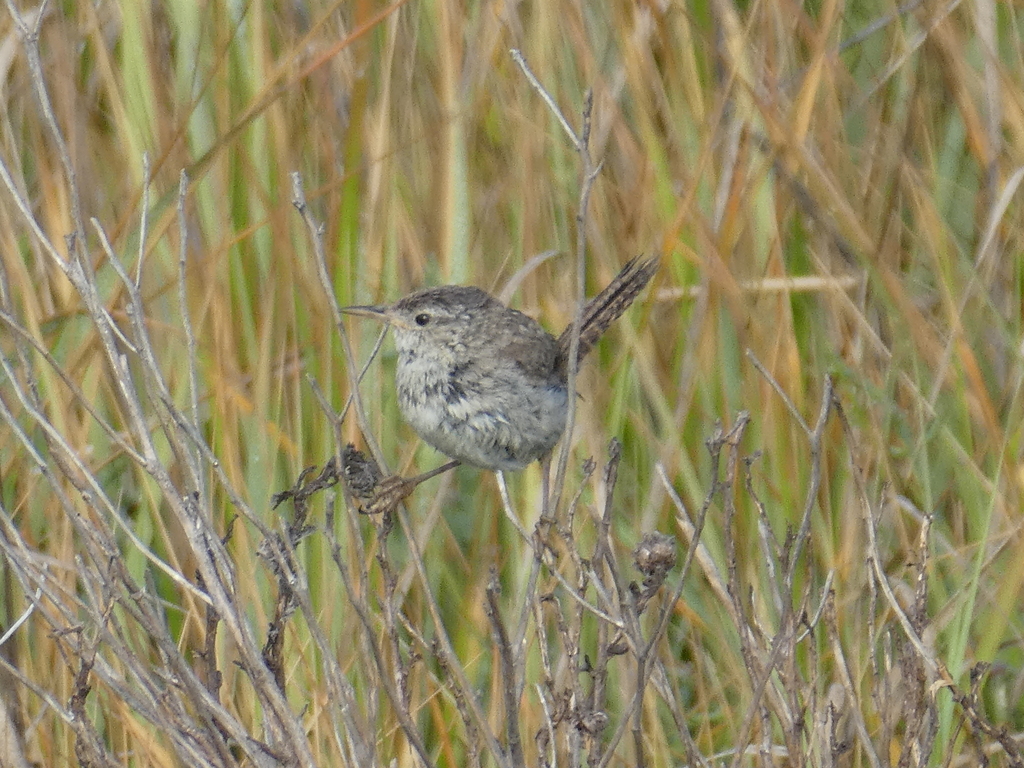
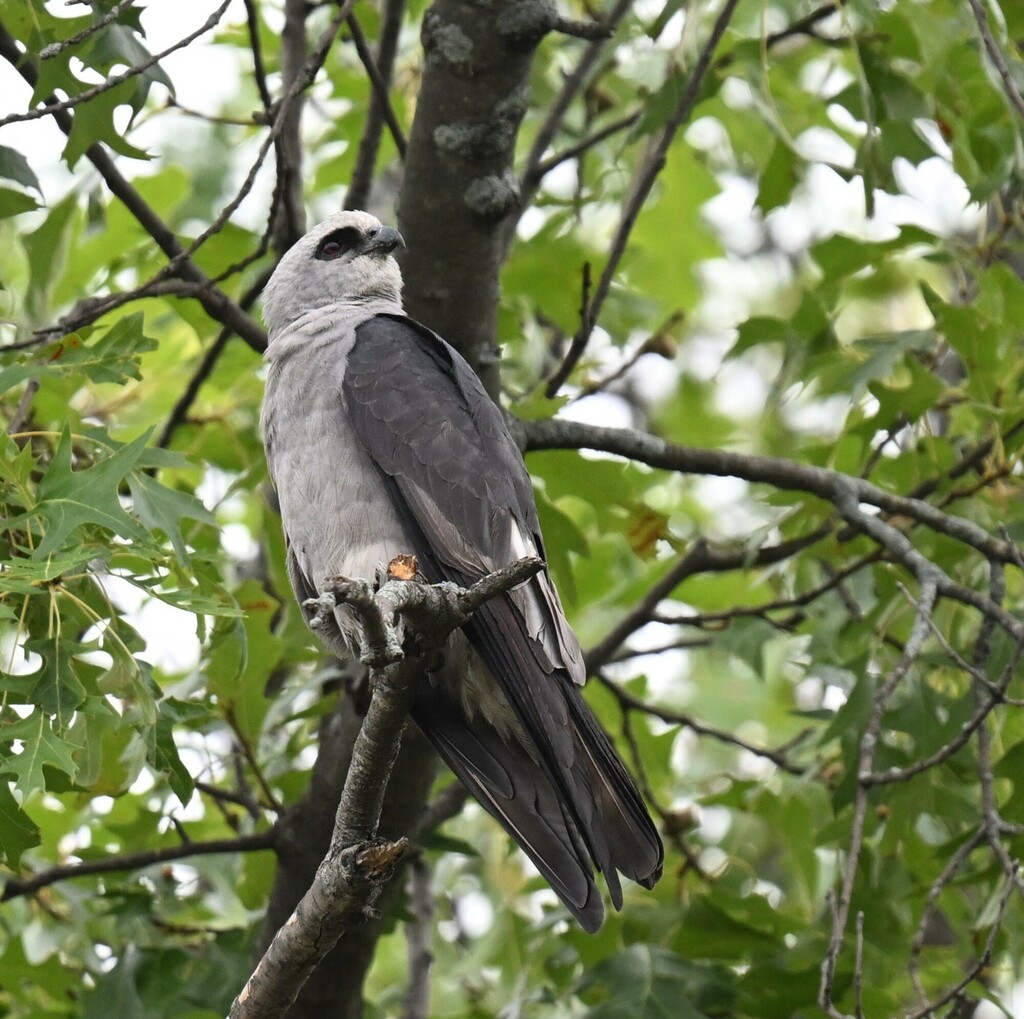
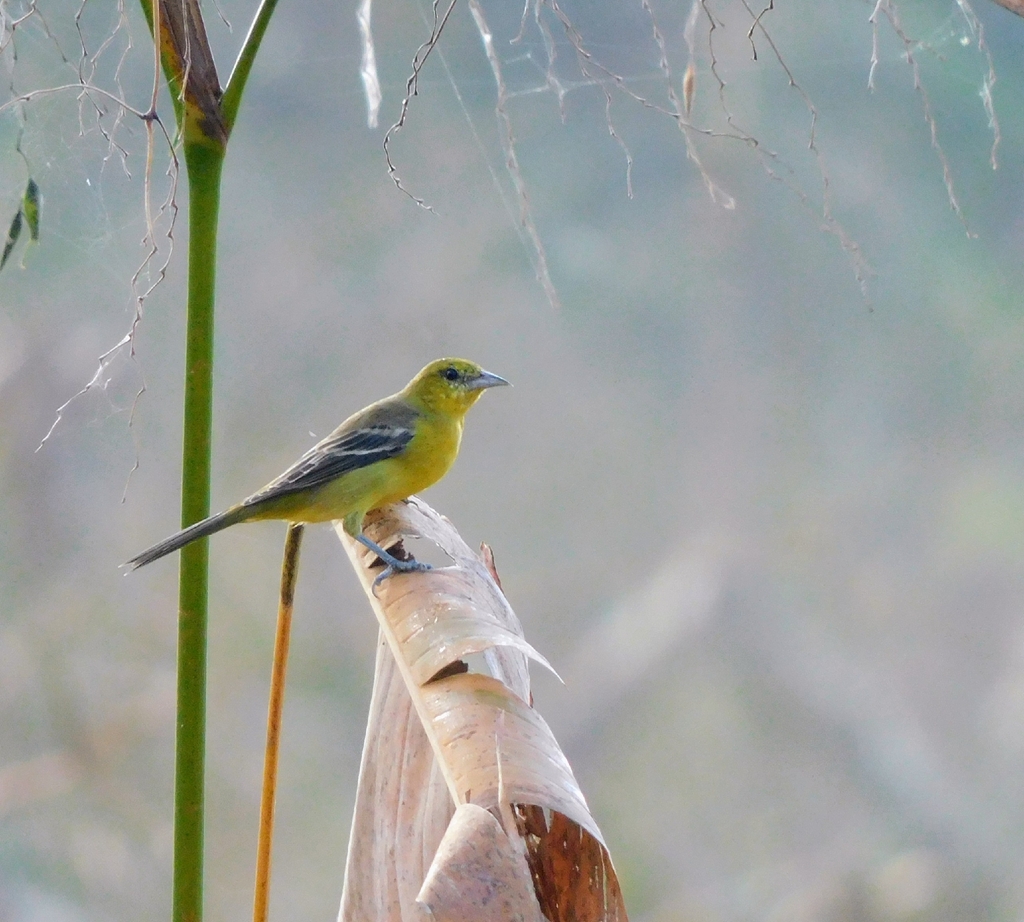
Wildlife whose habitat models include habitats this plant grows in, in Alabama. Shared habitat, not food. 106 animals.
- Yellow-breasted ChatIcteria virens
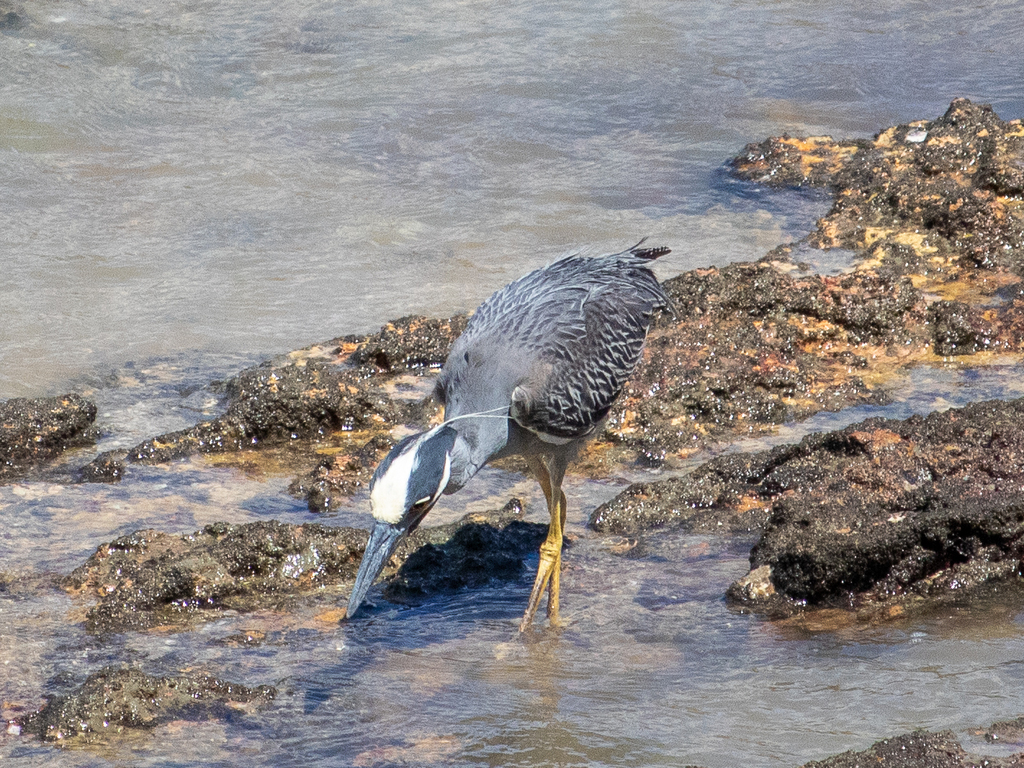
- Yellow-crowned Night-heronNyctanassa violacea
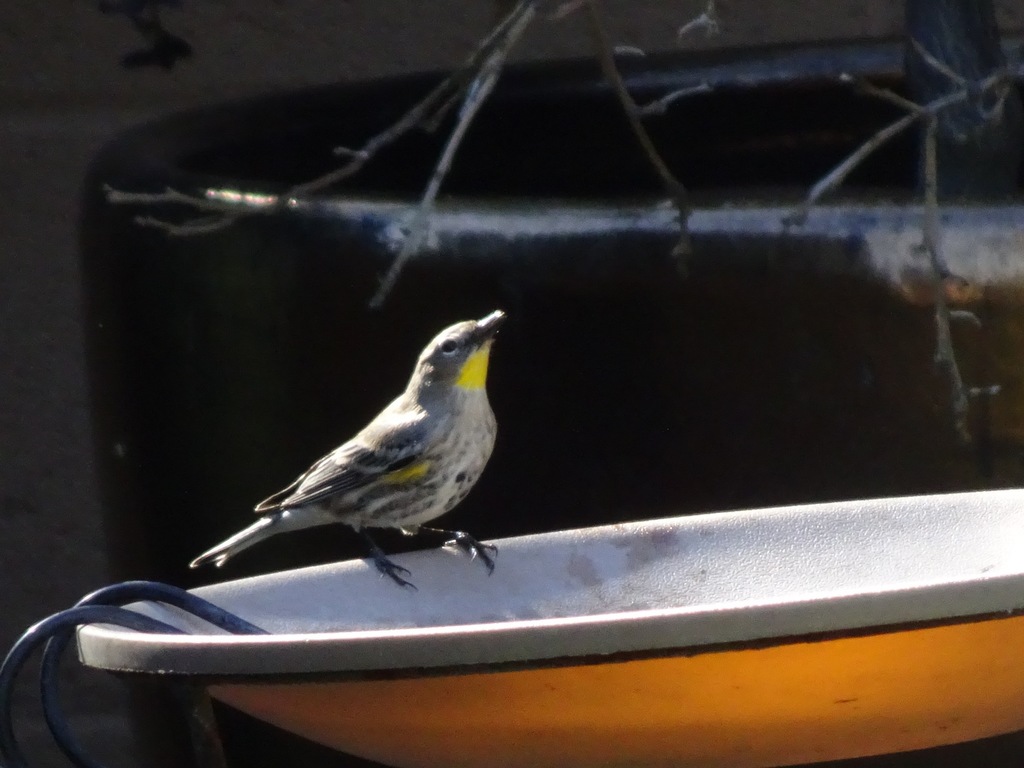
- Yellow-rumped WarblerDendroica coronata
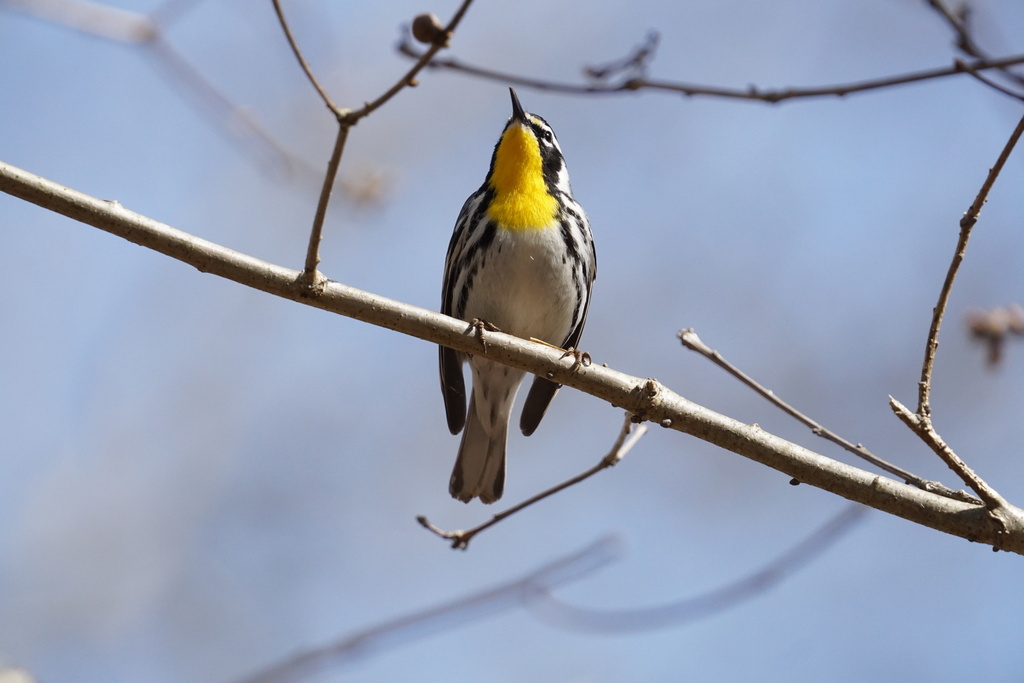
- Yellow-throated WarblerDendroica dominica
- Acadian FlycatcherEmpidonax virescens
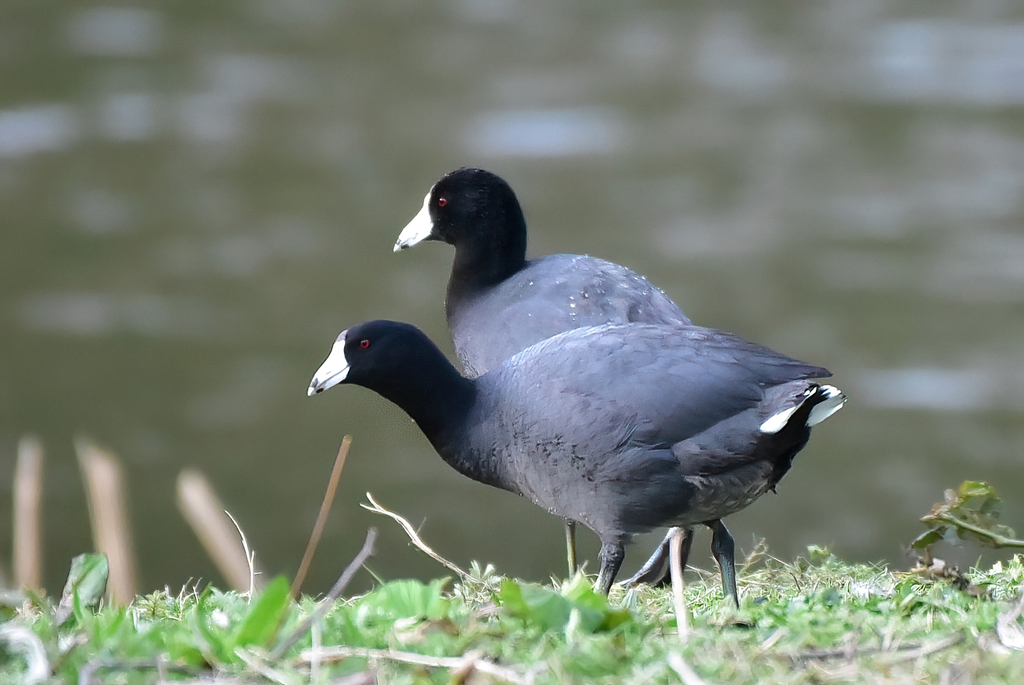
- American CootFulica americana
- Belted KingfisherMegaceryle alcyon
- Black VultureCoragyps atratus
- Brown CreeperCerthia americana
- Canada GooseBranta canadensis
- Carolina WrenThryothorus ludovicianus
- Chimney SwiftChaetura pelagica
- Common YellowthroatGeothlypis trichas
- Eurasian Collared-doveStreptopelia decaocto
- Gray CatbirdDumetella carolinensis
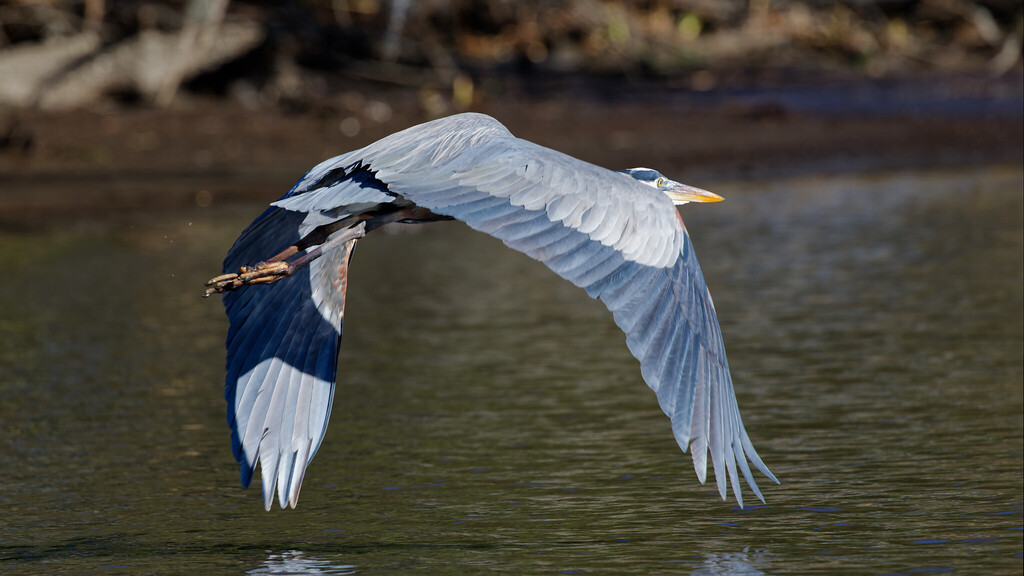
- Great Blue HeronArdea herodias
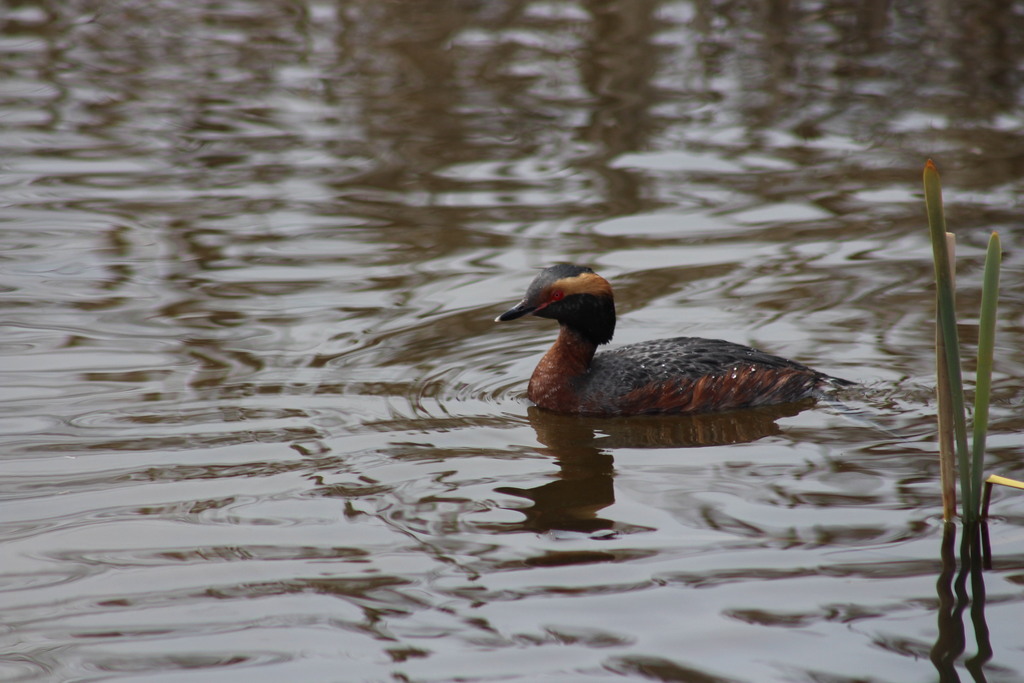
- Horned GrebePodiceps auritus
- Kentucky WarblerOporornis formosus
- Least FlycatcherEmpidonax minimus
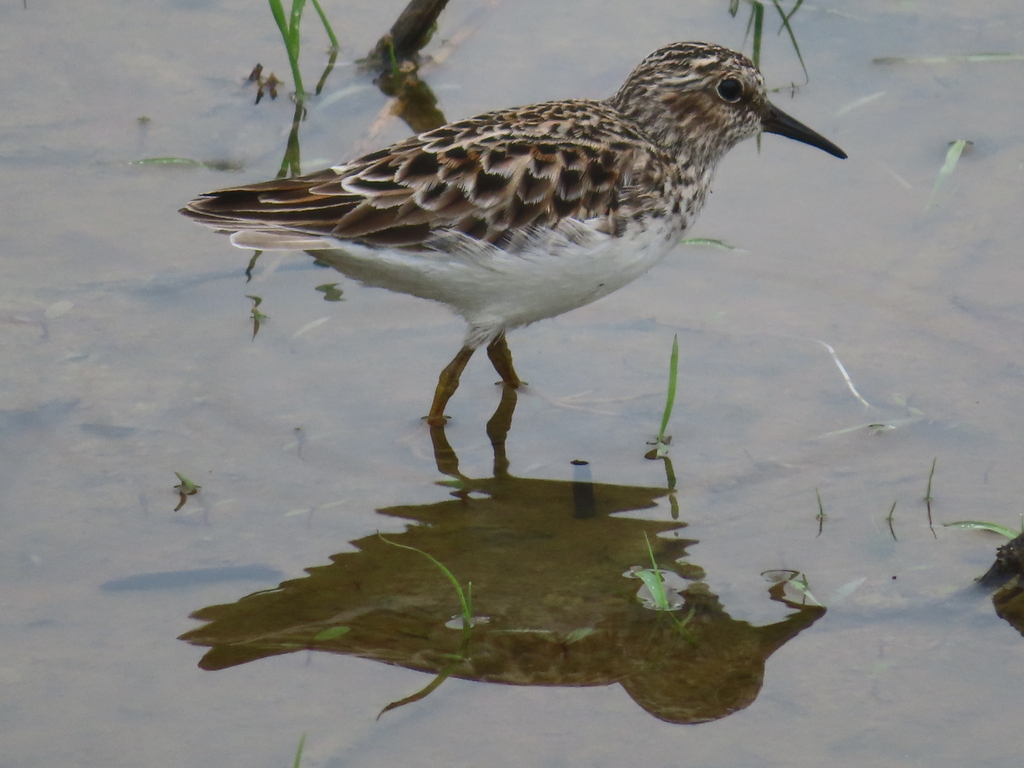
- Least SandpiperCalidris minutilla
- Long-billed DowitcherLimnodromus scolopaceus
- Marsh WrenCistothorus palustris
- Mississippi KiteIctinia mississippiensis
- Orchard OrioleIcterus spurius













Who uses this plant?
 6CaterpillarsGenus host records with ranges including AL
Genus host records with ranges including AL · Myriophyllum
- Argyrotaenia ivanaIvana Leafroller Moth
- Choristoneura parallelaParallel-Banded Leafroller, Spotted Fireworm Moth
- Elophila obliteralisWaterlily Leafcutter Moth
- Parapoynx allionealisWatermilfoil Leafcutter, Bladderwort Casemaker
- Parapoynx badiusalisChestnut-Marked Pondweed Moth
- Spodoptera latifasciaOrange-Striped Armyworm, Velvet Armyworm Moth
 0BeesSoutheastern regional records
 0Specialist beesPollen specialists
 7BirdsRecorded genus food-resource interactions; not a state feeding claim
Recorded genus food-resource interactions; not a state feeding claim · Myriophyllum
- Anas platyrhynchosMallard
- Aythya affinisLesser Scaup
- Aythya collarisRing-necked Duck
- Cygnus olorMute Swan
- Fulica americanaAmerican Coot
- Mareca americanaAmerican Wigeon
- Mareca streperaGadwall
Direct food only: birds recorded eating this genus across North America. Caterpillars on host plants also feed nesting birds. NC Native Plant Society: butterfly gardening
No records yet · Ants · Beetles · Flies · Adult butterflies / moths · Other wasps · Other insects
Plant details
- Family
- Haloragaceae
- Flower color
- Pink
Growing sources and scope
- Bloom · “June to October” · Weakley, Flora of the Southeastern United States (2025), Carolinas & Georgia edition · Carolinas and Georgia
- Flower color · “Pink” · Lady Bird Johnson Wildflower Center
- Life cycle · “Perennial” · Lady Bird Johnson Wildflower Center
- Light · “Full sun (documented habitat)” · Weakley, Flora of the Southeastern United States (2025), Carolinas & Georgia edition · Carolinas and Georgia
- primary_flower_color · “pink” · Lady Bird Johnson Wildflower Center
- Soil · “Water; Wet (documented habitat)” · Weakley, Flora of the Southeastern United States (2025), Carolinas & Georgia edition · Carolinas and Georgia
Also known as
Loose Water milfoil
Conservation status
| Alabama rank | S2 |
|---|---|
| Global rank | G3 |
| AL status | Not verified |
| Federal status | Not verified |
Will it fit your yard?
Check this plant against your county, sun and soil moisture. Conditions are checked in your browser.
Sources
- Alabama Plant Atlas
- USDA PLANTS
- Vascular Plants of North Carolina (NC Natural Heritage Program)
- Weakley, Flora of the Southeastern United States (2025)
- NatureServe Explorer
- Shropshire & Tallamy 2025, Lepidoptera of North America north of Mexico, ZooKeys 1261 (ODbL)
- Noori, Seltmann & Orr 2026, A curated and integrated dataset for exploring global bee-plant interactions (GloBI), Zenodo, CC BY 4.0
- Smith, Bachelder, Russell, Morales, Mosher & Seltmann 2024, Bee-Specialization-Modeling v0.6.1 (specialist host table compiled from J. Fowler's pollen specialist bee lists), Zenodo, CC BY 4.0
- Hurlbert, Olsen, Sawyer & Winner 2021, Avian Diet Database, Scientific Data 8: 260 (CC0)
- Narango, Tallamy & Shropshire 2020, Few keystone plant genera support the majority of Lepidoptera species, Nature Communications