

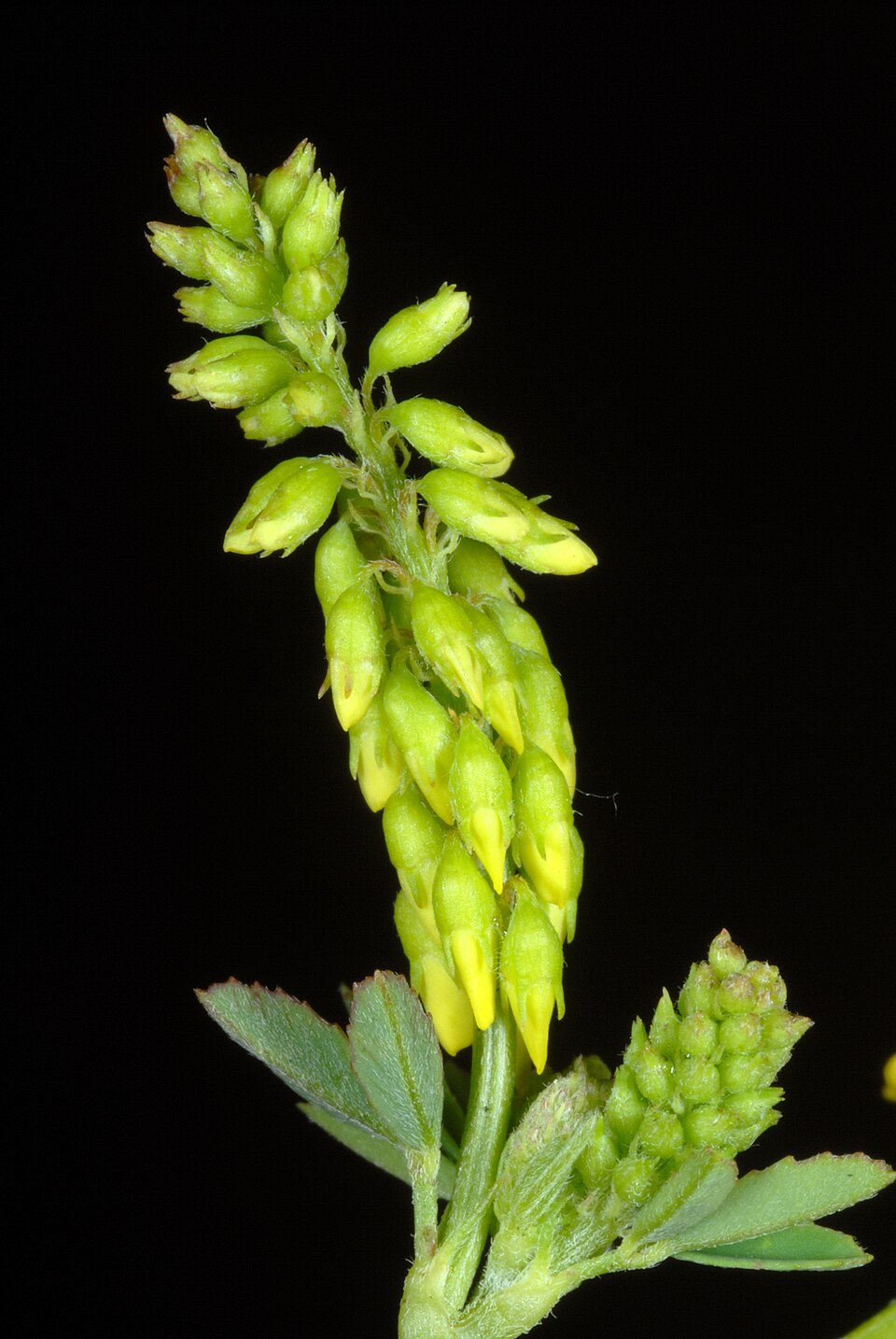
Yellow Sweetclover
Melilotus officinalis
Found in fields, roadsides, disturbed areas. Weakley, Flora of the Southeastern United States (2025), South Central edition What its natural habitat tells you
Not native to Alabama. How scores work Is it native here?
Profile 82%
- Height
- 1–3 feet
- Spread
- 1–3 feet
- Light
- Full sun
- Soil moisture
- Somewhat dry to moist
Plant this instead
Choose your county to list local plants first.
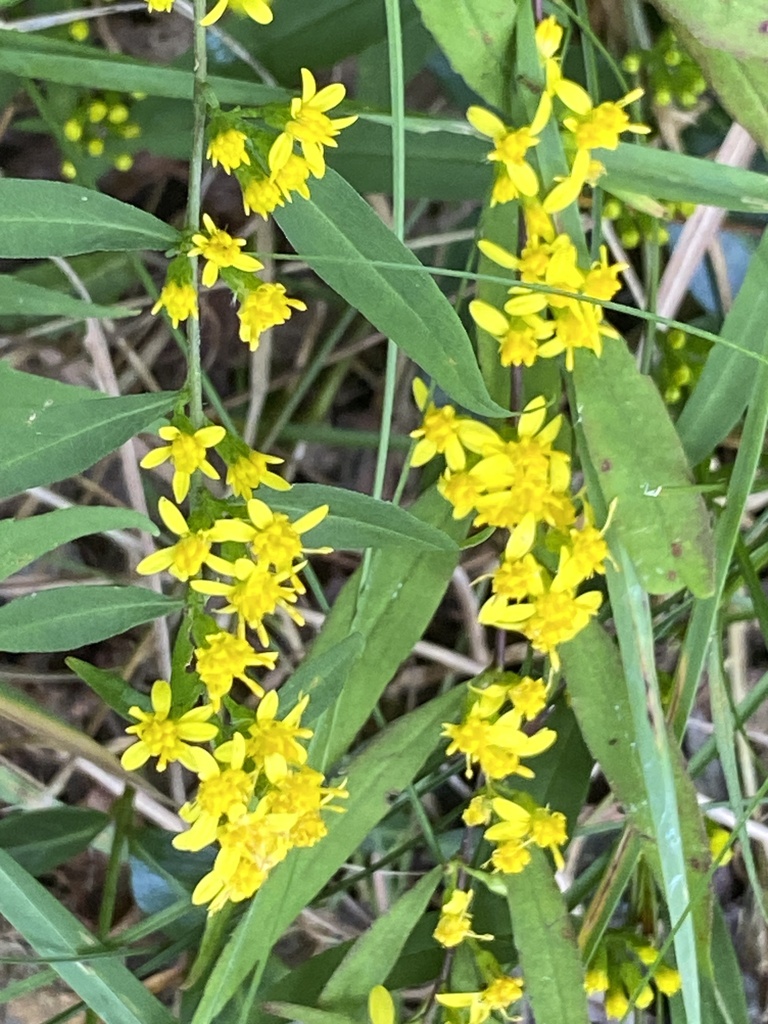
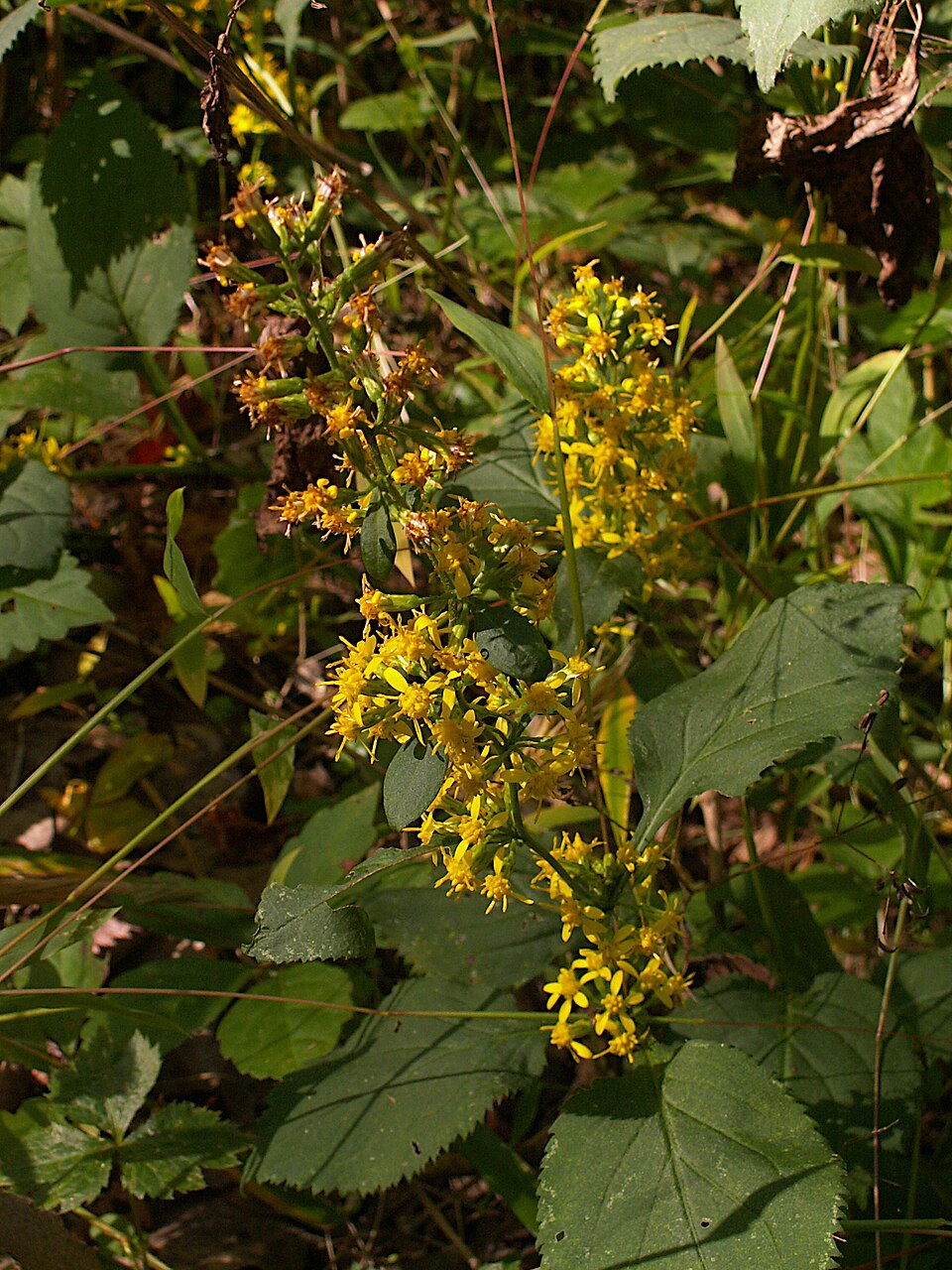
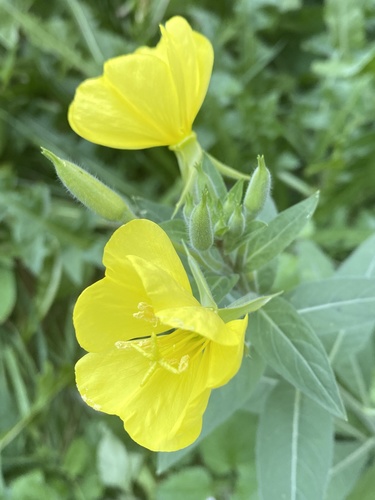
No recorded swaps for this county. Try the garden finder.
At a glance
- Life cycle
- Annual
- Bloom
- April to October
- Fruiting season
- Summer
Not yet recorded · Leaves
Recorded in 45 Alabama counties.
Natural habitats
Places it grows wild. Not a planting requirement. Each habitat page lists the plants and wildlife also found there.
Roadsides, fields and disturbed ground
Ground opened by people: roadsides, old fields, pastures, fencerows and lots.
Also found with this plant
Wildlife whose habitat models include habitats this plant grows in, in Alabama. Shared habitat, not food. 123 animals.
- Common GrackleQuiscalus quiscula
- Eastern TowheePipilo erythrophthalmus
- Eastern Wood-peweeContopus virens
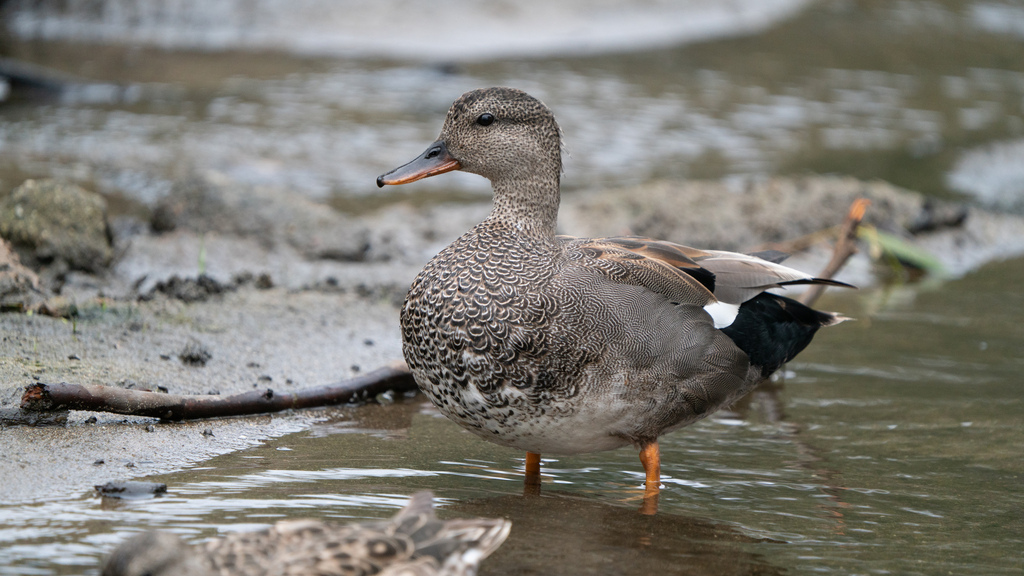
- GadwallAnas strepera
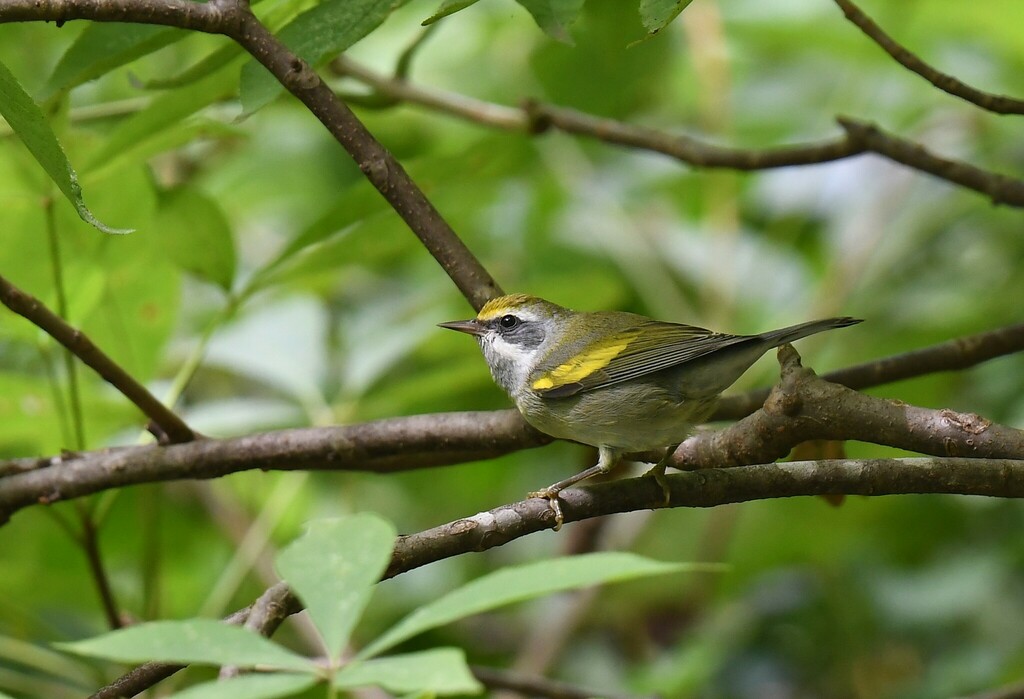
- Golden-winged WarblerVermivora chrysoptera
- Great Crested FlycatcherMyiarchus crinitus
- Hermit ThrushCatharus guttatus
- Hooded WarblerWilsonia citrina
- Indigo BuntingPasserina cyanea
- Least BitternIxobrychus exilis
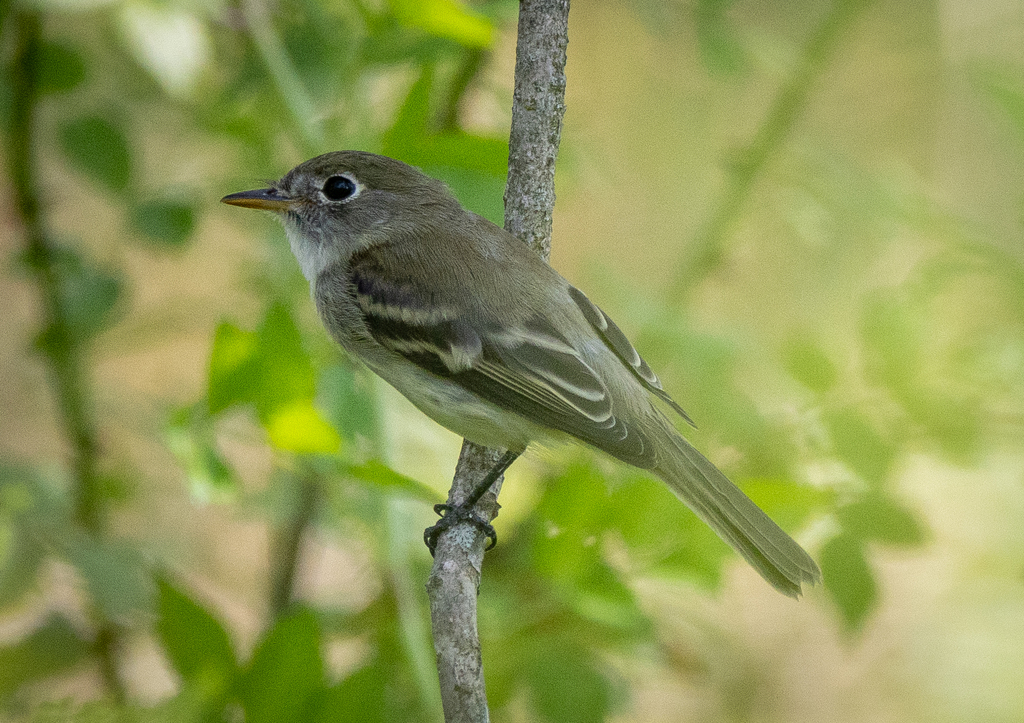
- Least FlycatcherEmpidonax minimus
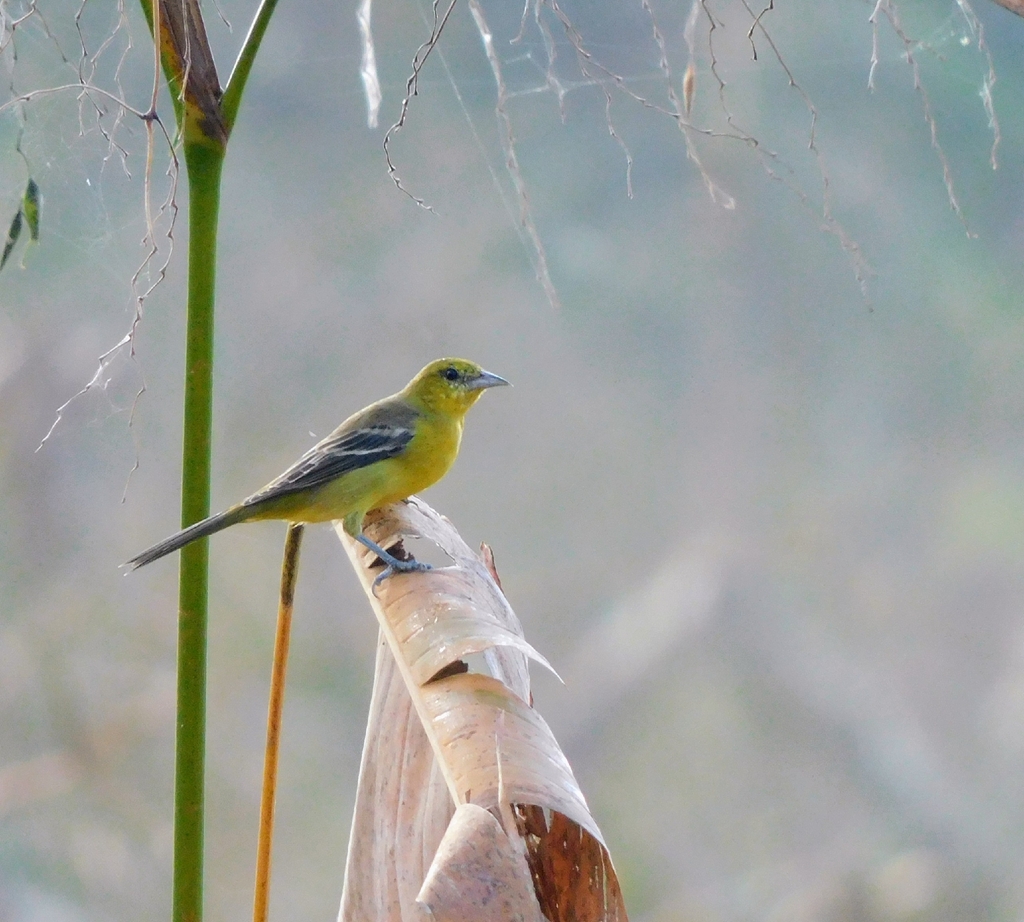
- Orchard OrioleIcterus spurius
- OvenbirdSeiurus aurocapilla
- Pileated WoodpeckerDryocopus pileatus
- Red-bellied WoodpeckerMelanerpes carolinus
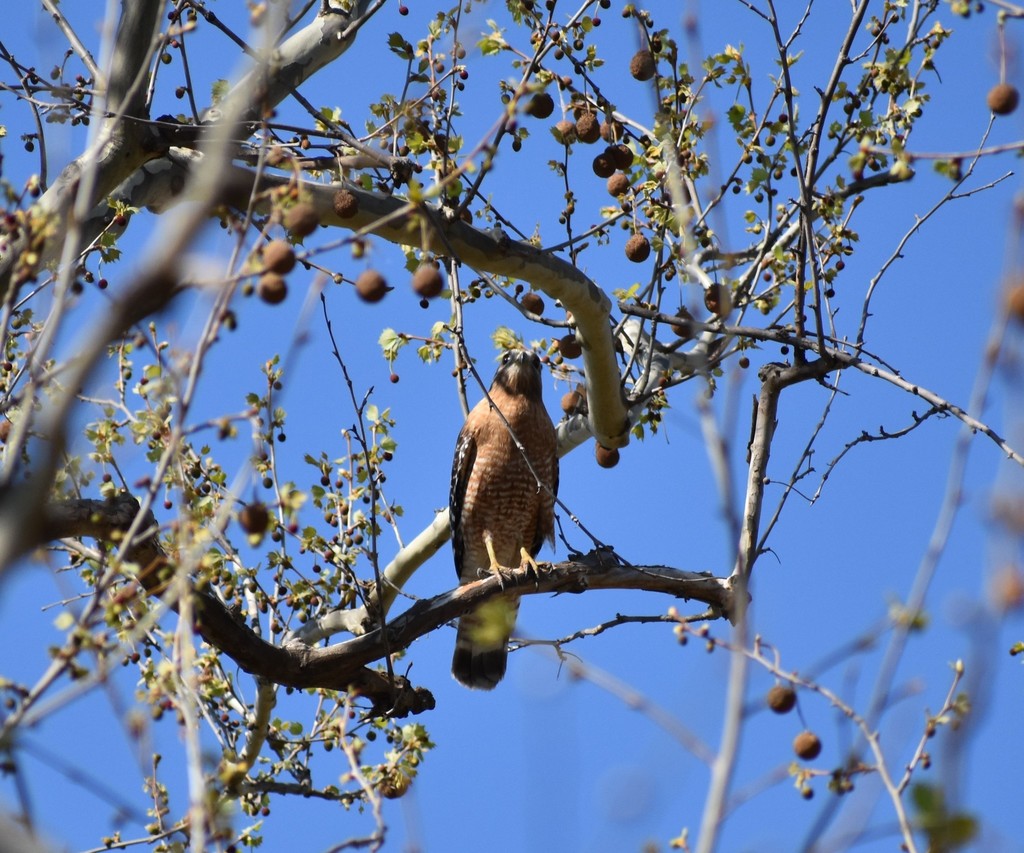
- Red-shouldered HawkButeo lineatus
- Ruby-throated HummingbirdArchilochus colubris
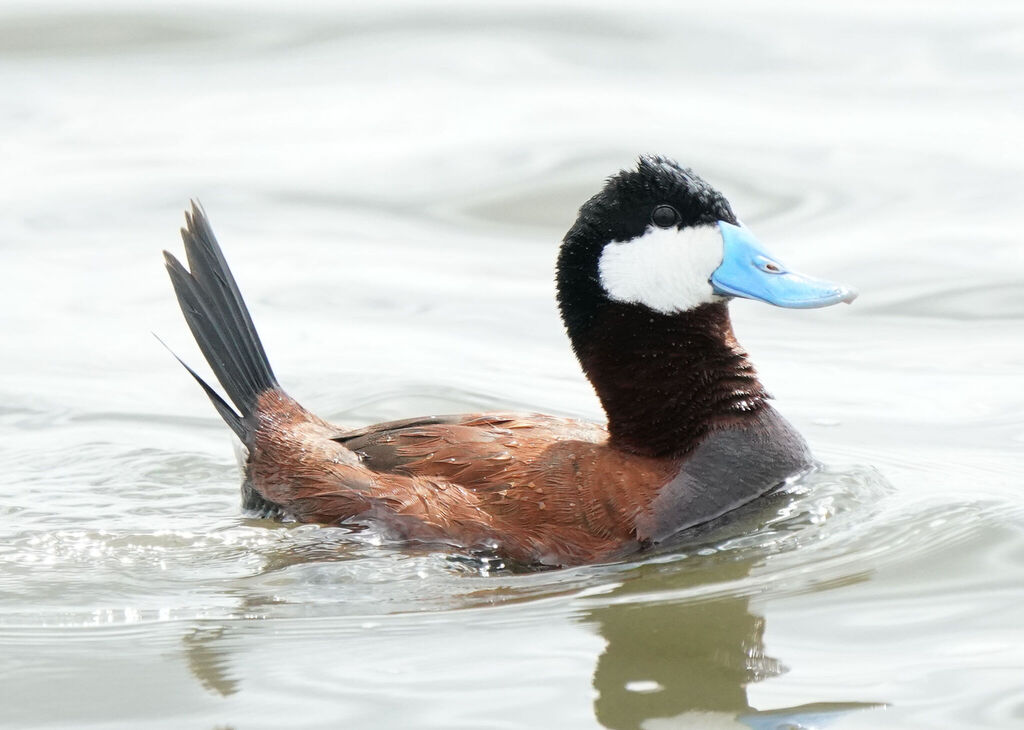
- Ruddy DuckOxyura jamaicensis
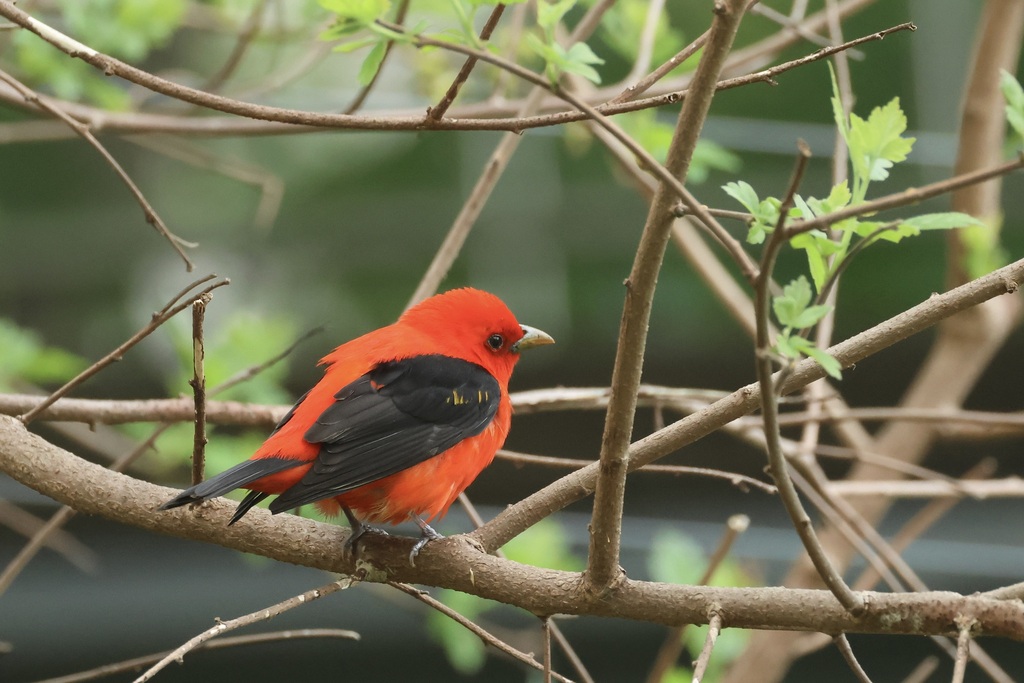
- Scarlet TanagerPiranga olivacea
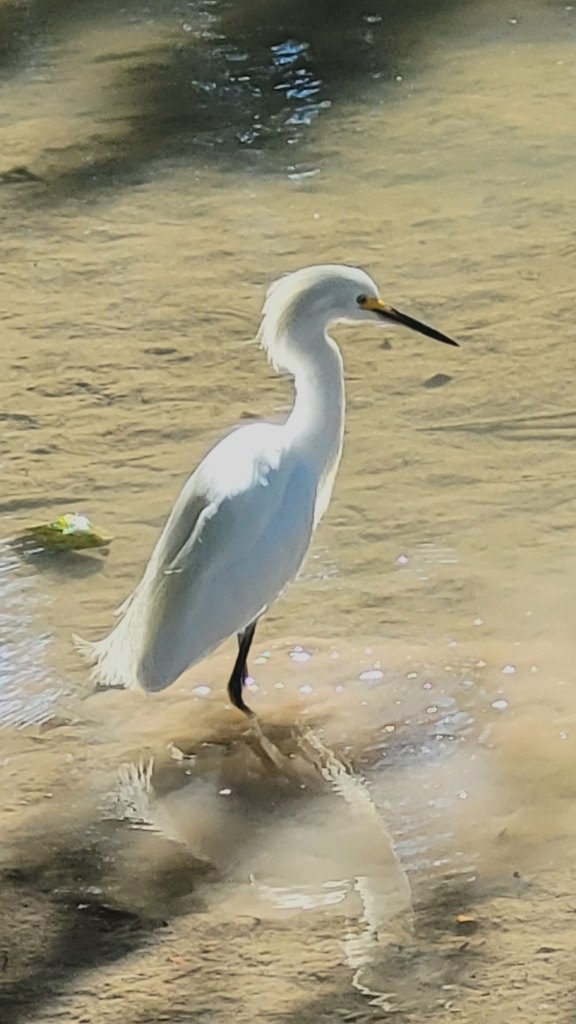
- Snowy EgretEgretta thula
- SoraPorzana carolina
- Swainson's WarblerLimnothlypis swainsonii
- VeeryCatharus fuscescens
- White-eyed VireoVireo griseus












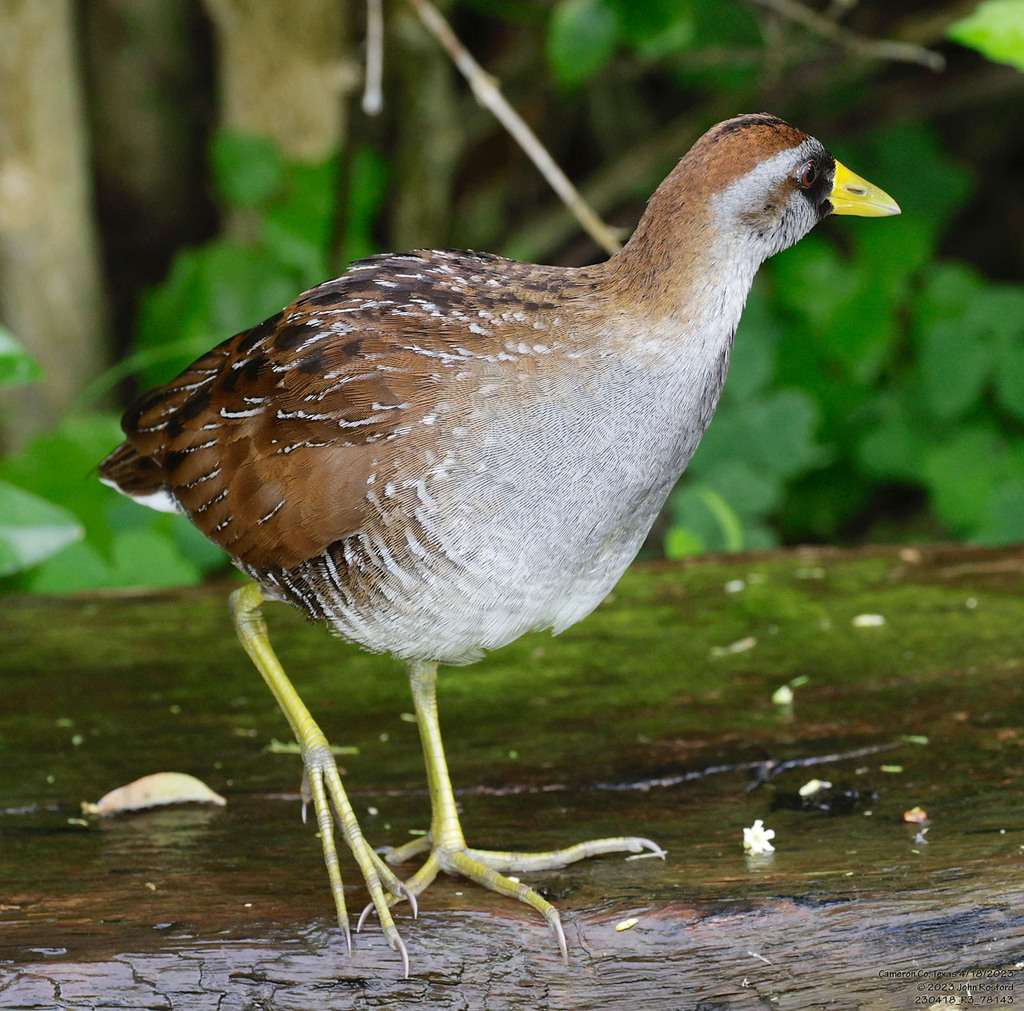
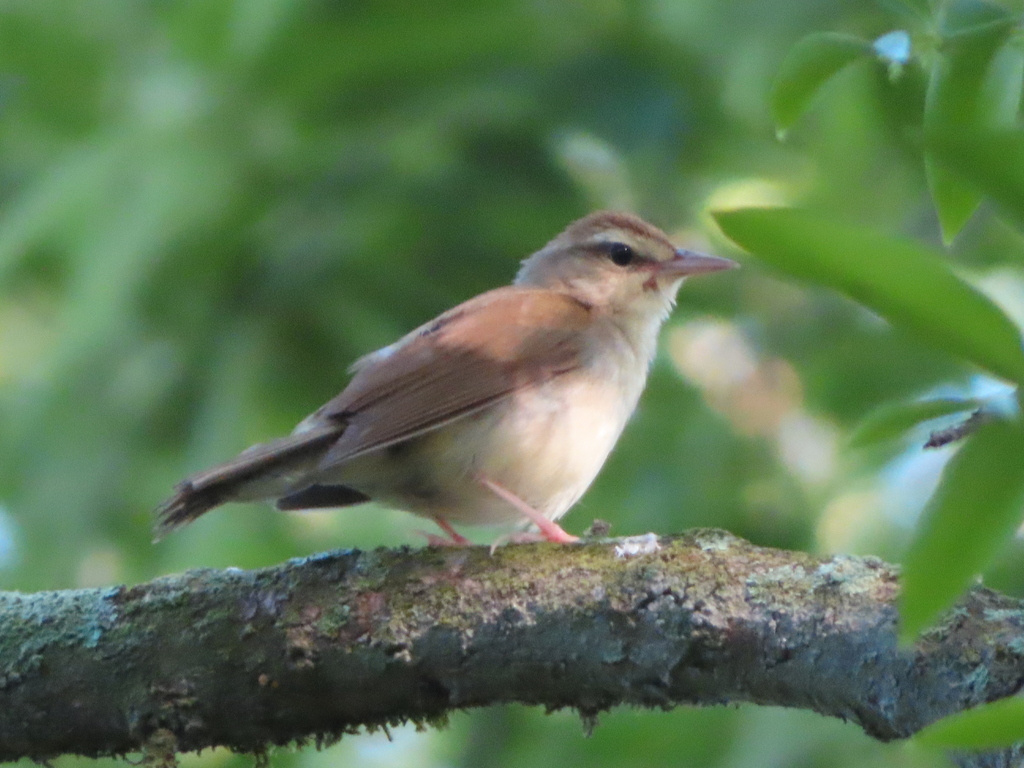
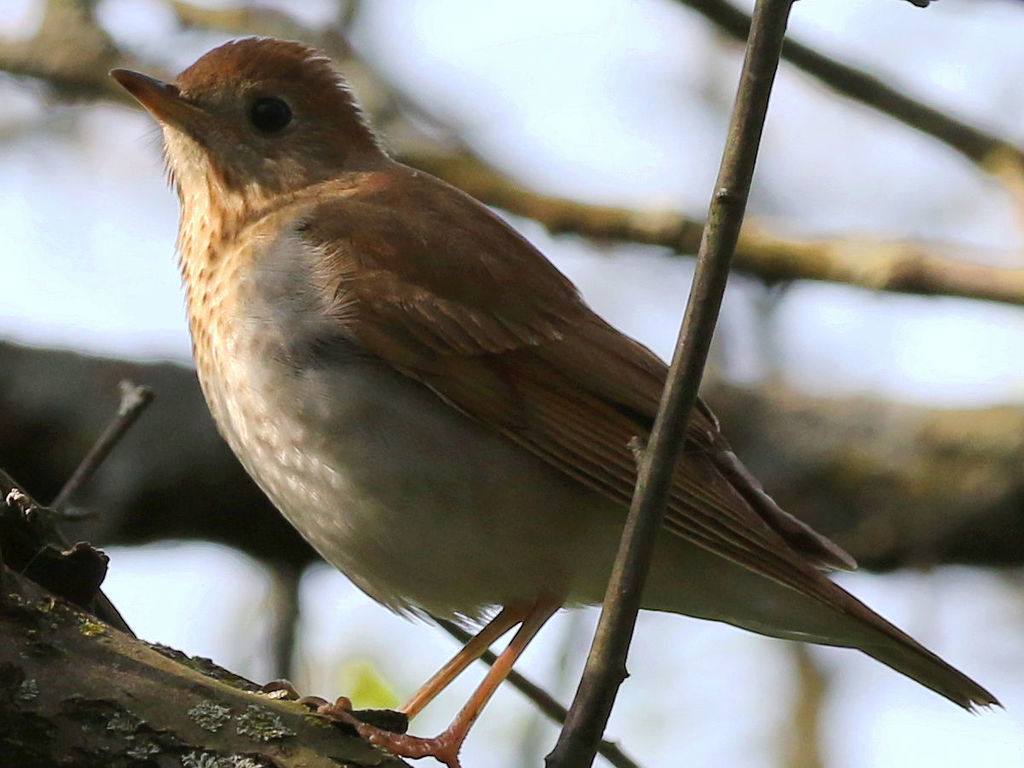


Who uses this plant?
 25CaterpillarsGenus host records with ranges including AL
Genus host records with ranges including AL · Melilotus
- Agrotis venerabilisVenerable Dart, Dusky Cut-Worm
- Anticarsia gemmatalisVelvetbean Caterpillar Moth
- Archips argyrospilaFruit-Tree Leafroller Moth
- Automeris ioIo Moth
- Biston betulariaSalt-and-Pepper Geometer, Cleft-Headed Looper
- Colias eurythemeOrange Sulphur, Alfalfa Butterfly
- Colias philodiceClouded Sulphur, Clover Butterfly
- Cupido comyntasEastern Tailed-Blue
- Dasylophia anguinaBlack-Spotted Prominent
- Estigmene acreaSalt Marsh Moth, Acrea Moth
Show all 25
- Glaucopsyche lygdamusSilvery Blue
- Helicoverpa zeaCorn Earworm Moth
- Hypena scabraGreen Cloverworm Bomolocha, Black Snout
- Nomophila nearcticaLucerne Moth, American Celery Webworm
- Papaipema nebrisStalk Borer
- Platynota flavedanaBlack-Shaded Platynota
- Platynota stultanaOmnivorous Leafroller
- Pleuroprucha insulsariaCommon Tan Wave
- Pyrrharctia isabellaIsabella Tiger Moth, Banded Woolybear
- Scopula inductataSoft-Lined Wave
- Spodoptera frugiperdaFall Armyworm Moth
- Strymon melinusGray Hairstreak
- Synchlora aerataWavy-Lined Emerald, Camouflaged Looper
- Thyridopteryx ephemeraeformisEvergreen Bagworm Moth
- Xenotemna pallorana
 —BeesSoutheastern regional records
 1Specialist beesPollen specialists
Pollen specialists · Melilotus
- Megachile melanophaea
 7BirdsRecorded genus food-resource interactions; not a state feeding claim
Recorded genus food-resource interactions; not a state feeding claim · Melilotus
- Anser albifronsGreater White-fronted Goose
- Antigone canadensisSandhill Crane
- Callipepla californicaCalifornia Quail
- Centrocercus urophasianusGreater Sage-Grouse
- Oreortyx pictusMountain Quail
- Perdix perdixGray Partridge
- Tympanuchus phasianellusSharp-tailed Grouse
Direct food only: birds recorded eating this genus across North America. Caterpillars on host plants also feed nesting birds. NC Native Plant Society: butterfly gardening
Plant details
- Family
- Fabaceae
- Hardiness
- Zones 4b–9b
- Soil pH
- Neutral to alkaline
- Flower color
- Yellow
- Growth rate
- Rapid
- Growth habit
- Single crown
- Foliage color
- Green
- Fruit begins
- Summer
- Fruit ends
- Summer
Safety has not been reviewed for this plant; check toxicity and thorns before planting.
Growing sources and scope
- Bloom · “April to October” · Weakley, Flora of the Southeastern United States (2025), Carolinas & Georgia edition (ranked first; USDA PLANTS differs) · Carolinas and Georgia
- Flower color · “Yellow” · NC Extension Plant Toolbox
- Foliage color · “Green” · USDA PLANTS · Nationwide species characteristics; local growing conditions may vary
- Fruit begins · “Summer” · USDA PLANTS · Nationwide species characteristics; local growing conditions may vary
- Fruit ends · “Summer” · USDA PLANTS · Nationwide species characteristics; local growing conditions may vary
- Growth habit · “Single crown” · USDA PLANTS · Nationwide species characteristics; local growing conditions may vary
- Growth rate · “Rapid” · USDA PLANTS · Nationwide species characteristics; local growing conditions may vary
- Hardiness · “Zones 4b–9b” · NC Extension Plant Toolbox
- Height · “1–3 feet” · NC Extension Plant Toolbox (ranked first; USDA PLANTS, Minnesota Wildflowers differ)
- Life cycle · “Annual” · NC Extension Plant Toolbox (ranked first; Minnesota Wildflowers differs)
- Light · “Full sun (6 or more hours of direct sunlight a day)” · NC Extension Plant Toolbox
- primary_flower_color · “yellow” · USDA PLANTS
- Soil · “Moist; Occasionally dry” · NC Extension Plant Toolbox
- Soil pH · “Neutral to alkaline” · NC Extension Plant Toolbox
- Spread · “1–3 feet” · NC Extension Plant Toolbox
Also known as
Yellow Melilot; Yellow Sweet Clover
Conservation status
| Alabama rank | SNA |
|---|---|
| Global rank | GNR |
| AL status | Not verified |
| Federal status | Not verified |
Sources
- Alabama Plant Atlas
- USDA PLANTS
- Weakley, Flora of the Southeastern United States (2025), Carolinas & Georgia edition
- NatureServe Explorer
- Shropshire & Tallamy 2025, Lepidoptera of North America north of Mexico, ZooKeys 1261 (ODbL)
- Noori, Seltmann & Orr 2026, A curated and integrated dataset for exploring global bee-plant interactions (GloBI), Zenodo, CC BY 4.0
- Smith, Bachelder, Russell, Morales, Mosher & Seltmann 2024, Bee-Specialization-Modeling v0.6.1 (specialist host table compiled from J. Fowler's pollen specialist bee lists), Zenodo, CC BY 4.0
- Hurlbert, Olsen, Sawyer & Winner 2021, Avian Diet Database, Scientific Data 8: 260 (CC0)
- Narango, Tallamy & Shropshire 2020, Few keystone plant genera support the majority of Lepidoptera species, Nature Communications