

Ludwigia spathulata
Ludwigia spathulata
Found in sinkhole ponds, cypress-gum ponds, depression meadows, boggy shores. Weakley, Flora of the Southeastern United States (2025), South Central edition What its natural habitat tells you
Native to Alabama. How scores work Is it native here?
Profile 35%
- Soil moisture
- Moist to wet
No photograph yet. Looking for an old drawing…
Rare or protected plant. Specialist conservation planting; excluded from routine garden suggestions. Plant caution source
Hidden from default planting suggestions. Wildlife value and native status remain unchanged.
At a glance
Not yet recorded · Height · Spread · Light · Life cycle · Leaves · Bloom
This plant is missing most of its facts, so Quercus is looking them up in old botany books.
Recorded in 6 Alabama counties.
Natural habitats
Places it grows wild. Not a planting requirement. Each habitat page lists the plants and wildlife also found there.

Ponds and wet depressions in limestone sinkholes of the interior valleys and plateaus (karst), separate from the Coastal Plain's limesink ponds.
Open, wet, grassy or sedgy ground that is not a bog.
Also found with this plant
Wildlife whose habitat models include habitats this plant grows in, in Alabama. Shared habitat, not food. 106 animals.
- OvenbirdSeiurus aurocapilla
- Red-headed WoodpeckerMelanerpes erythrocephalus
- Spotted SandpiperActitis macularius
- Swainson's WarblerLimnothlypis swainsonii
- Swamp SparrowMelospiza georgiana
- Tree SwallowTachycineta bicolor
- White-breasted NuthatchSitta carolinensis
- White-throated SparrowZonotrichia albicollis
- White-winged DoveZenaida asiatica
- Wood ThrushHylocichla mustelina



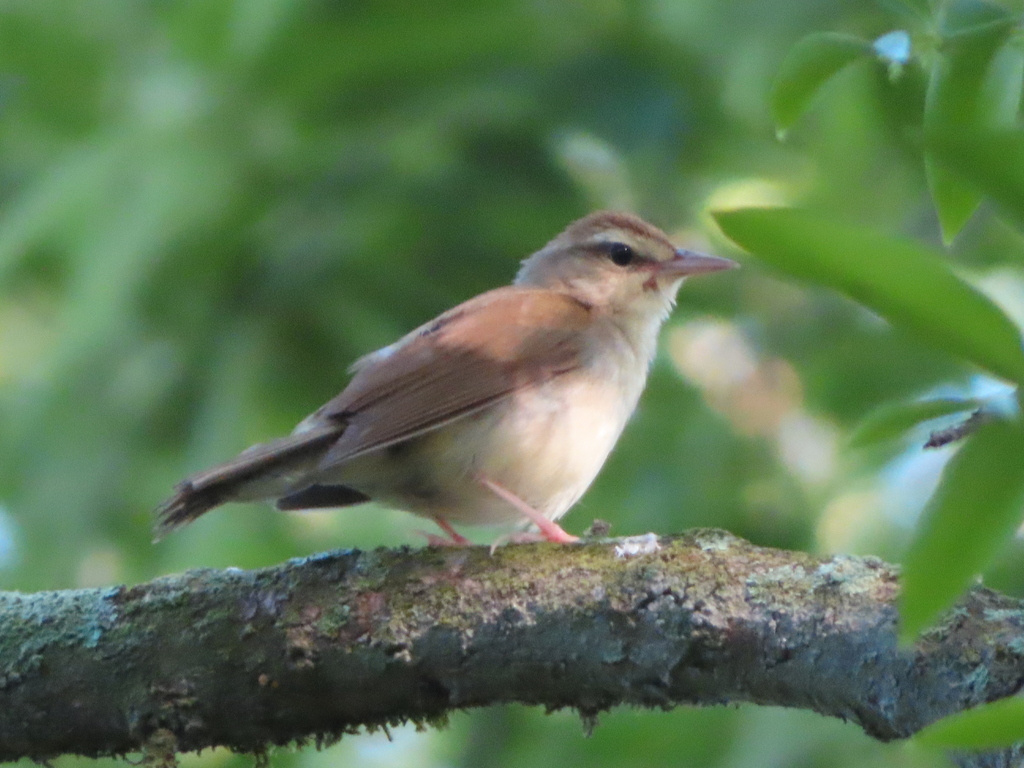
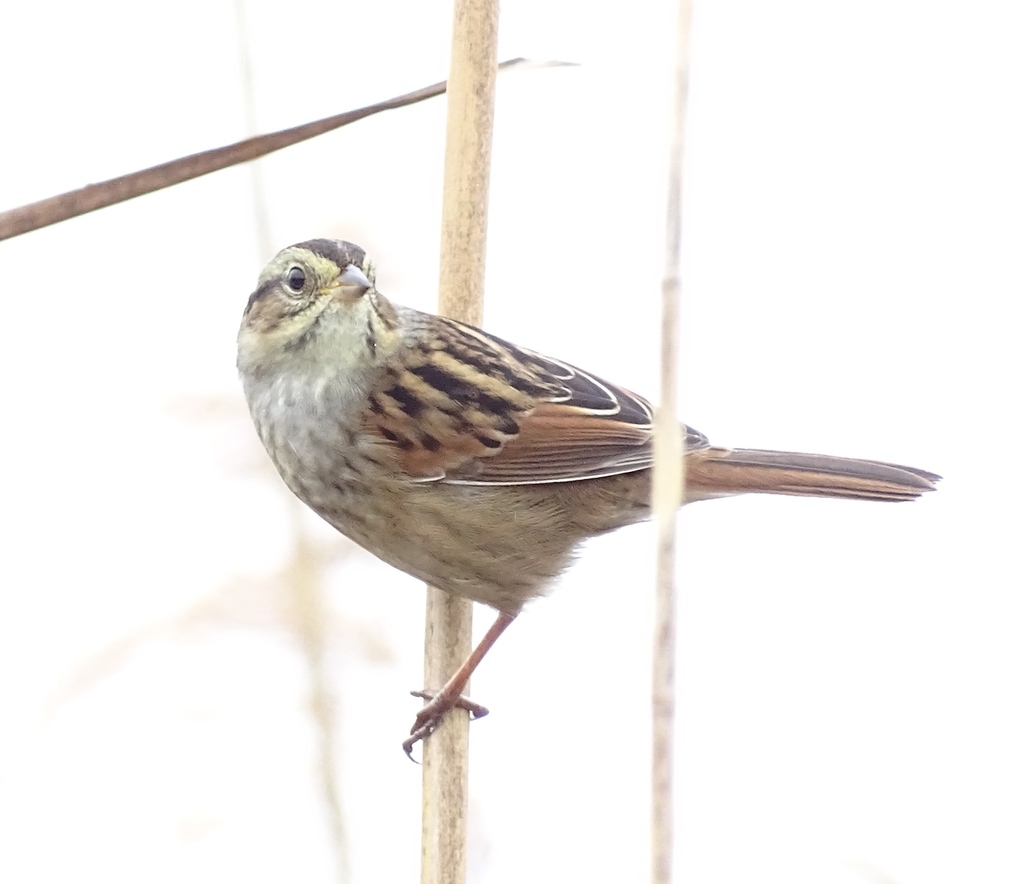


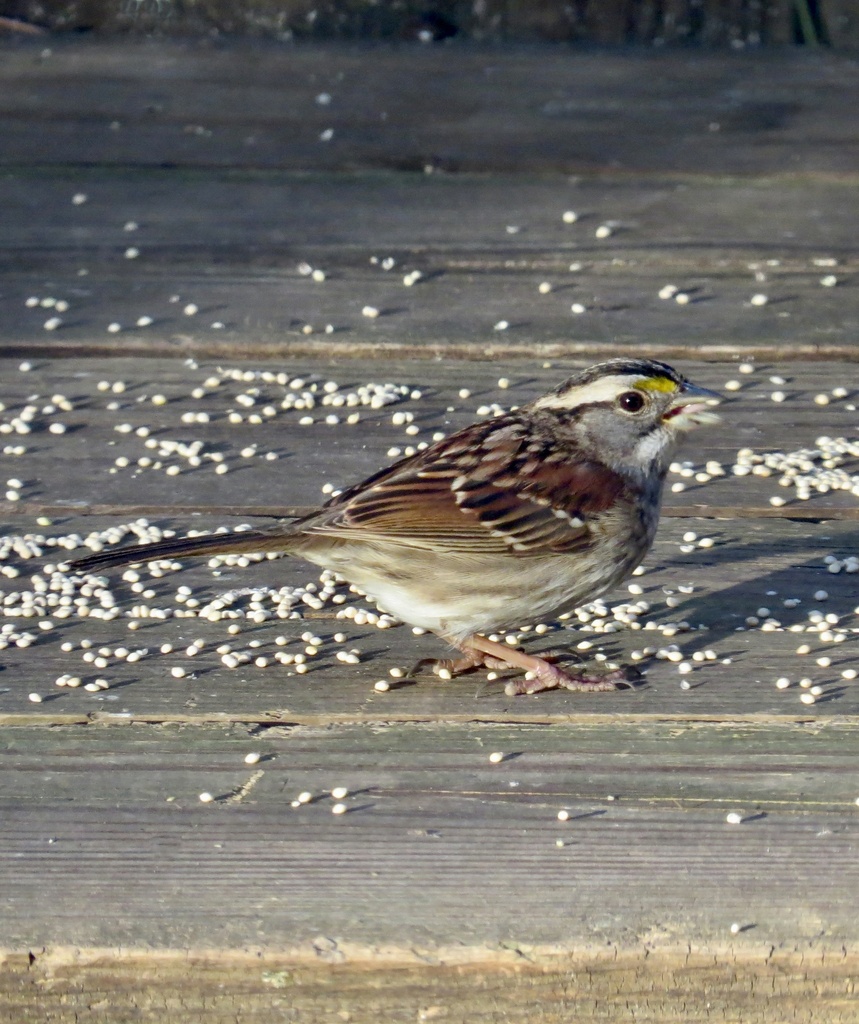
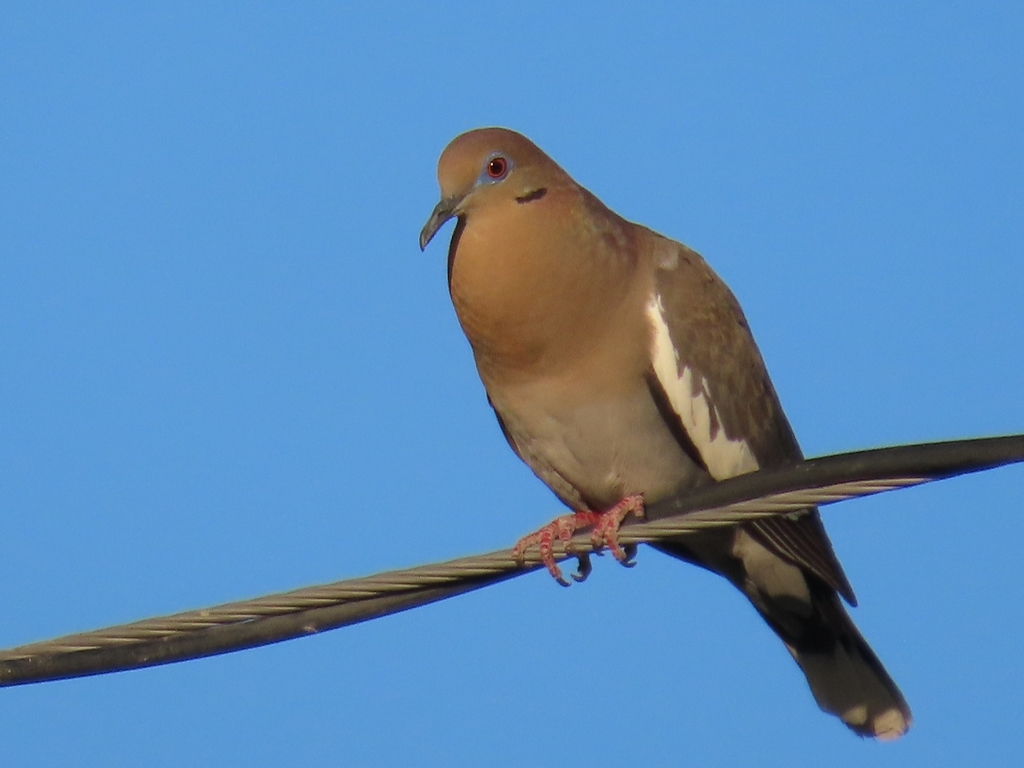

Who uses this plant?
 8CaterpillarsGenus host records with ranges including AL
Genus host records with ranges including AL · Ludwigia
- Alypia wittfeldiiWittfeld's Forester Moth
- Elophila gyralisWaterlily Borer Moth
- Eudryas unioPearly Wood-Nymph
- Eumorpha fasciatusBanded Sphinx
- Junonia coeniaCommon Buckeye
- Langessa nomophilalisBlack Langessa
- Nematocampa resistariaFilament Bearer, Horned Spanworm Moth
- Parapoynx seminealisFloating-Heart Waterlilly Moth, Waterlily Casebearer
 32BeesSoutheastern regional records
Southeastern regional records · Ludwigia
Individual names are not available yet.
Noori, Seltmann & Orr 2026, A curated and integrated dataset for exploring global bee-plant interactions (GloBI), Zenodo, CC BY 4.0 0Specialist beesPollen specialists
 4BirdsRecorded genus food-resource interactions; not a state feeding claim
Recorded genus food-resource interactions; not a state feeding claim · Ludwigia
- Aix sponsaWood Duck
- Fulica americanaAmerican Coot
- Gallinula galeataCommon Gallinule
- Porzana carolinaSora
Direct food only: birds recorded eating this genus across North America. Caterpillars on host plants also feed nesting birds. NC Native Plant Society: butterfly gardening
No records yet · Ants · Beetles · Flies · Adult butterflies / moths · Other wasps · Other insects
Plant details
- Family
- ONAGRACEAE
Conservation status
| Alabama rank | S1S2 |
|---|---|
| Global rank | Not available |
| AL status | Not verified |
| Federal status | Not verified |
Will it fit your yard?
Check this plant against your county, sun and soil moisture. Conditions are checked in your browser.
Sources
- Alabama Plant Atlas
- Weakley, Flora of the Southeastern United States (2025), South Central edition
- NatureServe Explorer
- Shropshire & Tallamy 2025, Lepidoptera of North America north of Mexico, ZooKeys 1261 (ODbL)
- Noori, Seltmann & Orr 2026, A curated and integrated dataset for exploring global bee-plant interactions (GloBI), Zenodo, CC BY 4.0
- Smith, Bachelder, Russell, Morales, Mosher & Seltmann 2024, Bee-Specialization-Modeling v0.6.1 (specialist host table compiled from J. Fowler's pollen specialist bee lists), Zenodo, CC BY 4.0
- Hurlbert, Olsen, Sawyer & Winner 2021, Avian Diet Database, Scientific Data 8: 260 (CC0)
- Narango, Tallamy & Shropshire 2020, Few keystone plant genera support the majority of Lepidoptera species, Nature Communications