

Glossy Privet
Ligustrum lucidum
Found in disturbed places. FloraQuest, phone app (app page) What its natural habitat tells you
Not native to Alabama. How scores work Is it native here?
Profile 76%
- Height
- 15–50 feet
- Spread
- 8–15 feet
- Light
- Full sun, Partial shade
- Soil moisture
- Dry to moist
No photograph yet. Looking for an old drawing…
Do not plant. Listed invasive in Alabama.
Plant this instead
Choose your county to list local plants first.
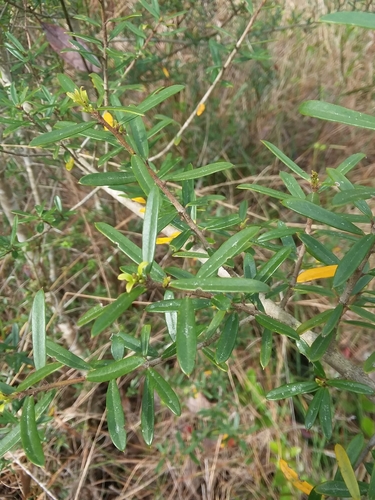
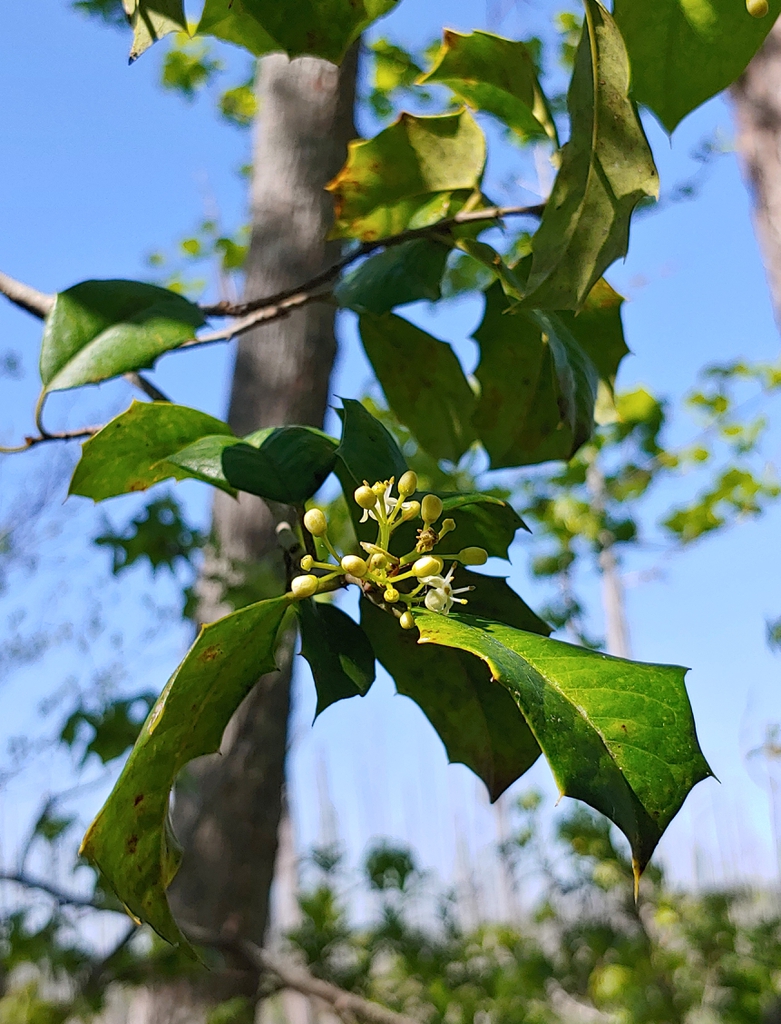
No recorded swaps for this county. Try the garden finder.
At a glance
- Life cycle
- Woody perennial
- Leaves
- Evergreen
- Bloom
- June to September
Recorded in 31 Alabama counties.
Natural habitats
Places it grows wild. Not a planting requirement. Each habitat page lists the plants and wildlife also found there.
Roadsides, fields and disturbed ground
Ground opened by people: roadsides, old fields, pastures, fencerows and lots.
Who uses this plant?
 31CaterpillarsGenus host records with ranges including AL
Genus host records with ranges including AL · Ligustrum
- Acronicta impletaYellow-Haired Dagger
- Acronicta oblinitaSmeared Dagger
- Aethalura intertextaFour-Barred Gray
- Apantesis naisNais Tiger Moth
- Argyrotaenia velutinanaRed-Banded Leafroller Moth, Jack Pine Tube Moth
- Automeris ioIo Moth
- Callosamia prometheaPromethea Silkmoth, Promethea Moth
- Ceratomia undulosaWaved Sphinx
- Cerma cerinthaTufted Bird-Dropping Moth, Cherry Agate
- Citheronia regalisRoyal Walnut Moth, Hickory Horned Devil
Show all 31
- Dolba hyloeusPawpaw Sphinx
- Eacles imperialisImperial Moth, Imperial Spiny Caterpillar
- Ectropis crepusculariaThe Small Engrailed, Saddleback Looper
- Eupithecia miserulataCommon Eupithacia, Common Pug
- Harrisimemna trisignataHarris's Three-Spot
- Hymenia perspectalisSpotted Beet Webworm
- Hypena scabraGreen Cloverworm Bomolocha, Black Snout
- Hyphantria cuneaFall Webworm
- Manduca rusticaRustic Sphinx
- Orgyia leucostigmaWhite-Marked Tussock Moth
- Paleacrita vernataSpring Cankerworm Moth
- Palpita quadristigmalisFour-Spotted Palpita, Privet Moth
- Paonias myopsSmall-Eyed Sphinx
- Papilio glaucusEastern Tiger Swallowtail
- Podosesia syringaeLilac Borer Moth, Ash Borer
- Sphinx franckiiFranck's Sphinx
- Sphinx kalmiaeFawn Sphinx, Laurel Sphinx
- Spilosoma virginicaVirginian Tiger Moth, Yellow Woolybear Moth, Yellow Bear
- Thyridopteryx ephemeraeformisEvergreen Bagworm Moth
- Astala confederata
- Desmia tages
 —BeesSoutheastern regional records
 —Specialist beesPollen specialists
 —BirdsRecorded genus food-resource interactions; not a state feeding claim
Plant details
- Family
- Oleaceae
- Hardiness
- Zones 7a–10b
- Soil pH
- Alkaline
- Flower color
- White
Safety has not been reviewed for this plant; check toxicity and thorns before planting.
Growing sources and scope
- Bloom · “June to September” · FloraQuest: Carolinas, Georgia (Southeastern Flora Team), phone app (app page) · Carolinas and Georgia
- Flower color · “White” · NC Extension Plant Toolbox
- Hardiness · “Zones 7a–10b” · NC Extension Plant Toolbox
- Height · “15–50 feet” · NC Extension Plant Toolbox
- Leaves · “Evergreen” · NC Extension Plant Toolbox
- Life cycle · “Woody perennial” · NC Extension Plant Toolbox
- Light · “Full sun (6 or more hours of direct sunlight a day); Partial shade (direct sunlight only part of the day, 2-6 hours)” · NC Extension Plant Toolbox
- primary_flower_color · “white” · NC Extension Plant Toolbox
- Soil · “Moist; Occasionally dry; Occasionally wet; Very dry” · NC Extension Plant Toolbox
- Soil pH · “Alkaline” · NC Extension Plant Toolbox
- Spread · “8–15 feet” · NC Extension Plant Toolbox
Conservation status
| Alabama rank | SNA |
|---|---|
| Global rank | G5 |
| AL status | Not verified |
| Federal status | Not verified |
Sources
- Alabama Plant Atlas
- Alabama Invasive Plant Council list
- USDA PLANTS
- FloraQuest: Carolinas, Georgia (Weakley), phone app (app page)
- FloraQuest: South Central (Weakley), phone app (app page)
- NatureServe Explorer
- Shropshire & Tallamy 2025, Lepidoptera of North America north of Mexico, ZooKeys 1261 (ODbL)
- Noori, Seltmann & Orr 2026, A curated and integrated dataset for exploring global bee-plant interactions (GloBI), Zenodo, CC BY 4.0
- Smith, Bachelder, Russell, Morales, Mosher & Seltmann 2024, Bee-Specialization-Modeling v0.6.1 (specialist host table compiled from J. Fowler's pollen specialist bee lists), Zenodo, CC BY 4.0
- Hurlbert, Olsen, Sawyer & Winner 2021, Avian Diet Database, Scientific Data 8: 260 (CC0)
- Narango, Tallamy & Shropshire 2020, Few keystone plant genera support the majority of Lepidoptera species, Nature Communications