

Butternut
Juglans cinerea
Found in moist, nutrient-rich forests. Weakley, Flora of the Southeastern United States (2025), South Central edition What its natural habitat tells you
Native to Alabama. How scores work Is it native here?
Profile 94%
- Height
- 40–60 feet
- Spread
- 40–60 feet
- Light
- Full sun
- Soil moisture
- Usually moist
Space about 30 ft apart from its recorded spread. Enter your bed size for a count
Will it fit your yard?No photograph yet. Looking for an old drawing…
Butternut canker. Butternut canker disease now threatens this tree's continued existence. Plant caution source
Rare or protected plant. Specialist conservation planting; excluded from routine garden suggestions. Plant caution source
Hidden from default planting suggestions. Wildlife value and native status remain unchanged.
At a glance
- Life cycle
- Woody perennial
- Leaves
- Deciduous
- Bloom
- April to May
- Fruiting season
- October
Recorded in 14 Alabama counties.
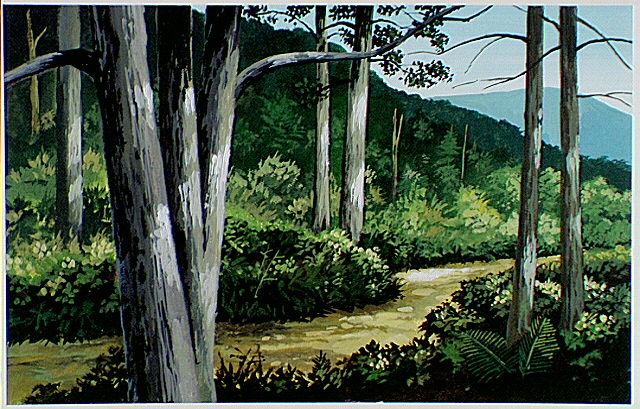
Natural habitats
Places it grows wild. Not a planting requirement. Each habitat page lists the plants and wildlife also found there.
Also found with this plant
Wildlife whose habitat models include habitats this plant grows in, in Alabama. Shared habitat, not food. 132 animals.
- Spotted SandpiperActitis macularius
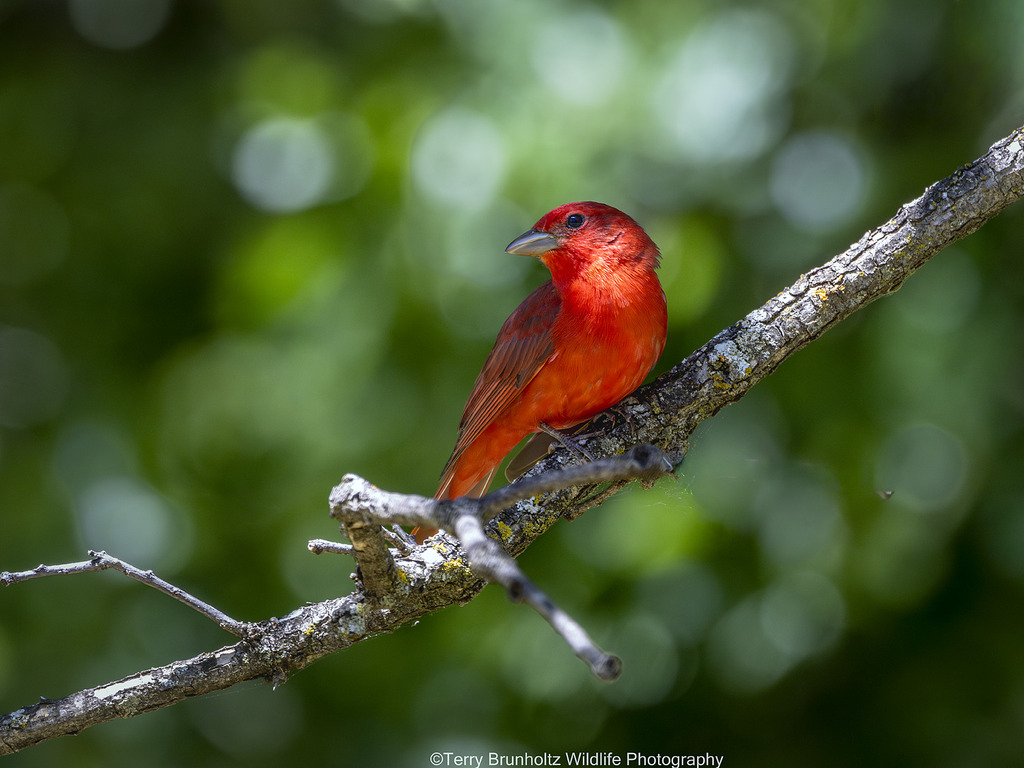
- Summer TanagerPiranga rubra
- Wild TurkeyMeleagris gallopavo
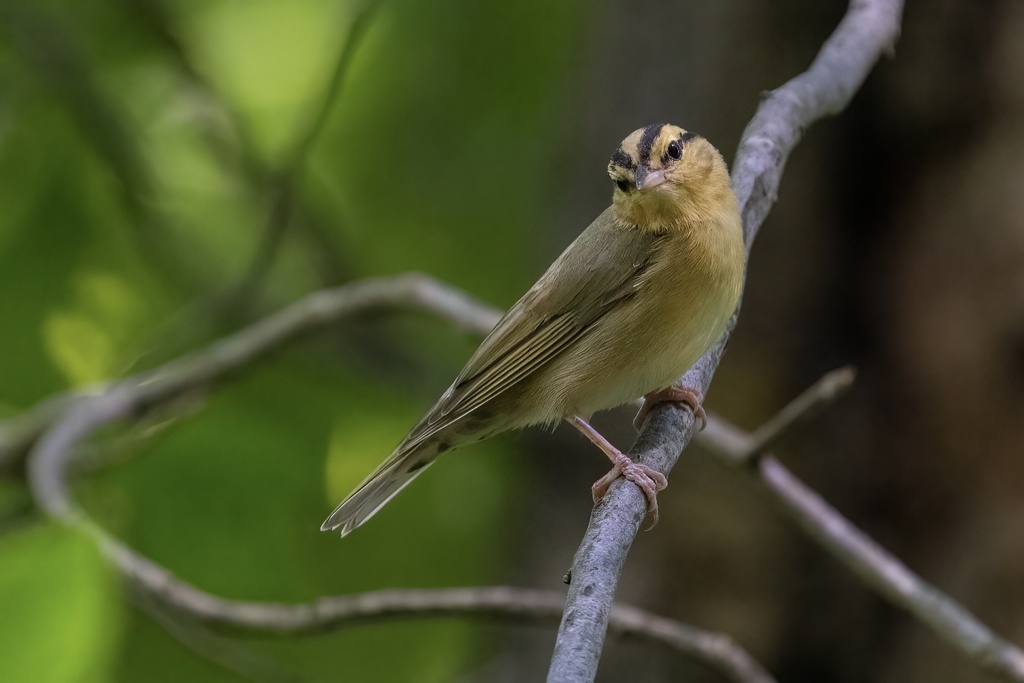
- Worm-eating WarblerHelmitheros vermivorum
- American RedstartSetophaga ruticilla
- American WoodcockScolopax minor
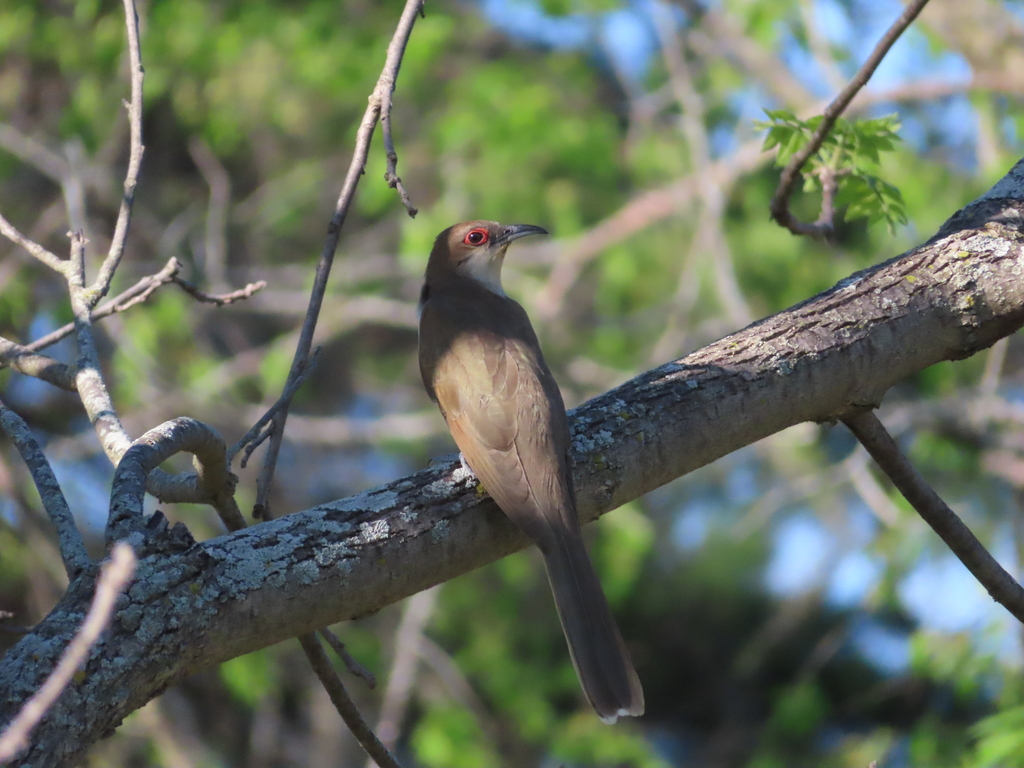
- Black-billed CuckooCoccyzus erythropthalmus
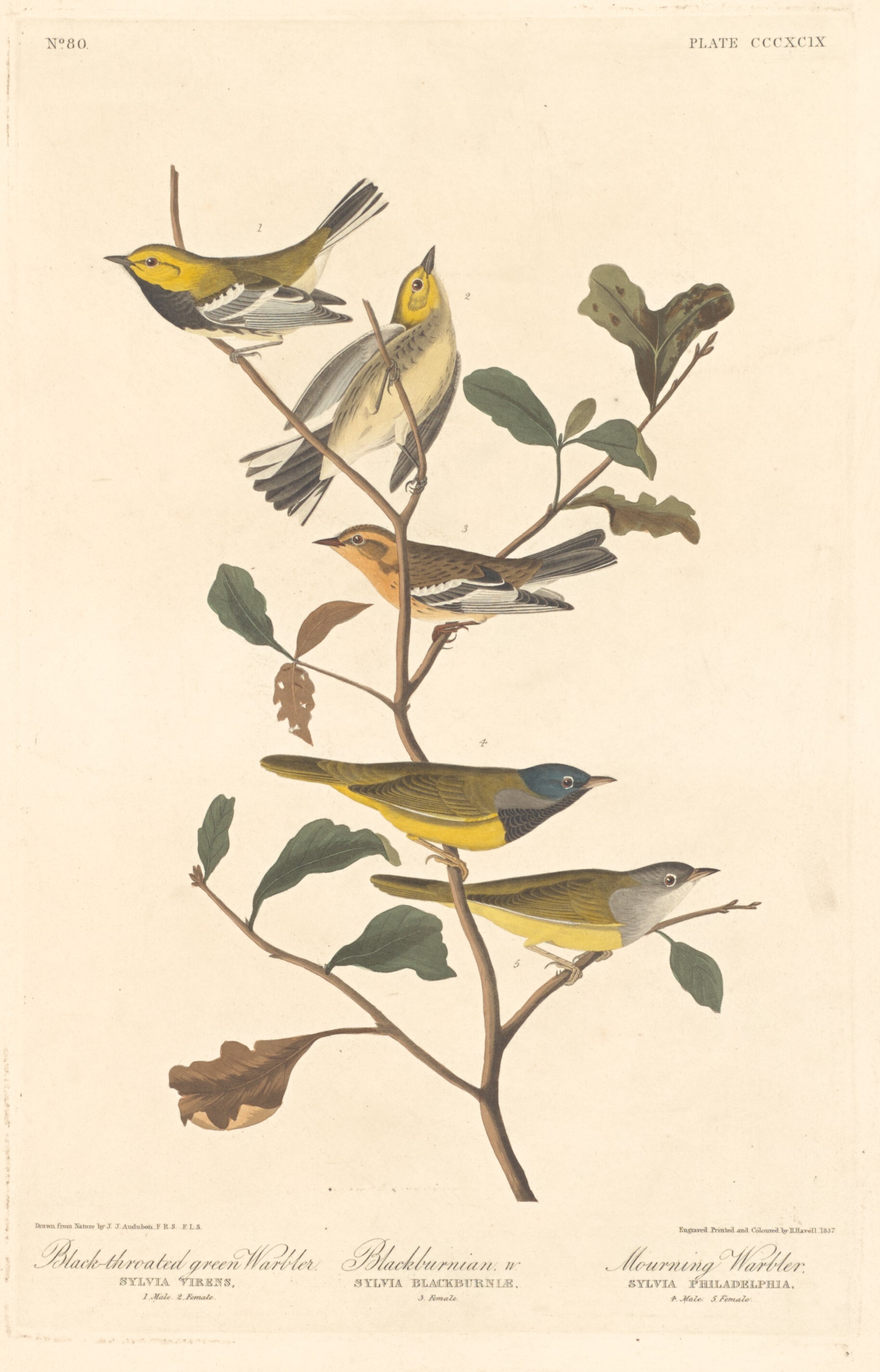
- Black-throated Green WarblerDendroica virens
- Blue-winged WarblerVermivora pinus
- Cerulean WarblerDendroica cerulea
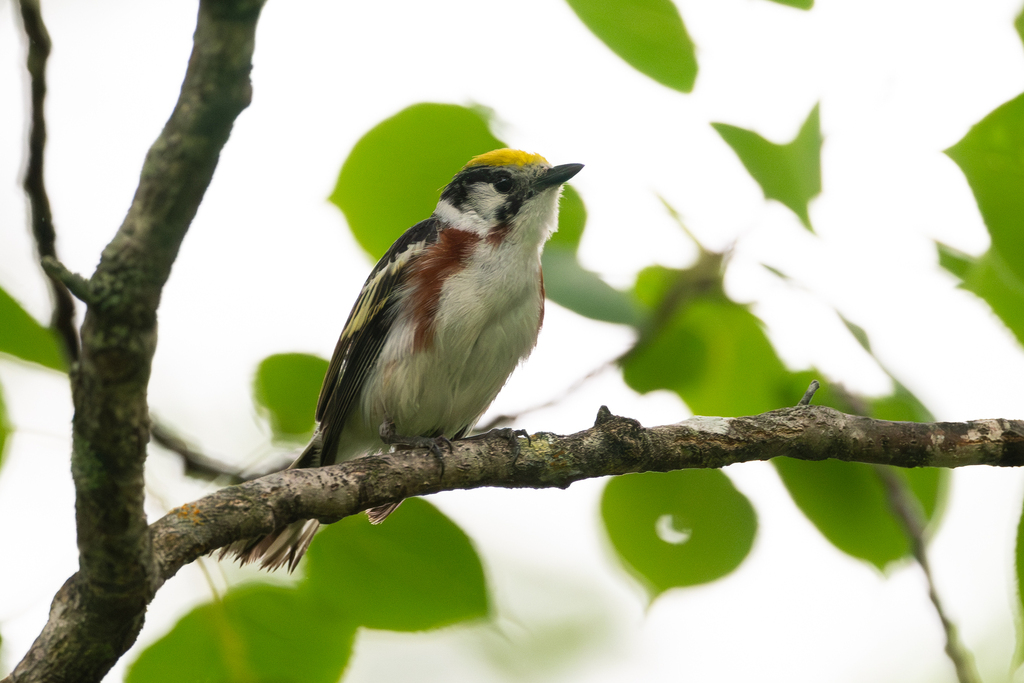
- Chestnut-sided WarblerDendroica pensylvanica
- Dark-eyed JuncoJunco hyemalis
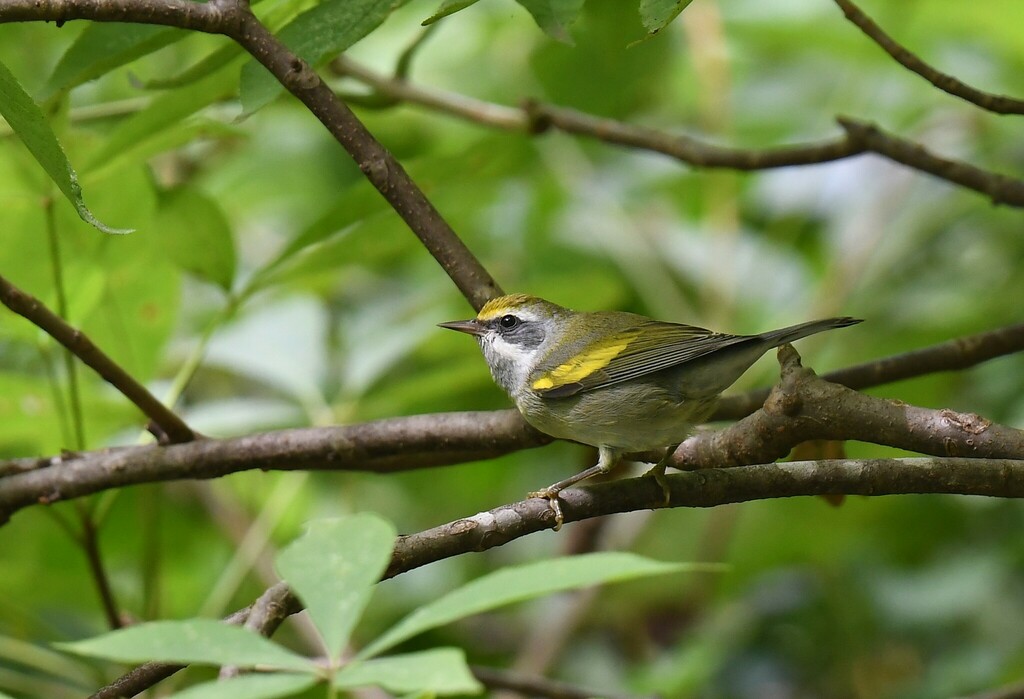
- Golden-winged WarblerVermivora chrysoptera
- Indigo BuntingPasserina cyanea
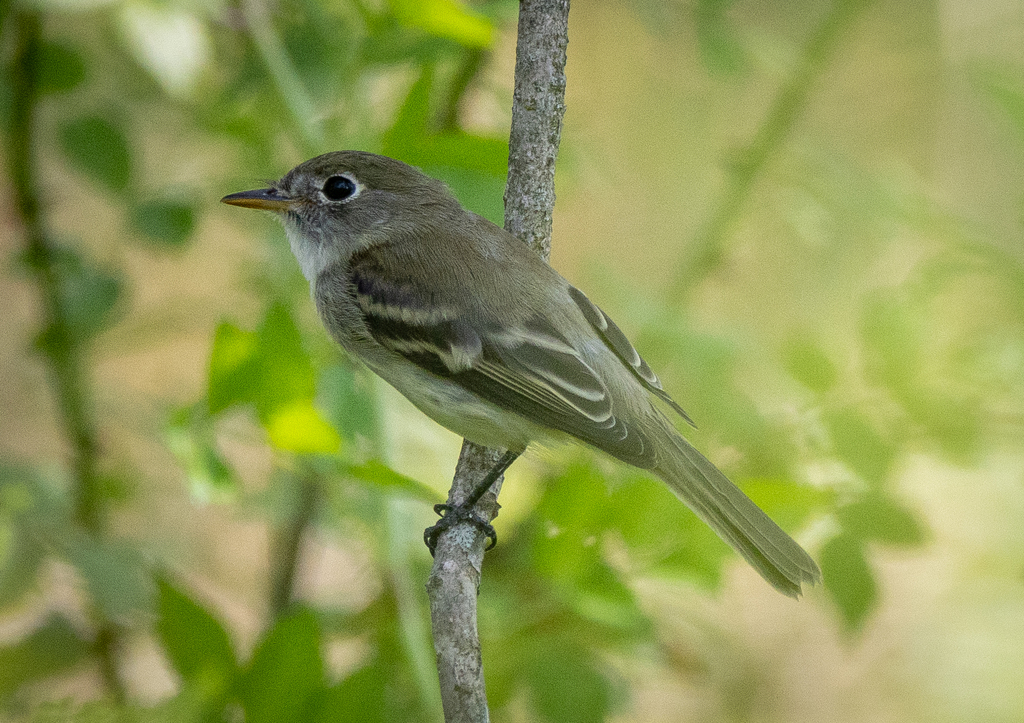
- Least FlycatcherEmpidonax minimus
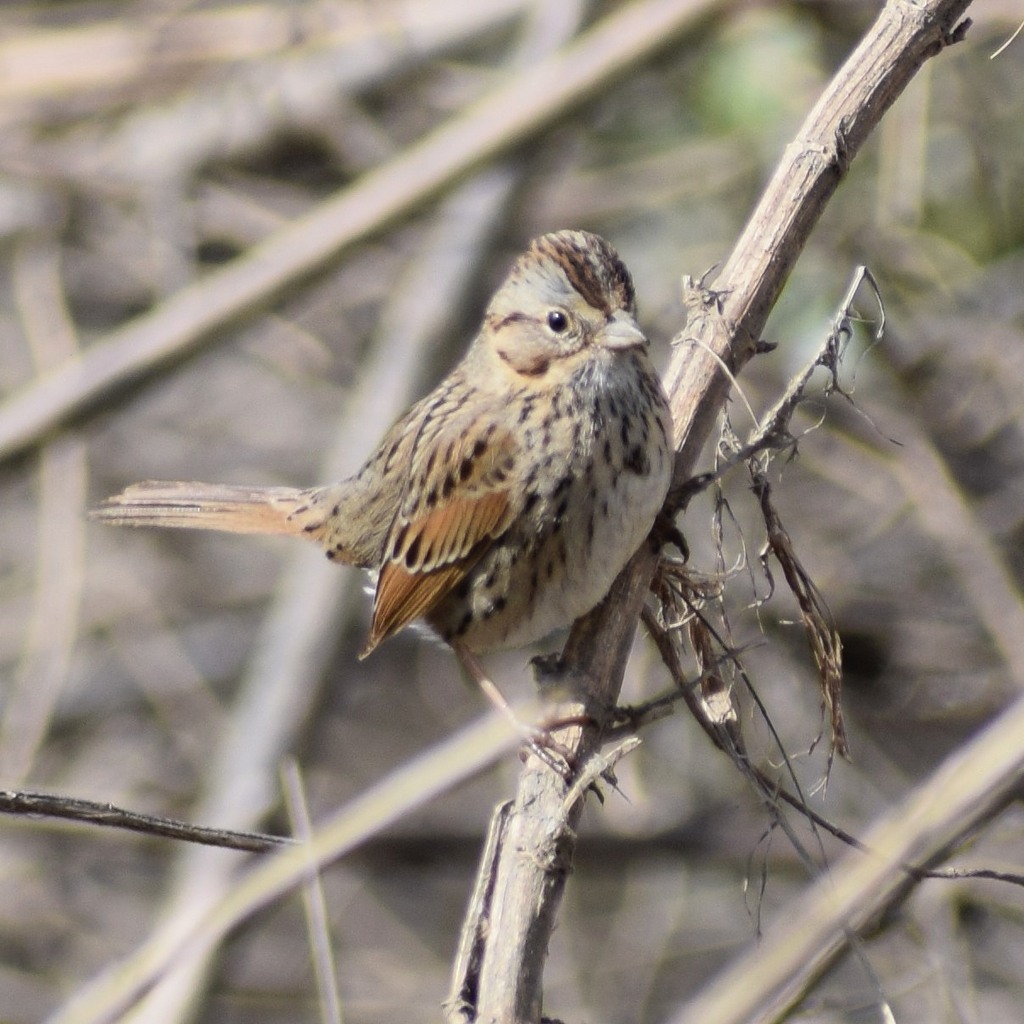
- Lincoln's SparrowMelospiza lincolnii
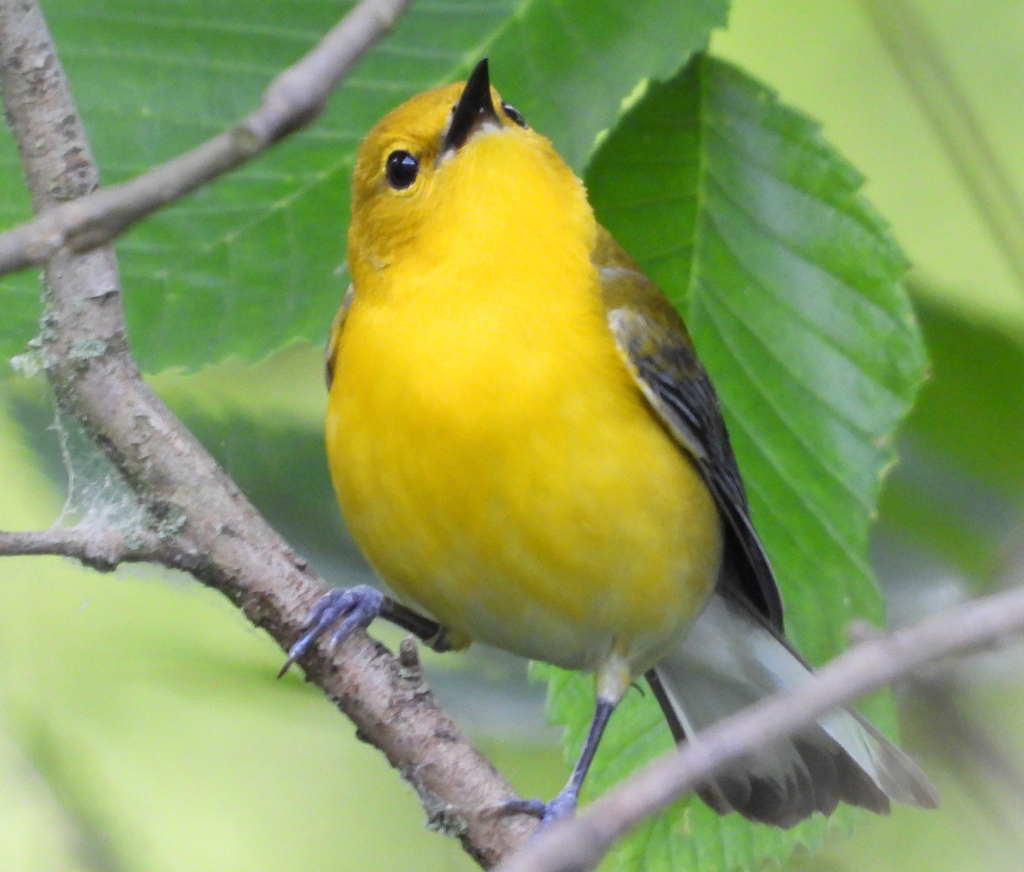
- Prothonotary WarblerProtonotaria citrea
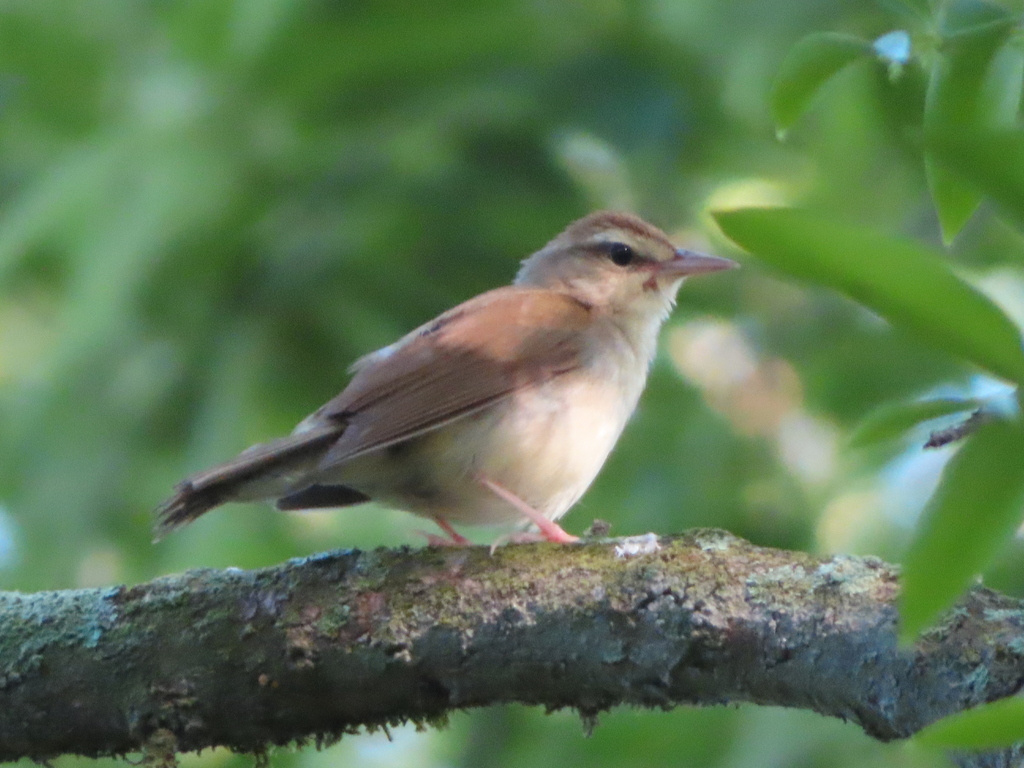
- Swainson's WarblerLimnothlypis swainsonii
- White-eyed VireoVireo griseus
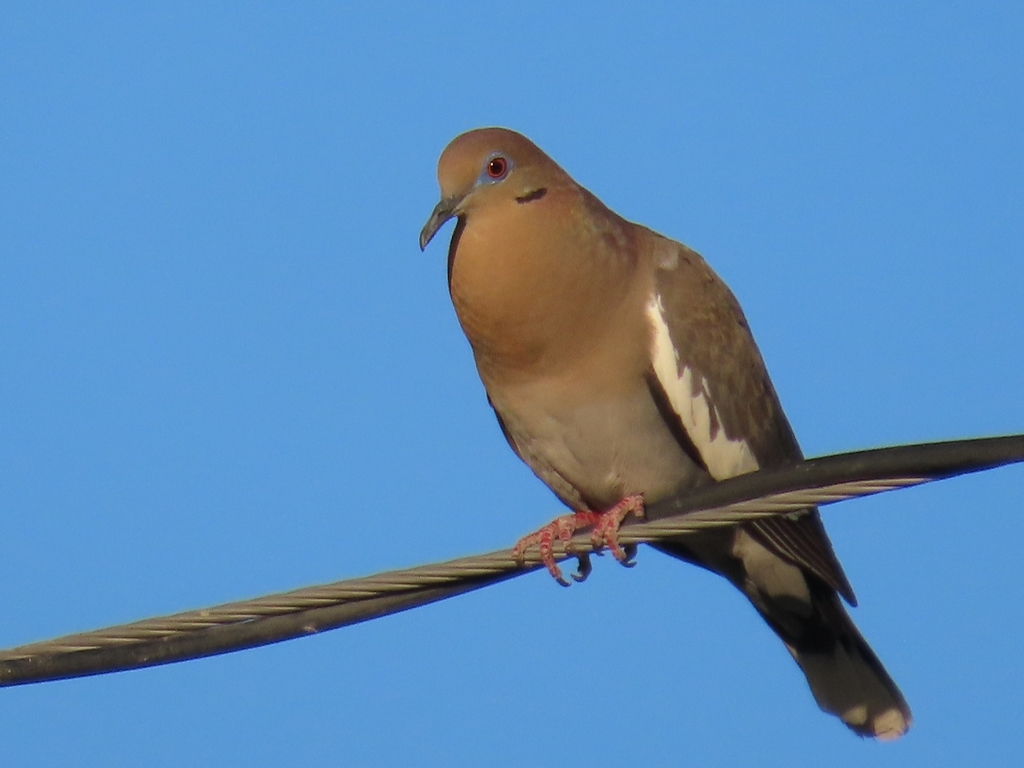
- White-winged DoveZenaida asiatica
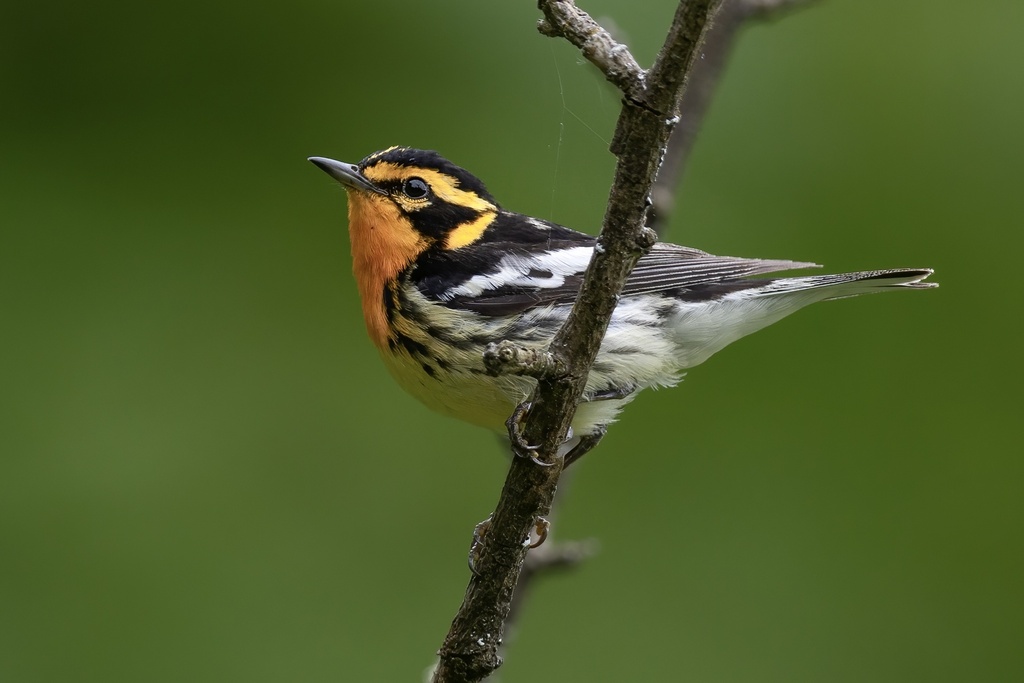
- Blackburnian WarblerDendroica fusca
- Eastern PhoebeSayornis phoebe
- Eurasian Collared-doveStreptopelia decaocto
- Hermit ThrushCatharus guttatus












Who uses this plant?
 123CaterpillarsGenus host records with ranges including AL
Genus host records with ranges including AL · Juglans
- Actias lunaLuna Moth
- Citheronia regalisRegal Moth
- Satyrium calanusBanded Hairstreak
- Abagrotis alternataGreater Red Dart, Mottled Grey Cutworm
- Acharia stimuleaSaddleback Caterpillar Moth
- Achatia distinctaDistinct Quaker
- Acrobasis caryivorellaPecan Nursery Casemaker, Hickory Shoot Moth
- Acrobasis demotellaWalnut Shoot Moth
- Acrobasis juglandisPecan Leaf Casebearer
- Acrobasis stigmellaHickory Bud-and-Shoot Borer
Show all 123
- Acronicta americanaAmerican Dagger
- Acronicta impletaYellow-Haired Dagger
- Acronicta oblinitaSmeared Dagger
- Allotria elonymphaFalse Underwing
- Alsophila pometariaFall Cankerworm Moth
- Amorpha juglandisWalnut Sphinx
- Amphipyra pyramidoidesMiranda Underwing, Copper Underwing, Copper Amphipyra
- Amyelois transitellaNavel Orangeworm
- Anatrachyntis rileyiPink Scavanger Caterpillar
- Antheraea polyphemusPolyphemus Moth
- Apatelodes torrefactaSpotted Apatelodes
- Archips argyrospilaFruit-Tree Leafroller Moth
- Archips infumatanaSmoked Leafroller Moth
- Archips rileyanaSouthern Ugly-Nest Caterpillar Moth
- Argyrotaenia juglandanaHickory Leafroller
- Automeris ioIo Moth
- Baileya australisSmall Baileya
- Baileya dormitansSleeping Baileya
- Baileya levitansPale Baileya
- Baileya ophthalmicaEyed Baileya
- Biston betulariaSalt-and-Pepper Geometer, Cleft-Headed Looper
- Caloptilia blandellaWalnut Caloptilia
- Catocala flebilisMourning Underwing
- Catocala habilisHabilis Underwing
- Catocala innubensThe Betrothed
- Catocala judithJudith's Underwing
- Catocala lacrymosaTearful Underwing
- Catocala maestosaSad Underwing
- Catocala nebulosaClouded Underwing
- Catocala neogamaThe Bride
- Catocala palaeogamaOldwife Underwing
- Catocala piatrixThe Penitent, Penitent Underwing
- Catocala retectaYellow-Grey Underwing
- Catocala robinsoniiRobinson's Underwing
- Catocala serenaSerene Underwing
- Catocala subnataYouthful Underwing
- Catocala viduaWidow Underwing
- Cecrita biundataWavy-Lined Heterocampa
- Cecrita guttivittaMaple Prominent, Saddled Prominent
- Cenopis directanaChokecherry Leafroller Moth
- Chaetaglaea sericeaSilky Sallow
- Coelodasys unicornisUnicorn Caterpillar Moth
- Coleophora laticornellaPecan Cigar Casebearer
- Crocigrapha normaniNorman's Quaker
- Cydia caryanaHickory Shuckworm, Pecan Shuckworm
- Cydia latiferreanaFilbertworm
- Dasychira obliquataStreaked Tussock Moth
- Datana drexeliiDrexel's Datana
- Datana integerrimaWalnut Caterpillar Moth
- Datana ministraYellow-Necked Caterpillar Moth
- Derrima stellataPink Star
- Dichomeris ligulellaPalmerworm
- Dryocampa rubicundaRosy Maple Moth, Green-Striped Mapleworm, Rosy Dryocampa
- Eacles imperialisImperial Moth, Imperial Spiny Caterpillar
- Ectropis crepusculariaThe Small Engrailed, Saddleback Looper
- Egira alternansAlternate Woodling
- Elaphria versicolorVariegated Midget
- Ennomos magnariaMaple Spanworm Moth, Notchwing Geometer
- Ennomos subsignariaElm Spanworm Moth
- Erannis tiliariaLinden Looper Moth, Western Winter Moth, Lime Looper
- Estigmene acreaSalt Marsh Moth, Acrea Moth
- Eupithecia miserulataCommon Eupithacia, Common Pug
- Eupsilia cirripaleaFranclemont's Sallow
- Eupsilia vinulentaStraight-Toothed Sallow
- Eutrapela clematariaCurved-Tooth Geometer, Purplish Brown Looper
- Euzophera semifuneralisAmerican Plum Borer
- Gretchena bollianaPecan Bud Moth
- Halysidota tessellarisBanded Tussock Moth, Pale Tiger Moth
- Haploa leconteiLeconte's Haploa
- Haploa reversaReversed Haploa
- Heterocampa pulvereaWhite-Blotched Heterocampa
- Hyalophora cecropiaCecropia Silkmoth, Cecropia Moth
- Hypagyrtis unipunctataOne-Spotted Variant
- Hypena madefactalisGray-Edged Bomolocha, Gray-Edged Snout
- Hyphantria cuneaFall Webworm
- Iridopsis defectariaBrown-Shaded Gray, Willow Looper
- Iridopsis humariaSmall Purplish Gray
- Isa textulaCrowned Slug
- Lithophane antennataAshen Pinion
- Lochmaeus bilineataDouble-Lined Prominent
- Lochmaeus manteoVariable Oakleaf Caterpillar Moth
- Machimia tentoriferellaGold-Striped Leaftier Moth
- Malacosoma americanaEastern Tent Caterpillar
- Malacosoma disstriaForest Tent Caterpillar
- Melanolophia canadariaCanadian Melanolphia, Variable Redmarked Looper
- Morrisonia confusaConfused Woodgrain
- Nemoria bistriariaTwo-Striped Emerald, Red-Fringed Emerald
- Oedemasia concinnaRed-Humped Caterpillar, Red-Humped Appleworm
- Oedemasia leptinoidesBlack-Blotched Schizura
- Olethreutes inornatanaInornate Olethreutes
- Orgyia leucostigmaWhite-Marked Tussock Moth
- Orthosia garmaniGarman's Quaker
- Paleacrita vernataSpring Cankerworm Moth
- Panopoda rufimargoRed-Lined Panopoda
- Parallelia bistriarisMaple Looper Moth
- Phigalia strigatariaSmall Phigalia, Small Oak Looper
- Phigalia titeaThe Half-Wing Geometer, Spiney Looper, Eastern Oak Looper
- Phobetron pitheciumHag Moth, Monkey Slug
- Platynota stultanaOmnivorous Leafroller
- Prochoerodes lineolaLarge Maple Spanworm Moth
- Prolimacodes badiaSkiff Moth, Skiff Caterpillar
- Psaphida electilisChosen Sallow
- Pyrrhia ciliscaAmerican Bordered Sallow, Noble Sun Moth
- Schizura ipomaeaeMorning-Glory Prominent, Checkered-Fringe Prominent
- Selenia kentariaKent's Geometer
- Spilosoma virginicaVirginian Tiger Moth, Yellow Woolybear Moth, Yellow Bear
- Spodoptera frugiperdaFall Armyworm Moth
- Stigmella juglandifoliellaPecan Serpentine Leafminer
- Sympistis infixaBroad-Lined Sallow
- Tetracis cachexiataWhite Slant-Line
- Dichomeris ventrellus
- Gretchena concitatricana
- Gretchena concubitana
 0BeesSoutheastern regional records
 0Specialist beesPollen specialists
 —BirdsRecorded genus food-resource interactions; not a state feeding claim
No records yet · Ants · Beetles · Flies · Adult butterflies / moths · Other wasps · Other insects
Plant details
- Family
- Juglandaceae
- Hardiness
- Zones 3a–7b
- Soil pH
- Acidic to neutral
- Flower color
- Yellow or green
- Growth rate
- Rapid
- Growth habit
- Single stem
- Foliage color
- Green
- Fruit begins
- October
- Fruit ends
- October
Growing sources and scope
- Bloom · “April to May” · Weakley, Flora of the Southeastern United States (2025), Carolinas & Georgia edition (ranked first; USDA PLANTS differs) · Carolinas and Georgia
- Flower color · “Yellow or green” · NC Extension Plant Toolbox (ranked first; USDA PLANTS differs)
- Foliage color · “Green” · USDA PLANTS · Nationwide species characteristics; local growing conditions may vary
- Fruit begins · “October” · Weakley, Flora of the Southeastern United States (2025), Carolinas & Georgia edition (ranked first; USDA PLANTS differs) · Carolinas and Georgia
- Fruit ends · “October” · Weakley, Flora of the Southeastern United States (2025), Carolinas & Georgia edition (ranked first; USDA PLANTS differs) · Carolinas and Georgia
- Growth habit · “Single stem” · USDA PLANTS · Nationwide species characteristics; local growing conditions may vary
- Growth rate · “Rapid” · USDA PLANTS · Nationwide species characteristics; local growing conditions may vary
- Hardiness · “Zones 3a–7b” · NC Extension Plant Toolbox
- Height · “40–60 feet” · NC Extension Plant Toolbox (ranked first; USDA PLANTS, Minnesota Wildflowers differ)
- Leaves · “Deciduous” · NC Extension Plant Toolbox
- Life cycle · “Woody perennial” · NC Extension Plant Toolbox
- Light · “Full sun (6 or more hours of direct sunlight a day)” · NC Extension Plant Toolbox
- Soil · “Moist” · NC Extension Plant Toolbox
- Soil pH · “Acidic to neutral” · NC Extension Plant Toolbox
- Spread · “40–60 feet” · NC Extension Plant Toolbox
Also known as
White Walnut
Conservation status
| Alabama rank | S1 |
|---|---|
| Global rank | G3 |
| AL status | Not verified |
| Federal status | Not verified |
Will it fit your yard?
Check this plant against your county, sun and soil moisture. Conditions are checked in your browser.
Sources
- Alabama Plant Atlas
- USDA PLANTS
- Vascular Plants of North Carolina (NC Natural Heritage Program)
- Weakley, Flora of the Southeastern United States (2025), Carolinas & Georgia edition
- NatureServe Explorer
- Shropshire & Tallamy 2025, Lepidoptera of North America north of Mexico, ZooKeys 1261 (ODbL)
- Noori, Seltmann & Orr 2026, A curated and integrated dataset for exploring global bee-plant interactions (GloBI), Zenodo, CC BY 4.0
- Smith, Bachelder, Russell, Morales, Mosher & Seltmann 2024, Bee-Specialization-Modeling v0.6.1 (specialist host table compiled from J. Fowler's pollen specialist bee lists), Zenodo, CC BY 4.0
- Hurlbert, Olsen, Sawyer & Winner 2021, Avian Diet Database, Scientific Data 8: 260 (CC0)
- Narango, Tallamy & Shropshire 2020, Few keystone plant genera support the majority of Lepidoptera species, Nature Communications