

Yellow Iris
Iris pseudacorus
Found in swamps, marshes, streams, ponds, streambanks, tidal wetlands, cultivated as a water plant. FloraQuest, phone app (app page) What its natural habitat tells you
Not native to Alabama. How scores work Is it native here?
Profile 65%
- Height
- Single or multiple flowering stems are 20 to 39 inches tall, usually shorter than or equaling leaves [21].
- Light
- Full sun
- Soil moisture
- Moist to standing water
No photograph yet. Looking for an old drawing…
At a glance
- Life cycle
- Perennial
- Bloom
- March to July
- Fruiting season
- Late June to October
Not yet recorded · Spread · Leaves
Recorded in 16 Alabama counties.
Natural habitats
Places it grows wild. Not a planting requirement. Each habitat page lists the plants and wildlife also found there.


Streams, rivers and their banks
Flowing water and its banks, bars and rocky shoals.
Also found with this plant
Wildlife whose habitat models include habitats this plant grows in, in Alabama. Shared habitat, not food. 117 animals.
- Brown ThrasherToxostoma rufum
- Brown-headed CowbirdMolothrus ater
- Canada GooseBranta canadensis
- Carolina ChickadeePoecile carolinensis
- Carolina WrenThryothorus ludovicianus
- Cedar WaxwingBombycilla cedrorum
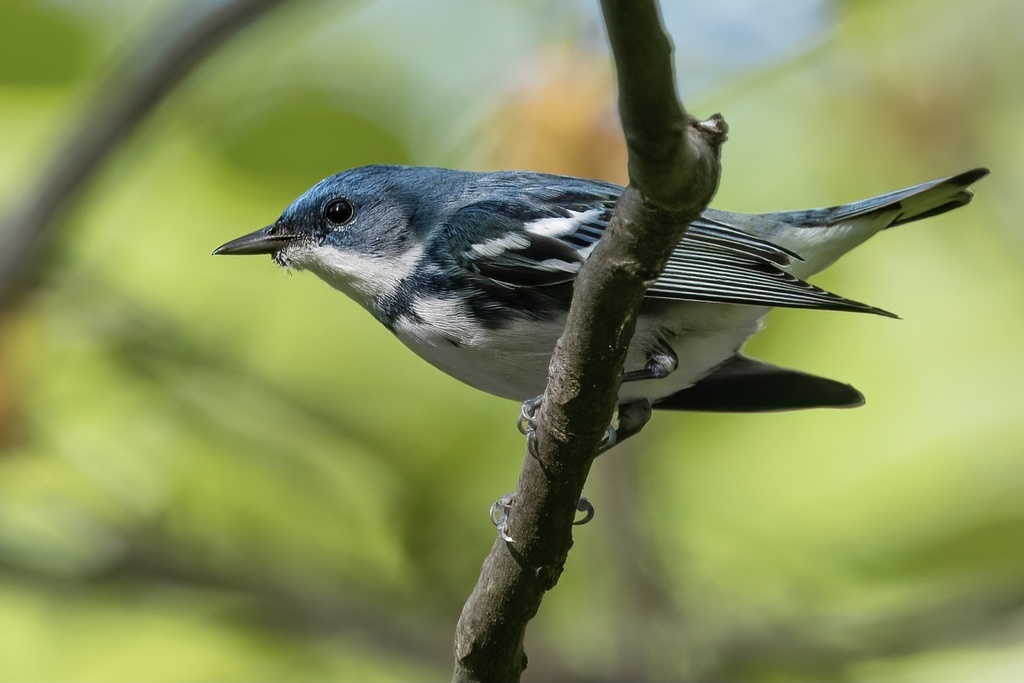
- Cerulean WarblerDendroica cerulea
- Chimney SwiftChaetura pelagica
- Chipping SparrowSpizella passerina
- Cliff SwallowPetrochelidon pyrrhonota
- Common GrackleQuiscalus quiscula
- Common NighthawkChordeiles minor
- Common YellowthroatGeothlypis trichas
- Cooper's HawkAccipiter cooperii
- Double-crested CormorantPhalacrocorax auritus
- Downy WoodpeckerPicoides pubescens
- Eastern KingbirdTyrannus tyrannus
- Eastern PhoebeSayornis phoebe
- Eastern Screech-owlMegascops asio
- Eastern TowheePipilo erythrophthalmus
- Eastern Wood-peweeContopus virens
- Eurasian Collared-doveStreptopelia decaocto
- European StarlingSturnus vulgaris
- Golden-crowned KingletRegulus satrapa























Who uses this plant?
 9CaterpillarsGenus host records with ranges including AL
Genus host records with ranges including AL · Iris
- Endothenia hebesanaVerbena Bud Moth
- Macronoctua onustaIris Border Moth, Iris Root Borer
- Moodna ostrinellaDarker Moodna
- Orgyia leucostigmaWhite-Marked Tussock Moth
- Papaipema cataphractaBurdock Border, Potato-Stalk Borer
- Papaipema nebrisStalk Borer
- Tetracis cachexiataWhite Slant-Line
- Thyridopteryx ephemeraeformisEvergreen Bagworm Moth
- Xanthopastis regnatrixConvict Caterpillar, Spanish Quaker, Spanish Moth
 —BeesSoutheastern regional records
 —Specialist beesPollen specialists
 1BirdsRecorded genus food-resource interactions; not a state feeding claim
Recorded genus food-resource interactions; not a state feeding claim · Iris
- Meleagris gallopavoWild Turkey
Direct food only: birds recorded eating this genus across North America. Caterpillars on host plants also feed nesting birds. NC Native Plant Society: butterfly gardening
Plant details
- Family
- Iridaceae
- Hardiness
- Zones 5a–9b
- Soil pH
- Acidic to neutral
- Flower color
- Yellow
- Fruit begins
- Late June
- Fruit ends
- October
Safety has not been reviewed for this plant; check toxicity and thorns before planting.
Growing sources and scope
- Bloom · “Late March to July” · FloraQuest: Carolinas, Georgia (Southeastern Flora Team), phone app (app page) · Carolinas and Georgia
- Flower color · “Yellow” · NC Extension Plant Toolbox
- Fruit begins · “Late June” · FloraQuest: Carolinas, Georgia (Southeastern Flora Team), phone app (app page) · Carolinas and Georgia
- Fruit ends · “October” · FloraQuest: Carolinas, Georgia (Southeastern Flora Team), phone app (app page) · Carolinas and Georgia
- Hardiness · “Zones 5a–9b” · NC Extension Plant Toolbox
- Height · “Single or multiple flowering stems are 20 to 39 inches (50-100 cm) tall, usually shorter than or equaling leaves [21].” · Fire Effects Information System: Iris pseudacorus (ranked first; Minnesota Wildflowers differs) · Source botanical description; original units and scope retained
- Life cycle · “Perennial” · NC Extension Plant Toolbox
- Light · “Full sun (6 or more hours of direct sunlight a day)” · NC Extension Plant Toolbox
- primary_flower_color · “yellow” · NC Extension Plant Toolbox
- Soil · “Frequent standing water; Moist; Occasionally wet” · NC Extension Plant Toolbox
- Soil pH · “Acidic to neutral” · NC Extension Plant Toolbox
Also known as
Pale Yellow Iris
Conservation status
| Alabama rank | SNA |
|---|---|
| Global rank | GNR |
| AL status | Not verified |
| Federal status | Not verified |
Native alternatives
Find natives for your gardenSources
- Alabama Plant Atlas
- USDA PLANTS
- FloraQuest: Carolinas, Georgia (Weakley), phone app (app page)
- FloraQuest: South Central (Weakley), phone app (app page)
- NatureServe Explorer
- Shropshire & Tallamy 2025, Lepidoptera of North America north of Mexico, ZooKeys 1261 (ODbL)
- Noori, Seltmann & Orr 2026, A curated and integrated dataset for exploring global bee-plant interactions (GloBI), Zenodo, CC BY 4.0
- Smith, Bachelder, Russell, Morales, Mosher & Seltmann 2024, Bee-Specialization-Modeling v0.6.1 (specialist host table compiled from J. Fowler's pollen specialist bee lists), Zenodo, CC BY 4.0
- Hurlbert, Olsen, Sawyer & Winner 2021, Avian Diet Database, Scientific Data 8: 260 (CC0)
- Narango, Tallamy & Shropshire 2020, Few keystone plant genera support the majority of Lepidoptera species, Nature Communications