

Eastern Bloodleaf
Iresine rhizomatosa
Found in Coastal dunes and beaches; forest edges and thickets; Coastal Plain hammocks; maritime forests and thickets; floodplain and bottomland forests; streams, rivers and their banks; forests and woodlands. Weakley, Flora of the Southeastern United States (2025), South Central edition What its natural habitat tells you
Native to Alabama. How scores work Is it native here?
Profile 88%
- Height
- Up to about 3 feet
- Light
- Partial shade, Full shade, Full sun
- Soil moisture
- Dry to wet
No photograph yet. Looking for an old drawing…
At a glance
- Life cycle
- Perennial
- Bloom
- August to October
Not yet recorded · Spread · Leaves
Recorded in 13 Alabama counties.
Natural habitats
Places it grows wild. Not a planting requirement. Each habitat page lists the plants and wildlife also found there.
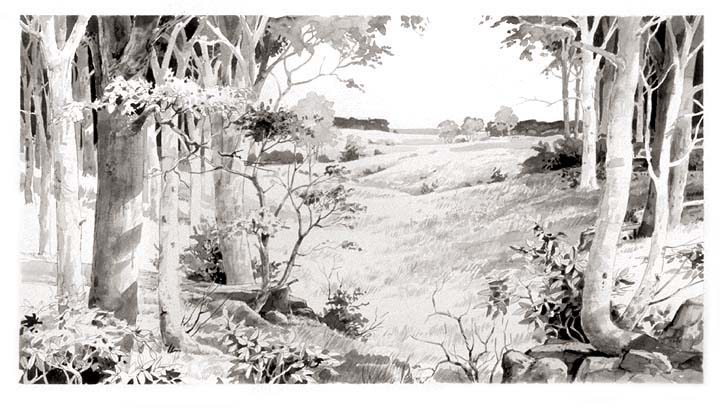

Open sand of beaches, dunes and the hollows between them.
Dense, evergreen groves of live oak, magnolia and other hardwoods in the southern Coastal Plain, from dry oak domes to wet hydric hammocks and south Florida's tropical hammocks; salt-shaped maritime hammocks are maritime forests.
Salt-pruned forests and shrub thickets behind coastal dunes.
Floodplain and bottomland forests
Forests on low ground beside rivers and streams that flood from time to time.
Streams, rivers and their banks
Flowing water and its banks, bars and rocky shoals.
Also found with this plant
Wildlife whose habitat models include habitats this plant grows in, in Alabama. Shared habitat, not food. 123 animals.
- Common GrackleQuiscalus quiscula
- Eastern TowheePipilo erythrophthalmus
- Eastern Wood-peweeContopus virens
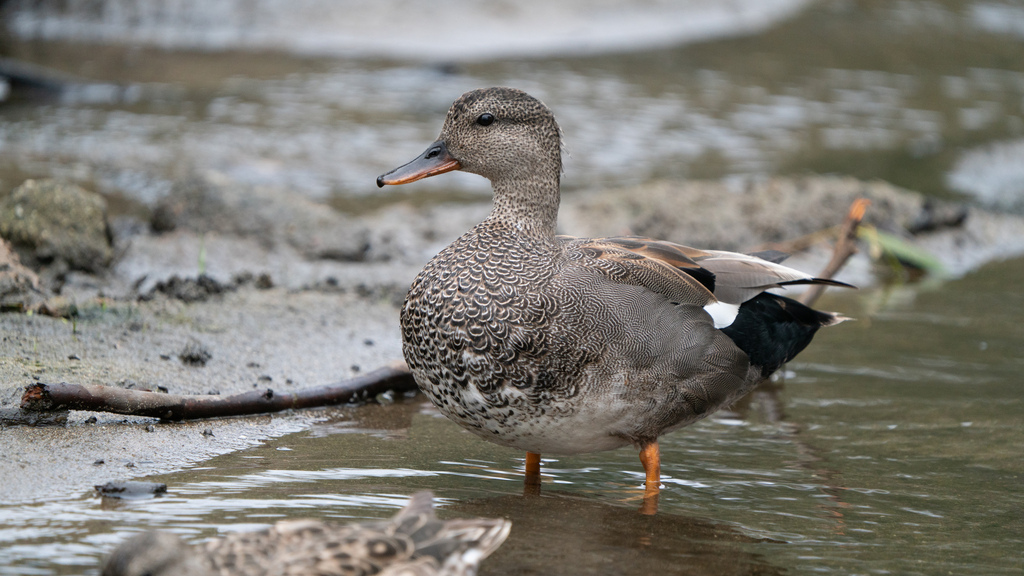
- GadwallAnas strepera
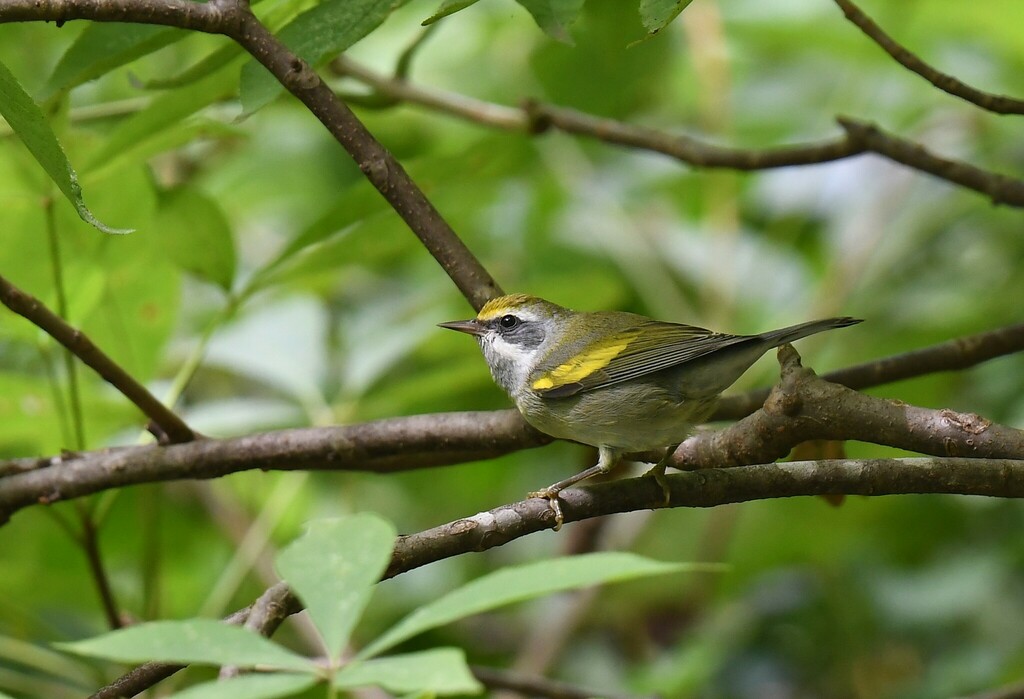
- Golden-winged WarblerVermivora chrysoptera
- Great Crested FlycatcherMyiarchus crinitus
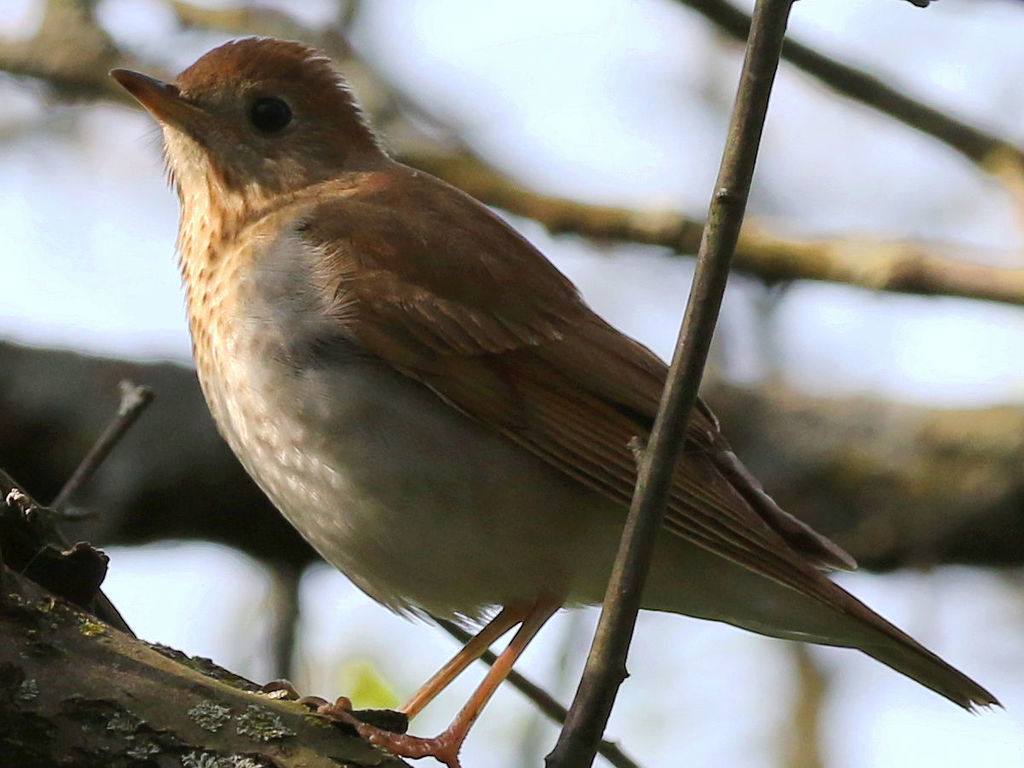
- Hermit ThrushCatharus guttatus
- Hooded WarblerWilsonia citrina
- Indigo BuntingPasserina cyanea
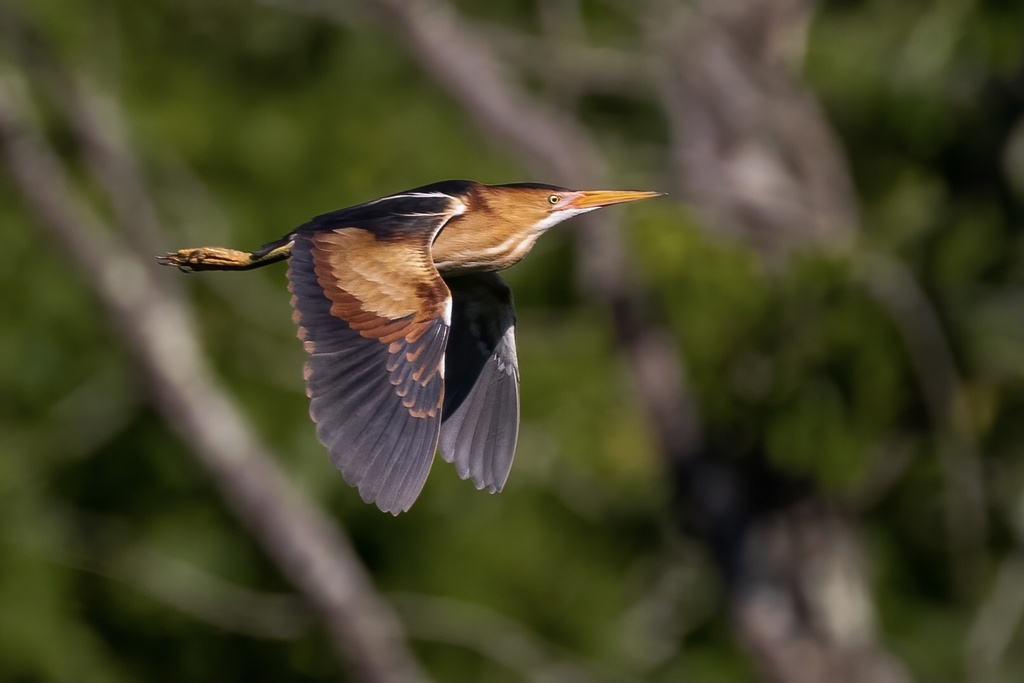
- Least BitternIxobrychus exilis
- Least FlycatcherEmpidonax minimus
- Orchard OrioleIcterus spurius
- OvenbirdSeiurus aurocapilla
- Pileated WoodpeckerDryocopus pileatus
- Red-bellied WoodpeckerMelanerpes carolinus
- Red-shouldered HawkButeo lineatus
- Ruby-throated HummingbirdArchilochus colubris
- Ruddy DuckOxyura jamaicensis
- Scarlet TanagerPiranga olivacea
- Snowy EgretEgretta thula
- SoraPorzana carolina
- Swainson's WarblerLimnothlypis swainsonii
- VeeryCatharus fuscescens
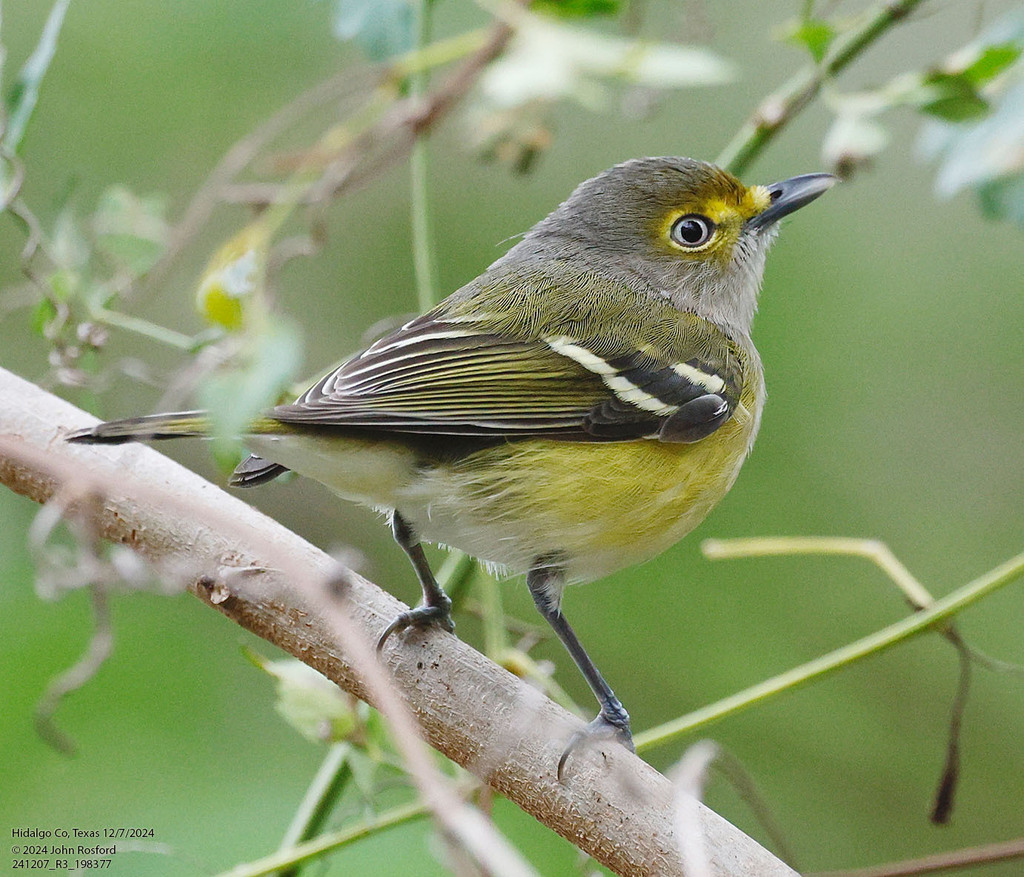
- White-eyed VireoVireo griseus










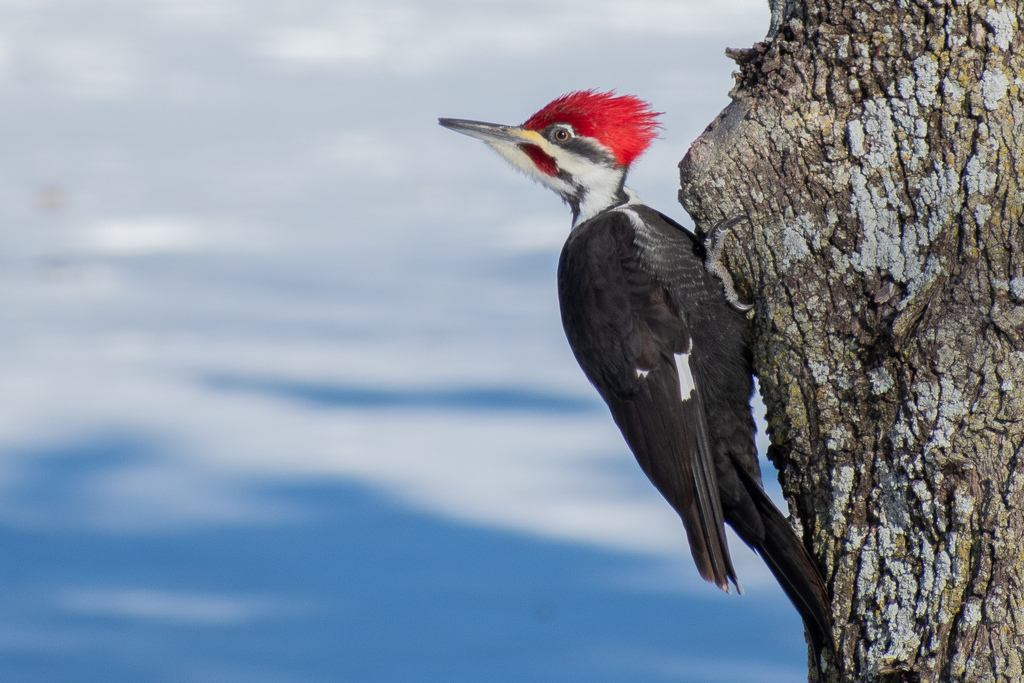



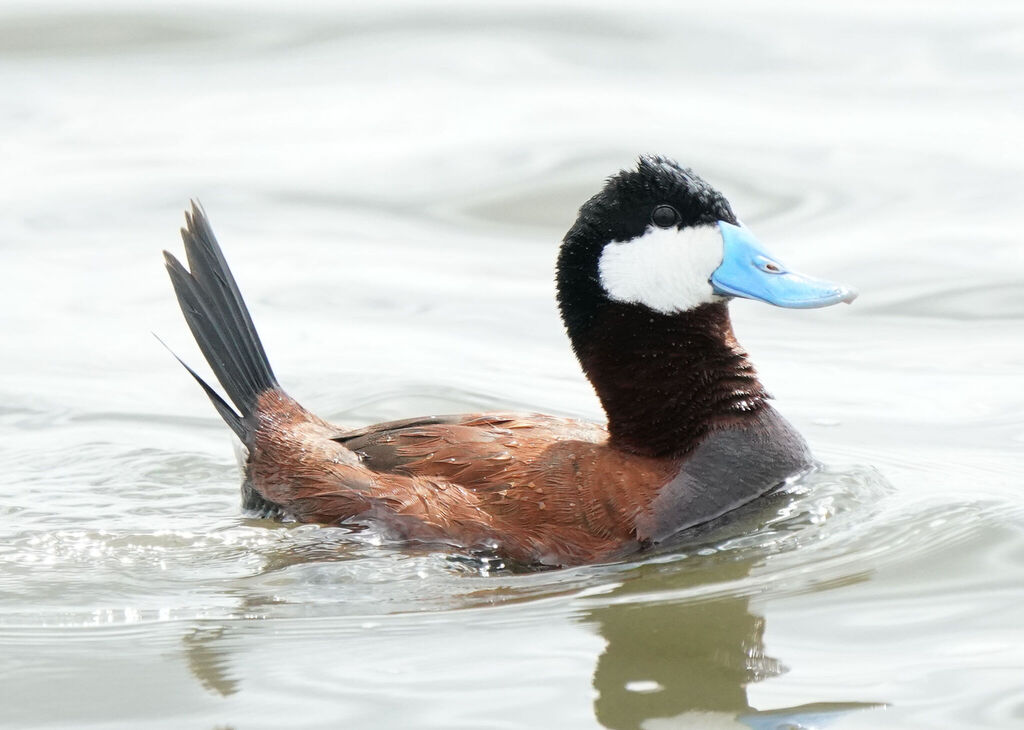


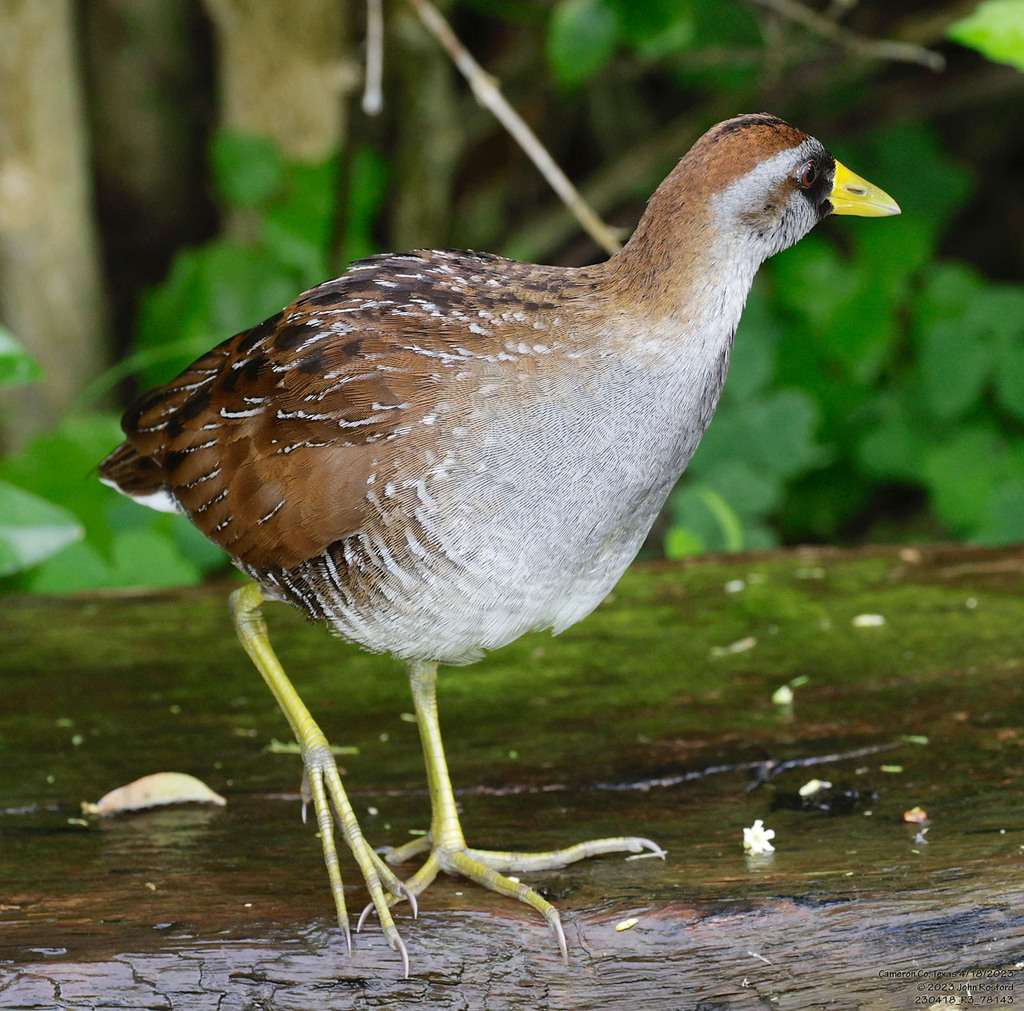
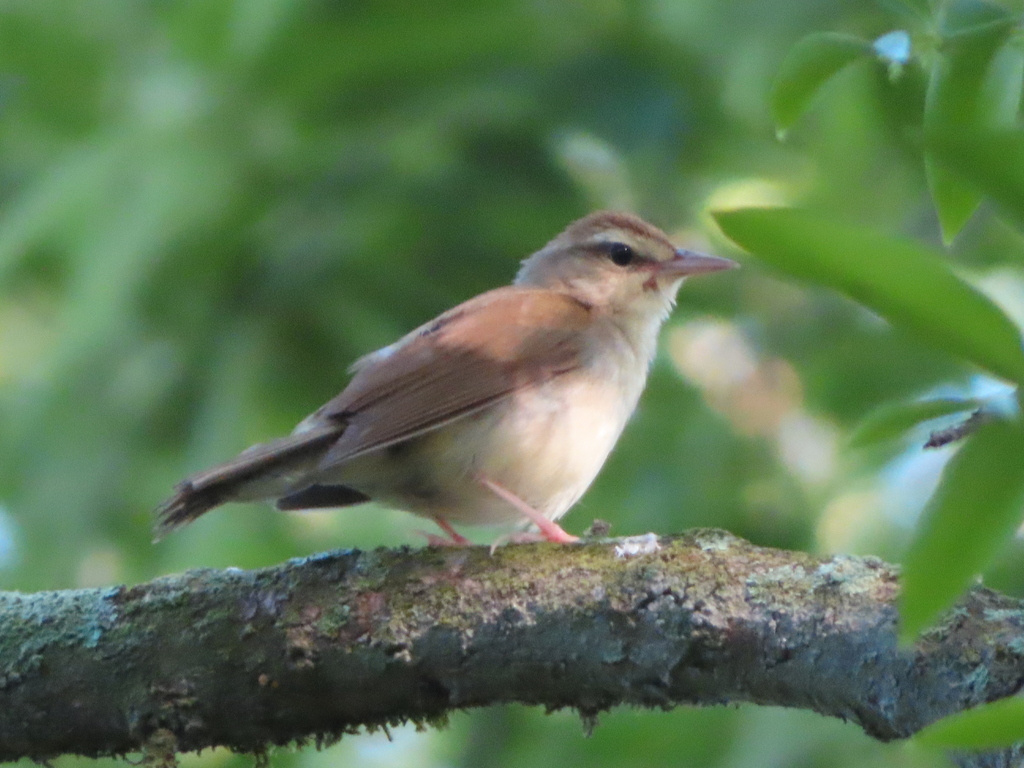
Who uses this plant?
 2CaterpillarsGenus host records with ranges including AL
Genus host records with ranges including AL · Iresine
- Anomis flavaTropical Anomis Moth
- Staphylus hayhurstiiHayhurst's Scallopwing, Scalloped Sooty Wing, Scalloped Sootywing
 0BeesSoutheastern regional records
 0Specialist beesPollen specialists
 —BirdsRecorded genus food-resource interactions; not a state feeding claim
No records yet · Ants · Beetles · Flies · Adult butterflies / moths · Other wasps · Other insects
Plant details
- Family
- Amaranthaceae
- Flower color
- White or green
Safety has not been reviewed for this plant; check toxicity and thorns before planting.
Growing sources and scope
- Bloom · “August to October” · Weakley, Flora of the Southeastern United States (2025), Carolinas & Georgia edition · Carolinas and Georgia
- Flower color · “White or green” · Lady Bird Johnson Wildflower Center
- Height · “Up to about 3 feet” · Lady Bird Johnson Wildflower Center
- Life cycle · “Perennial” · Lady Bird Johnson Wildflower Center
- Light · “Partial shade; Full shade; Full sun (documented habitat)” · Weakley, Flora of the Southeastern United States (2025), Carolinas & Georgia edition · Carolinas and Georgia
- Soil · “Dry; Moist; Wet (documented habitat)” · Weakley, Flora of the Southeastern United States (2025), Carolinas & Georgia edition · Carolinas and Georgia
Also known as
Bloodleaf
Conservation status
| Alabama rank | SNR |
|---|---|
| Global rank | G5 |
| AL status | Not verified |
| Federal status | Not verified |
Will it fit your yard?
Check this plant against your county, sun and soil moisture. Conditions are checked in your browser.
Sources
- Alabama Plant Atlas
- USDA PLANTS
- Vascular Plants of North Carolina (NC Natural Heritage Program)
- Weakley, Flora of the Southeastern United States (2025), South Central edition
- Shropshire & Tallamy 2025, Lepidoptera of North America north of Mexico, ZooKeys 1261 (ODbL)
- Noori, Seltmann & Orr 2026, A curated and integrated dataset for exploring global bee-plant interactions (GloBI), Zenodo, CC BY 4.0
- Smith, Bachelder, Russell, Morales, Mosher & Seltmann 2024, Bee-Specialization-Modeling v0.6.1 (specialist host table compiled from J. Fowler's pollen specialist bee lists), Zenodo, CC BY 4.0
- Hurlbert, Olsen, Sawyer & Winner 2021, Avian Diet Database, Scientific Data 8: 260 (CC0)
- Narango, Tallamy & Shropshire 2020, Few keystone plant genera support the majority of Lepidoptera species, Nature Communications